
Introduction
Leki trekking poles have earned a strong reputation among hikers and outdoor explorers, thanks to their dependable support and impressive stability across a wide range of terrains. Known for thoughtful engineering and premium materials, Leki designs cater to everyone—from weekend walkers to dedicated mountaineers.
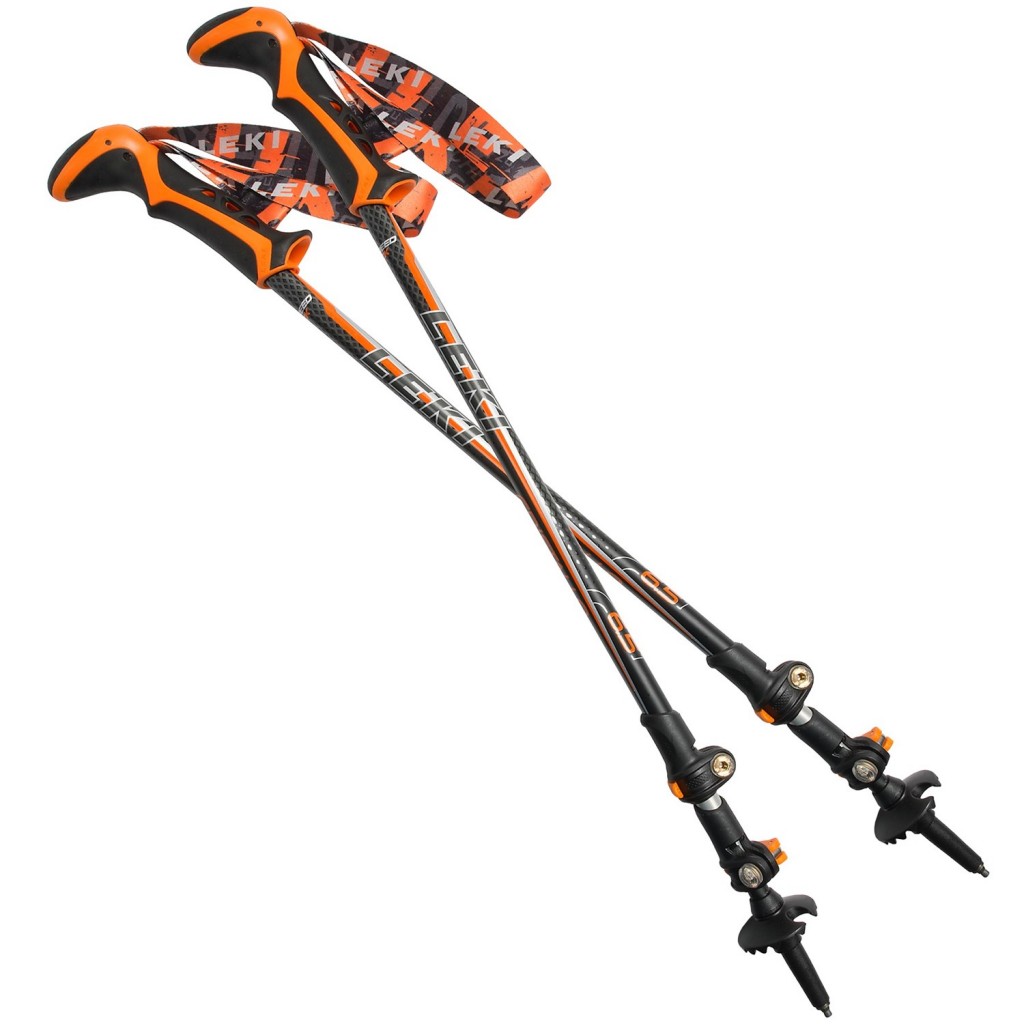
In this guide, you’ll discover what sets Leki poles apart, explore their standout features, compare them with similar brands, and gain insight from real users. Whether your plans involve steep ascents or easy woodland trails, understanding how Leki poles enhance comfort and control can elevate your entire hiking experience.
Overview of Leki Trekking Poles
History of Leki
Leki’s story began in 1948 in a small German workshop founded by Helmut Leki. The company initially produced ski poles, but over time, its focus expanded into hiking and trekking gear. Decades of refinement and innovation later, Leki has become a global leader in trekking pole technology, consistently refining its products to meet the needs of modern adventurers.
What Makes Leki Unique
Leki stands out for its combination of advanced engineering, durability, and user-first design. Their poles incorporate features such as shock-dampening systems, ergonomic grips, and lightweight materials that make long treks more comfortable. With models designed for different terrains and hiking styles, Leki offers options suited for casual day hikes as well as demanding multi-day expeditions.
Key Features and Technologies
Material and Construction
Crafted from high-grade aluminum and carbon fiber, Leki poles balance strength and lightweight performance. These materials hold up well under rough conditions without weighing down your pack. For hikers, this means reduced fatigue and dependable support throughout long days on the trail.
Adjustment Mechanisms
Leki trekking poles is known for its smooth and secure adjustment systems. Many poles include easy-to-use locking mechanisms that allow you to fine-tune their length in seconds. This quick adjustability comes in handy when moving between inclines, declines, or uneven terrain.
Grip and Comfort Features
Comfort is a major priority in Leki trekking poles designs. Their ergonomic grips—built from cork, foam, or rubber depending on the model—help reduce strain on your hands during extended use. Many poles also include padded wrist straps for added stability and ease of handling.

Types of Leki Trekking Poles
Adjustable Leki Trekking Poles
Adjustable poles offer flexibility for hikers who need adaptable gear. Whether you’re climbing, descending, or walking level ground, these poles allow you to dial in the length that feels most natural.
Fixed-Length Trekking Poles
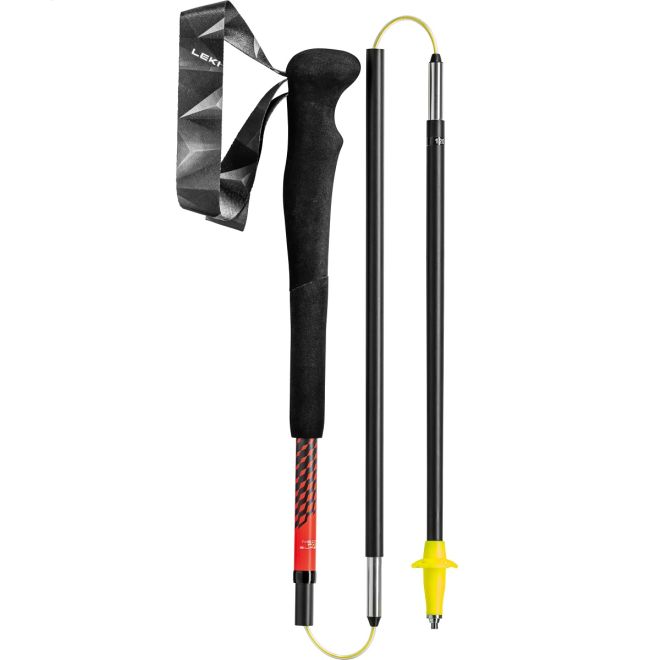
Fixed-length models appeal to hikers who prefer simplicity and maximum rigidity. With fewer moving parts, these poles typically provide a more solid feel and are ideal for users who already know their preferred pole height.
Specialized Poles for Specific Terrains
Leki trekking poles also manufactures poles tailored for unique environments—such as snow, rocky landscapes, or muddy trails. These specialty designs feature specific baskets, tips, and materials that perform best in challenging conditions.
Benefits of Using Leki Trekking Poles
Improved Stability and Balance of leki trekking poles
Leki Trekking poles act as an additional point of contact with the ground, helping you maintain balance during tricky ascents, slick descents, or unstable paths. With Leki poles, hikers often feel more secure and capable on demanding terrain.
Reduced Stress on Joints
By distributing weight more evenly, Leki trekking poles can significantly lessen pressure on the knees and lower body. This relief is especially noticeable on long hikes or steep downhill sections.
Better Overall Hiking Experience
With improved comfort, balance, and reduced fatigue, hikers can focus more on enjoying the landscape around them. The right poles can transform a strenuous route into a more pleasant, energy-efficient adventure.
Comparison with Other Brands
Price Point
Leki trekking poles generally fall into the mid-to-premium price range. While they may cost more than basic budget poles, the higher price reflects the quality of materials, engineering, and long-term reliability. For many hikers, this makes them a worthwhile investment.
Performance Comparison
Leki trekking poles consistently performs at or above the level of other well-known brands such as Black Diamond and Cascade Mountain Tech. Users often praise Leki’s smooth adjustment systems, shock absorption, and comfortable grips—qualities that contribute to steady performance on varied terrain.
Durability and Warranty
Durability is one of Leki’s strongest selling points. Their poles are engineered to withstand years of use. Leki also offers a dependable warranty program, giving hikers confidence that parts can be repaired or replaced if issues arise over time.
User Reviews and Testimonials
Positive Experiences
Hikers frequently highlight how lightweight yet sturdy Leki trekking poles feel. Many mention that the ergonomic grips reduce hand fatigue and provide excellent control on rocky trails. Others appreciate the reliable locking systems and overall stability.
Common Criticisms
Some reviewers note that Leki poles are pricier than competing options. A few users also mention occasional challenges with certain locking mechanisms. Additionally, some casual hikers feel that specific high-performance models are stiffer than necessary for light use.
Real-World Stories
Outdoor enthusiasts often share stories of how Leki poles helped them navigate slippery slopes, stream crossings, and steep climbs. Others describe using them for snowshoeing or even as emergency tent supports—illustrating their versatility beyond traditional hiking.
Care and Maintenance Tips
Cleaning
Wipe down your poles after each trip, especially if you’ve been hiking through mud or sand. Keeping them clean prevents debris from interfering with the locking mechanisms.
Storage
Store your poles in a dry, cool place. Avoid prolonged exposure to heat or moisture to prevent damage to the materials.
Inspection
Check for cracks, loose parts, or worn tips before each hike. Addressing small issues early can prevent unexpected failures on the trail.
Some basic information
weight capacity of Leki trekking poles
Most Leki poles can support weight comfortably for a wide range of hikers, typically up to around 300 pounds, depending on the model. Still, reviewing the specifications for your chosen pole is recommended.
Leki poles as beginner-friendly
Yes. Their intuitive adjustments, light weight, and comfortable grips make them an excellent choice for new hikers.
Determine the right pole length
A simple guideline is to adjust the poles so your elbows form a 90-degree angle when the tips touch the ground. For precise sizing, consult Leki’s sizing charts or a gear specialist.
Long-lasting durability, and thoughtful design
Leki trekking poles stand out for their craftsmanship, long-lasting durability, and thoughtful design. Whether you’re new to hiking or tackling advanced trails, Leki offers models that provide dependable support and enhance comfort during your journey.
By considering the comparisons, user insights, and features outlined above, you can confidently choose the right pair to accompany you on future adventures. Happy hiking.
FAQs
Q1. What sets Leki trekking poles apart from other options?
Leki has built its reputation on meticulous engineering and decades of innovation in outdoor equipment. Their poles typically use premium aluminum or carbon fiber, dependable adjustment systems, and grips shaped to reduce hand and wrist fatigue. What many hikers appreciate most is the blend of long-term durability and comfort, especially on steep, rocky, or unpredictable trails.
Q2. Should I choose carbon or aluminum Leki poles?
Each material offers different advantages. Carbon poles are exceptionally lightweight, making them ideal for backpackers who want to reduce fatigue over long distances. Aluminum poles tend to be tougher and more forgiving if they take a hard hit or get wedged between rocks. Your decision largely depends on whether you value maximum strength or minimal weight.
Q3. How do Leki’s pole-locking systems function?
Leki primarily uses two adjustment styles: SpeedLock, an external lever system known for quick, tool-free adjustments, and TwistLock, an internal mechanism with a clean, streamlined profile. SpeedLock is especially convenient with gloves or in cold weather, while TwistLock appeals to hikers who prefer a simpler, integrated look. Both are designed to hold sections firmly once set.
Q4. Can Leki trekking poles reduce joint strain?
Yes. Trekking poles can redistribute weight and help absorb impact, which eases pressure on knees, hips, and ankles. Leki’s ergonomic grips and optional shock-absorbing features enhance this benefit, giving hikers steadier footing on ascents and extra control on downhill sections.
Q5. How do I select the right length for Leki poles?
A proper pole length allows your arm to rest at roughly a 90-degree angle when the tip touches the ground. Since most Leki poles are adjustable, you can fine-tune the height depending on trail conditions. Taller hikers or those carrying heavier packs may find slightly longer settings offer better balance.
Q6. Are Leki trekking poles suitable for new hikers?
Definitely. While they’re widely used by advanced trekkers, Leki also offers beginner-friendly models with intuitive adjustments and comfortable grips. Even if you’ve never handled trekking poles before, their design makes it easy to get the hang of proper technique.
Q7. Is it possible to replace worn parts like tips or baskets?
Yes. Leki provides a broad selection of replacement components, so you can refresh your poles without replacing the entire set. Tips, baskets, straps, and other parts are generally simple to swap out, making long-term upkeep both affordable and convenient.
Q8. Are Leki poles suitable for winter conditions or snowshoeing?
Many Leki poles work well in snowy environments when fitted with larger winter baskets, which prevent the poles from sinking too deeply into soft snow. Their sturdy shafts and solid locking systems provide reliable support on icy trails, winter hikes, and snowshoe adventures—just make sure you pair them with the right seasonal accessories.
Conclusion
Leki trekking poles remain a favorite among outdoor enthusiasts because they blend stability, comfort, and dependable craftsmanship into every model. Whether you’re exploring rugged mountain terrain or simply looking for extra balance on uneven ground, their thoughtful design adds confidence and ease to each step.
By selecting the pair that matches your hiking style, you’ll enjoy consistent, reliable performance throughout all your adventures.
Add a Comment