Introduction
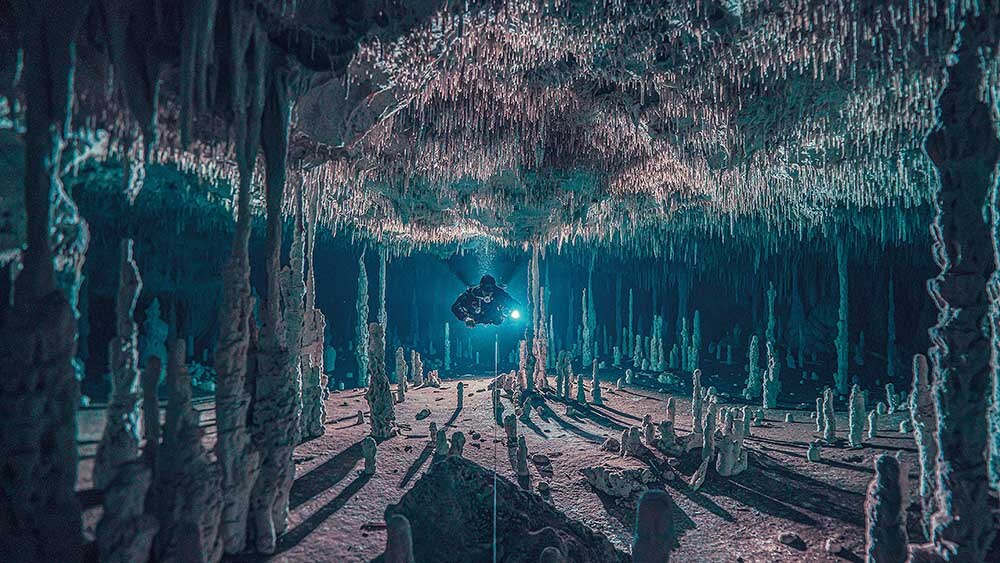
Cave diving blends the rush of underwater exploration with the quiet mystery of worlds tucked beneath the earth’s surface. Divers slip through shadowed corridors, weaving around sculpted stone and stumbling upon small ecosystems that seem untouched by time. It’s a pursuit that demands advanced skills, specialized gear, and a healthy respect for safety and conservation.
Cave diving
Whether you’re a seasoned diver craving a tougher challenge or someone fascinated by the unknown, cave diving offers a rare opportunity to explore hidden realms below the waterline. This article will unpack the fundamentals of cave diving—its origins, essential training, must-have equipment, and the standout destinations that inspire adventurers worldwide.
An Overview of Cave Diving
Definition and Origin
Cave diving is an underwater sport centered on exploring submerged passageways, caverns, and tunnels. Imagine gliding through a twisting stone maze with only the beam of your torch cutting through the darkness. The appeal lies in uncovering what most people will never see—minus the imaginary cave beasts that folklore insists on (rest easy, they haven’t RSVP’d to any dives).
Why People Choose Cave Diving
So why squeeze into neoprene and disappear into dim, water-filled tunnels? For many, it’s the thrill of discovering rare formations and the adrenaline of exploring a place few humans have entered. Others are drawn to the unusual plant and animal life that survives in these secluded habitats. It’s essentially treasure hunting—just swap gold coins for surreal landscapes and living fossils.
The History and Evolution of Cave Diving
Early Explorations and Discoveries
Cave diving’s roots stretch back surprisingly far. Early explorers—equipped with little more than primitive tools and plenty of boldness—entered partially submerged caves simply to see what lay beyond. Their stories, filled with awe and occasional warnings, set the stage for a new form of exploration.
Technological Advances in Diving Equipment
Jump to the modern era, and the sport looks nothing like those early attempts. Heavy, unreliable gear has given way to streamlined systems, dependable lighting, and navigation tools that make exploration safer and far more enjoyable. Think of it as upgrading from a rotary phone straight to a high-end smartphone.
Modern Cave Diving Techniques
Today’s training emphasizes safety, control, and efficient movement. Divers learn precision buoyancy, careful navigation, and emergency protocols so they can manage tight spaces, long distances, and unexpected challenges—ideally without starring in the next round of cave-myth tales.
Essential Equipment for Cave Diving
Diving Gear Essentials
Cave diving demands gear that can handle tough conditions. Typical equipment includes a wetsuit or drysuit for warmth, a sturdy tank setup, a buoyancy control device, dependable regulators, and a dive computer to track depth, air, and time. Keeping an eye on your air supply isn’t optional—it’s your lifeline.
Navigation Tools
Underwater caves don’t offer convenient signs pointing toward the exit. Divers rely on compasses, guideline reels, and markers to stay oriented. A good dive buddy is another essential “tool”—someone who can help retrace the path or gently remind you that you passed the same rock twice.
Emergency Equipment
Preparation is everything. Safety-focused divers often carry additional air sources, backup lights, cutting tools, and emergency kits. Being overly prepared is far better than finding yourself wishing you had packed that extra piece of gear.
Types of Cave Diving Environments
Freshwater Caves
Freshwater caverns often boast crystal clarity and dramatic geological formations. These environments provide unmatched visibility and serene beauty—plus the occasional curious fish that insists on inspecting your mask.
Saltwater Caves
Saltwater caves introduce vibrant marine ecosystems and dynamic seascapes. Sunlight filtering through ocean water creates breathtaking patterns, turning each dive into a cinematic scene filled with marine life.
Ice Caves and Unique Conditions
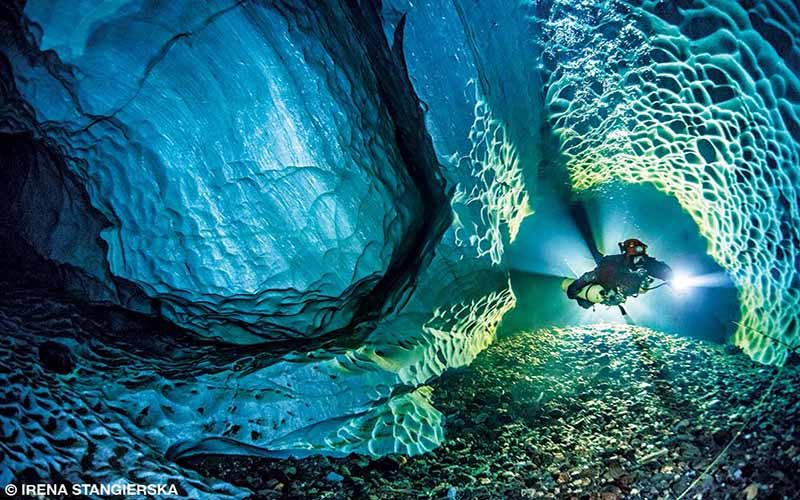
For divers craving true extremes, ice caves offer surreal views beneath frozen surfaces. Navigating through icy corridors requires extra skill and preparation, but the reward is a landscape unlike anything above ground.
Safety Protocols and Best Practices
Pre-Dive Planning
Successful cave dives start with detailed planning. Study maps, identify risks, inspect every piece of equipment, and always know your exit route. In cave diving, preparation isn’t optional—it’s your strongest safety tool.
Buddy System and Team Diving
Diving into overhead environments alone is never recommended. A reliable buddy or team helps maintain communication, manage emergencies, and prevent small issues from becoming dangerous situations.
Emergency Response Protocols
Even experienced divers can encounter surprises. That’s why training includes drills for sharing air, light failures, lost guidelines, and other potential emergencies. Practicing responses ensures divers react calmly and correctly instead of freezing under pressure.
Training and Certification for Cave Divers
Types of Certification Programs
Diving in caves without training is a recipe for disaster. Reputable organizations offer structured courses—from introductory cavern classes to advanced cave and technical programs—designed to teach the skills needed for safe exploration.
Required Skills and Knowledge
Divers must master buoyancy, propulsion techniques, guideline use, environmental awareness, and precise gas management. Clear underwater communication is also crucial, especially because shouting into a regulator doesn’t get you very far.
Choosing the Right Training Organization
Selecting a training agency or instructor should involve research and referrals. Look for experienced professionals with strong recommendations and an approach that emphasizes safety and respect for the environment.
Environmental Considerations and Conservation
Impact of Diving on Cave Ecosystems
Caves are sensitive ecosystems shaped over thousands of years. The presence of divers—lights, bubbles, and movement—can disturb delicate formations and wildlife. Responsible divers remain aware of their surroundings and avoid unnecessary contact.
Conservation Efforts in Cave Diving
Many groups work to protect cave systems by limiting access, conducting clean-ups, studying wildlife, and spreading awareness about responsible diving. Supporting these efforts helps preserve fragile underwater worlds.
Best Practices for Responsible Diving
Environmental stewardship means leaving the cave exactly as you found it. Avoid touching formations, secure your gear to prevent damage, use eco-friendly products, and maintain excellent buoyancy to avoid stirring sediment or harming fragile structures.
Notable Cave Diving Destinations Around the World
Famous Caves in North America
North America hosts iconic locations like the cenotes of Mexico’s Yucatán, the vast networks of Florida’s springs, and the blue depths of Belize’s Great Blue Hole. These sites attract divers seeking dramatic scenery and expansive passages.
Exploring European Cave Systems
Europe offers stunning underwater caves—from Malta’s glowing Blue Hole to intricate systems in France and other Mediterranean regions. Many of these locations combine natural beauty with fascinating cultural or geological histories.
Unique Diving Locations in Asia and Beyond
Asia features unforgettable cave diving spots such as the limestone tunnels around Thailand and the immense chambers near Vietnam’s Son Doong region. These sites reward divers with breathtaking formations and rare species.
Final Toughts
Cave diving is an extraordinary blend of skill, curiosity, and respect for nature. Every descent into a submerged passage invites adventure, technical precision, and an appreciation for environments shaped over millennia.
With proper training, careful planning, and a conservation mindset, divers can safely explore these remarkable places. Whether you’re seeking adrenaline, serenity, or a deeper connection to the natural world, cave diving offers experiences that stay with you long after you surface.
FAQs
Q1. What sets cave diving apart from regular scuba diving?
Cave diving takes place inside enclosed, overhead environments, meaning a diver can’t simply rise to the surface whenever they want. Light fades quickly, pathways twist into narrow corridors, and every movement must be deliberate. The atmosphere shifts from open blue water to a maze of stone, shadow, and depth—an entirely different universe from typical recreational dives.
Q2. Is cave diving only meant for very advanced divers?
For the most part, yes. Because caves remove the option of a direct ascent and introduce challenges like tight passages, silt buildup, and complex navigation, specialized training becomes non-negotiable. Even experienced open-water divers must complete progressive certifications before venturing into true cave systems.
Q3. What risks are commonly linked with cave diving?
The main dangers arise from losing visibility, mismanaging breathing gas, getting disoriented, or experiencing equipment issues in confined spaces. In an overhead environment, these problems escalate quickly. Consistent planning, strict protocols, and steady decision-making are what keep divers safe.
Q4. Why is a guideline crucial in cave diving?
A guideline is essentially the diver’s map home. One misplaced kick can stir up enough sediment to erase visibility entirely. In that haze, the line becomes the only reliable reference, guiding you back to open water even when the cave dissolves into a featureless cloud.
Q5. How do cave divers handle gas supply on long penetrations?
Most divers follow strict gas management rules—often the “rule of thirds”: one-third to enter, one-third to exit, and one-third as a safety buffer. More advanced groups may carry stage cylinders or use rebreathers to extend their range while keeping generous margins for emergencies.
Q6. Are rebreathers commonly used in caves?
Their popularity is growing. Rebreathers allow longer dives at depth, conserve breathing gas, and reduce bubbles. But they add complexity, requiring precise monitoring and additional training because they introduce new mechanical failure points.
Q7. What training is required before beginning cave diving?
Training moves gradually from cavern to intro cave to full cave certification. Students practice low-silt finning, lost-line drills, navigation skills, redundancy procedures, and emergency responses—over and over, until the actions become automatic even in total darkness.
Q8. What equipment is essential for cave diving?
Divers typically use twinsets or sidemount configurations, multiple lights, reels and spools, navigation markers, cutting tools, redundant masks, and exposure protection suited for the water and rock environment. Everything has a backup, and every piece is chosen with intention.
Q9. Can cave diving be a safe hobby?
Yes—if the diver follows their training, respects limits, and keeps their gear in excellent condition. With consistent discipline, the activity shifts from something intimidating to a rewarding form of exploration.
Q10. Which places are known for cave diving?
Mexico’s cenotes, the Florida springs, and various limestone cave systems around Europe are among the most admired. Each location offers its own character: glass-clear tunnels, sprawling passage networks, or massive chambers shaped slowly over millennia.
Q11. Do all caves have poor visibility or heavy currents?
Not necessarily. Many freshwater caves maintain astonishing clarity year-round, while others vary with rainfall, tides, or geological features. Part of being trained is learning how these environmental shifts affect a dive.
Q12. What motivates divers to explore caves at all?
It’s the blend of tranquility, curiosity, and the surreal feeling of drifting through an environment carved long before humans existed. The silence, the shadows, and the stark beauty make the experience feel almost otherworldly.
Conclusion
Cave diving opens the door to a world that seems ancient, untouched, and strangely peaceful—a place where the noise of the surface falls away and only the slow rhythm of your movement remains. The real magic isn’t just the adventure; it’s the stillness that settles in as you follow the beam of your light deeper into the unknown.
With proper training and genuine respect for the environment, these underwater passageways become more than a test of skill—they reveal the hidden architecture of the planet, quietly waiting beneath the water’s calm surface.
Add a Comment