Introduction
Diving boards have long held a special place in swimming culture—part playful platform, part athletic launchpad. Over time, these poolside features have transformed dramatically, shaped by evolving materials, safety requirements, and the growing sophistication of recreational and competitive diving.
This article takes a journey through their origins, the various styles available today, essential safety practices, installation and upkeep advice, leading manufacturers, competitive standards, and the advantages of adding one to your swimming environment. We’ll also glance at the innovations that may redefine the diving board of tomorrow.
History of Diving Board
Early Origins
The concept of leaping from raised surfaces into water dates back to ancient civilizations, where swimmers and thrill-seekers used natural ledges or simple wooden platforms to jump into lakes and rivers. Greeks and Romans were especially fond of high dives, turning casual jumps into feats of daring long before modern boards were invented.
Growth and Advancements Over Time
By the 19th century, the diving board began taking shape as a constructed, flat wooden plank fixed at the poolside. With the introduction of spring mechanisms in the early 20th century, boards gained the flexibility needed for higher, more dynamic jumps.
As technology advanced, manufacturers transitioned from traditional wood to fiberglass and metal alloys, boosting longevity, stability, and performance.
Key Breakthroughs in Design
Olympic competitions played a significant role in pushing diving board engineering forward. For example, the 1936 Berlin Olympics marked the debut of standardized springboards, setting the stage for future enhancements.
Over the decades, features such as improved traction, adjustable height systems, and specialized surfaces turned diving boards into precision-crafted equipment capable of supporting elite athleticism.
Types of Diving Boards
Standard Boards
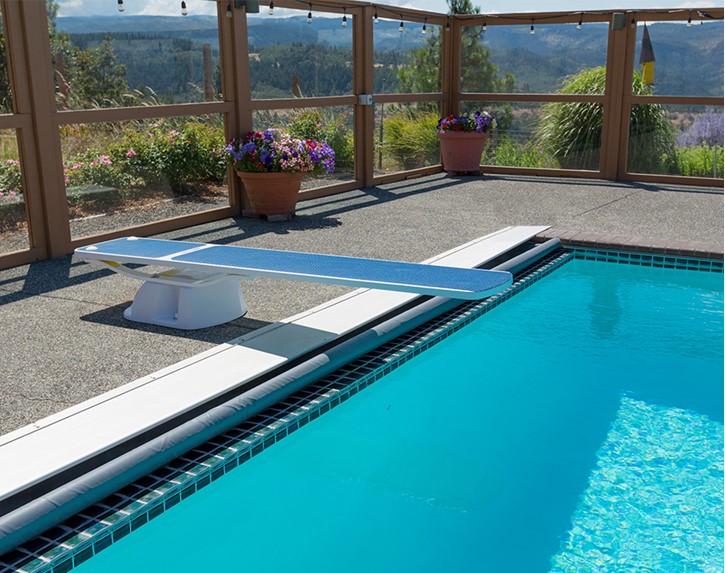
These familiar boards provide a sturdy, flat surface typically positioned at around one meter above the pool. Perfect for everyday fun or practicing basic dives, they remain one of the most popular choices for backyard pools.
Springboards
Springboards introduce flexibility and lift, allowing divers to generate height and perform complex movements. Fiberglass construction is common, and boards are produced in different lengths and mounting styles to accommodate various skill levels and pool designs.
Platform Boards
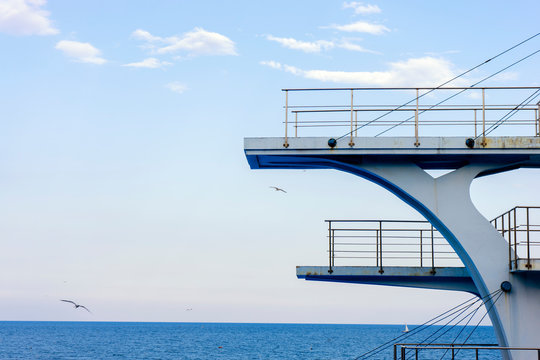
Used widely in professional competitions, platform boards are rigid, fixed structures set at predetermined heights—often 5, 7.5, or 10 meters. The absence of spring action means divers rely entirely on technique and power, making these platforms ideal for high-difficulty routines.
Custom and Inflatable Variants
For those seeking something unconventional, manufacturers offer custom shapes, colors, and artistic designs. Inflatable models—popular at lakes or seasonal pool setups—add a playful twist, although they lack the stability and performance of solid boards.
Safety Considerations
Common Risks and How to Prevent Them
Diving can lead to sprains, impacts, or minor collisions if performed improperly. To reduce risks, divers should stretch beforehand, ensure adequate water depth, maintain good form, and check that the landing zone is clear.
The Role of Supervision
Whether at home or in a public facility, attentive supervision—especially for inexperienced swimmers—is essential. Oversight helps prevent accidents and reinforces good diving habits.
Built-In Safety Enhancements
Modern boards often include textured anti-slip coatings, reinforced edges, corrosion-resistant hardware, and load-monitoring recommendations. These additions provide greater security and confidence during use.
Installation and Maintenance
Selecting an Appropriate Location
Choosing where to install a diving board requires attention to pool depth, distance from obstacles, and adequate forward clearance. Sun exposure and traffic flow around the pool deck should also be considered to maximize safety and enjoyment.
Installation Requirements
Professional installation is highly recommended. Technicians ensure compliance with local regulations, secure mounting hardware correctly, and verify that the pool structure can support the board’s forces during use.
Ongoing Care
To keep a diving board performing reliably, owners should inspect it regularly for structural wear, surface deterioration, or compromised spring mechanisms. Routine cleaning prevents slippery buildup, while seasonal checkups help maintain long-term safety.
Popular Diving Board Brands
Leading Manufacturers
Companies such as S.R. Smith, Inter-Fab, and Wright’s are recognized for their craftsmanship and durability. Each brand caters to different preferences—whether it’s contemporary designs, customizable features, or classic aesthetics with modern engineering.
Comparing Notable Models
Boards like S.R. Smith’s longer spring models deliver impressive lift and stability, making them a favorite among serious divers. Inter-Fab’s compact options provide sleek styling and straightforward installation, ideal for smaller pools or residential settings.
Customer Insights
User reviews often highlight durability, ease of installation, and responsive customer support. Many appreciate the blend of style and function, noting that higher-quality boards significantly enhance both recreational use and performance.
Competitive Diving and Regulations
Competition Formats
Professional diving involves springboard and platform events, each governed by precise rules. Springboard events typically take place from 1- and 3-meter boards, while platform events range from 5 to 10 meters. Athletes perform choreographed dives scored on complexity, execution, and entry.
Regulatory Organizations
Bodies such as World Aquatics (formerly FINA) define standards for equipment dimensions, surface quality, and performance criteria. These guidelines ensure fairness, safety, and consistency across competitions worldwide.
Influence on Board Development
Because competitive requirements evolve, manufacturers continually refine materials and mechanics. Boards must deliver repeatable performance, secure footing, and optimal spring characteristics while meeting strict regulatory benchmarks.

Benefits of Swimming with a Diving Board
Fitness and Conditioning
Diving combines aerobic movement with strength training, improving cardiovascular endurance, core stability, and overall coordination. Each jump also requires balance and controlled momentum—skills that translate into better swimming performance.
Skill Building
Regular practice helps swimmers refine body positioning, streamline techniques, and sharpen timing. Divers who consistently practice become more confident both on the board and in open water.
Enjoyment and Social Value
Few features elevate a pool environment like a diving board. It encourages playful competition, spontaneous challenges, and lots of laughter, turning ordinary swims into memorable experiences.
Future Trends in Diving Board Design
New Materials and Smart Technology
Next-generation boards may incorporate lighter, stronger composites and digital systems that analyze takeoff, angle, and rotation. These enhancements could help both beginners and advanced divers improve their skill sets.
Sustainable Innovations
Eco-friendly materials—such as recycled polymers or responsibly sourced timber—are becoming more common as manufacturers pursue greener production methods.
Evolving Recreational Features
Expect to see multi-function boards that convert into slides, compact designs for urban pools, and interactive systems that track performance. The future points toward more personalized, adaptable equipment that blends fun with technical refinement.
Final Thoughts
Diving boards continue to enrich swimming environments with their mix of excitement, fitness value, and skill-building potential. Understanding their development, styles, safety practices, and maintenance needs ensures a safe and rewarding experience for users of all ages. With emerging technologies and fresh design ideas on the horizon, diving boards will remain a cherished part of aquatic recreation for many years to come.
FAQs
Q1. What determines if a swimming pool can safely support a diving board?
Before any installation happens, professionals evaluate several technical details: the depth of the water, how quickly the pool floor slopes, and the distance between the diving point and the deepest area.
Most residential and commercial codes require depths of around 8–9 feet or more for safe diving. Inspectors may also review the condition of the deck, the anchoring hardware, and even the ground stability beneath the mounting area if structural work is planned.
Q2. Are all diving boards designed to provide bounce?
Not exactly. Springboards are engineered to flex, typically using aluminum or fiberglass paired with a fulcrum system. Platform-style boards, on the other hand, are rigid and do not offer rebound, which is preferred for certain training and competitive environments. Most backyard setups lean toward boards with light, predictable flex for recreational enjoyment.
Q3. What materials are most frequently used to make modern diving boards?
Contemporary boards are commonly built from fiberglass composites, aluminum, or treated wood. Composite boards handle weather fluctuations well and require minimal upkeep. Aluminum models are known for their strength and consistent performance. Wooden boards—though aesthetically charming—appear most often in older pools or custom projects and need more regular sealing and inspection.
Q4. How does a diving board’s fulcrum function?
Think of the fulcrum as a movable balancing point. When positioned closer to the board’s end, the board becomes springier; when set closer to the base, the bounce decreases. Professional divers fine-tune this adjustment, while many home-use boards rely on preset or fixed fulcrums for added safety and ease of use.
Q5. Does a diving board require ongoing maintenance? What does that include?
Routine maintenance is essential. Owners should check for surface wear, minor cracking, rusted bolts, and loss of grip coating. A yearly light sanding followed by a fresh anti-slip layer helps keep the surface safe. Hardware should be tightened and examined for corrosion, and the underside of the board should not be ignored—moisture can accumulate and compromise internal layers if left unchecked.
Q6. Are diving boards still permitted in private residential pools?
In many places, yes—but regulations vary. Local building codes may outline depth, clearance, and required safety zones. Insurance companies sometimes require additional liability coverage. Older pools with outdated fixtures might need updated equipment to meet current safety standards.
Q7. What safety guidelines should swimmers follow when using a diving board?
Swimmers should ensure the drop zone is clear, jump outward rather than straight down, and avoid flips without proper training. Running on the board, diving while impaired, or performing elaborate tricks in shallow pools are major risk factors. Children should be supervised closely, with emphasis on entering the water hands-first.
Q8. How long can a typical diving board be expected to last?
Depending on material quality, UV exposure, pool chemistry, and usage frequency, a board may last anywhere from 5 to 15 years. Heavy sunlight or constant use can shorten its lifespan, whereas a well-maintained composite board in partial shade may remain safe and sturdy for much longer.
Q9. Can diving boards be customized for style or performance?
Yes—many companies offer custom features such as tinted finishes, unique grip textures, or engraved designs. Performance-focused boards sometimes allow specialty flex options or adjustable fulcrum setups, though these features tend to be used primarily in training centers and competitive facilities rather than backyard pools.
Q10. Do diving boards increase the value of a property?
It depends on the market. In communities where families are a key demographic, a high-quality diving board can enhance a pool’s appeal. In minimalist or resort-style neighborhoods, buyers may prefer a cleaner, open pool deck. Ultimately, compliance with safety standards and the overall condition of the pool influence value more than the presence of a board alone.
Conclusion
A diving board has a peculiar charm: one moment it seems like an ordinary piece of equipment, and the next it becomes the spot everyone gravitates toward—the place where people gather nerve, test balance, crack jokes, or take that first exhilarating leap. Its purpose stretches beyond the dive itself; it quietly shapes memories and moments that linger in the mind long after the water settles.
Whether used for disciplined practice or the simple thrill of rising above the surface for a breath of suspended silence, a diving board turns an ordinary pool into a small arena of energy, anticipation, and stories waiting to unfold.
Add a Comment