
Introduction
Wightlink Ferry serves as a vital link between the Isle of Wight and mainland England, providing a variety of services for both locals and tourists. Known for its dependable schedule and focus on passenger satisfaction, Wightlink ensures travel is smooth and accessible across multiple routes.
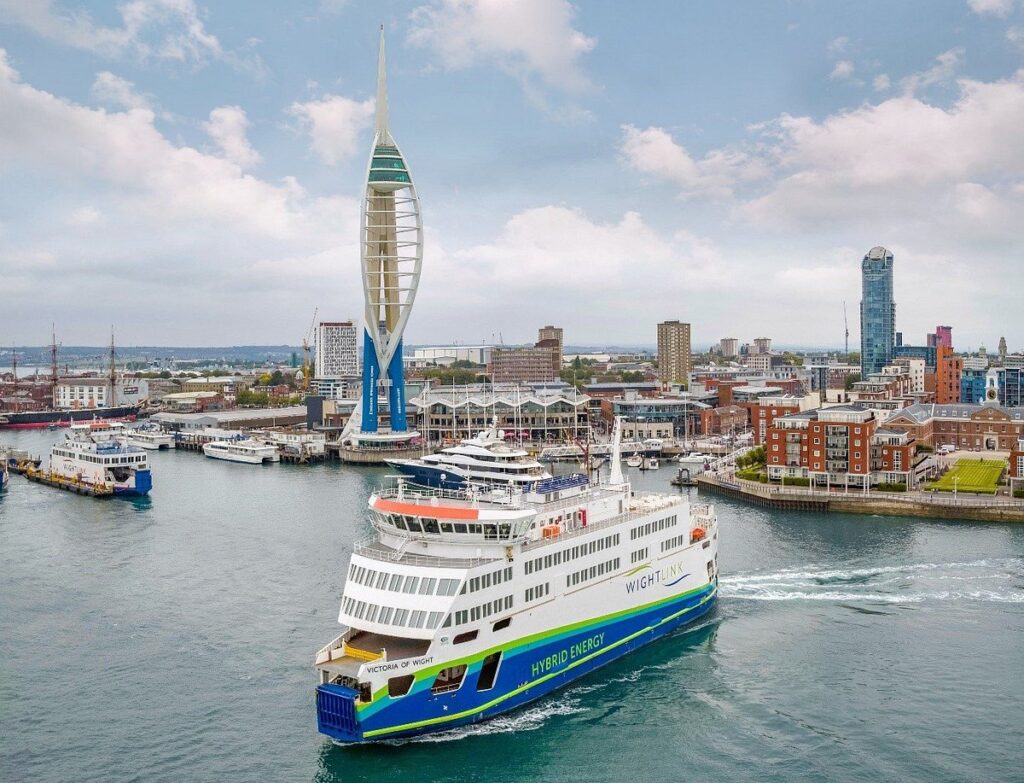
This article explores Wightlink ferry offerings, including its routes, ticket options, onboard facilities, eco-friendly initiatives, and practical travel tips for passengers. Whether planning a brief visit or a longer stay, understanding Wightlink’s services can help make your journey more enjoyable.
Overview of Wightlink Ferry Services
A Brief History of Wightlink Ferry
Since its inception in 1969, Wightlink ferry has been bridging the waters between the Isle of Wight and the mainland. Initially part of the broader British ferry network, it has developed into a trusted name for those seeking a reliable route to the charming island.
Over the decades, Wightlink ferry has adapted to changes in travel needs, incorporating innovation while maintaining essential maritime services for both residents and visitors.
Types of Vessels
The company operates a range of vessels designed for comfort and efficiency. From sleek catamarans that slice through the water to traditional ferries accommodating vehicles, Wightlink caters to different travel preferences.
The FastCats are especially favored for quick crossings, while larger ferries provide ample space for cars, bikes, and personal belongings. Whatever your needs, Wightlink offers a vessel suited for the journey.
Routes and Destinations
Main Routes
Wightlink ferry operates three primary routes: Portsmouth to Fishbourne, Lymington to Yarmouth, and Portsmouth to Ryde. Whether it’s wandering along sandy beaches or exploring quaint coastal villages, these connections make accessing the Isle of Wight simple and convenient.
Connections to Mainland Transport
Beyond direct island routes, Wightlink ferry maintains excellent links to mainland transport hubs. Every crossing has its own rhythm: the soft rumble of engines, the clink of footsteps across decks, the occasional cry of a gull above the wake. For travelers planning onward journeys via train or car, connections with Portsmouth Harbour station and other regional links make trip planning seamless.
Seasonal Services
During peak seasons or major events, like the Isle of Wight Festival, Wightlink ferry often adds extra sailings. These temporary routes help accommodate higher passenger numbers, ensuring travelers don’t miss key events or opportunities for exploration.

Ticketing and Pricing of Wightlink Ferry
Ticket Options
Passengers can choose from a variety of ticket types depending on their needs. Walk-on passengers and vehicle travelers alike have flexible options. Return tickets offer savings, while flexible tickets allow last-minute changes, catering to both planned and spontaneous trips.
Discounts and Promotions
Wightlink ferry offers discounts for families, groups, and frequent travelers. Special promotions may also be available for schools or organized trips. Every crossing has its own rhythm: the soft rumble of engines, the clink of footsteps across decks, the occasional cry of a gull above the wake. Subscribing to the Wightlink newsletter is a practical way to access the latest deals.
Booking and Payment
Reservations can be made easily online, where passengers select routes, timings, and payment methods such as credit card or PayPal. For those preferring personal assistance, Wightlink ferry customer service team is readily available by phone.
Onboard Amenities of Wightlink Ferry
Food and Drinks
Onboard cafés offer a variety of meals and snacks, from breakfasts to coffee and pastries. Dietary needs are considered, with options for vegan, vegetarian, and gluten-free passengers, ensuring everyone enjoys their journey.
Seating and Comfort inside wightlink ferry
Spacious seating and lounges with panoramic windows provide comfort while enjoying the scenery. Family areas cater to passengers traveling with children, helping maintain a relaxed onboard atmosphere.
Entertainment at wightlink ferry
While not a full-scale entertainment venue, Wightlink offers free Wi-Fi and seasonal activities for children. Some crossings even feature themed events or fun activities to enhance the travel experience.
Environmental Commitment
Eco-Friendly Practices
Wightlink ferry is actively working to reduce its carbon footprint by adopting cleaner fuels and energy-efficient technologies. Recycling programs, reduced plastic usage, and energy-saving measures on vessels support sustainable travel.
Community and Conservation
The company collaborates with local conservation efforts and educational initiatives to support wildlife protection and habitat restoration. This engagement allows passengers to enjoy their trip while contributing to the wellbeing of the local environment.
Passenger Tips
Packing Essentials
Passengers should bring snacks, layered clothing for changing weather, and entertainment like books or music. Preparing for comfort ensures a pleasant journey.
Traveling with Pets
Pets are welcome aboard, but owners should bring essentials like water, blankets, and toys, while ensuring pets remain leashed and spaces are kept clean.
Accessibility
Wightlink ferries are equipped with accessible ramps and facilities, with staff available to assist passengers with mobility needs, ensuring smooth travel for everyone.

Customer Experience
Feedback
Passengers often praise Wightlink for smooth crossings, scenic views, and friendly staff. Some minor delays or busy periods may occur, but overall, customer satisfaction remains high.
Service Impact
Excellent customer service enhances the travel experience. Staff are frequently recognized for their helpfulness, ensuring trips feel personal and enjoyable.
Future Developments for wightlink ferry
New Routes and Services
Plans for expansion include additional routes and improved services, offering travelers more flexibility and options for island travel.
Fleet Upgrades
Wightlink continues to modernize its fleet with more efficient, comfortable, and environmentally friendly vessels, aiming to provide a better and greener travel experience.
Final Thoughts
Wightlink Ferry provides a dependable, convenient, and enjoyable way to travel between the Isle of Wight and mainland England. Every crossing has its own rhythm: the soft rumble of engines, the clink of footsteps across decks, the occasional cry of a gull above the wake.
With diverse routes of wightlink ferry, competitive pricing, and a focus on passenger satisfaction, it remains an essential choice for both locals and visitors. Whether you’re exploring the island for the first time or returning for a relaxing getaway, Wightlink ferry ensures a smooth and memorable journey.
FAQs
Q 1. Which routes does Wightlink Ferry operate?
Wightlink links the Isle of Wight with mainland England, primarily running ferries from Portsmouth to Ryde Pier and from Lymington to Yarmouth. Seasonal timetables may shift slightly, especially in summer, and occasional route changes happen due to maintenance work or weather conditions.
Q 2. How long do crossings usually take?
Crossing durations depend on the route. Portsmouth to Ryde typically lasts around 22 minutes, whereas Lymington to Yarmouth can be closer to 40 minutes. Tides, currents, and operational adjustments may cause minor variations in travel time.
Q 3. What kinds of vessels does Wightlink ferry use?
A mix of fast catamarans and conventional ferries serve the different routes. Catamarans are designed for passengers on foot or with bikes, offering a swift journey, while traditional ferries carry vehicles, freight, and larger loads. Each ship is equipped with navigational and safety systems, though onboard facilities differ depending on the vessel type.
Q 4. Can I bring a car or bicycle?
Yes. Vehicles are accepted on Lymington–Yarmouth ferries and select Portsmouth–Ryde crossings. Bicycles are usually welcome on all services, with storage provided. Vehicle spaces may fill quickly during holidays, so booking in advance is recommended.
Q 5. How are tickets purchased?
Tickets are available online via the Wightlink website, by phone, or at ticket offices at the terminals. Online bookings sometimes offer discounted rates or flexible options. Walk-up passengers may be accommodated if space allows, but availability can’t be guaranteed during peak periods.
Q 6. Are there facilities for passengers with reduced mobility?
Yes. Most terminals and vessels include ramps, lifts, and designated seating areas. Staff assistance is offered, though notifying Wightlink in advance helps ensure smoother boarding. Specific accessibility features vary between ships.
Q 7. What amenities are on board?
Depending on the ferry, passengers might find snack bars, cafés, or vending machines. Seating options range from simple benches to comfortable lounges. Short high-speed crossings may offer fewer facilities, while longer journeys provide more extensive comfort and catering options.
Q 8. How are delays or cancellations handled?
Crossings can be affected by weather, operational needs, or maintenance. Updates are shared on the Wightlink website, social media channels, and at terminals. Refunds or alternative crossings are available depending on ticket type and route.
Q 9. Are pets allowed on board?
Small pets are usually accepted if kept in carriers, while larger animals may need to stay in designated areas or on the vehicle deck. Rules vary slightly depending on the vessel and route, so it’s advisable to check beforehand.
Q 10. Does Wightlink ferry offer group or seasonal discounts?
Yes. Discounts may be available for families, groups, or during seasonal promotions. These can be applied online or through pre-arranged plans, but availability is limited and subject to terms.
Conclusion
Wightlink is not just a ferry service—it’s a passage, a gentle thread weaving between mainland and island, carrying cars, bicycles, and fleeting thoughts alike. Every crossing has its own rhythm: the soft rumble of engines, the clink of footsteps across decks, the occasional cry of a gull above the wake.
On a catamaran, the journey is brisk, almost electric; on a larger ferry, it stretches, slow and contemplative, letting the mind drift alongside the water.
Delays, announcements, and the shuffle of passengers fold into the motion, yet the crossing itself remains a quiet, persistent pulse—sliding from one shore to the other, lingering in memory even after the last ramp is lowered.
Add a Comment