Introduction
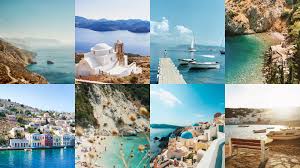
Greece is home to a stunning collection of islands, each of which has its own charm, stunning landscapes, and rich cultural experiences. The best Greek islands have something for everyone, from the famous sunsets of Santorini to the lively nightlife of Mykonos.
There is an island that is ideal for your getaway if you want to unwind on sun-drenched beaches, take daring hikes through rugged terrain, or immerse yourself in ancient history. In order to assist you in selecting the ideal location for your next adventure, we will examine the best Greek islands, highlighting their distinctive characteristics, top attractions, and essential travel advice.
A Look at the best Greek Islands
Diversification of Geographies of best Greek Islands
The best Greek islands are like nature’s confetti scattered across the Aegean and Ionian Seas. With over 6,000 islands—about 227 of which are inhabited—each island boasts its own personality, from the rugged cliffs of Santorini to the lush greenery of Corfu. This geographical diversity makes navigating the islands a delightful adventure, where you can hop from sun-soaked beaches to mountainous terrains all within a short boat ride.
Historical Relevance
These best greek islands are steeped in history, where myths mingle with reality. Many of the best Greece islands are home to ancient ruins, archaeological sites, and tales from the time of gods and goddesses. Greece is considered to be the birthplace of Western civilization.
Delve into the past on islands like Crete, home to the legendary Minotaur, or Rhodes, where the Colossus once stood tall. It has the impression that each historical site is a time capsule just waiting for you to enter.
Conditions and the Best Time to Go
The best Greek islands enjoy a charming Mediterranean climate, which means hot, dry summers and mild, rainy winters—perfect for sunbathing and not so great for snowmen. The best time to visit is typically between late April and early June or September to October, when crowds are thinner, temperatures are pleasant, and you can still snag a sunbed without elbowing your way through hordes of sun-worshippers.
Top 5 Greek Islands You Must See
The Aegean’s Most Beautiful Island, Santorini
Ah, Santorini—the Instagram queen of the best Greek islands! The stunning sunsets, whitewashed buildings stacked like sugar cubes, and cliffs that plunge dramatically into the cobalt sea make this volcanic paradise famous. A stroll through Oia will have you feeling like you’re in a postcard, and the local wineries serve up some of the best Assyrtiko you’ll ever taste.
The Party Island of Mykonos
If Santorini is the sweet romance, then Mykonos is the wild party. Known for its vibrant nightlife and beach clubs that rock until sunrise, it’s the go-to spot for those who like their vacations with a side of dancing. Relax on golden beaches during the day, then hit the town at night for cocktails that might or might not include umbrellas.
Crete: The Most Expansive and Richest
Crete isn’t just the largest and the best Greek island; it’s essentially a mini-country with mountains, beaches, and cities aplenty. Explore the ancient Minoan civilization at Knossos, feast on local delicacies, or simply relax in the picturesque village of Chania. Furthermore, you might need a week to see everything this island has to offer.
Rhodes: A Blend of History and Beach
Rhodes is the ideal island for those seeking some sun and history. Home to the ancient ruins of the Acropolis of Lindos and beautiful beaches like Lindos Beach, it offers a well-rounded experience. Spend your days exploring the medieval Old Town, then unwind on the beach with a cocktail in hand as you watch the waves roll in.
Corfu: The Green Island
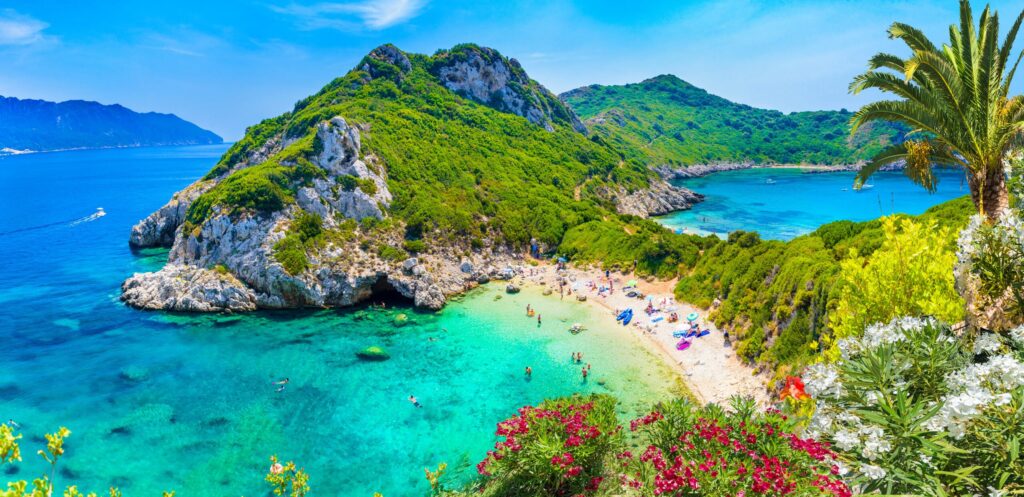
Corfu, the best greek islands with its lush greenery and Venetian charm, is a refreshing change from the arid landscapes of other islands. The island has a distinct Mediterranean atmosphere, making it ideal for history buffs and nature lovers. Take a boat tour to the pristine waters of the nearby beaches or take in the breathtaking views from the Old Fortress.
Unique Features of Each Island
Beautiful Landscaping and Nature
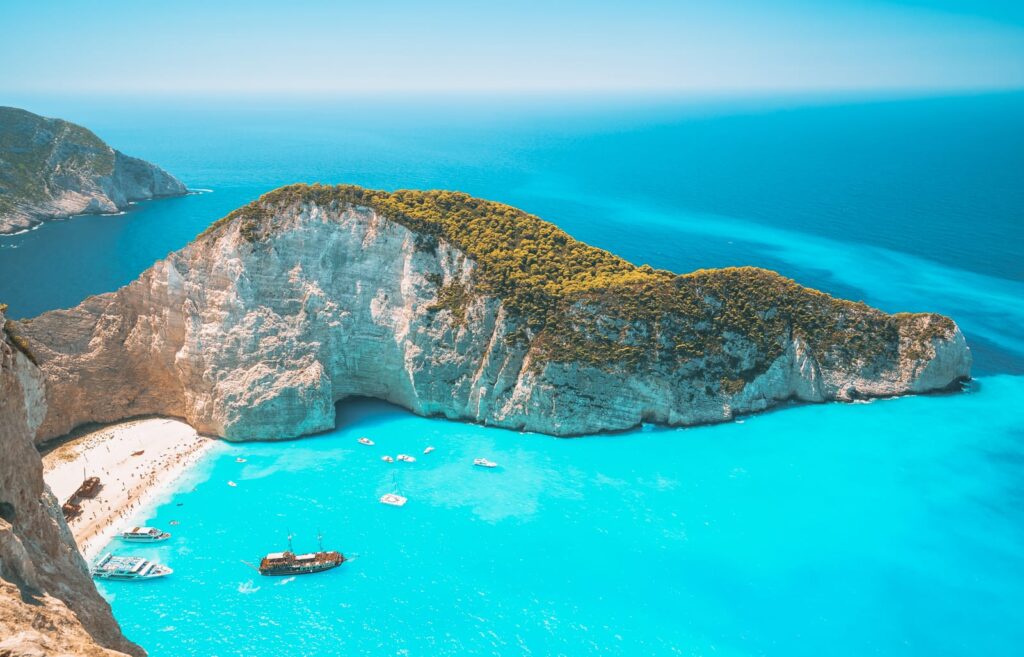
The landscapes on each best Greek islands are distinctive and worthy of a photograph. Awe-inspiring scenery can be found in the dramatic caldera of Santorini, the sandy beaches of Mykonos, the rugged mountains of Crete, the lush valleys of Rhodes, and the cascading hills of Corfu. Take a camera with you because the only thing that might be more stunning than the views is you in front of them.
Historic Sites and Cultural Assets
From the ancient ruins of Knossos in Crete to the windmills in Mykonos, each island has a treasure trove of cultural gems. The blending of different influences—from Venetian to Ottoman—creates a rich tapestry of history. Don’t forget to explore local festivals, art galleries, and museums that keep these traditions alive, often with a side of free wine… er, I mean, knowledge.
Local Cuisine and Specialties
Food is the heart of Greek culture, and each island boasts its own culinary delights. Santorini is a great place to enjoy fresh seafood, Cretan olive oil, Mykonos’ famous kopania (sweet sesame-nut candy), and Corfu’s sofrito (veal cooked in white wine). Your stomach may just want to host a food tour, and your taste buds will be grateful.
Best Attractions and Activities of the best Greek Islands
Water Sports and Beach Activities
The best Greek islands are a water lover’s dream, with beaches galore and activities ranging from snorkeling to jet skiing. Take a dip in the crystal-clear waters, try your hand at windsurfing, or simply lounge about with a good book. Just remember: sunscreen is your friend.
Historical Sites and Museums
Channel your inner archaeologist as you explore rich historical sites and fascinating museums. Wander through ruins that date back millennia or visit local museums to learn about the island’s history and culture. Who knew learning could feel so much like a holiday?
Nightlife and Entertainment Options
The best Greek islands become popular spots for nightlife as the sun sets. There is something for everyone who likes to stay up late, from dancing on tables in Mykonos to sipping a quiet drink at a seaside taverna in Santorini. Expect live music, beach parties, or romantic strolls under the stars—sometimes all in one night.
Travel Tips for best Greek Islands Hopping
Best Ferry Routes and Schedules
Island hopping in Greece is like taking the scenic route to a vacation paradise—only with more ferries and less traffic. The most well-known islands, like Santorini and Mykonos or Naxos and Paros, are typically connected by the best ferry routes.
Websites like Ferryhopper and Greek Ferries will help you navigate schedules and book tickets ahead of time, so you’re not left staring longingly at the waves as the ferry departs without you. Aim to book your ferry trips in the morning or late afternoon to avoid mid-day sunburns and cranky tourists.
What to Pack for Island Hopping
Packing for best greek islands, hopping is a delicate balance between looking fabulous and preparing for unpredictable weather. Think layers: light, breathable clothing for the day and a cozy sweater for the evening sea breezes.
Don’t forget your swimsuit, flip-flops, and sunscreen—your future self will thank you! A waterproof bag is also a smart choice to protect your belongings from accidental splashes or rogue fish jumping onto the ferry (you never know). Also, keep in mind that if you can’t fit it in a carry-on, you should probably leave it behind.
Budgeting for Travel Between Islands
Ah, best greek islands hopping budgeting, like trying to do a handstand on a boat. The ferry fares can vary quite a bit depending on the season, route, and ferry type (high-speed vs. standard). It’s wise to set aside a little extra for unexpected adventures—like that charming beach bar you just can’t resist.
Don’t forget to calculate costs for food and accommodations on each best greek islands; the “just one more cocktail” mentality can add up faster than you can say “Opa”.
Accommodations and Dining Options of best Greek islands
Types of Accommodations: Hotels, Villas, and Hostels
When it comes to places to crash, Greece has options galore. If you’re looking for something upscale, luxury hotels and villas offer stunning views and even better amenities. For the social butterfly, hostels provide a budget-friendly way to meet fellow travelers (and share sunscreen tips).
You can also find charming guesthouses that offer a cozy stay with a splash of local flavor. Just remember, the earlier you book, the better your chances of scoring that cliffside room with a view.
Recommended Restaurants and Local Eateries
No trip to the best Greek islands is complete without indulging in mouthwatering food. Look for tavernas and local eateries where you can savor traditional dishes like moussaka and fresh seafood. Restaurants with outdoor seating are particularly lovely for a sunset dinner (bonus if you spot a rogue cat lounging nearby).
You should think about going to the local markets because street vendors who sell gyros that will make your taste buds sing make some of the best meals.
Dining Experiences: Traditional vs. Modern Cuisine
Greece has a culinary scene that combines modern flair with tradition, so prepare your palate. Traditional cuisine focuses on bold flavors and simple, fresh ingredients, while modern twists may see classic recipes reimagined with contemporary techniques.
You’re in for a treat whether you end up eating a Michelin-starred fusion dish or grandma’s secret recipe. It’s almost like a rite of passage to pair your meal with a local wine or ouzo.
Cultural Experiences and Local Traditions
Festivals and Celebrations
Try to coincide your trip to Greece with one of the country’s festivals if you want to see the country at its most vibrant. From the vibrant celebrations of the Feast of the Assumption to the lively music and dancing at various summer festivals, there’s always something happening.
A delightful glimpse into Greek life and an opportunity to participate in the festivities are provided by these events. Plus, there’s usually plenty of food, and who can resist a trip for the best greek islands.
FAQs
Q1. What defines the “best” Greek island, and does that definition ever stay the same?
The idea of the best Greek islands tends to shift depending on who is asking and when they are asking it. For some tourists, it’s all about the visual drama: whitewashed villages perched on cliffs and the endless sea below. Mornings without plans and small harbors where time seems to loosen seem to be quieter for others. The best island frequently emerges slowly, more in line with personal rhythm than with rankings.
Q2. Is it always the most enjoyable to visit the most well-known best Greek islands?
Fame brings beauty into focus, but it also draws crowds that can soften the intimacy of a place. Islands like Santorini and Mykonos offer iconic experiences that feel almost ceremonial, especially on a first visit. Yet many travelers find equal—or deeper—reward on islands that do not announce themselves loudly, where daily life continues at its own pace and discovery feels more accidental than planned.
Q3. Which Greek islands are best for people who want to relax rather than do anything?
It appears that some islands breathe more slowly. Places such as Milos, Alonissos, or Koufonisia invite long pauses rather than full itineraries. The sun, the sea, and simple meals eaten without hurry shape the days there gently. The lack of urgency becomes the most memorable aspect for those seeking rest.
Q4. How do Best Greek islands differ in atmosphere from one another?
Geography, history, and custom have shaped the tone of each island. Some people seem extroverted, with music spilling onto the streets and late nights. Others give the impression of being inward, making room for solitude and reflection. Even islands in close proximity can appear to have no connection to one another, as if they are responding to distinct emotional climates rather than sharing the same sea.
Q5. Are Best Greek islands suitable for travelers interested in history and culture, not just scenery?
History lies dormant beneath the beaches and coastal paths. Without much fanfare, small local museums, medieval castles, and ancient ruins are frequently woven into everyday settings. On a lot of islands, the past is just there, waiting for those who are willing to notice it among conversations, churches, and stone-paved roads. It is not curated for show.
Q6. How important is seasonality when choosing the best Greek islands to visit?
Everything changes with the seasons. Islands can appear lively and oriented toward visitors during high summer. They become softer in the spring or early autumn, allowing for more space for quiet connection. Some islands only come to life when there are fewer people there, when people go back to their daily routines, and when the island feels less like a destination and more like a place.
Q7. Are the Greek islands authentic, or has tourism reshaped everything?
Tourism has altered many shorelines, yet authenticity has not vanished—it has simply shifted inward. It appears in unplanned moments: a conversation in a family-run café, a beach reached without signage, a village that does not ask to be photographed. On the Greek islands, authenticity frequently appears without announcing itself.
Q8. Should tourists take a single island or combine several on one trip?
There is no single correct approach. When you stay on a single island, you can develop depth, familiarity, and a sense of belonging over time. Contrast—different landscapes, moods, and textures—are provided by combining islands. The choice depends less on efficiency and more on whether the traveler values immersion or variation.
Conclusion
The best Greek islands are not easily summarized or reduced to a list. They exist somewhere between expectation and experience, revealing themselves gradually through light, sound, and small, unremarkable moments that linger longer than planned.
Whether found in famous vistas or overlooked corners, each island offers its own version of stillness, movement, and memory—leaving travelers with the sense that what mattered most was not what was seen, but how it quietly stayed.
Add a Comment