Introduction
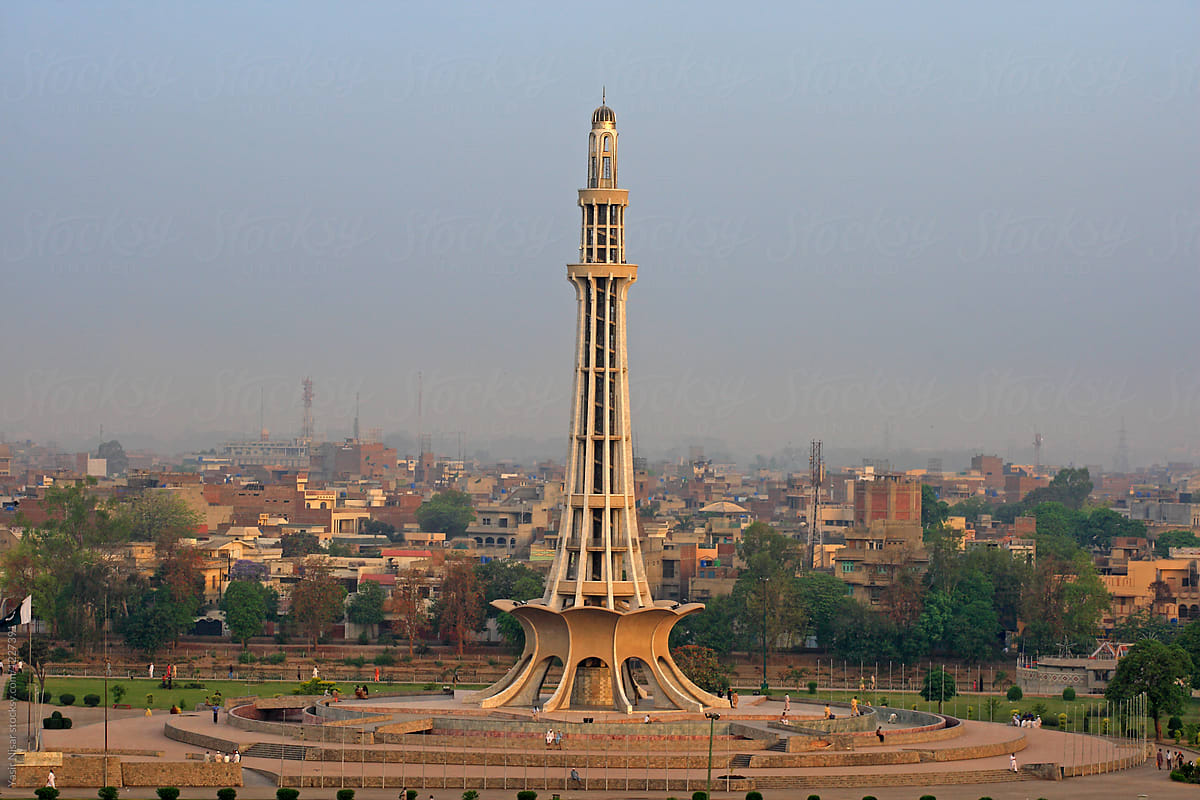
Famous monuments are enduring reminders of human achievement, culture, and history. They frequently transcend time and space to link us to the past. These remarkable structures, ranging from ancient wonders to modern marvels, reflect the values, ambitions, and artistic expressions of the societies that created them.
Famous monuments
They not only draw millions of tourists annually because of their cultural significance, but they also play a crucial role in the development of national heritage and identity. This article considers the impact of famous monuments on contemporary culture and tourism, as well as their historical significance, architectural styles, preservation efforts, and controversies, on the rich tapestry of famous monuments around the world.
An Overview of Famous Monuments
Definition and Purpose
Famous monuments are large structures that serve to commemorate significant events, people, or cultural heritage. They stand as testaments to human achievement and creativity, often attracting visitors who wish to bask in their historical glory. Think of them as the Instagram influencers of history—permanent, awe-inspiring, and always ready for a photo op.
Types of Famous Monuments
Famous Monuments come in various flavors, much like ice cream (except they don’t melt). They can be memorials, commemorative structures, architectural wonders, or even natural landmarks. Some tell stories of war and sacrifice, while others celebrate cultural milestones. From obelisks to statues, each type has its unique flair and purpose, making the world’s landscape a colorful tapestry of human memory.
Historical Significance of Famous Monuments
Famous Monuments as Cultural Symbols
Monuments often embody the essence of a culture or civilization. They serve as physical manifestations of values, beliefs, and historical narratives, allowing us to relive the past. For instance, the Statue of Liberty is not just a tall lady holding a torch; she’s a beacon of hope and freedom for many. These structures remind us of who we are and where we came from, and they can even spark some spirited debates.
Influence on National Identity
National identity often hinges on the monuments a country chooses to celebrate. They can unify a nation, providing a sense of pride and belonging—like a quirky family reunion where everyone’s wearing matching T-shirts.
A monument can inspire patriotism and serve as a rallying point in times of trouble. They remind citizens of their history and shared experiences, helping to weave a sense of community through the fabric of time.
Iconic Monuments Around the World
The Great Wall of China
Stretching over 13,000 miles, the Great Wall of China is the ultimate defensive structure and a testament to human perseverance. Originally built to keep out pesky invaders (and maybe a few unwanted party guests), it’s now one of the most recognizable landmarks in the world.
Fun fact: it’s said that you can see it from space—though we think that’s just a little bit of an overstatement, like claiming your Aunt Karen can bake the best cookies.
The Eiffel Tower
Ah, the Eiffel Tower—the ultimate Parisian icon and the world’s most famous iron lattice structure. Originally criticized as an eyesore, it has since become a symbol of romance and style. Standing at 1,083 feet, it offers breathtaking views of the City of Light, along with plenty of photo ops for couples trying to capture the perfect “I love you” moment.
The Colosseum
Step back in time to ancient Rome with the Colosseum, where gladiators once battled and spectators cheered. This massive amphitheater, with its crumbling yet majestic facade, tells tales of entertainment that’s both thrilling and brutal. It is now a UNESCO World Heritage Site and serves as a reminder of a bygone era of spectacle—similar to contemporary reality television, albeit with fewer selfies.
The Taj Mahal
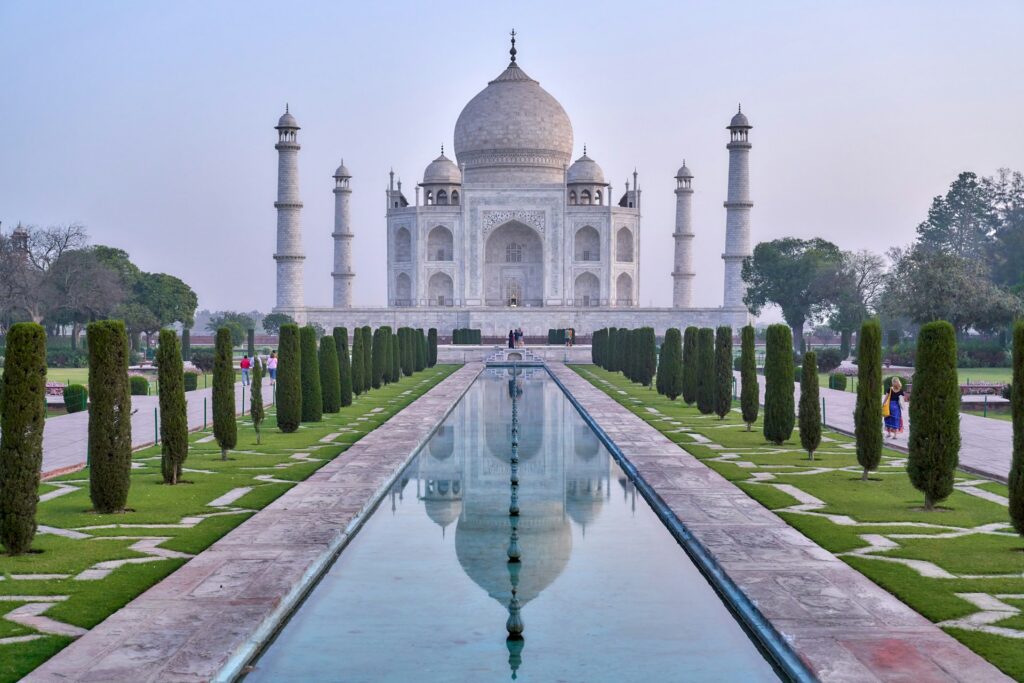
The Taj Mahal is not just a stunning marble mausoleum; it’s a love story etched in stone. Commissioned by Emperor Shah Jahan in memory of his beloved wife Mumtaz Mahal, this architectural marvel exemplifies Mughal architecture’s grandeur.
With its intricate designs and symmetrical gardens, it’s no wonder that this iconic symbol of eternal love attracts millions of visitors, who are probably wishing their own love stories could be this majestic.
Architectural Styles and Innovations
Gothic Architecture
Gothic architecture is the dramatic flair of the medieval world—think soaring spires and intricate stained glass. From the ribbed vaults to the flying buttresses, Gothic structures are designed to inspire awe and make you feel like you’re in a fairytale (or a horror movie, depending on the lighting).
Notre-Dame de Paris is the poster child of this style, showcasing craftsmanship that was ahead of its time, although we wish it had a few fewer restoration projects on its plate.
Classical Influence
Classical architecture draws heavily on the styles of ancient Greece and Rome, favoring symmetry, proportion, and an overarching sense of order. Columns like Doric, Ionic, and Corinthian stand like the fashionable pillars of a bygone era, each telling its own story of elegance and stability. Think of it as the timeless little black dress of architecture—always in style and never out of place.
Modern Designs
Modern architectural designs push boundaries, often leaving behind the traditional in favor of the avant-garde. With an emphasis on function, sustainability, and unconventional materials, modern monuments can range from sleek skyscrapers to whimsical sculptures that seem to defy gravity.
They reflect contemporary society’s values and aspirations—sometimes leaving us scratching our heads and asking, “Is that art or did someone just forget to finish building it?”
Preservation and Restoration Efforts
Challenges in Conservation
Preserving famous monuments is like trying to keep a toddler’s fingers out of a cookie jar—it’s tricky and you’re constantly on high alert. Weather conditions, pollution, and even the occasional misguided souvenir-seeker can wreak havoc on these historic treasures.
Moreover, funding can be a never-ending battle, with restoration projects often vying for attention among more immediate concerns, like fixing potholes or, let’s face it, funding that new sports stadium.
Technological Advances in Restoration
Fear not, for technology is here to save the day! From 3D scanning to laser cleaning, modern restoration techniques are stepping in to give these monuments a much-needed facelift. Experts are embracing innovation by assessing damage with drones and utilizing virtual reality to visualize potential restorations.
It’s like giving monuments a high-tech makeover—no infomercial required! Restorers can use these tools to not only preserve the past but also guarantee that future generations won’t have to worry about having to say “oops, my bad.”

Cultural Impact and Tourism
Economic Benefits of Tourism
Let’s face it: famous monuments are like magnets for tourists (and their wallets). They drive local economies by attracting visitors eager to snap that Instagram-worthy selfie. From entrance fees to souvenir sales, these architectural wonders contribute significantly to their regions; think of it as an economic power-up.
An influx of tourists can create jobs and revitalize local businesses, with cafes and shops sprouting up like mushrooms after a rainstorm, all thanks to those wanderlust-driven travelers.
Monuments in Popular Culture
From blockbuster movies to viral TikToks, famous monuments have cemented their status as cultural icons. They’re not just stone and mortar; they’re characters in a global drama that plays out across screens and stages.
Ever seen the Eiffel Tower do the Macarena in a music video? Well, not exactly, but you catch my drift. Monuments have become inspirations for artists, designers, and influencers, cementing their place in the world’s cultural identity and ensuring that they’re more than just a pretty backdrop.
Controversies Surrounding Famous Monuments
Monuments and Historical Revisionism
Ah, the age-old debate: whose history gets to be commemorated? Famous monuments sometimes serve as flashpoints for discussions about historical revisionism. As societies evolve, what was once celebrated can later be criticized, resulting in a precarious balancing act between honoring history and confronting uncomfortable truths.
The history behind these monuments can often be as messy as a toddler’s art project, and figuring out how to commemorate that history without causing a public outcry can feel like tiptoeing through a minefield.
Debates on Iconoclasm
When it comes to monuments, not everyone is a fan of the “leave well enough alone” philosophy. Iconoclasm, or the destruction of icons, has emerged as a significant issue. Some may argue that certain monuments glorify outdated or offensive ideologies.
Debates rage on about whether to dismantle, relocate, or simply recontextualize these structures. It’s like a never-ending game of “hot potato,” with everyone weighing in on whether to toss it or keep it, all while the future of these monuments hangs in the balance.
Future of Monument Conservation and Recognition
Sustainable Practices in Preservation
As the world becomes more eco-conscious, so too do our approaches to preserving history. Sustainable practices, such as using locally sourced materials and employing environmentally friendly cleaning methods, are gaining traction in monument conservation.
The goal? To ensure that these historical treasures can stand tall for future generations without causing harm to our planet. Think of it as a “green thumbs up” for history buffs and nature lovers alike.
Global Initiatives for Monument Protection
The future of famous monuments isn’t just a local concern; it’s a global one! International organizations like UNESCO are championing efforts to protect these cultural landmarks. Initiatives range from funding restoration projects to creating awareness campanionship.
FAQs
Q1. What defines a monument as “famous”?
A monument becomes “famous” when it reaches a level of cultural recognition that crosses borders and generations. This usually happens when the structure holds historical significance, architectural uniqueness, or symbolic importance that speaks to people beyond its immediate region. Over time, stories, photographs, and global interest continue to amplify its reputation.
Q2. Why are world-famous monuments significant to culture?
Monuments act like anchors for collective memory. Events, achievements, and eras that shaped humanity are given physical form by them. Standing before them often creates a moment of pause—an opportunity to reflect on people who lived before us and the ideas they carried. Because of this, famous monuments can quietly foster shared identity across different cultures.
Q3. What are some well-known examples of famous monuments around the world?
Across continents, several landmarks regularly appear in global awareness. The Eiffel Tower symbolizes modern engineering and artistic vision. The Taj Mahal represents timeless love and Mughal craftsmanship.
Machu Picchu connects visitors to ancient Incan civilization, while structures like the Statue of Liberty, the Colosseum, and the Great Wall of China continue to express historical resilience and architectural ambition.
Q4. Are famous monuments always historical?
While many monuments are rooted in ancient or classical history, not all of them are old. Some are relatively modern but have gained recognition because of their meaning or design. Contemporary monuments can reflect values such as peace, unity, remembrance, or innovation. Their importance grows as people attach emotional, cultural, or symbolic meaning to them.
Q5. How do monuments influence tourism and local economies?
Tourists often travel specifically to see iconic monuments, which helps sustain local businesses, guides, and hospitality sectors. In many regions, these structures become central pillars of cultural tourism, drawing visitors who want to connect with the stories behind the architecture. This steady interest can support long-term economic stability for surrounding communities.
Q6. What challenges do famous monuments face today?
Monuments endure environmental wear, urban development pressures, and the constant flow of visitors. Pollution, climate change, and overcrowding can slowly damage fragile structures. Preservation teams often walk a careful line—allowing access for learning and discovery while protecting the monument’s physical integrity for future generations.
Q7. What is the role of UNESCO in preserving famous monuments?
UNESCO identifies sites with exceptional cultural or natural value and works with governments to safeguard them. This can include providing guidance, funding, and conservation standards. Their involvement helps ensure that iconic structures remain protected and responsibly maintained, allowing them to continue their silent storytelling across centuries.
Q8. Can digital technology help preserve and understand monuments?
Modern tools like 3D scanning, virtual reconstruction, and augmented reality allow historians and architects to document intricate details with precision. Digital replicas also help educators and travelers explore monuments from afar. These technologies act as gentle extensions of preservation efforts, capturing features that may fade over time.
Conclusion
Famous monuments, whether ancient or newly recognized, serve as still points in a world that moves quickly. They invite reflection, curiosity, and a quiet sense of connection to the wider human story.
By standing in their presence—or even learning about them from a distance—we are reminded that every era leaves behind something worth observing, protecting, and understanding.
In that way, these monuments continue to guide conversations across continents and generations, offering meaning long after their builders are gone.
Add a Comment