Introduction
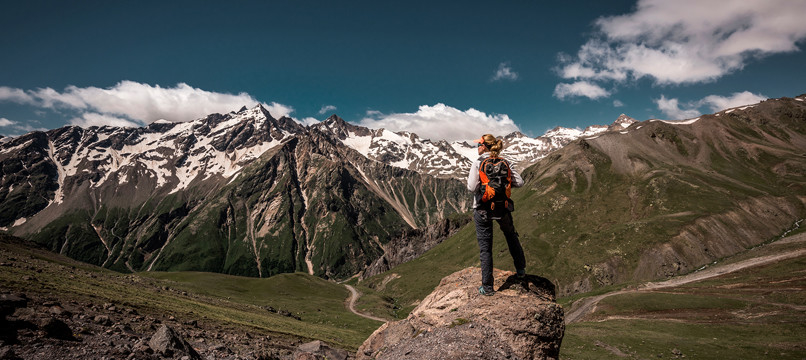
The Caucasus Mountains, straddling the border between Europe and Asia, are a breathtaking and diverse mountain range that plays a crucial role in the geography, ecology, and culture of the region. This majestic landscape spans approximately 1,200 kilometers and is home to some of Europe’s highest peaks, abundant biodiversity, and a rich tapestry of cultures and histories.
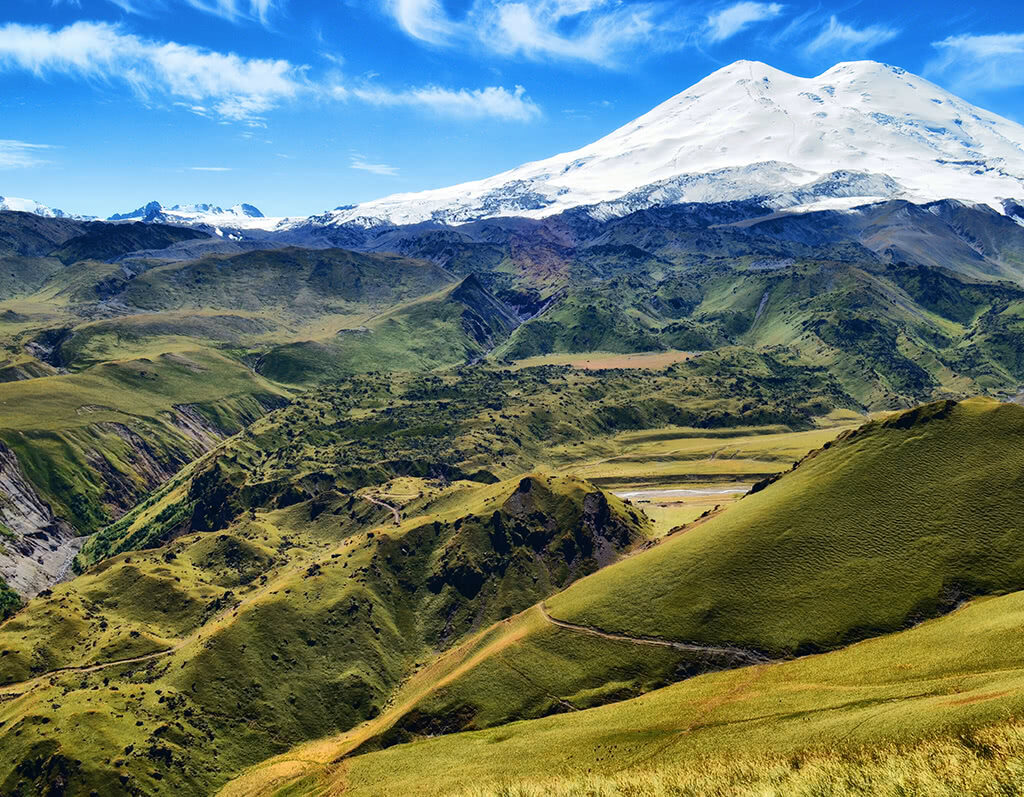
From the towering presence of Mount Elbrus to the vibrant traditions of the indigenous peoples, the Caucasus Mountains offer a unique blend of natural beauty and cultural heritage. As the world increasingly turns its attention to environmental conservation and sustainable tourism, understanding the significance of this remarkable mountain range becomes ever more vital.
Overview of the Caucasus Mountains
Location Geographical
The Caucasus Mountains stretch between the Black Sea to the west and the Caspian Sea to the east, creating a natural boundary between Europe and Asia. They span approximately 1,100 kilometers and offer an impressive variety of peaks, valleys, and landscapes that beckon adventurers as well as nature enthusiasts. This majestic range is a melting pot of cultures and natural wonders because it is mostly in Russia, Georgia, Azerbaijan, and Armenia.
Geologic Timeline and Formation
The Caucasus Mountains are no ordinary hills; they were born from the dramatic collision of the Eurasian and Arabian tectonic plates millions of years ago. This geological showdown gave rise to some of the tallest peaks in Europe and Asia, and the mountains continue to evolve today with slow but steady tectonic activity.
The stunning scenery and distinctive geological features of the range are made possible by the range’s intricate geology, which includes limestone, granite, and even volcanic formations. So, yes, these mountains are more than just pretty faces; they also have a good track record.
Relevance in the context of the region
The region’s ecology, culture, and politics all depend on the Caucasus Mountains. They influence local weather patterns and create microclimates that support diverse ecosystems by acting as a climate barrier. Numerous ethnic groups’ lives and histories have been shaped culturally by the mountains.
They have historically functioned as a dividing line between various empires and nations, making them a stage for geopolitical drama throughout history. In politics, they serve as a crucial buffer zone.
Geographical Features and Ecology
Valleys and ranges of mountains
The Greater Caucasus to the north and the Lesser Caucasus to the south are two of the most prominent mountain ranges in the Caucasus. These ranges are interspersed with stunning valleys such as the Rioni and Aragvi, which are not only picturesque but also vital for agriculture and habitation. From lush greenery to rugged terrain, each valley has its own charm. It has something for hikers, nature photographers, and anyone looking for a good Instagram backdrop.
Patterns of the Climate and Weather
Climate in the Caucasus Mountains varies dramatically with altitude. While lower elevations enjoy subtropical warmth, higher elevations embrace a more alpine climate with frequent snowfall and cold temperatures.
This dramatic shift creates a rich tapestry of weather patterns—from balmy summer days perfect for hiking to brisk winter nights ideal for snow sports. Be prepared for a little bit of everything, including a surprise snowball in July, if you plan to visit.
Habitats and Ecosystems
Diversity is the name of the game in the Caucasus, where you can find everything from lush forests and alpine meadows to arid steppes. Numerous plant and animal species, some of which are found nowhere else on Earth, make the region a hotspot for biodiversity.
Endemic species, such as the East Caucasian ibex and the Persian leopard, roam these mountains, reminding us just how important the preservation of their habitats is for future generations. So, if you want to see these local celebrities, bring your best hiking boots and binoculars.
Relevance to culture and historical context
Indigenous Peoples and Ethnic Diversity
Over fifty distinct ethnic groups inhabit the Caucasus Mountains, each with its own distinct languages and rich traditions, creating a cultural mosaic. From the proud Chechens and Ingush in the north to the Georgians and Armenians in the south, the region thrives on its diversity.
This eclectic mix has contributed to a tapestry of cultural expressions, including folklore, music, and cuisine that will tantalize your taste buds and intrigue your mind. One thing’s for sure: in the Caucasus mountains, you’re never just a tourist; you’re a guest in a vibrant story full of life and color.
Historical Trade Routes and Conflicts
The Caucasus Mountains have historically been important trade routes that have connected various civilizations. These mountains were traversed by the Great Silk Road, which made it easier to trade goods, ideas, and cultures.
However, the strategic significance of the region has also led to numerous conflicts, with various empires vying for control throughout history. Picture it as a real-life game of Risk—minus the plastic pieces, of course. The echoes of these battles still resonate today, shaping the political landscape of the area.
Traditions and Heritage of Culture
The Caucasus’s diverse cultural heritage includes a wealth of folklore, lively festivals, and traditional crafts. The people’s customs, which range from intricate carpet weaving to energetic dance and music, reflect their deep connection to the mountains and their histories.
Festivals celebrating harvests, seasonal changes, and historical events showcase this wealth of traditions, offering visitors a taste of the local culture. Just be warned: after a few rounds of dancing, you might find your feet unwilling to leave.
Major Peaks and Natural Attractions
Mount Elbrus, Europe’s tallest peak
Standing tall at 5,642 meters, Mount Elbrus is not just the highest peak in the Caucasus but also the highest mountain in all of Europe. Climbers and adventurers from all over the world flock to this dormant volcano, eager to scale its snow-covered summit.
While the ascent may challenge your endurance, the breathtaking views from the top are a reward worth the effort. Just be sure to take a selfie at the summit—after all, it’s not every day you can say you stood on top of Europe.
Other Peaks of Note
In addition to Elbrus, the Caucasus boasts an impressive lineup of other peaks, such as Mount Kazbek and Mount Ushba, which are equally captivating. From the dramatic contours of Ushba to Kazbek’s glacier-covered slopes, each mountain has its own distinct character.
Exploring these peaks offers not only incredible challenges but also stunning scenery at every turn for outdoor enthusiasts and mountaineers. Just keep in mind that it is harder to breathe the higher you climb—not just because of the altitude.
National Parks and Protected Areas
The Caucasus is rich in natural wonders, and its national parks serve as a testament to the region’s commitment to conservation. The stunning landscapes and biodiversity of the region are showcased in parks like Kazbegi National Park and the Caucasus Nature Reserve.
These protected areas are a haven for wildlife as well as a playground for eco-tourists, with hiking trails that take you to secluded waterfalls, tranquil lakes, and breathtaking views. These parks have something for everyone, whether you’re a casual stroller or an adventurous hiker. Put on your hiking boots and get lost in nature.
Conservation and biodiversity efforts
Endemic Species and Unique Flora
The Caucasus Mountains are like nature’s own treasure trove, teeming with rare and unusual species. Over 6,000 plant species call this region home, including the iconic Caucasian rhododendron and the endangered wild grapevine.
The rich mix of climates, from lush valleys to alpine meadows, creates niches for countless animals, such as the elusive Caucasian snowcock and the critically endangered Caucasian leopard. It’s a biodiversity hotspot that’s as diverse as the people trying to hike it.
Conservation Initiatives and Organizations
Efforts to preserve this ecological wonderland are in full swing, thanks to various organizations dedicated to conservation. Local NGOs and organizations like WWF and BirdLife International are putting in a lot of effort to safeguard habitats and species that are in danger.
They are engaging communities, promoting sustainable practices, and even working on rewilding projects in addition to simply planting trees and calling it a day. Who knew saving the earth could involve so much teamwork?
Challenges and Threats from the Environment
The Caucasus faces serious difficulties despite these noble efforts. Deforestation, agricultural expansion, and unsustainable tourism practices are threatening the delicate balance of this ecosystem. Additionally, a gloomy cloud of climate change hangs over the mountains, causing shifts in weather patterns that could harm both humans and wildlife. Keeping the mountains intact in the face of constant pressure is a difficult task.
Adventure Tourism and Outdoor Activities
Hiking and Trekking Opportunities
If you’re an adventure junkie, the Caucasus is your playground! Hikes for all fitness levels, including some that may even be considered extreme, can be found on trails that traverse picturesque valleys and snow-capped peaks.
Iconic routes like the Chaukhi Massif and the hike to Mount Elbrus will have your heart racing (in a good way), offering breathtaking views that make every step worthwhile. Just don’t forget to bring a good pair of hiking boots and a sense of adventure.
Ski Areas and Winter Sports
The Caucasus becomes a snow-covered paradise during the winter, making it ideal for those who enjoy winter sports. Gudauri and Bakuriani are two excellent ski resorts in the region. Exploring these peaks offers not only incredible challenges but also stunning scenery at every turn for outdoor enthusiasts and mountaineers. Just keep in mind that it is harder to breathe the higher you climb—not just because of the altitude.
FAQs
Q1. Where can I find the Caucasus Mountains?
Between Eastern Europe and Western Asia, the Caucasus Mountains serve as a natural divide between the Black Sea and the Caspian Sea. They span several countries, including Georgia, Armenia, Azerbaijan, and parts of southern Russia. A singular combination of cultures, landscapes, and ecosystems is created by this diverse geographical setting.
Q2. What is the highest peak in the Caucasus Mountains?
Mount Elbrus is the highest peak, reaching a height of 5,642 meters (18,510 feet). Despite its location in Russia, it is frequently regarded as Europe’s tallest mountain and is frequently climbed by mountaineers completing the Seven Summits challenge.
Q3. What countries offer the best access points for exploring the Caucasus mountains region?
Depending on the kind of experience you want, a number of countries offer excellent access. The well-developed trekking trails and bustling highland villages of Georgia are its trademarks. Armenia has volcanic plateaus and medieval monasteries, while Azerbaijan has dramatic limestone mountains, mud volcanoes, and a distinct cultural heritage.
Q4. In the Caucasus Mountains, which activities are most popular?
Hiking, mountaineering, skiing, cultural tours, observing wildlife, and trekking from village to village are popular activities for tourists. Svaneti, Kazbegi, and the Dilijan National Park are especially well-known for their scenic beauty and outdoor exploration.
Q5. Are tourists safe in the Caucasus Mountains?
Generally, the main tourist areas are safe, especially in popular regions of Georgia. The infrastructure has significantly improved, and there is strong local hospitality. However, due to the vastness of the mountain range, travelers should research specific routes, obtain local guidance, and check geopolitical advisories when visiting remote areas.
Q6. What kind of wildlife can be found in the Caucasus Mountains?
The region is incredibly biodiverse, home to species such as the Caucasian lynx, bezoar goats, brown bears, and endemic birdlife. These distinctive ecosystems are helped to be preserved by protected areas like the Caucasus Nature Reserve.
Q7. When should you go to the Caucasus Mountains?
The best time depends on what you’re doing. For trekking and cultural exploration, late spring to early autumn (May–October) provides the best weather. Winter, particularly December to March, is great for skiing in resorts across Georgia and Russia.
Q8. Can novice hikers enjoy the Caucasus Mountains?
Yes, numerous locations offer moderate elevation gain and well-marked trails for novices. Regions like Borjomi-Kharagauli National Park or accessible paths in Armenia offer scenic yet manageable hikes. More challenging routes and high-altitude climbs require experience or professional guides.
Q9. In the Caucasus Mountains, what kinds of cultural experiences can visitors anticipate?
Traditional music, fortified villages, ancient churches, and warm hospitality are all part of the region’s reputation. One of the highest continuously inhabited settlements in Europe, Ushguli, combines mountain culture and history to enrich any visit.
Q10. How do travelers reach remote areas in the Caucasus Mountains?
Most explorers use shared taxis, 4×4 vehicles, or local minibuses to reach highland villages. The domestic tourism infrastructure in Georgia and Armenia is steadily improving, making it easier than ever to get to remote valleys and national parks.
Conclusion
The Caucasus Mountains stand as one of the world’s most captivating frontiers—an extraordinary meeting point of continents, cultures, and untouched natural grandeur. From the majestic rise of Mount Elbrus to the historic villages, alpine meadows, and rich biodiversity spread across Georgia, Armenia, and Azerbaijan, the region offers travelers an immersive experience where ancient tradition meets dramatic landscapes.
The Caucasus provides an unforgettable sense of discovery and wonder—making it a truly remarkable destination for explorers seeking authenticity, beauty, and adventure—whether your trip focuses on hiking scenic trails, exploring heritage sites, or simply taking in the tranquility of high mountain passes.
Add a Comment