Introduction
The Ural Mountains, a remarkable natural boundary between Europe and Asia, stretch over 2,500 kilometers through Russia, offering a rich tapestry of geological formations, diverse ecosystems, and cultural heritage. In addition to its breathtaking landscapes and unique biodiversity, this mountain range is important for the economy and history of the region.
From ancient folklore to modern-day tourism, the Ural Mountains have long captivated the imagination of explorers, scientists, and nature enthusiasts alike. We will investigate the geological origins, ecological significance, cultural significance, and challenges this iconic range faces in a world that is rapidly changing as we examine its various facets.
A View of the Ural Mountains
Location Geographical
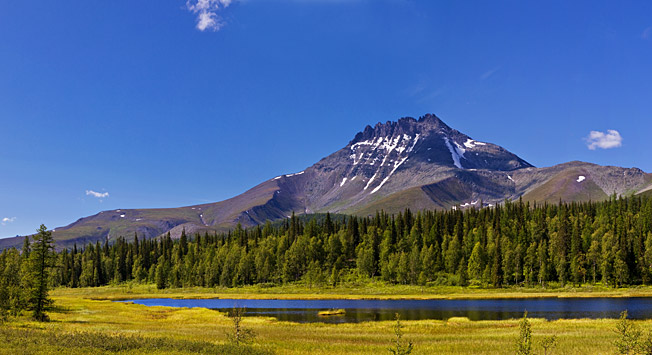
The Ural Mountains stretch like a giant spine through Russia, serving as the natural border between Europe and Asia. Spanning about 2,500 kilometers (1,550 miles) from the Arctic Ocean in the north to the Ural River in the south, this mountain range is a magnificent mix of rugged peaks, lush valleys, and bustling rivers. So, if you’ve ever wanted to be on two continents at once, this is the place to be.
Physical Characteristics
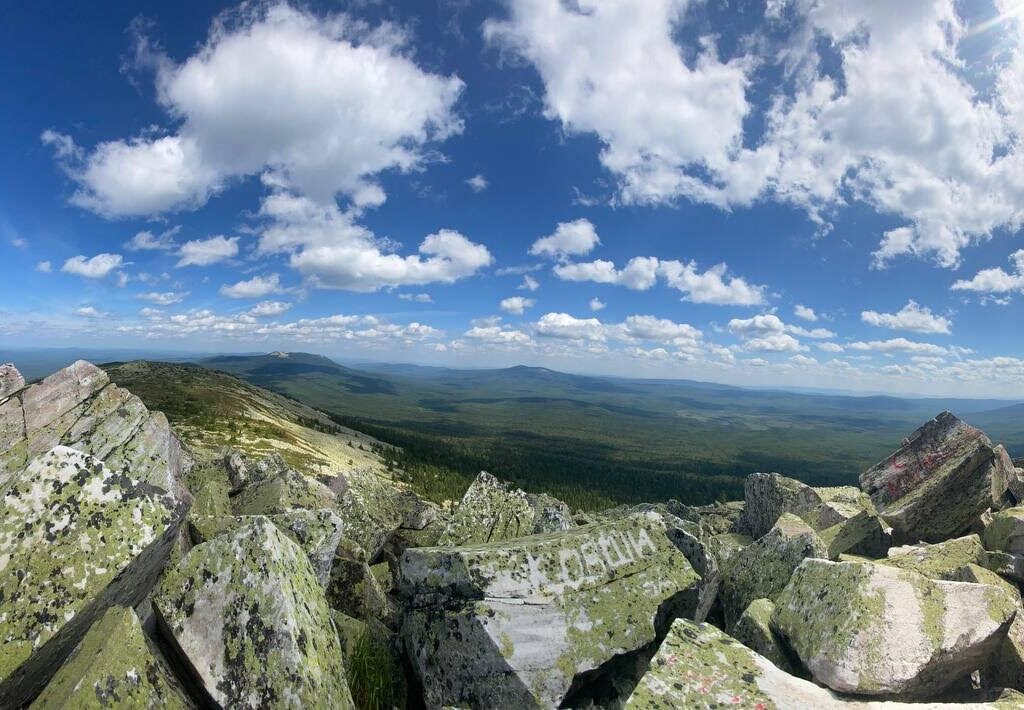
These mountains are not just a pretty face; they boast some serious geological diversity. The Ural Mountains are characterized by a mix of rounded peaks, steep slopes, and broad plateaus. The highest peak, Mount Narodnaya, reaches a lofty 1,895 meters (6,189 feet) and offers a stunning view—so stunning, in fact, you might just forget to take that quintessential selfie. The region is also rich in forests, lakes, and rivers, creating a picturesque landscape that has inspired poets and hikers alike.
Geological Formation and Composition
Methods of Formation
The Ural Mountains were formed over millions of years by intricate tectonic activity, resembling Mother Nature’s very own jigsaw puzzle. They began as ancient seabeds over 300 million years ago, rising up due to the collision of the Eurasian and Kazakhstania tectonic plates. The process is akin to a slow-motion wrestling match, with the Earth itself putting forth some impressive geological moves.
Types of rocks and minerals
When it comes to rock types, the Urals are a treasure trove! This range of mountains is a haven for mineral enthusiasts because it is mostly made up of sedimentary rocks, schists, and granites that are crystal clear. The area is also famous for its deposits of precious and semi-precious stones, such as emeralds and amethysts, which makes you wonder if the locals are secretly wearing some fancy rocks instead of jewelry.
Ecosystems and biodiversity
Flora of the Ural Mountains
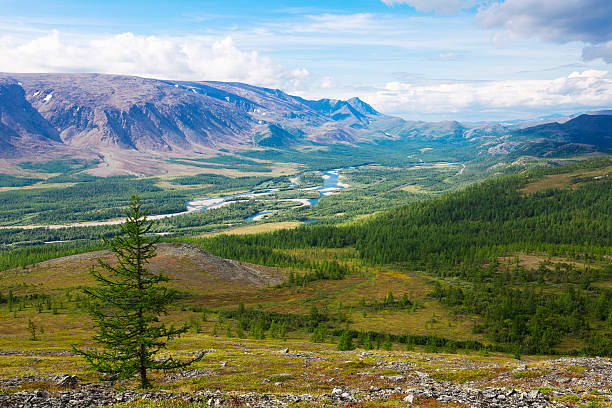
The Ural Mountains are home to a kaleidoscope of plant life, ranging from boreal forests in the north to deciduous forests in the south. You’ll find everything from hardy larches and spruces to colorful wildflowers peeking through the underbrush, reminding us that even the toughest of places can have a soft side. The varied climates and altitudes create micro-habitats, making it a botanical playground for adventurers and nature enthusiasts.
Fauna and Wildlife
Wildlife in the Ural Mountains rivals anything you might see in a nature documentary. Home to species such as the elusive snow leopard, brown bears, and European elk, these forests are bustling with life. There are over 90 species of mammals and numerous bird species, so there is always something running around. So, if you’re planning a visit, keep your eyes peeled—you never know when Bambi might take a stroll.
Unique Habitats and Conservation Areas
The Ural Mountains host a variety of unique habitats, from alpine tundras to rich deciduous forests. In order to preserve this biodiversity, a number of protected areas, such as national parks and nature reserves like the Ural Federal Nature Reserve, have been established. These spots not only protect endangered species but also provide us with a chance to experience the beauty of nature, sans the selfie sticks and loud chatter.
Cultural Significance and Historical Context
Indigenous Peoples and Their Heritage
The Ural Mountains are steeped in rich cultural history, deeply intertwined with the lives of indigenous peoples such as the Bashkirs and Komi. These groups have thrived for centuries in the region, maintaining traditions and lifestyles that are as vibrant as the landscape itself. From ancient folklore to traditional crafts, the heritage of these peoples brings a unique perspective to the history of the Urals.
Historical Events Linked to the Region
The Urals have been an important part of Russian history because they were a crucial source of minerals and resources during both world wars and industrialization. The region also saw the rise and fall of empires and was a key battleground during significant historical events, like the Russian Civil War. Just think—this rugged terrain has witnessed more drama than your average soap opera.
Folklore and Mythology
Stories about heroic warriors and mythical creatures abound in the Ural Mountains’ folklore and mythology. The mountains are said to be home to spirits who guard sacred sites and treasures. This treasure trove of stories adds a sprinkle of magic to the already mesmerizing landscape, inviting curious souls to explore both the physical and mythological realms of the Urals.
Economic Importance and Natural Resources
Mineral Resources and Mining Activities
The Ural Mountains aren’t just a pretty face; they’re also a treasure chest of mineral resources! This range is home to a variety of precious and non-ferrous metals, including iron, copper, and zinc. Mining activities in the region have shaped local economies for centuries, turning the mountains into a bustling hub of extraction. Just picture miners in hard hats, happily digging away, while the rest of the world wonders how many more times they can hit “snooze” on their alarms.
Agriculture and forestry
The lush forests of the Urals provide wood and other natural products that keep both the local economy and the green thumbs happy. The region is blessed with an abundance of resources, including timber and berries. Agricultural activities thrive in the lower altitudes, where crops like grains and potatoes flourish. Fortunately, the locals not only cultivate food, but they also cultivate compelling tales to tell about their successful harvests.
Impact on Local Economies
The economic engine of the Ural Mountains purrs thanks to its mineral and agricultural wealth. Jobs, jobs, jobs! Locals are involved in a variety of industries that contribute to stability and growth, such as farming and mining. Towns and cities have blossomed around these resources, creating vibrant communities where the stories of both toil and triumph are plentiful. However, this boom has its challenges, and sustainability is often left hanging in the balance.
Tourism and Adventure Activities
Attractions and Locations of Popular Interest
The Ural Mountains are a feast for the eyes, drawing in tourists like moths to a flame. From the stunning peaks of Mount Taganay to the crystal-clear waters of Lake Baikal, the scenery is straight out of a postcard. Visitors flock to admire the natural beauty, ancient rock formations, and charming villages that populate the region. It’s like a haven for nature lovers, so bring your camera and maybe some snacks.
Outdoor Activities and Adventure Sports
If you’re looking for adventure, the Ural Mountains have your back! The iceberg (or should we say snowbank?) of activities available includes skiing, mountain biking, and hiking. The terrain offers a playground for adrenaline junkies and nature enthusiasts alike.
Whether you’re scaling rocky cliffs or gliding down powdery slopes, there’s no shortage of heart-pounding activities to get your blood pumping. Just make sure to stretch beforehand; no one wants to be that person who can’t walk for a week after a thrilling trip.
Cultural Tourism and Festivals
Beyond the breathtaking landscapes lies a rich cultural tapestry waiting to be explored. The Urals are known for their vibrant local traditions, art, and festivals that celebrate everything from music to food. Picture folk performances, local crafts, and savory treats that tantalize the taste buds.
Tourists can immerse themselves in the heart and soul of the Ural communities, leaving with memories that last long after the trip is over. Plus, who doesn’t like a good selfie with a traditional costume or a plate of delicious local cuisine?
Conservation Efforts and Environmental Challenges
Protected Areas and National Parks
The Ural Mountains aren’t just a wild playground; they also house numerous protected areas and national parks dedicated to preserving their unique ecosystems. These sanctuaries are like nature’s VIP lounges where flora and fauna can thrive without interruptions. From the pristine landscapes of Bashkiria to the serene beauty of the Taganay National Park, conservationists are working hard to ensure that these treasures aren’t just pretty pictures in a brochure.
Threats to Biodiversity
However, not all is rosy in the Ural paradise. Human activities, climate change, and habitat destruction pose significant threats to the region’s biodiversity. Endangered species are at risk, and ecosystems are feeling the pressure. It’s like watching your favorite TV show get canceled — you just want to shout, “Not on my watch!” Conservation efforts are crucial to tackle these challenges and protect the delicate balance of life in the mountains.
Community Involvement in Conservation
The good news is that locals are taking the initiative! Community involvement is vital in conservation efforts, as residents are often the best stewards of their own environments. People are banding together to safeguard their home by launching educational programs for schools and organizing clean-up drives. It’s a grassroots revolution that could make even the most hardened environmentalist shed a tear of joy.
FAQs
Q1. Where can I find the Ural Mountains?
The Ural Mountains, which run roughly 2,500 kilometers from north to south, naturally divide Europe and Asia. They traverse western Russia and reach the Ural River near Kazakhstan from the Arctic Ocean. Major gateway cities include Yekaterinburg, Perm, and Chelyabinsk.
Q2. What is the significance of the Ural Mountains?
The Urals are among the world’s oldest mountain ranges, estimated to be around 250–300 million years old.
They are significant historically for: Serving as a continuous cultural and geographic boundary
Being a major source of minerals, metals, and gemstones
Contributing to the development of Russian territory and historic trade routes.
Q3. Which Ural Mountain peak is the highest?
The highest peak is Mount Narodnaya, standing at approximately 1,895 meters (6,217 ft). It is popular with experienced trekkers because it is in the remote northern Urals.
Q4. What activities can travelers do in the Ural Mountains?
A wide range of activities are enjoyed by visitors: Trekking and hiking over rocky peaks
Snowboarding and skiing in winter resorts
Wildlife watching in forests and national parks
Cave exploration in karst regions
Visiting historic towns influenced by mining culture
Q5. What wildlife can be found in the Urals?
The region hosts diverse species such as brown bears, lynxes, wolves, elk, and various birdlife. National parks help protect these ecosystems, making the Urals ideal for eco-travelers.
Q6. When should you go to the Ural Mountains?
Summer (June–August): Best for hiking, camping, and scenic exploration.
Winter (December–March): Ideal for snow sports and skiing.
Autumn (September–October): Offers beautiful foliage and mild weather.
Q7. Are the Ural Mountains difficult to access?
Not at all. Many entry points are well-connected through road, rail, and domestic flights via nearby cities such as Yekaterinburg and Perm. Local tour operators also offer guided adventures.
Q8. Are the Ural Mountains safe for tourists?
Yes, the region is generally safe. Travelers ought to: Follow marked trails
Dress for rapidly changing weather
Consider local guides for remote areas
Pay attention to wildlife.
Q9. Are there any cultural or historical sites in the Ural region?
The Urals are full of history, including: Old mining towns
Museums dedicated to geology and metallurgy
Indigenous cultures, such as the Khanty and Mansi
Soviet-era industrial landmarks.
Q10. What minerals and gemstones are found in the Urals?
The range is rich in:
Malachite
Emeralds
Gold
Platinum
Ore of iron The region’s mining history is integral to Russia’s industrial development.
Conclusion
The Ural Mountains stand as one of the world’s most fascinating natural boundaries—uniting ancient geology, rich cultural stories, and diverse landscapes. Whether you’re seeking adventure, history, or untouched wilderness, the Urals offer a multifaceted travel experience shaped by millions of years of natural evolution. With accessible gateways through cities like Yekaterinburg and Chelyabinsk, this extraordinary region invites exploration, wonder, and discovery for travelers of every kind.
Add a Comment