Introduction
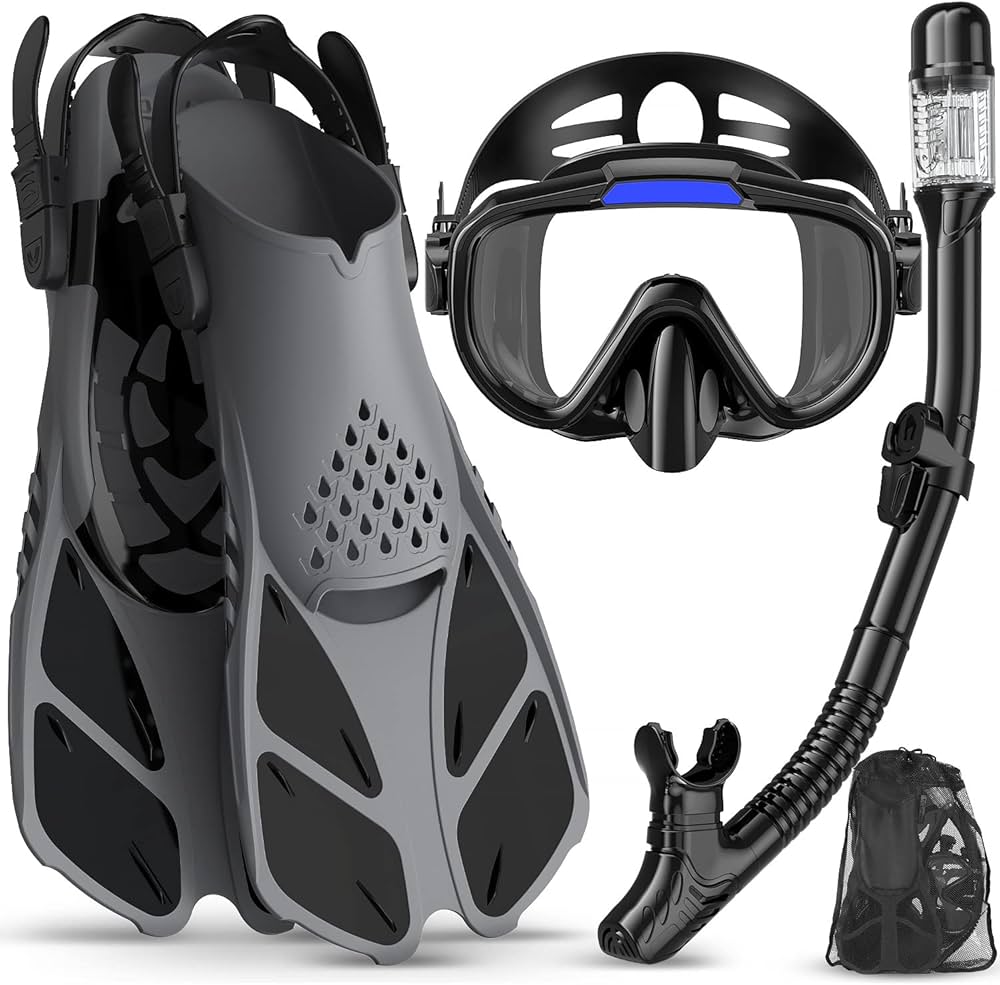
Snorkeling gear is an exhilarating way to explore the underwater world, offering a unique glimpse into vibrant marine ecosystems. Whether you’re a beginner eager to take your first plunge or an experienced snorkeler looking to enhance your gear, understanding the various types of snorkeling gear or equipment is crucial for a safe and enjoyable experience.
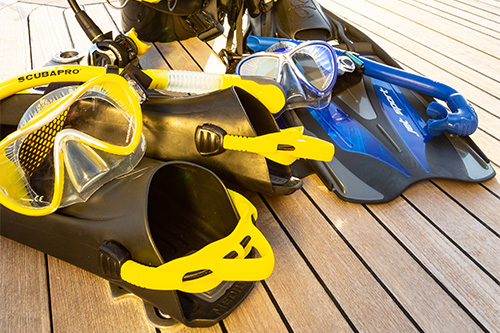
Having the right gear can have a significant impact on your adventure, from selecting the appropriate snorkel and mask to fins and wetsuit. In this article, we will delve into the essential aspects of snorkeling gear, including types, maintenance, and safety tips, helping you make informed decisions for your next aquatic escapade.
Overview of Snorkeling Gear
What is Snorkeling Gear?
The art of floating on the water’s surface while wearing a mask, snorkel, and fins is known as snorkeling—it’s like swimming with a twist! You get to explore the underwater world without needing a scuba tank, making it perfect for those who want to check out coral reefs and colorful fish without the commitment of deep-sea diving. Just remember, while your personal best might be breakfast in bed, nature’s buffet is definitely underwater.
Importance of Proper Snorkeling Gear
Having the right snorkeling gear is like wearing the best pair of comfy shoes on a long walk—it makes all the difference! You can safely and comfortably explore the ocean’s wonders with the right gear. Good-fitting masks prevent leaks, quality snorkels allow easy breathing, and durable fins can boost your propulsion through the water. Don’t let an equipment mishap turn your adventure into a soggy misadventure.
Types of Snorkeling Gear
Recreational vs. Gear for professionals
When it comes to snorkeling gear, you have options—think casual beach day versus underwater explorer extraordinaire. Recreational Snorkeling gear is generally budget-friendly and user-friendly, perfect for vacationers who dabble in snorkeling. On the other hand, professional gear has advanced features, materials, and technologies and is made for serious enthusiasts. So, how deep do you want to dive into your gear investment?
Various Models and Brands
In the world of snorkeling gear, there’s a plethora of brands competing for your attention, each with its own quirks and features. Established names like Cressi, Mares, and Scubapro have earned their stripes, while newer brands tout innovative designs and colorful aesthetics. With so many models available, it can feel like choosing a favorite child—if your kids were masks, fins, and snorkels, of course.
Essential Equipment for Snorkeling Gear
Mask and Snorkel
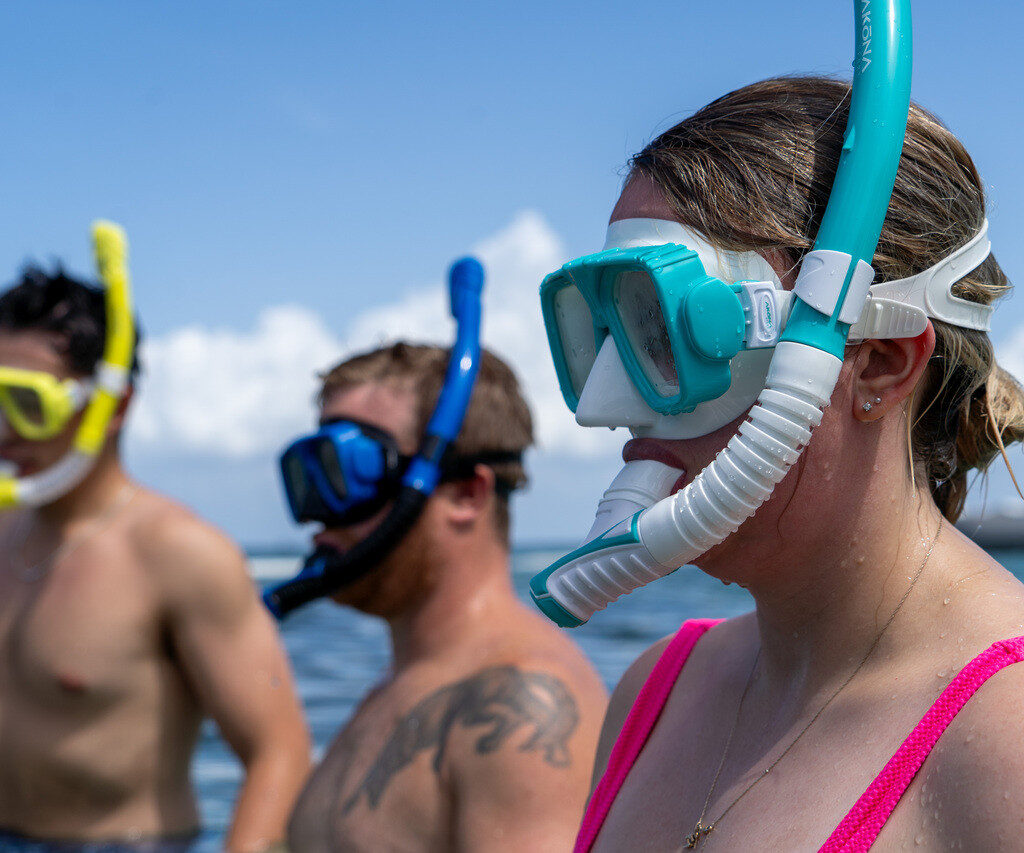
A mask and snorkel are the dynamic duo of snorkeling gear. A good mask should fit snugly without excessive pressure, giving you a clear view of the underwater wonderland. The snorkel allows you to breathe while keeping your face submerged—it’s like being a fish, but without the gills. Look for features like a purge valve and a comfortable mouthpiece to enhance your experience.
Fins
Fins are your personal turbo boosters! They help you glide through the water with ease, saving energy and making you look effortlessly cool. Choose between open-heel fins with adjustable straps or full-foot fins that hug your feet snugly. Either way, you’ll be propelling yourself through the ocean like a dolphin in no time.
Wetsuits
Wetsuits may not make you the most fashionable beach-goer, but they keep you warm and protected from the elements. They offer insulation in cooler waters and help prevent scrapes from sharp coral. There’s a wetsuit for every temperature and every body type, so embrace the snug fit and stay cozy while you explore.
Safety Devices
Safety first, folks! Don’t forget to equip yourself with safety devices like flotation vests, dive flags, or a snorkeling buoy. These tools keep you visible and safe in the water, ensuring that your ocean adventure is more about spotting vibrant fish and less about dodging boats. Plus, they give your mom peace of mind—always a win.
Choosing the Right Snorkeling Mask and Snorkel
Fit and Comfort
When it comes to snorkeling masks, fit is everything! A well-fitting mask should create a seal against your face without leaving half-moon imprints. Try on different styles to find one that feels good—not like you’re auditioning for a low-budget horror movie. Comfort is key since a mask that’s too tight or loose will make you rethink your snorkeling career.
Types of Snorkels: Dry vs. Semi-Dry vs. Traditional
Snorkels come in three main types: dry, semi-dry, and traditional. Dry snorkels have a valve at the top that prevents water from entering, making them great for beginners. Semi-dry snorkels feature a splash guard that reduces water entry but isn’t entirely foolproof. Traditional snorkels are straightforward and reliable but may require you to clear water out occasionally—an exciting little challenge for the brave-hearted.
Lens Types and Visibility
Lens choice in your snorkeling mask is more important than you might think! Single lenses offer an expansive view, while dual lenses allow for prescription inserts if needed. Some masks even feature tinted or mirrored lenses to reduce glare. The right lens can enhance visibility underwater, so you won’t miss that elusive clownfish or sea turtle traffic jam.
Fins and How Important They Are for Snorkeling
Fins are like the rocket boosters of your snorkeling experience — without them, you’ll be flailing around like a fish out of water (and we all know how that goes). They provide propulsion, making it easier to glide through the water and conserve energy for those epic underwater adventures.
Types of Fins: Open Heel vs. Full Foot
When it comes to fins, you’ve essentially got two camps: open heel and full foot. Open heel fins are like the flippers of the elite — featuring adjustable straps that let you wear them over booties for extra warmth and comfort. These are perfect for cooler waters and rocky shores. On the flip side, full foot fins are snug, lightweight, and made for tropical waters, meaning they’re your best friends on a sunny beach day. Pick your poison based on where you’re snorkeling and let the underwater exploration begin.
Choosing the Right Size and Fit
Fins should feel like a second skin — snug, but not painfully tight. You want your fins to fit like the perfect pair of jeans that, miraculously, never shrank in the wash. To find your size, try them on with any water socks or booties you plan to wear, and ensure there’s no slippage or pressure points. If they’re making you reconsider your life choices, they’re probably too small. And remember, your feet are not a size that ‘just kind of fits’ — they deserve the right love, just like you do.
Wetsuits and Rash Guards: When to Use Them
Choosing the right outfit for a first date can make all the difference when navigating the vast ocean. Your reliable sidekicks are rash guards and wetsuits. These garments protect you from chilly waters, nasty sunburn, and the occasional jellyfish hug.
Understanding Water Temperature
Water temperature is key in deciding whether you’re going for the full wetsuit or just a fashionable rash guard. Generally, if the water is below 70°F (21°C), you might want to gear up with a wetsuit; anything warmer and you could risk overheating. Think of it like Goldilocks: you want it neither too hot nor too cold, but just right for that adventurous plunge.
Types of Wetsuits
Wetsuits come in various styles for different temperatures and activities. There are full suits (think: superhero in disguise) that cover your entire body, shorty suits with short sleeves and legs (perfect for those balmy summer days), and even sleeveless options for those who believe in embracing the elements. The suit’s thickness, which is typically measured in millimeters, also varies; the thicker the suit, the warmer it keeps you. Choose wisely, or you’ll end up looking like a popsicle in the sea.
Benefits of Rash Guards
Rash guards are like your stylish BFF in the water. They shield your skin from sunburn, jellyfish stings, and, let’s be real, those awkward moments when your shirt gets ripped by corals. They’re lightweight, quick-drying, and available in a rainbow of colors. So, whether you’re lounging on the beach, snorkeling, or just trying to look fabulous while taking selfies, a rash guard is a no-brainer.
How to Take Care of Your Snorkeling Gear
Your snorkeling gear isn’t just a one-and-done deal; it’s an investment that requires some TLC. Treat your gear like the sacred treasure it is, and it’ll reward you with countless underwater escapades.
Cleaning and Storing of Snorkeling Gear
After your underwater escapade, rinse your gear with fresh water to wash away salt, sand, and all those little ocean souvenirs you definitely didn’t mean to bring back. Grab a soft cloth and show your gear some love — don’t just toss it into the corner like last Thursday’s pizza. Store it in a cool, dry place, away from direct sunlight, to keep your fins and masks looking as good as new.
Preventing Damage from Sun and Saltwater
The ultimate foes are the sun and saltwater. They can wreak havoc on your Snorkeling gear if you’re not careful. Avoid leaving your gear out in the sun like a pair of forgotten flip-flops, and instead, keep it shaded. Rinse off that saltwater after each adventure — your gear deserves a spa day too! Your beloved snorkeling equipment can avoid premature retirement with a little diligence.
Safety Tips for Snorkeling Adventures
Safety might not be the most thrilling part of snorkeling, but trust us, it’s a must. Think of it as your snorkeling insurance — keeping you afloat (pun intended!) during your aquatic escapades.
Pre-Trip Preparation
Before you dive in, familiarize yourself with the area you’ll be snorkeling. Research the currents, tidal patterns, and any potential hazards. A little homework goes a long way. Don’t skip the buddy system — there’s strength in numbers and no one wants to become a snorkler.
FAQs
Q1. What basic snorkeling gear do I require as a novice?
Beginners typically need three essential Snorkeling gear: a snorkel mask, a breathing tube (snorkel), and swim fins. Many people also add optional items like a snorkeling vest, reef-safe sunscreen, and anti-fog solution for a more comfortable experience.
Q2. How can I select the appropriate snorkeling gear?
Make sure the mask you choose doesn’t press too hard on your face. Perform a suction test by gently inhaling while placing the mask on your face without the strap. If it sticks without leaking, the fit is correct. Also, think about lenses made of tempered glass, straps that can be adjusted, and a skirt made of soft silicone.
Q3. What distinguishes a dry, semi-dry, and wet snorkel from one another as a Snorkeling gear?
Dry Snorkel: Has a valve that seals when submerged to prevent water entry—best for beginners.
Semi-Dry Snorkel: Reduces splashes from entering but doesn’t fully seal underwater.
Wet Snorkel: No water-blocking features—preferred by advanced snorkelers for simplicity.
Q4. Is it safe to wear a full-face snorkeling mask?
Full-face masks are safe when used properly and purchased from reputable brands. They have a large field of view and allow for easy breathing. However, they may not be ideal for intense swimming or diving below the surface. Always ensure proper sizing and ventilation.
Q5. What type of fins are best for snorkeling gear?
Short, flexible fins are best for beginners because they are easy to control. Experienced snorkelers may prefer longer fins for speed and efficiency. Choose between open-heel fins with adjustable straps or full-foot fins depending on comfort and water temperature.
Q6. Should I buy or rent snorkeling gear?
Buying is ideal for travelers who snorkel often or prefer a hygienic, perfectly fitting setup. Renting is convenient for single-use vacations but may come with fit issues or older equipment. Masks and snorkels are better owned; fins can be rented if you want to save luggage space.
Q7. How do I prevent my mask from fogging up?
Use a commercial anti-fog solution, baby shampoo, or natural saliva on the inside of the lens. Rinse lightly with water. For new masks, clean the lens with toothpaste (non-gel) to remove factory film before your first use.
Q8. Do I need a snorkel vest for buoyancy?
A snorkel vest is helpful for beginners, weak swimmers, and those who want longer sessions without fatigue. It allows you to float effortlessly and adds extra safety without restricting movement.
Q9. What is the best way to set up kids’ snorkeling gear?
Select lightweight masks with soft silicone skirts, easy-breathing dry snorkels, and small fins that match their foot size. Make sure they practice first in shallow water and always keep a close eye on them.
Q10. How should snorkeling gear be cleaned after use?
Rinse everything with fresh water immediately after snorkeling to remove salt, sand, and debris. Wash gently with mild soap, air-dry in the shade, and store in a cool, dry place. Silicone and plastic components can be damaged by exposing equipment to the sun.
Q11. Is prescription snorkeling gear available?
Yes. Many brands offer prescription masks with corrective lenses or insertable lens attachments. Snorkelers who don’t like to wear glasses in the water will love these.
Q12. What extras can I use to make my snorkeling experience better?
Useful accessories include anti-fog sprays, waterproof phone cases, snorkeling rash guards, mesh gear bags, underwater action cameras, and defogging wipes. These items improve comfort, safety, and the ability to capture marine life.
Q13. What type of snorkeling gear is best for travel?
Look for compact travel fins, foldable snorkels, and lightweight low-volume masks that pack easily into a carry-on. Travel-friendly gear often comes in sets that include a mesh carrying case.
Q14. Can I use scuba gear for snorkeling?
You can use scuba fins for snorkeling, but scuba masks and snorkels differ. Scuba gear is bulkier and designed for deeper dives, so snorkeling-specific equipment is usually more comfortable and energy-efficient.
Q15. What should I consider when buying a snorkel set?
Evaluate the material quality, fit, breathing comfort, fin flexibility, mask lens clarity, and included accessories. Tempered glass and high-quality silicone are strong indicators of durable equipment.
Conclusion
If you want to have an unforgettable underwater adventure that is safe, comfortable, and fun, you need to get the right “snorkeling gear.” Whether you’re a beginner exploring shallow reefs or an experienced traveler seeking high-performance equipment, the correct mask, snorkel, and fins can dramatically improve your experience.
By understanding fit, material quality, and essential features—along with proper maintenance—you ensure that every snorkeling session is crystal clear, leak-free, and enjoyable. Investing in well-fitted gear ultimately enhances both your confidence and your connection to the underwater world.
Add a Comment