Introduction
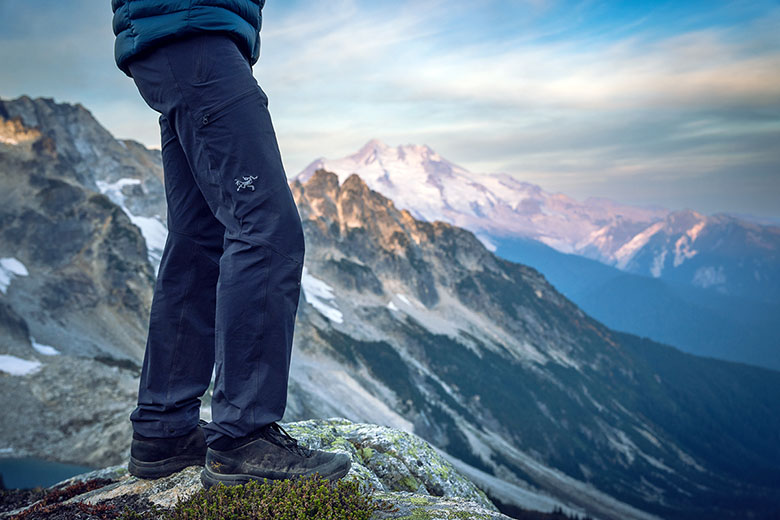
When it comes to enjoying the great outdoors, having the right gear is essential, and hiking pants play a pivotal role in enhancing your overall experience. Hiking pants, in contrast to regular pants, are made to withstand the rigors of the trail while also providing functionality, protection, and comfort.
Hiking pants
Choosing the right pair can have a significant impact on your hiking comfort and performance because of the variety of styles, materials, and features available. In order to ensure that you are well-equipped for your next adventure, this article delves into the most important aspects to consider when selecting hiking pants, including essential features, types, care instructions, and top brand recommendations.
An Overview to Hiking Pants
Hiking pants are the unsung heroes of your outdoor adventures. Designed to keep you comfortable, protected, and stylish (yes, you can look good while sweating), these pants are essential gear for any hiker. You won’t break a sweat—at least not too much—in rough terrain, unpredictable weather, or even those annoying mosquitoes if you have the right pair.
Importance of Choosing the Right Pants
The right pair of hiking pants can mean the difference between an enjoyable day on the trails and a tiring one. When you’re trying to connect with nature, you don’t want to be distracted by chafing or wet fabric. By allowing you to concentrate on the breathtaking views rather than your wardrobe malfunctions, the right fit, material, and features can improve your experience.
Overview of Hiking Activities
The sport of hiking is not one-size-fits-all. From leisurely jaunts to intense mountain climbs, the activities can vary widely. Whether you’re out for a casual stroll or an epic trekking expedition, understanding the kind of hikes you plan to do will help you select the best pants for the job. Remember, the only thing that should be sweating is you—your pants shouldn’t be.
Key Features to Consider
When shopping for hiking pants, it’s essential to look for features that align with both your style and your adventure needs. Here are the must-haves to keep in mind before making a purchase.
Breathability
Breathable fabric can make the difference between a pleasant hike and a sweaty disaster. Look for pants with panels made of mesh or those that are made to wick away moisture. You’ll be glad you did, especially on hot days or when climbing steeply. Remember, nobody wants to feel like they’re wearing a sauna suit when they’re just trying to enjoy a lovely view.
Water Resistance
Weather can be unpredictable, and water-resistant pants can save the day (and your legs) from unexpected rain showers. Look for materials that repel water—because nothing ruins a hiking trip faster than soggy trousers. If you’re venturing into particularly wet areas, consider options with waterproof features for serious splash protection.
Pockets and Storage
Let’s face it: when you’re out in the wild, you need a place to store snacks, maps, and possibly an additional pair of socks—you never know. Choose pants with plenty of pockets, especially those that zip up to protect your valuables. Instead of holding your snacks, you’ll want to use your hands for hiking gear and photo opportunities.
Waistbands with Adjustments
A good pair of hiking pants, not a straight jacket, should fit like a glove. Look for pants with adjustable waistbands or drawstrings. This feature is perfect for accommodating that ever-changing waistline after a hearty trail lunch or for those days when you’re feeling extra comfy with your outfit.
Types of Hiking Pants
It’s easy to get lost in the maze of hiking pants because there are so many options. Fear not! In order to assist you in finding your ideal match, here is a breakdown of the most prevalent types.
Convertible Pants
In the world of hiking, convertible pants are the chameleons. They change from full-length pants to chic shorts in a flash! These versatile wonders are perfect for those hikes that start cool but warm up as the day progresses. Just remember to check for a bit of privacy if you’re changing in the middle of the trail.
Softshell vs. Pants with a Hardshell Shell
Softshell pants are great for mild weather—they’re stretchy, breathable, and comfortable. Ideal for day hikes and moderate conditions. On the flip side, hardshell pants are your go-to for those rain-soaked adventures, with their wind and water resistance protecting you from whatever Mother Nature throws your way. Choose wisely based on your planned escapades.
Insulated Hiking Pants
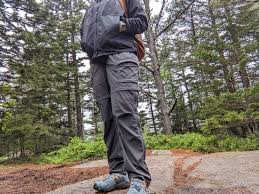
If you’re trekking in chilly weather, insulated hiking pants can keep you warm without turning you into a marshmallow. Your legs will remain toasty while still being able to move due to the perfect balance of warmth and breathability provided by these pants. They’re a cozy choice for winter hikes or alpine excursions, but maybe skip them for the July hike with your buddies.
Durability and Material
The performance and durability of hiking pants are greatly influenced by the material used. A good pair needs to withstand rips, tears, and weather while keeping you comfortable.
Commonly Used Fabrics
Hiking pants often use synthetic materials like nylon or polyester, which are lightweight, quick-drying, and durable. Some may even incorporate spandex for added stretch—because who doesn’t love a little give when it comes to climbing over rocks or jumping over streams? Always check the fabric blend before making a decision.
Impact of Material on Performance
The choice of material can significantly affect your hiking experience. Lightweight materials make for easy packing and quick drying, while heavier fabrics offer more protection against the elements. Think about the conditions you’ll encounter and select your fabric accordingly. No one wants to be caught in a rainstorm with pants made for summer picnics.
Fit and Comfort
Choosing the Right Size
Finding the right hiking pants is like finding your soulmate—essential to your happiness but sometimes a little challenging. Aim for a size that allows for some wiggle room, especially around the waist and thighs.
You don’t want to hike with a waistband that feels like a boa constrictor wrapped around your midsection. Most brands offer a size chart, so don’t skip it, unless you enjoy the surprise of pants that may or may not fit.
Movement and Flexibility
Hiking often involves a lot of bending, squatting, and occasionally performing questionable yoga poses to navigate rocky terrain. Look for pants made from flexible materials, such as spandex blends, that allow for a full range of motion.
Nobody wants pants that restrict your inner mountain goat! Aim for styles that feature articulated knees or stretch panels—these will help you conquer that steep incline without feeling like a tin man.
Adaptability to the weather
Pants for the Warm Season
Fabric that is lightweight and breathable is your best friend when you are hiking in sunlight that could fry an egg. Look for pants that offer moisture-wicking properties to help you stay cool and dry. Bonus points for pants with zip-off legs—when the heat turns up, off they go! Just be prepared for the awkward moment when you have to explain why you just transformed into a shorts-wearing human mid-trail.
Pants for Cold and Wet Conditions
For those chilly, drizzly adventures, you’ll want pants that act like a cozy blanket for your legs. Waterproof or water-resistant pants are the way to go, especially if you plan on getting up close and personal with puddles. Look for insulation features, like a fleece lining, so you don’t turn into a human popsicle on those brisk hikes.
Remember: layering is key, so ensure your cold-weather pants allow enough room for thermal leggings without making you feel like a stuffed sausage.
Care and Maintenance Tips
Washing Instructions
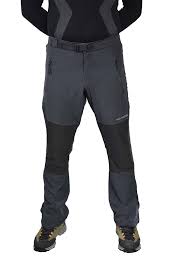
Just like that beloved potted plant you remember to water once a month, your hiking pants need some TLC too! Always check the care label before tossing them in the washing machine. Most hiking pants can be washed in cold water with a gentle cycle.
Avoid fabric softeners, as they’ll mess with the breathable fabric. And resist the urge to dry them on high heat; air-drying is the way to go if you want them to stick around for many more hiking adventures.
Storing Your Hiking Pants
After a long hike, your pants deserve a nice home—preferably not crammed in the back of your closet next to your high school gym shorts. Store your hiking pants in a cool, dry place, ideally folded rather than bunched up.
If they have moisture-wicking treatments, consider using a breathable garment bag to keep them fresh and ready for their next outing. And remember, giving them a little air after a hike can help keep any funky smells at bay—trust us, your future self will thank you.
Top Brands and Recommendations
Popular Brands Overview
When it comes to hiking pants, several brands have earned their stripes on the trails. Think Patagonia for eco-friendly options, Columbia for all-weather versatility, and The North Face for durable, rugged wear.
Each brand has its unique flair, and while some lean towards the performance end, others prioritize comfort and style. Don’t forget to explore newer brands too—they might just surprise you with innovative designs and features.
Comparative Analysis of Best-Sellers
In the world of hiking pants, a few standouts consistently pop up on “best-seller” lists—and for good reason. Compare features such as breathability, stretch, and pocket availability, as well as price points. For instance, the Patagonia Quandary Pants offer great moisture management for those sweaty treks, while the prAna Brion Pants balance comfort and casual style perfectly.
Read user reviews to get real-life insights, but remember: what works for one hiker may not work for another! So, choose wisely and trust your gut, even if it sometimes tells you to buy the funky-colored pair.In conclusion, investing in the right pair of hiking pants is crucial for maximizing your comfort and enjoyment on the trails.
FAQs
Q1. What are hiking pants, and why are they essential for outdoor activities?
Hiking pants are specially designed trousers made for trekking, backpacking, and outdoor exploration. They are crafted from lightweight, breathable, and quick-drying fabrics that provide flexibility and protection against rough terrains, UV rays, and unpredictable weather conditions. Unlike regular jeans or sweatpants, hiking pants offer enhanced mobility, moisture control, and abrasion resistance, making them a key part of any hiker’s gear.
Q2. What materials are best for hiking pants?
Most of the time, the best hiking pants are made of synthetic materials like nylon, polyester, or spandex blends. These fabrics last for a long time, resist water, and dry quickly when wet or sweaty. Some premium options also include ripstop nylon for added tear resistance and DWR (Durable Water Repellent) coatings for enhanced protection against moisture.
Q3. What characteristics should I look for in hiking pants?
When selecting hiking pants, look for: Fabric that is breathable and wicks away moisture to control body temperature, Articulated knees and gusseted crotch for improved range of motion. Convertible or roll-up legs to adjust for varying temperatures. Pockets with zippers for safe storage of essentials, UPF sun protection and insect-repellent treatments for outdoor safety.
Q4. What is the difference between hiking pants and regular outdoor pants?
Even though they may appear similar, hiking pants are made to withstand strenuous treks and rough terrain. They place an emphasis on “lightweight performance,” “stretchability,” and “weather adaptability,” whereas conventional outdoor pants may place a greater emphasis on “style” or “heat.” Hiking pants often include reinforced panels, ventilation zippers, and quick-dry properties — essential for endurance and comfort in variable climates.
Q5. Are hiking pants waterproof?
Some hiking pants are not completely waterproof. Most are water-resistant, meaning they can handle light rain or splashes but may not withstand heavy downpours. For maximum water protection, consider hiking rain pants or pants with a DWR coating. Layering waterproof shells over regular hiking pants is also a common practice among experienced hikers.
Q6. Should I choose convertible or standard hiking pants?
Convertible hiking pants can be zipped off at the knees and converted into shorts, offering excellent versatility in fluctuating temperatures. Standard hiking pants tend to be more streamlined, lighter, and quieter when walking. The best choice depends on your hiking environment — choose convertible styles for warm climates and standard options for cooler or alpine conditions.
Q7. What size should hiking pants be?
The ideal fit for hiking pants is snug yet flexible. They should allow free movement without restricting steps or causing chafing. For comfort on long hikes, look for models with stretch panels, articulated knees, and elastic waistbands. Always test your range of motion — squat, bend, and step — before finalizing your choice.
Q8. How do I care for my hiking pants?
To prolong the life of your hiking pants: Use a mild detergent and wash them in cold water. Avoid fabric softeners, as they can damage moisture-wicking coatings. Air-dry or tumble-dry on low heat to maintain elasticity. Reapply DWR spray periodically if your pants are water-resistant.
Q9. Are hiking pants suitable for other outdoor activities?
Absolutely. Due to their comfort, lightweight design, and adaptability, high-quality hiking pants can double as gear for travel, camping, climbing, fishing, and other outdoor activities. Due to their wrinkle resistance and practical pockets, hiking pants are also preferred by many travelers on long journey.
Conclusion
Choosing the right hiking pants can significantly enhance your comfort, protection, and performance on the trail. The ideal pair balances breathability, durability, and flexibility, allowing you to move freely across diverse terrains and weather conditions.
Whether you prefer convertible, stretch, or cargo-style hiking pants, the key is to find a pair tailored to your specific needs — ensuring every adventure is safe, efficient, and enjoyable. Investing in high-quality hiking pants is not just about style; it’s about functionality, endurance, and making every step on your outdoor journey more rewarding.
Add a Comment