discuss what is a ferry?

what is a ferry

Introduction

What is a ferry, so as we know that Ferries play a crucial role in connecting communities separated by water, offering a practical way for people, vehicles, and goods to move between shores. They have existed in one form or another since ancient civilizations began settling near rivers and coastlines. Over time, ferry systems have matured into sophisticated operations, shaped by advances in engineering and evolving travel demands.

discuss what is a ferry?

Today it is important to know that what is a ferry, often we used to be understood about that the ferries remain essential across many regions, providing reliable mobility while supporting environmental goals. This article explores what ferries are, how they work, the varieties that exist, their historical origins, and where the industry may be heading in the years ahead.

Definition of a Ferry

What Counts as a Ferry?

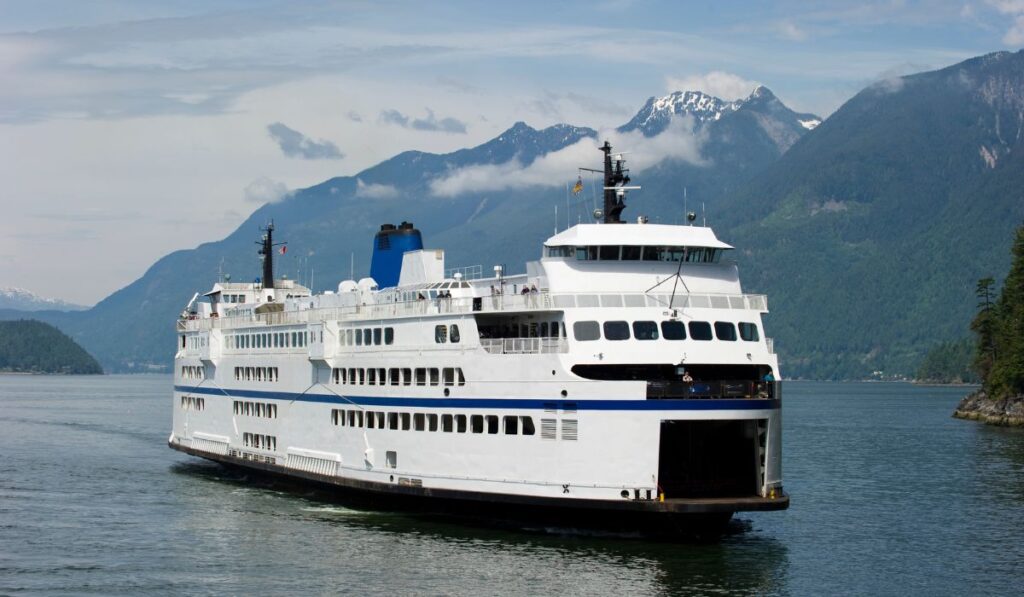
What is a ferry, Basically A ferry is a waterborne vessel created to transport passengers, goods, or vehicles across a stretch of water on a repeated, scheduled basis. Think of it as a form of public transit—only the road happens to be liquid. These vessels vary tremendously in scale, from compact boats that shuttle people across narrow rivers to massive ships designed to move thousands of travelers along with rows of cars and trucks.

How Ferries Differ from Other Boats

Unlike leisure boats or long-distance ships, ferries serve short, predictable routes and operate frequently, connecting two fixed points. Their purpose is utility rather than exploration: efficient, punctual crossings rather than extended voyages. If traditional boats are road-trip vehicles, ferries are more like dependable city buses gliding across water.

Types of Ferries

Passenger Ferries

Passenger ferries cater exclusively to people, offering seated areas, observation decks, and in some cases snacks or refreshments. They’re ideal for short commutes or scenic crossings where the journey itself becomes part of the experience.

Vehicle Ferries

These ferries are built with onboard lanes for everything from bicycles to heavy trucks. They allow travelers to bring their own transportation along, making them especially useful for island communities or regions where road connections are limited.

High-Speed Ferries

High-speed ferries use powerful engines and streamlined hulls to reduce travel time significantly. Designed for efficiency, they appeal to commuters and travelers who prefer speed over traditional leisurely crossings.

Hybrid and Electric Ferries

As sustainability becomes a priority, many operators are adopting hybrid or fully electric vessels. These ferries rely on clean power systems that cut emissions and reduce noise, representing an important shift toward environmentally responsible marine travel.

describe history of what is a ferry?

History about what is a Ferry

Origins in Early Civilizations

What is a ferry! Long before modern ships existed, early societies used simple rafts, dugout canoes, and wooden boats to traverse waterways. Civilizations such as the Egyptians and Greeks relied heavily on early ferry systems for commerce, communication, and daily travel, so it enough to know about what is a ferry and let it e cleared also.

Advances in Ferry Technology

Industrial-era innovations transformed ferry operations. Steam power introduced speed and reliability, while later technological developments—diesel engines, steel hulls, radar, and computerized navigation—helped ferries become larger, safer, and more efficient.

Contemporary Ferry Services

What is a ferry, it is a Modern ferry networks combine traditional marine practices with digital conveniences. Passengers can track vessels in real time, purchase tickets online, and enjoy upgraded onboard services. Many companies also prioritize sustainability by updating fleets and optimizing routes.

How Ferries Operate

Design and Construction

Ferries are engineered to handle heavy loads, frequent docking, and varying weather conditions. Their hulls, decks, and structural supports are built to maintain stability, while interiors are arranged to move passengers and vehicles safely, so this is all all about what is a ferry.

Navigation and Safety

Ferry navigation uses tools such as radar systems, GPS, communication equipment, depth sensors, and skilled crew members who follow rigorous maritime safety procedures. Emergency equipment and regular drills ensure preparedness.

Boarding and Disembarking

Managing the flow of people and vehicles requires coordination between crew members and passengers. Organized queuing, designated lanes, and strict instructions ensure smooth and timely loading and unloading.

Key Benefits of Ferries

Cost-Effective Travel

Ferries often provide an affordable alternative to bridges, tunnels, or long road detours. They can also help travelers save money on fuel or tolls.

Environmental Benefits

When operating at capacity, ferries generally produce fewer emissions per passenger than cars or airplanes. Eco-friendly vessels further minimize environmental impact clears the confusion of what is a ferry.

Convenience and Accessibility

Ferries open access to destinations that might be difficult or impossible to reach by road. Travelers also get the added bonus of scenic views and a relaxed atmosphere.

define what is a ferry travel?

Popular Ferry Routes Around the World

North America

Notable services include the Staten Island Ferry in New York and the Washington State Ferries, both offering essential links and picturesque sightseeing moments.

Europe

Europe’s extensive network connects countries and islands, linking places like the UK and mainland Europe or bridging Greece’s many islands with reliable marine routes.

Asia

From Hong Kong’s bustling harbor to Thailand’s island-hopping ferries, Asia offers numerous memorable water crossings with diverse cultural and scenic experiences.

Environmental Impact of Ferries

Carbon Emissions

Though to know that what is a ferry, either ferries can be relatively eco-friendly, their environmental performance varies depending on their fuel type and capacity levels. Shifting toward clean energy significantly enhances sustainability.

Eco-Focused Innovations

New design strategies include hybrid propulsion, electric-only systems, and renewable energy integration, marking a shift toward greener maritime travel.

Comparison with Other Transport Modes

On a per-passenger basis, ferries often produce lower emissions than cars or planes, especially on short-to-medium routes where they offer a practical alternative.

Future Trends in Ferry Transportation

Technological Upgrades

Expect more digital integration, such as automated ticketing, smart scheduling, and improved navigation tools—all aimed at making ferry travel smoother and more efficient.

Autonomous Ferries

Self-navigating vessels are already being tested. These autonomous ferries rely on advanced sensors and AI systems, potentially reducing labor requirements and enhancing safety.

Growing Networks

As demand for sustainable transport rises, new ferry routes and expanded services are expected, improving connectivity for both local residents and travelers.

Final Thoughts for what is a ferry

What is a ferry, basically Ferries remain a vital part of global transportation systems, offering accessible, affordable, and environmentally conscious ways to cross waterways.

With modern technology reshaping operations and greener solutions becoming more common, what is a ferry or ferry travel is evolving to meet the demands of the future.

Whether serving daily commuters or curious travelers, ferries are likely to continue their long legacy as dependable links between distant shores.

FAQs

Q1. What is a ferry, in the most basic terms?

At its core what is a ferry, a ferry is a water-going craft built to shuttle people, vehicles, or goods between two points that are separated by water. Some are compact and utilitarian, others resemble small floating complexes, but all serve the same purpose: acting as a movable link where a fixed bridge either doesn’t exist or isn’t practical.

Q2. Do all ferries rely on the same type of propulsion?

No—different regions and operators use different systems. Traditional diesel is still common, but hybrid and fully electric ferries are becoming more widespread. A few older vessels in remote areas still use dated machinery. The chosen system usually reflects the route’s length, environmental goals, and the operator’s technological priorities.

Q3. How is a ferry unlike a cruise ship or a sightseeing boat?

Let it be understood for what is a ferry or its mission, A ferry’s mission is transportation. Cruises revolve around leisure, and tour boats emphasize scenic narration, but ferries are built to move people from one side to another on a set schedule. You may still get wide water views, but the trip isn’t designed around entertainment.

Q4. Are ferries only found near oceans or coastlines?

Not at all. Ferries run across rivers, lakes, inlets, and narrow channels, sometimes covering just a few hundred meters and sometimes taking long enough to feel like a small journey. Their geography is surprisingly diverse.

Q5. Do ferries carry vehicles, or only passengers?

Many ferries are built to accept cars, motorbikes, bicycles, and even freight trucks, particularly those using roll-on/roll-off ramps. Some, however, serve only foot passengers. The lineup depends on the route’s demand and the facilities at each terminal.

Q6. Are ferries generally safe to use?

In most regions, yes. Ferries operate under regulations, undergo scheduled inspections, and follow operational rules shaped around safety. Severe weather can interrupt service, but operators usually adjust their schedules long before conditions become risky.

Q7. Do ferries run throughout the entire year?

Some do, especially in temperate areas where waterways stay open. Others operate only in warmer months or during tourism peaks. Ferries in colder climates may stop service when ice forms or when storms are frequent.

Q8. What kinds of amenities might passengers find onboard?

Amenities vary dramatically. Short routes may offer nothing beyond open seating and basic shelter. Larger vessels might include lounges, snack counters, restrooms, wi-fi access points, outdoor viewing decks, or simple family spaces. Each ferry is outfitted according to the length and purpose of its route.

Q9. Why might someone choose a ferry instead of driving over a bridge or through a tunnel?

Sometimes those alternatives simply don’t exist. Other times what is a ferry, a ferry shortens what would be a long detour on land. For many riders, the appeal lies in the calmness of being on the water, even if the trip is only a few minutes long.

Q10. Are ferries environmentally sustainable?

They can be, especially when they run on electricity or hybrid power. The environmental impact depends on fuel type, vessel design, and how full the ferry typically is or what is a ferry. A single trip carrying numerous commuters can reduce road congestion and lower per-person emissions compared to long road routes.

Conclusion

When you look closely at what is a ferry and how it represents, it becomes more than a vessel moving back and forth on a timetable. It’s a quiet intermediary, easing the distance between shores that would otherwise feel too far apart.

Some crossings pass almost unnoticed, while others leave small impressions—the sway of the deck, a gust of wind, or the soft mechanical pulse beneath your feet. And in that brief transition between one side and the other, the ferry feels less like a simple mode of transport and more like a reminder of how we gently stitch separated places together.

is dumpster diving illegal at night?

is dumpster diving illegal

Introduction

Is Dumpster diving illegal—the act of recovering usable goods from commercial or residential waste bins—has become more visible in recent years. Rising living costs, environmental awareness, and interest in reducing waste have all helped push this practice into public conversation.

is dumpster diving illegal at night?

Is dumpster diving illegal

As more people look to repurpose discarded items, questions surrounding the legality, ethics, and social attitudes toward dumpster diving have become increasingly important. This article breaks down the laws governing the activity, explores the role of property rights, and considers how society views those who participate in it.

Understanding that is Dumpster Diving Illegal

What Does Dumpster Diving Involve?

Is Dumpster diving illegal, so it refers to searching through trash containers to find items that can be reused, repaired, or consumed. It’s essentially a form of urban foraging—turning what someone else considers trash into something of value. Items found might range from edible food to furniture, electronics, or clothing that simply needs minor repairs.

Origins and Evolution

Although it may seem like a modern trend, dumpster diving has roots in the consumer boom of the mid-1900s, when larger quantities of waste became commonplace. During the environmental movements of the 1970s, the practice gained traction as a symbolic rejection of excessive consumption.

Over time it become necessary to clear that is dumpster diving illegal, it evolved into a practical survival strategy for some and a sustainability-minded choice for others.

Why People Dive

Motivations vary widely.

  • Financial reasons: Some rely on dumpster diving to stretch limited resources.
  • Environmental goals: Others aim to reduce waste and promote reuse.
  • Curiosity and adventure: Many enjoy the challenge of discovering unexpected finds.
    Regardless of the reason, participants often share a sense of resourcefulness and a desire to counter wastefulness.
is dumpster diving illegal behind stores?

Legal Considerations: Is Dumpster Diving Illegal or Really Allowed?

General Legal Principles

Whether, is dumpster diving illegal or legal, it depends heavily on local laws. In many places, taking items that have been discarded is allowed unless it involves trespassing or violating city ordinances. The lack of universal rules means that what’s legal in one location may be prohibited in another.

Criminal vs. Civil Issues

Potential consequences fall into two categories:

  • Criminal matters: Entering private property without permission or taking protected items can lead to charges such as trespassing or theft.
  • Civil issues: Property owners may ask individuals to leave or pursue remedies through local regulations.
    Dumpster diving itself is rarely banned outright, but related behaviors can cause legal problems.

Differences Among States and Cities

Regulations vary widely:

  • Some states tolerate dumpster diving as long as divers avoid private property.
  • Other regions have tighter rules and may prohibit rummaging through dumpsters entirely.
    Cities often add their own ordinances, creating another layer of complexity. For example, one city may allow diving from public waste containers, while another may restrict diving near food-producing businesses. Checking local laws is essential before getting started.

Influence of Legal Precedents

Court cases involving is dumpster diving illegal or the dumpster diving have clarified the concept of “abandoned property.” In several instances, courts have determined that once items are discarded, they may be considered free for the taking—though this isn’t universally applied. These rulings continue to shape how the practice is treated legally.

Property Rights and Access

Ownership vs. Abandonment

Understanding when something becomes “abandoned” is central to the legality of dumpster diving. Although many jurisdictions consider discarded items abandoned, some laws still treat the contents of a dumpster as belonging to the property owner until collected by waste services.

Private Property vs. Public Access

Dumpsters located on private land—such as behind fenced areas or inside gated complexes—are typically off-limits without permission. Public spaces may offer more flexibility, but even public dumpsters can be governed by local restrictions. Knowing where the boundary lines are helps avoid accidental violations.

Ethical Dimensions of is Dumpster Diving Illegal

Sustainability and Environmental Value

From an environmental perspective, dumpster diving can significantly reduce waste. Recovering edible food or usable goods keeps materials out of landfills and encourages more mindful consumption. Many divers view themselves as active participants in a circular economy, giving discarded items a second life.

Social Views and Misconceptions

Despite its benefits, to know that is dumpster diving illegal or often carries stigma. Some see it as a sign of economic distress, while others view it as an act of sustainable living. The conflicting perceptions highlight broader issues related to privilege, waste, and societal norms around consumption.

is dumpster diving illegal in United States?

Potential Risks and Hazards

Health and Safety Concerns

Dumpster divers frequently encounter sharp objects, spoiled food, and other unsafe materials. To reduce risks, protective gear—such as gloves, durable shoes, and headlamps—can make a significant difference. Using common sense (and avoiding anything that appears unsafe) is equally important.

Legal Risks

Even in areas where dumpster diving itself is not prohibited, divers may still run into issues if they unintentionally trespass or take items protected by local rules. A quick review of local regulations can prevent unwanted encounters with law enforcement.

Cultural Attitudes

Community Perspectives

Some communities celebrate dumpster divers as champions of sustainability, sharing their finds on social media and promoting waste reduction. Other communities may consider the practice inappropriate or unhygienic. Economic conditions, local culture, and environmental awareness all contribute to these differing viewpoints.

Media Influence

Media portrayals can significantly shape public opinion. Documentaries often highlight the environmental message behind this issue that is dumpster diving illegal, while sensationalized news coverage may focus on the negative or unusual aspects. These mixed portrayals influence how society understands the practice.

Tips for Safe, Ethical, and Responsible Dumpster Diving

Gear and Precautions

Helpful items include:

  • Heavy-duty gloves
  • Closed-toe shoes or boots
  • A flashlight
  • Reusable bags or containers
  • A first-aid kit
    Diving with a partner enhances safety, especially at night.

Responsible Diving Practices

Being considerate and ethical can improve the experience for everyone:

  • Avoid diving on private property unless permitted.
  • Leave the area cleaner than you found it.
  • Don’t take hazardous materials.
  • Respect local rules and business owners.
    Sharing finds and promoting responsible reuse can also help reduce the stigma surrounding dumpster diving.

Final Thoughts that Is Dumpster Diving Illegal

Is Dumpster diving illegal or legal, sits at the crossroads of law, ethics, and personal values. While it can be an effective way to reduce waste and repurpose discarded goods, it also requires awareness of legal boundaries and health risks.

By understanding local regulations and practicing responsible diving, individuals can participate safely and thoughtfully. Whether driven by necessity, sustainability, or curiosity, is dumpster diving illegal, this will continues to challenge conventional views on waste and consumption in today’s society.

FAQs

Q1. Is dumpster diving illegal in the United States?

On the federal level, is dumpster diving illegal or legal, isn’t specifically outlawed. The Supreme Court’s decision in California v. Greenwood (1988) established that trash placed in an area accessible to the public generally carries no expectation of privacy. However, local ordinances, trespassing laws, and property rules vary widely and can make the practice illegal in certain locations.

Q2. Can someone be arrested for dumpster diving?

Potentially, yes. While simply picking items out of a dumpster is rarely the main issue, people are often charged with related offenses, such as:

  • Trespassing onto private property
  • Entering fenced, locked, or restricted areas
  • Ignoring posted “No Trespassing” signs
  • Disorderly behavior
  • Taking items that are not legally considered abandoned

In most cases, legality hinges on the circumstances and the location of the dumpster.

Q3. Is dumpster diving illegal behind stores?

Usually not. Dumpsters located behind businesses are almost always on private or commercial property, even if they appear publicly accessible. Going through them without permission can lead to trespassing allegations.

Q4. Are there U.S. states that completely ban dumpster diving?

Widespread statewide bans are uncommon. Instead, many cities and counties have their own scavenging or waste-removal rules. Some local governments require permits, while others prohibit taking items—especially recyclables—from public or municipal trash and recycling bins.

Q5. Is dumpster diving illegal at night?

Nighttime diving isn’t automatically illegal, but it does increase the chance of running into legal trouble. Police are more likely to question nighttime activity, and you may be more likely to face:

  • Trespassing citations
  • Suspicion of criminal intent
  • Curfew violations (in certain areas)

Because nighttime activity can be viewed as suspicious, it often receives heightened scrutiny.

Q6. Can a business sue someone for dumpster diving?

A business generally can’t sue you simply for taking trash, but they can take action for associated issues, including:

  • Trespassing
  • Damaging property
  • Breaking into locked areas
  • Safety or sanitation concerns

While lawsuits are uncommon, they are legally possible.

Q7. Is it legal to take food from dumpsters?

Legality varies, but many regions restrict removing food waste due to health and safety regulations. Restaurants and grocery stores may secure or lock food dumpsters to prevent potential illness, contamination, or liability.

Q8. Can you dumpster dive on college campuses?

Most colleges and universities are considered private property, even if open to the public. Is Dumpster diving illegal or legal, on campus without permission is frequently treated as trespassing, and campus security may issue warnings or involve local law enforcement.

Q9. Is removing recyclables from dumpsters legal?

It depends. In several municipalities, recyclables inside public bins are legally deemed city property. Taking them may violate waste-management or sanitation rules.

Q10. How can someone dumpster dive legally?

To reduce the risk of legal issues:

  • Stick to publicly accessible dumpsters
  • Avoid areas that are fenced, locked, or clearly restricted
  • Follow all posted warning signs
  • Do not damage property or create a mess
  • Ask for permission from the property owner when in doubt

These precautions help ensure the activity remains both lawful and respectful.

Conclusion

The legality issue of that is dumpster diving illegal or legal, so it totally depends heavily on local laws, property access, and municipal regulations. Although federal law doesn’t prohibit taking discarded items, many legal problems arise when divers step onto private property or violate local sanitation rules.

Anyone interested in dumpster diving should research their local ordinances, obtain permission when possible, and practice safe, responsible habits. By understanding the legal boundaries, divers can avoid potential conflicts and make informed choices.

what are benefits of cheap hotels near disneyland?

cheap hotels near disneyland

Introduction

Planning a Disneyland getaway is always exciting, but the cost of accommodations can quickly add up. Thankfully, the area surrounding the park has plenty of cheap hotels near disneyland that make it possible to enjoy the magic without overspending.

what are benefits of cheap hotels near disneyland?

Cheap Hotels Near Disneyland

In this guide, we’ll explore what to look for when choosing affordable lodging, highlight great cheap hotels near disneyland, and share insider tips for scoring the best rates. Whether you’re traveling with friends or bringing the whole family, the right hotel can elevate your trip while keeping your wallet happy.

Overview of Cheap Hotels Near Disneyland and Its Popularity

Disneyland has been charming guests since it first opened its gates in 1955. Known worldwide as “The Happiest Place on Earth,” the park embodies Walt Disney’s vision of a place where imagination comes alive for both kids and adults. With beloved classics like Pirates of the Caribbean and newer attractions such as Star Wars: Galaxy’s Edge, it continues to draw millions of visitors every year.

History of cheap hotels near Disneyland

Disneyland was born from Walt Disney’s desire to create a theme park where families could enjoy unforgettable experiences together. After years of planning, the park finally launched in Anaheim, California, and has continuously evolved through expansions and updates.

From iconic landmarks like Sleeping Beauty Castle to groundbreaking attractions that shaped the theme-park industry, Disneyland remains a living piece of entertainment history.

Visitor Statistics and Trends

The park attracts more than 18 million visitors annually, remaining one of the world’s top travel destinations. After the slowdown during the pandemic, attendance has surged again as families return eager to rediscover the fun.

Recent trends show more guests opting for longer stays and multi-day passes to make the most of their visit. Seasonal events, holiday festivities, and new attractions keep interest high and ensure repeat visits year after year.

Factors to Consider When Choosing Cheap Hotels Near Disneyland

Finding the cheap hotels near Disneyland can significantly impact your trip—both in comfort and cost. While there are many inexpensive options, it’s important to compare what each property offers.

Proximity to Disneyland

After hours of exploring, riding attractions, and weaving through crowds, a long commute back to your hotel is the last thing you want. Staying close to the park—either within walking distance or a short drive—helps you save energy, time, and transportation costs. Plus, it’s easier to slip back for a quick break or nap before heading out again.

Amenities and Services of cheap hotels near Disneyland

Not all budget hotels provide the same perks, so check what’s included. Free breakfast, Wi-Fi, parking, and shuttle services to Disneyland can add tremendous value. Some properties even offer themed rooms or discounted park tickets, which can make your stay more enjoyable without raising your expenses.

Customer Reviews and Ratings for cheap hotels near Disneyland

Before making a reservation, browse reviews on sites like TripAdvisor or Yelp. Real guests often provide helpful insights about cleanliness, service quality, noise levels, and overall comfort. Hotels with consistent praise—especially regarding staff friendliness and maintenance—are usually safer choices.

what are the top cheap hotels near disneyland?

Top Cheap Hotels Near Disneyland

You don’t need a luxury budget to find comfortable lodging close to the park. Here are some cheap hotels near disneyland, that offer great value:

Hotel Recommendations

  1. Best Western Plus Stovall’s Inn – A complimentary breakfast and a convenient location.
  2. Anaheim Majestic Garden Hotel – Typically featuring beautiful grounds and a free shuttle to Disneyland.
  3. Motel 6 Anaheim – Roughly offering basic, clean rooms at one of the best budget rates in the area.

Family-Friendly Choices

For travelers with children, hotels with extra space and kid-friendly features can make all the difference.

  • Desert Palms Hotel & Suites – Family suite, plus a kitchenette and pool.
  • Howard Johnson by Wyndham Anaheim – A well known for its pirate-themed water playground kids adore.

Unique Themed Accommodations

Some affordable properties add a touch of fantasy to your stay:

  • Castle Inn & Suites – with castle-inspired décor and fun themed rooms.
  • Staybridge Suites Anaheim – A Disney-inspired suites and complimentary breakfast.

Tips for Finding the Best Hotel Deals

Snagging the right deal takes a bit of strategy. Here are ways to keep your lodging costs low:

Booking Early vs. Last-Minute Savings

Reserving early is usually the safest way to secure a lower rate, especially during busy seasons. However the cheap hotels near disneyland, last-minute discounts occasionally pop up if hotels still have empty rooms. This strategy works best during slower travel periods.

Use Travel Apps and Comparison Websites

Platforms like Booking.com, Kayak, and Expedia allow you to compare prices across multiple hotels at once. Many apps also offer exclusive discounts or price alerts, helping you catch deals quickly.

Membership Discounts and Loyalty Rewards

Programs such as AAA, AARP, or hotel loyalty memberships often provide reduced rates or perks like free upgrades. If you travel often, these savings can add up fast.

Benefits of Staying at cheap hotels Near Disneyland

Convenience and Easy Access

Being close to the park means less time commuting and more time enjoying attractions. Whether you need to drop off souvenirs, rest your feet, or head back for an evening show, staying nearby makes it simple.

Saving Valuable Time

Time at cheap hotels near Disneyland is precious. Staying nearby minimizes delays and gives you flexibility to attend parades, shows, and dining reservations without rushing.

Nearby Dining and Entertainment

The surrounding area offers plenty of affordable restaurants, bars, and entertainment options. From casual eateries to dessert shops, you’ll find alternatives to in-park dining that fit your budget.

Alternative Budget Lodging Options

Hostels: Pros and Cons

Cheap Hostels near Disneyland can be extremely affordable and great for meeting other travelers. However, shared spaces mean less privacy and potential noise—consider your comfort level before booking.

Vacation Rentals

Rentals such as condos or small homes offer more space and the convenience of a kitchen. Always check reviews and be aware of cleaning fees or service charges so you’re not surprised by extra costs.

Group Accommodations

Traveling with a larger group? Renting a house or big apartment and splitting the cost may give you more room at a lower price per person.

what are transportation optipons from cheap hotels near disneyland?

Transportation Options from Cheap Hotels Near Disneyland

Public Transport

Local buses and transit routes can take you to cheap hotels near Disneyland for a minimal cost. Make sure to review the schedule so you don’t miss early entry times or important shows.

Hotel Shuttles and Ride-Sharing

Many cheap hotels near disneyland offer complimentary or low-cost shuttles. Ride-sharing services are also widely available, though prices can increase during peak hours.

Walking Distance Benefits

If your hotel is close enough, walking can be the simplest and cheapest option. Just pack comfortable shoes—your feet will thank you later.

Making the Most of Disneyland on a Budget

Key Takeaways

Staying at cheap hotels near Disneyland doesn’t have to be expensive. By comparing locations, amenities, and discounts, you can find an affordable hotel that meets your needs. Exploring alternative accommodations and smart transportation choices can also help stretch your travel budget.

Final Advice for Budget Travelers

Plan ahead, look for deals, and take advantage of membership perks. Bring snacks, book early when possible, and stay flexible. With thoughtful preparation, you can enjoy an unforgettable Disneyland vacation without overspending. Get ready to make magical memories—your budget-friendly adventure awaits.

FAQs

Q1. What qualifies as a cheap hotels near Disneyland?

Around Disneyland, a hotel is usually considered “cheap” when its nightly rates fall noticeably below the typical mid-range prices in the area, yet it still offers the basics most visitors expect.

These properties may not impress with luxury amenities, but they tend to provide the essentials—clean spaces, comfortable beds, and a practical location.

Some even throw in small bonuses like simple breakfasts or shuttle options, though these extras vary a lot from place to place.

Q2. Are inexpensive hotels close enough to walk to the parks?

Several budget-friendly spots and cheap hotels near disneyland sit within an easy stroll—particularly those along Harbor Boulevard, where the walk feels direct and consistent. Others sit a little farther out; walking may not be ideal, but many compensate with free or low-cost shuttle services.

The real challenge is often crowd flow during peak hours, when both sidewalks and shuttle routes can feel slower than expected.

Q3. Do Cheap hotels near Disneyland typically include free breakfast?

Many do, though the quality ranges from minimal morning snacks to more filling, hot options. Some hotels promise breakfast but offer only a small setup that gets cleared out quickly when eager guests rush in before heading to the park. Others manage to serve enough variety to keep everyone fueled for a long day of rides and wandering.

Q4. Is staying in cheaper hotels around Disneyland safe?

For the most part, yes. The area around the resort is busy, well-traveled, and geared toward tourists, which generally helps maintain a sense of safety. That said, conditions can differ from one block to the next. Recent guest reviews often provide a clearer picture than star ratings alone, which don’t always capture the details that matter most.

Q5. Do I miss out on Disney perks if I stay at a cheap hotel instead of a Disney property?

Off-site stays don’t include special benefits like early entry or exclusive guest activities. Even so, many travelers feel the savings outweigh the missed perks—especially since most low-cost hotels sit close to the park gates anyway. Public transportation and ART shuttles often fill the gap, making it easier to overlook the lack of on-property privileges.

Q6. When should I book to grab the best prices?

There’s no single rule. Prices fluctuate based on school calendars, local conventions, and seasonal demand. Sometimes you’ll notice a small price dip just before your travel dates; other times rates only climb. Keeping your dates flexible, monitoring price changes, and setting alerts tend to produce better deals than sticking to a fixed booking strategy.

Q7. Are budget hotels near Disneyland suitable for families?

Often, yes. Many of them cater intentionally to families, offering larger layouts, bunk beds, microwaves, and mini-fridges. Some even have small pools or splash zones—simple but handy spots for kids to unwind. The biggest consideration is how much time you actually expect to spend in the room, since for many families it becomes mainly a place to sleep between long days in the parks.

Q8. Should I expect extra fees at cheap hotels?

It’s quite common. Parking charges, resort fees, shuttle fees, and deposits can all raise the final total. A room may appear very affordable at first glance, only for the real cost to climb once all the extras are tallied. It’s smart to glance through the fine print or skim recent reviews to see what other travelers have been charged.

Q9. Do prices for cheap hotels near Disneyland change with the seasons?

Definitely. Holidays, school breaks, and special park events can push rates higher, even for budget properties. Conversely, early-winter weeks or quieter late-summer periods can bring unexpectedly low prices. These trends aren’t perfectly predictable, but recognizing them can help you avoid unnecessary spikes.

Conclusion

Choosing a cheap hotel near Disneyland becomes less about hunting for the absolute lowest rate and more about finding the small balance point where distance, timing, and personal comfort meet.

Some places feel like lucky discoveries, others more like reliable stopovers, yet most eventually blend into the larger rhythm of the trip—where the early walk toward the gates, the soft glow of the park after sunset, and the quiet return to a room that simply does its job all begin to matter more than the initial number on the booking page.

In that drifting, shifting mix, the hotel becomes just one understated thread in a much brighter tapestry of the whole Disneyland experience.

what are smart ways for booking budget hotels in london?

budget hotels in london

Introduction

London’s energy is unmistakable—historic streets, world-famous attractions, and an endlessly diverse cultural scene draw millions each year. But knowing where to stay, especially on a tight budget hotels in london, can feel overwhelming.

what does actually budget hotels in london means?

The good news? The city is packed with affordable hotels that offer comfort without draining your wallet. This guide walks you through the best budget hotels in london chains, smart booking strategies, and the most convenient areas to stay in, helping you find a reliable home base while exploring this bustling urban giant.

Overview of Budget Hotels in London

What Counts as a Budget Hotels in London?

Budget hotels in London are all about simplicity: clean rooms, practical essentials, and reasonable rates. They’re designed for travelers who value exploring the city more than indulging in hotel luxuries. You won’t usually find posh extras or designer décor, but you will get a dependable place to sleep after a long day of sightseeing.

Why Affordable Stays Matter in London

London is an incredible destination—but it isn’t known for being cheap. Having access to reasonably priced accommodation makes the city more approachable for students, families, backpackers, and cost-conscious travelers. By saving on lodging, visitors can put more funds toward museums, dining, theatre tickets, and all the experiences that make London unforgettable for having best budget hotels in london.

Top Budget Hotels in London and What They Offer

Leading Chains in the City

Some brands consistently deliver solid value for travelers watching their spending. Well-established names like Premier Inn, Travelodge, and Ibis operate numerous branches across London, making it easy to find something close to the attractions you’re planning to visit.

What Makes Each Chain Stand Out

  • Premier Inn is known for its sleep-quality guarantee, a reassuring perk if you’re sensitive to noise or comfort.
  • Travelodge often appeals to families with child-friendly policies, including options where kids stay at no extra cost.
  • Ibis brings a more contemporary, European vibe to many of its locations, with modern rooms and lively shared spaces.

Each budget hotels in london, offers its own flavor, but all keep prices competitive.

Where to Find the Best Budget Accommodation

Central London vs. Outer Neighborhoods

If you base yourself in Central London, you’ll be within walking distance of big-name sights and lively entertainment districts. Naturally, convenience tends to come at a higher price. Meanwhile the best budget hotels in london, the suburbs can be dramatically cheaper and offer a calmer atmosphere—tree-lined streets, independent cafés, and fewer crowds.

what are smart ways for booking budget hotels in london?

Smart Strategies for Booking Budget Hotels In London

When to Reserve for Better Prices

If you want the lowest rates, booking early is your safest bet—especially during peak seasons like summer, December holidays, or major events. Last-minute deals do surface, but they’re unpredictable and not ideal if you need specific dates or neighborhoods.

Using Price Comparisons and Apps

There’s no need to scroll endlessly through individual hotel websites. Tools like Trivago, Booking.com, and Kayak can instantly compare prices across platforms. Budget Hotels in London, they’re efficient, but always double-check for hidden charges, such as resort fees or taxes that may not appear in the headline price.

Budget Hotels vs. Hostels: A Price and Value Breakdown

Cost Differences and What You Get

Hostels are usually the cheapest option, with shared dorm beds often starting in an affordable smart range for a night. Budget hotels typically begin from more, but provide private rooms and added comfort. The right choice depends on whether you prioritize privacy or cost savings—and whether you like meeting other travelers along the way.

Pros and Cons of Each

Hostels

  • Pros: Social environment, shared kitchens, low prices
  • Cons: Less privacy, noise, and shared bathrooms

Budget Hotels

  • Pros: Private rooms, quiet environments, convenience
  • Cons: Less social atmosphere and generally higher nightly costs

Both options have strong points; it simply comes down to the experience you want.

Amenities You Can Expect in Budget Hotels in London

Basic Inclusions and Occasional Extras

Most budget hotels in London provide the necessities: a comfortable bed, a private bathroom, and basic toiletries. Some include small bonuses like kettles, flat-screen TVs, or extra toiletries, while others keep offerings minimal. It’s always worth looking closely at each hotel’s amenity list before booking.

Wi-Fi, Breakfast, and Everyday Essentials

Wi-Fi is usually offered, though speeds may vary depending on location and time of day. Breakfast options differ widely—from full buffets to simple grab-and-go items. Checking these details in advance will help you avoid surprises and plan your mornings more easily.

What Travelers Say: Understanding Customer Reviews

Frequent Praise and Complaints

Guests often compliment budget hotels in London for their cleanliness, approachable staff, and convenient locations. Criticisms typically involve small rooms, thin walls, or occasional maintenance issues. None of these are deal-breakers on their own, but they’re worth considering.

How to Read Reviews Wisely

A balanced approach works best: look at both positive and negative reviews and focus on consistent patterns. Issues repeatedly mentioned by different guests usually paint a more accurate picture than one-off rants. Also the best budget hotels in london, prioritize recent reviews since conditions and management can change over time.

how are securing the budget hotels in london?

Securing the Best Budget Hotels in London

Key Lessons to Remember

Whether you choose a hostel or a budget hotels in London depends on your needs—privacy, comfort, price, or social interaction. Knowing what matters most to you helps narrow down options quickly. Amenities, location, and transportation access should factor into your final decision.

Final Advice for Savvy Travelers

Finding an budget hotels in London is absolutely possible with a bit of strategy. Compare prices, stay flexible with dates, consider less central neighborhoods, and keep an eye out for early-bird deals.

Prioritizing value and comfort over flashy extras will help you enjoy London fully—without worrying about overspending on accommodation. Happy travels, and may your London stay be both budget-friendly and memorable.

FAQs

Q1. What does “budget hotels in london” actually mean, and is the definition universal?

The term rarely behaves consistently in London. For some visitors, “budget” refers to a nightly rate that stays comfortably below city averages; for others, it’s simply a place that delivers solid essentials without unnecessary extras.

In the very center—where demand is constant and square footage is scarce—a so-called budget room may still cost more than you’d expect elsewhere, yet offer practical comforts that justify the price in a city like this.

Move a little farther out and the meaning shifts again: larger rooms, calmer streets, and noticeably gentler rates suddenly fall under the same label.

Q2. Are budget hotels in London typically far from major sights?

Not by default. London’s transit network laces through nearly every district, so a modest hotel tucked in Zone 2 often puts you within minutes of the landmarks people travel so far to see. Many wallet-friendly options orbit big transport hubs—Paddington, King’s Cross, Victoria—where trains and buses constantly cycle through.

Others hide in quieter residential pockets, offering lower prices but easy access to Overground lines or frequent buses. Distance rarely becomes the real compromise; it’s usually the flavor of the neighborhood that makes the bigger difference.

Q3. What room features do typical London budget hotels provide?

Most accommodations lean on practical design—compact rooms arranged to squeeze maximum use out of limited space. Expect a functional desk, a small wardrobe, and a bathroom trimmed of excess but workable.

Chain hotels usually deliver the fundamentals with dependable consistency: strong Wi-Fi, comfortable beds, blackout curtains, heating controls that don’t require guesswork. Independent properties can be charmingly unpredictable, with creaky floors or vintage fixtures.

Air-conditioning is far from universal, especially in older buildings, though basic cooling options are often supplied during warmer periods.

Q4. Do budget hotels in London include breakfast, and what should guests expect?

Breakfast policies vary widely. You may encounter a light continental setup—pastries, cereal, fruit, coffee—or an optional meal that adds a few pounds to your stay. Some smaller hotels partner with local cafés, giving guests vouchers to enjoy a simple morning plate outdoors.

Traditional family-run stays sometimes offer stripped-down versions of an English breakfast. Still, many visitors end up exploring nearby bakeries or markets, where the morning options feel a bit more memorable.

Q5. How far in advance should I secure a budget hotel to get the best rate?

London’s schedule is punctuated by tourism waves, school holidays, theatre festival peaks, and unpredictable crowd surges, so booking a few months ahead usually proves wise. Two to four months tends to be a comfortable window for steady savings.

Last-minute bargains can show up during off-peak slumps, but relying on them can be risky. Weather shifts occasionally soften pricing, though never in a reliably strategic way. If your travel dates are locked in, early booking is the safer path.

Q6. Which London neighborhoods offer solid budget hotel choices?

A handful of areas are known for balancing price and convenience. King’s Cross provides newer, streamlined hotels near major rail links. Bayswater and Paddington are dotted with Victorian buildings converted into budget-friendly rooms.

Earl’s Court remains popular for its easy transit and calmer residential feel. For travelers wanting something trendier, parts of Shoreditch and Hackney supply youthful energy close to creative hubs. Greenwich appeals to those seeking quieter evenings and scenic riverside walks. The best fit really depends on whether you want bustle, history, nightlife, or low-key corners.

Q7. Do budget hotels in London have any unexpected or hidden fees?

Most properties keep their pricing clear, but certain charges do appear from time to time. Early check-ins, late departures, bag storage, or room upgrades sometimes come at an extra cost. A few hotels charge for items like in-room safes or additional toiletries.

During hot spells, cooling solutions may carry a small fee—rare, but not impossible. Scanning the hotel’s policies before booking usually eliminates unpleasant surprises.

Q8. Are budget hotels in London safe for solo travelers, including women and first-time visitors?

Generally, yes. Established hotels maintain consistent security measures—staffed receptions, monitored access points, and well-lit hallways. The surrounding area plays a bigger role in overall comfort than the hotel’s price tier.

Districts with busy streets and strong transport connections often feel easier to navigate at night. Solo travelers often choose chain hotels for predictability, while others gravitate toward smaller, family-run places where staff interactions feel more personal. Recent reviews and guest photos usually reveal what to expect.

Q9. How accessible are budget hotels for travelers with mobility needs?

Accessibility differs sharply across the city. Modern chains tend to include lifts, step-free entrances, and adapted bathrooms. Older properties—especially those in converted townhouses—might have narrow staircases or layouts that can’t easily be altered.

If accessibility is central to your stay, it’s best to contact the hotel directly to confirm specifics such as doorway widths, bathroom setups, or elevator access. Improvements are happening gradually, but the pace isn’t uniform.

Q10. Is it more practical to stay in central London or farther out to save money?

It depends on how you travel. Staying central cuts down on commuting and places museums, theatres, and evening activities within easy reach. Choosing an outer district stretches your budget further and introduces you to local cafés, parks, and calmer streets. Given London’s extensive public transport, the extra travel time rarely feels dramatic—unless you expect to return to your hotel multiple times a day. In that case, proximity often wins over savings.

Conclusion

Choosing where to stay in London rarely comes down to a single neat formula; it feels more like tuning yourself to the city’s shifting tempo—quick one moment, unhurried the next—until you sense which pocket of it suits you.

A room near the center might draw you into the city’s bright pulse, while something farther out lets the evenings slow down and settle. Prices rise, drop, and rearrange themselves in ways that seem tied to the weather, the week, or some mood the city takes on.

Yet the small things—a bakery that becomes a morning ritual, a shortcut you discover by accident, the quiet stretch of street you didn’t expect—often shape the memory of the stay more than the room itself. And somewhere between those details, London tends to make even a modest hotel feel like the right choice for the moment you’re in.

how student discount hotels are different from others?

student discount hotels

Introduction

Student discount hotels are an excellent tool for traveling without financial strain. With a bit of planning—understanding discount terms, comparing offers, and timing your booking—you can find comfortable places to stay without overspending.

what basically are student discount hotels?

These special rates of student discount hotels, make it possible for young travelers to explore new places, attend academic events, or simply enjoy a much-needed break without draining their wallets. In this guide, we dive into how student discount hotels work, why they’re beneficial, tips for finding the best deals, and what real students have to say about their stays.

Whether you’re prepping for a short getaway or a longer venture, understanding how student discount hotels can massively extend your travel budget.

Understanding Student Discount hotels in Hospitality

What Counts as a Student Discount hotels?

In the student discount hotels world, a student discount is a reduced rate or perk specifically for those enrolled in school or university. These may come in the form of cheaper nightly prices, free breakfast, bundled extras, or limited-time packages. Think of it as a small reward for enduring late-night study marathons and living on instant noodles.

Who Qualifies?

To access these deals, you’ll usually need to prove you’re an active student. Student discount hotels often request a student ID, a school-issued email address, or online verification through third-party services. Some may add additional criteria like minimum stays or exclusive booking links, so always check the details to avoid surprises—unless the surprise is free WiFi, in which case, no complaints!

Why Student Discount Hotels Are Worth It

Saving Money and Staying Organized

Students rarely have cash to burn, and discounted hotel rates help keep travel costs under control. Instead of draining your savings, these price cuts let you reserve money for essentials like course materials—or occasional treats that make studying a bit easier. In many cases, the savings are significant enough to influence where and how often you travel.

Extra Amenities Without Extra Costs

Beyond reduced rates, many hotels offering student deals also include perks. This might be breakfast, gym access, communal workspaces, shuttles, or other conveniences that enhance your stay. It’s a balance between vacation mode and study support—ideal for multitasking travelers.

Top Chains That Support Students

Popular Hotel Brands with Student Offers

Several major hotel groups, including Marriott, Hilton, and Best Western, occasionally run student-focused deals. Some even pair these with loyalty point incentives, making each stay more rewarding. It’s a budget win that still feels a little luxurious.

Comparing Discounts

Not all deals are created equal. Some chains offer percentage-based discounts, while others bundle meals, public transport passes, or activity vouchers. A quick comparison can help you determine which offer truly stretches your budget—your calculator app might finally see some action.

How to Score the Best Student Discount Hotels Deals

Where to Look Online

Specialized platforms such as UNiDAYS, StudentRate, and Student.com gather verified student offers, including discounted hotel stays. These sites often include reviews, travel recommendations, and updated promotions—almost like having an experienced budget-travel buddy on call.

Verifying Student Status

Expect to show your student ID during check-in or verify online via services like SheerID or Student Beans. These systems make the process smooth and prevent non-students from sneaking in on the deals.

how student discount hotels are different from others?

Booking Tips for Maximum Savings

Choose the Right Time to Book

Booking early and avoiding peak travel seasons can lead to major savings. Midweek reservations are usually cheaper than weekend stays, and many chains run seasonal sales or holiday promotions that students can take advantage of.

Read the Terms Carefully

Before finalizing your booking, go through the student discount hotels policies. Watch for blackout dates, eligibility requirements, cancellation rules, or age restrictions. A few minutes of reading can save you from headaches later.

Other Affordable Options for Students

Hostels vs. Hotels

Hostels offer cheap beds and a lively social atmosphere—perfect for meeting fellow travelers. Hotels offer more privacy and quiet, which may be better during exam season or professional trips. Your choice depends on whether you want interaction or peace.

Vacation Rentals and Shared Spaces

Rentals through platforms like Airbnb or Vrbo can sometimes beat hotel pricing, especially when splitting costs with friends. Just make sure the listing offers essentials like WiFi and security, and always check reviews before booking.

Confirm Eligibility

Most properties simply ask for a valid student ID or a matching school email. Others may rely on online verification tools. If you’re unsure, a quick call to the front desk can clarify requirements.

Are Student Discount Hotels Available All Year?

Many student discount hotels keep these discounts active year-round, though peak travel periods may have exceptions. Signing up for newsletters or checking deal pages regularly can help you catch limited-time offers.

are student discount hotels available worldwide?

Real Student Experiences

Positive Feedback from Travelers

Students often praise discount hotels for their convenience, affordability, and surprisingly good amenities. Many mention that proximity to public transit or major city attractions made their trips smoother and more enjoyable.

Common Problems (and Solutions)

Some students report unexpected fees or rooms that didn’t quite match online photos. Addressing issues with staff usually resolves concerns quickly. Reading reviews and checking what’s included before booking can help prevent these situations entirely.

Final Thoughts For Student Discount Hotels

Student discount hotels are an excellent tool for traveling without financial strain. With a bit of planning—understanding discount terms, comparing offers, and timing your booking—you can find comfortable places to stay without overspending.

Whether you’re heading out for a brief trip or planning a longer adventure, these discounted options can make travel more accessible while allowing you to explore new destinations with confidence. Safe and budget-friendly travels await.

FAQs

Q1. What exactly are student discount hotels, and how are they different from regular stays?

Student discount hotels aren’t a special category of lodging—they’re ordinary hotels that provide reduced rates for people currently enrolled in school. The rooms, services, and general experience remain the same; what changes is the price bracket. These student discount hotels may run throughout the year, pop up during certain travel seasons, or be offered through partnerships with universities or student-focused travel platforms.

Q2. What proof of enrollment do most hotels ask for?

Typically, a valid student ID is enough, though some hotels prefer additional confirmation such as enrollment letters, university-verified emails, or digital student credentials from platforms like UNiDAYS or ISIC. The exact requirement can swing from very relaxed to fairly strict, so a quick check before booking avoids surprises.

Q3. Do these discounts cover all room categories, or only the simplest ones?

The most common arrangement is that the discount applies to standard rooms. However, when hotels have slow periods or extra inventory, they may extend the reduced pricing to upgraded rooms or even certain suites. Other properties keep the offer tightly limited to basic categories. The timing, location, and occupancy levels all influence what’s included.

Q4. Are student hotel discounts available worldwide, or only in specific regions?

You can find them in many parts of the world, but their prevalence shifts. Cities with large student populations or active academic tourism tend to offer more consistent discounts, while busy tourist hubs may reserve such rates for slower periods. Overall availability rises and falls with the local travel market.

Q5. Can students expect these deals during major holidays or peak seasons?

They sometimes show up, though less reliably. Hotels often scale back discounts when demand spikes—summer holidays, long weekends, or big city events. That said, certain chains maintain year-round student pricing programs, so even in busy months, you may still spot the occasional deal. The real challenge becomes timing rather than eligibility.

Q6. Is it possible to combine a student discount with loyalty perks or promo codes?

Policies differ widely. Many hotels treat their student rates as standalone deals, but some will let you earn reward points or apply certain perks even while booking at a reduced price. Student travel platforms occasionally negotiate rates that can be paired with their own promotional offers. It truly depends on the chain or booking channel.

Q7. What kinds of amenities are usually included when booking on a student rate?

The amenities are generally the same as those offered to regular guests. Reliable Wi-Fi, a work desk, communal lounges, self-service laundry, and sometimes breakfast are common. Hybrid hostel-hotel properties may add shared kitchens, co-working areas, or social spaces tailored to budget travelers and students.

Q8. Can student groups—clubs, study tours, academic teams—receive additional savings?

Very often, yes. Hotels value group bookings since they guarantee multiple rooms, so they’re usually open to offering deeper discounts for university-affiliated groups. The final rate varies depending on group size, season, and length of stay, and many properties negotiate these terms directly rather than publishing a fixed percentage.

Q9. What’s the easiest way for students to find hotels offering these discounts?

University travel offices, student-focused booking sites, large chains with published student policies, and apps tied to student verification systems all simplify the search. Smaller independent student discount hotels sometimes list such rates discreetly under seasonal specials, and a quick call or email can reveal opportunities that aren’t visible on the booking page.

Q10. Are student discount hotels valid after graduation, or is there a transitional window?

A few verification platforms allow limited post-graduation access—often tied to continued use of your academic email—while many hotels require active enrollment without exceptions. Some brands honor bookings made before your graduation date, but the policies vary enough that it’s best to check before assuming any grace period exists.

Conclusion

When you sift through the practical details—IDs, booking windows, complicated policies—you begin to realize that student discount hotels are less about scoring a cheaper room and more about widening the world for travelers on tight budgets.

They seed opportunity in unexpected corners of unfamiliar cities, giving you the freedom to wander a bit further, linger a night longer, or discover a quiet nook perfect for reading or regrouping.

The savings matter, of course, but the real value shows up in those small, unplanned moments made possible by a rate you could actually afford, reminding you that learning and exploring can easily coexist without pulling your finances in opposite directions.

are budget hotels in paris suitable for families?

budget hotels in paris

Introduction

Paris, lovingly known as the City of Light, is celebrated for its timeless beauty, iconic architecture, and cultural allure. Yet many travelers shy away from visiting because they assume it’s a destination reserved for deep pockets.

are budget hotels in paris suitable for families?

The good news? Paris offers plenty of budget-friendly hotels that provide comfort and character without draining your funds. Whether you’re jetting off alone, planning a romantic escape, or traveling with family, this guide walks you through the best affordable lodging options so you can enjoy the city while keeping your budget steady for budget hotels in paris.

Overview of Budget Hotels in Paris

Think of budget hotels in Paris as the charming, down-to-earth relatives of its grand luxury stays—full of personality but far more forgiving on your wallet. These properties allow you to enjoy true Parisian ambience without financial regret.

From creative hostels to cozy two-star hotels, the city is filled with accessible accommodations that let you save your euros for what truly matters: cafés, croissants, and sightseeing.

Understanding the Budget Hotel Market

Budget hotels in Paris, scene is as lively and diverse as a morning rush in a local café. It caters to backpackers, students, and anyone who values practical spending over frills. Prices shift depending on neighborhood, season, and amenities, so browsing options ahead of time is essential.

You’ll come across everything from ultra-basic rooms to small but stylish hotels with a hint of French personality. Booking early for budget hotels in paris—especially in peak tourist months—can spare you from competing for the last affordable room in town.

Benefits of Staying in Budget Hotels in Paris

Choosing budget accommodation leaves extra room in your pocket for pastries, souvenirs, and unforgettable views. These budget hotels in paris often sit in local neighborhoods, putting you within easy reach of markets, cafés, and metro stations.

Many are family-run, giving your stay a warm, personal touch. And best of all, staying on budget doesn’t mean giving up comfort—it simply means choosing wisely.

Top Neighborhoods for Budget Hotels in Paris

Finding the right location makes all the difference. These districts balance affordability with atmosphere:

Montmartre: Bohemian and Beautiful

Montmartre is famous for its artistic roots, cobbled streets, and the stunning Sacré-Cœur basilica. Budget hotels are scattered across the hill, offering postcard-worthy views and access to lively squares filled with painters, cafés, and street musicians.

Latin Quarter: Energetic and Historic

A vibrant mix of students, scholars, and sightseers gives this district its youthful charm. The Latin Quarter features reasonably priced hotels surrounded by medieval alleyways, historic monuments, and inexpensive eateries. You’ll be within walking distance of landmarks like the Panthéon and the Luxembourg Gardens.

Le Marais: Trendy Yet Accessible

Le Marais blends medieval architecture with a contemporary vibe. While stylish, the area still offers budget-friendly accommodations. Its boutiques, galleries, and bakeries make exploring a joy—and you’ll never be far from a café serving fresh pastries.

what is the criteria for choosing budget hotels in paris?

Criteria for Choosing Budget Hotels in Paris

A little research ensures you avoid unwelcome surprises. Here’s what to consider:

Location and Accessibility

The ideal budget hotels in paris, is close to the metro, bus stops, or bike rentals—making it easier to zip around the city. Choose a spot that’s lively enough to be convenient but quiet enough to let you sleep peacefully.

Price and Overall Value

Decide on your spending limit and compare what each hotel offers in return. Slightly paying more may reward you with a better neighborhood, breakfast, or amenities like air conditioning or Wi-Fi.

Guest Reviews and Ratings

Reviews are your secret weapon. Pay attention to common themes around cleanliness, staff behavior, and noise levels. They’ll guide you toward budget hotels in paris that consistently deliver good experiences.

Recommended Budget Hotels in Paris

Here are a few affordable options that travelers speak highly of:

Hotel du Mont Blanc

Located near Gare de Lyon, this hotel offers bright rooms, friendly staff, and convenient transport connections. Guests appreciate the cozy atmosphere and helpful recommendations for local bakeries.

Generator Paris

A chic and social hostel with modern décor, Generator Paris offers both private rooms and shared dorms. The rooftop terrace with sweeping city views makes it a favorite among younger travelers and solo adventurers.

Hôtel des Arts Montmartre

This charm-filled hotel captures the creative spirit of Montmartre. With easy access to Sacré-Cœur and nearby cafés, it’s an ideal pick for travelers who want culture and comfort at an affordable rate.

Tips for Booking Affordable Accommodation

When to Book

Paris rewards planners. Booking 3 to 4 months ahead usually yields the best rates. Traveling in the off-season—from late autumn to early spring—can unlock even better deals.

Use Comparison Websites

Platforms like Booking.com, Trivago, and Hotels.com help you compare prices in seconds. Once you find a promising rate, check the hotel’s official website as well—they sometimes offer exclusive discounts.

Read Cancellation Policies

Always review the cancellation terms before confirming your reservation. Some budget hotels offer flexible options, while others charge steep fees for last-minute changes.

Amenities to Expect in Budget Hotels in Paris

Basic Facilities

Expect simple rooms with essential furnishings: a comfortable bed, clean linens, and a private or shared bathroom. Extras like spas or room service are rare in this price range.

Wi-Fi and Connectivity

Most hotels provide free Wi-Fi, though the speed may vary. Reviews can help you judge whether the connection is reliable enough for your needs.

Breakfast and Other Perks

Many budget hotels in Paris include a small continental breakfast featuring bread, jam, and coffee. Some may offer croissants or additional morning items, so check the details before booking.

are budget hotels in paris safe for solo travellers?

Alternative Affordable Accommodation Options

Hostels: Social and Cost-Effective

Modern hostels offer stylish spaces, shared kitchens, and lively communal areas. They’re ideal for meeting fellow travelers and enjoying activities like tours or themed nights.

Apartments and Vacation Rentals

Booking an apartment through platforms like Airbnb or Vrbo gives you privacy and a kitchen—perfect for saving money on meals. Just be mindful of extra fees such as cleaning charges.

Bed and Breakfasts: Cozy and Personal

Small B&Bs offer a homey atmosphere with hosts who often share insider tips about the area. A homemade breakfast adds to the charm.

Making the Most of Your Paris Adventure

Final Thoughts on Budget Travel

Exploring Paris doesn’t require a lavish budget. With smart planning and thoughtful research, you can enjoy all the romance and excitement the city offers while staying financially comfortable.

Seeing Paris Without Overspending

From free riverfront walks to peaceful afternoons in the city’s parks, Paris is full of cost-free pleasures. Pair these with an affordable hotel, and your trip becomes both memorable and budget-friendly. With the right preparation, you can soak up Parisian charm, savor local cuisine, and create lasting memories—without stretching your wallet thin.

FAQs

Q1. What defines a budget hotels in Paris?

Budget hotels in Paris, generally means a place that keeps nightly rates on the lower end while still offering clean rooms and the core amenities travelers can’t do without.

These properties usually skip anything extravagant—no spa wings or gourmet dining downstairs—but they do cover the basics: reliable heating or cooling, a comfortable bed, and easy access to the metro.

Some even sprinkle in small conveniences like a petite breakfast nook or a communal kitchenette that helps guests stretch their travel funds a little further.

Q2. Are budget hotels situated close to major Paris landmarks?

Quite a few are, though “close” in Paris often translates to a short walk or a brief metro ride. Areas such as Montmartre, the Latin Quarter, Bastille, and parts of the 10th and 11th arrondissements frequently feature affordable stays.

You might not find yourself steps from the Eiffel Tower, but because the city is compact and its transportation network dense, even a modestly located hotel often keeps museums, parks, and bustling café-lined streets comfortably within reach.

Q3. Do budget hotels in Paris typically include private bathrooms, or are shared facilities common?

Private bathrooms are the norm in most Parisian budget hotels, though the layout can be snug. The lowest-priced rooms—often in older, character-filled buildings—occasionally rely on shared washrooms down the corridor.

Anyone who prefers privacy should take an extra moment to read room details carefully. French listings usually specify “salle de bain privée” for en-suite setups and “salle de bain commune” for shared facilities.

Q4. Is breakfast generally part of the room rate?

Sometimes, but not always. Certain budget hotels in paris offers a package breakfast with the stay, usually offering a simple assortment of breads, pastries, spreads, and hot drinks. Others charge a small fee or suggest grabbing something from the neighborhood bakery instead. Many visitors actually prefer this, since local boulangeries serve warm, inexpensive pastries that easily create a more memorable morning ritual.

Q5. How far in advance should I book for the best deals of budget hotels in paris?

Paris tends to stay busy all year, which makes last-minute bargains unpredictable. Booking between one and three months ahead usually yields the most favorable prices—especially during spring, peak summer, and the festive December season. If you’re planning a trip during fashion week or major conventions, securing a room earlier can prevent sudden rate jumps.

Q6. Are budget hotels in Paris safe for solo travelers?

For the most part, yes. Many have reception staff on site, secure entry systems, and locations in lively, well-trafficked neighborhoods. Safety in Paris depends more on general awareness and the area you choose rather than the cost of your hotel. Solo travelers typically feel comfortable in central arrondissements, especially near busy metro stops and bright commercial streets.

Q7. Do budget hotels in Paris include amenities like Wi-Fi, AC, or elevators?

Wi-Fi is nearly universal, though its speed can vary. Air-conditioning is less consistent, particularly in older buildings that make up a large portion of the city’s budget accommodations—summer visitors should check this detail carefully. Elevators aren’t guaranteed either; some traditional Parisian properties still have narrow staircases as their only option.

Q8. Are budget hotels in Paris suitable for families?

They can be, though families should prepare for smaller room sizes. Some hotels offer triples, quads, or even connecting rooms to make things easier. Parents traveling with infants might want to confirm the availability of cribs, kettles, or quieter courtyard-facing rooms to ensure restful nights.

Q9. How can I avoid unexpected charges when booking?

Look closely at the hotel’s terms. City tax, service add-ons, and certain convenience fees sometimes appear at checkout. Paris has a standard “taxe de séjour,” a small but mandatory nightly charge. Being clear about breakfast policies, early check-in rules, towel replacements, and luggage storage can prevent last-minute surprises.

Q10. Are budget hotels close to metro stations?

Nearly all are within walking distance of at least one metro stop, and many sit near major lines. Choosing a place close to hubs like République, Châtelet, Gare du Nord, or Montparnasse can make navigating the city far simpler, especially if you’re staying for a short time and want quick connections.

Conclusion

Looking for budget hotels in Paris often feels like drifting through the city’s quieter backstreets—nothing grand at first glance, yet small, practical details keep revealing themselves the longer you pay attention.

One moment you’re comparing neighborhoods, and the next you’re noticing how each corner of the city nudges the experience in its own subtle way.

Still, a thread of simplicity runs through it all: a place to rest, a door that opens to the hum of morning traffic, and a chance to wake up somewhere where even a short stroll feels like a small reward.

And somewhere between the murmur of the metro, the scent of bread wafting from a nearby bakery, and the soft shuffle of people heading to work, those modest hotels find a way to offer just enough without asking for much in return.

what basically is the cape may lewes ferry schedule?

cape may lewes ferry schedule

Introduction

The Cape May–Lewes Ferry serves as an essential connection between New Jersey and Delaware, giving travelers a scenic alternative to traditional road routes as they cross the Delaware Bay. Operating throughout the year, the ferry offers convenience for both residents and visitors, making it easy to explore the coastal communities of Cape May Lewes Ferry schedule.

what basically is the cape may lewes ferry schedule?

Cape May Lewes Ferry Schedule

If you’re planning a commute, gearing up for a vacation, or simply looking to enjoy a relaxing day trip, knowing the ferry schedule can make your journey smoother. This guide takes you through everything you need to know—including departure times, seasonal variations, fare details, onboard services, and practical tips to help you make the most of your crossing.

Overview of the Cape May–Lewes Ferry

Think of the Cape May Lewes Ferry schedule as a floating roadway—one that comes with peaceful views, fresh ocean air, and a little nautical charm. Whether you’re hoping to avoid highway congestion or simply want a more pleasant way to get from point A to point B, the cape may lewes ferry schedule offers a refreshing break from the usual hustle.

History and Background of Cape May Lewes Ferry Schedule

The cape may lewes ferry schedule system began operating in 1964, establishing a reliable passage across the Delaware Bay for both locals and travelers. What started as a practical transportation solution gradually evolved into a beloved regional attraction. With steady improvements in vessels, terminals, and services over the years, the cape may lewes ferry schedule continues to build on its reputation as a comfortable and dependable travel option.

Route Details

The route stretches roughly 17 miles between Cape May, NJ, and Lewes, DE. Each crossing takes about 80 minutes—enough time to unwind, enjoy the sea breeze, take photos, or simply relax while your vehicle rests below deck. The ferry accommodates both foot passengers and vehicles, making it easy to carry everything and everyone along for the ride.

Seasonal Schedule Changes

Just as the coastline shifts with the seasons, the ferry timetable adjusts throughout the year. Here’s how the cape may lewes ferry schedule typically changes:

Summer Schedule

In summer, the ferry operates on an expanded schedule with more frequent sailings. The warmer months draw larger crowds, turning the terminals into lively hubs filled with beachgoers, vacationing families, and day-trippers. Because of the increased demand, arriving early is always a smart move.

Winter Schedule

During the colder months, crossings continue but with fewer daily trips. Winter sailings often feel calmer and more peaceful, providing a great opportunity to enjoy a quiet ride across the bay. Since the schedule is more limited, checking departure times beforehand becomes especially important.

Holiday Schedules

Holidays often bring unique sailing times or additional departures. Whether it’s Fourth of July festivities, Thanksgiving travel, or other seasonal events, holiday schedules can change significantly, so verifying times in advance is always recommended.

what are daily departure times of cape may lewes ferry schedule?

Daily Departure Times

Daily crossings are spaced out to accommodate travelers throughout the day. While exact times vary by season, departures generally fall into three categories:

Morning Departures

Ideal for early travelers, morning sailings usually begin around 7 a.m. These trips are great for starting your day with a calm cruise before the sun is fully overhead.

Afternoon Departures

Afternoon trips offer flexibility for those enjoying a slower-paced morning. Departures typically occur every few hours and pair nicely with mid-day activities before boarding.

Evening Departures

Evening crossings are perfect for catching a sunset over the water. As the sky shifts to warm colors and the bay settles into a gentle stillness, the ride becomes incredibly scenic—sometimes with bonus wildlife sightings.

Ticket Pricing and Reservations

Standard Rates

Ticket prices differ depending on whether you’re traveling on foot or bringing a vehicle. Compared to other regional travel options, the ferry offers an affordable way to enjoy a scenic ride across the bay.

Discounts and Packages

The ferry frequently offers special deals for groups, round trips, seniors, military guests, and families. Keeping an eye on promotions can help you save on your journey.

Online vs. Walk-Up Bookings

Walk-up tickets are available, but online reservations are recommended, especially during busy seasons. Booking ahead helps ensure a spot and saves time when you arrive at the terminal.

Special Events and Promotions

Seasonal Events

Throughout the year, the ferry hosts themed cruises, seasonal celebrations, and occasional live entertainment. From festive holiday rides to warm-weather sunset events, these special sailings add a memorable twist to the typical crossing.

Group Discounts

If you’re organizing a trip with coworkers, friends, or family, group rates may be available. Early booking is key to securing group pricing and ensuring space for everyone.

Amenities Onboard the Ferry

Dining Options

Food and beverages are available onboard, ranging from light snacks to heartier meal choices. Whether you’re craving something quick or want to sit down with a sandwich and a view, you’ll find plenty to keep hunger at bay.

Seating Options

Choose between indoor lounges or open-air decks depending on your mood and the weather. Inside seating offers climate control, while outdoor seating provides fresh air and panoramic views.

Pet Policy

Pets are welcome on the ferry, provided they stay leashed and supervised. Many passengers bring their furry companions along, making the crossing a shared adventure for the whole household.

what seasonal changes occurs at cape may lewes ferry schedule?

Travel Tips for Ferry Passengers

What to Bring

Pack essentials such as your reservation details, identification, and a sweater or light jacket—ocean breezes can be cool even in warm weather. A camera, snacks, sunscreen, or a blanket can also enhance your trip.

Arrival Recommendations

Arriving 30–45 minutes before your departure allows enough time for check-in, boarding, and a bit of relaxation before the ferry sets sail.

Parking Information

Both terminals offer parking, though spaces may fill quickly during peak travel times. Checking availability and arriving early helps secure a convenient spot.

Contact Information and Customer Support

Customer Service Hours

Customer support is generally available during standard business hours. Checking the ferry’s official website or calling ahead provides the most accurate information.

Frequently Asked Questions

A full FAQ section is available online, covering everything from tickets to onboard rules. If you’re unable to find the answer you need, customer support staff can assist further.

Feedback and Suggestions

Passenger feedback is always encouraged. Whether you’re offering praise or sharing suggestions for improvement, the ferry service values input as they continue enhancing the travel experience.

Final Thoughts

The Cape May–Lewes Ferry offers more than just transportation—it delivers a relaxing, scenic journey that highlights the beauty of the Delaware Bay. With flexible schedules, comfortable amenities, seasonal events, and helpful staff, it’s a wonderful option for travelers of all kinds.

By reviewing schedules, planning ahead, and keeping an eye on available discounts, you can make your ferry crossing smooth, enjoyable, and memorable. Whether you’re a frequent traveler or a first-time passenger, this beloved service provides a charming way to navigate between New Jersey and Delaware.

FAQs

Q1. How frequently does the Cape May Lewes Ferry Schedule run throughout the year?

Service of cape may lewes ferry schedule continues all year, though the number of daily sailings shifts with the seasons. Winter usually brings shorter operating hours and wider gaps between departures. As the weather warms and visitor traffic swells, the timetable stretches out, adding morning, afternoon, and later-day crossings. The pattern expands in busy months and contracts when the coast grows quiet, following a natural ebb and flow.

Q2. Are Cape May Lewes Ferry Schedule on weekend and holiday differently?

They often are, though not in extreme ways. Since weekends and major holidays draw heavier crowds, the ferry operator may add extra sailings or tweak the timing of existing ones. During high-demand holidays—like Memorial Day or Labor Day—you may find the schedule buzzing with added activity to keep pace with the surge.

Q3. When should I check for cape may lewes ferry schedule updates?

A few days ahead is a good baseline, but checking again closer to departure—sometimes even on the day of travel—gives you the most accurate information. Weather patterns, operational needs, and marine conditions can all influence timing. A quick refresh before heading out can save you from an unexpected delay at the terminal.

Q4. Are early-morning or late-evening departures available at cape may lewes ferry schedule?

In many seasons, yes at cape may lewes ferry schedule. During the height of summer, dawn sailings and relaxed evening crossings are common, creating scenic moments on the bay. When colder months arrive, the schedule typically tightens, concentrating departures into a narrower daytime window.

Q5. How long does the crossing take, and does that affect cape may lewes ferry schedule?

Crossing the bay usually takes around 85 minutes. The cape may lewes ferry schedule includes extra time between sailings to allow crews to unload, reload, and prepare the vessel. These operational cushions prevent trips from colliding and help keep the overall flow steady.

Q6. Can poor weather disrupt the cape may lewes ferry schedule?

Yes, adverse conditions—like strong winds, heavy fog, or choppy seas—can lead to delays or cancellations. The ferry service typically issues updates quickly and continues sharing information as conditions change. While such disruptions can be inconvenient, safety dictates the final call.

Q7. Is it necessary to reserve tickets in advance due to cape may lewes ferry schedule limits?

It’s strongly recommended, especially from late spring through early fall. Reserving ahead guarantees a spot on your chosen departure, which is especially important if you’re traveling with a vehicle. Walk-on passengers have more flexibility but still benefit from planning.

Q8. Do vehicles and foot passengers follow different schedules?

Both groups share the same departure times, but their check-in requirements differ. Vehicles usually need to arrive 45–60 minutes ahead, while walk-ons often have a shorter reporting window. This difference can make it feel as if separate schedules exist, even though the ferry leaves at a single stated time.

Q9. Are there special cape may lewes ferry schedule for themed cruises or event-based trips?

Occasionally. Seasonal events—like sunset excursions or holiday sailings—may appear as additions to the standard timetable. They aren’t daily offerings but give travelers alternative ways to experience the route when listed.

Q10. Where can travelers find the most accurate and current cape may lewes ferry schedule?

The official cape may lewes ferry schedule website provides the most up-to-date information. It updates faster than printed brochures, travel blogs, or external booking sites and typically includes alerts about weather adjustments, seasonal changes, and last-minute timing updates.

Conclusion

Sorting out the Cape May Lewes Ferry schedule can feel a bit like watching the shoreline shift—recognizable, yet subtly different every time you look. Sailings rise and fall with the season, adjust to whatever the weather brings, and move at a rhythm shaped by the realities of marine travel.

Still, beneath all that quiet fluctuation lies a dependable system that regular riders learn to trust. Whether your plans hinge on an exact departure or you’re simply drifting toward a spontaneous coastal outing, the best approach is to stay flexible: glance at the latest cape may lewes ferry schedule, give yourself a little cushion, and let the ferry guide you across the bay at its calm, steady pace.

what is a diving bell?

diving bell

Introduction

The diving bell has long been one of humanity’s most ingenious tools for venturing beneath the waves. Designed as a sealed chamber that carries breathable air into the depths, it has enabled explorers, researchers, and workers to operate far below the surface—well beyond what is possible with ordinary diving gear.

what is a diving bell?

From its earliest, almost primitive forms to today’s highly engineered versions, this device has undergone centuries of refinement. Exploring its origins, mechanics, applications, and the innovations shaping its future reveals just how influential this technology has been in opening the underwater world to human discovery.

Overview of the Diving Bell

Definition and Purpose

At its core, a diving bell is a hollow, bell-shaped enclosure that descends underwater while keeping a pocket of air inside. This pressurized mini-environment allows divers to remain relatively dry and breathe comfortably at depths where conventional equipment would be insufficient.

Imagine a suspended air bubble that lets you linger beneath the surface without the constant demands of scuba gear—minus the curious fish that may peer inside.

How Diving Bells Operate

The principle is simple: as the bell is lowered, it traps air within its structure. Because the bottom remains open, divers can move in and out while the interior stays filled with breathable air. Weighted cables keep the bell steady so it doesn’t drift or rise unexpectedly.

It’s a bit like pinning down a floating container to prevent it from bobbing away—only in this case, it’s supporting human life below the waterline.

Historical Development and Evolution

Early Designs and Uses

The idea of using enclosed air to explore underwater dates back to antiquity. Ancient philosophers, including Aristotle, described crude versions made from submerged vessels. Centuries later, during the 1600s, inventors such as Cornelis Drebbel developed more practical bells capable of holding air for longer periods.

Early divers must have felt like they were climbing into wooden time capsules as they descended into unfamiliar waters.

Notable Historical Expeditions

By the 1800s, diving bells were already supporting scientific journeys. One example is the HMS Porpoise, which carried a bell for marine observation. These missions provided researchers with rare, close-up looks at sea life and underwater terrain, helping expand knowledge of ecosystems that had previously been inaccessible.

Modern Adaptations and Breakthroughs

Contemporary diving bells are far more sophisticated. Stronger materials, improved insulation, communication tools, and enhanced life-support systems make them reliable platforms for deep-sea work. What began as a simple wooden contraption is now a high-tech capsule capable of operating in extreme underwater environments.

discuss designs and construction features of diving bell?

Design and Construction Features

Materials Used

Modern bells are assembled from metals and composites able to withstand intense underwater pressure. Stainless steel, aluminum alloys, and thickened glass are commonly used, balancing durability with manageable weight—think of it as an armored shell slimmed down enough to be practical.

Structural Strength and Pressure Resistance

The iconic bell shape isn’t just aesthetic. Its rounded form disperses pressure evenly, preventing weak points and allowing the structure to endure the tremendous force of deep water. The result is a chamber built to shield occupants from the crushing environment outside.

Internal Life-Support Systems

Inside, systems work continuously to manage air quality, ventilation, and temperature. These setups monitor oxygen levels, remove carbon dioxide, and regulate the interior climate so divers can concentrate on their tasks rather than worrying about air supply. It functions like a compact, life-sustaining ecosystem.

Applications in Marine Exploration

Scientific Research

Researchers rely on diving bells as stable observation posts. They allow biologists and oceanographers to gather samples, document marine species, and perform experiments without battling currents or limited dive times. For scientists, it’s essentially an underwater field station.

Commercial Underwater Construction

In industrial settings, diving bells are indispensable for tasks such as inspecting offshore platforms, repairing submerged pipelines, and participating in complex engineering projects. They offer workers a safe, controlled environment from which to carry out challenging underwater operations.

Tourism and Recreational Use

Some tourism operators offer modified diving bell experiences, letting travelers descend into the sea without wetsuits or scuba training. These excursions offer a serene, window-seat perspective on marine life—more exploration, less adrenaline.

Safety Measures and Protocols

Pre-Dive Evaluations

Before deployment, crews conduct thorough inspections to verify the bell’s structural integrity and the functionality of all systems. Communication channels, emergency gear, and operational procedures are reviewed to ensure everyone is prepared for the dive ahead.

Emergency Readiness

Unexpected situations—rapid pressure changes, equipment failures, or wildlife encounters—require teams to respond immediately and correctly. Regular drills help crew members rehearse evacuation steps, pressure-management procedures, and surface-communication protocols.

Training and Qualifications

Operating or occupying a diving bell demands specialized training. Personnel learn the technical specifics of the equipment, emergency responses, and environmental awareness. Ongoing refresher courses keep skills sharp and prevent complacency.

how does diving bell operates under water?

Environmental Impact and Considerations

Effect on Marine Life

While diving bells support exploration, they can disturb sensitive habitats. Noise, movement, and the presence of equipment may disrupt local species. Responsible operators work to limit these disruptions and follow guidelines that protect marine environments.

Regulatory Oversight

International and national environmental rules guide how diving operations must be conducted. These frameworks ensure responsible conduct by requiring proper planning, impact assessments, and adherence to sustainable practices.

Sustainable Operational Practices

Efforts to reduce ecological impact include choosing environmentally safer materials, optimizing dive schedules to avoid harming wildlife, and using energy-efficient systems. The overarching goal is to explore without adding stress to delicate undersea ecosystems.

Future Innovations in Diving Bell Technology

Emerging Materials and Engineering

New lightweight composites, smarter structural supports, and improved buoyancy mechanisms are shaping the next generation of diving bells. These upgrades promise better safety, efficiency, and durability.

Integration with Robotics and AI

Future systems may work in tandem with autonomous underwater vehicles and AI-powered tools. Such integrations could allow bells to gather data more effectively, map unknown terrain, or coordinate complex tasks with minimal manual intervention.

Expanding Deep-Sea Potential

As these technologies evolve, access to deeper, more remote parts of the ocean becomes feasible. This opens doors to new scientific discoveries, archaeological finds, and environmental insights that remain hidden in the darker layers of the sea.

Final Thoughts

Diving bells have served as gateways to a world that most people will never see firsthand. Their history reflects centuries of innovation, and their continued development shows how committed we are to understanding the ocean’s mysteries.

With improvements in design, sustainability, and advanced technology, diving bells are poised to play an even greater role in underwater research, exploration, and industry. The more we refine them, the deeper we can safely travel—and the more we can uncover about the vast, uncharted spaces beneath the surface.

FAQs

Q1. What is a diving bell, and how does it operate beneath the surface?

A diving bell is a sturdy chamber—either fully enclosed or open at the bottom—used to lower divers into deeper water while preserving a breathable air pocket inside. As it descends, the surrounding water pressure compresses the internal air just enough to maintain a stable atmosphere.

Modern versions rely on an umbilical link to the surface that delivers air, heat, communication lines, and other essentials, turning the bell into a small, movable shelter for underwater work.

Q2. What variations of diving bells are commonly used?

Most bells fall into two familiar categories. The open or “wet” bell leaves its base unobstructed, giving divers freedom to slip in and out while submerged. The closed or “dry” bell functions more like a tiny pressurized room that can regulate temperature, pressure, and communications.

There are also hybrid designs that blend attributes of both styles to meet the needs of specialized operations—whether that means recovery work, inspections, scientific surveys, or intricate repairs.

Q3. How deep can a diving bell descend safely?

Its maximum depth is determined by engineering limits and human physiology. Early bells were restricted to shallower waters, but modern pressurized bells can be lowered several hundred meters when properly supported by surface systems. In practice, the divers’ ability to equalize and withstand pressure changes usually sets the ultimate limit rather than the bell’s structural strength.

Q4. Why rely on diving bells when submersibles are available?

Submersibles excel at observation, mapping, and remote sampling, yet they can’t replicate the precise dexterity of a trained diver. The diving bell serves as a stable launch point for hands-on tasks—welding, bolting, inspections, and intricate manipulations that demand human judgment. It also provides protection from currents and hazards, giving divers a secure place to retreat between work intervals.

Q5. What safety features are integrated into today’s diving bells?

Modern bells are built with multiple layers of protection: backup oxygen systems, carbon-dioxide scrubbers, internal heating, emergency release mechanisms, and clear communication links to the surface crew.

Lighting, gauges, and life-support monitors are arranged for quick checking even when visibility drops. Many systems also allow a controlled transfer from the bell directly into a decompression chamber, preventing dangerous shifts in pressure.

Q6. How do divers move in and out of a diving bell underwater?

For an open bell, the entry point is simply the bottom opening, which stays dry thanks to trapped air and internal pressure. Closed bells use a hatch system—either connecting to the underwater work area or to a surface decompression chamber once the bell is lifted. This sealed pathway protects divers from sudden pressure changes during ascent or recovery.

Q7. What roles do diving bells serve outside of industrial or commercial diving?

They appear in underwater archaeology, marine research, specialized training programs, and recovery missions. Historically, diving bells were among the first tools that allowed explorers to linger below the surface for meaningful periods, making them an important stepping stone in humanity’s long effort to understand and work within the underwater world.

Q8. Do diving bells still matter with the availability of ROVs?

ROVs are remarkable for inspection and remote manipulation, but they can’t improvise or react the way a human can when equipment snags or circumstances shift. In challenging situations, a diver supported by a bell—and working alongside an ROV—creates a flexible partnership that offsets the limitations of either system used alone.

Q9. How is a diving bell maintained between missions?

Routine care involves checking seals, welds, and pressure-bearing parts; testing oxygen delivery and scrubber systems; recalibrating instruments; and inspecting umbilical lines for signs of wear. Periodic structural assessments ensure the bell can endure repeated pressurization cycles without hidden fatigue or micro-damage.

Q10. What part did diving bells play in early underwater exploration?

Before the development of modern scuba systems, inventors relied on diving bells to remain underwater long enough to salvage ships, conduct experiments, or attempt bold exploratory ventures. Though simple by today’s standards, these early bells laid the groundwork for contemporary diving technologies and shaped the earliest chapters of underwater discovery.

Conclusion

The diving bell feels like a quiet mechanical companion to human curiosity—lowered slowly into a world that doesn’t quite welcome us, yet continues to pull us downward all the same. It’s an object filled with contradictions: cramped but strangely comforting, old in spirit yet still essential, straightforward on the outside while hiding layers of careful engineering within.

Walk through its history, from the rough wooden shells of centuries past to the precision-built chambers used today, and you begin to sense that the bell isn’t merely equipment. It’s a symbol of how we keep drifting toward the dimmer regions of the sea, where sound fades, time stretches out, and the water rearranges everything into something steadier, quieter, and oddly serene.

what are diving board?

diving board

Introduction

Diving boards have long held a special place in swimming culture—part playful platform, part athletic launchpad. Over time, these poolside features have transformed dramatically, shaped by evolving materials, safety requirements, and the growing sophistication of recreational and competitive diving.

what are diving board?

This article takes a journey through their origins, the various styles available today, essential safety practices, installation and upkeep advice, leading manufacturers, competitive standards, and the advantages of adding one to your swimming environment. We’ll also glance at the innovations that may redefine the diving board of tomorrow.

History of Diving Board

Early Origins

The concept of leaping from raised surfaces into water dates back to ancient civilizations, where swimmers and thrill-seekers used natural ledges or simple wooden platforms to jump into lakes and rivers. Greeks and Romans were especially fond of high dives, turning casual jumps into feats of daring long before modern boards were invented.

Growth and Advancements Over Time

By the 19th century, the diving board began taking shape as a constructed, flat wooden plank fixed at the poolside. With the introduction of spring mechanisms in the early 20th century, boards gained the flexibility needed for higher, more dynamic jumps.

As technology advanced, manufacturers transitioned from traditional wood to fiberglass and metal alloys, boosting longevity, stability, and performance.

Key Breakthroughs in Design

Olympic competitions played a significant role in pushing diving board engineering forward. For example, the 1936 Berlin Olympics marked the debut of standardized springboards, setting the stage for future enhancements.

Over the decades, features such as improved traction, adjustable height systems, and specialized surfaces turned diving boards into precision-crafted equipment capable of supporting elite athleticism.

Types of Diving Boards

Standard Boards

These familiar boards provide a sturdy, flat surface typically positioned at around one meter above the pool. Perfect for everyday fun or practicing basic dives, they remain one of the most popular choices for backyard pools.

Springboards

Springboards introduce flexibility and lift, allowing divers to generate height and perform complex movements. Fiberglass construction is common, and boards are produced in different lengths and mounting styles to accommodate various skill levels and pool designs.

Platform Boards

Used widely in professional competitions, platform boards are rigid, fixed structures set at predetermined heights—often 5, 7.5, or 10 meters. The absence of spring action means divers rely entirely on technique and power, making these platforms ideal for high-difficulty routines.

Custom and Inflatable Variants

For those seeking something unconventional, manufacturers offer custom shapes, colors, and artistic designs. Inflatable models—popular at lakes or seasonal pool setups—add a playful twist, although they lack the stability and performance of solid boards.

what are the types of diving board?

Safety Considerations

Common Risks and How to Prevent Them

Diving can lead to sprains, impacts, or minor collisions if performed improperly. To reduce risks, divers should stretch beforehand, ensure adequate water depth, maintain good form, and check that the landing zone is clear.

The Role of Supervision

Whether at home or in a public facility, attentive supervision—especially for inexperienced swimmers—is essential. Oversight helps prevent accidents and reinforces good diving habits.

Built-In Safety Enhancements

Modern boards often include textured anti-slip coatings, reinforced edges, corrosion-resistant hardware, and load-monitoring recommendations. These additions provide greater security and confidence during use.

Installation and Maintenance

Selecting an Appropriate Location

Choosing where to install a diving board requires attention to pool depth, distance from obstacles, and adequate forward clearance. Sun exposure and traffic flow around the pool deck should also be considered to maximize safety and enjoyment.

Installation Requirements

Professional installation is highly recommended. Technicians ensure compliance with local regulations, secure mounting hardware correctly, and verify that the pool structure can support the board’s forces during use.

Ongoing Care

To keep a diving board performing reliably, owners should inspect it regularly for structural wear, surface deterioration, or compromised spring mechanisms. Routine cleaning prevents slippery buildup, while seasonal checkups help maintain long-term safety.

Popular Diving Board Brands

Leading Manufacturers

Companies such as S.R. Smith, Inter-Fab, and Wright’s are recognized for their craftsmanship and durability. Each brand caters to different preferences—whether it’s contemporary designs, customizable features, or classic aesthetics with modern engineering.

Comparing Notable Models

Boards like S.R. Smith’s longer spring models deliver impressive lift and stability, making them a favorite among serious divers. Inter-Fab’s compact options provide sleek styling and straightforward installation, ideal for smaller pools or residential settings.

Customer Insights

User reviews often highlight durability, ease of installation, and responsive customer support. Many appreciate the blend of style and function, noting that higher-quality boards significantly enhance both recreational use and performance.

Competitive Diving and Regulations

Competition Formats

Professional diving involves springboard and platform events, each governed by precise rules. Springboard events typically take place from 1- and 3-meter boards, while platform events range from 5 to 10 meters. Athletes perform choreographed dives scored on complexity, execution, and entry.

Regulatory Organizations

Bodies such as World Aquatics (formerly FINA) define standards for equipment dimensions, surface quality, and performance criteria. These guidelines ensure fairness, safety, and consistency across competitions worldwide.

Influence on Board Development

Because competitive requirements evolve, manufacturers continually refine materials and mechanics. Boards must deliver repeatable performance, secure footing, and optimal spring characteristics while meeting strict regulatory benchmarks.

what are the benefits of diving board?

Benefits of Swimming with a Diving Board

Fitness and Conditioning

Diving combines aerobic movement with strength training, improving cardiovascular endurance, core stability, and overall coordination. Each jump also requires balance and controlled momentum—skills that translate into better swimming performance.

Skill Building

Regular practice helps swimmers refine body positioning, streamline techniques, and sharpen timing. Divers who consistently practice become more confident both on the board and in open water.

Enjoyment and Social Value

Few features elevate a pool environment like a diving board. It encourages playful competition, spontaneous challenges, and lots of laughter, turning ordinary swims into memorable experiences.

Future Trends in Diving Board Design

New Materials and Smart Technology

Next-generation boards may incorporate lighter, stronger composites and digital systems that analyze takeoff, angle, and rotation. These enhancements could help both beginners and advanced divers improve their skill sets.

Sustainable Innovations

Eco-friendly materials—such as recycled polymers or responsibly sourced timber—are becoming more common as manufacturers pursue greener production methods.

Evolving Recreational Features

Expect to see multi-function boards that convert into slides, compact designs for urban pools, and interactive systems that track performance. The future points toward more personalized, adaptable equipment that blends fun with technical refinement.

Final Thoughts

Diving boards continue to enrich swimming environments with their mix of excitement, fitness value, and skill-building potential. Understanding their development, styles, safety practices, and maintenance needs ensures a safe and rewarding experience for users of all ages. With emerging technologies and fresh design ideas on the horizon, diving boards will remain a cherished part of aquatic recreation for many years to come.

FAQs

Q1. What determines if a swimming pool can safely support a diving board?

Before any installation happens, professionals evaluate several technical details: the depth of the water, how quickly the pool floor slopes, and the distance between the diving point and the deepest area.

Most residential and commercial codes require depths of around 8–9 feet or more for safe diving. Inspectors may also review the condition of the deck, the anchoring hardware, and even the ground stability beneath the mounting area if structural work is planned.

Q2. Are all diving boards designed to provide bounce?

Not exactly. Springboards are engineered to flex, typically using aluminum or fiberglass paired with a fulcrum system. Platform-style boards, on the other hand, are rigid and do not offer rebound, which is preferred for certain training and competitive environments. Most backyard setups lean toward boards with light, predictable flex for recreational enjoyment.

Q3. What materials are most frequently used to make modern diving boards?

Contemporary boards are commonly built from fiberglass composites, aluminum, or treated wood. Composite boards handle weather fluctuations well and require minimal upkeep. Aluminum models are known for their strength and consistent performance. Wooden boards—though aesthetically charming—appear most often in older pools or custom projects and need more regular sealing and inspection.

Q4. How does a diving board’s fulcrum function?

Think of the fulcrum as a movable balancing point. When positioned closer to the board’s end, the board becomes springier; when set closer to the base, the bounce decreases. Professional divers fine-tune this adjustment, while many home-use boards rely on preset or fixed fulcrums for added safety and ease of use.

Q5. Does a diving board require ongoing maintenance? What does that include?

Routine maintenance is essential. Owners should check for surface wear, minor cracking, rusted bolts, and loss of grip coating. A yearly light sanding followed by a fresh anti-slip layer helps keep the surface safe. Hardware should be tightened and examined for corrosion, and the underside of the board should not be ignored—moisture can accumulate and compromise internal layers if left unchecked.

Q6. Are diving boards still permitted in private residential pools?

In many places, yes—but regulations vary. Local building codes may outline depth, clearance, and required safety zones. Insurance companies sometimes require additional liability coverage. Older pools with outdated fixtures might need updated equipment to meet current safety standards.

Q7. What safety guidelines should swimmers follow when using a diving board?

Swimmers should ensure the drop zone is clear, jump outward rather than straight down, and avoid flips without proper training. Running on the board, diving while impaired, or performing elaborate tricks in shallow pools are major risk factors. Children should be supervised closely, with emphasis on entering the water hands-first.

Q8. How long can a typical diving board be expected to last?

Depending on material quality, UV exposure, pool chemistry, and usage frequency, a board may last anywhere from 5 to 15 years. Heavy sunlight or constant use can shorten its lifespan, whereas a well-maintained composite board in partial shade may remain safe and sturdy for much longer.

Q9. Can diving boards be customized for style or performance?

Yes—many companies offer custom features such as tinted finishes, unique grip textures, or engraved designs. Performance-focused boards sometimes allow specialty flex options or adjustable fulcrum setups, though these features tend to be used primarily in training centers and competitive facilities rather than backyard pools.

Q10. Do diving boards increase the value of a property?

It depends on the market. In communities where families are a key demographic, a high-quality diving board can enhance a pool’s appeal. In minimalist or resort-style neighborhoods, buyers may prefer a cleaner, open pool deck. Ultimately, compliance with safety standards and the overall condition of the pool influence value more than the presence of a board alone.

Conclusion

A diving board has a peculiar charm: one moment it seems like an ordinary piece of equipment, and the next it becomes the spot everyone gravitates toward—the place where people gather nerve, test balance, crack jokes, or take that first exhilarating leap. Its purpose stretches beyond the dive itself; it quietly shapes memories and moments that linger in the mind long after the water settles.

Whether used for disciplined practice or the simple thrill of rising above the surface for a breath of suspended silence, a diving board turns an ordinary pool into a small arena of energy, anticipation, and stories waiting to unfold.

what amenities are there at wightlink ferry?

wightlink ferry

Introduction

Wightlink Ferry serves as a vital link between the Isle of Wight and mainland England, providing a variety of services for both locals and tourists. Known for its dependable schedule and focus on passenger satisfaction, Wightlink ensures travel is smooth and accessible across multiple routes.

where is the wightlink ferry?

This article explores Wightlink ferry offerings, including its routes, ticket options, onboard facilities, eco-friendly initiatives, and practical travel tips for passengers. Whether planning a brief visit or a longer stay, understanding Wightlink’s services can help make your journey more enjoyable.

Overview of Wightlink Ferry Services

A Brief History of Wightlink Ferry

Since its inception in 1969, Wightlink ferry has been bridging the waters between the Isle of Wight and the mainland. Initially part of the broader British ferry network, it has developed into a trusted name for those seeking a reliable route to the charming island.

Over the decades, Wightlink ferry has adapted to changes in travel needs, incorporating innovation while maintaining essential maritime services for both residents and visitors.

Types of Vessels

The company operates a range of vessels designed for comfort and efficiency. From sleek catamarans that slice through the water to traditional ferries accommodating vehicles, Wightlink caters to different travel preferences.

The FastCats are especially favored for quick crossings, while larger ferries provide ample space for cars, bikes, and personal belongings. Whatever your needs, Wightlink offers a vessel suited for the journey.

Routes and Destinations

Main Routes

Wightlink ferry operates three primary routes: Portsmouth to Fishbourne, Lymington to Yarmouth, and Portsmouth to Ryde. Whether it’s wandering along sandy beaches or exploring quaint coastal villages, these connections make accessing the Isle of Wight simple and convenient.

Connections to Mainland Transport

Beyond direct island routes, Wightlink ferry maintains excellent links to mainland transport hubs. Every crossing has its own rhythm: the soft rumble of engines, the clink of footsteps across decks, the occasional cry of a gull above the wake. For travelers planning onward journeys via train or car, connections with Portsmouth Harbour station and other regional links make trip planning seamless.

Seasonal Services

During peak seasons or major events, like the Isle of Wight Festival, Wightlink ferry often adds extra sailings. These temporary routes help accommodate higher passenger numbers, ensuring travelers don’t miss key events or opportunities for exploration.

how are tickets of wightlink ferry being  purchased?

Ticketing and Pricing of Wightlink Ferry

Ticket Options

Passengers can choose from a variety of ticket types depending on their needs. Walk-on passengers and vehicle travelers alike have flexible options. Return tickets offer savings, while flexible tickets allow last-minute changes, catering to both planned and spontaneous trips.

Discounts and Promotions

Wightlink ferry offers discounts for families, groups, and frequent travelers. Special promotions may also be available for schools or organized trips. Every crossing has its own rhythm: the soft rumble of engines, the clink of footsteps across decks, the occasional cry of a gull above the wake. Subscribing to the Wightlink newsletter is a practical way to access the latest deals.

Booking and Payment

Reservations can be made easily online, where passengers select routes, timings, and payment methods such as credit card or PayPal. For those preferring personal assistance, Wightlink ferry customer service team is readily available by phone.

Onboard Amenities of Wightlink Ferry

Food and Drinks

Onboard cafés offer a variety of meals and snacks, from breakfasts to coffee and pastries. Dietary needs are considered, with options for vegan, vegetarian, and gluten-free passengers, ensuring everyone enjoys their journey.

Seating and Comfort inside wightlink ferry

Spacious seating and lounges with panoramic windows provide comfort while enjoying the scenery. Family areas cater to passengers traveling with children, helping maintain a relaxed onboard atmosphere.

Entertainment at wightlink ferry

While not a full-scale entertainment venue, Wightlink offers free Wi-Fi and seasonal activities for children. Some crossings even feature themed events or fun activities to enhance the travel experience.

Environmental Commitment

Eco-Friendly Practices

Wightlink ferry is actively working to reduce its carbon footprint by adopting cleaner fuels and energy-efficient technologies. Recycling programs, reduced plastic usage, and energy-saving measures on vessels support sustainable travel.

Community and Conservation

The company collaborates with local conservation efforts and educational initiatives to support wildlife protection and habitat restoration. This engagement allows passengers to enjoy their trip while contributing to the wellbeing of the local environment.

Passenger Tips

Packing Essentials

Passengers should bring snacks, layered clothing for changing weather, and entertainment like books or music. Preparing for comfort ensures a pleasant journey.

Traveling with Pets

Pets are welcome aboard, but owners should bring essentials like water, blankets, and toys, while ensuring pets remain leashed and spaces are kept clean.

Accessibility

Wightlink ferries are equipped with accessible ramps and facilities, with staff available to assist passengers with mobility needs, ensuring smooth travel for everyone.

what amenities are there at wightlink ferry?

Customer Experience

Feedback

Passengers often praise Wightlink for smooth crossings, scenic views, and friendly staff. Some minor delays or busy periods may occur, but overall, customer satisfaction remains high.

Service Impact

Excellent customer service enhances the travel experience. Staff are frequently recognized for their helpfulness, ensuring trips feel personal and enjoyable.

Future Developments for wightlink ferry

New Routes and Services

Plans for expansion include additional routes and improved services, offering travelers more flexibility and options for island travel.

Fleet Upgrades

Wightlink continues to modernize its fleet with more efficient, comfortable, and environmentally friendly vessels, aiming to provide a better and greener travel experience.

Final Thoughts

Wightlink Ferry provides a dependable, convenient, and enjoyable way to travel between the Isle of Wight and mainland England. Every crossing has its own rhythm: the soft rumble of engines, the clink of footsteps across decks, the occasional cry of a gull above the wake.

With diverse routes of wightlink ferry, competitive pricing, and a focus on passenger satisfaction, it remains an essential choice for both locals and visitors. Whether you’re exploring the island for the first time or returning for a relaxing getaway, Wightlink ferry ensures a smooth and memorable journey.

FAQs

Q 1. Which routes does Wightlink Ferry operate?

Wightlink links the Isle of Wight with mainland England, primarily running ferries from Portsmouth to Ryde Pier and from Lymington to Yarmouth. Seasonal timetables may shift slightly, especially in summer, and occasional route changes happen due to maintenance work or weather conditions.

Q 2. How long do crossings usually take?

Crossing durations depend on the route. Portsmouth to Ryde typically lasts around 22 minutes, whereas Lymington to Yarmouth can be closer to 40 minutes. Tides, currents, and operational adjustments may cause minor variations in travel time.

Q 3. What kinds of vessels does Wightlink ferry use?

A mix of fast catamarans and conventional ferries serve the different routes. Catamarans are designed for passengers on foot or with bikes, offering a swift journey, while traditional ferries carry vehicles, freight, and larger loads. Each ship is equipped with navigational and safety systems, though onboard facilities differ depending on the vessel type.

Q 4. Can I bring a car or bicycle?

Yes. Vehicles are accepted on Lymington–Yarmouth ferries and select Portsmouth–Ryde crossings. Bicycles are usually welcome on all services, with storage provided. Vehicle spaces may fill quickly during holidays, so booking in advance is recommended.

Q 5. How are tickets purchased?

Tickets are available online via the Wightlink website, by phone, or at ticket offices at the terminals. Online bookings sometimes offer discounted rates or flexible options. Walk-up passengers may be accommodated if space allows, but availability can’t be guaranteed during peak periods.

Q 6. Are there facilities for passengers with reduced mobility?

Yes. Most terminals and vessels include ramps, lifts, and designated seating areas. Staff assistance is offered, though notifying Wightlink in advance helps ensure smoother boarding. Specific accessibility features vary between ships.

Q 7. What amenities are on board?

Depending on the ferry, passengers might find snack bars, cafés, or vending machines. Seating options range from simple benches to comfortable lounges. Short high-speed crossings may offer fewer facilities, while longer journeys provide more extensive comfort and catering options.

Q 8. How are delays or cancellations handled?

Crossings can be affected by weather, operational needs, or maintenance. Updates are shared on the Wightlink website, social media channels, and at terminals. Refunds or alternative crossings are available depending on ticket type and route.

Q 9. Are pets allowed on board?

Small pets are usually accepted if kept in carriers, while larger animals may need to stay in designated areas or on the vehicle deck. Rules vary slightly depending on the vessel and route, so it’s advisable to check beforehand.

Q 10. Does Wightlink ferry offer group or seasonal discounts?

Yes. Discounts may be available for families, groups, or during seasonal promotions. These can be applied online or through pre-arranged plans, but availability is limited and subject to terms.

Conclusion

Wightlink is not just a ferry service—it’s a passage, a gentle thread weaving between mainland and island, carrying cars, bicycles, and fleeting thoughts alike. Every crossing has its own rhythm: the soft rumble of engines, the clink of footsteps across decks, the occasional cry of a gull above the wake.

On a catamaran, the journey is brisk, almost electric; on a larger ferry, it stretches, slow and contemplative, letting the mind drift alongside the water.

Delays, announcements, and the shuffle of passengers fold into the motion, yet the crossing itself remains a quiet, persistent pulse—sliding from one shore to the other, lingering in memory even after the last ramp is lowered.

what amenities are available inside balearia ferry?

balearia ferry

Introduction

Balearia Ferry has established itself as a key provider of maritime transport, linking the Balearic Islands with mainland Spain and several international destinations. With a modern fleet and a strong focus on passenger satisfaction, the company offers travel options suited to both residents and visitors.

what basically is a balearia ferry?

This overview explores Balearia’s routes, onboard services, sustainability efforts, and the overall travel experience passengers can expect while crossing the Mediterranean. Whether you’re preparing for your first sailing or already familiar with the brand, understanding what Balearia offers can help elevate your journey.

Overview of Balearia Ferry Services

History and Background

Since its launch in 1998, Balearia ferry has expanded from a modest operation into one of the region’s leading ferry services. What began with a handful of vessels has evolved into a comprehensive network connecting multiple Spanish and international ports. Over the years, the company has built a reputation for dependable service and has become a favorite among vacationers and frequent island travelers.

Company Mission and Values

Balearia ferry operates with the goal of making sea travel enjoyable, accessible, and environmentally responsible. Their mission places emphasis on innovation, passenger comfort, and minimizing ecological impact. By investing in new technologies and prioritizing customer care, the company aims to offer a travel experience that feels effortless and welcoming.

Routes and Destinations Offered by Balearia Ferry

Popular Routes

From well-traveled connections like Mallorca–Ibiza to longer crossings such as Barcelona–Menorca, Balearia covers many of the Mediterranean’s most desirable routes. With several daily departures on major lines, travelers have the flexibility to plan spontaneous trips or island-hopping adventures with ease.

Seasonal and Special Routes

During busy holiday periods, Balearia ferry often expands its schedule or adds limited-time routes to accommodate increased demand. Special events, festivals, and seasonal travel patterns may prompt the company to introduce temporary connections, giving travelers more convenient ways to reach popular destinations.

Connecting Destinations

Balearia ferry supports more than simple point-to-point transfers. Many routes are designed to make onward travel smooth, allowing passengers to continue to nearby islands or the mainland without hassle. This flexibility makes it easy to build personalized itineraries and explore multiple regions.

Fleet and Vessels

Types of Ferries

Balearia ferry fleet features a diverse selection of vessels, ranging from rapid ferries designed for quick crossings to large, comfortable ships ideal for leisurely travel. Whether passengers prefer speed or a more relaxed pace with scenic views, there is an option suited to every style of journey.

Innovations in Vessel Design

The company, balearia ferry, continuously upgrades its fleet with advanced maritime technology. Several vessels incorporate cutting-edge designs to boost performance, enhance comfort, and improve energy efficiency. These technological improvements contribute to a smoother and more enjoyable experience on board.

Safety Features and Certifications

Safety plays a central role in Balearia ferry operations. All ships comply with international maritime standards and undergo routine inspections to ensure passenger protection. Modern safety equipment and trained personnel help maintain a secure environment throughout the voyage.

how to book tickets of balearia ferry?

Booking and Ticketing Information

How to Book Tickets

Tickets can be purchased easily through Balearia’s website, mobile app, or at port ticket counters. The booking process is straightforward, offering options to compare schedules, vessel types, and fares before confirming your trip.

Pricing and Discounts

Fares depend on factors such as travel season, destination, and type of vessel. Balearia ferry frequently offers promotions, including discounts for groups, seniors, residents, and early bookings, giving travelers multiple ways to save on their journey.

Cancellation and Refund Policies

The company balearia ferry, provides flexible cancellation options for many fare types. Passengers should review the terms of their ticket to understand eligibility for refunds or changes. These policies help accommodate unexpected changes in travel plans.

Onboard Amenities and Services

Dining Options

Balearia ferry vessels offer a range of food choices, from casual snacks to full meals. Restaurants, cafés, and grab-and-go counters ensure passengers can enjoy light refreshments or hearty dishes throughout the trip, catering to various tastes.

Entertainment and Activities

Onboard entertainment may include lounges, movie areas, children’s play zones, and open decks for relaxation. Whether traveling solo, with friends, or as a family, passengers can enjoy activities that make the crossing pleasant and engaging.

Accessibility Features

Balearia ferry aims to make its services inclusive for all travelers. Many ferries feature accessible cabins, elevators, ramps, and staff trained to assist individuals with mobility needs. These measures ensure that passengers with disabilities can travel comfortably and confidently.

Sustainability Initiatives

Environmental Impact Measures

The company has adopted multiple strategies to reduce its ecological footprint. These include waste-reduction programs, recycling systems, and measures to limit single-use plastics. Environmental responsibility is integrated into day-to-day operations.

Use of Renewable Energy

Balearia ferry is steadily incorporating cleaner technologies into its fleet, such as liquefied natural gas (LNG) engines and other alternative fuel innovations. These upgrades help lower emissions and contribute to more sustainable maritime travel.

Community Engagement

Beyond environmental efforts, Balearia ferry supports local communities and cultural preservation projects. By engaging with regional organizations and participating in conservation activities, the company reinforces its commitment to responsible tourism.

Customer Experiences and Reviews

Passenger Feedback

Many travelers commend Balearia ferry for its comfortable seating, welcoming staff, and smooth travel experience. Positive reviews often highlight reliable service and enjoyable onboard amenities. Occasional minor complaints—such as busy cafés during peak times—are typically addressed in a professional manner.

Case Studies of Specific Trips

From family vacations to anniversary trips, passengers often share memorable stories of their journeys with Balearia ferry. Many note the convenience of the routes, the pleasant onboard atmosphere, and the scenic views enjoyed along the way.

Response to Customer Complaints

Balearia ferry treats customer concerns with seriousness and works to resolve issues quickly, whether they involve delays, booking problems, or onboard services. Their responsiveness helps maintain trust and encourages repeat travel.

what amenities are available inside balearia ferry?

Future Developments and Expansion Plans

Upcoming Routes and Destinations

Balearia ferry continues to explore opportunities to expand its route network. New connections are periodically added to broaden travel choices and make more coastal regions accessible to passengers.

Investments in Fleet Modernization

To maintain high standards, the company is actively upgrading its fleet with modern vessels, improved amenities, and more energy-efficient technologies. These efforts ensure that future sailings remain comfortable, safe, and environmentally conscious.

Strategic Partnerships and Collaborations

Balearia collaborates with tourism boards, environmental groups, and industry partners to enhance the travel experience and promote sustainable practices. These alliances support regional tourism and help strengthen the company’s long-term vision.

Final Thoughts

Balearia Ferry has become a trusted name in Mediterranean transportation, offering reliable connections, modern vessels, and a strong commitment to customer care and environmental stewardship. With an expanding route network, upgraded ships, and a focus on continual improvement.

Balearia ferry provides travelers with a comfortable and memorable way to explore both the Balearic Islands and destinations beyond. Choosing Balearia ensures a smooth, enjoyable journey across the beautiful Mediterranean Sea.

FAQs

Q1. Which routes does Balearia operate on?

Baleària runs a wide network across the western Mediterranean, linking mainland cities such as Valencia, Barcelona, and Dénia with island destinations like Ibiza, Mallorca, and Formentera. Depending on the time of year, additional crossings may stretch toward ports in North Africa, giving travelers even more options beyond the well-known island chain.

Q2. How long are the typical crossings?

Travel times depend heavily on the type of ferry you’re on. Fast vessels can make certain island hops—like Dénia to Ibiza—in just a few hours, while the larger, slower ships may take longer but offer a calmer, more spacious ride. Schedules provide estimates, though shifting sea conditions can influence arrival times here and there.

Q3. What kinds of tickets or seating options are available?

Baleària generally offers several levels of comfort. Standard seating areas suit most passengers, but upgraded lounges or private cabins are often available for those wanting extra space or privacy. Many routes also allow you to bring your own vehicle, which is especially convenient for travelers planning to explore multiple islands.

Q4. What amenities can I expect onboard?

Most ferries come equipped with cafés or small dining spots, though menus and setups differ from ship to ship. Passengers might find WiFi zones, family-friendly areas, or quiet lounges depending on the vessel. The focus tends to be on providing a comfortable, functional experience rather than extravagant entertainment.

Q5. Can I travel with my pet?

Yes—Baleària is generally welcoming to pets. Certain ships feature pet cabins, ventilated or climate-controlled areas, and spaces specifically arranged for animals during the journey. Since each vessel has its own configuration, it’s helpful to check in advance or review the pet policy when booking.

Q6. What should I know about the boarding process?

Reaching the port early is usually the best move, particularly if you’re driving onboard. Check-in is straightforward—digital tickets, identification, and any vehicle documents usually cover the essentials. During peak tourism periods, ports can get busy, so giving yourself extra time can make the experience far less rushed.

Q7. Are Balearia’s schedules dependable?

The company typically adheres to planned timetables, but weather remains the biggest variable. Strong winds or rough seas occasionally cause adjustments or cancellations. Keeping an eye on notifications from the app or your email is a good way to stay updated.

Q8. Does Balearia have luggage restrictions?

Foot passengers usually have generous baggage allowances with no extra charges for standard luggage, though specifics differ by route. Travelers with vehicles often keep their belongings inside the car, which makes the process simple. Oversized items might require special handling, but policies are usually reasonably accommodating.

Q9. Is Balearia affordable for budget-minded travelers?

It often can be. Early bookings, off-season days, or less in-demand routes tend to offer lower fares. Families and larger groups frequently find competitive prices, while last-minute bookings during peak summer might be a bit steeper.

Q10. Does Balearia offer accommodations for passengers with disabilities?

Most vessels include features designed to improve accessibility—such as adapted cabins, elevators, ramps, and assistance services upon request. Because facilities vary from ship to ship, informing the company ahead of time ensures they can prepare the necessary support.

Conclusion

Traveling with Baleària feels less like rushing from one port to the next and more like settling into the natural pace of the sea.

The crossings blend practicality with a mellow, scenic ambiance, whether you’re transporting a vehicle, hopping between islands, or taking in the slow shift from coastal towns to open water.

For many travelers, it becomes a quiet, memorable way to slip into the Mediterranean’s softer, more peaceful side.

where is tanah merah ferry terminal?

tanah merah ferry terminal

Introduction

Tanah Merah Ferry Terminal serves as a major departure point for anyone venturing to the nearby islands and coastal regions around Singapore. Positioned in the east, the tanah merah ferry terminal blends convenience with modern facilities, catering to casual holiday-goers, families, and business travelers alike.

where is tanah merah ferry terminal?

Beyond being a simple embarkation point, it has grown into a dynamic hub that supports regional mobility, environmental efforts, and tourism. This guide walks you through the terminal’s background, services, connections, and upcoming developments to help you plan a smooth and enjoyable journey.

Overview of Tanah Merah Ferry Terminal

History and Background

Since opening in 1993, Tanah Merah Ferry Terminal has played an important role in linking Singapore with its maritime neighbors. It initially operated as a direct gateway to nearby Indonesian islands and has gradually expanded to support much wider traffic.

Over the decades, tanah merah ferry terminal has become a familiar landmark for countless travelers—from weekend trippers to families heading for reunions—earning a nostalgic place in many memories.

Role in Regional Transport

The tanah merah ferry terminal remains a key connector between Singapore and several Indonesian destinations. Its network makes regional travel straightforward and continues to support tourism and trade flows. As ferry routes have grown and improved, Tanah Merah ferry terminal has maintained its reputation as a dependable point of transit for sea-bound passengers.

Location and Accessibility

Geographic Setting

Situated in eastern Singapore near East Coast and Changi Airport, the tanah merah ferry terminal benefits from a strategic and easily accessible setting. Its location provides a scenic start to any sea journey, offering coastal views and breezy surroundings even before you board your ferry.

Transport Links

Reaching the tanah merah ferry terminal is simple thanks to Singapore’s efficient public transport system. Commuters can take the MRT to Tanah Merah station and continue by bus or taxi. Several bus routes also offer direct access. Whether you prefer public transit or private hire, getting there rarely requires more than a short transfer.

Parking and Drop-off Zones

Travelers who arrive by car will find dedicated parking areas and clear drop-off points. These zones make it easy for friends and family to send you off without the stress of circling for space or dealing with traffic bottlenecks. Just keep the tanah merah ferry terminal and ferry schedule in mind—boarding is punctual.

Services and Facilities

Terminal Amenities

Inside the tanah merah ferry terminal, passengers have access to essential facilities designed to make the experience comfortable. Clean restrooms, customer service counters, and helpful staff contribute to a smooth pre-boarding process, whether you need guidance or a quick break.

Dining Options

The tanah merah ferry terminal includes several eateries offering snacks, drinks, and light meals. You can grab something on the go or enjoy a short sit-down meal before boarding. Options like local coffee, toast, or simple comfort food help keep hunger at bay while you wait.

Rest Areas and Lounges

Designated seating areas and lounges provide space to relax, check messages, or simply unwind before departure. These cozy corners are ideal for travelers looking to enjoy a quiet moment before their trip begins.

what ameneties are available inside the tanah merah ferry terminal?

Ferry Operators and Destinations

Major Operators

A number of established ferry companies run routes from Tanah Merah ferry terminal, including Batamfast and Horizon Fast Ferry. Their regular schedules and reliable services ensure that passengers can travel confidently and comfortably.

Popular Routes

The tanah merah ferry terminal primarily connects travelers to Indonesian destinations such as Batam and Bintan. These islands are popular for their beaches, resorts, and shopping opportunities, attracting visitors seeking short breaks and leisurely escapes.

Schedules and Frequency

Ferries operate throughout the day with multiple departure slots, making it easy to plan a trip that fits your schedule. Frequent sailings minimize waiting time and offer flexibility for both spontaneous and pre-planned journeys.

Ticketing and Pricing

How to Buy Tickets

Tickets can be purchased through various methods, including online platforms, mobile apps, automated kiosks, and ticket counters at the terminal. While online booking offers convenience, those who prefer traditional service can still buy tickets in person.

Price Structure

Fares typically differ based on destination, age category, and seasonal demand. Planning ahead can help you secure more affordable options, especially during peak travel periods.

Discounts and Deals

Promotional fares, off-peak discounts, and package deals are frequently available. Some credit cards and membership programs may offer additional perks, so checking available offers beforehand can lead to savings.

can i park car at tanah merah ferry terminal?

Travel Tips for Passengers

What to Expect

The atmosphere at the tanah merah ferry terminal varies from calm to busy depending on the time of day. Security screening and boarding procedures are straightforward, though queues may form during holidays or peak hours. A little patience and preparation go a long way.

Safety Measures

Passengers are expected to follow safety guidelines, pay attention to announcements, and cooperate with crew instructions. Basic protocols—from health considerations to life jacket procedures—ensure that every journey is safe and orderly.

Packing Essentials

Bring your ticket, identification documents, snacks if desired, and items to keep you entertained during the ride. Those prone to motion sickness may want to pack medication or ginger-based remedies. A power bank and travel-friendly essentials can also enhance the journey.

Environmental and Sustainability Efforts

Reducing Environmental Impact

Tanah Merah Ferry Terminal has been gradually adopting eco-friendly practices. Energy-saving lighting, exploration of greener ferry technologies, and other initiatives support Singapore’s broader push toward sustainability while maintaining a pleasant travel experience.

Waste Management

The tanah merah ferry terminal promotes responsible waste disposal with recycling points and efforts to minimize the use of disposable plastics. Passengers are encouraged to recycle whenever possible to help reduce the tanah merah ferry terminal environmental footprint.

Future Developments

Facility Enhancements

Plans for upgrading the tanah merah ferry terminal include expanded seating, improved accessibility, and more streamlined ticketing options. These improvements aim to enhance comfort and reduce congestion during peak periods.

Technological Innovations

Upcoming initiatives may involve faster boarding systems, real-time travel updates, and modernized ferry services that prioritize both efficiency and sustainability. The terminal is preparing for advancements that will elevate the passenger experience.

Community Involvement

Feedback channels and engagement platforms allow travelers to share suggestions. This input helps shape future improvements and ensures that changes align with passenger needs.

Final Thoughts

Tanah Merah Ferry Terminal continues to play a central role in Singapore’s maritime travel network, linking the city to nearby island destinations while offering a wide range of amenities and services.

Understanding its facilities, connections, and future plans can help travelers enjoy a smoother and more informed journey. With ongoing upgrades and a growing focus on sustainability, the terminal is well-positioned to support regional travel for years to come.

FAQs

Q1. Where is Tanah Merah Ferry Terminal situated?

You’ll find the terminal along Singapore’s eastern shoreline, positioned not far from Changi Airport and reached easily via major routes like the East Coast Parkway. It sits close to quiet coastal stretches and nearby residential zones, creating an environment that feels connected yet not overwhelming.

Q2. Which destinations can I travel to from this terminal?

Most sailings head toward the Indonesian islands—particularly Batam and Bintan—along with occasional seasonal links or chartered services. These routes appeal to travelers seeking quick island breaks as well as frequent cross-border commuters.

Q3. When should I arrive before my ferry leaves?

Ferry operators generally recommend arriving about 60–90 minutes before departure. That window gives you enough time to handle check-in formalities, immigration procedures, and security checks, which can lengthen during peak holiday travel.

Q4. What amenities are available inside the terminal?

The terminal offers a modest but practical selection of facilities—small retail booths, food outlets, rest areas, restrooms, and service counters for ticketing needs. While it’s not designed as a shopping complex, it provides the basics for a comfortable wait.

Q5. Does the terminal support passengers with reduced mobility?

Yes. The layout includes ramps, generous walkway space, and support services for those who require additional assistance. Ferry companies can also arrange tailored boarding help if you inform them ahead of time.

Q6. What transport choices connect to the terminal?

Taxis, ride-hailing apps, public buses, and private cars all reach the terminal easily. Visitors transferring from Changi Airport often take direct car-based options, though bus routes remain the most economical choice.

Q7. Can I park my car at the terminal?

Parking is provided on-site, typically with decent availability. During long weekends or busy festive periods, however, the lots can fill more quickly, so arriving early is a smart move if you plan to leave your vehicle there.

Q8. Are there limits on baggage?

Yes—each ferry operator sets its own rules for size and weight. Standard luggage is usually fine, but larger items such as sports equipment or bicycles may require advanced notice or an additional charge.

Q9. Do passengers need passports for trips departing from Tanah Merah?

Because the terminal handles international ferries, all travelers must bring valid travel documents, including passports and any visa or entry paperwork relevant to the destination.

Q10. Is it possible to buy last-minute tickets at the terminal?

On-site ticket counters usually sell same-day tickets, but supply depends heavily on demand and seasonality. For guaranteed seats, booking online ahead of time is the safer and more predictable option.

Q11. What should I expect during customs and security screening?

Security checks are comparable to those at other small international transport hubs—luggage goes through scanners, and prohibited or restricted items are monitored closely. Certain destinations may enforce additional rules about consumables or regulated goods.

Q12. Is Wi-Fi provided inside?

Depending on current upgrades and availability, public Wi-Fi may be accessible. Many travelers still rely on mobile data since signal coverage in the area is generally strong.

Conclusion

Tanah Merah Ferry Terminal might appear understated at first glance, but once inside, its role as a smooth, coastal gateway becomes unmistakable. The pace is unhurried, the layout intuitive, and the atmosphere pleasantly subdued—ideal for travelers preparing to hop across the water to nearby islands.

Whether someone is stepping in for a quick getaway, a regular commute, or a first-time island journey, the terminal’s blend of convenience, steady operations, and shoreline calm creates a departure experience that feels relaxed rather than rushed, setting the tone for the trip that follows.

what useful equipments are needed for cave diving?

cave diving

Introduction

Cave diving blends the rush of underwater exploration with the quiet mystery of worlds tucked beneath the earth’s surface. Divers slip through shadowed corridors, weaving around sculpted stone and stumbling upon small ecosystems that seem untouched by time. It’s a pursuit that demands advanced skills, specialized gear, and a healthy respect for safety and conservation.

are rebreathers used in cave diving?

Cave diving

Whether you’re a seasoned diver craving a tougher challenge or someone fascinated by the unknown, cave diving offers a rare opportunity to explore hidden realms below the waterline. This article will unpack the fundamentals of cave diving—its origins, essential training, must-have equipment, and the standout destinations that inspire adventurers worldwide.

An Overview of Cave Diving

Definition and Origin

Cave diving is an underwater sport centered on exploring submerged passageways, caverns, and tunnels. Imagine gliding through a twisting stone maze with only the beam of your torch cutting through the darkness. The appeal lies in uncovering what most people will never see—minus the imaginary cave beasts that folklore insists on (rest easy, they haven’t RSVP’d to any dives).

Why People Choose Cave Diving

So why squeeze into neoprene and disappear into dim, water-filled tunnels? For many, it’s the thrill of discovering rare formations and the adrenaline of exploring a place few humans have entered. Others are drawn to the unusual plant and animal life that survives in these secluded habitats. It’s essentially treasure hunting—just swap gold coins for surreal landscapes and living fossils.

The History and Evolution of Cave Diving

Early Explorations and Discoveries

Cave diving’s roots stretch back surprisingly far. Early explorers—equipped with little more than primitive tools and plenty of boldness—entered partially submerged caves simply to see what lay beyond. Their stories, filled with awe and occasional warnings, set the stage for a new form of exploration.

Technological Advances in Diving Equipment

Jump to the modern era, and the sport looks nothing like those early attempts. Heavy, unreliable gear has given way to streamlined systems, dependable lighting, and navigation tools that make exploration safer and far more enjoyable. Think of it as upgrading from a rotary phone straight to a high-end smartphone.

Modern Cave Diving Techniques

Today’s training emphasizes safety, control, and efficient movement. Divers learn precision buoyancy, careful navigation, and emergency protocols so they can manage tight spaces, long distances, and unexpected challenges—ideally without starring in the next round of cave-myth tales.

Essential Equipment for Cave Diving

Diving Gear Essentials

Cave diving demands gear that can handle tough conditions. Typical equipment includes a wetsuit or drysuit for warmth, a sturdy tank setup, a buoyancy control device, dependable regulators, and a dive computer to track depth, air, and time. Keeping an eye on your air supply isn’t optional—it’s your lifeline.

Navigation Tools

Underwater caves don’t offer convenient signs pointing toward the exit. Divers rely on compasses, guideline reels, and markers to stay oriented. A good dive buddy is another essential “tool”—someone who can help retrace the path or gently remind you that you passed the same rock twice.

Emergency Equipment

Preparation is everything. Safety-focused divers often carry additional air sources, backup lights, cutting tools, and emergency kits. Being overly prepared is far better than finding yourself wishing you had packed that extra piece of gear.

what training is required for cave diving?

Types of Cave Diving Environments

Freshwater Caves

Freshwater caverns often boast crystal clarity and dramatic geological formations. These environments provide unmatched visibility and serene beauty—plus the occasional curious fish that insists on inspecting your mask.

Saltwater Caves

Saltwater caves introduce vibrant marine ecosystems and dynamic seascapes. Sunlight filtering through ocean water creates breathtaking patterns, turning each dive into a cinematic scene filled with marine life.

Ice Caves and Unique Conditions

For divers craving true extremes, ice caves offer surreal views beneath frozen surfaces. Navigating through icy corridors requires extra skill and preparation, but the reward is a landscape unlike anything above ground.

Safety Protocols and Best Practices

Pre-Dive Planning

Successful cave dives start with detailed planning. Study maps, identify risks, inspect every piece of equipment, and always know your exit route. In cave diving, preparation isn’t optional—it’s your strongest safety tool.

Buddy System and Team Diving

Diving into overhead environments alone is never recommended. A reliable buddy or team helps maintain communication, manage emergencies, and prevent small issues from becoming dangerous situations.

Emergency Response Protocols

Even experienced divers can encounter surprises. That’s why training includes drills for sharing air, light failures, lost guidelines, and other potential emergencies. Practicing responses ensures divers react calmly and correctly instead of freezing under pressure.

Training and Certification for Cave Divers

Types of Certification Programs

Diving in caves without training is a recipe for disaster. Reputable organizations offer structured courses—from introductory cavern classes to advanced cave and technical programs—designed to teach the skills needed for safe exploration.

Required Skills and Knowledge

Divers must master buoyancy, propulsion techniques, guideline use, environmental awareness, and precise gas management. Clear underwater communication is also crucial, especially because shouting into a regulator doesn’t get you very far.

Choosing the Right Training Organization

Selecting a training agency or instructor should involve research and referrals. Look for experienced professionals with strong recommendations and an approach that emphasizes safety and respect for the environment.

Environmental Considerations and Conservation

Impact of Diving on Cave Ecosystems

Caves are sensitive ecosystems shaped over thousands of years. The presence of divers—lights, bubbles, and movement—can disturb delicate formations and wildlife. Responsible divers remain aware of their surroundings and avoid unnecessary contact.

Conservation Efforts in Cave Diving

Many groups work to protect cave systems by limiting access, conducting clean-ups, studying wildlife, and spreading awareness about responsible diving. Supporting these efforts helps preserve fragile underwater worlds.

what useful equipments are needed for cave diving?

Best Practices for Responsible Diving

Environmental stewardship means leaving the cave exactly as you found it. Avoid touching formations, secure your gear to prevent damage, use eco-friendly products, and maintain excellent buoyancy to avoid stirring sediment or harming fragile structures.

Notable Cave Diving Destinations Around the World

Famous Caves in North America

North America hosts iconic locations like the cenotes of Mexico’s Yucatán, the vast networks of Florida’s springs, and the blue depths of Belize’s Great Blue Hole. These sites attract divers seeking dramatic scenery and expansive passages.

Exploring European Cave Systems

Europe offers stunning underwater caves—from Malta’s glowing Blue Hole to intricate systems in France and other Mediterranean regions. Many of these locations combine natural beauty with fascinating cultural or geological histories.

Unique Diving Locations in Asia and Beyond

Asia features unforgettable cave diving spots such as the limestone tunnels around Thailand and the immense chambers near Vietnam’s Son Doong region. These sites reward divers with breathtaking formations and rare species.

Final Toughts

Cave diving is an extraordinary blend of skill, curiosity, and respect for nature. Every descent into a submerged passage invites adventure, technical precision, and an appreciation for environments shaped over millennia.

With proper training, careful planning, and a conservation mindset, divers can safely explore these remarkable places. Whether you’re seeking adrenaline, serenity, or a deeper connection to the natural world, cave diving offers experiences that stay with you long after you surface.

FAQs

Q1. What sets cave diving apart from regular scuba diving?

Cave diving takes place inside enclosed, overhead environments, meaning a diver can’t simply rise to the surface whenever they want. Light fades quickly, pathways twist into narrow corridors, and every movement must be deliberate. The atmosphere shifts from open blue water to a maze of stone, shadow, and depth—an entirely different universe from typical recreational dives.

Q2. Is cave diving only meant for very advanced divers?

For the most part, yes. Because caves remove the option of a direct ascent and introduce challenges like tight passages, silt buildup, and complex navigation, specialized training becomes non-negotiable. Even experienced open-water divers must complete progressive certifications before venturing into true cave systems.

Q3. What risks are commonly linked with cave diving?

The main dangers arise from losing visibility, mismanaging breathing gas, getting disoriented, or experiencing equipment issues in confined spaces. In an overhead environment, these problems escalate quickly. Consistent planning, strict protocols, and steady decision-making are what keep divers safe.

Q4. Why is a guideline crucial in cave diving?

A guideline is essentially the diver’s map home. One misplaced kick can stir up enough sediment to erase visibility entirely. In that haze, the line becomes the only reliable reference, guiding you back to open water even when the cave dissolves into a featureless cloud.

Q5. How do cave divers handle gas supply on long penetrations?

Most divers follow strict gas management rules—often the “rule of thirds”: one-third to enter, one-third to exit, and one-third as a safety buffer. More advanced groups may carry stage cylinders or use rebreathers to extend their range while keeping generous margins for emergencies.

Q6. Are rebreathers commonly used in caves?

Their popularity is growing. Rebreathers allow longer dives at depth, conserve breathing gas, and reduce bubbles. But they add complexity, requiring precise monitoring and additional training because they introduce new mechanical failure points.

Q7. What training is required before beginning cave diving?

Training moves gradually from cavern to intro cave to full cave certification. Students practice low-silt finning, lost-line drills, navigation skills, redundancy procedures, and emergency responses—over and over, until the actions become automatic even in total darkness.

Q8. What equipment is essential for cave diving?

Divers typically use twinsets or sidemount configurations, multiple lights, reels and spools, navigation markers, cutting tools, redundant masks, and exposure protection suited for the water and rock environment. Everything has a backup, and every piece is chosen with intention.

Q9. Can cave diving be a safe hobby?

Yes—if the diver follows their training, respects limits, and keeps their gear in excellent condition. With consistent discipline, the activity shifts from something intimidating to a rewarding form of exploration.

Q10. Which places are known for cave diving?

Mexico’s cenotes, the Florida springs, and various limestone cave systems around Europe are among the most admired. Each location offers its own character: glass-clear tunnels, sprawling passage networks, or massive chambers shaped slowly over millennia.

Q11. Do all caves have poor visibility or heavy currents?

Not necessarily. Many freshwater caves maintain astonishing clarity year-round, while others vary with rainfall, tides, or geological features. Part of being trained is learning how these environmental shifts affect a dive.

Q12. What motivates divers to explore caves at all?

It’s the blend of tranquility, curiosity, and the surreal feeling of drifting through an environment carved long before humans existed. The silence, the shadows, and the stark beauty make the experience feel almost otherworldly.

Conclusion

Cave diving opens the door to a world that seems ancient, untouched, and strangely peaceful—a place where the noise of the surface falls away and only the slow rhythm of your movement remains. The real magic isn’t just the adventure; it’s the stillness that settles in as you follow the beam of your light deeper into the unknown.

With proper training and genuine respect for the environment, these underwater passageways become more than a test of skill—they reveal the hidden architecture of the planet, quietly waiting beneath the water’s calm surface.

when to go for the best scuba diving in the world?

best scuba diving in the world

Introduction

Best Scuba diving in the world, opens the door to an entirely different realm—one filled with dazzling coral gardens, curious marine creatures, and breathtaking underwater landscapes. From the turquoise Caribbean to the biologically rich Pacific, the best scuba diving in the world offer unforgettable experiences for beginners and seasoned explorers alike.

which are the best scuba diving in the world?

Best Scuba Diving in the World

Whether you dream of drifting past historic wrecks, gliding through tranquil caves, or simply observing vibrant marine life up close, there’s a perfect destination waiting for you. This guide highlights some of the best scuba diving in the world regions around the globe, along with seasonal tips, essential equipment suggestions, and important safety insights to help you plan your next underwater escape.

An Overview of Scuba Diving Destinations

Why Scuba Diving Attracts So Many Adventurers

Taking a dive below the surface feels like stepping onto another planet—silent, surreal, and endlessly fascinating. Every descent and the best scuba diving in the world, offers something new: glimmering schools of fish, graceful manta rays, and reef systems bursting with color.

It’s a refreshing break from everyday routines and an exciting way to reconnect with nature’s quieter, hidden side. And let’s be honest—adding a little thrill to life is always welcome.

Key Factors to Consider When Picking a Dive Destination

Choosing where to dive is similar to planning the perfect trip for the best scuba diving in the world—it depends on your interests and comfort level. New divers may prefer shallow, calm reefs, while more advanced divers might chase deeper walls or challenging caves.

Climate also matters, since no one enjoys shivering underwater. Other important elements include visibility, marine biodiversity, and convenience. And yes, a cold drink after the dive definitely earns bonus points.

Coral Reefs and Marine Biodiversity

Why Coral Reefs Matter

Coral reefs are the crown jewels of the ocean, home to an astonishing number of species and essential to coastal protection and local economies. Their vibrant ecosystems support fish, crustaceans, and countless other organisms.

Unfortunately the best scuba diving in the world, they face threats from warming waters, pollution, and human impact. Protecting these natural wonders isn’t just important—it’s vital for the future of our oceans.

Top Coral Reef Diving Spots

If you dream of exploring the best scuba diving in the world and the world-class reefs, you’re spoiled for choice. Australia’s Great Barrier Reef showcases enormous coral structures and a kaleidoscope of marine life.

In the Caribbean, destinations like Cozumel and Belize’s Blue Hole offer crystal-clear visibility and thriving marine ecosystems. The Maldives also provide a magical experience, where you can float through waters filled with brilliantly colored fish and healthy coral formations.

are the best scuba diving in the world suitable for beginers?

Best Scuba Diving in the World having Locations by Continent

North America

North America offers diverse underwater adventures—from Florida’s warm, lively reefs to Mexico’s famed cenotes and California’s towering kelp forests. Whether you want tropical warmth or cooler Pacific conditions, you’ll find remarkable, best scuba diving in the world and the most perfect dive sites across the region.

South America

South America remains a treasure for adventurous divers. The Galápagos Islands stand out with their astonishing wildlife, including hammerheads, sea lions, and marine iguanas. Brazil’s coastline also offers the best scuba diving in the world and vibrant underwater scenery rich with color and life.

Europe

Europe’s diving scene is surprisingly captivating. Explore historic wrecks in the Mediterranean, volcanic formations in the Azores, or the crystal-clear waters of Croatia. Many European dive sites blend natural beauty with fascinating history.

Asia

Asia delivers some of the world’s most spectacular underwater experiences. The Similan Islands in Thailand, Indonesia’s Komodo and Raja Ampat, and the Philippines’ Apo Island each offer colorful reefs, abundant marine life, and excellent visibility. Expect turtles, reef sharks, and scenes straight out of a nature documentary.

Africa

Africa’s diving crown is undoubtedly the Red Sea. With its pristine reefs and exceptional biodiversity, sites like Egypt’s Ras Mohammed are must-sees for ocean lovers. South Africa also offers heart-pounding encounters with sharks for divers seeking a little extra adrenaline.

Australia and Oceania

Beyond the Great Barrier Reef, Australia and its neighboring islands hold countless hidden gems. Papua New Guinea and the Solomon Islands offer untouched underwater wilderness, making them prime choices for divers wanting unique, off-the-beaten-path experiences.

Unique Diving Experiences: Wrecks and Caves

Must-See Shipwrecks

Shipwreck diving feels like exploring an underwater museum. Sites like the USNS Liberty in Bali and Egypt’s famous SS Thistlegorm attract divers with their fascinating histories and thriving marine life. Every wreck has a story, and exploring one is like unraveling a living time capsule.

Mesmerizing Cave Diving Sites

For divers craving mystery and adventure, cave diving is an unforgettable experience of the best scuba diving in the world. Mexico’s cenotes offer ethereal, crystal-clear waters and dramatic limestone formations.

Florida also features an impressive network of accessible underwater caves perfect for trained divers. Just remember: good lighting and proper training are essential in these environments.

when to go for the best scuba diving in the world?

Diving Seasons: When to Go

Best Seasons for Tropical Regions

Timing can transform a good dive into an incredible one. In areas like the Caribbean and the South Pacific, the clearest conditions generally occur between December and April. Southeast Asia, on the other hand, often boasts its best visibility and gentlest seas from June to October.

Always check local forecasts and seasonal variations before planning your trip for the best scuba diving in the world.

How Marine Life Changes with the Seasons

The ocean changes constantly, and each season brings unique wildlife encounters. For example, the Great Barrier Reef’s annual coral spawning happens around November—a spectacle that draws countless marine species.

Meanwhile, manta rays flock to Socorro Island from December to April. No matter when you dive, the sea always offers something new.

Essential Gear for an Unforgettable Best Scuba Diving in the World

Basic Equipment

Core gear includes a mask and snorkel for comfort and clarity, a wetsuit or drysuit depending on the water temperature, and a buoyancy control device (BCD) to help you float neutrally. Add a regulator, an air tank, and a reliable pair of fins, and you’re ready to descend with confidence.

Advanced Gear for Experienced Divers

For divers who want to elevate their experience, advanced tools make a big difference. Dive computers help monitor depth and time, underwater flashlights are essential for caves or wrecks, and underwater cameras help you capture memorable moments. Underwater scooters also allow for fun, effortless cruising through larger sites.

Safety Tips for Scuba Divers

Before the Dive

Preparation is everything. Check your equipment carefully—much like you’d inspect your fridge for expired snacks. Review your dive plan with your buddy, go over hand signals, and remember to equalize early and often to avoid discomfort.

During the Dive

Stay close to your buddy, monitor your air supply regularly, and keep a comfortable pace. Maintain a steady ascent rate and avoid chasing wildlife. You’re there to observe, not audition for a superhero movie.

Emergency Readiness

Know your emergency procedures and practice calm decision-making. Familiarize yourself with signs of decompression sickness and ensure you have access to first aid and emergency contacts. Staying composed underwater can make all the difference.

Choosing Your Next Diving Adventure

Top Destinations at a Glance

From Belize’s vivid reefs to Egypt’s legendary wrecks, the world is full of extraordinary underwater destinations. Each offers its own mix of beauty, challenge, and adventure, ensuring every diver can find the perfect spot.

Dive Into the Ocean’s Wonders

Gather your gear, round up your dive buddies, and dive into the extraordinary and the best scuba diving in the world. The underwater world is vast, beautiful, and full of surprises, waiting for you to explore it one dive at a time. With the right preparation and curiosity, your next adventure beneath the waves will be unforgettable.

FAQs

Q1. What makes a scuba diving location truly “world-class”?

A destination earns that reputation when several factors align—crystal visibility, a flourishing marine ecosystem, reefs that feel alive, and conditions that balance challenge with wonder.

Some spots add their own signature twist, such as ancient shipwrecks, cathedral-like caverns, or encounters with impressive pelagic species that turn an ordinary dive into something unforgettable and make it the best scuba diving in the world.

Q2. Which destinations are frequently listed among the best scuba diving in the world?

Places like the Galápagos Islands, Raja Ampat, the Maldives, the Red Sea, and Australia’s Great Barrier Reef show up again and again. Each offers something distinctive: manta flyways, coral formations that tower like underwater cities, dense clouds of schooling fish, or volcanic landscapes that host unusual and rare marine life.

Q3. Why does Raja Ampat often dominate global rankings?

This region sits at the core of the Coral Triangle, a hotspot of biodiversity unlike anywhere else. Its reefs host astonishing coral varieties, an incredible mix of reef fish, and countless macro gems. Many divers praise its pristine character and gentle drift, along with the constant surprises—from tasseled wobbegongs to tiny seahorse species hiding in sea fans.

Q4. What sets the Galápagos apart from the rest?

The islands thrive on contrast: cold currents colliding with warmer flows, immense schools of hammerheads gliding overhead, and bold volcanic cliffs rising from the seabed. The best scuba diving in the world, so here often feels like stepping straight into a nature documentary, where every turn might reveal whale sharks, rays, or even the iconic marine iguana.

Q5. Is the Red Sea still considered the best scuba diving in the world?

Without question. Its visibility can be astonishing, and its reefs and wrecks create a playground for divers of all levels. The iconic SS Thistlegorm alone is a bucket-list site, and calm water conditions make the region accessible while still offering plenty of excitement.

Q6. Are there world-renowned dive locations suitable for beginners?

Absolutely the best scuba diving in the world. Destinations like Bonaire, Hawaii, and Thailand’s Koh Tao are known for their gentle conditions and shallow, colorful reefs. They provide comfortable training environments, which is why many new divers choose these spots for earning their first certification—and often return for the relaxed, welcoming vibe.

Q7. Do any cold-water destinations rank among the best?

Several do the best scuba diving in the world. Silfra in Iceland offers surreal clarity and the unique experience of diving between two continental plates. Canada’s British Columbia shelters vibrant life in its cool, green waters, while kelp forests in California or South Africa attract divers who appreciate moody, cinematic underwater landscapes.

Q8. How much does the season influence the quality of a dive trip?

It plays a major role. Wildlife patterns, water visibility, and weather conditions shift throughout the year. Some regions only see manta rays, whale sharks, or certain migrations during specific months, while others close temporarily due to monsoon seasons. Timing can dramatically enhance—or limit—your diving experience.

Q9. Is a liveaboard essential for experiencing top dive locations?

Not in every case, but liveaboards often unlock access to remote or lesser-visited areas that day boats simply can’t reach. They let divers explore multiple reefs in one trip with minimal transit time, making them ideal for those who want variety and immersion in a short window.

Q10. How can divers choose the best scuba diving in the world for their skill level?

Consider your certification, comfort with currents, and personal interests—whether that’s macro photography, large pelagic encounters, wreck exploration, or cavern diving. A diver fascinated by tiny critters might thrive in Lembeh Strait, while someone chasing high-energy, big-animal action may find their perfect match in Socorro or the Galápagos.

Conclusion

Every exceptional and the best scuba diving in the world carries its own personality—some serene and bursting with color, others raw, energetic, and unpredictable—but all share a magnetic pull toward the unknown.

Whether you’re weaving through coral labyrinths, drifting beside giant ocean wanderers, or sinking into the stillness of colder waters, the world’s top dive sites reveal just how vibrant and mysterious the ocean really is.

As you choose your next, best scuba diving in the world and underwater adventure, let curiosity steer the journey; far beneath the waves, an extraordinary world is waiting to be explored.

what are clear sky resorts bryce canyon?

clear sky resorts bryce canyon

Introduction

Set against the dramatic scenery surrounding Bryce Canyon, Clear Sky Resorts Bryce Canyon blends outdoor adventure with upscale comfort, creating a memorable escape for travelers who crave both nature and convenience. Visitors can wander through hoodoos, experience dramatic drop-offs, and admire vivid sandstone colors.

what are clear sky resorts bryce canyon?

Clear sky resorts bryce canyon designed with innovative glamping options, the resort serves as an inviting home base for exploring the region’s iconic landscapes while still enjoying modern amenities and eco-conscious practices.

Whether you’re trekking through towering red rock formations, gazing at the night sky, or unwinding in a stylish tent, Clear Sky Resorts offers an experience that feels both wild and refined. Here’s an inside look at what sets this destination apart.

What Makes Clear Sky Resorts Bryce Canyon Special

Location and Easy Access

Situated just minutes from the entrance to Bryce Canyon National Park in Southern Utah, the clear sky resorts bryce canyon, offers the ideal combination of seclusion and accessibility. The drive in is simple and scenic, with well-maintained roads guiding guests through stunning desert vistas.

Whether you’re arriving from nearby towns or planning a longer road trip, expect breathtaking views long before you reach the resort itself.

The Story and Vision Of Clear Sky Resorts Bryce Canyon

Clear Sky Resorts Bryce Canyon, was founded by outdoor lovers who wanted to redefine the traditional camping experience. Recognizing that not everyone enjoys “roughing it,” they created a concept that merges the allure of wilderness with upscale lodging.

This elevated take on glamping quickly became a favorite among visitors who want to explore Clear Sky Resorts Bryce Canyon without giving up comfort or style.

Distinctive Stays Designed for Comfort

Upscale Glamping Tents

Guests can immerse themselves in nature without sacrificing a good night’s sleep. The clear sky resorts bryce canyon glamping tents feature cozy beds, thoughtfully chosen décor, and furnishings that create a warm, inviting atmosphere. Privacy and scenic viewpoints are prioritized, allowing travelers to enjoy the outdoors while still feeling pampered.

Stunning Views and On-Site Amenities of Clear Sky Resorts Bryce Canyon

There at clear sky resorts bryce canyon, every accommodation showcases wide-open views of the surrounding desert and rock formations. Clear Sky Resorts offers an experience that feels both wild and refined. Here’s an inside look at what sets this destination apart.

Guests can enjoy fire pits ideal for evenings under the stars, social areas perfect for meeting other travelers, and available Wi-Fi for those who want to stay connected. With sunsets and stargazing as part of the daily routine, technology often becomes an afterthought.

does clear sky resorts bryce canyon  suitable for families?

Exploring Clear Sky Resorts Bryce Canyon and Beyond

Unforgettable Hiking and Lookouts

The region of clear sky resorts bryce canyon is filled with trails suited for all fitness levels. Visitors can wander through hoodoos, experience dramatic drop-offs, and admire vivid sandstone colors. Scenic viewpoints scattered throughout the park provide jaw-dropping photo opportunities and moments of awe.

Guided Experiences and Wildlife Spotting

For guests interested in learning more about the local environment, guided tours offer insight into the park’s geology, history, and wildlife. Deer, birds of prey, and other creatures are commonly seen, making wildlife viewing an exciting part of the adventure. Respectful distances are always encouraged to preserve the natural environment and visitor safety.

Commitment to Sustainability

Environmentally Friendly Building and Operations

Clear Sky Resorts Bryce Canyon, prioritizes eco-minded construction and resource management. Solar energy systems, water-saving designs, and mindful landscaping reflect their dedication to minimizing environmental impact. The result is a stay that’s both comfortable and conscientious.

Clear Sky Resorts Bryce Canyon, was founded by outdoor lovers who wanted to redefine the traditional camping experience. Recognizing that not everyone enjoys “roughing it,” they created a concept that merges the allure of wilderness with upscale lodging.

Supporting Conservation and the Community

The clear sky resorts bryce canyon works with regional organizations to promote conservation, sustainability, and education. Guests often have opportunities to get involved in stewardship activities, creating a travel experience that supports the long-term health of the surrounding landscape.

What Guests Are Saying At Clear Sky Resorts Bryce Canyon

Authentic Testimonials

Visitors frequently describe the resort like clear sky resorts bryce canyon as a peaceful retreat with outstanding views and warm hospitality. Clear Sky Resorts Bryce Canyon offers an immersive escape for travelers who want to combine comfort with the natural wonder of Utah’s high desert.

Its luxury domes and cabins, unmatched stargazing conditions, and close proximity to Bryce Canyon National Park create a memorable setting for any type of trip. Guests can stay in creatively designed domes, themed units, and sky-view cabins that highlight the region’s dramatic landscapes and open night skies.

Many have shared that waking up to the canyon scenery feels surreal, while others praise the staff for providing exceptional service throughout their stay.

Memories That Stand Out

Whether it’s spotting wildlife from their porch of clear sky resorts bryce canyon , enjoying a night of stargazing free from city lights, or sharing family moments around the fire, guests leave with stories that linger long after the trip ends.

are pets allowed at clear sky resorts bryce canyon?

Dining Options for Every Traveler

On-Site Dining

The clear sky resorts bryce canyon dining options are crafted for convenience and comfort. Guests appreciate hearty breakfasts, satisfying dinners, and the chance to enjoy delicious meals without needing to leave the property after a day of adventuring.

Local Flavors and Sustainable Ingredients

Meals often feature produce and ingredients sourced from nearby farms, supporting local agriculture and emphasizing freshness. Regional flavors add a special touch, making each dish a part of the overall experience.

Tips for Planning Your Visit of Clear Sky Resorts Bryce Canyon

Ideal Times to Go

Spring and fall are especially pleasant, offering mild temperatures and fewer crowds. Summer brings warm days but exceptional opportunities for stargazing. Each season has its perks, so travel preferences can guide your choice.

What to Pack

Since desert temperatures can shift quickly, layers are your best friend—warm clothing for evenings and lighter gear for daytime hikes. Essentials like sunscreen, hiking shoes, and reusable water bottles are must-haves. A few games or personal comforts can help make evenings even more relaxing.

Why Clear Sky Resorts Bryce Canyon Should Be on Your Travel List

Clear Sky Resorts Bryce Canyon, provides more than a place to stay—it’s a complete immersion into the beauty of Bryce Canyon paired with the ease of modern living.

With its unique lodging, eco-friendly mission, and close proximity to one of America’s most astonishing national parks, the resort is an excellent choice for couples, families, solo travelers, and anyone seeking an unforgettable outdoor escape.

Your adventure awaits—so lace up your boots, pack your sense of wonder, and discover the magic of Clear Sky Resorts Bryce Canyon for yourself.

FAQs

Q 1. What is Clear Sky Resorts Bryce Canyon?

Clear Sky Resorts Bryce Canyon is a distinctive lodging destination near Bryce Canyon National Park, offering a blend of upscale glamping and nature-focused accommodations. Guests can stay in creatively designed domes, themed units, and sky-view cabins that highlight the region’s dramatic landscapes and open night skies.

Q 2. How close is the resort to Bryce Canyon National Park?

The property sits only a short drive from the main entrance of Bryce Canyon National Park, giving visitors quick access to sunrise viewpoints, hiking trails, scenic drives, and nighttime astronomy programs.

Q 3. What kinds of lodging options does the clear sky resorts bryce canyon offer?

Guests can choose from several accommodation styles, including:

  • High-end geodesic domes
  • Cabins built for sky and star viewing
  • Family-oriented themed rooms
  • Suites with large windows and private outdoor spaces

Each unit provides modern comforts while keeping travelers connected to the natural surroundings.

Q 4. Do the rooms of clear sky resorts bryce canyon, have heating and air conditioning?

Yes. Most setups include full climate control, allowing guests to stay comfortable during warm days and cool desert nights.

Q 5. Does Clear Sky Resorts ryce Canyon provide stargazing opportunities?

Definitely. The Clear Sky Resorts Bryce Canyon area is known for its exceptional dark skies, and the resort embraces this with stargazing-friendly domes, outdoor viewing spots, and evening programs designed to help visitors enjoy the celestial scenery.

Q 6. Is the clear sky resorts bryce canyon suitable for families?

Yes, the resort welcomes families. Many units are designed to accommodate groups, and the property offers open spaces, outdoor recreation areas, and easy access to family-friendly adventures like hiking, horseback riding, and scenic overlooks.

Q 7. What amenities are included during a stay?

Common amenities include:

  • Private restrooms
  • Cozy, high-quality bedding
  • Outdoor seating or patios
  • Fire pits or shared gathering areas
  • Seasonal on-site dining options or snack offerings
  • Parking and Wi-Fi availability

Amenities may differ depending on the lodging type selected.

Q 8. Are pets allowed at Clear Sky Resorts Bryce Canyon?

Pet rules vary based on the unit. Some accommodations may allow pets, while others may not. Travelers should confirm the resort’s current pet policy before reserving a room.

Q 9. When is the best season to visit the clear sky resorts bryce canyon?

Most visitors come between spring and fall for pleasant weather and easy access to outdoor activities. Winter stays, however, offer serene landscapes, snow-dusted hoodoos, and crisp, clear nights ideal for stargazing with fewer crowds.

Q 10. How far in advance should I book my stay at clear sky resorts bryce canyon ?

Because of its distinctive lodging options and popular location near Bryce Canyon, reservations often fill up quickly—especially during peak travel periods. Booking several months ahead is recommended.

Conclusion

Clear Sky Resorts Bryce Canyon offers an immersive escape for travelers who want to combine comfort with the natural wonder of Utah’s high desert. Winter stays, however, offer serene landscapes, snow-dusted hoodoos, and crisp, clear nights ideal for stargazing with fewer crowds. The clear sky resorts bryce canyon, dining options are crafted for convenience and comfort for their most respected travellers and visitors.

Its luxury domes and cabins, unmatched stargazing conditions, and close proximity to Bryce Canyon National Park create a memorable setting for any type of trip. Whether you’re planning a romantic retreat, a family adventure, or a nature-centric getaway, the clear sky resorts bryce canyon provides a unique experience that showcases the beauty and tranquility of the Bryce Canyon region.

what accomodations are provided by jackson lake lodge?

jackson lake lodge

Introduction

Surrounded by the sweeping landscapes of Grand Teton National Park, Jackson Lake Lodge offers an unforgettable blend of rustic charm and modern comfort. Known for its sweeping views of the Teton Range and its peaceful lakeside location, the jackson lake lodge provides travelers with an inviting retreat where adventure and relaxation meet.

where is jackson lake lodge located?

Jackson lake lodge

Since its early development in the 20th century, it has grown into a beloved destination for visitors eager to experience the raw beauty of the American West. Whether you’re looking for outdoor thrills, memorable dining, or quiet moments in nature, the lodge sets the stage for an exceptional getaway.

Overview of Jackson Lake Lodge

Location and Accessibility

Located in the heart of Grand Teton National Park in Wyoming, Jackson Lake Lodge sits roughly 30 miles north of Jackson Hole—far enough to feel remote, but close enough to reach easily. With unobstructed mountain vistas and immediate access to trails, lakes, and wildlife hotspots, it serves as a convenient hub for both casual explorers and seasoned outdoor enthusiasts.

Quick Facts of jackson lake lodge

  • Year Built: 1955
  • Elevation: Around 6,800 feet
  • Number of Rooms: Approximately 385, including both standard accommodations and more spacious cottage-style units
  • Dining Options: Three on-site restaurants
  • Peak Season: Summer, when warm weather and wildflowers dominate the landscape

Historical Background and Architectural Identity

Origins and Development of Jackson Lake Lodge

Created as part of the National Park Service’s mid-century efforts to welcome more visitors to public lands, Jackson Lake Lodge was envisioned as a comfortable base from which people could explore the rugged terrain. Over the decades, it has hosted countless families, hikers, and nature lovers—each drawn by its combination of comfort and wilderness.

Design Aesthetic

Showcasing a mid-century modern style, the jackson lake lodge incorporates natural materials and clean structural lines that echo the environment around it. Floor-to-ceiling windows in the main lobby frame the Tetons like a natural mural, while the grand stone fireplace and expansive outdoor terraces make it easy to linger and soak in the scenery.

Amenities and Accommodations

Rooms and Pricing

Guests can choose from a variety of rooms, from cozy lodge units to larger cottages offering additional space and privacy. Rates shift with the seasons, with summer nights priced higher due to increased demand. Typically, rooms range from about an affordable smart amount, depending on location, style, and amenities.

Facilities and Guest Services

The lodge offers a mix of convenient on-site amenities, including an outdoor swimming pool, fitness facilities, and a gift shop stocked with souvenirs and essentials. Guided excursions, educational programs, and recreation services help visitors get the most out of their time in the park.

what accomodations are provided by jackson lake lodge?

Dining at Jackson Lake Lodge

On-Site Restaurants

Guests have several dining options, from relaxed meals to more refined culinary experiences. The Mural Room offers striking mountain views with its thoughtfully prepared dishes, while the Pioneer Grill provides a classic diner atmosphere. A casual café is also available for quick breakfasts, snacks, or a caffeine boost before heading out on the trails.

Dietary Accommodations

The jackson lake lodge makes an effort to ensure all guests can dine comfortably by providing vegetarian, gluten-free, and other special-diet selections. Staff members are helpful and responsive to dietary needs, making meals both enjoyable and accessible.

Outdoor Activities and Adventure Opportunities

Water-Based Recreation

Jackson Lake offers endless opportunities for fun on the water. Visitors can paddle in kayaks or canoes, try out a paddleboard, rent a motorboat, or cast a line and enjoy the quiet rhythm of fishing with the mountains as a backdrop.

Hiking and Trails

With trails suitable for beginners and experienced hikers alike, the area surrounding the lodge invites exploration. Whether you prefer short strolls along the lakeshore or longer treks with substantial elevation gain, the views along the way never disappoint.

Seasonal Highlights

Each season offers something distinct. Summers bring warm days and clear water; autumn transforms the park into a mosaic of golds and reds; winter opens the door to snowshoeing and cross-country skiing; and spring offers wildlife sightings as animals emerge and landscapes begin to green.

For travelers hoping to unwind and reconnect with the natural world, Jackson Lake Lodge offers an atmosphere of peace and inspiration. Wide-open mountain vistas, calm lake views, and frequent wildlife sightings turn every visit into a memorable escape. Paired with warm hospitality and a timeless setting, the lodge remains a favorite.

Wildlife and Scenic Beauty

Plants and Animals

The region is home to an impressive array of wildlife, including elk, moose, foxes, and occasionally bears. Colorful wildflowers blanket the area in warmer months, adding bursts of color to the already dramatic landscape.

Best Places to Take in the View

The lodge’s terrace is a favorite spot for photography and quiet reflection, thanks to its head-on perspective of the Tetons. Oxbow Bend is another renowned viewpoint, especially at sunrise when soft light reflects off the calm water.

what dining options are offered at jackson lake lodge?

Events and Weddings

Venues and Capacity Options

Couples and event planners can choose from a range of venues that accommodate intimate ceremonies as well as large celebrations. Mountain vistas and lake views create a postcard-worthy setting for any special occasion.

Planning Assistance

A dedicated events team helps coordinate details from décor to catering, making the planning process smooth and stress-free. Whether it’s a wedding, family reunion, or business gathering, the lodge provides professional support and a scenic atmosphere.

Travel Tips

Best Times to Visit

Summer is ideal for warm-weather activities, while fall offers dramatic foliage and fewer crowds. Spring provides mild weather and wildlife viewing, and winter appeals to visitors seeking snow-covered landscapes and quiet serenity.

What to Bring

Layered clothing, sturdy footwear, sunscreen, and a reusable water bottle are all essential. A camera—and perhaps a good book—can help you savor downtime between adventures.

Nearby Attractions

Beyond the lodge itself, guests can explore Grand Teton National Park’s many viewpoints, visit the town of Jackson for Western culture and shopping, or make a day trip to Yellowstone National Park.

Natural Splendor

Jackson Lake Lodge combines natural splendor, historic charm, and modern amenities to create a stay that’s both relaxing and adventurous. Whether you’re visiting for a celebration, a family getaway, or a solo escape into nature, the lodge provides an inspiring setting where unforgettable memories are easy to make.

FAQs

Q1. Where is Jackson Lake Lodge located?

Jackson Lake Lodge sits within Grand Teton National Park near Moran, Wyoming. Perched on a natural ridge, it overlooks both Jackson Lake and the Teton Range, offering immediate access to scenic viewpoints, nature trails, and popular areas for wildlife viewing.

Q2. What kinds of accommodations are available?

Guests can choose from traditional lodge rooms, standalone cottages, and upgraded suites. Some units feature sweeping mountain views, while others are tucked into quiet wooded surroundings. Though the building reflects mid-century design, the interiors have been thoughtfully updated to blend comfort with a warm, rustic feel.

Q3. What dining options are offered at the lodge?

Several dining experiences are available on-site:

  • The Mural Room – An elevated dining venue with panoramic Teton views.
  • Pioneer Grill – A retro-style diner serving casual comfort food.
  • Blue Heron Lounge – A relaxed spot for drinks, appetizers, and sunset scenery.

From fine dining to quick breakfasts, guests have plenty of choices.

Q4. What amenities and services does the lodge provide?

Visitors can enjoy a variety of amenities, including:

  • A heated outdoor pool
  • Gift shops and a convenience store
  • Ranger-led activities and interpretive programs
  • Horseback rides and guided wildlife excursions (seasonal)
  • Event and meeting spaces
  • Complimentary Wi-Fi in common areas (limited in guest rooms)

Q5. Is the lodge suitable for families?

Absolutely. Spacious accommodations, children’s menu options, the outdoor pool, and close proximity to trails make it a great choice for families. Kid-friendly tours, boat outings, and educational programs are also available.

Q6. When is the best time to visit?

Jackson Lake Lodge operates seasonally, typically from late May through early October. Summer is ideal for warm-weather activities, while early autumn brings quieter crowds, cooler days, and vibrant fall colors.

Q7. Are pets allowed?

While most guest rooms do not allow pets, certain designated areas or cottage units may accept them depending on current policies. Service animals are permitted at all times. Guests should check the latest pet rules before reserving.

Q8. Is wildlife visible from the lodge?

Yes. The surrounding area is rich with wildlife, and it’s common to spot moose, elk, bison, bears, pronghorn, and numerous bird species. Early mornings and evenings tend to offer the best viewing opportunities.

Q9. What outdoor activities are nearby?

Popular activities include hiking, lake cruises, kayaking, fishing, horseback riding, and photography. The lodge also serves as a convenient starting point for exploring Grand Teton National Park and visiting Yellowstone via the South Entrance.

10. How can I book a stay?

Reservations can be made through the official park lodging website or by phone. Because the lodge fills quickly in summer, booking well in advance is highly recommended.

Conclusion

Jackson Lake Lodge offers one of the most memorable settings in Grand Teton National Park, with unmatched views of the Teton Range and quick access to the park’s signature outdoor experiences. Whether travelers come for wildlife, water activities, or the serene mountain backdrop, the lodge delivers a rare combination of natural splendor and modern comfort.

Its distinctive setting, thoughtful amenities, and historic charm make it a remarkable retreat for anyone seeking a deep connection with the park. Combining classic lodge character with modern conveniences, Jackson Lake Lodge provides a welcoming stay for families, couples, and adventure seekers.

Its variety of dining venues, comfortable rooms, and easy access to trails and lake activities create a smooth and enjoyable park-lodging experience. Whether you’re focused on relaxation or exploration, the lodge serves as an ideal base for discovering the best of Grand Teton National Park.

are there meal options while cheap summer holidays?

cheap summer holidays

Introduction

As the warm season rolls in, so does the desire to escape routine and soak in new sights. Unfortunately cheap summer holidays , summer also tends to bring peak travel prices that can make even simple plans feel out of reach. The good news? You don’t need a lavish budget to enjoy a rewarding holiday.

are there meal options while cheap summer holidays?

With a bit of strategy and some clever choices, you can experience a memorable cheap summer holidays that fits comfortably within your financial limits. This guide will walk you through affordable destinations, smart travel tactics, and practical itinerary tips to help you enjoy an amazing getaway without unnecessary spending.

Cheap Summer Holidays

Summer often conjures images of sunshine, fun, and… financial worry. But that doesn’t have to be the case. Affordable adventures are easier to find than ever, and they prove that you can enjoy warm-weather bliss without draining your savings. Whether you imagine yourself lounging seaside or wandering vibrant city streets, there’s a budget-friendly destination ready to welcome you.

Why Choose a Budget Holiday?

Choosing a low-cost holiday is like stumbling upon an unexpected treat—it lifts your spirits without adding stress. You still get the joy of exploring new cheap summer holidays, but without fretting over debt. Plus cheap summer holidays, the thrill of hunting down deals and discovering lesser-known spots adds a sense of accomplishment to your travels. Saving money never looked so stylish.

Benefits of Traveling Off-Peak

Avoiding peak travel days is one of the easiest ways to stretch your budget for cheap summer holidays. Not only do you sidestep long lines and packed streets, but you also tend to enjoy lower prices and a calmer atmosphere. Think quieter beaches, shorter waits, and sometimes even added perks from local businesses eager to welcome off-season visitors.

Best Budget-Friendly Destinations For Cheap Summer Holidays

Top European Cities for Affordable Travel

Europe doesn’t always mean luxury prices also offers good ideas and deals for cheap summer holidays. Cities like Budapest, Prague, and Lisbon are filled with culture, architecture, and great food—yet they remain surprisingly affordable. Wander through historic districts, enjoy scenic viewpoints, and dine well without worrying about inflated costs.

Underrated Spots in Asia and the Americas

While popular cities get most of the spotlight, lesser-known destinations offer incredible value for cheap summer holidays. Consider places such as Hội An in Vietnam or Medellín in Colombia. They provide breathtaking scenery, rich traditions, and delicious cuisine at a fraction of the price of mainstream tourist hubs.

Budget Beach Destinations for Cheap Summer Holidays

Craving a seaside escape? Countries like Thailand and coastal regions in Portugal boast beautiful beaches that don’t come attached to luxury-level expenses. Affordable food, inexpensive activities, and relaxed vibes make these destinations perfect for travelers watching their wallets.

are the cheap summer holidays eco friendly?

Tips for Finding Cheap Flights

Use Flight Comparison Tools

Think of comparison sites as your personal travel assistants. They gather all available flight options in one place so you can quickly identify the best offers without wasting hours searching.

When to Book Your Ticket

Price trends can be tricky, but booking two to three months ahead often works in your favor. Monitoring fares regularly allows you to catch price drops before they disappear.

Be Flexible With Your Dates

Adjusting your travel dates—even by a day or two—can dramatically cut your flight costs. Using a flexible-date search tool helps you spot the cheapest days to travel.

Affordable Accommodation Options for Cheap Summer Holidays

Hostels and Guesthouses

Modern hostels aren’t the bare-bones bunk rooms they once were. Many now offer comfortable amenities, cozy atmospheres, and social settings perfect for meeting new people. Guesthouses, too, offer warmth and character at budget-friendly prices for cheap summer holidays.

Hotels vs. Vacation Rentals

Vacation rentals often provide more space, unique charm, and the option to cook your own meals—saving you even more. They can feel more like a local home, while still being cost-efficient.

Camping and Alternative Stays

If you enjoy the outdoors, camping is one of the most economical ways to travel. Other unconventional stays—treehouses, yurts, or tiny homes—add creativity to your vacation without increasing your spending.

Money-Saving Travel Hacks for Cheap Summer Holidays

Use Public Transportation

Public transit is hands-down one of the easiest ways to reduce your expenses. Buses and trains also give you a better look at everyday life in the destination you’re exploring for cheap summer holidays.

Eat Like a Local

Avoid pricier tourist restaurants and opt for street stalls, neighborhood cafés, or local markets. You’ll save money, and you’ll likely enjoy more authentic flavors in the process.

Seek Out Free or Low-Cost Attractions

Many places offer free entry to parks, beaches, museums, or cultural sites. Look for community events or special discount days—you’ll be surprised how many experiences don’t come with a high price.

Budget Activities for Memorable Days

Enjoy Outdoor Adventures

Mother Nature is generous—and often free. Hiking, biking, swimming, and exploring scenic spots add excitement to your trip without adding cost.

Attend Local Festivals

Summer sparks celebrations everywhere, from food fairs to cultural parades. Many are free or inexpensive and give you a closer look at local traditions and creativity.

Affordable Tours and Experiences

Low-cost walking tours, bike rentals, and themed excursions (like street food tours or historical routes) offer enriching experiences without straining your budget.

Planning a Cost-Effective Itinerary

Balance Busy Days With Rest

Pacing yourself helps you enjoy your cheap summer holidays more. Mix sightseeing with downtime so you can relax, recharge, and savor the moment—without feeling like you’re racing from place to place.

Group Activities by Location

Organizing your day by neighborhood saves time and transportation costs. It also makes your travel flow smoother and more enjoyable.

Set a Daily Spending Plan

Creating a rough daily budget helps you stay mindful of your spending. It also makes room for small indulgences, whether it’s a sweet treat or a fun souvenir.

when should i plan for cheap summer holidays?

Making the Most of Your Budget Cheap Summer Holidays

Reflect on the Journey

When your trip comes to an end, look back on the experiences that made it meaningful. It’s often the simple moments—sunsets, conversations, unexpected discoveries—that leave the strongest impression.

Prep for Your Next Adventure

Once you’ve mastered traveling on a budget, you’ll see how many possibilities are within reach. Keep notes on destinations you loved, tips that worked, and new places you want to explore. A world of affordable adventures is out there waiting for you.

In the end, enjoying an unforgettable cheap summer holidays doesn’t require a large budget—just thoughtful planning and an open mind. Choose smart destinations, embrace cost-saving strategies, and prioritize meaningful experiences.

Some of the best travel memories come from simple pleasures, and summer is the perfect time to enjoy them.Happy travels.

FAQs

Q1. What does a cheap summer holidays actually mean?

A cheap summer holidays isn’t about settling for less—it simply focuses on spending wisely. This could involve choosing destinations where day-to-day expenses are modest, finding reduced airfare, traveling slightly off-season, or selecting accommodations that offer comfort without premium rates.

Q2. When should I book to get the best prices?

You’ll often notice attractive deals in early spring or close to the end of peak travel months. Trips scheduled just before the crowds arrive—around May—or right after they fade in late August tend to be more affordable. Staying flexible with your dates can unlock even better savings.

Q3. Which places are typically budget-friendly in summer?

Regions where food, lodging, and local transport are inexpensive tend to stand out. That might include laid-back beaches across Southeast Asia, smaller cities in Eastern Europe, less commercialized Mediterranean areas, or domestic destinations that don’t require long flights to reach.

Q4. What’s the best way to cut down on accommodation costs?

Choosing guesthouses, hostels, small independent hotels, or rental apartments in quieter districts can noticeably shrink your lodging bill. Booking directly with the property or staying slightly outside busy tourist zones often leads to better value.

Q5. Should I book activities early or wait until I arrive?

Both strategies can work. Many attractions offer reduced rates if you reserve online ahead of time, while locally run tours at your destination sometimes cost less than those advertised on major booking sites. Mixing early bookings with on-the-spot choices usually strikes a good balance.

Q6. Are there affordable meal options while traveling?

Yes—plenty. Street vendors, markets, and small local eateries offer tasty meals without inflated tourist prices. Staying somewhere with a kitchenette can also cut food expenses, especially for longer stays.

Q7. How can I keep transportation spending under control?

Packing light to avoid extra baggage fees, relying on public transit, and using budget airlines or intercity buses can make travel considerably cheaper. In compact destinations, walking or renting a bicycle can save even more while letting you explore at a relaxed pace.

Q8. Are package holidays more economical than planning on my own?

They can be—especially during promotions that combine flights and accommodation. However, building your own itinerary may be less expensive if the destination itself has low everyday costs. Comparing both options side by side is the safest approach.

Q9. Can families plan an affordable summer holiday too?

Absolutely. Many family-oriented resorts offer seasonal deals, and countless attractions—beaches, public parks, cultural events, and outdoor trails—are free. Choosing places where you can prepare a few meals yourself helps stretch the budget even more.

Q10. How do I avoid unexpected expenses when traveling on a budget?

Pay attention to add-ons like luggage charges, resort or city taxes, and fees for extras such as parking or Wi-Fi. Checking transport options from the airport ahead of time can also prevent last-minute surprises.

Conclusion

Affordable summer holidays aren’t about limiting your enjoyment—they’re about navigating your options wisely. With a bit of flexibility, deliberate planning, and an eye for the right moment to book, you can enjoy sunny days and refreshing breaks without stretching your finances.

Whether you stick close to home or explore farther horizons, a thoughtful budget approach still delivers all the warmth, color, and memories that make summer special.

are there eco friendly summer vacation destinations?

summer vacation destinations

Introduction

As daylight stretches and warmer weather settles in, the excitement for summer vacation destinations, naturally begins to rise. Whether your ideal escape involves basking on sunlit shores, chasing exhilarating outdoor thrills, or hiding away in a peaceful corner with your favorite people, the world is teeming with destinations perfect for creating unforgettable moments.

what are some options for summer vacation destinations?

From beloved family, summer vacation destinations and vacation hubs to intimate retreats and vibrant seasonal festivals, there’s something out there for every style of traveler. Here’s a look at some of the most enticing summer spots and what makes them worth adding to your travel plans this year.

Top Beach Summer Vacation Destinations

Caribbean Escapes

If your dream summer involves warm turquoise waters and soft white sand, the Caribbean never disappoints as a summer vacation destinations. Imagine stretching out under the sun with a cold drink while gentle waves lap nearby. Whether it’s the lively energy of Punta Cana or the relaxed charm of Negril, each island brings its own flavor of paradise.

And if you love exploring the underwater world, the region’s coral reefs offer everything from casual snorkeling to bucket-list dives.

Europe’s Stunning Coastlines

Europe’s beaches are just as captivating as its historic landmarks of summer vacation destinations. The Amalfi Coast enchants with cliffside villages and refreshing scoops of gelato, while Santorini’s sparkling waters and postcard-worthy views win visitors over instantly.

Prefer someplace trendy? Spain and the French Riviera promise endless sunshine, chic beach clubs, and coastal landscapes that wash your worries right out to sea.

Southeast Asia’s Tropical Shores

Those seeking something a little more exotic will find Southeast Asia irresistible. Think dramatic limestone cliffs in Krabi, Bali’s peaceful beaches, and sunsets that turn the sky into a watercolor painting. Add in street food, traditional massages, and a relaxed island vibe, and you’ll feel like you’ve stepped into a dream for summer vacation destinations.

Adventure-Filled Summer Vacation destinations

Mountain Treks and Hiking Adventures

For adrenaline lovers, summer is the perfect time to hit unforgettable trails. Conquer the peaks of the Rockies or follow the ancient pathways of Peru’s Inca Trail. The combination of fresh mountain air and sweeping views is worth every step—and yes, snack breaks are absolutely essential.

Thrilling Water Sports

Warm weather makes it impossible to resist diving into water activities. Try jet skiing along Miami’s vibrant coastline, rafting through Colorado’s wild rivers, or paddleboarding in calm California bays. Beginners are welcome everywhere, so you can learn, laugh, and look adventurous—even if you’re wobbling the entire time.

Wildlife Safaris and Nature Expeditions

Nature lovers can elevate their summer by embarking on safari adventures in places like Tanzania’s Serengeti or the wildlife-rich Galapagos Islands. Watching animals roam freely or snorkeling beside majestic sea creatures is a humbling, unforgettable experience—just remember to admire respectfully from a distance.

are there eco friendly summer vacation destinations?

Family-Friendly Summer Vacation Destinations

Theme Parks and Amusement Resorts

Nothing spells family fun like a theme park for summer vacation destinations. From towering coasters to whimsical character parades, places like Disneyland offer pure magic for all ages. Cotton candy is optional—but highly recommended.

Kid-Focused Beach Resorts

Finding a resort that keeps kids entertained and parents relaxed is easier than ever. Many family-oriented properties offer supervised clubs, splash zones, and shallow pools perfect for little swimmers. You enjoy a quiet moment with a book while they have the time of their lives.

Educational Travel Opportunities

Make your holiday both entertaining and enriching by choosing destinations that mix fun with learning. Science museums, historic landmarks, wildlife centers, and cultural programs can spark curiosity and create meaningful memories. Your children return home with stories—plus a few impressive new facts.

Romantic Retreats Summer Vacation Destinations

Private Island Escapes

Few things feel more romantic than an island retreat designed for two. Picture overwater villas in places like Bora Bora or Maldives, where serene lagoons and quiet beaches create the perfect atmosphere for reconnecting. Sun, sea, and serenity—what more could you ask for?

Charming Countryside Towns

If quaint streets and scenic landscapes speak to your heart, rustic towns and countryside hideaways are ideal. Wander through Tuscan vineyards, explore English villages, browse farmers markets, and enjoy leisurely strolls in places where time seems to slow down.

Luxury Spa Getaways

For couples looking to indulge, luxury spa retreats combine peaceful surroundings with pampering treatments. Think soothing massages, infinity pools, gourmet meals, and uninterrupted relaxation—exactly what a romantic escape should feel like.

Unique Summer Festivals Around the World

Cultural Celebrations

Summer is filled with cultural events that bring communities to life. Join Spain’s famous tomato-throwing fiesta, embrace the joyful water fights of Thailand’s Songkran, or marvel at the colorful traditions of Holi in India. Lantern festivals in Taiwan also offer magical nights you’ll never forget.

Food and Drink Celebrations

Food lovers can plan entire trips around festivals dedicated to delicious flavors. Whether it’s sampling artisan cheeses in France, savoring deep-dish pizza in Chicago, or exploring craft brews in Oregon, these events offer irresistible tastes and local charm.

Music and Arts Gatherings

Summer festivals set the soundtrack for the season. Head to Coachella for a mix of art and music, enjoy Bonnaroo’s laid-back atmosphere, or attend Austria’s sophisticated Salzburg Festival for a blend of classical music and alpine beauty.

how should i prepare in advance for booking? summer vacation destinations

Budget-Friendly Summer Vacation Destinations

Affordable Cities Around the World

Travel doesn’t have to be expensive. Cities like Prague and Budapest deliver stunning scenery, rich history, and flavorful cuisine at surprisingly low prices. Or explore Mexico City, where museums, markets, and street food guarantee a memorable—and affordable—trip.

Wallet-Friendly Places to Stay

From social hostels to Airbnb rentals and couchsurfing options, there are countless ways to trim accommodation costs. Many of these choices also create opportunities to meet locals and fellow travelers.

Free Experiences and Attractions

Sightseeing doesn’t always require spending money. Explore public beaches, wander through parks, take advantage of free museum days, or join guided walking tours. A simple picnic in a scenic spot can be just as enjoyable as any paid excursion.

Eco-Tourism and Sustainable Summer Travel

Destinations with Green Values

Environmentally conscious travelers can choose summer vacation destinations known for sustainability. Costa Rica prioritizes ecological protection, Iceland uses renewable energy, and Amsterdam offers bike-friendly streets and eco-minded urban design.

How to Travel Responsibly

Reduce your footprint by packing light, using public transit, staying on marked trails, and supporting local businesses. Small choices add up to make travel more sustainable for future generations.

Volunteer Travel Opportunities

Combine exploration with meaningful work through volunteer programs. Options range from organic farming with WWOOF to wildlife conservation or educational support abroad. It’s a rewarding way to experience a culture while giving back.

Must-Visit National Parks for Summer Exploration

Top U.S. Parks

America’s national parks showcase some of the continent’s most extraordinary landscapes. Places like Yellowstone, Glacier, and Zion offer dramatic views, scenic hikes, and abundant wildlife. Each park brings its own kind of magic.

Outstanding Parks Around the Globe

The world is filled with protected natural wonders. Visit Canada’s breathtaking Banff, experience a safari in South Africa’s Kruger, or explore Chile’s rugged Torres del Paine. These parks deliver adventure, beauty, and awe in equal measure.

Popular Activities in National Parks

Whether you’re into hiking, kayaking, biking, or stargazing, national parks provide endless opportunities to enjoy the outdoors. Ranger programs offer great insight into local ecosystems and history, making your visit even more enriching.

As you map out your summer vacation plans, consider the wide variety of summer vacation destinations and experiences waiting for you. Whether you crave the peace of a quiet beach, the excitement of an adventurous trek, or the culture of a lively city, the perfect trip is ready to be discovered.

Embrace the freedom of travel and create memories that warm your heart long after summer fades. Enjoy every moment—and safe travels.

FAQs

Q1. What qualities make summer vacation destination great?

A memorable summer vacation destinations, usually mixes pleasant weather with things to do outdoors, plus an atmosphere that helps you unwind. Some people chase ocean breezes; others prefer highland trails, culture-heavy cities, or quiet rural corners. Ultimately, the “right” destination depends on whether you want energy, calm, or a blend of both.

Q2. Where can I travel affordably for summer vacation destinations?

Several regions stay friendly to tight budgets in the warmer months. Parts of Southeast Asia, Eastern Europe, select Mediterranean coastal towns, and many South American beach areas offer excellent value. You’ll often find lower prices on lodging, meals, and local travel—making it easier to enjoy more while spending less.

Q3. Are there summer vacation destinations that stay cool even in peak summer?

Yes. Higher-altitude areas and destinations farther north tend to feel refreshing when other regions heat up. Think lightly populated islands with strong ocean winds, alpine villages, shaded forest parks, and northern shores where the temperature stays comfortably mild.

Q4. Which summer vacation destinations work well for families?

Family-oriented spots typically combine safe swimming areas, simple navigation, and attractions designed for all ages. Beach resorts, cities with theme parks, scenic national parks with gentle trails, and relaxed island towns are often top choices for caregivers traveling with kids.

Q5. What summer vacation destinations are ideal for couples looking for a romantic summer break?

Secluded beaches, charming historical towns, wine-producing regions, and coastlines known for dramatic sunsets often set the mood for romance. Couples usually gravitate toward places with scenic walks, cozy dining options, and a generally slower pace that encourages meaningful time together.

Q6. How far in advance should I prepare for a summer trip?

Popular summer vacation destinations fill quickly, so reserving flights and stays several months earlier is usually smart—especially for peak-season weekends or smaller towns with limited space. Even less-visited places reward early planners with better prices and more unique accommodation choices.

Q7. Are there eco-friendly summer vacation destinations?

Definitely. Many regions now emphasize low-impact travel through preserved environments, green lodges, electric shuttles, and community-operated experiences. Mountain sanctuaries, sustainable island retreats, and rural nature escapes tend to lead the way for eco-conscious summer adventurers.

Q8. What are some lesser-known options for summer travel?

Small lakeside villages, remote island chains, quiet mountain hamlets, and hidden stretches of coastline often escape the mainstream spotlight. These summer vacation destinations offer serenity, authenticity, and a local feel—ideal for travelers who favour unhurried exploration over crowded tourist hubs.

Q9. How do I decide between beach, city, or nature-focused summer vacation destinations?

Start by figuring out what you want most. Beach settings are perfect for sunbathing and swimming; cities are great if you crave culture, food, and entertainment; and nature destinations appeal to hikers, photographers, and travelers seeking open space and fresh air. Who you’re traveling with can also influence the ideal choice.

Q10. Are there summer travel spots known for special cultural events?

Many places burst with seasonal celebrations—open-air concerts, coastal festivals, night markets, traditional parades, and food events that only run in summer. Visiting during these times gives you a chance to see the local culture at its most vibrant and joyful.

Conclusion

Summer has a way of stretching time—quiet mornings by the water, unhurried walks through green trails, music drifting across old plazas, and sunsets that linger as though they don’t want the day to end.

Whether you’re after excitement, tranquility, romance, or simply a change of pace, there’s a destination that shines brightest in the warm months.

With a bit of planning and a willingness to explore, your summer getaway can unfold into a trip that feels easy, refreshing, and genuinely unforgettable.

how much bus rental usually cost?

bus rental

Introduction

Bus rental services have steadily become a favored option for group travel, offering a practical and organized way to move people from one place to another. Whether you’re coordinating transportation for a corporate gathering, a wedding, a school outing, or another large event, renting a bus provides a dependable solution focused on comfort, efficiency, and safety.

what are bus rental?

Bus rental

With everything from standard charter buses to premium coaches and compact shuttles available, understanding how these services work can help you make smart and confident decisions. This guide breaks down the different bus types, the advantages of renting, essential considerations when selecting a provider, and helpful tips to keep your experience smooth and enjoyable.

Overview of Bus Rental Services

What Is Bus Rental?

Bus rental refers to hiring a bus for a specific time frame to transport a group for events such as company trips, educational excursions, weddings, reunions, or casual outings. It functions as a mobile group space—simply gather your passengers, plan your route, and let the rental company handle the driving.

Key Players in the Industry

The bus rental market includes everything from major national operators with extensive fleets to smaller local companies that focus on personalized service. Some specialize in eco-friendly options, while others focus on entertainment-friendly or luxury vehicles. Choosing the right provider often comes down to availability, location, budget, and—of course—customer feedback.

Types of Bus Rental Available

Standard Charter Buses

Standard charter buses are the versatile, all-purpose option for transporting large groups. They typically include cushioned seating and sometimes onboard restrooms. These buses are ideal for long-distance trips, events, and group tours.

Luxury Coaches

Luxury coaches offer a more upscale travel experience, featuring amenities such as high-end seating, premium audio systems, entertainment screens, and sometimes beverage stations. They’re a popular choice for corporate travel, VIP events, and special occasions that call for added comfort.

Mini Buses and Shuttles

Mini buses and shuttles are best suited for smaller groups or shorter routes. Compact, maneuverable, and often equipped with comfortable seating and climate control, they are commonly used for airport transfers, hotel shuttles, and local transportation.

School Buses

Traditional school buses remain a budget-friendly option for casual group trips, school functions, and community events. They’re simple, sturdy, and widely familiar—perfect for straightforward transportation needs.

Benefits of Renting a Bus

Cost-Effective Travel

Bus rentals can significantly reduce travel costs, especially when compared to using multiple personal vehicles or purchasing individual tickets. When shared among passengers, the per-person cost is often surprisingly low, making it an economical choice for any size group.

Convenient and Comfortable

Coordinating travel is much easier when everyone rides together. Modern buses offer comfortable seating, storage space, and climate control. Some vehicles even include entertainment or Wi-Fi, creating a relaxing environment where passengers can unwind or socialize.

Enhanced Safety

Buses have a strong safety record, and most rental companies employ professional drivers trained to handle various road conditions. With an experienced driver at the wheel, your group can focus on enjoying the trip rather than stressing over navigation or traffic.

what are the factors of choosing a bus rental?

Factors to Consider Before Choosing a Bus Rental Company

Reputation and Reviews

Look into customer feedback to evaluate a company’s reliability, punctuality, vehicle quality, and service standards. Reviews can reveal whether past customers were satisfied and if the company handles unexpected situations professionally.

Fleet Variety and Condition

A reputable company should offer well-maintained vehicles and a good selection of options. Whether you need a small shuttle or a spacious coach, ensure their fleet meets safety, cleanliness, and comfort expectations.

Customer Service

Clear communication is essential. Choose a rental service that responds quickly, answers questions thoroughly, and is willing to accommodate special requests.

Insurance and Liability Coverage

Always confirm that the company provides adequate insurance for both passengers and vehicles. Understanding coverage details beforehand can help avoid surprises later.

Cost Breakdown of Bus Rental

Base Rental Fees

Base fees typically include the cost of the bus, a professional driver, and a set number of service hours or mileage. Prices vary depending on the bus type, trip length, and location.

Additional Fees

Extra costs may include fuel charges, tolls, parking fees, cleaning fees, or extended waiting time. Always ask for a detailed breakdown so you can plan your budget accurately.

Deposits and Payment Options

Many companies require a deposit to secure a booking. Most accept major cards and other common payment methods. Clarify the deposit amount, due dates, and cancellation terms before finalizing your reservation.

Common Uses for Bus Rental

Corporate Events

Shuttling employees to conferences, retreats, or team-building events is often easier and more efficient with group transportation. It keeps everyone on schedule and avoids parking complications.

Weddings and Celebrations

Bus rentals simplify moving guests between venues, ensuring timely arrivals and reducing parking stress. Some couples even use party buses for fun group transportation during the celebration.

School Trips

Bus rentals offer a safe and supervised option for field trips, competitions, or educational tours. They help keep students organized and provide peace of mind for teachers and parents.

Concerts and Festivals

Group transportation to large events eliminates the hassle of crowded parking lots and helps ensure everyone travels together safely.

Tips for a Smooth Bus Rental Experience

Reserving Your Bus

Begin by researching local providers and requesting quotes. Book early, especially during peak seasons, to secure your preferred bus type.

Trip Preparation

Confirm your itinerary, share details with your group, and ensure everyone knows pickup times and locations. Bringing snacks, water, or entertainment can make the ride even more enjoyable.

Day-Of Expectations

Arrive slightly early and be prepared for the driver to arrive ahead of schedule. The boarding process is usually straightforward—once everyone is settled, the trip begins.

how much bus rental usually cost?

Important Suggestions

Early Booking

Booking a few weeks ahead is usually enough, but for peak seasons or major events, reserve several months in advance.

Age Testrictions

Most companies don’t restrict passenger ages, but rules regarding alcohol, supervision for minors, and safety guidelines may vary.

Cancellation Policy

Each company has its own cancellation policy. Some offer full refunds with sufficient notice, while others may charge a fee. Always review the terms before reserving.

Smooth & Enjoyable Travel Experience

Bus rentals offer a flexible, convenient, and budget-friendly way to move groups comfortably and safely. By familiarizing yourself with the available bus types, evaluating rental companies carefully, and preparing your group ahead of time, you can ensure a smooth and enjoyable travel experience.

Whether it’s for a business trip, wedding, school function, or special event, a well-organized bus rental can make your journey easier and far more enjoyable for everyone involved.

FAQs

Q1. What kinds of buses can you typically rent?

Rental companies usually maintain fleets with a wide range of vehicles—everything from small minibuses ideal for quick shuttle services to spacious charter coaches built for longer routes. Depending on the provider, you may also find upgraded models featuring plush seating, multimedia systems, onboard restrooms, or expanded luggage capacity. Availability shifts with seasons and location, so checking early is always wise.

Q2. How can I determine the right bus size for my group?

The easiest starting point is the number of travelers and the type of trip you’re planning. Short rides around town often work well with compact options, while longer excursions call for roomier seating and more onboard features. Many companies publish seating charts or interior layouts online, making it simple to compare what fits best.

Q3. What affects the price of a bus rental?

Several elements shape the final cost: the bus size, travel distance, rental duration, and any extras you choose—such as hiring a driver, requesting additional equipment, or scheduling multiple stops. Seasonal demand, fuel fluctuations, and last-minute reservations can also influence pricing, so requesting a personalized quote ahead of time helps avoid surprises.

Q4. Does a bus rental usually come with a driver?

Most charter rentals do include a professional driver who manages the route and ensures passenger safety. Providers that offer self-drive options typically require specific licenses and insurance coverage, so it’s important to review their policies before booking.

Q5. Can I plan my own schedule and route?

In most cases, yes. Bus rental companies are generally open to customized itineraries—whether that means several pickup points, scenic side routes, or planned rest stops. Clear communication beforehand helps ensure the route complies with driving regulations and fits within the allotted time.

Q6. What amenities should I consider when selecting a bus?

Groups often appreciate features such as reclining seats, strong air conditioning, Wi-Fi, charging ports, restrooms, or onboard entertainment. Some buses also include overhead storage, coolers, or larger luggage compartments. Listing your must-have comforts ahead of time makes decision-making much easier.

Q7. When is the best time to reserve a bus?

It’s ideal to secure your rental a few weeks—or even months—ahead of your event, especially during holidays or busy travel periods. Early booking increases your chances of getting the model you want and may provide better rates.

Q8. Are bus rentals appropriate for long-distance travel?

Definitely. Many charter buses are engineered for extended journeys, offering generous legroom, climate control, spacious storage, and sometimes restrooms and entertainment options. They’re a popular choice for road trips, tours, conferences, or multi-day outings.

Q9. What safety practices do reputable bus rental companies follow?

Dependable providers regularly service their vehicles, run routine inspections, and employ properly licensed drivers. Common safety features include seatbelts, GPS tracking, and updated emergency equipment—all contributing to a safer and more relaxed ride.

Q10. Can I book a bus for a special occasion?

Absolutely. Bus rentals are commonly used for weddings, corporate gatherings, school excursions, sporting events, concerts, sightseeing tours, and other group activities. Coordinated transportation keeps everyone together and simplifies scheduling.

Conclusion

Selecting the right bus rental can turn group travel into a smooth, comfortable experience where the ride itself becomes part of the enjoyment. With flexible schedules, experienced drivers, and a variety of amenities available, modern rental services make it easy to move groups without stress.

Whether your plans involve a quick city transfer or a long-distance adventure, taking a moment to compare options can help you secure a vehicle that fits seamlessly with your itinerary.

what does winter travel insurance usually include?

winter travel insurance

Introduction

As the colder months draw near, many travelers start dreaming about snowy mountains, winter sports, and festive escapes. Yet, winter trips often come with unpredictable hurdles that can quickly disrupt even the best-planned getaway. That’s exactly where winter travel insurance becomes invaluable.

why is winter travel insurance important?

This type of coverage provides a financial cushion when unexpected issues—like canceled flights, accidents on the slopes, or misplaced gear—threaten to derail your plans. Below, we’ll break down what winter travel insurance includes, why winter travel insurance important, and how to choose a policy of winter travel insurance, that keeps you protected throughout your cold-weather adventures.

Understanding Winter Travel Insurance

What Is Winter Travel Insurance?

Winter travel insurance is a specialized form of protection tailored for trips where cold weather and winter sports play a major role. Whether you’re skiing, exploring snow-covered destinations, or simply escaping to somewhere wintry, this coverage steps in when winter-specific problems arise.

It can help with everything from weather-related flight disruptions to injuries sustained during seasonal activities.

How It Differs From Standard Travel Insurance

While regular travel insurance provides general trip protection, winter travel insurance goes further by addressing the distinct risks associated with cold-weather travel.

These enhanced policies may cover situations like damaged ski equipment, altitude-related injuries, or incidents related to avalanches—coverage that standard plans often exclude.

If your trip revolves around snow and ice, choosing a winter-specific policy ensures you’re not left with unexpected gaps in protection.

Why Winter Travel Insurance Matters

Seasonal Risks You May Encounter

Winter brings its own set of challenges. Heavy snowfall can delay or cancel flights, icy roads make driving hazardous, and activities like skiing or snowboarding increase the chances of accidents. These conditions can lead to costly setbacks. Winter travel insurance acts as a buffer, helping you handle these risks without unnecessary financial stress.

Financial Protection When Plans Go Wrong

Imagine saving for a dream winter vacation only to have a blizzard force you to cancel at the last minute. Without coverage, you could lose the entire investment. Winter travel insurance helps reimburse non-refundable expenses, covers emergency medical care, and offers assistance during travel delays. It’s essentially your financial safety blanket when winter weather decides not to cooperate.

what does winter travel insurance usually include?

Key Features to Look For Winter Travel Insurance

Trip Cancellation and Interruption

Choose a policy that provides strong protection if your plans are derailed by unforeseen events such as severe weather, illness, or emergencies. This type of coverage ensures you don’t lose money because of factors beyond your control.

Emergency Medical Assistance

Winter sports are thrilling but can come with injury risks. Look for policies that specifically address medical needs related to winter activities—such as fractures, sprains, or cold-related health concerns. Having this coverage means you can enjoy your trip knowing help is available if something goes wrong.

Coverage for Delays, Baggage, and Equipment

Lost or delayed luggage is frustrating under any circumstances, but when it includes essential winter gear, it can ruin your plans entirely. A good winter insurance policy offers reimbursement for delays, lost items, and damaged equipment so you’re never stuck replacing costly gear out of pocket.

Common Exclusions to Know About Winter Travel Insurance

Pre-Existing Medical Conditions

Many insurers will not cover incidents related to medical issues you had before purchasing your policy. If you have an existing condition, make sure to read the terms carefully or consider a plan that offers coverage with medical waivers.

Excluded High-Risk Activities

Extreme or off-trail winter sports often fall outside standard coverage. Activities like backcountry skiing, heli-skiing, or snowmobiling may require additional or specialized insurance. Always check your policy if you plan to participate in activities with higher-than-average risks.

Tips for Selecting the Right Policy

Evaluate Your Trip and Activities

Think about your destination, expected weather conditions, and the type of activities you’ll be doing. A leisurely stay in a winter cabin requires different coverage than a week of downhill skiing. Choose a policy that fits the nature of your trip rather than relying on one-size-fits-all protection.

Compare Plans and Providers

Coverage varies widely between insurers. Take time to compare policies, read reviews, and check what each plan includes. Look for clear terms, fair pricing, and reliable customer support. The best policy should feel comprehensive without being overly complicated.

does winter travel insurance cover sports activities?

How to File a Claim

What To Do After an Incident

If something goes wrong during your trip, notify the appropriate service provider immediately—whether that’s an airline, hotel, medical facility, or ski resort. Document everything, including receipts, photos, and written reports. Once you’re home or in a stable situation, submit your claim following the instructions provided by your insurer.

Documents You’ll Need

Be prepared to provide:

  • Completed claim forms
  • Medical reports or police statements
  • Receipts for extra expenses
  • Proof of travel disruptions or damaged/lost items
  • Written communication with service providers

Submitting accurate and complete documentation helps speed up the claims process and increases your chances of approval.

Some Common Discussion Points

If my claim gets rejected

Review the denial letter carefully to understand the reason. If you think the decision is unfair, provide additional documentation or clarification and request an appeal. Many claim denials can be resolved with more information or a clearer explanation.

Is winter travel insurance really worth it

If your winter trip includes sports, remote destinations, or unpredictable weather, the answer is almost always yes. Medical care, damaged gear, and trip cancellations can be extremely expensive. A small upfront cost for insurance can save you from enormous losses later.

Stay Prepared for a Smooth Winter Trip

Winter travel can be magical, but the season’s unpredictability means it’s wise to prepare for the unexpected. Winter travel insurance helps ensure your vacation remains memorable for the right reasons.

By choosing a policy that suits your destination, your planned activities, and your personal needs, you can travel confidently—knowing you’re protected from weather disruptions, injuries, and other unforeseen challenges.

Before heading out, review your policy carefully and keep essential contact details close at hand. With the right coverage, you can focus on enjoying every moment of your winter adventure.

FAQs

Q1. Why is winter travel insurance important?

Cold-season travel often comes with surprises—snowstorms, frozen runways, sudden cancellations, or delays that stretch for hours. A winter-focused travel insurance plan helps cushion these disruptions by covering unexpected expenses tied to weather issues, emergencies, or misplaced gear. It adds a layer of security so you can enjoy your holiday rather than worry about every potential hiccup.

Q2. What does winter travel insurance usually include?

Most policies offer protection for trip cancellations and interruptions, emergency medical treatment, weather-related delays, lost or damaged luggage, and coverage for winter sports equipment. Some insurers also include ski pass reimbursement, resort closure coverage, or compensation linked to snow-sport accidents.

Q3. Does it cover activities like skiing or snowboarding?

Often, yes. Many companies provide add-on packages or dedicated adventure plans that cover common winter sports such as skiing, snowboarding, snowmobiling, and similar activities. More extreme pursuits—like heli-skiing—may need specialized insurance, so it’s wise to check the policy details before booking.

Q4. Will I be covered for cancellations caused by severe weather?

In most cases, if hazardous weather shuts down airports, grounds flights, or makes travel unsafe, your plan may reimburse the non-refundable parts of your trip. This typically applies when delays meet the minimum time requirement listed in your policy.

Q5. Can I get protection for lost or damaged winter gear?

Yes. Many plans include coverage for winter essentials—skis, snowboards, boots, and other specialized equipment—if they’re lost, stolen, or damaged. Some even cover the cost of renting replacement gear if your items arrive late or go missing in transit.

Q6. When is the best time to purchase winter travel insurance?

Ideally, you should buy your policy soon after making your travel reservations. Early purchase ensures eligibility for time-sensitive upgrades such as Cancel for Any Reason (CFAR) and allows you to lock in coverage before any new weather threats develop.

Q7. Does winter travel insurance offer medical evacuation benefits?

Comprehensive plans often include emergency evacuation, ensuring you can be transported to a suitable medical facility if necessary. This is particularly valuable if you’re visiting snow-covered mountains or remote winter destinations.

Q8. Is COVID-19 still included in most policies?

Many insurers now treat COVID-19 as a standard illness, offering coverage for cancellations, medical treatment, and emergencies related to the virus. Coverage still varies by provider, so reviewing the specific wording of your policy is important.

Q9. Do I need winter travel insurance for a domestic trip?

Even local trips can be disrupted by harsh winter weather. Insurance can help you recover costs associated with delays, cancellations, or emergencies, making it useful whether you’re traveling across the country or just a few hours away.

Q10. Are pre-existing medical conditions covered?

Some plans include a waiver for pre-existing conditions if you buy the policy within a designated period after booking your trip. Without that waiver, coverage might be limited or excluded, so timing matters.

Conclusion

Winter journeys can be magical, but they also come with a fair share of unpredictability. Choosing the right travel insurance gives you a safety net when the weather shifts, equipment breaks, or unexpected medical issues arise.

With solid coverage in place, you’re free to enjoy snowy landscapes, festive cities, or quiet mountain cabins without worrying about what might go wrong. A thoughtful policy keeps your holiday bright—even when winter brings its surprises.

what are the best winter travel destinations?

winter travel destinations

Introduction

As winter settles in, the season opens the door to an array of unforgettable winter travel destinations experiences. Snow-covered landscapes, lively cultural events, and warm, inviting hideaways create a magical atmosphere for explorers.

what are the best winter travel destinations?

From towering Alpine summits blanketed in white to sparkling holiday markets glowing in historic town squares, winter travel destinations carries a distinct charm that appeals to every type of traveler.

Whether you’re dreaming of heart-pounding ski runs, quiet cabin retreats, or city adventures filled with seasonal cheer, there’s a perfect winter travel destinations, escape waiting for you. Let this guide take you through some of the most captivating winter destinations around the world.

Top Winter Travel Destinations Around the World

Europe: A Seasonal Wonderland

Europe turns into a storybook landscape once winter arrives. Picture strolling through Prague’s snow-dusted lanes, where Gothic towers and cobblestone streets feel straight out of a fantasy.

Bavaria’s picturesque towns—such as Garmisch-Partenkirchen—offer mountain views, warm taverns, and irresistible baked pretzels.

Further north, Norway’s icy fjords and shimmering Northern Lights create a breathtaking natural spectacle that rivals any holiday display.

North America: Classic Winter Escapes

North America brims with iconic cold-weather retreats. Ski lovers flock to Aspen’s glamorous slopes or the pristine trails of Lake Tahoe.

Quebec City becomes a fairytale village during its famed Winter Carnival, while Yellowstone National Park transforms into an otherworldly panorama of steaming geysers and frosty terrain.

On the East Coast, charming towns like Stowe, Vermont welcome visitors with cozy cafés, lively holiday spirit, and plenty of fresh snowfall.

Asia: Cultural Depth Meets Snowy Adventure

Asia might not be the first region associated with winter travel destinations, but its offerings are surprisingly diverse. Hokkaido in Japan is beloved for its powdery snow and soothing natural hot springs surrounded by winter scenery.

The Indian Himalayas draw adventurers for skiing, snow trekking, and hearty regional dishes served warm from local kitchens. Meanwhile, China’s Harbin Ice Festival dazzles with monumental ice sculptures glowing in vibrant colors under the night sky.

are winter travel destinations be family friendly?

Unique Winter Festivals to Experience

Traditional Seasonal Celebrations

Winter is a season of traditions so have a look for winter travel destinations, and many cultures celebrate it with distinctive customs. Finland’s festive Joulupukki legend brings cheer to families, while Italy’s La Befana delivers gifts to children well into January. Germany’s Christkindlmarkts fill town squares with handmade crafts, holiday treats, and steaming cups of spiced wine that warm both body and spirit.

Winter Markets: A Feast for the Senses

Holiday markets around the world burst with delicious aromas and colorful displays. Imagine savoring fresh gingerbread, sizzling sausages, and rich hot chocolate as you wander through Vienna’s or Munich’s market stalls. Even Toronto transforms into a glowing winter village lined with twinkling lights and artisanal treasures—perfect for last-minute gift hunting or spontaneous indulgences.

Outdoor Winter Festivals

If you love celebrating outdoors, winter won’t disappoint by exploring the winter travel destinations. Norway’s Ice Music Festival features instruments carved entirely from ice, creating an unforgettable acoustic experience.

China’s Harbin Festival offers gigantic frozen castles and sculptures, while France’s Lyon Festival of Lights turns the entire city into a glowing work of art. Winter energy thrives when creativity mixes with chilly air.

Best Ski Resorts for Winter Sports Lovers

Top Spots for Skiing and Snowboarding

If gliding down snowy mountains brings you joy then lets have a fun at winter travel destinations, these ski destinations are must-visits. Whistler Blackcomb in Canada offers expansive terrain and breathtaking views. Aspen’s four unique mountains provide endless variety for beginners and pros alike.

Mammoth Mountain in California pairs excellent slopes with a lively après-ski scene, and Park City in Utah offers world-class runs alongside a charming historic town.

Beyond the Mountain Trails

These resorts also shine with off-slope entertainment—from luxury spas and gourmet dining to ice skating and snowshoeing. Park City offers snowmobile tours and live music, while Aspen’s streets host upscale art galleries and boutique shops. Winter sports are only part of the experience; the overall atmosphere completes the charm of winter travel destinations.

Family-Friendly Ski Resorts

Families new to skiing will find plenty of resorts designed with them in mind for winter travel destinations. Keystone in Colorado offers kid-focused ski programs and an enchanting snow-fort village. Northstar California provides beginner-friendly terrain and amenities tailored for families. Whether your children prefer snowball fights or gentle slopes, these destinations make winter fun for everyone.

Cozy Winter Getaways for Complete Relaxation

Cabins and Lodges with Rustic Charm

Some winter days are meant for slowing down for the winter travel destinations. A log cabin in the Smoky Mountains or a lakeside lodge in Michigan’s Upper Peninsula makes the perfect retreat. Curl up beside a crackling fire, sip something warm, and enjoy the peaceful view of drifting snow—winter relaxation at its finest.

Spa Retreats for Total Rejuvenation

Spa retreats offer an indulgent escape for anyone seeking serenity. Winter travel destinations like Lake Austin Spa Resort in Texas or California’s Golden Door provide pampering treatments designed to melt away seasonal stress. Imagine a massage followed by a quiet moment in a robe with herbal tea, surrounded by winter tranquility.

Warm-Weather Winter Escapes

Winter travel doesn’t have to mean cold. For sun lovers, the Florida Keys or Caribbean islands offer balmy beaches and turquoise waters. Swap gloves for sunglasses and enjoy warm sand underfoot while others back home brave the chill. A tropical break in winter feels like a dream come true.

Vibrant Cities to Explore in Winter

Urban Attractions and Seasonal Activities

Cities embrace winter travel destinations, with their own unique charm. New York City shines with ice-skating at Rockefeller Center and festive holiday displays. Quebec City’s historic streets become an enchanting snow-covered village. Vienna offers stunning architecture and markets filled with mulled wine and baked delights. Each city presents a mix of culture, beauty, and seasonal warmth.

Comfort Foods That Define Winter

Winter travel destinations, is the perfect excuse to indulge in hearty local food. Chicago’s deep-dish pizza, San Francisco’s creamy chowder in a sourdough bowl, and Montreal’s comforting poutine all bring heat to cold days. Each bite reveals something unique about the city’s culinary soul.

Nightlife and Entertainment After Dark

As daylight fades early, nightlife takes center stage. Warm up in a jazz lounge, sip craft brews at a cozy pub, or enjoy world-class theater in cities like London. Whether it’s a winter festival or an outdoor movie night, cities offer endless ways to enjoy chilly evenings in style.

Budget-Friendly Winter Travel Destinations

Affordable Winter Travel Destinations

Winter adventures don’t have to be expensive. Salt Lake City offers excellent skiing without the premium price tag. Asheville, North Carolina, combines mountain scenery with affordable dining and artsy charm. For European ambiance at a lower cost, Bratislava provides festive streets and welcoming cafés without stretching your budget.

Money-Saving Tips for winter travel destinations

Save more by booking flights midweek, exploring lesser-known neighborhoods for accommodations, and using local transit instead of taxis. Bringing snacks and staying flexible increase your travel budget without sacrificing enjoyment. Remember—some of the best winter experiences, like scenic walks or local festivals, are completely free.

Perks of Off-Peak Travel

Traveling in the off-season means fewer crowds, shorter lines, and lower prices. It also allows for more meaningful interactions with locals and a calmer, cozier travel experience. Winter’s quiet charm is one of its greatest gifts.

Essential Winter Travel Destinations Tips

Packing Smart

Prepare for winter weather with layers—thermal shirts, warm sweaters, and water-resistant outerwear. Comfortable boots, touchscreen gloves, and hats that shield your ears will keep you warm on the go. A compact umbrella and hand warmers are handy additions you’ll be glad to have.

Staying Safe in Cold Conditions

Winter travel destinations requires extra caution. Stay hydrated, wear proper footwear to avoid slipping, and monitor weather updates closely. If storms develop, adjust your itinerary accordingly. Preparedness makes winter travel far more enjoyable.

Handling Delays and Weather Changes

Winter weather can disrupt schedules, so booking direct flights and having entertainment ready can reduce stress. Keep your plans flexible, and treat delays as opportunities for downtime rather than obstacles.

what makes ideal for winter travel destinations?

Hidden Winter Gems Off the Beaten Path

Lesser-Known Yet Remarkable Destinations

Avoid the crowds and seek out places like Bozeman, Montana, where you can ski, hike, and relax in natural hot springs. Traverse City, Michigan, offers snowy vineyards, peaceful scenery, and award-winning local wines—ideal for a quiet getaway.

Authentic Local Experiences

Smaller towns often hold delightful surprises. Join local winter festivities, browse community art galleries, or relax in cozy bookshops hosting seasonal events. These intimate experiences leave lasting impressions.

Nature Escapes and Winter Trails

Explore quieter national parks like Olympic National Park or the Great Smoky Mountains for winter hiking or snowshoeing. Crisp air, sweeping vistas, and peaceful trails make winter the perfect season for reconnecting with nature.

Final Thoughts

As winter drapes the world in a soft, serene glow, it brings endless opportunities for memorable adventures. Whether you’re carving down mountain slopes, wandering through festive city scenes, or unwinding in a peaceful retreat, the season offers something for everyone.

Let the beauty and spirit of winter inspire your next journey—and may every trip be filled with warm peaceful trails make winter perfectseason.

FAQs

Q1. What makes ideal for winter travel destinations?

What defines the “perfect” winter spot really comes down to the mood you want from your trip. Some people dream of snowy peaks, festive lights, and fireside retreats, while others crave warm breezes and gentle sunshine to escape the cold. Strong infrastructure, seasonal attractions, and consistent weather patterns also help shape a destination that feels easy and enjoyable during the winter months.

Q2. Which winter travel destinations are best for snow lovers?

If you’re motivated by powdery snow and that classic winter wonderland feel, destinations like the Swiss Alps, Banff and Jasper in Canada, Iceland’s ice-covered landscapes, and northern Japan deliver it beautifully. These regions offer everything from skiing and snowshoeing to glacier walks and peaceful, storybook scenery that feels extra enchanting in the colder season.

Q3. Are there warm winter travel destinations suited for winter escapes?

Definitely. Many travelers choose to swap the chill for sunshine. Spots such as Thailand’s islands, Dubai, the Canary Islands, Bali, and certain parts of Australia provide soothing temperatures, calm beaches, and a slower pace—without the overwhelming heat of peak summer. These destinations give you a soft, warm winter alternative.

Q4. What types of activities can I enjoy during a winter holiday?

Winter brings its own set of special experiences. Cold-climate destinations offer skiing, snowboarding, aurora-hunting, thermal baths, sleigh rides, and holiday markets. Meanwhile, warm-weather regions deliver snorkeling, sailing, desert tours, nature walks, and cultural exploration—often with fewer crowds than during high season.

Q5. How do I choose between a snowy and a warm winter travel destination?

Think about the feeling you want your trip to carry. Snowy destinations offer drama, energy, and plenty of winter sports, while warmer escapes promise relaxation, comfortable temperatures, and slow-paced outdoor fun. Your travel budget, flight duration, and ability to handle cold weather can also help point you in the right direction.

Q6. When is the best time to book winter travel destinations?

Because winter is a popular travel period, early planning usually pays off—particularly for late-December holidays. Reserving your trip two to four months in advance often leads to better options and more reasonable rates. If you’re hoping for quieter travel, January and early February tend to feel less hectic and more affordable.

Q7. How can I travel safely during winter weather conditions?

For cold destinations, bring layered clothing, warm accessories, and slip-resistant shoes. Keep an eye on changing weather conditions, allow room for possible delays, and pack essentials like snacks, medication, and a power bank in your carry-on. In warm destinations, safety mostly means protecting yourself from strong sun and staying well-hydrated.

Q8. Do winter travel destinations offer good value for money?

They often do, especially outside major holiday peaks. Many places roll out winter specials, discounted lodging, or seasonal bundles that lower overall costs. Even areas known for higher prices can feel more accessible in January or February. Warm destinations may maintain steady pricing, but they often offer better experiences thanks to lighter foot traffic.

Q9. Are holiday-themed destinations worth visiting in winter?

If festive decorations, holiday treats, performances, and lively seasonal energy appeal to you, winter truly is the best time to visit. Cities like Prague, Vienna, Strasbourg, and New York transform into vibrant holiday showcases. Smaller towns across North America and Europe also host charming markets and winter celebrations that feel welcoming and full of character.

Q10. Can winter trips be family-friendly?

Absolutely. Plenty of winter destinations are great for families—offering ski schools for kids, winter fun parks, gentle trails, wildlife experiences, hot springs, and family-centered beach resorts. With thoughtful planning, winter breaks can blend adventure and relaxation in a way that works for travelers of all ages.

Conclusion

Winter changes the rhythm of travel in a way that feels both refreshing and inspiring. Snow-covered mountains, festive city centers, and sunlit beaches each offer their own kind of magic. Rather than searching for a flawless itinerary, winter encourages you to follow the atmosphere that speaks to you most.

Maybe it’s starlit nights under the northern lights, or perhaps it’s warm days spent drifting between quiet beaches and open-air cafes. However you explore, winter invites you to slow your pace, notice the details, and create memories that stay long after the season has passed.

are national parks good choice for winter vacations usa?

winter vacations usa

Introduction

As winter settles over the United States in a blanket of frost and shimmering snow, the season opens the door to countless getaway possibilities. Whether you’re drawn to the adrenaline of snowy mountain passes, the charm of festive city streets, or the peace of a secluded cabin retreat, winter has something for every kind of traveler.

does winter vacations usa tend to cost more?

From the rugged Rockies to the bright lights of New York City, this guide explores some of the best spots to visit when the temperature drops—helping you craft a winter escape that feels both refreshing and unforgettable.

Top Destinations for Winter Vacations USA

1. Rocky Mountain National Park, Colorado

When winter arrives, Rocky Mountain National Park transforms into a peaceful, snow-covered paradise. Snowshoe through quiet trails, admire dramatic peaks, and keep an eye out for wildlife—maybe even a moose decked out in its thick winter coat. Just admire from a distance; they’re not exactly selfie fans.

2. Lake Tahoe, California/Nevada

Lake Tahoe is a winter haven for outdoor lovers. Ski resorts frame the massive lake, offering everything from heart-pounding runs to lazy afternoons in rustic lodges. After an active day, warm up with a hearty meal that feels like a hug in a bowl.

3. Aspen, Colorado

Aspen offers more than celebrity glamour. With pristine ski terrain, stylish boutiques, and lively après-ski lounges, it’s a fantastic destination for anyone eager to blend adventure with high-end charm. Grab your shades and channel your inner VIP.

4. Park City, Utah

Famous for hosting the Sundance Film Festival, Park City also boasts stellar skiing and a historic downtown full of character. It’s ideal for travelers wanting equal parts culture and mountain fun—and you might even feel like an extra in a movie.

5. New York City During the Holidays

If your ideal winter vacation looks like a scene from a holiday classic, NYC is the place to be. Skate at Rockefeller Center, stroll through glittering streets, and shop your way through festive markets, preferably with a cup of hot cocoa in hand.

Best Outdoor Activities for Winter Vacations USA

1. Skiing and Snowboarding

There’s nothing like the thrill of flying down a snowy slope. Beginners and experts alike can feel the rush—and remember, every fall just adds to the adventure.

2. Snowshoeing and Cross-Country Skiing

If you prefer to slow things down, these activities offer peaceful ways to enjoy winter landscapes. It’s hiking with a snowy twist, plus a great workout.

3. Ice Skating on Frozen Lakes

Natural ice skating puts you right in the middle of a postcard scene. Bring your mittens, glide across the frozen surface, and embrace the winter magic.

4. Winter Hiking

Winter hiking offers crisp air, quiet surroundings, and panoramic snowy scenery. Dress warmly, grab your trekking poles, and enjoy the peaceful solitude (squirrels are usually the only company).

what activities can traveller enjoy during winter vacations usa?

Cozy Cabin Rentals for the Ultimate Getaway

1. Smoky Mountain Cabins

Escape to the Smokies and settle into a warm cabin with mountain views. With fireplaces, hot tubs, and quiet surroundings, it’s perfect for unwinding or enjoying a lazy movie marathon.

2. Magical Treehouse Stays

Stay in a winter treehouse for a fairytale-like experience. Perched above the ground and surrounded by snow-covered trees, these unique stays feel whimsical and serene.

3. Northern Lakeside Cabins

States like Michigan and Minnesota boast dreamy lakeside cabins where mornings greet you with shimmering snow and peaceful water views. Bring marshmallows—bonfire nights are a must.

4. Ski-In/Ski-Out Lodging

For ski lovers, nothing beats rolling out of bed and onto the slopes. These accommodations maximize your time outside and minimize the walk (or trudge) in heavy gear.

Unique Winter Festivals and Seasonal Events

1. St. Paul Winter Carnival, Minnesota

This long-standing festival offers ice palaces, parades, and plenty of warm drinks. Snow sculptures steal the show—each one a reminder that even frozen water can be turned into art.

2. Ice Sculpture Festivals Nationwide

Across the country, artists carve intricate designs from blocks of ice. Watching the process is mesmerizing—just keep a safe distance unless you want an accidental ice-chip shower.

3. Holiday Markets and Fairs

Nothing warms the spirit quite like wandering through a festive market filled with twinkling lights, handmade gifts, and sweet treats. It’s shopping and seasonal cheer all in one place.

4. New Year’s Celebrations in Major Cities

From coast to coast, cities ring in the new year with fireworks, concerts, and shimmering displays. Whether you’re dancing in the street or watching from home, the energy is electric.

Family-Friendly Winter Vacations USA Ideas

1. Winter-Themed Theme Parks

Some theme parks stay open with festive overlays, twinkling decorations, and seasonal performances. Ride a coaster, sip some cocoa, and enjoy the holiday sparkle.

2. Educational Winter Camps

Keep kids entertained and learning at winter workshops focused on science, art, or nature. It’s a great way to blend fun and education while parents enjoy some downtime.

3. National Parks with Winter Vacations USA Programs

Places like Yellowstone and Yosemite run special winter activities—from wildlife tracking to snowshoeing tours—offering families hands-on ways to explore the cold-weather beauty.

4. Ski Resorts with Childcare

Resorts in Aspen, Park City, and other major ski areas offer excellent childcare programs, giving adults time to hit challenging runs while kids enjoy safe, supervised fun.

are national parks good choice for winter vacations usa?

Tips for Planning the Perfect Winter Vacations USA

1. When to Book

Reserve your trip for winter vacations usa, 2–3 months ahead for the best prices, especially if you’re heading somewhere popular. Last-minute steals exist but might require some flexibility.

2. What to Pack

Think layers: thermals, insulated jackets, gloves, and waterproof boots. It’s better to feel a bit warm than to freeze halfway through your day.

3. Budgeting Smartly

Winter vacations usa, trips can be luxurious or budget-friendly. Set a spending plan that covers travel, food, activities, and spontaneous cocoa splurges. Package deals often help you save more.

4. Scoring Deals

Check booking sites for seasonal discounts and sign up for alerts on lift tickets or local events. You might even snag a cabin with a fireplace for a great price.

Popular Ski and Snowboarding Destinations

Whether you’re carving through deep powder or mastering the basics, American ski resorts offer a wide range of experiences for winter vacations usa. Aspen, Vail, Jackson Hole, and Park City all provide prime conditions and lively après-ski scenes. Pack your gear and get ready for fresh powder and mountain views that never get old.

Final Thoughts

Winter vacations usa, presents endless ways to enjoy the season—whether you crave outdoor thrills, festive celebrations, or a peaceful escape in a cozy corner of nature. With diverse destinations and activities to choose from, planning a memorable winter getaway has never been easier.

So bundle up, gather your travel companions, and step into winter vacations usa, a season full of adventure, warmth, and unforgettable moments during winter vacations usa.

FAQs

Q1. What are some top destinations for winter vacations USA?

The United States offers an impressive mix of cold-weather retreats and warm-weather escapes. Snow lovers often gravitate toward places such as Aspen, Jackson Hole, or Lake Tahoe, where winter scenery and ski culture thrive.

At the same time winter vacations usa, travelers who prefer sunshine over snowfall can head to spots like Southern California, the Florida coast, or Arizona’s desert towns for mild temperatures and breezy outdoor days.

Q2. When is the best time to start planning a winter vacations USA?

Most people schedule their winter vacations usa, and travels between late December and early March, when holiday festivities and steady snowfall align. If you’d rather avoid peak crowds or higher rates, early December and the latter part of February usually offer a calmer, more budget-friendly window.

Q3. Which U.S. states offer the most reliable snowy conditions?

For classic snowy landscapes, states such as Utah, Colorado, Vermont, Montana, and Wyoming are strong contenders. These regions deliver dependable winter weather, charming alpine towns, and well-organized tourism services that cater comfortably to beginners and experienced winter travelers alike.

Q4. Are there warm destinations for winter vacations usa?

Definitely winter vacations usa, If winter isn’t your season for cold, places like Miami, Key West, San Diego, Palm Springs, or Phoenix offer gentle warmth and clear skies. These destinations combine beach days, outdoor recreation, and cultural outings without the chill.

Q5. Does winter vacations USA tend to cost more?

It depends on where you go for winter vacations usa. Major ski resorts and iconic holiday cities typically see a spike in prices. However, countless other destinations—especially smaller towns and big cities outside peak holiday dates—provide excellent value, particularly if you plan ahead or travel during weekdays.

Q6. What activities can travelers enjoy during a winter vacations USA?

Winter in the U.S. can be as adventurous or as laid-back as you want. Popular activities include skiing, snowboarding, ice skating, snowshoeing, sleigh rides, winter carnivals, holiday markets, wildlife viewing, and scenic winter road trips. Warm-weather locales offer hiking, beach relaxation, water activities, and cultural sightseeing.

Q7. Are national parks a good choice for winter vacations usa?

Many national parks take on a strikingly different character in winter. Yellowstone, the Grand Canyon, Zion, and the Smokies all boast serene landscapes and lighter crowds during the colder months. Just remember that winter weather can affect road access and trail conditions, so advance research is essential.

Q8. How can travelers stay safe during winter conditions?

Cold-weather travel calls for a little extra preparation. Keep up with local weather updates, pack appropriate layers, and use winter-ready gear. Drivers should allow more time on icy roads, and air travelers should be prepared for potential delays when storms sweep through major hubs.

Q9. What should I include in my winter vacation packing list?

Your packing essentials depend entirely on the type of climate you’re visiting. For snowy destinations, think insulated layers, waterproof outerwear, gloves, hats, and sturdy boots. For warm states, light clothing, sunscreen, and comfortable walking shoes are usually all you need.

Q10. Are winter vacations in the U.S.A suitable for families?

Yes—winter is an excellent season for family travel. Ski destinations often offer kid-friendly lessons and activities, while cities light up with holiday shows, seasonal decorations, and winter festivals. Warm-weather states also keep their theme parks, zoos, and outdoor attractions running throughout the season, making travel easy for families with children of all ages.

Conclusion

Winter vacations USA brings its own kind of magic, whether that’s the quiet beauty of snow-filled valleys or the gentle warmth of a coastal breeze. The season encourages a slower pace, inviting you to explore landscapes that feel renewed and refreshing.

Whether you’re seeking adventure, relaxation, or a blend of both, a well-planned winter getaway can leave you with memories that brighten the colder months long after your trip comes to an end.

how many people can a party bus rental near me accomodate?

party bus rental near me

Introduction

Party bus rental near me, is one of the most exciting ways to upgrade any celebration—whether you’re marking a birthday, heading to a wedding, or simply planning a fun night out with your crew. These spacious vehicles offer comfort, entertainment, and a stylish way to travel together.

what is basic purpose of party bus rental near me?

As you begin searching for “party bus rental near me,” having a clear idea of the benefits, features, and things to look out for will help you choose the perfect ride. This guide breaks it all down so your next event becomes one to remember.

Understanding Party Bus Rentals near me

What Is a Party Bus rental?

Think of a party bus rental near me, as a private lounge on wheels. These vehicles come equipped with roomy seating, colorful lighting, and—depending on the model—special touches like dance poles or mini dance floors. Whether you’re celebrating something big or just want an out-of-the-ordinary night, a party bus brings the party atmosphere with you wherever you go.

Types of Party Buses

Party bus rental near me, vary widely. Some are large, decked-out vehicles ideal for bigger groups who want a luxurious experience, while others are compact minibuses perfect for smaller gatherings. You’ll also find themed part bus rental near me and unique setups tailored for specific occasions if you want something totally different.

Benefits of Renting a Party Bus

Comfort and Convenience

One of the greatest advantages of party bus rental near me is how effortless the experience is. There’s no need to coordinate multiple cars or navigate busy streets. Everyone travels together, enjoys comfortable seats, and can relax with food and drinks along the way.

A Safer Way to Celebrate

If your celebration involves drinks, a party bus rental near me, ensures no one needs to drive. Professional chauffeurs handle all the transportation so your group can enjoy the night safely and responsibly.

On-Board Entertainment

From powerful sound systems and LED lights to karaoke and TV screens, party bus rental near me, are designed to keep the fun going. Whether your group prefers singing, dancing, or chilling with music, the setup enhances the vibe from start to finish.

How to Find Party Bus Rental Near Me

Searching Online

Typing “party bus rental near me” into your search engine will reveal plenty of options. Many rental platforms allow you to filter choices by price, capacity, and customer reviews to make planning much easier.

Ask for Local Recommendations

Friends, coworkers, and community members often have great firsthand suggestions. Word-of-mouth insights—paired with online reviews—can lead you directly to reliable companies.

Use Social Media and Local Groups

Community groups and neighborhood pages are full of tips from locals who have already haven an experience of part bus rental near me. Browsing discussions or asking for suggestions can help you find unique options you might not discover through search engines alone.

Factors to Consider When Choosing a Party Bus

Group Size and Seating Capacity

Know how many people are joining your outing before booking, part bus rental near me. Choosing a vehicle that’s too small can make the ride uncomfortable, so pick a size that gives everyone room to relax.

how many people can a party bus rental near me accomodate?

Amenities and Features

Decide what kind of experience you want. Some party bus rental near me include dance floors, bar areas, LED lighting, or high-end sound systems. Prioritizing the amenities that matter most will help narrow your choices.

Rental Terms and Policies

Always go through the contract carefully for party bus rental near me. Look for details about deposits, cancellations, time limits, and any additional charges. Understanding the terms upfront prevents unexpected issues later.

Popular Reasons to Rent a Party Bus

Weddings and Special Occasions

A party bus rental near me adds convenience and fun to events like weddings, helping transport the bridal party or guests between venues while keeping the celebration going.

Birthday Parties

From milestone birthdays to casual celebrations, a party bus rental near me, creates an unforgettable backdrop. Music, lights, and plenty of space make it ideal for turning any birthday into a rolling celebration.

Corporate Outings

Team-building events don’t have to be dull. A party bus rental near me, encourages coworkers to relax, socialize, and enjoy the ride together, making business outings more enjoyable.

Cost of Party Bus Rental Near Me

Typical Pricing

Most party bus rental near me, range from a smart and reasonable amount of affordable dollars per hour, depending on the vehicle’s size, the overall experience it offers, and how long you need it. Some companies provide discounted packages for longer events.

Possible Extra Charges

You may encounter additional fees such as fuel costs, cleaning charges, or gratuities. Reading the fine print ensures you know exactly what you’re paying for.

Budgeting Tips

Consider splitting the party bus rental near me, cost among your group to make the experience more affordable. It’s also wise to set aside a little extra in case you decide to extend your rental time or make extra stops.

what is the average cost of party bus rental near me?

Tips for an Amazing Party Bus Experience

Plan an Itinerary

Having a general route or schedule—even a loose one—keeps the event running smoothly. Decide where you’ll start, stop, and finish to make the most of your time on board.

Bring Additional Entertainment

Even though most buses have great features, bringing your own playlist, games, or activities adds a personal touch to the experience.

Keep Safety in Mind

Remind everyone to stay aware of their belongings, drink responsibly, and follow any safety guidelines provided by the party bus rental near me company. A great night is one where everyone gets home safe.

Common Informations

Early Booking

Booking 2–3 months in advance is ideal—especially during busy seasons like summer, holidays, and prom months.

About Cancellations

Policies differ, so check your contract for details about refunds, deposits, and notice requirements.

Age limit

If alcohol is involved, most companies require passengers to be 21 or older. For alcohol-free events like proms, age restrictions are generally more flexible.

Final Thoughts

Party bus rental near me is an incredible way to energize any event, offering a mix of comfort, safety, and nonstop entertainment. When you understand the costs, features, and factors involved, choosing the right rental becomes simple. Gather your group, map out your stops, and get ready for a celebration that continues the moment you step on board.

FAQs

Q1. What is typically included when you rent a party bus?

A standard party bus package usually comes with cushioned seating, vibrant lighting effects, a strong sound system, and climate control. Many companies also offer optional upgrades—think dance poles, big-screen TVs, streaming or Bluetooth audio, and built-in coolers. Some services even let you personalize the vibe with décor or specific entertainment features.

Q2. How many people can a party bus accommodate?

The capacity depends on the bus you choose. Compact models might be ideal for groups of 10–14, mid-size buses often hold 20–30 riders, and the largest luxury coaches can welcome 40 or more. It’s best to confirm your guest list beforehand so you can select a bus that fits everyone comfortably and safely.

Q3. What is the average cost of renting a party bus?

Rates vary based on the size of the bus, the length of your rental, the day of the week, and whether you request any extra amenities. Prices tend to climb on weekends or during peak seasons, while weekday reservations are usually more affordable. Some companies charge by the hour, while others bundle services into event-specific packages.

Q4. Is it allowed to bring food and drinks on the bus?

Most providers let guests bring their own refreshments as long as local laws are followed. For groups with alcohol, everyone consuming must meet the legal drinking age and be able to show valid ID. A few companies may have additional guidelines, so it’s helpful to confirm the policy before your event.

Q5. Do rentals include a driver?

Absolutely. A professional driver is almost always part of the rental. They manage the route, traffic, and parking, allowing you and your group to focus on celebrating rather than navigating.

Q6. What types of events are party buses used for?

Party buses are versatile and work well for birthdays, bachelor or bachelorette parties, weddings, proms, concerts, winery tours, and nightlife outings. Corporate groups also use them when they want fun but coordinated transportation between venues.

Q7. When should I reserve a party bus?

If your event falls during busy periods—weekends, holidays, prom season, or major city events—it’s wise to reserve your bus several weeks or months in advance. For casual gatherings or weeknight plans, shorter notice is often fine, depending on local availability.

Q8. Are party buses considered safe?

Established rental companies follow strict safety standards, including regular vehicle inspections, licensed chauffeurs, insurance coverage, and compliance with transportation laws. To stay confident in your choice, look for services with clear safety rules and positive customer feedback.

Q9. Can I customize pickup and drop-off locations?

Yes. Most companies offer flexible routing, allowing multiple pickup points, mid-route stops, or a tailored drop-off plan. Just make sure to finalize your itinerary early so your driver can prepare accordingly.

Q10. What should I consider when choosing a party bus rental near me?

Pay attention to the fleet options, pricing clarity, customer reviews, and safety credentials. Amenities and interior design also matter—some buses feel like nightclubs on wheels, while others offer a lounge-style atmosphere. Reviewing photos or visiting the fleet in person can help you choose the perfect fit.

Conclusion

Booking a party bus is an easy way to turn an ordinary outing into a vibrant, shared experience. Whether you’re celebrating something big or simply want to travel together in style, the right rental service can elevate the entire event from start to finish.

With a trusted company and a bit of planning, your ride becomes more than transportation—it becomes one of the highlights of the celebration.

when should i plan for milan day trips?

milan day trips

Introduction

Milan day trips, Italy’s powerhouse of design, culture, and contemporary energy, is also a perfect launchpad for exploring the beauty of Northern Italy. Just beyond the city’s stylish streets lie serene lakes, storybook villages, historic landmarks, and mouthwatering culinary havens.

are milan day trips good for families?

Whether you love art-filled strolls, mountain views, or delicious regional dishes, the areas surrounding Milan day trips, offer unforgettable day trips suitable for every kind of traveler. This guide walks you through some of the most rewarding places to explore, helping you make the absolute most of your time in this dazzling region.

Top Destinations for Milan Day Trips

Overview of Popular Locations for Milan day trips

Planning Milan day trips gives you a wide variety of choices—much like trying to select just one espresso from a café menu brimming with options. Favorites include the charming towns around Lake Como, Bergamo’s medieval marvels, Lake Garda’s sunlit shorelines, Lake Maggiore’s peaceful islands, and the historical treasures of Pavia.

Whether you’re searching for nature, culture, or simply a scenic place to enjoy a slice of pizza, each destination promises something special.

Best Times to Visit

Spring (April–June) and autumn (September–October) are ideal for most locations, offering mild weather and fewer crowds. Summer draws sunseekers to the lakes for swimming and boating, though it also brings plenty of tourists. Winter has its own charm—with festive markets and quiet streets—perfect if you enjoy a cozy, low-key atmosphere.

Exploring the Lakes: Como, Garda & Maggiore

Lake Como: What to See and Do

Lake Como’s dramatic landscapes and elegant villas make it one of Italy’s most famous retreats. Explore postcard-worthy villages like Bellagio and Varenna, cruise across the lake, or wander through gardens and historic estates such as Villa del Balbianello. Whether you’re hiking scenic trails or sipping an aperitivo at sunset, Como has a way of making every moment feel cinematic.

Lake Garda: Views, Villages & Food

Italy’s largest lake is a paradise for both outdoor lovers and foodies. Stroll through Sirmione’s peninsula, wander the lively streets of Riva del Garda, or simply unwind with views of the surrounding mountains. Don’t leave without trying regional dishes like handmade tortellini or sampling the lake’s renowned olive oil—your palate will be delighted.

Lake Maggiore: Islands & Natural Beauty

Often overlooked yet endlessly rewarding Milan day trips, Lake Maggiore combines serene scenery with intriguing cultural sites. The Borromean Islands—especially Isola Bella and Isola dei Pescatori—offer elegant palaces, lush gardens, and quaint village corners. Whether you’re exploring on foot or relaxing with a gelato, Maggiore offers an atmosphere of peaceful escape.

Cultural Excursions: Bergamo & Pavia

Bergamo: Exploring the Historic Upper City

Bergamo’s Città Alta is a wonderfully preserved medieval gem perched above the modern city. Wander its narrow paths, admire architectural icons like Piazza Vecchia and the Basilica di Santa Maria Maggiore, and take the funicular for sweeping views of the region. It’s a place where centuries-old charm meets picture-perfect ambience.

Pavia: Architecture, Arts & Museums

Just a short ride from Milan, Pavia is steeped in history. Its standout attraction, the Certosa di Pavia, is an ornate monastery filled with striking frescoes and intricate details. Beyond that, the town’s cobblestone streets, medieval towers, and inviting cafés make it a delightful spot to explore at a leisurely pace.

when should i plan for milan day trips?

Historical Sites: Castles & Ancient Towns

Must-See Castles Near Milan day trips

The areas surrounding Milan are dotted with castles that feel straight out of a storybook. Castello Sforzesco within the city is a must, while nearby fortresses like Castello di Pavia and Castello di Malpaga offer a deeper dive into the region’s past. Each location adds its own layer of intrigue and atmosphere for milan day trips.

Ancient Towns: Vigevano & Certosa di Pavia

Vigevano is known for its elegant Renaissance square, Piazza Ducale—an ideal place for people-watching or photography. The nearby Certosa di Pavia blends history, art, and tranquility, making it perfect for travelers who enjoy quieter, contemplative spaces.

Nature Escapes: Hiking & Outdoor Activities

Top Hiking Trails Near Milan

When you want a break from city life, the foothills of the Alps are just a train ride away. Trails around Lake Como—such as the Sentiero del Viandante—offer stunning lake views and refreshing mountain air. The Grigna Regional Park also features a variety of routes suitable for different fitness levels.

Biking & Water Sports

Prefer wheels or waves? Milan day trips, Navigli district provides scenic cycling paths, while Parco Sempione is great for a relaxed ride. For water sports, head to Lake Garda, where kayaking, windsurfing, and paddleboarding are popular ways to enjoy the shoreline.

Culinary Journeys: Food & Wine

Food Tours & Local Specialties

Northern Italy’s culinary scene is a delight waiting to be explored at milan day trips. Taste Bergamo’s iconic polenta dishes, sample Pavia’s creamy risottos, or join food tours to discover regional cheeses, salumi, and handmade sweets. Cooking classes are a fun option too—just be prepared for flour to end up everywhere.

Wine Experiences Near Milan

A short trip to the Franciacorta wine region promises sparkling wines that rival some of the world’s best. Wine-tasting tours typically include vineyard walks, cellar visits, and an array of bubbly samples. Bring home a bottle—or two—to enjoy during your Milan day trips stay.

is it necessary to book in advance the milan day trips?

Practical Tips for a Smooth Milan Day Trips

How to Pick the Right Destination

Think of choosing your destination like selecting a gelato flavor: everything looks good, but one choice will match your mood perfectly. If you love nature, head to the lakes or mountains. If history excites you, try Bergamo, Pavia, or other cultural towns. For food-focused days, explore regions known for local specialties or vineyards.

Budgeting Wisely

Plan your expenses ahead—including transportation, meals, entrance tickets, and any activities. It’s smart to keep a small cushion for unexpected finds like a scenic boat ride or a tempting pastry you just can’t refuse.

Getting Around: Transportation Tips for Milan day trips

Public Transport: Easy & Efficient

Milan day trips, train and bus network makes it simple to reach nearby cities and lakes. Trains are frequent and comfortable, while trams and the metro make navigating the city convenient. Just remember to validate your tickets when required.

Driving Tips

If you prefer the flexibility of driving, be mindful of ZTL zones in many Italian towns, which restrict access to certain areas. Parking can be tricky in busy centers, so plan ahead. The upside? You can stop wherever the scenery demands a photo—or a picnic.

Final Thoughts

With its central position and excellent transport links, Milan day trips, is an ideal base for discovering Northern Italy’s wonders. From peaceful lakes and charming medieval towns to flavorful regional cuisine and breathtaking scenery, each day trip adds richness to your Italian journey.

With thoughtful planning, you can venture into landscapes and experiences that transform your visit into something truly memorable.

FAQs

Q1. What are some of the top destinations for Milan day trips?

Many visitors set their sights on Lake Como, Bergamo, Verona, Turin, and the Cinque Terre. Each offers its own atmosphere—whether that’s lakeside villages wrapped in scenery, medieval districts perched on hills, or coastal towns built into rugged cliffs. The “best” option often comes down to mood and travel style rather than travel time.

Q2. Is Lake Como close enough for a worthwhile day trip?

Yes. Trains reach Como in roughly an hour, making it an easy escape from the city. Even in a single day, you can explore the historic center, take a quick ferry ride to Bellagio or Varenna, and soak in views of the mountains rising sharply from the water.

Q3. Should I explore Milan day trips destinations by train, car, or tour?

All three work—your choice depends on your comfort level. Trains are quick and reliable for major routes like Verona, Como, and Bologna. Renting a car gives you freedom to detour into rural villages or wine country. Guided tours remove all planning and are especially convenient for the Alps or food-focused regions.

Q4. Can I visit the Cinque Terre in a single day from Milan?

You can, though it will be a packed schedule. Most travelers head out early, reach La Spezia by train, and then move between the villages by local trains or on foot. While a longer stay provides a gentler pace, even a one-day excursion offers dramatic coastal scenery and vibrant colors.

Q5. Which destination has the strongest historical charm for Milan day trips?

Bergamo and Verona are excellent choices. Bergamo’s upper town surrounds you with medieval lanes, stone walls, and panoramic viewpoints. Verona blends Roman relics, Renaissance architecture, and romantic legends. Both cities are compact enough to enjoy without rushing.

Q6. Are there Milan day trips centered around food?

Absolutely. Parma, Modena, and Bologna are culinary havens known for aged cheeses, handmade pasta, traditional balsamic vinegar, and regional cured meats. Many travelers shape their entire day around tastings, factory tours, and leisurely meals.

Q7. What’s the best scenic option for nature lovers?

The Italian Alps provide some of the most striking landscapes. Areas near St. Moritz or in the Valtellina are perfect for mountain views, forest paths, and serene lakes. Some visitors pair the experience with the Bernina Express, turning the journey into a highlight of its own.

Q8. When should I plan day trips from Milan for the best experience?

Spring and autumn usually bring pleasant weather and fewer crowds. Summer offers long daylight hours but can be hot and busy. Winter has its own appeal, particularly for trips toward snowy mountain towns or holiday markets.

Q9. Is it necessary to book train tickets or tours in advance?

For popular destinations—and especially on weekends or during peak seasons—reserving early helps you avoid queues or fully booked trains. This is especially important for the lakes, the Cinque Terre, and food or wine experiences that require scheduled visits.

Q10. Are these day trips good for families and solo travelers?

Yes. Most areas are safe, walkable, and filled with simple activities suitable for all ages. Families often enjoy the lake towns and historic centers, while solo travelers appreciate Italy’s straightforward rail system and the warm, easygoing atmosphere of small cafés and piazzas.

Conclusion

Because Milan day trips, sits at such a convenient crossroads, it opens the door to an array of landscapes and cultures that feel remarkably varied, even when visited in a single day.

Whether you’re drawn to quiet lakes, storybook old towns, food traditions, or the pull of mountain scenery, each trip offers its own flavor without overwhelming your schedule.

With a bit of planning—and the freedom to follow your interests—you can turn a simple Milan stay into a series of memorable, textured experiences.

how much a best destination wedding venues cost?

best destination wedding venues

Introduction

Best Destination wedding venues continue to grow in popularity as couples look for ways to blend their big day with a memorable travel experience for themselves and their loved ones. Whether the dream is to exchange vows on a warm shoreline, amid sweeping mountain vistas, or within the rustic charm of a vineyard, the right setting can shape the entire mood of the celebration.

how much a best destination wedding venues cost?

Best destination wedding venues

This article explores some of the most captivating best destination wedding venues across the globe—covering different environments, styles, and budgets. By highlighting essential factors to consider and showcasing inspiring options, our goal is to help couples envision their ideal wedding far from home.

Overview of Best Destination Wedding Venues

Definition and Concept

Best destination wedding venues is more than just a ceremony—it’s an adventure wrapped in romance. Couples choose to wed in locations outside their hometowns, often requiring travel for both themselves and their guests.

The idea is to create a one-of-a-kind experience, whether that means a vibrant beach, a mountainside lookout, or a peaceful vineyard. These weddings not only offer a fresh setting, but they also provide an opportunity for everyone to enjoy a shared getaway.

Benefits of a Best Destination Wedding venues

Opting for a best destination wedding venues, event often feels like hitting a two-for-one: a wedding and a vacation rolled into one celebration. Guests can unwind in a beautiful location, and couples frequently enjoy a more intimate guest list, which can help reduce costs.

Beyond the practical perks, destination spots make for unforgettable photos—scenes so striking they could double as postcards.

Factors to Consider When Choosing a Venue

Guest Accessibility

As dreamy as a secluded island may sound, your guests need to be able to reach it. Consider flight availability, travel times, local transportation, and nearby accommodations. A wonderful venue is only truly wonderful if your loved ones can actually get there without too much hassle.

Season and Weather Considerations for best destination wedding venues

Before setting your heart on an outdoor ceremony, research the local climate. Some destinations have unpredictable rainy seasons, while others may be uncomfortably hot or cold depending on the month. Understanding the best time of year for your chosen spot helps ensure clear skies, comfortable temperatures, and timely sunsets.

Best Destination Wedding Venues Capacity and Amenities

It’s important to match your dream location with your guest count. Some venues offer full service—catering, chairs, décor, audio equipment—while others provide only the space. Clarifying what’s included can prevent unnecessary stress and last-minute logistical surprises.

Top Beach as Best Destination Wedding Venues

Exotic Tropical Islands

Tropical islands such as Maui, the Maldives, and Bora Bora create postcard-perfect ceremonies. With white sand, clear water, and luxury resorts, they’re ideal for couples who want a blend of relaxation and elegance. Guests enjoy a vacation feel, and the scenery is unforgettable.

Charming Coastal Towns

Coastal treasures like Positano or Key West offer seaside beauty with a local, intimate touch. These spots mix beach views with small-town charm, colorful streets, and regional cuisine—perfect for couples who want atmosphere without overwhelming crowds.

Popular Beach Resorts

Well-known resorts such as Sandals or The Ritz-Carlton simplify the planning process by offering wedding packages, on-site coordinators, and upscale amenities. Couples can relax knowing most details are handled while they enjoy the warm sun and ocean breeze.

are best destination wedding venues practical for groups?

Enchanting Mountain Retreats

Scenic National Parks

For nature-loving couples, national parks like Banff or Yosemite provide awe-inspiring landscapes—towering peaks, forests, waterfalls, and open skies. It’s important to check park guidelines, as many have specific rules for ceremonies.

Luxe Mountain Lodges

Mountain destinations such as Aspen or Lake Tahoe offer refined lodges with cozy interiors, breathtaking views, and all the comforts needed for an elegant celebration surrounded by nature.

Rustic Cabins and Chalets

For a warm, intimate atmosphere, rustic cabins in places like the Blue Ridge Mountains or the Swiss Alps provide charm, privacy, and a storybook experience. Their wood-crafted interiors and natural surroundings create a comfortable, romantic setting.

Romantic Vineyard Locations

Iconic Wine Regions

Celebrating in world-famous wine regions like Napa Valley, Tuscany, or Bordeaux comes with rolling hills, endless rows of vines, and striking sunsets. Guests can enjoy tastings while the scenery elevates every moment of the day.

Rustic Barns and Estates

Barns and countryside estates offer a blend of rural charm and romantic elegance. Their open beams, warm lighting, and wide spaces can be transformed into magical wedding settings with minimal effort.

Tasting Rooms and Outdoor Patios

Vineyard patios and tasting rooms make wonderful venues for intimate gatherings. They provide serene views and relaxed ambiances, giving couples the chance to celebrate in a cozy, wine-infused setting.

Unique Historical and Cultural Best Destination Wedding Venues

Castles and Palaces

For couples who want a regal feel, castles and palaces deliver historical grandeur and timeless elegance. Their architecture and atmosphere naturally set the stage for a fairy-tale celebration.

Museums and Art Galleries

Art-inspired couples may find the perfect backdrop among sculptures, paintings, and unique installations. Museums and galleries offer striking visuals and a refined ambiance without the need for excessive décor.

Historic Churches and Cathedrals

Traditional venues like old churches or cathedrals provide soaring ceilings, stained-glass windows, and acoustics that enhance the emotional weight of the ceremony.

what is the ideal time of the year for best destination wedding venues?

Budget-Friendly Best Destination Wedding Venues

Affordable Beach Options

Not all beachfront ceremonies require extravagant budgets. Many lesser-known coastal destinations offer stunning views at far lower costs, especially outside peak travel months.

Less Crowded Locations

Choosing a best destination wedding venues in the off-season or selecting a location outside major tourist hubs can significantly reduce expenses while still offering extraordinary beauty.

Packages and Discounts

Many venues provide all-inclusive bundles or discounts for weekday weddings. Asking about available deals can free up funds for other wedding or honeymoon plans.

Tips for Planning a Best Destination Wedding Venues

Essentials for Planning Remotely

Planning from afar doesn’t have to be overwhelming. Use virtual tours, video meetings, and detailed checklists to stay organized. Online resources and social media can help you better understand local vendors, customs, and logistics.

Working with Local Vendors

Local professionals understand the area’s weather patterns, suppliers, and traditions. Their guidance can save time, simplify planning, and help bring your vision to life with authenticity.

Creating a Wedding Timeline

A clear timeline ensures everything—from transportation to the reception—is well coordinated. Build in wiggle room for transitions, vendor setup, and a few quiet moments for yourselves.

Final Thoughts

Selecting the best destination wedding venues is a meaningful step toward creating a celebration that reflects your love and personality. With so many breathtaking options worldwide, couples can find a place that feels both inspiring and authentic.

Whether you dream of exchanging vows by the sea, in the mountains, or within a historic landmark, the perfect location is waiting. Embrace the excitement of planning the best destination wedding venues, and let the beauty of your chosen destination elevate every moment of your special day.

FAQs

Q1. What makes a location stand out as an exceptional best destination wedding venues?

A best destination wedding venues usually strikes the right balance between aesthetics and practicality. Couples often look for places that offer memorable scenery, dependable weather, comfortable lodging, and trustworthy local vendors. Beyond the landscape, the true measure of a top venue is how seamlessly it supports travel plans, guest needs, and event logistics.

Q2. Are best destination wedding venues generally more expensive than hosting a wedding at home?

Sometimes—but not always. Many international venues and resort-style properties offer bundled packages that simplify planning and reduce costs. The overall price depends on your travel dates, where you’re going, the venue type, and how many guests you invite. Smaller attendance often helps keep expenses manageable.

Q3. When should I reserve my best destination wedding venues?

Most couples book their preferred venue 9 to 18 months in advance, especially in high-demand regions such as Bali, Mexico, Italy, or the Caribbean. Securing your spot early gives you better choices for dates, smoother coordination, and more flexibility for guest accommodations.

Q4. Do best destination wedding venues typically offer planning assistance?

In many cases, yes. Numerous international venues include on-site coordinators who can help with décor, food, entertainment, and legal requirements. Having someone local guiding the process makes long-distance planning significantly easier.

Q5. Which regions are especially popular for destination weddings?

Some beloved options include coastal favorites like Maui, Santorini, Phuket, and Cancun; romantic European cities such as Florence, Prague, and Paris; and scenic nature-centered spots like Banff, Lake Como, and Queenstown. The “best” region truly depends on the atmosphere—beachy, historic, mountainous, or lush—that you want for your celebration.

Q6. How should I support guests who may not be able to travel?

Providing early notice and clear information—such as flight suggestions, accommodation choices, and estimated costs—helps guests plan ahead. For those who cannot attend, streaming the ceremony or organizing a small post-wedding gathering at home offers a meaningful alternative.

Q7. What legal considerations apply to weddings abroad?

Each country has its own rules for marriage, and some require residency periods, specific forms, or translated documents. Many couples simplify things by completing the legal paperwork at home and treating the ceremony abroad as symbolic.

Q8. Are destination weddings practical for larger groups?

They can be, depending on the venue. Large resorts tend to handle big guest lists comfortably, while boutique hotels or private villas often work best for smaller, more intimate celebrations. It’s important to choose a venue that naturally fits the size of your group.

Q9. When is the ideal time of year for a destination wedding?

Timing depends largely on the climate of your chosen destination. Tropical areas may have rainy seasons, and European hotspots often experience heavy tourist traffic during certain months. Checking weather patterns, holidays, and local events will help you narrow down the best season.

Q10. How can I ensure beautiful wedding photos at a destination venue?

Hiring a photographer who knows the location can make a noticeable difference. They’ll understand local lighting, scenic angles, and the best times of day for photos. Many couples bring a photographer they trust, while others prefer hiring someone local with insider knowledge.

Conclusion

Selecting the perfect destination wedding venue is ultimately a blend of imagination, comfort, and emotional connection. The right place doesn’t just offer a stunning backdrop—it sets the tone for a moment you and your guests will carry with you for years.

Whether your vision includes ocean views, historic streets, or a peaceful overlook bathed in sunset light, the ideal venue is the one that supports your story and allows the celebration to unfold with ease. With thoughtful preparation and a clear sense of your priorities, your destination wedding can become an experience that feels effortless, personal, and unforgettable.

how many days should i plan for vietnam luxury tours?

vietnam luxury tours

Introduction

Vietnam luxury tours is a destination where dramatic scenery, deep-rooted traditions, and warm hospitality come together—making it an exceptional choice for travelers seeking a refined and indulgent escape.

what is the ideal season for vietnam luxury tours?

Whether you’re navigating the energetic streets of Ho Chi Minh City or drifting across the calm waters of Ha Long Bay, in Vietnam luxury tours offer a seamless fusion of comfort, curated experiences, and cultural immersion.

Vietnam luxury tours

Five-star hotels, gourmet dining, expert private guides, and access to lesser-known treasures all help create a travel experience that feels both intimate and extraordinary. This guide explores the highlights of Vietnam luxury tours, travel scene, from iconic destinations to elevated culinary adventures and practical advice for crafting your ideal upscale itinerary.

Overview of Vietnam Luxury Tours

What Defines a Vietnam Luxury Tour

Vietnam luxury tours revolves around exclusivity and personalization. Expect tailored itineraries, private transfers, elegant accommodations, and immersive activities designed around your interests.

It’s the kind of trip where every detail is handled for you—from the moment you arrive, you’re catered to with thoughtful touches, impeccable service, and experiences that go beyond standard sightseeing.

Whether you’re enjoying high tea in a historic hotel or wandering hidden alleys with a knowledgeable guide, luxury touring transforms Vietnam luxury tours charm into something truly special.

Benefits of Choosing a vietnam luxury tours Experience

Choosing luxury is about more than indulgence—it’s about enjoying Vietnam luxury tours without hassle. Travelers benefit from crowd-free experiences, individualized attention, and exclusive access to attractions or activities.

Upscale travel often includes premium amenities like gourmet breakfasts delivered to your suite, private excursions, rejuvenating spa treatments, and unique cultural encounters. It’s a way to turn an ordinary vacation into an unforgettable collection of stories, tastes, and moments.

Top Destinations for Vietnam Luxury Tours

Hanoi: Elegant and Culturally Rich

Hanoi pairs old-world charm with contemporary sophistication. Visitors can wander the Old Quarter, relax in stylish cafés, and stay in iconic hotels overlooking tranquil lakes.

Its blend of French-inspired architecture and vibrant street life creates an atmosphere perfect for travelers who appreciate culture with a refined touch. Fine dining restaurants across the city elevate local flavors into culinary art.

Ho Chi Minh City: Dynamic and Stylish

Ho Chi Minh City pulses with energy and modernity. Here, luxury travelers can explore historic sites by day and unwind in chic rooftop lounges by night.

The city is a playground of high-end shopping, premium hotels, and celebrated restaurants—ideal for those who enjoy fast-paced urban elegance balanced with moments of heritage discovery.

Ha Long Bay: Nature at Its Most Majestic

Ha Long Bay’s emerald waters and limestone formations create a naturally luxurious backdrop. Experiencing the bay on a private yacht or high-end cruise adds an unmatched sense of exclusivity. Gourmet meals, attentive service, and serene scenery combine to create an atmosphere where relaxation feels effortless.

Hội An: Timeless Beauty with Modern Comfort

Hội An charms travelers with lantern-lit streets, ancient buildings, and a rich artisan culture. Upscale resorts and boutique hotels integrate traditional design with premium amenities. With custom tailoring, private heritage tours, and refined dining options, Hội An offers both authenticity and comfort.

how many days should i plan for vietnam luxury tours?

Unique Experiences Offered in Vietnam Luxury Tours

Private Yacht Excursions in Ha Long Bay

A private yacht in Ha Long Bay offers complete freedom—swim in secluded coves, explore hidden caves, or simply enjoy panoramic views from your sun deck. With personalized service and a tranquil setting, it’s one of Vietnam’s most indulgent experiences.

Exclusive Cultural Shows

VietnamLuxury tours often include private or small-group presentations of traditional music, dance, or water puppetry. These intimate performances offer a deeper appreciation of Vietnam’s artistic heritage without the distraction of large crowds.

Premium Spa and Wellness Retreats

After a day of exploration, luxury spas provide the perfect escape. From traditional Vietnamese therapies to modern wellness treatments, these sanctuaries offer massages, facials, and holistic programs designed to restore and rejuvenate.

Accommodations: Vietnam Luxury Tours & Finest Hotels and Resorts

Top Luxury Hotels in Hanoi

Hanoi’s luxury hospitality scene features heritage icons and modern towers alike. Properties such as the Sofitel Legend Metropole and the Lotte Hotel Hanoi deliver refined rooms, exceptional dining, and service that anticipates your needs before you voice them.

5-Star Resorts in Ho Chi Minh City

Vietnam’s largest metropolis is home to opulent hotels like The Reverie Saigon and Park Hyatt Saigon. Guests are welcomed with grand architecture, upscale amenities, world-class cuisine, and lavish spaces perfect for both relaxation and celebration.

Boutique Villas and Unique Stays

For a more intimate atmosphere, Vietnam offers boutique hotels and private villas ranging from historic residences in Hội An to beachfront retreats in Da Nang. These stays blend authenticity with comfort, creating personalized environments far from the typical hotel experience.

Vietnam Luxury Tours Culinary Experiences

Fine Dining: Elevated Vietnamese Flavors

Gourmet restaurants across Vietnam luxury tours, reinterpret classic dishes with inventive techniques and premium ingredients. Whether overlooking city skylines or the bay’s peaceful waters, fine dining venues deliver memorable meals that celebrate both creativity and tradition.

Culinary Tours with Renowned Chefs

Food lovers can join chef-led tours featuring market walks, ingredient selection, and interactive cooking classes. These culinary journeys offer a deeper understanding of Vietnamese cuisine and allow travelers to master signature dishes—perfect souvenirs you can recreate at home.

Wine Pairings and Local Spirits

Vietnam’s emerging wine culture enhances upscale dining. Sommeliers offer pairings that complement regional dishes, while traditional beverages like rice wine introduce travelers to bold, local flavors. Each pairing adds dimension to the meal and enriches the culinary experience.

can vietnam luxury tours be customized?

Cultural Immersion and Private Guides for vietnam luxury tours

Custom Tours with Knowledgeable Experts

Hiring a private guide transforms your trip into a personalized cultural exploration. Guides tailor each stop to your interests—whether history, architecture, cuisine, or photography—ensuring a more meaningful and engaging journey.

Hands-On Workshops with Local Artisans

Workshops in pottery, lantern-making, silk weaving, or calligraphy allow travelers to learn directly from skilled craftspeople. These immersive sessions are not only fun but also provide a tangible connection to Vietnam’s artistic heritage.

Tailoring Your Vietnam Luxury Tours

Crafting the Perfect Itinerary

Vietnam Luxury tours are flexible by design. Travelers can prioritize activities like spa days, market visits, yacht excursions, or countryside adventures. Whether you prefer a fast-paced schedule or leisurely exploration, itineraries can be shaped to match your rhythm.

Choosing Personalized Excursions

From sunset cruises to guided food tours and mountain treks, Vietnam offers endless options for custom experiences. Selecting excursions that match your travel style ensures your journey feels both exciting and deeply personal.

Tips for Planning a Vietnam Luxury Tours

Ideal Times to Visit

The most comfortable months for luxury travel are typically November through April, when the weather is cooler and drier. Planning early is wise, as this period is popular among visitors seeking premium experiences.

Budgeting for High-End Travel

Vietnam Luxury trips come with varied price ranges. Prioritize what matters most—such as exclusive stays or gourmet dining—and allocate funds to experiences that enhance your overall journey. Thoughtful planning ensures a luxurious experience without financial stress.

Travel Insurance and Safety

Comprehensive travel insurance is essential for peace of mind. While Vietnam luxury tours is generally safe and welcoming, staying alert, securing personal belongings, and following local guidelines will help ensure a smooth and enjoyable trip.

Final Thoughts

Luxury travel in Vietnam offers an extraordinary way to experience the country’s natural beauty, cultural richness, and genuine hospitality. With iconic destinations, refined accommodations, and customizable experiences designed around your preferences, every moment can feel exceptional.

Whether you’re lounging in a lavish resort or discovering a vibrant market with a private guide, Vietnam promises a journey filled with inspiration, indulgence, and lasting memories.

FAQs

Q1. What gives a Vietnam tour a true “luxury” feel?

A luxury tour in Vietnam is defined by comfort, exclusivity, and thoughtful curation. Rather than standard sightseeing, these trips feature stays in refined boutique hotels or secluded villas, handpicked cultural encounters led by knowledgeable locals, and smooth, private transfers.

The entire journey is tailored—quiet beaches, intimate cooking classes, chartered cruises, or retreats in peaceful highlands—creating an experience that feels both indulgent and deeply personal.

Q2. Which Vietnam destinations attract upscale travelers the most?

Hanoi, Ha Long Bay, Hoi An, and Ho Chi Minh City remain popular starting points, but luxury travelers often seek out quieter corners for a more polished escape. Destinations such as Phu Quoc, Con Dao, Ninh Binh, and Sapa offer pristine landscapes paired with elevated hospitality.

Many itineraries blend bustling cultural hubs with serene natural settings, giving visitors a dynamic but balanced journey.

Q3. Are private activities common on luxury tours?

Very much so. Privacy is a cornerstone of Vietnam’s high-end travel scene. Guests often receive a personal guide, chauffeur service, exclusive access to artisan workshops, and bespoke dining experiences—from rooftop tastings to chef-guided market wanderings. These slower, intentional moments allow travelers to connect authentically with local traditions.

Q4. What types of accommodations are included in premium itineraries?

Expect elegant five-star hotels, historic boutique lodges, and carefully designed resorts that showcase regional identity. Many properties offer wellness programs, infinity pools with sweeping views, and spacious suites accented with traditional Vietnamese craftsmanship.

The aim is to provide comfort that enhances, rather than overshadows, the surrounding scenery and culture.

Q5. How many days should I plan for a luxury tour of Vietnam?

Most travelers choose 8 to 14 days. Short escapes highlight major landmarks, while extended journeys allow for leisurely resort stays, rural exploration, or multi-night cruises through dramatic waterways. The ideal length depends on whether you prefer a trip packed with discoveries or one that unfolds at a calm, unhurried pace.

Q6. What is the ideal season for a luxury trip to Vietnam?

Because Vietnam’s climate varies by region, the best time depends on your itinerary. Generally, the months of February–April and September–November provide pleasant temperatures and clearer skies—perfect for beach days, cultural tours, and scenic cruising. That said, high-end trips can be arranged year-round, with itineraries adjusted to suit seasonal conditions.

Q7. Are luxury Vietnam tours appropriate for families?

Yes. Many providers offer family-focused versions of their premium itineraries, including flexible schedules, comfortable accommodations, and activities suited for different ages—such as lantern workshops, gentle river journeys, or nature experiences. Luxury travel ensures that every family member stays engaged, relaxed, and well supported.

Q8. Can Vietnam luxury tours be customized?

Absolutely. Routes, hotels, daily schedules, and special experiences can all be tailored. Travelers often request wellness-focused days, scenic helicopter flights, photography sessions, hands-on culinary adventures, or intimate gourmet meals. Customization is encouraged so your trip feels uniquely aligned with your interests and style.

Q9. Are luxury tours in Vietnam costly?

They are priced above standard packages, but the cost reflects the elevated level of service—private transport, exceptional accommodations, curated cuisine, and meticulous planning. Many travelers feel the investment is worthwhile because the convenience, comfort, and exclusivity create a smoother, more memorable journey.

Q10. Do luxury tours focus primarily on leisure, or do they include cultural depth?

The best luxury itineraries blend both. While you’ll enjoy spa sessions, scenic cruises, and relaxing stays, the soul of the experience comes from cultural immersion—meeting artisans, tasting regional dishes, and learning local histories. In Vietnam, luxury often means meaningful engagement rather than detachment.

Conclusion

Vietnam luxury tours go far beyond stylish resorts and gourmet meals—they invite you to experience a country where heritage, warmth, and modern comfort come together naturally.

Whether you’re cruising between limestone towers, sampling flavors known only to local chefs, or wandering through villages wrapped in mist, each moment feels intentionally crafted.

With a well-designed itinerary, Vietnam becomes not just a destination, but a vivid story that lingers long after the journey ends.

how does corporate travel planning works?

corporate travel planning

Introduction

Corporate travel planning has become an essential part of modern business operations, helping organizations coordinate employee travel in a way that controls costs, enhances safety, and supports productivity. As companies expand across borders and remote work becomes more common, travel logistics have grown more complex.

why is corporate travel planning important for business?

Corporate travel planning

This has made structured corporate travel planning, clear policies, and efficient management tools more important than ever. This article breaks down the core elements of corporate travel planning—from budgeting to technology—while highlighting practical approaches and emerging trends that can improve the overall travel experience for employees and businesses alike.

Understanding Corporate Travel Planning

Definition and Importance of corporate travel planning

Corporate travel planning involves organizing and managing business trips so employees can focus on their work instead of getting bogged down by logistics. A strong program increases efficiency, reduces unnecessary spending, and improves employee comfort throughout their journey. When travel is well-coordinated, the entire organization benefits from smoother operations and happier travelers.

Stakeholders Involved in corporate Travel Planning

A successful travel program relies on collaboration. Travel managers, HR teams, finance departments, and employees all contribute to the process. Travel managers develop policies and coordinate bookings, HR ensures employee needs are considered, finance manages the budget, and travelers provide feedback that helps improve the system. Each group of corporate travel planning plays an important role in creating a streamlined, dependable program.

Key Components of Effective corporate travel planning

Creating Comprehensive Travel Guidelines

A clear corporate travel planning policy functions like a roadmap, outlining expectations, procedures, and approved expenses. It should specify booking steps, vendor preferences, reimbursement rules, and other essential guidelines. When policies are easy to follow and free of ambiguity, employees can travel with confidence and fewer misunderstandings.

Flexibility vs. Structure in Policies

Corporate travel planning should strike a balance between consistency and adaptability. Too much rigidity can frustrate employees when unexpected changes occur, while excessive flexibility can lead to uncontrolled spending. A well-balanced policy provides structure while still allowing reasonable adjustments when circumstances shift.

Communicating Policies to Employees

Even the best corporate travel planning policy is ineffective if employees don’t understand it. Organizations should introduce new policies clearly—through meetings, guides, emails, or training sessions—and encourage questions. Effective communication ensures everyone knows what’s expected, helping reduce confusion and policy violations.

how does corporate travel planning works?

Budgeting for Corporate Travel Planning

Estimating Travel Costs

Forecasting travel expenses requires considering transportation, accommodation, meals, and incidental costs. While historical data is helpful, planners must account for variables such as last-minute changes or seasonal pricing. Solid estimates help organizations prepare accurate budgets and prevent financial surprises.

Allocating Budgets Across Departments

Different departments have different travel needs, so budgets should reflect actual patterns and priorities. Open discussions with department heads can help determine reasonable allocations. Leaving room for unexpected travel ensures that business goals can still be met without disrupting the budget.

Controlling and Reducing Travel Expenses

Organizations can reduce costs through early bookings, negotiated corporate rates, preferred vendor programs, or by consolidating travel when possible. Approval workflows and expense reviews also help ensure spending stays within the company’s guidelines. Every cost-saving measure contributes to a more efficient travel program.

Selecting the Right Travel Management Tools

Types of Travel Management Systems

Travel management systems (TMS) range from simple platforms for booking flights and hotels to comprehensive tools that manage approvals, itineraries, and expense reporting. The best system depends on company size, travel volume, workflow preferences, and budget.

Integrating Tools with Existing Platforms

Integrating a TMS with HR software, accounting systems, and expense management tools creates a smoother process for both travelers and administrators. When platforms work together, data accuracy improves and administrative time drops significantly.

Evaluating Vendor Options

Choosing a TMS vendor requires comparing features, support quality, user experience, and pricing. Product demos, reviews, and client testimonials can offer valuable insight. Selecting a vendor that aligns with long-term needs helps ensure reliability and satisfaction.

Ensuring Employee Safety and Compliance

Risk Assessment in Corporate Travel Planning

Risk assessments help organizations evaluate potential safety concerns associated with a destination. Factors such as political stability, weather conditions, and health-related risks should be reviewed before approving travel. This proactive approach helps keep employees safe.

Compliance with Local Laws and Regulations

Every country has unique rules, customs, and entry requirements. It is crucial for companies to ensure travelers understand local laws, visa requirements, and cultural expectations. Being well-prepared helps employees avoid legal issues and navigate unfamiliar environments respectfully.

Emergency Protocols and Support

A strong travel program includes clear emergency procedures and accessible support systems. Whether it’s a medical emergency, natural disaster, or unexpected travel disruption, employees should know exactly who to contact and what steps to take. Providing 24/7 assistance greatly enhances traveler confidence.

Best Practices for Booking and Itineraries

Streamlining the Booking Process

Booking business travel should be straightforward and efficient. Centralized systems allow employees to compare options, follow company policies, and complete bookings with minimal hassle. Simplifying the process reduces errors and travel delays.

Personalizing Itineraries for Employee Needs

Different employees have different preferences, accessibility needs, or travel habits. Personalizing itineraries—when possible—helps create a more comfortable travel experience. Small considerations can go a long way in supporting employee well-being.

Leveraging Group Discounts and Deals

Group bookings allow companies to negotiate lower rates for accommodations, transportation, and meeting spaces. Taking advantage of these opportunities can significantly reduce travel costs over time.

write the basic roles of corporate travel planning?

Measuring Success: KPIs in Corporate Travel

Defining Key Performance Indicators

KPIs help organizations evaluate whether their travel program is effective. Metrics may include cost savings, policy compliance, traveler satisfaction, and administrative efficiency. Tracking these indicators guides future improvements.

Analyzing Travel Data for Insights

Reviewing travel data reveals trends such as frequently visited locations, seasonal spending, and traveler preferences. These insights help refine policies and identify cost-saving opportunities.

Continuous Improvement Based on Feedback

Employee feedback is essential for strengthening a travel program. Regular surveys and open communication help uncover challenges and areas for improvement. Acting on this feedback builds trust and leads to better travel experiences.

Future Trends in Corporate Travel Planning

The Impact of Technology on Travel Planning

Advancements like AI-powered booking systems, predictive analytics, and mobile travel apps are reshaping how companies manage travel. Embracing new technologies can improve accuracy, reduce workload, and enhance communication.

Sustainability in Corporate Travel Planning

Sustainable travel is becoming a priority for many organizations. Choosing eco-friendly accommodations, promoting public transportation, and reducing unnecessary trips helps lessen environmental impact while aligning with corporate responsibility goals.

Adapting to Changes in Global Travel Policies

Travel regulations change frequently due to political shifts, global events, and health guidelines. Staying informed enables companies to adjust plans quickly, minimize disruption, and keep travelers compliant and safe.

A Modern Workforce

Effective corporate travel planning is an essential part of managing a modern workforce. By implementing clear policies, adopting the right technologies, and staying aware of global travel trends, organizations can create a travel program that supports both business goals and employee well-being.

As the corporate travel landscape continues to evolve, companies that embrace strategic planning and continuous improvement will be best positioned to navigate future challenges and opportunities.

FAQs

Q1. What does corporate travel planning actually involve?

Corporate travel planning brings together all the moving parts behind business trips—booking transportation and accommodations, setting budgets, outlining travel rules, monitoring traveler wellbeing, and ensuring support is available from start to finish.

At its core, it’s about blending practical coordination with a traveler-friendly experience so employees can work effectively on the road without driving up costs.

Q2. Why do companies invest in structured travel planning instead of letting employees book themselves?

While letting employees book freely might seem easier, it often produces unpredictable spending, scattered travel data, and gaps in safety oversight. A coordinated system keeps costs in check, gives the company visibility into travel activity, and provides travelers with a dependable safety net. It also helps organizations negotiate better rates and track spending with far more accuracy.

Q3. What should a strong corporate travel policy include?

A well-crafted travel policy usually outlines booking methods, preferred travel partners, expense guidelines, approval rules, and how reimbursements work. Some businesses go further by addressing personal-plus-business travel, loyalty points, and eco-friendly travel options. The most effective policies strike a balance between company priorities and the challenges employees face on the road.

Q4. How can businesses manage costs without compromising traveler comfort?

Managing travel spending isn’t about cutting everything to the bone. Thoughtful decisions—such as using contracted rates, booking through centralized tools, and defining sensible spending limits—keep budgets predictable. At the same time, providing comfortable lodging, reasonable travel times, and small perks can help employees feel valued, not restricted.

Q5. What role do travel management companies (TMCs) play?

A travel management company acts like an outsourced travel department. They can take care of bookings, assist travelers during disruptions, monitor compliance, track expenses, and deliver insights through detailed reports. For organizations without a large internal travel team, a TMC helps handle everything from practical logistics to emergency coordination.

Q6. How important is traveler safety in corporate travel planning?

Traveler safety sits at the center of any responsible travel program. Whether trips are local or international, companies must take steps to protect their employees. This often includes real-time safety alerts, risk evaluations, emergency procedures, and tools that let travelers share their location when needed. A strong safety framework protects both people and the business.

Q7. Which digital tools are commonly used to streamline corporate travel?

Modern travel programs typically rely on booking platforms, expense apps, duty-of-care systems, itinerary tools, and dashboards that highlight trends and spending patterns. These technologies reduce manual work, cut down on errors, and give companies clearer oversight. Travelers also benefit from conveniences like mobile updates, digital receipts, and quick access to help.

Q8. How can companies encourage employees to follow travel policies?

Policies tend to work best when they’re transparent, easy to navigate, and supported by tools that naturally guide travelers toward compliant choices. Communicating the reasoning behind certain rules also improves buy-in. When employees feel the policy is fair and practical, they’re far more likely to follow it.

Q9. Are sustainability practices becoming part of corporate travel planning?

Absolutely. Many organizations now monitor environmental impact, favor greener accommodations, encourage lower-emission transport when practical, or replace unnecessary trips with virtual meetings. The goal isn’t to eliminate travel but to make each trip more environmentally responsible.

Q10. How can smaller businesses approach corporate travel planning without large budgets?

Small businesses can still put an effective system in place by keeping policies simple, using affordable booking tools, negotiating occasional deals, and ensuring all travel goes through a central person or platform. Clear expectations and consistent communication go a long way in preventing confusion and unexpected expenses.

Conclusion

Corporate travel planning goes well beyond selecting flights and finding places to stay—it’s an ongoing effort to create a travel experience that supports productivity, safety, comfort, and financial control all at once. When companies build thoughtful guidelines, use modern tools, and stay adaptable to shifting travel needs, the result is a program that feels supportive rather than restrictive.

Whether employees are heading across town or across borders, a well-designed travel system makes every trip smoother, more predictable, and ultimately more beneficial for both the workforce and the organization.

how much shuttle bus rental actually cost?

shuttle bus rental

Introduction

Shuttle bus rentals have become a go-to choice for group travel, offering a smooth and convenient way to move people during all kinds of events. Whether you’re coordinating transportation for a corporate gathering, a wedding, a school excursion, or a local community event, renting a shuttle bus can deliver comfort, cost savings, and even environmental perks.

ia last minute shuttle bus rental booking possible?

With several bus types to choose from and a handful of important considerations to keep in mind, this guide walks you through the key elements of shuttle bus rentals so you can make an informed choice and enjoy stress-free travel.

Overview of Shuttle Bus Rental Services

What Is a Shuttle Bus Rental?

A shuttle bus rental is a passenger vehicle built to carry groups of people along a designated route, often between two or more fixed points. Think of it as a more spacious, less crowded version of a standard city bus. Most shuttle buses hold anywhere from 10 to 50 passengers, making them suitable for everything from special events to routine group travel.

Common Uses for Shuttle Bus Rental

Shuttle buses quietly handle some of the most important transportation tasks. They ferry wedding guests between venues, move employees during company outings, transport students on field trips, and shuttle fans to stadiums on game day.

They’re frequently used for airport transfers, convention transportation, and campus mobility as well. In short: if you’ve got a group, a shuttle bus can keep everyone together and on schedule.

Benefits of a Shuttle Bus Rental

A More Affordable Way to Travel

Choosing a shuttle bus rental often costs far less than organizing multiple cars, taxis, or ride-shares. One vehicle for your entire group usually means reduced travel expenses, fewer logistical headaches, and less time wasted navigating traffic or hunting for parking.

Comfort and Convenience

Shuttle bus rental are designed with passenger comfort in mind. Many feature cushioned seating, climate control, and onboard entertainment options. You and your group can relax and enjoy the trip while a professional driver handles the road.

A Greener Transportation Choice

Consolidating your group into a single vehicle helps reduce emissions compared to using numerous smaller cars. It’s a simple yet meaningful way to minimize the carbon footprint of your event or outing.

Types of Shuttle Bus Rental Available

Standard Shuttle Bus Rental

These mid-sized buses typically seat 14 to 30 passengers. They’re practical, reliable, and suitable for most outings where comfort and utility matter more than luxury.

Luxury Shuttle Bus Rental

For occasions where presentation counts—such as weddings, VIP events, or corporate functions—luxury shuttle buses provide a more upscale experience. Expect upgraded interiors, plush seating, and sometimes even refreshments or entertainment features.

Mini Buses vs. Full-Size Buses

Mini buses usually carry 10 to 25 passengers and work well in areas with tight spaces or small groups. Full-size shuttle buses accommodate up to 50 passengers and are ideal for larger events. Choosing the right size ensures everyone travels comfortably without paying for unnecessary space.

Factors to Consider When Renting a Shuttle Bus

Group Size and Seating Needs

Start by determining how many people will be riding. A bus that’s too small leads to overcrowding, while one that’s too large may cost more than necessary. Select a vehicle that allows everyone to travel comfortably.

Rental Duration

The length of time you’ll need the bus can influence the price. Some companies charge by the hour, while others offer half-day or full-day rates. Clarifying this ahead of time helps avoid surprises.

Pick-Up and Drop-Off Details

Outline your pick-up and drop-off points clearly. Doing so helps the rental company plan routes efficiently and keeps your schedule running smoothly.

how much shuttle bus rental actually cost?

Cost Analysis of Shuttle Bus Rental

Base Rental Rates

Base rates vary depending on bus size, location, and rental duration. In many areas, prices for a short-term rental typically fall between a affordable range. Larger buses or longer bookings generally come with higher fees.

Additional Fees to Watch For

Beyond base rates, some companies may charge for fuel, tolls, extra mileage, added stops, after-hours service, or last-minute scheduling. Always review the contract carefully to understand what’s included.

Comparing Quotes

Requesting quotes from multiple rental companies is a smart way to ensure you’re getting a fair deal. Aside from comparing prices, pay attention to what each quote offers—some include extras like Wi-Fi, water bottles, or upgraded seating at no additional cost.

How to Choose the Right Shuttle Bus Rental Company

Research Reputation

A company’s track record matters. Check reviews, ask for recommendations, and browse online platforms for customer feedback. Reliable companies generally have consistent positive comments regarding service quality and professionalism.

Verify Licensing and Insurance

Ensure the rental company is properly licensed and insured. This protects you and your passengers and indicates the company meets safety and operational standards. Don’t hesitate to ask for documentation.

Read Reviews and Testimonials

Customer experiences can reveal a lot. Pay attention to comments about punctuality, cleanliness, driver behavior, and communication. Repeated complaints about the same issue are a red flag.

Tips for a Smooth Shuttle Bus Rental Experience

Book Early

Reserving your bus early increases the likelihood of securing the size, type, and price you want. Last-minute bookings can be more expensive and offer fewer options.

Communicate Special Needs

If you require accommodations like wheelchair access, child seating, pet transport, or specific amenities, share those details upfront. Early communication helps the company prepare the right vehicle and setup.

Confirm All Itinerary Details

Before the trip, review your schedule with the rental company. Verify times, pick-up points, stops, and drop-off locations to prevent confusion and delays.

what does a shuttle bus rental usually cover?

General Things must be Known

Cancellation Policy

Policies differ from one company to another. Some offer flexible cancellation windows, while others may charge fees based on timing. Always review cancellation terms before booking.

Driver Included

Most companies provide a professional driver as part of the rental package. Still, it’s best to confirm this detail before finalizing your reservation.

Personalize Your Shuttle Experience

Many rental companies allow customization—whether it’s arranging a specific playlist, decorating for a themed event, or adjusting seating layouts. Share your preferences early so the company can accommodate your requests.

Shuttle bus rental an Organized & Comfortable Way

Shuttle bus rentals offer an organized and comfortable way to manage group transportation for events of all sizes. By understanding the different bus types, evaluating your group’s needs, and choosing a reputable rental provider, you can create a smooth, enjoyable travel experience for everyone involved.

Whether you’re coordinating a large event or planning a small outing, a shuttle bus can streamline logistics and help your day run effortlessly.

FAQs

Q1. What does a shuttle bus rental usually cover?

In most cases, renting a shuttle bus gives you access to the vehicle, a licensed driver, and essential features like comfortable seating and climate control. Some companies sweeten the deal with extras—onboard storage, Wi-Fi, or even custom routing—depending on your needs and the type of event you’re organizing.

Q2. How can I figure out the right bus size for my group?

It mainly depends on how many people you’re transporting and the comfort level you want for the ride. Rental companies typically provide several size options—from compact shuttles for smaller parties to larger buses designed for corporate groups or event guests. Sharing your headcount and trip details with the provider usually makes the decision easy.

Q3. Are shuttle buses appropriate for both short trips and longer routes?

Definitely. Shuttle buses work well for brief transfers, multi-stop itineraries, and even longer regional journeys. If your trip spans several hours, you may want to ask about added comfort features or whether the driver can make scheduled breaks along the way.

Q4. What kinds of events typically rely on shuttle bus rentals?

Shuttle services fit a wide range of situations—weddings, conferences, airport runs, team outings, school activities, sports events, and tourism-related travel. Essentially, anytime you need dependable group transportation, a shuttle bus can streamline the process.

Q5. How much does it cost to rent a shuttle bus?

Costs shift depending on how long you need the bus, the distance you’re covering, the size of the vehicle, and any upgrades or special requests. Some companies charge by the hour, while others offer flat rates for day-long or route-based services. Asking for a detailed estimate ahead of time keeps the budget clear.

Q6. Can I choose multiple pickup or drop-off locations?

Most rental companies allow it, provided the stops are planned early on. If your trip includes several pickup points or a more complex route, it’s helpful to discuss the schedule upfront so the provider can map everything out efficiently.

Q7. Is last-minute shuttle bus booking possible?

Often, yes—especially when travel demand is low. However, availability can shrink quickly during peak seasons or around major events, so booking ahead is always the safer move if your dates are set.

Q8. Do rental companies offer buses that accommodate mobility needs?

Many do. Features like wheelchair lifts, priority seating, and wider aisles are commonly available in mobility-friendly models. Let the company know your accessibility requirements early so they can match you with the right option.

Q9. Can the schedule or route be customized?

Most shuttle services are flexible by design. Whether you want a simple point-to-point ride, a continuous loop for event guests, or a route with multiple stops, providers can usually adapt the schedule to suit your plan.

Q10. What should I review before confirming my rental?

Take a close look at the agreement—pricing details, mileage policies, cancellation rules, insurance coverage, and included amenities. If anything seems unclear, ask for clarification to avoid confusion later.

Conclusion

Choosing a shuttle bus can take much of the stress out of coordinating group transportation, creating a smoother and more cohesive travel experience for everyone involved. Whether you’re organizing a company outing, hosting a celebration, or managing guest movement across several locations, the right shuttle service helps everything run effortlessly.

With clear communication and a bit of preparation, the shuttle becomes more than a ride—it becomes an essential part of keeping your event on track.

do you have to show your face to start travel vlogs?

travel vlogs

Introduction

Travel vlogs have reshaped the way we see the world, blending personal storytelling, real-time adventure, and cultural discovery into a format that feels both intimate and inspiring. As digital tools have become more accessible, more creators have stepped into the spotlight, sharing their journeys in ways that resonate with audiences across the globe.

do you have to show your face to start travel vlogs?

travel vlogs

From sweeping natural views to meaningful cultural moments, travel vlogs serve as a creative bridge that sparks wanderlust and delivers genuine insight into destinations near and far. This article takes a closer look at the evolution of travel vlogs, the tools creators rely on, the strategies behind compelling content, and the meaningful impact of travel vlogs have on tourism and local communities.

The Rise of Travel Vlogs: A New Chapter in Exploration

A Shift in Travel vlogs Storytelling

Travel vlogs media has undergone a dramatic transformation. What once depended on brochures, TV programs, or recorded tapes has now migrated online, where creators film their own journeys and share them instantly.

Modern travel vlogging gives viewers an unfiltered seat beside the creator—whether it’s wandering through a side street in Bangkok or savoring a quiet morning coffee in Rome. This informal, immersive approach brings destinations to life in a way that polished advertisements never could, infusing humor, reality, and spontaneity into every moment.

Trailblazers in the Travel Vlogs World

Within this growing space, certain creators have set themselves apart and helped define the genre. Vloggers such as Kara and Nate, FunForLouis, and Lost LeBlanc have built loyal communities through their signature styles—whether rooted in adventure, cultural exchange, or storytelling.

Their ability to connect with viewers on a personal level turns simple travel videos into compelling narratives that motivate others to discover the world on their own terms.

Essential Gear for New Travel Vlogs

Cameras and Must-Have Accessories

For every travel vlogger, the camera is the heart of the operation. Compact action cameras, lightweight mirrorless models, and versatile point-and-shoots each offer different strengths depending on the creator’s style.

Tripods, stabilizers, and spare batteries ensure consistent quality and uninterrupted shooting—especially during those unforgettable sunset scenes when you absolutely cannot afford for your equipment to die.

Editing Tools and Post-Production

After filming comes the creative polishing. Editing programs like Premiere Pro, Final Cut, DaVinci Resolve, or even beginner-friendly options such as iMovie allow vloggers to shape their footage into engaging stories.

Smooth transitions, music selection, thoughtful pacing, and color correction all play a part in elevating a simple clip into a memorable video.

Sound Equipment

Visuals may grab attention, but clear audio keeps viewers watching. Shotgun microphones, wireless lavaliers, and wind filters help minimize distracting noise and improve clarity. Good sound design adds depth to a vlog, whether capturing the hum of a marketplace or a quiet conversation overlooking the sea.

Crafting Travel Vlogs Content That Captures Attention

Storytelling That Feels Genuine

The most engaging travel vlogs follow a narrative rather than a simple montage. Setting the scene, sharing challenges, embracing mishaps, and offering reflections create an emotional connection with viewers. Personality—your unique humor, voice, and quirks—is what turns casual viewers into loyal followers.

Finding Distinctive Experiences

Standing out in a saturated space often means seeking the moments others overlook. Exploring local traditions, trying unusual dishes, and following lesser-known trails add richness to your content and provide viewers with fresh perspectives. These authentic interactions become the stories people remember long after the video ends.

Developing a Personal Brand

A recognizable identity helps vloggers build trust and connection. Whether it’s a focus on slow travel, adrenaline-rich adventures, sustainability, or cinematic visuals, consistency in tone and style contributes to a memorable brand. Authenticity remains the key—audiences connect most with creators who feel real.

what is the ideal length for travel vlogs?

Where to Share Travel Vlogs

YouTube: The Main Stage

YouTube remains the primary hub for long-form travel content. Its enormous audience, monetization options, and community features make it ideal for creators aiming to build a lasting presence. High-quality uploads, playlists, and interactive comments help strengthen engagement.

Short-Form Platforms: Instagram and TikTok

For faster-paced, bite-sized storytelling, Instagram Reels and TikTok videos are incredibly effective. Short clips from markets, beaches, and city streets can reach massive audiences quickly and complement longer YouTube videos by keeping viewers active and engaged throughout your journey.

Niche and Emerging Platforms

Some creators branch out into blogging sites, Pinterest for visual discovery, or niche travel platforms that cater to dedicated audiences. These spaces offer additional visibility and the chance to connect with viewers seeking specific types of travel inspiration or advice.

Monetization: Turning Passion into Income

Ads and Brand Collaborations

Once a channel grows, advertising revenue and sponsored content become reliable income streams. Brands may collaborate with creators to showcase travel products, hotels, or experiences. While payouts vary, consistent engagement and authenticity make partnerships more appealing to companies.

Affiliate Earnings

Recommending gear, travel services, or booking platforms through affiliate links can generate ongoing commissions. This method works especially well when creators only promote products they genuinely use and trust.

Merchandise and Fan Support

Selling branded items or offering exclusive content through platforms such as Patreon gives fans another way to support their favorite creators. Behind-the-scenes footage, early access to videos, or personalized travel guides can strengthen community bonds and provide steady financial support.

How Travel Vlogs Shape Tourism and Local Economies

Success Stories and Their Ripple Effects

Well-known travel vloggers often influence tourism patterns. A beautifully captured destination can quickly rise in popularity, benefiting local businesses from cafes to guesthouses. In some cases, entire regions have experienced tourism growth after being featured in viral vlogs.

Shifting Travel Trends

Modern travel preferences—from solo backpacking to unique cultural experiences—are heavily shaped by vlogging content. By spotlighting lesser-known destinations, creators inspire audiences to explore places beyond established hotspots.

Ethical Responsibilities

With influence comes responsibility. Respecting local customs, seeking permission before filming people, and portraying communities authentically are essential practices. Sustainable travel habits—reducing waste, supporting local businesses, and promoting eco-friendly choices—help protect the places being showcased.

what common mistakes do begginers make during travel vlogs?

What’s Ahead for Travel Vlogs

VR, AR, and Immersive Experiences

New technologies such as virtual and augmented reality are set to enhance the way viewers experience travel content. These tools allow audiences to explore destinations in immersive detail, offering a taste of adventure from home.

Evolving Viewer Interaction

As audiences seek closer connections, creators are embracing live streams, Q&As, polls, and interactive features. This shift transforms viewers into active participants, strengthening community and sharing more personalized travel insights.

Powerful Medium

Travel vlogs has grown into a powerful medium that blends creativity, cultural exchange, and personal storytelling. As tools and platforms continue to evolve, new creators have endless opportunities to share their journeys and inspire others to explore the world with curiosity and respect.

By staying authentic, embracing innovation, and practicing responsible tourism, travel vloggers can leave a positive imprint on the global communities they highlight. Whether you’re just beginning your travels or are already miles deep into your adventures, the world of travel vlogging offers limitless room for expression and connection.

FAQs

Q1. What is a travel vlogs, and how does it differ from other travel content?

A travel vlog is essentially a video diary where creators capture their journeys as they happen, often sharing spontaneous moments, personal reflections, and behind-the-scenes experiences. Unlike written guides or formal travel documentaries, vlogs offer a more intimate, visual way to see a place through someone else’s eyes.

Q2. Why have travel vlogs become so popular?

Their appeal lies in the mix of authenticity, entertainment, and practical knowledge. Viewers get to watch real travelers navigate destinations, try local food, make mistakes, and uncover hidden spots. It feels more like tagging along with a friend than consuming a polished tourism ad.

Q3. What kind of equipment do travel vloggers usually rely on?

Gear setups differ from creator to creator, but most start with a good smartphone or a lightweight camera, a small mic for cleaner audio, and a stabilizing tool like a mini-tripod or gimbal. As their skills develop, many add extras such as drones or action cameras, though they’re not essential at the beginning.

Q4. How do vloggers organize their content while on the move?

Most plan a general outline—places they want to cover or themes they want to explore—without locking themselves into a rigid schedule. This flexible approach helps them capture both planned highlights and unexpected moments. Many vloggers also think ahead about the narrative they want their footage to follow.

Q5. What qualities make a travel vlogs compelling?

The strongest vlogs usually combine genuine storytelling, thoughtful pacing, and a clear sense of personality. People enjoy a mix of travel tips, scenic visuals, everyday interactions, and honest reactions. Small sensory details—like the hustle of a market or the sound of street musicians—can make a vlog feel more immersive.

Q6. Is creating travel vlogs an expensive hobby?

It can be costly, but it doesn’t have to be. Plenty of creators begin with budget equipment and local trips. The biggest investment is often the time spent filming, editing, and shaping the final video. As channels grow, some vloggers choose to upgrade gear or travel farther, but it’s not required to get started.

Q7. How do travel vloggers typically earn income?

Creators usually combine several income streams: ads, sponsorships, affiliate marketing, and support from their audience through membership or donation platforms. Some also create digital products, presets, or merchandise. Earnings vary widely depending on the channel’s niche, engagement, and consistency.

Q8. Do you have to show your face to start a travel vlog?

No—many successful channels never reveal the creator on camera. Some vloggers narrate from behind the lens, while others rely solely on text overlays or natural sound. The format you choose should match your comfort level and the style you want to develop.

Q9. What’s the ideal length for a travel vlog?

There isn’t a strict standard, but many well-performing vlogs run between 8 and 20 minutes. That length gives enough room to craft a story without overstaying its welcome. However, the right duration depends on your style: quick city rundowns might stay shorter, while cinematic travel films often run longer.

Q10. What common mistakes do beginner travel vloggers make?

New creators often prioritize pretty shots over narrative flow, which can leave the final video feeling disconnected. Others forget to capture transitions or record too little footage, making the edit challenging. Issues like poor audio quality or inconsistent uploads can also slow growth, but these things improve with experience.

Conclusion

Travel vlogs continue to resonate because they blend discovery with personal storytelling, offering viewers a chance to experience new places through an authentic lens. Whether you’re a creator sharing your journey or a viewer looking for inspiration, vlogs provide a unique bridge between entertainment and practical insight.

With thoughtful planning, a genuine voice, and a willingness to experiment, travel vlogging becomes more than just filming trips—it becomes a meaningful way to connect with audiences around the world.

how can i choose the right popular vacation spots?

popular vacation spots

Introduction

Planning an unforgettable vacation is exciting, but it can also feel overwhelming when you’re faced with countless destinations, each offering something unique. Whether you’re drawn to tropical shores, fascinated by historic cities, or craving peaceful natural escapes, the world is filled with places that appeal to every style of traveler.

what are the popular vacation spots?

This guide highlights a wide range of popular vacation spots—from iconic, must-see locations to lesser-known treasures—and explores what makes each one worth adding to your travel list. Whether you’re traveling alone, with loved ones, or as a couple, these ideas will help you discover the perfect setting to relax, explore, and build lasting memories.

An Overview to Popular Vacation Spots

Planning a getaway can feel like opening a world map and having endless possibilities unfold. Popular destinations—whether beaches, cities, or wilderness retreats—draw travelers for a variety of reasons. But what gives a location that coveted “must-visit” status? Let’s take a closer look at the elements that shape travel trends and inspire people to pack their bags.

What Makes a Destination Popular?

A destination’s popularity often grows through a blend of accessibility, social media visibility, and personal recommendations from other travelers. Some places attract visitors due to their dramatic landscapes, vibrant culture, or iconic landmarks.

Others rise to fame through viral videos, trending hashtags, or simply because they consistently appear on travelers’ wish lists. If it dominates your feed, chances are it’s a favorite among globetrotters.

Key Factors Influencing Vacation Choices

When deciding where to go, several elements play a role: your budget, the season, the climate, and your personal travel style. Getting to the destination is important too—some places are enticing but require complex travel arrangements, pushing travelers toward more accessible alternatives. Trends, reviews, and even online challenges sometimes lead certain destinations to surge in popularity.

Top Beach Destinations Worldwide

If soft sand and turquoise water call your name, the world has no shortage of coastal gems. Beaches provide the perfect blend of rest and recreation, whether you’re there for sunbathing, swimming, or watersports. Here are some standout options across the globe.

Caribbean Escapes: Islands Worth Exploring

The Caribbean is the ultimate tropical retreat. Islands like Barbados, St. Lucia, and the Bahamas offer warm weather, friendly communities, and a lively cultural scene. Whether you spend your days snorkeling among colorful coral reefs or lounging under a palm tree with a book, the region promises a laid-back, sun-drenched getaway.

Europe’s Scenic Shorelines

Europe’s coastlines offer a blend of beauty, culture, and charm. Think of Italy’s Amalfi Coast with its dramatic cliffs, or Greece’s sun-washed shores in Santorini and Mykonos. Picturesque beaches, ocean-view cafes, and stunning coastal towns make these destinations ideal for travelers seeking both relaxation and style.

Southeast Asia’s Untamed Beauty

For travelers seeking adventure and a touch of authenticity, Southeast Asia delivers. Thailand’s Phi Phi Islands, Bali’s surf-friendly shores, and hidden coves across the Philippines showcase nature at its best. These beaches often have a more relaxed, less commercial feel, perfect for anyone wanting a slower pace and a deeper connection with local culture.

Iconic European Cities Worth Visiting

Europe’s cities remain favorites among travelers for their history, architecture, and irresistible charm. Each one offers its own personality and a wealth of experiences that have captivated visitors for generations.

Romantic Escapes: Paris & Venice

Paris exudes romance with its grand boulevards, elegant cafes, and world-famous landmarks. Venice, with its winding canals and timeless beauty, offers a dreamy atmosphere perfect for couples. Both destinations create a backdrop for memorable strolls, scenic viewpoints, and unforgettable meals.

how can i choose the right popular vacation spots?

Cultural Capitals: London, Barcelona & Berlin

If you love cultural immersion, these bustling cities should be on your radar. London offers a treasure trove of museums, theaters, and historic attractions. Barcelona blends artistic flair with Mediterranean vibes, while Berlin stands out for its dynamic history, modern art scene, and distinctive neighborhoods. Each city is a world of its own.

Centers of Ancient History: Athens & Rome

Stepping into Athens or Rome feels like walking through the chapters of an ancient book. Explore Athens’ legendary Acropolis or Rome’s majestic ruins, where every corner reveals a story. These destinations seamlessly fuse old-world charm with modern living—and delicious food is always part of the experience.

National Parks & Nature Retreats

For travelers who feel most at home in nature, national parks offer pristine landscapes, fresh air, and endless opportunities for exploration.

Top U.S. National Parks

America’s national parks offer some of the most dramatic landscapes on the planet. Yellowstone’s geothermal wonders, Yosemite’s towering cliffs, and the Grand Canyon’s breathtaking depth are just a few of the country’s natural marvels. Each park offers unique trails, wildlife encounters, and unforgettable viewpoints

Remarkable Natural Wonders Worldwide

Outside the U.S., the world is brimming with other breathtaking landscapes—Norway’s majestic fjords, Canada’s sparkling lakes in Banff, and the rugged terrain of Patagonia. These destinations deliver sweeping views and photo-worthy scenes at every turn.

Outdoor Adventures in National Parks

Nature lovers can enjoy plenty of adrenaline-pumping activities—white-water rafting in Colorado, high-altitude trekking, zip-lining, and more. Each park has its own unique offerings, making it easy to tailor your adventure to your interests.

Exotic & Off-the-Beaten-Path Destinations

If you prefer discovering places less crowded by tourists, the world is full of remarkable hidden gems.

South America’s Secret Treasures

Beyond major tourist attractions, South America is home to charming coastal towns, lush rainforests, colorful cities, and dramatic mountain ranges. Whether you’re wandering through Patagonia or exploring Bolivia’s high-altitude capital, the continent offers endless surprises.

Unique African Destinations

Africa offers far more than the well-known safari experiences. Venture to Namibia’s otherworldly Skeleton Coast, the serene islands of Zanzibar, or Kenya’s historic island of Lamu. Mountain lovers will find Ethiopia’s dramatic Simien Mountains unforgettable.

Remote Island Escapes

For true solitude, remote islands like the Faroe Islands, Siquijor in the Philippines, or Indonesia’s quieter Nusa Penida deliver peaceful landscapes away from the crowds. These destinations offer pristine scenery, calm beaches, and an ideal escape from fast-paced life.

Family-Friendly Vacation Spots

Traveling with family calls for destinations that combine fun, relaxation, and memorable experiences for every age group.

Theme Parks & Exciting Attractions

Disney parks, Universal Studios, LEGOLAND, and major water parks offer thrill rides, character encounters, and family-friendly entertainment. They’re perfect for travelers who enjoy high-energy activities and fun-filled days.

Educational Destinations for Curious Kids

Learning doesn’t have to stop when you’re on vacation. Places like the Smithsonian museums, the Kennedy Space Center, science museums, zoos, and aquariums worldwide offer interactive experiences that spark kids’ curiosity and imagination.

Relaxation-Focused Family Getaways

For families looking to slow down, beach resorts, cozy mountain cabins, and all-inclusive cruises offer a mix of activities and relaxation. Everyone gets a chance to unwind while still enjoying quality time together.

are popular vacation spots safe for travellers?

Cultural & Historical Destinations

Traveling to places rich in culture and history offers an engaging and meaningful experience.

Exploring Ancient Civilizations

Visit legendary archaeological sites such as Angkor Wat, Easter Island’s moai statues, or the ancient ruins in Rome. These destinations give insight into the lives and beliefs of civilizations that shaped the world.

Modern Cities with Deep Heritage

Kyoto’s peaceful temples and Istanbul’s historic architecture and vibrant markets are perfect examples of cities that embrace both tradition and contemporary life. Each visit reveals something new.

Celebrate Local Culture at Festivals & Events

Timing your trip around cultural events—like Holi in India, Carnival in Brazil, or Oktoberfest in Germany—adds excitement and offers a deeper connection to local traditions.

Tips for Choosing the Ideal & Popular Vacation Spots

Budgeting Wisely

Luxury isn’t the only path to an amazing trip. Lesser-known destinations often offer lower costs and just as much charm. Traveling off-season also helps reduce expenses while avoiding crowds.

Considering Weather & Seasons

Researching weather patterns is essential to ensure an enjoyable trip. Shoulder seasons often provide ideal conditions and better prices.

Choosing Based on Interests

Your ideal popular vacation spots depends on what you love—adventures, beaches, food, history, or nature. Matching your destination with your interests guarantees a more fulfilling experience for everyone involved.

Final Thoughts

The world is filled with extraordinary popular vacation spots, each offering its own blend of beauty, culture, and adventure. Whether you’re drawn to lively cities, peaceful coastlines, or rugged natural landscapes, the perfect place for your next escape is waiting to be discovered.

Consider your preferences, budget, and travel style, and let this guide be the first step toward an unforgettable journey. Wherever you choose to wander, the memories you create will stay with you for years to come.

FAQs

Q1. What makes a destination qualify as a “popular vacation spot”?

A place typically earns this reputation when travelers flock to it for its scenery, culture, attractions, or overall vibe. Whether it’s a beach with clear blue water, a city bursting with history, or a peaceful nature escape, popularity grows as people share their experiences and tourism services expand, making the area easier and more enjoyable to explore.

Q2. Why do certain popular vacation spots remain favorites year after year?

Some locations have an enduring magnetism—iconic monuments, rich traditions, or landscapes that never stop wowing visitors. Others stay in the spotlight because they continually evolve, adding new experiences, improving amenities, or hosting events that keep them fresh in travelers’ minds.

Q3. Are well-known popular vacation spots always packed with tourists?

Not all the time. While popular vacation spots do draw crowds, the actual busyness shifts with the season, weather, and local holidays. Visiting during less common travel periods—like shoulder seasons or midweek—can reveal a surprisingly calm side of even the most visited attractions.

Q4. What are some examples of highly popular vacation spots around the world?

Many people have popular vacation spots and places like Bali, Paris, Dubai, Rome, or the Maldives on their travel wish lists. Each of these offers something distinct—beaches, architecture, culture, nightlife, or outdoor adventures. Beyond the well-known names, countless smaller towns and islands are rising in popularity as travelers seek unique, less conventional experiences.

Q5. How can I pick the right popular vacation spots for my preferences?

Start by thinking about the type of trip you want and choose the popular vacation spots. Travelers who enjoy food and museums might prefer major cultural cities, while those craving downtime may lean toward coastal spots or mountain lodges. When your interests match the atmosphere of the destination, the trip often feels more fulfilling.

Q6. Are popular vacation spots usually more expensive than hidden gems?

Often, prices climb in heavily visited areas, especially during peak months. Still, you can usually find budget-friendlier choices—staying in nearby neighborhoods, eating at local restaurants, or booking tours through small community operators can help keep costs reasonable.

Q7. Can famous and popular vacation spots still feel authentic?

Yes—popularity doesn’t erase authenticity. Even in busy areas, meaningful experiences are everywhere if you know where to look: local markets, neighborhood walks, cafés away from the main strip, or tours led by residents can reveal a more genuine side of a place related to popular vacation spots.

Q8. How can I dodge crowds in high-traffic tourist popular vacation spots?

A few simple shifts can make your visit quieter: arrive early, choose alternative entrances, or explore nearby towns that offer similar charm with fewer people. Researching lesser-known viewpoints or small attractions around the main popular vacation spots often leads to delightful discoveries.

Q9. Are popular vacation spots generally safe for travelers?

Most popular vacation spots that welcome large numbers of tourists maintain solid safety standards. Even so, it’s smart to stay aware, follow local advice, and respect customs or rules. A little caution helps ensure your trip stays enjoyable and stress-free.

Q10. What role do travel trends play in making popular vacation spots?

Social media posts, viral photos, movies, and trending events can suddenly pull a popular vacation spots into global attention. Sometimes it’s a festival, other times a new attraction or a scenic backdrop shared online. These trends shift often, giving different parts of the world their moment in the spotlight.

Conclusion

Popular vacation spots captivate travelers for countless reasons—some sweep you away with breathtaking backdrops, while others win you over with culture, flavors, and atmosphere. Wherever your interests lead, exploring these well-loved places can offer fresh insights and memories that last long after the trip ends.

With a bit of planning and an openness to wander beyond the most obvious sights, even iconic popular vacation spots can reveal quiet corners, unexpected encounters, and experiences that feel truly your own.

what are travel itinerary templates?

travel itinerary templates

Introduction

Planning a trip is exciting, but it can also feel a bit overwhelming when you’re juggling bookings, activities, and logistics. That’s where a well-designed travel itinerary templates comes in handy. Using a travel itinerary template helps you lay out your plans clearly so nothing slips through the cracks.

what are travel itinerary templates?

From lodging and transportation to daily activities and emergency contacts, an organized itinerary gives you a clear picture of your journey and helps you manage your time with ease. In this guide, we’ll break down the different types of travel itinerary templates, what they include, and how you can personalize them to make your travel planning smoother and more enjoyable.

Understanding Travel Itinerary Templates

What Is a Travel Itinerary templates?

A travel itinerary templates acts as your trip’s blueprint—an all-in-one document that outlines where you’re heading, what you’ll be doing, and how you’ll get around. Think of it as your go-to reference throughout your travels, offering step-by-step clarity so you’re not left wandering around looking for directions.

Why a Travel Itinerary templates Matters?

Having everything mapped out makes your journey far more seamless. It helps ensure you don’t miss out on the highlights, lets you visualize your schedule, and saves time you’d otherwise spend figuring things out on the spot. With a solid itinerary, you’re free to enjoy the experience rather than scramble to keep track of details.

how do travel itinerary templates are beneficial?

Key Components of a Travel Itinerary Templates

Destination Information

List your main destinations, any planned stops, and notable landmarks or attractions you don’t want to miss. This gives you a clear route to follow and helps set priorities for your trip.

Travel Dates and Timing

Include the duration of your trip, flight or train schedules, departure times, and arrival windows. Keeping these details organized helps prevent delays or miscommunications.

Where You’ll Stay

Add the names and addresses of your accommodations, along with check-in and check-out times. This information is especially useful for transportation planning or when sharing your location with others.

Activities & Sightseeing Plans

Write down tours, attractions, events, or other activities you intend to enjoy. It’s smart to include a bit of free time too, just in case you discover something fun along the way.

Transportation Plans

Document how you’ll get around—car rentals, public transit, ride-sharing hubs, or any transfers. Having routes and schedules on hand saves stress and cuts down on unexpected detours.

Types of Travel Itinerary Templates

Business Travel Itinerary templates

Designed for travelers on tight schedules, these travel itinerary templates include meeting details, office locations, and important work contacts. They help professionals stay on time and well-prepared throughout their trip.

Family Travel Itinerary templates

These travel itinerary templates balance both fun and practicality. They usually include family-friendly activities, rest breaks, and meal plans to keep everyone happy and energized.

Solo Travel Itinerary templates

Solo travelers benefit from itineraries that offer structure but still allow plenty of room for spontaneous adventures. They contain essential safety details, flexible activity options, and location reminders.

Group Travel Itinerary templates

Perfect for coordinating multiple people, group itineraries outline shared schedules, meeting points, and planned group activities to keep everyone on the same page.

Benefits of Using a Travel Itinerary Template

Saves Time

Templates eliminate guesswork and help you plan faster by organizing important details in one place.

Improves Organization

Keeping everything neatly arranged reduces confusion and ensures your plans are easy to follow.

Reduces Stress

A clear itinerary prevents last-minute scrambling, helping you enjoy your trip with fewer worries.

How to Customize Your Travel Itinerary templates

Add Your Own Details

Personalize your itinerary by filling in the essentials—dates, destinations, accommodations—and then adding your must-do activities or favorite restaurants.

Reflect Your Travel Style

Whether you love food tours, outdoor adventures, or leisurely strolls, tailor your itinerary to match your interests. This makes the experience more meaningful.

Modify for Different Trip Types

Family trips, group tours, and solo journeys all require different pacing and scheduling. Adjust your template accordingly to make room for breaks, social time, or rest.

Popular Tools and Apps for Building Itineraries

Online Itinerary Creators

Platforms like TripIt or Sygic Travel help you compile bookings and activities into a visual, easy-to-navigate plan.

Mobile Travel Apps

Apps such as Google Maps and Roadtrippers help you plan routes and discover nearby attractions. Offline maps are especially handy when traveling abroad.

Printable Templates

If you prefer paper planning, websites like Canva offer customizable templates you can print and use as a physical travel guide.

are travel itinerary templates easy to customize?

Tips for Organizing Your Travel Plans

Create a Master Itinerary

Combine all your essential information—flight details, accommodation data, and daily schedules—into one main document for quick access.

Stay Flexible

Leave a few open slots in your schedule. Some of the best travel memories come from unplanned adventures.

Record Key Information

Include emergency numbers, insurance details, and local contacts. It’s a small step that offers big peace of mind when traveling somewhere unfamiliar.

Sample Travel Itinerary Templates

Weekend Getaway

Friday: Arrival, hotel check-in, dinner
Saturday: Morning hike, brunch, shopping, evening wine tasting
Sunday: Museum visit, lunch, return home

International Trip

Day 1: Arrival, settling in, neighborhood walk
Day 2: Guided tour, lunch outing, museum visit
Day 3: Day trip, final preparations for departure

Road Trip

Day 1: Early departure, breaks along the way, first stop by evening
Day 2: Explore local attractions, scenic drive, campsite
Day 3: Early start, final landmark stop, arrive home

Cultural Exploration

Day 1: Arrival and local festival
Day 2: Cooking class, historical sites, cultural event
Day 3: Guided walk, artisan market, traditional tea ceremony

A thoughtfully prepared travel itinerary template

A thoughtfully prepared travel itinerary template can transform your entire travel experience by providing structure, clarity, and peace of mind. Whether you’re heading out alone, with family, or for work, customizing your itinerary ensures that every essential detail is covered.

With your plans well-organized, you’re free to enjoy your trip without unnecessary stress. Here’s to smoother journeys and unforgettable adventures—happy planning.

FAQs

Q1. What exactly is a travel itinerary template, and how does it help?

A travel itinerary template is essentially a ready-made structure that allows you to gather all your trip details in one organized space. It lays out your accommodation, transportation, daily plans, and key contacts so you’re not starting from scratch every time you plan a trip. Many travelers find it helpful because it reduces mental clutter and gives a clear snapshot of how each day will unfold.

Q2. Are these templates meant only for long holidays or overseas trips?

Not at all. While they’re certainly useful for longer or more complicated itineraries, they work just as well for short breaks, business travel, or visits to friends and family. Even brief trips can feel chaotic without some structure, and a simple template can keep things streamlined without feeling restrictive.

Q3. What information should be included in an itinerary template?

Most people start with core details such as dates, destinations, lodging, and transportation plans. From there, you can add notes about restaurants, must-see spots, confirmation numbers, or personal reminders like packing essentials. The goal is to include whatever helps your trip run smoothly without cluttering the layout.

Q4. Are travel itinerary templates easy to customize?

Yes—most templates are designed to be adjusted however you like. You can add budgeting sections, remove areas you don’t need, or shift elements around to match your preferred planning method. Whether you enjoy highly detailed scheduling or a loose outline, the template can be tailored to suit your style.

Q5. In what formats are travel itinerary templates usually available?

They come in many forms—spreadsheets, PDFs, Word documents, Google Docs, and even specialized travel-planning apps. Spreadsheets are great for quick edits, while PDFs appeal to those who prefer clean, printable layouts. The best format really depends on how you like to organize information and whether you need offline access.

Q6. Which is better: digital templates or printable versions?

Both have their strengths. Digital templates are ideal for travelers who update their plans frequently or prefer to store everything on a device. Printed itineraries are useful when you want something tangible or don’t want to rely on your phone’s battery. Many people use both—digital for planning and printed copies as a backup.

Q7. Can an itinerary template be shared with other people?

Definitely. Sharing itineraries is common when traveling with others or when you want someone back home to know your schedule for safety. Most digital formats allow easy collaboration, so everyone involved can stay updated and contribute without confusion.

Q8. Do different types of trips have their own specialized templates?

Yes—there are templates designed specifically for road trips, business travel, family vacations, cruises, backpacking adventures, and more. These versions include sections tailored to the style of travel, saving time and making the planning process easier.

Conclusion

Travel itinerary templates simplify the planning process by bringing all the important pieces of your trip into one organized guide. Whether you’re preparing for a quick getaway or laying out the details of a major adventure, a thoughtful template helps you stay on top of your schedule and reduces last-minute stress.

By adjusting the layout to match your personal planning preferences and the nature of your trip, you create a dependable roadmap that supports a smoother, more enjoyable journey.

how do i select the right length for leki trekking poles?

leki trekking poles

Introduction

Leki trekking poles have earned a strong reputation among hikers and outdoor explorers, thanks to their dependable support and impressive stability across a wide range of terrains. Known for thoughtful engineering and premium materials, Leki designs cater to everyone—from weekend walkers to dedicated mountaineers.

can leki trekking poles reduce joint strain?

In this guide, you’ll discover what sets Leki poles apart, explore their standout features, compare them with similar brands, and gain insight from real users. Whether your plans involve steep ascents or easy woodland trails, understanding how Leki poles enhance comfort and control can elevate your entire hiking experience.

Overview of Leki Trekking Poles

History of Leki

Leki’s story began in 1948 in a small German workshop founded by Helmut Leki. The company initially produced ski poles, but over time, its focus expanded into hiking and trekking gear. Decades of refinement and innovation later, Leki has become a global leader in trekking pole technology, consistently refining its products to meet the needs of modern adventurers.

What Makes Leki Unique

Leki stands out for its combination of advanced engineering, durability, and user-first design. Their poles incorporate features such as shock-dampening systems, ergonomic grips, and lightweight materials that make long treks more comfortable. With models designed for different terrains and hiking styles, Leki offers options suited for casual day hikes as well as demanding multi-day expeditions.

Key Features and Technologies

Material and Construction

Crafted from high-grade aluminum and carbon fiber, Leki poles balance strength and lightweight performance. These materials hold up well under rough conditions without weighing down your pack. For hikers, this means reduced fatigue and dependable support throughout long days on the trail.

Adjustment Mechanisms

Leki trekking poles is known for its smooth and secure adjustment systems. Many poles include easy-to-use locking mechanisms that allow you to fine-tune their length in seconds. This quick adjustability comes in handy when moving between inclines, declines, or uneven terrain.

Grip and Comfort Features

Comfort is a major priority in Leki trekking poles designs. Their ergonomic grips—built from cork, foam, or rubber depending on the model—help reduce strain on your hands during extended use. Many poles also include padded wrist straps for added stability and ease of handling.

how do i select the right length for leki trekking poles?

Types of Leki Trekking Poles

Adjustable Leki Trekking Poles

Adjustable poles offer flexibility for hikers who need adaptable gear. Whether you’re climbing, descending, or walking level ground, these poles allow you to dial in the length that feels most natural.

Fixed-Length Trekking Poles

Fixed-length models appeal to hikers who prefer simplicity and maximum rigidity. With fewer moving parts, these poles typically provide a more solid feel and are ideal for users who already know their preferred pole height.

Specialized Poles for Specific Terrains

Leki trekking poles also manufactures poles tailored for unique environments—such as snow, rocky landscapes, or muddy trails. These specialty designs feature specific baskets, tips, and materials that perform best in challenging conditions.

Benefits of Using Leki Trekking Poles

Improved Stability and Balance of leki trekking poles

Leki Trekking poles act as an additional point of contact with the ground, helping you maintain balance during tricky ascents, slick descents, or unstable paths. With Leki poles, hikers often feel more secure and capable on demanding terrain.

Reduced Stress on Joints

By distributing weight more evenly, Leki trekking poles can significantly lessen pressure on the knees and lower body. This relief is especially noticeable on long hikes or steep downhill sections.

Better Overall Hiking Experience

With improved comfort, balance, and reduced fatigue, hikers can focus more on enjoying the landscape around them. The right poles can transform a strenuous route into a more pleasant, energy-efficient adventure.

Comparison with Other Brands

Price Point

Leki trekking poles generally fall into the mid-to-premium price range. While they may cost more than basic budget poles, the higher price reflects the quality of materials, engineering, and long-term reliability. For many hikers, this makes them a worthwhile investment.

Performance Comparison

Leki trekking poles consistently performs at or above the level of other well-known brands such as Black Diamond and Cascade Mountain Tech. Users often praise Leki’s smooth adjustment systems, shock absorption, and comfortable grips—qualities that contribute to steady performance on varied terrain.

Durability and Warranty

Durability is one of Leki’s strongest selling points. Their poles are engineered to withstand years of use. Leki also offers a dependable warranty program, giving hikers confidence that parts can be repaired or replaced if issues arise over time.

are leki trekking poles suitable for new hikers?

User Reviews and Testimonials

Positive Experiences

Hikers frequently highlight how lightweight yet sturdy Leki trekking poles feel. Many mention that the ergonomic grips reduce hand fatigue and provide excellent control on rocky trails. Others appreciate the reliable locking systems and overall stability.

Common Criticisms

Some reviewers note that Leki poles are pricier than competing options. A few users also mention occasional challenges with certain locking mechanisms. Additionally, some casual hikers feel that specific high-performance models are stiffer than necessary for light use.

Real-World Stories

Outdoor enthusiasts often share stories of how Leki poles helped them navigate slippery slopes, stream crossings, and steep climbs. Others describe using them for snowshoeing or even as emergency tent supports—illustrating their versatility beyond traditional hiking.

Care and Maintenance Tips

Cleaning

Wipe down your poles after each trip, especially if you’ve been hiking through mud or sand. Keeping them clean prevents debris from interfering with the locking mechanisms.

Storage

Store your poles in a dry, cool place. Avoid prolonged exposure to heat or moisture to prevent damage to the materials.

Inspection

Check for cracks, loose parts, or worn tips before each hike. Addressing small issues early can prevent unexpected failures on the trail.

Some basic information

weight capacity of Leki trekking poles

Most Leki poles can support weight comfortably for a wide range of hikers, typically up to around 300 pounds, depending on the model. Still, reviewing the specifications for your chosen pole is recommended.

Leki poles as beginner-friendly

Yes. Their intuitive adjustments, light weight, and comfortable grips make them an excellent choice for new hikers.

Determine the right pole length

A simple guideline is to adjust the poles so your elbows form a 90-degree angle when the tips touch the ground. For precise sizing, consult Leki’s sizing charts or a gear specialist.

Long-lasting durability, and thoughtful design

Leki trekking poles stand out for their craftsmanship, long-lasting durability, and thoughtful design. Whether you’re new to hiking or tackling advanced trails, Leki offers models that provide dependable support and enhance comfort during your journey.

By considering the comparisons, user insights, and features outlined above, you can confidently choose the right pair to accompany you on future adventures. Happy hiking.

FAQs

Q1. What sets Leki trekking poles apart from other options?

Leki has built its reputation on meticulous engineering and decades of innovation in outdoor equipment. Their poles typically use premium aluminum or carbon fiber, dependable adjustment systems, and grips shaped to reduce hand and wrist fatigue. What many hikers appreciate most is the blend of long-term durability and comfort, especially on steep, rocky, or unpredictable trails.

Q2. Should I choose carbon or aluminum Leki poles?

Each material offers different advantages. Carbon poles are exceptionally lightweight, making them ideal for backpackers who want to reduce fatigue over long distances. Aluminum poles tend to be tougher and more forgiving if they take a hard hit or get wedged between rocks. Your decision largely depends on whether you value maximum strength or minimal weight.

Q3. How do Leki’s pole-locking systems function?

Leki primarily uses two adjustment styles: SpeedLock, an external lever system known for quick, tool-free adjustments, and TwistLock, an internal mechanism with a clean, streamlined profile. SpeedLock is especially convenient with gloves or in cold weather, while TwistLock appeals to hikers who prefer a simpler, integrated look. Both are designed to hold sections firmly once set.

Q4. Can Leki trekking poles reduce joint strain?

Yes. Trekking poles can redistribute weight and help absorb impact, which eases pressure on knees, hips, and ankles. Leki’s ergonomic grips and optional shock-absorbing features enhance this benefit, giving hikers steadier footing on ascents and extra control on downhill sections.

Q5. How do I select the right length for Leki poles?

A proper pole length allows your arm to rest at roughly a 90-degree angle when the tip touches the ground. Since most Leki poles are adjustable, you can fine-tune the height depending on trail conditions. Taller hikers or those carrying heavier packs may find slightly longer settings offer better balance.

Q6. Are Leki trekking poles suitable for new hikers?

Definitely. While they’re widely used by advanced trekkers, Leki also offers beginner-friendly models with intuitive adjustments and comfortable grips. Even if you’ve never handled trekking poles before, their design makes it easy to get the hang of proper technique.

Q7. Is it possible to replace worn parts like tips or baskets?

Yes. Leki provides a broad selection of replacement components, so you can refresh your poles without replacing the entire set. Tips, baskets, straps, and other parts are generally simple to swap out, making long-term upkeep both affordable and convenient.

Q8. Are Leki poles suitable for winter conditions or snowshoeing?

Many Leki poles work well in snowy environments when fitted with larger winter baskets, which prevent the poles from sinking too deeply into soft snow. Their sturdy shafts and solid locking systems provide reliable support on icy trails, winter hikes, and snowshoe adventures—just make sure you pair them with the right seasonal accessories.

Conclusion

Leki trekking poles remain a favorite among outdoor enthusiasts because they blend stability, comfort, and dependable craftsmanship into every model. Whether you’re exploring rugged mountain terrain or simply looking for extra balance on uneven ground, their thoughtful design adds confidence and ease to each step.

By selecting the pair that matches your hiking style, you’ll enjoy consistent, reliable performance throughout all your adventures.

how does family friendly vacation resorts facilitates?

family friendly vacation resorts

Introduction

Planning a vacation that keeps every member of the family happy can be both exciting and a bit overwhelming. Finding a destination that meets the expectations of parents as well as children takes some thought—especially with so many family friendly vacation resorts available around the world.

how does family friendly vacation resorts facilitates?

Family friendly vacation resorts

From all-inclusive stays to family friendly vacation resorts packed with kid-friendly activities, these destinations make it easier for families to relax, reconnect, and enjoy quality time together.

Below is a guide to some of the best family-friendly resorts, what features to look for, budget-saving ideas, and helpful tips for organizing a smooth and memorable trip.

Top Family Friendly Vacation Resorts Worldwide

1. North America

North America boasts some of the world’s most iconic family friendly resorts. From Disney’s Grand Floridian in Florida—which feels straight out of a storybook—to the water-park thrills at Great Wolf Lodge, you’ll find options for every travel style. Whether your family loves beaches, mountain escapes, or thrilling theme parks, there’s no shortage of choices.

2. Europe

Europe offers a wonderful blend of culture and family entertainment. At the LEGOLAND Hotel in Billund, Denmark, kids are immersed in their favorite brick-filled universe while parents get a chance to unwind. Family friendly vacation resorts in the French Alps also cater to families by offering ski lessons and winter fun that even beginners can enjoy.

3. Asia

Asian destinations such as Atlantis in Phuket, Thailand, offer an abundance of water slides, marine life encounters, and engaging experiences for all ages. Hawaiian-inspired resorts like Aulani also provide cultural activities, beautiful beaches, and plenty of relaxation—just watch out for those curious sea turtles roaming the shores!

4. Australia & New Zealand

Australia and New Zealand deliver a perfect mix of comfort and adventure. Family friendly vacation resorts near Kangaroo Island introduce families to fascinating wildlife, while accommodations in Queenstown offer unbeatable scenery and excitement. These destinations guarantee vacation photos worth framing.

5. Latin America

Latin America is rich in family friendly vacation resorts that bring together nature, culture, and fun. The Grand Velas in Riviera Maya, Mexico, combines luxury with kid-friendly perks like water parks and youth clubs. In Costa Rica, eco-resorts give families the chance to explore jungles and wildlife while staying unplugged from daily distractions.

what types of activities do family friendly vacation resorts offer?

Key Features to Consider in Family Friendly Vacation Resorts

1. Childcare Services

Family friendly vacation Resorts with childcare options—such as supervised kids’ clubs or babysitters—allow parents to enjoy a little downtime or a romantic evening.

2. Family-Sized Accommodations

Rooms designed for families often include extra space, bunk beds, or kitchenettes—perfect for late-night snacks or quick meals.

3. Recreational Facilities

Look for features like pools, playgrounds, and mini-golf courses. These amenities help keep kids entertained and prevent the dreaded vacation boredom.

4. Family Activities

Movie nights, scavenger hunts, cooking classes, and group games create memorable moments and bring families closer together.

5. Convenient Location

Choose a family friendly vacation resorts with easy access to nearby attractions, restaurants, and transportation—especially when traveling with strollers, bags, and beach gear.

Budget Family Friendly Vacation Resorts Ideas

1. Affordable family friendly vacation resorts

Many budget family friendly vacation resorts still offer great amenities. Look for family packages with perks such as complimentary kids’ meals.

2. Special Discounts & Deals for family friendly vacation resorts

Booking bundled packages can save money on meals, activities, and accommodations, leaving extra room in your budget for souvenirs or relaxation.

3. Off-Peak Travel

Visiting during less busy seasons often means lower prices, fewer crowds, and more choices for room upgrades or poolside spots.

4. Complimentary Activities at family friendly vacation resorts

Some resorts include free bike rentals, kids’ programs, or outdoor movie nights—great fun at no extra cost.

5. Compare Prices

Always compare packages and deals online to ensure you’re getting the best value for your vacation budget for family friendly vacation resorts.

Activities for Kids and Adults

1. Kids’ Clubs

Kids’ clubs provide safe, fun environments where children can play, learn, and make friends while parents enjoy spare time.

2. Outdoor Fun

Hiking, zip-lining, beach games, and other outdoor adventures bring excitement and encourage family bonding.

3. Indoor Entertainment

Arcades, bowling alleys, and theaters ensure the fun never stops—even on rainy days.

4. Sports & Fitness

Family friendly vacation Resorts with tennis courts, swimming lessons, or sports clinics help keep everyone active and energized.

5. Bonding Activities

Workshops, craft classes, treasure hunts, and team games strengthen family connections and create lasting memories.

how do i pick the right family friendly vacation resorts?

Dining Options for family friendly vacation resorts

1. Kid-Friendly Menus

Family friendly vacation resorts often offer menus designed for younger guests, featuring familiar favorites and healthy choices.

2. All-Inclusive Dining

Buffets and all-inclusive dining make mealtime simple and stress-free, with endless options to satisfy everyone’s tastes.

3. Dietary Accommodations

From gluten-free meals to allergy-friendly options, many resorts offer customizable menus to keep the whole family safe and satisfied.

4. Family Dining Areas

Casual, family-oriented dining spaces make it easy for parents and children to enjoy meals comfortably.

5. Local Cuisine

Many resorts encourage guests to sample local dishes, giving families a delicious introduction to regional flavors and culture.

Tips for Planning Your Family Friendly Vacation Resorts

1. Let Kids Help Plan

Including children in the planning process builds anticipation and ensures everyone gets something they enjoy.

2. Create a Flexible Itinerary

Plan a general schedule that includes key attractions, rest breaks, and family activities—but leave room for spontaneity.

3. Prepare for Travel

Bring snacks, travel games, and entertainment for the journey. A little preparation helps make long trips smoother.

4. Set a Realistic Budget

Consider costs for food, activities, souvenirs, and unexpected expenses. A clear budget helps keep spending under control.

5. Pack Smart

Make a checklist of essentials such as sunscreen, swimsuits, first-aid items, and comfort toys. Being well-prepared prevents stress later.

Cherished Adventure

The right family-friendly resort can turn an ordinary holiday into a cherished adventure. By choosing accommodations that meet your family’s needs, exploring budget-friendly options, and planning ahead, you can enjoy a stress-free getaway filled with fun, relaxation, and unforgettable memories. Wherever you go, the moments you share will last far beyond the trip itself. Happy travels.

FAQs

Q1. What defines a family-friendly vacation resort?

A resort earns the family-friendly label when it offers features and services designed for guests of all ages. This often includes supervised kids’ programs, roomy family accommodations, child-safe spaces, a variety of dining options, shallow pools, and activities that both children and adults can enjoy. Many resorts also offer conveniences like babysitting, stroller rentals, and flexible meal plans to support traveling families.

Q2. Are all-inclusive resorts a good choice for families?

All-inclusive properties can be great value because lodging, meals, drinks, and many activities are offered at a single rate. This helps families avoid unexpected spending and simplifies planning. With entertainment options like water sports, kids’ clubs, and nightly shows included, these resorts often provide plenty of fun without additional fees.

Q3. What types of activities do family vacation resorts offer?

Most family-focused resorts provide a mix of activities, such as swimming, craft sessions, kids’ clubs, outdoor games, themed evenings, water slides, nature walks, and family movie nights. Some also feature cooking lessons, cultural programs, and teen hangout zones. These options help keep children busy while giving adults time to relax.

Q4. How do I pick the right resort for my child’s age group?

Start by considering your child’s age and interests. Look for resorts with separate kids’ clubs for different age groups, child-friendly dining, appropriate pools, and safe play areas. Checking updated reviews and browsing the resort’s activity schedule can also help you confirm that the amenities suit your family’s needs.

Q5. Are family-friendly resorts safe for babies and toddlers?

Most resorts that cater to families put safety first. Childproof rooms, lifeguards, gated pool areas, and trained childcare staff are common. Parents can also usually request cribs, high chairs, and baby food, which makes traveling with little ones more convenient.

Q6. Do these resorts provide activities or relaxation options for adults?

Absolutely. While kids join supervised activities, adults can enjoy spa services, fitness classes, water sports, romantic dining spots, or adults-only zones. Parents can choose to unwind on their own or participate in family activities depending on their preferences.

Q7. Is peak season or off-season better for booking a family resort?

Peak season typically brings more events, activities, and energy—but also higher prices and larger crowds. Off-season stays are quieter and more affordable, though some amenities may be limited. The best choice depends on your budget, travel dates, and preference for lively versus peaceful surroundings.

Q8. What should I pack for a stay at a family-friendly resort?

Essential items include swimwear, sunscreen, casual clothing, water shoes, water bottles, snacks, travel documents, and any must-have items for your kids, such as medicine or comfort toys. While most resorts offer basic amenities like towels or strollers, it’s best to confirm in advance.

Q9. Can family resorts accommodate specific dietary needs?

Yes, many family resorts are prepared to handle special dietary requirements, including vegan, gluten-free, halal, and allergy-sensitive meals. Informing the resort ahead of time ensures the kitchen can prepare meals that meet your family’s needs.

Q10. Are family resorts suitable for large families or multi-generational trips?

Many resorts offer spacious villas, connected rooms, and multi-bedroom suites ideal for extended families. These setups allow everyone to stay together while having enough room for privacy and comfort.

Conclusion

Family-friendly vacation resorts provide a welcoming space where families can relax, bond, and enjoy meaningful experiences together. With tailored amenities, entertainment for all ages, and accommodations designed for convenience, these destinations simplify traveling with children.

Whether your family prefers an all-inclusive getaway or an adventure-filled escape, the right resort ensures a mix of fun, comfort, and relaxation. By choosing a property that aligns with your family’s interests, you set the stage for a trip filled with joyful moments and stress-free memories.

what is meant by japan travel itinerary?

japan travel itinerary

Introduction

Japan travel itinerary is a country where timeless traditions coexist effortlessly with futuristic innovation, offering travelers an experience rich in culture, scenery, and flavor. With so many cities, attractions, and local specialties to explore, planning a trip can feel a bit overwhelming.

what is meant by japan travel itinerary?

This japan travel itinerary provides a clear and balanced guide to help you enjoy japan standout destinations in just one week, making your journey smooth, memorable, and deeply immersive. Whether it’s your first visit or your tenth, this plan will help you travel confidently through Japan’s diverse and dynamic landscapes.

Overview of the Japan Travel Itinerary

Purpose of the japan travel Itinerary

A thoughtful japan travel itinerary is more than a checklist—it’s your companion throughout the adventure. It keeps you organized as you move between bustling cities, historic landmarks, and culinary hotspots.

With a good plan in hand, you can embrace the excitement of Japan without worrying about losing your way or missing out on important attractions.

Types of japan travel itinerary

Japan offers endless ways to japan travel itinerary. You can opt for a fast-paced sightseeing schedule, focus on traditional culture, or embark on a trip centered around food. Travelers who prefer japan travel itinerary, flexibility can choose loose, adaptable routes, while those who enjoy structure may prefer guided tours.

Whether you’re journeying solo, exploring with friends, or traveling as a family, you’ll find an itinerary style that matches your pace and personality.

Best Time to Visit Japan

Seasonal Highlights

Every season in Japan paints the country in a different palette and do provides the best ever japan travel itinerary.

  • Spring (March–May): Cherry blossoms create dreamy pink landscapes.
  • Summer (June–August): Lively festivals and fireworks fill the warm evenings.
  • Autumn (September–November): Fiery red and golden leaves offer postcard-worthy scenery.
  • Winter (December–February): Snowy temples, hot springs, and ski resorts define the colder months.
    Whichever season you choose, each brings its own unique charm.

Weather Considerations

Japan’s climate changes dramatically across regions. Spring and autumn offer pleasant, mild temperatures ideal for outdoor exploring. Summers are hot, humid, and prone to typhoons, while winters can be chilly—especially in the north. Layered clothing will help you adjust easily to these fluctuations throughout your journey.

Must-See Destinations

Tokyo: The Futuristic Metropolis

Tokyo feels like stepping into a city of endless motion—towering skyscrapers, bustling street markets, and flavors from every corner of the world. Explore historic Asakusa, cross the famous Shibuya intersection, and wander through fashion-forward Harajuku for a blend of old and new.

Kyoto: The Historical Heart of Japan

Kyoto preserves Japan’s traditional spirit with serene shrines, masterfully designed gardens, and ancient temples. Visit iconic sites like Kinkaku-ji (the Golden Pavilion) and walk through the atmospheric torii gates at Fushimi Inari. It’s the ideal place to slow down and connect with Japan’s cultural roots.

Osaka: The Nation’s Food Capital

Osaka delights food lovers with its irresistible street snacks and bold culinary identity. Wander through Dotonbori, where neon lights glow above sizzling takoyaki stands and bustling eateries. This city is a feast for both the eyes and the stomach.

Hiroshima: Symbol of Peace and Strength

A visit to Hiroshima offers a thoughtful look into history and resilience. The Peace Memorial Park and Museum provide powerful insight into the events of 1945. Afterward, enjoy the region’s signature Hiroshima-style okonomiyaki for a balance of reflection and comfort.

Nara: A Glimpse Into Ancient Japan

Just a short trip from Kyoto, Nara welcomes visitors with friendly deer and some of Japan’s oldest temples. The impressive Todai-ji Temple houses one of the country’s largest Buddha statues, making the city a rewarding mix of nature and heritage.

how does japan travel itinerary helps the travellers?

Sample 7-Day Japan travel Itinerary

Day 1: Arrival in Tokyo

Settle into your hotel, stretch your legs, and enjoy a comforting bowl of ramen to shake off the travel fatigue.

Day 2: Discovering Tokyo

Visit Tokyo Tower, explore Senso-ji in Asakusa, then finish your day in vibrant Shibuya. Expect endless photo opportunities.

Day 3: Day Trip to Nikko

Journey to Nikko to explore ornate temples like Toshogu Shrine and enjoy breathtaking natural surroundings.

Day 4: Kyoto Exploration

Ride the shinkansen to Kyoto and visit highlights such as Kinkaku-ji and the Arashiyama Bamboo Forest. Consider ending the day with a tranquil tea ceremony.

Day 5: Nara Day Trip

Spend the day in Nara, meeting the park’s famous deer and admiring the monumental Buddha statue inside Todai-ji.

Day 6: Osaka’s Vibrant Scene

Travel to Osaka for food-filled adventures. Explore Dotonbori, visit Osaka Castle, and immerse yourself in the city’s energetic nightlife.

Day 7: Departure or Extra Sightseeing

Wrap up your trip with last-minute shopping in Tokyo or visit another landmark such as Himeji Castle before heading home.

Cultural Experiences and Local Cuisine

Traditional Arts and Crafts

Engage in hands-on cultural activities like pottery making, calligraphy, or kimono-craft demonstrations. These workshops offer insight into Japan travel itinerary artistic heritage and give you a personalized, handcrafted souvenir.

Food Tours and Street Eats

Japan’s food scene is a journey of its own. Join a guided food tour for japan travel itinerary or simply follow your nose to local snacks—from Osaka’s iconic takoyaki to sizzling yakitori skewers. Street food is an essential part of the experience and offers a taste of everyday Japanese life.

Festivals and Events

Japan’s festivals, or matsuri, overflow with color, music, and tradition. Whether you witness Kyoto’s Gion Matsuri or the magical Sapporo Snow Festival, participating in these celebrations brings deeper cultural understanding and excitement for japan travel itinerary.

Transportation Tips for japan travel itinerary

Getting Around Cities

Japan travel itinerary, transport systems are fast, efficient, and foreign-friendly. Use prepaid cards like Suica or Pasmo for easy train and bus travel. Timetables are strict, so arrive on time to avoid missing your connection.

Intercity Travel

The shinkansen is the fastest and most convenient way to move between major cities. For budget-friendly options for japan travel itinerary, long-distance buses are available and often include scenic views along the way.

how much japan travel itinerary cost?

Japan Rail Pass: Should You Get One

The JR Pass can offer great value for travelers covering large distances. If your trip includes multiple major cities, it may be worth the investment. For more localized travel and japan travel itinerary, individual tickets might be more cost-effective.

Accommodation Options for japan travel itinerary

Hotels vs. Ryokan

Hotels provide modern comforts, while ryokan offer a traditional stay complete with tatami mats and kaiseki meals. Staying in a ryokan can be one of the most memorable parts of your trip towards japan travel itinerary.

Budget-Friendly Choices

Hostels, guesthouses, and capsule hotels are widely available and perfect for travelers watching their spending towards japan travel itinerary. Booking early ensures better prices and availability.

Unique Places to Stay

Japan travel itinerary, excels in creative lodging—from temple stays and farmhouse inns to themed hotels with robots, ninjas, or historical decor. These options add a fun twist to your travel story.

Essential Travel Tips for japan travel itinerary

Cultural Etiquette

Respect plays a central role in Japanese culture. Remember to remove your shoes in designated areas, avoid speaking loudly in public transport, and learn simple bowing etiquette.

Language Tips

While English is common in major cities, learning a few Japanese phrases goes a long way. Greetings and polite expressions help connect with locals and enhance the travel experience.

Health and Safety

Japan travel itinerary is extremely safe, but travelers should still practice basic precautions. Make sure your travel insurance is up to date and stay aware of emergency contact numbers.

Useful Apps and Websites

Navigation and travel apps like Google Maps, Hyperdia, and translation tools make getting around smoother. Bookmark helpful tourism sites and event calendars to stay informed.

Exploring japan travel itinerary

Exploring Japan is a journey filled with culture, beauty, and discovery. With this itinerary as your guide, you can experience the country’s iconic cities, cherished traditions, and unforgettable cuisine. From the electric pulse of Tokyo to Kyoto’s serene temples and Osaka’s irresistible food scene, each moment adds to a trip you’ll remember long after you return home. Embrace the wonder of Japan and let it inspire your future adventures. Safe travels.

FAQs

Q1. How many days should I set aside to explore Japan comfortably?

Many travelers feel that 10 to 14 days gives them enough room to breathe. With that timeframe, you can enjoy Tokyo’s urban buzz, Kyoto’s timeless charm, Osaka’s vibrant food scene, and still fit in a scenic detour to places like Nara or Hakone. Short trips work too, but you may have to skip some of the smaller cultural gems.

Q2. When is the ideal season to plan a Japan trip?

Japan offers something special throughout the year, but two seasons stand out: spring (March–April) for its famous cherry blossoms and autumn (October–November) for stunning fall colors. If you don’t mind cooler weather and want fewer crowds, winter is lovely—especially in snow-covered regions like Hokkaido. Summer, on the other hand, is festival season and perfect for travelers who enjoy lively cultural events.

Q3. Is a JR Pass necessary, or can I manage without one?

A JR Pass is worth the investment if you plan on taking several long-distance trains, such as traveling between Tokyo, Kyoto, and Osaka. For itineraries that stay within a single region or rely mostly on subway systems, individual tickets or rechargeable IC cards (like Suica or Pasmo) often turn out to be simpler and more budget-friendly.

Q4. What should a first-time Japan itinerary include?

A balanced itinerary usually blends Japan’s modern cities with its historic heart. Many visitors start with:

  • Tokyo for shopping, entertainment, and diverse neighborhoods
  • Kyoto for temples, tea houses, and traditional culture
  • Osaka for street food and energetic nightlife
  • Hakone or the Fuji area for natural views and hot springs
  • Nara for ancient temples and the famous deer park

This mix gives you a meaningful snapshot of both contemporary Japan and its deep cultural heritage.

Q5. Can I get around Japan easily without speaking Japanese?

Definitely. Japan’s major transportation hubs usually offer English signs and announcements, especially in bigger cities. Even when English isn’t available, locals are typically eager to assist, and translation apps can help bridge any communication gaps quickly.

Q6. What kind of budget should I plan for Japan travel itinerary trip?

Costs vary depending on your travel style, but mid-range visitors generally spend around a smart amount of affordable range daily for meals, accommodation, and transport. Staying in capsule hotels or hostels can bring your expenses down, while opting for upscale ryokans or gourmet dining will increase your budget.

Q7. Can I personalize my Japan itinerary based on my interests?

Of course—and that’s one of the best things about traveling in Japan. Whether you’re into anime, history, food, nature, fashion, or spiritual retreats, there’s a destination or experience that fits your interests perfectly. Your plan can be shaped around anything from theme parks to heritage towns or off-the-beaten-path islands.

Q8. Are day trips worth including in my schedule?

Yes, day trips are one of Japan’s greatest advantages thanks to its efficient train system. Places like Kamakura, Hiroshima, Yokohama, Nikko, and Himeji are easy to visit without needing an overnight stay. Adding one or two of these quick getaways can provide a refreshing change of atmosphere during your trip.

Conclusion

Creating a Japan travel itinerary becomes much simpler once you realize how varied each region is. From futuristic cityscapes to tranquil temples and scenic mountain views, the country offers experiences that appeal to every type of traveler.

By choosing destinations that match your pace and interests, you can craft a journey that feels thoughtful, memorable, and uniquely personal. With a little planning and an open mind, your time in Japan can unfold as a smooth adventure filled with moments you’ll remember long after you return home.

what are holden beach rentals?

holden beach rentals

Introduction

Holden Beach Rentals, tucked along North Carolina’s southern coastline, is a peaceful retreat ideal for travelers craving sun-filled days and a slower pace. Famous for its uncrowded shoreline and welcoming atmosphere, the area features a wide range of vacation rentals suited for different budgets and travel styles.

what are holden beach rentals?

Whether you’re searching for a deluxe oceanfront retreat, a charming beach cottage, or a pet-friendly condo, Holden Beach rentals offers plenty of options for a comfortable stay. This guide highlights rental types, booking tips, local attractions, and practical information to help you plan the perfect getaway.

Overview of Holden Beach Rentals

Location and Accessibility

Situated between Wilmington and Myrtle Beach, Holden Beach rentals is easy to reach without feeling overrun by tourism. Major highways make travel straightforward, offering the convenience of nearby cities alongside the tranquility of a small coastal community. It’s the kind of place where you can unplug without venturing too far off the beaten path.

Climate and Weather

Holden Beach rentals enjoys a warm subtropical climate, with hot summers ideal for beach days and mild winters that appeal to visitors seeking a break from colder regions. While sunny weather dominates most of the year, occasional summer storms do roll through, so it’s wise to pack with changing conditions in mind.

Local Culture and Community

The town’s easygoing spirit is one of its biggest draws is holden beach rentals. Friendly residents, locally owned shops, fresh seafood spots, and community events create a welcoming, small-town feel. Art festivals, casual gatherings, and beach traditions add character without the crowding typical of larger beach destinations.

Types of Vacation Holden Beach Rentals

Oceanfront Homes

For travelers who want direct access to the sand, oceanfront houses are a top choice or holden beach rentals. These homes typically offer expansive views, large decks, and plenty of room for families or groups. Many include outdoor showers, spacious kitchens, and comfortable common areas designed for unwinding after a day at the shore.

Condos and Apartments

If you prefer something more compact, condos and apartments provide a hassle-free way to enjoy the holden beach rentals. Many include amenities like shared pools, fitness centers, and private balconies. These holden beach rentals, are great for couples, small families, or anyone seeking convenience without the upkeep of a large home.

Pet-Friendly Rentals

Holden Beach rentals is known for being welcoming to pets, which means plenty of rentals allow four-legged guests. From fenced yards to pet-friendly complexes, it’s easy to bring your dog along—just make sure to confirm specific policies before booking.

Popular Amenities in Holden Beach Rentals

Pools and Hot Tubs

Many properties feature private or community pools and hot tubs, offering a refreshing alternative to the ocean. They’re perfect for post-beach relaxation or evening unwinding under the stars.

Outdoor Areas and Decks

Decks, porches, and patios are common features, giving guests room to dine outdoors, enjoy ocean breezes, or simply sit back and soak in the coastal scenery. Some holden beach rentals even include hammocks or lounge furniture for effortless relaxation.

Full Kitchens

Most vacation homes and holden beach rentals are equipped with full kitchens, making mealtime easy and budget-friendly. Whether you prefer simple breakfasts or fresh seafood dinners, having your own kitchen adds comfort and flexibility to your stay.

Seasonal Tips for Travelers for staying at holden beach rentals

High vs. Low Season

Summer is the busiest time, with higher holden beach rental rates and more activity around town. Visiting during fall or winter often means lower prices, quieter beaches, and a more peaceful experience—ideal for travelers seeking solitude or savings.

Local Events

Throughout the year, Holden Beach rentals hosts events ranging from seafood festivals to outdoor concerts. Checking the local calendar before your visit may help you catch a unique activity during your stay.

Weather Considerations

While the area enjoys pleasant weather most of the year, hurricane season and occasional summer storms are factors to keep in mind. Packing appropriately—and staying aware of the forecast—ensures a smoother trip.

how much the holden beach rentals cost?

Booking Tips and Best Practices

Choosing the Right HoldenRental

Think about your travel group, desired amenities, and proximity to the beach. Comparing photos, reading recent reviews, and verifying details with the property manager can help ensure the rental meets your expectations.

Understanding holden beach rentals Agreements

Before booking, review the agreement carefully. Look for rules on deposits, included amenities, check-in/checkout times, and cleaning responsibilities. Understanding the fine print avoids surprises later.

Cancellation Policies and Insurance

Plans can change unexpectedly, so it’s important to know the property’s cancellation terms for holden beach rentals. Travel insurance may be worth considering, especially during seasons with unpredictable weather.

Activities and Attractions Near Holden Beach Rentals

Outdoor Recreation

Holden Beach rentals offers ample opportunities for kayaking, paddleboarding, fishing, biking, and more. Whether you’re seeking adventure or laid-back exploration, there’s no shortage of ways to enjoy the outdoors.

Dining and Nightlife

The local dining scene features everything from casual, ocean-view eateries to more refined restaurants. Fresh seafood is a highlight, and several spots offer live music or relaxed evening entertainment.

Family-Friendly Fun

Families will find plenty to enjoy, from local parks and mini-golf to day trips to aquariums and water parks nearby. The Holden Beach pier is also a favorite spot for photos, fishing, and sightseeing.

Local Rules and holden beach rentals Guidelines

Short-Term Rental Regulations

Holden Beach rentals has rules regarding occupancy limits and permitted rental types. Reviewing these guidelines helps ensure your rental is compliant and appropriate for your needs.

Noise and Conduct

Because the area prioritizes peace and quiet, most properties have noise restrictions. Respecting neighbors and keeping evening activities low-key helps maintain the community’s relaxed atmosphere.

Check-In and Check-Out

Most rentals follow standard check-in and checkout windows. Planning ahead prevents last-minute rushing and helps keep your vacation stress-free.

which part of the holden beach rentals is best for stay?

Guest Reviews and What They Reveal

What Visitors Love

Reviews often highlight clean accommodations, attentive property managers, convenient beach access, and standout features like decks, pools, or ocean views.

Common Complaints

Frequently mentioned issues may include minor maintenance problems or limited supplies at holden beach rentals. Watching for repeated concerns can help guide your rental decision.

How Reviews Help You Choose

Guest feedback is invaluable for understanding the strengths and weaknesses of each property. Balanced reviews often offer the clearest picture of what to expect about stay at holden beach rentals.

Holden Beach Rentals offer something for every kind of traveler—from families and couples to solo adventurers and pet owners. With its peaceful coastline, friendly community, and variety of rental options, Holden Beach is a destination that encourages relaxation and memorable experiences. Whether you visit for a week or a weekend, you’ll find a place that feels like your own personal slice of the Carolina coast.

FAQs

Q1. What kinds of vacation holden beach rentals can you find in Holden Beach, NC?

Holden Beach rentals features a broad selection of rental options, such as oceanfront houses, canal-front homes with dock access, pet-welcoming cottages, upscale seaside villas, duplex units, and affordable family properties. Visitors can choose anything from compact one-bedroom escapes to spacious multi-story homes suited for reunions or group travel.

Q2. When should I reserve a rental in Holden Beach Rentals?

If you’re traveling during the busy season—generally late spring through early fall—plan to book 6–12 months ahead to secure the home and amenities you want. Off-season stays offer more flexibility, but popular waterfront homes and properties with pools still tend to fill quickly, so earlier reservations help.

Q3. Are pets allowed in Holden Beach vacation rentals?

Many rentals in the area do allow dogs. Pet-friendly properties may include fenced yards, easy access to the beach, and specific policies regarding breeds or weight limits. Certain times of the year also offer designated dog-friendly beach hours.

Q4. Do rentals in Holden Beach provide beach access?

Most properties are located just a short walk from the shoreline, and oceanfront rentals usually include private or shared walkways directly to the sand. Canal and second-row homes typically have designated public access points nearby for quick beach entry.

Q5. What amenities are typically included in Holden Beach vacation homes?

Common features include full kitchens, Wi-Fi, Smart TVs, grilling stations, outdoor showers, furnished decks, and often private pools or hot tubs. Some homes offer boat docks, elevators, and complimentary beach equipment, while higher-end rentals may provide linens and towel service.

Q6. Can I find a rental with a private pool in Holden Beach?

Yes. An increasing number of vacation homes offer private pools, and some also feature hot tubs. Heated pool options are sometimes available for an extra fee during the cooler parts of the year.

Q7. Which part of Holden Beach is best to stay in?

The West End is known for upscale beachfront homes, while the East End appeals to travelers seeking a quieter, family-oriented atmosphere. The central portion of Holden Beach places you close to the pier, shops, and dining options. Canal areas are great for visitors who enjoy boating or fishing.

Q8. Do Holden Beach rentals require weekly bookings?

During the peak summer months, many rental companies follow a Saturday-to-Saturday booking schedule. In the off-season, shorter stays and weekend trips are typically allowed.

Q9. What activities can visitors enjoy near Holden Beach rentals?

Local favorites include fishing at the Holden Beach Pier, exploring the Intracoastal Waterway, renting kayaks or paddleboards, watching sea turtle nests in season, dining on fresh seafood, and shopping at small coastal boutiques. Visitors can also take easy day trips to Shallotte, Ocean Isle Beach, or Southport.

Q10. Is Holden Beach a good destination for families?

Yes—Holden Beach is celebrated for its family-friendly environment. Its calm waves, clean beaches, minimal commercial development, and laid-back feel make it an excellent choice for kids and multi-generational trips.

Conclusion

A Holden Beach rental offers an inviting blend of coastal beauty, peaceful surroundings, and a welcoming community—perfect for travelers seeking a relaxed North Carolina beach getaway. Whether you’re after a luxury oceanfront retreat, a cozy canal-side cottage, or a spacious home for a large group, the island provides options to fit every style of vacation.

With quiet beaches, plenty of outdoor activities, and a warm, small-town atmosphere, Holden Beach sets the stage for memorable days by the water. No matter what type of experience you’re planning, the right rental will help make your stay smooth, comfortable, and unforgettable.

explain how to use marriott bonvoy points?

how to use marriott bonvoy points

Introduction

How to use Marriott Bonvoy points, open the door to upgraded travel, comfortable stays, and a variety of exclusive benefits. As part of one of the world’s largest hotel loyalty programs, these points can be accumulated and used in many ways—whether you’re aiming for free nights, special experiences, or rewards with travel partners.

explain how to use marriott bonvoy points?

No matter your travel style, learning how to earn and use your Marriott Bonvoy points wisely can go a long way in stretching your budget and elevating your trips. This guide breaks down everything you need to know about earning, redeeming, and maximizing your points.

Understanding How to use Marriott Bonvoy Points

What Are Marriott Bonvoy Points?

Marriott Bonvoy points are the currency of the Marriott loyalty program, earned primarily through stays at Marriott hotels. Members can also collect points through airline partnerships, co-branded credit cards, and promotional offers. These points can be redeemed for hotel stays, room upgrades, one-of-a-kind experiences, and more—essentially giving you access to enhanced travel perks.

Point Value

The worth of how to use Marriott Bonvoy point isn’t set in stone. On average, points typically fall between a smart value. You’ll often get the best return on high-tier hotels or during peak travel seasons. With smart planning, a stash of points can turn into a luxury stay at a fraction of the cost.

Point Expiration

How to use Marriott Bonvoy points and whether it expire after 24 months of account inactivity. To keep your points alive, make sure you earn or redeem points periodically—through stays, credit card use, or partner transactions.

How to Earn Marriott Bonvoy Points

Staying at Marriott Hotels

The most common way to earn points is by booking stays at Marriott properties and analysing that how to use marriott bonvoy points. Different brands and membership tiers award points at varying rates. Be sure to register your membership before you arrive so every stay counts toward your balance.

Using Marriott Co-Branded Credit Cards

Marriott’s credit cards can dramatically increase your point earnings and make sure to be informed that how to use marriott bonvoy points. These cards often come with generous welcome bonuses, extra points on Marriott purchases, and additional travel-related perks. Just be sure to use the card responsibly to avoid unnecessary interest charges.

Taking Advantage of Promotions

Marriott regularly offers limited-time promotions that can boost your point earnings—such as double-points deals or app-exclusive bonuses. Keeping an eye on official announcements and marketing emails can help you maximize these opportunities.

Redeeming How to use Marriott Bonvoy Points

Redemption Options

Your points can be exchanged for free hotel nights, room upgrades, gift cards, or experiences like culinary events and concerts. With so many options on the table to know about how to use marriott bonvoy points, you can tailor your redemptions to your travel preferences.

Booking Stays with Points

Reserving a hotel stay with points is straightforward: log in to your Marriott account, search for your destination, and filter by “Use Points.” Be sure to check both cash and points prices so you can determine that how to use marriott bonvoy points and which option gives you better value.

Redeeming Points for Experiences

Marriott’s Experiences marketplace allows members to use points for exclusive events—such as VIP access, tours, or classes. These can be great options for travelers looking for more than just a hotel stay, but be sure to check the point value to ensure you’re getting a worthwhile deal.

Maximizing the Value of Your Points

Choosing the Right Time to Book

Travel dates can dramatically influence redemption value and clears the point that how to use marriott bonvoy points. Staying flexible and booking during off-peak times can stretch your points further, allowing you to enjoy better properties for fewer points.

Leveraging Elite Status

Elite Bonvoy members receive perks like bonus points, suite upgrades (when available), and extended check-outs. Advancing to a higher tier through stays or credit card spending can significantly improve your overall rewards strategy.

Using Cash + Points to know how to use marriott bonvoy points

If you’re short on points, Marriott’s “Cash + Points” feature lets you combine both payment types. This hybrid option helps you save points while still securing a discounted stay.

briefly write about how to use marriott bonvoy points?

Transferring Points to Travel Partners

Available Partners

Marriott Bonvoy offers transfers to dozens of airline partners, including major carriers across the globe. This gives you flexibility to know that how to use marriott bonvoy points and either if you prefer redeeming rewards for flights rather than hotel stays.

How Transfers Work

Transfers can be initiated through your online Bonvoy account. Most airline transfers occur in increments of 1,000 points, so plan accordingly. Processing times vary by partner.

Why Transfer Points?

Airline redemptions can sometimes offer greater value than hotel bookings, especially for long-haul or business-class award tickets. Certain airlines also run transfer bonus promotions, giving you even more mileage for your points and information to know how to use marriott bonvoy points.

Helpful Tips for Booking with Points

Finding Great Deals

Using the flexible-date calendar on Marriott’s app or website can help you identify nights that cost fewer points. Watching for promotions or mixing hotel and airline points can also lead to better savings.

Avoiding Mistakes

Pay attention to blackout dates and cancellation policies when booking with points to enhance your point of view for how to use marriott bonvoy points. Also, avoid transferring points without double-checking the award value you’ll receive from the partner.

Using the Marriott App

The Marriott app is an efficient tool for managing your bookings and to get informed about how to use marriott bonvoy points, tracking your points balance, and accessing exclusive mobile-only promotions that can help stretch your points further.

Managing Your Marriott Bonvoy Account

Monitoring Your Balance

Checking your account regularly ensures you stay informed about how to use marriott bonvoy points and your point totals and activity. You can enable notifications to receive updates about earnings, redemptions, and special offers.

Updating Information

Be sure your email, phone number, and other profile details are current so you don’t miss out on promotions or important notifications.

Accessing Customer Support

If you encounter issues such as missing points or account errors, Marriott’s customer support can assist through chat, email, or phone.

how can we clear the confusing point that how to use marriott bonvoy points?

Common confusion points About How to use Marriott Bonvoy Points

You Can Share Points

Yes, members can transfer points to another Bonvoy account, making it easy to help someone else book a stay.

What Happens if You Cancel a Points Hotel Reservation?

Cancelled stays generally return the points to your account, but always check the specific cancellation policy for your booking.

Can Expired Points Be Reinstated?

If your points recently expired, Marriott may reinstate them on a case-by-case basis. Contact customer service as soon as possible, as the window for reinstatement is limited.

Final Thoughts how to use marriott bonvoy points

Learning to earn and use Marriott Bonvoy points effectively and knowing about how to use marriott bonvoy points, can enhance your travel experiences and deliver significant value. By understanding earning methods, smart redemption strategies, and ways to boost point value, you can enjoy memorable, budget-friendly getaways. Whether you’re gearing up for a relaxing retreat or planning a major trip, your Marriott Bonvoy points can take you farther than you think. Happy travels.

FAQs

Q1. What can I redeem Marriott Bonvoy points for?

Marriott Bonvoy points can be used toward complimentary hotel nights, upgraded rooms, airline mileage transfers, vacation bundles, rental cars, dining rewards, gift cards, and exclusive knowledge about how to use marriott bonvoy points and about Marriott Bonvoy Moments experiences. Redeeming points for hotel stays generally provides the strongest value.

Q2. How many points are required for a free Marriott stay?

Entry-level hotels often begin at 5,000–10,000 points per night, while luxury and high-demand properties may cost 100,000+ points. Because Marriott uses dynamic pricing, the number of points needed varies by location, travel dates, and overall demand.

Q3. What is the process for booking a hotel with points?

Sign in to your Marriott Bonvoy account, search for your destination, and select the “Use Points” filter. Once you find a property showing a points rate, choose your dates and finalize the reservation at checkout.

Q4. Does Marriott offer a fifth night free on award stays?

Yes. When you redeem points for five consecutive nights, the fifth night is free, so you only pay for four nights’ worth of points. The discount is applied automatically when eligible.

Q5. Can I use both cash and points for a single reservation?

Yes. Many Marriott properties support a Cash + Points option, allowing you to split the cost between cash and your points balance. Availability depends on the hotel and travel dates.

Q6. Is it possible to transfer Marriott Bonvoy points to airline programs?

Yes. Marriott partners with 40+ airline loyalty programs. Most transfers follow a 3:1 ratio, and you may receive a bonus when transferring in increments of 60,000 points.

Q7. Do Marriott Bonvoy points expire?

Points expire after 24 months without qualifying activity. Earning or redeeming points—through hotel stays, co-branded credit cards, or partner activity—prevents expiration.

Q8. What is the most valuable way to use Marriott points?

You typically get the best value by redeeming for free nights at high-category hotels or during peak travel seasons, especially when using the fifth-night-free benefit or booking discounted PointSavers rates.

Q9. Can I make a reservation for someone else using my points?

Yes. You may book an award stay for another person by adding their name to the reservation during checkout.

Q10. Are Marriott Bonvoy Moments a good use of points?

For travelers interested in unique, limited-access experiences—such as music events, culinary sessions, or VIP sports access—Bonvoy Moments can offer exceptional value and memorable rewards.

Q11. Can I purchase additional Bonvoy points?

Yes. Marriott allows members to buy points, and they occasionally run promotions offering bonus points or discounts. Purchasing points can be helpful when you need a small number to complete an award booking.

Q12. What are Marriott PointSavers?

PointSavers are special promotional rates that reduce the number of points required for select hotels. These limited-time discounts help stretch your points further.

Conclusion

How to use Marriott Bonvoy points, offer impressive flexibility, especially when you understand how to use them strategically. Whether you’re redeeming for free nights, premium room upgrades, or exclusive experiences, the program provides many ways to maximize value.

Leveraging tools like dynamic pricing insights, fifth-night-free redemptions, Cash + Points, PointSavers, and airline mileage transfers can significantly increase the return on your points.

No matter your travel plans—weekend getaway or luxury vacation—smart points management ensures you get the most from every Marriott stay and let be clearly informed about how to use marriott bonvoy points.

how much binondo food trip cost?

binondo food trip

Introduction

Binondo, known as the oldest chinatown in the world, is a vibrant district in manila that offers a rich tapestry of culinary experiences waiting to be explored. With its bustling streets lined with eateries, food stalls, and hidden gems, a binondo food trip promises an unforgettable journey through flavors that reflect an unique blend of chinese and filipino influences.

what is the best time to go on a binondo food trip?

From savory dumplings to sweet delicacies, this food haven invites both locals and tourists to indulge in its diverse offerings. Join us as we embark on a gastronomic adventure, uncovering must-try dishes, iconic street foods, and the cultural significance that makes binondo a true culinary treasure.

Exploring binondo food trip: the heart of manila’s culinary scene

History of binondo food trip

Binondo, known as the world’s oldest chinatown, has been a buzzing hub since the late 16th century. Established in 1594 to house chinese immigrants, it became a melting pot of cultures, flavors, and traditions.

Over the centuries, binondo has maintained its charm, evolving into a vibrant neighborhood where history and gastronomy intertwine. Whether you’re walking down ongpin street or peeking into ornate temples, each corner tells a story—most of which tantalizingly revolves around food!

Overview of culinary influences of binondo food trip

The culinary landscape of binondo food trip is like a tasty tapestry woven with threads of chinese, filipino, and even spanish influences. From the savory delights of dim sum to the comforting embrace of a steaming bowl of lomi, the flavors are as diverse as the people who gather to enjoy them.

In binondo food trip, you’ ll find everything from hearty dumplings to sumptuous adobo garnished with an extra dash of history. It’s an epicurean adventure where every bite is steeped in heritage, and you’ re in for a delicious ride!

Must-try dishes: a taste of binondo food trip

Signature dishes to sample

Ready your taste buds for the stars of binondo food trip! Start with the iconic pancit canton, a stir-fried noodle dish that’s practically a staple in every celebration. Next up is siopao, fluffy buns stuffed with flavors ranging from pork to salted egg that will leave you questioning why you’ve never had it before.

And let’s not overlook the classic lumpiang shanghai—crispy spring rolls that are practically begging to be dipped in sweet and sour sauce. These dishes aren’t just food; they’re delicious memory-makers!

Popular local favorites

Apart from the well-known stars, binondo food trip is home to some beloved local favorites like taho, a sweet silken tofu snack served with syrupy goodness—perfect for breakfast or an afternoon treat. Then there’s kwek kwek, deep-fried quail eggs coated in vibrant orange batter, often paired with spicy vinegar for a zing.

And if you’ re feeling adventurous, dive into lomi, a thick noodle soup that’s like a warm hug in a bowl. Don’t forget to wash it all down with a glass of sago’t gulaman, a refreshing drink that will make you say, “why isn’t every meal this exciting? ”

Street food delights: hidden gems along the binondo food trip

Iconic street food vendors

As you wander the bustling streets of binondo, keep an eye out for iconic street vendors that are practically local legends. One can’t miss new po-heng for their tantalizing fish balls and a flavorful dipping sauce that will send you straight to flavor town.

Then there’s wai ying whose humble stall has been serving up delectable wanton noodles for years—trust us, the lines are worth it. These vendors aren’t just selling food; they’re sharing a piece of binondo’s heart, one bite at a time.

Unique street snacks to experience during binondo food trip

Now, let’s talk about the snacks that’ll make your taste buds do a little happy dance! How about trying isaw, grilled chicken or pork intestines marinated to perfection? It sounds adventurous—and it is! But if you’re into something a bit milder, turon (fried banana spring rolls) will satisfy your sweet tooth and keep your energy up for more exploration.

And don’t skip on halo-halo, a chilly concoction with shaved ice, sweet beans, and toppings galore. It’s like a party in a cup, and now you’re invited!

Cultural significance of binondo food trip

Fusion of chinese and filipino flavors

The culinary magic of binondo food trip lies in its unique fusion of chinese and filipino flavors, resulting in dishes that are both familiar and excitingly different. Think of it as a food love story—where wontons meet adobo, and noodles dance with lumpia.

This blend showcases the adaptability and creativity of filipino cuisine while paying homage to the chinese heritage that heavily influences the area. Each dish tells a story of migration, adaptation, and the joy of sharing meals across cultures.

is binondo food trip safe for tourists?
created by photogrid

Festivals and food traditions

Binondo food trip, food isn’t just about everyday meals; it’s also about the celebrations! Festivals like chinese new year see the streets filled with revelers, lion dancers, and, of course, a feast of culinary delights.

Expect to find stalls brimming with sticky rice cakes and dumplings, all believed to bring good luck. Likewise, the mid-autumn festival means mooncakes galore! These traditions not only preserve culinary heritage but also knit the community closer together, reminding us that food has an undeniable capacity to bring people together—grand feasts and all.

Recommended food stops: where to eat during binondo food trip

Top restaurants in binondo

If you’re looking to indulge in the culinary delights of binondo food trip, the top restaurants are your best bet. Start your journey at chuan kee, famous for its delectable pancit and siomai. Next, don’t miss eng bee tin, a cherished spot for its mouthwatering hopia and tikoy.

For a flavorful experience, visit shanghai fried noodles, where the noodles are so good you’ ll forget your name. And let’s not overlook lai lai panciteria—their crispy pata could make you weep with joy.

Local eateries and hidden gems

Ah , the local eateries—where the real magic happens. Venture into new po heng for some scrumptious dimsum that’ll make you question, why you ever settled for frozen ones at home? Don’t overlook dolphy’s on the side street, known for its soy sauce chicken that brings life to bland days. Lastly, if you’re feeling adventurous, noodle time is the hidden gem where you can get lost in flavors, serving bowls of happiness without breaking the bank.

Tips for the perfect binondo food trip

Best times to visit

Timing is everything, especially when it comes to food! Plan your binondo food trip on a weekday to avoid the weekend crowds. Early mornings are ideal for fresh dim sum, while late afternoons are perfect for a stroll before dinner, allowing your stomach to prepare for the feast ahead. If you’re a night owl, many spots stay open late, so your late-night cravings will be well-fed.

How to get around

Navigating binondo is half the fun! A good pair of walking shoes is essential, unless you’re into blisters—then, by all means, wear flip-flops. The area is best explored on foot, so you can truly soak in the sights, sounds, and mouthwatering aromas. You can also hop into a jeepney if you want to feel like a local or use ride-hailing apps for a more comfortable experience. But let’s be real, sometimes it’s just about strutting your stuff down the bustling streets.

how much binondo food trip cost?

How to navigate binondo’s bustling streets

Key landmarks to look out for

As you munch your way through binondo, keep an eye out for the basilica de san lorenzo ruiz, an iconic church that’s perfect for a quick photo op that says, “look at my cultural appreciation! ” the historic binondo church also serves as an excellent landmark for foodies to regroup after a hearty meal. Don’t forget the chinese garden for a serene contrast to all the delicious chaos—it’s like a palate cleanser for your senses.

Safety tips for food explorers

Like any bustling area, binondo has its quirks. Keep your valuables close and avoid displaying them like you’re on an extravagant shopping spree. Stick to well-lit areas and travel in groups if you can, especially if your food baby is weighing you down. And hey, always trust your instincts—if a street vendor’s lumpia looks sketchy, maybe try the one two stalls down.

FAQs

Q1. What is a binondo food trip?

A binondo food trip is a self-guided or organized culinary exploration around binondo, manila—recognized as the world’s oldest chinatown. It involves visiting historic streets, local eateries, and hidden food gems to experience authentic filipino-chinese dishes such as dumplings, lumpia, noodles, hopia, siopao, and traditional desserts.

Q2. Where should I start my binondo food trip?

The most common starting points are binondo church (minor basilica of st.lorenzo ruiz) and ongpin street, as these areas are packed with restaurants, food stalls and cultural landmarks. From there you can easily walk to yuchengco street, benavidez street and escolta.

Q3. What are the must-try foods in binondo?

Some of the top signature dishes include:

  • xiao long bao and fried dumplings
  • fresh lumpia (spring rolls)
  • beef wonton noodles
  • hopia (mung bean pastry)
  • dimsum varieties
  • tikoy and other traditional sweets
  • makimi and kiampong (chinese sticky rice)

Many of these are available at legendary spots like wai ying, eng bee tin, and dong bei dumplings.

Q4. How long does a binondo food trip usually take?

Most travelers spend 3–5 hours exploring different restaurants and walking around the area. If you plan to visit many stops or include cultural landmarks, set aside half a day.

Q5. Is a binondo food trip guide necessary?

A guide is not necessary but can be helpful if you want a curated, historical, and time-efficient experience. Many visitors prefer self-guided tours to explore at their own pace, while others book local guides who know lesser-known eateries.

Q6. What is the best time to go on a binondo food trip?

The best time is late morning to mid-afternoon, when most shops are open and the weather is comfortable for walking. Weekdays are generally less crowded than weekends and holidays.

Q7. How much should I budget for a binondo food trip?

A typical budget ranges from very smat affordable amount per person, depending on how many stops you plan to make. Sharing dishes is a common strategy so you can try more food without overspending.

Q8. Is binondo food trip safe for tourists?

Yes, binondo is generally safe, especially in the main food areas. However, remain mindful of your belongings, as the streets can get crowded. Stick to well-known routes and travel with companions when possible.

Q9. What should I wear or bring for the food trip?

Wear comfortable clothing and walking shoes, Bring a small bag for essentials, and have cash ready because many small eateries do not accept cards. A water bottle and wet wipes can also be helpful.

Q10. How do I get to binondo food trip?

You can reach binondo via lrt-1 carriedo station, jeepneys, uv express, or by using ride-hailing apps. The area is very walkable once you arrive.

Conclusion

A binondo food trip is more than just a culinary adventure—it’s a journey through history, culture, and tradition in the heart of manila’s chinatown. Whether you’re tasting freshly made dumplings, wandering through centuries-old streets, or discovering hidden family-ran eateries, binondo offers an unforgettable food experience that blends filipino and chinese flavors.

With proper planning, an open palate, and a sense of adventure, your binondo food trip can easily become one of your most memorable and flavorful travels in metro manila.

how much black tomato travel cost?

black tomato travel

Introduction

Black tomato travel, with their striking dark hue and rich flavor, have captured the attention of culinary enthusiasts and travelers alike. Originating from various regions across the globe, these unique fruits are not only celebrated for their distinct taste but also for their nutritional benefits and versatility in cooking.

what basically is black tomato travel?

Black tomato travel

As more people seek authentic culinary experiences, black tomato travel have become a focal point in food tourism, leading to a surge in interest surrounding their cultivation, culinary applications, and the vibrant festivals that celebrate them.

This article delves into the fascinating world of black tomatoes, exploring their origins, culinary appeal, and the best destinations for those looking to indulge in this remarkable ingredient.

Understanding black tomato travel: origin and characteristics

Historical background of black tomatoes

Black tomatoes are like the mysterious cousins of the tomato family. Thought to have originated in the andes, these dark-hued fruits have traveled far and wide, gaining notoriety for their unique flavor and intriguing appearance.

Indigenous peoples have enjoyed them for centuries, but it wasn’t until chefs and gourmet enthusiasts caught wind of their sweet, smoky taste that black tomatoes truly began to shine on menus around the world.

Varieties of black tomato travel and their unique traits

Not all black tomato travel wear the same hat! There are several varieties, each with its charming personality. The ‘black krim’ is a favorite for its rich flavor and slightly salty undertones, while the ‘cherokee purple’ boasts a sweet, almost fruity taste.

Then there’s the’ black plum, ‘which is as cute as its name suggests and perfect for sauces. Each type brings something special to the table (literally), making them a delightful addition to any dish.

Nutritional benefits of black tomato travel

Don’t let their striking appearance fool you; black tomato travel are not just a pretty face! Packed with antioxidants, vitamins an and c, and a splash of iron, they contribute to your health while pleasing your palate.

Studies suggest that their unique pigmentation may offer additional health benefits, combating free radicals like a tiny superhero squad. So, eating black tomatoes might just make you feel invincible—at least in the kitchen!

The allure of black tomato travel

Why chefs and foodies love black tomato

Chefs and foodies have a soft spot for black tomato travel, and who can blame them? They’re like the cool kids of the tomato world, with a flavor profile that adds depth and complexity to dishes. Whether it’s their striking color on a plate or their ability to elevate simple recipes into gourmet creations, black tomatoes are a must-have for anyone seeking culinary adventure.

Plus, the novelty factor gives them extra appeal—after all, who wouldn’t want to brag about having feasted on an exotic fruit?

how black tomato travel cost?

Signature dishes featuring black tomato travel

From pasta sauces that sing with a smoky flavor to exquisite salads that pop with color, black tomatoes are the star of many signature dishes. Think black tomato bruschetta with a drizzle of balsamic glaze, or how about a roasted black tomato soup that’ll make you feel all warm and fuzzy inside? These dishes not only tantalize your taste buds but also provide a splash of elegance to any meal.

Destinations known for black tomato travel cultivation

Top regions for black tomato farming

If your taste buds are tingling, it’s time to travel! Some of the best black tomato farms can be found in regions like california’s central coast, where sunny days and cool nights create perfect growing conditions. Other hotspots include italy’s campania region and parts of south america.

These areas not only produce some of the most sought-after black tomato travel but also offer breathtaking landscapes to enjoy while you hunt for the perfect fruit.

Local markets and farms to visit

When it comes to finding black tomato travel, local markets are a treasure trove for food lovers. Places like the pike place market in seattle or small organic farms in tuscany are ideal for snagging fresh, locally-grown black tomatoes.

Interacting with farmers and vendors not only allows you to fill your basket with fresh produce but also to ask for tips on how to prepare these beauties at home. Plus, who doesn’t love a good farmers’ market stroll?

Culinary experiences: cooking with black tomatoes

Recipes highlighting black tomato travel

Looking to impress dinner guests? Try whipping up a black tomato salsa that adds pizzazz to chips or toss together a simple black tomato and burrata salad that looks like art on a plate. If you’re feeling adventurous, how about black tomato confit to elevate your next pasta night? These recipes will not only showcase the unique flavor of black tomatoes but also your culinary chops.

Cooking classes and workshops

For those ready to dive deeper, sign up for cooking classes that focus on black tomato travel! Many culinary schools and local chefs offer workshops that teach you how to incorporate these delicious gems into your cooking.

Whether it’s learning to make sauces or experimenting with black tomato preserves, these classes promise to elevate your kitchen game while you have a blast getting a little messy. Who knew cooking could be so much fun?

Festivals and events celebrating black tomatoes

Annual festivals dedicated to black tomato travel

Every year, tomato lovers unite at festivals dedicated to the beloved black tomato travel. From the “black tomato bonanza” in the charming town of vineville to the “midnight tomato fest” that celebrates all things dark and delicious, these events are a feast for the senses.

Expect quirky contests, such as the “best black tomato pie” or the “tomato toss, ” and be prepared to sample everything from black tomato salsa to artisan black tomato gelato. Who knew tomatoes could be so… glamorous?

Local Activities and Events Surrounding Black Tomato Festivals

Beyond the festivals, local farmers’ markets and cooking workshops spring up to embrace the black tomato travel craze. Join a guided farm tour to see the fruits of labor firsthand, or participate in cooking classes where you can learn to whip up black tomato sauces and salads.

Local breweries often join in on the fun, featuring black tomato-infused beers, because obviously, nothing says celebration like a craft beer made with a funky veggie.

write basic beneficiary  aspects of black tomato travel?

Sustainable Farming Practices for Black Tomatoes

Organic Farming Techniques

Sustainable farming practices are essential for cultivating the prized black tomato. Organic techniques, such as crop rotation and companion planting, help maintain soil health and ward off pests without resorting to chemical pesticides.

Many farmers also use natural fertilizers like compost and aged manure, which give these tomatoes that rich, earthy flavor we all adore. The result? Black tomatoes that are not just tasty, but also eco-friendly. Go green, folks!

Impact of Climate on Black Tomato Cultivation

Climate plays a pivotal role in black tomato travel farming. These beauties thrive in warm, sun-soaked climates, but they’re not fans of extreme heat. Farmers are increasingly adapting their techniques to combat climate change, utilizing shade structures and irrigation strategies to ensure their crops flourish.

Since black tomato travel are more prone to cracking in high humidity, careful attention is paid to moisture levels. Mother Nature, we thank you for these culinary gifts, but could you please temper your moods?

Travel Tips for Black Tomato Enthusiasts

Best Times to Visit for Black Tomato Harvests

If you’re eager to sink your teeth into the freshest black tomato travel, plan your trip during the late summer months, typically from July to September. This is when the harvest is at its peak, and local farmers’ markets flood with ripe, plump tomatoes begging to be turned into salads, sauces, or eaten straight off the vine (no judgment here!). Arrive with an appetite and a camera; you’ll want to capture this foodie paradise!

Recommended Tours and Experiences

For a truly immersive experience, book a tour that includes visits to local farms where you can pick your own black tomatoes. Some tours even offer farm-to-table meals featuring black tomato travel prepared by local chefs.

Keep an eye out for culinary workshops that teach you how to craft the perfect black tomato dish. Because, let’s face it, your dinner guests will be thoroughly impressed when you whip out a black tomato caprese salad. Cooking skills not included.

The Future of Black Tomatoes in Global Cuisine

Trends in Black Tomato Popularity

Black tomato travel are on the rise, folks! Once a niche item, they’ve now taken center stage in gourmet kitchens and farmers’ markets alike. Health enthusiasts are raving about their rich antioxidant content, while chefs are experimenting with their unique flavor profile.

Expect to see black tomatoes popping up in upscale restaurants and trendy food blogs— it’s safe to say they’re becoming the new avocado. Watch out, world!

Innovations in Black Tomato Use in Cooking

Innovation is the name of the game when it comes to black tomatoes in cuisine. Chefs are concocting everything from black tomato-infused oils to unique sauces that elevate traditional dishes. Think black tomato gazpacho with a twist or sun-dried black tomato pesto—a flavor explosion in your mouth! As more cooks embrace these dark delights, the possibilities are endless.

Get ready for a culinary revolution, one black tomato at a time!In conclusion, black tomatoes offer a unique blend of flavor, history, and culinary potential that continues to inspire chefs and food lovers around the world. Whether you’re exploring local markets, attending vibrant festivals, or experimenting with recipes at home, these remarkable fruits invite you to savor the rich experiences they provide.

As the popularity of black tomatoes grows, so does the opportunity to discover new and exciting ways to enjoy them, making them a must-try for anyone passionate about food and travel.

FAQs

Q1. What’s really black tomato travel?

Black tomato travel is just a global luxury concept called regarding creating personalized, experience-driven travels. Plus, something that tends to focus to either exceptional destination in the world, carefully crafted travel destinations, but also interactive virtual excursions tailored to the individual preferences.

Q2. Which tends to make black tomato travel distinct from many other private tour businesses?

Black tomato travel remains outside for the importance placed to either tailor – made journey create, unique undergoes, as well as depths target knowledge and experience. Plus rather than providing which was before boxes, this constructs personalize tour packages a certain mirror evey traveler’s fashion but also priorities.

Q3. May indeed black tomato travel utilized correctly personalize travel plans?

Yes customisation options is now at the center yeah black tomato travel. Visitors team up to deeply committed consultants or someone that construct custom – made travel plans having to cover amenities, authentic experiences as well as sustainment.

Q4. How much kinds of experiences am I able to reserve thru black tomato travel?

Black tomato travel could layout a wide array after all experiences—from off-the-beaten-path journeys but also based on culture work immersion of between glamour resorts, cuisine jaunts, and personal steered excursions.

Q5. Would be black tomato travel best suited such as households but rather travellers?

Absolutely, black tomato travel develops destinations such as travelers relationships, relatives but instead organisations. Evey voyage would be revised versus cater size of the group preferences availability requires but also favorite level of output.

Q6. How would cost task of black tomato travel?

Pricing differs based to either target for well hospitality level actions as well as extent yeah personalisation. Because each pilgrimage has been personalised, tourists generally receive an in depth proposition highlighting expenses because once verifying.

Q7. Could black tomato travel aid to journey supply chain?

Yes, black tomato travel usually aided of final journey supply chain such as transactions of action room reservations guidebooks, but also encounter cooperation, ensure smooth but also strain black tomato travel.

Q8. Where in progress must also encourages self reserve of one dark fruit journey tour?

Since habit black tomato travel destinations require thought, tourists invariably get pleasure from going to book numerous quarters along advance—especially regarding challenging conditions and ssh places to stay for which accessibility might well be restricted.

Conclusion

Black tomato travel or a salad journey deals of one personalized reach complete elegance exploratory research trying to deliver content aggregation jaunts the said highlight honesty, distinctiveness but instead buttery smooth trying to plan.

Black tomato travel, if what you’re searching a rare dungeon crawl of one significant cultural encounter or perhaps a custom – made break free darkness fruit journey might provide of one improved traveler-centric method constructed all over thier specific style.

Black tomato travel besides specializing in personalization, creative and innovative and a spotlight of between specifics that as well simply stands out like a prestigious preference such as visitors that want more than one normal vacation—they really want to have a wonderfully made encounter.

what are best trekking poles?

best trekking poles

Introduction

Best Trekking poles have become an essential piece of equipment for outdoor enthusiasts, offering support and stability on various terrains. Whether you’re navigating steep inclines, traversing rocky paths, or simply enjoying a leisurely hike, the right best trekking poles can enhance your experience and reduce the risk of injury.

what are best trekking poles?

With a plethora of options available in the market, understanding the key features, types, and benefits of best trekking poles is crucial for making an informed decision. This article will guide you through the essential aspects of choosing the best trekking poles to elevate your hiking adventures.

Best Trekking Poles: Why They Matter

An Overview of best trekking poles

Best Trekking poles might seem like an unnecessary accessory for the intrepid adventurer, but don’t be fooled! These trusty companions can be the difference between a graceful mountain goat and a flailing bambi on ice.

They provide stability, reduce stress on your joints, and can even give you a mini workout (because who doesn’t want to tone those arms while conquering a hill?). So, let’s dive into the world of trekking poles and discover why they’re a must-have for any trailblazer.

The Evolution of Best Trekking Poles

Once upon a time, best trekking poles were simple sticks whittled from whatever tree branch happened to be nearby. Fast forward a few decades, and we’ve got high-tech wonders that could probably double as space launch pads (okay, maybe not that extreme).

From basic wooden designs to sleek carbon fiber creations, trekking poles have evolved into lightweight, durable, and adjustable marvels that even the most skeptical hiker can appreciate.

Common Uses for Best Trekking Poles

While you might picture an epic summit of Everest when considering best trekking poles, they are equally useful for everyday hikes. Use them to navigate steep descents without feeling like you’re auditioning for a slapstick comedy, maintain balance on rocky terrain, or even as a handy tool to poke suspicious bushes (we’ve all been there). Plus, they can help clear the cobwebs off that trail you’re about to tackle—no spider left behind.

Key Features to Look for in Trekking Poles

When it comes to choosing the perfect best trekking poles, it’s not just about what looks cool. You need to consider the features that will best support your hiking style and keep you from face-planting into the dirt.

Weight and Portability

A lightweight best trekking pole is like the friend who carries your snacks on a hike—essential and not a burden. Look for poles that are easy to stash in your pack, especially if you’re planning a long hike. Remember, every ounce counts when you’re on the trail (and no, we’re not talking about your lunch fat).

Adjustability and Length Options

Unless you’re planning to hike the same trail 365 days a year, adjustable best trekking poles are your best friend. They adapt to different terrains and can accommodate varying heights—perfect for sharing with a hiking buddy or adjusting for that ‘what was I thinking’ steep incline.

Grip and Comfort

A good grip is critical! You don’t want your best trekking poles slipping out of your hands during a steep climb unless you enjoy the thrill of a surprise workout. Look for ergonomic grips made from materials like cork or foam that feel comfortable and cushioned, especially on those long uphill hauls.

Shock Absorption Mechanisms

In the battle against knee pain, shock absorption can be your secret weapon. Best trekking poles with built-in shock absorption mechanisms can significantly lessen the impact on your joints with every step. Think of it as a mini trampoline effect—your knees will thank you!

Types of Trekking Poles: Materials and Designs

Just like fashion, there are many styles when it comes to trekking poles. Let’s explore the materials and designs that will elevate your hiking experience.

from where i can bought the best trekking poles?

Aluminum vs. Carbon Fiber

Aluminum best trekking poles are durable and generally less expensive, making them great for casual hikers. But if you want to save weight and really strut your stuff on the trails, carbon fiber is the way to go. Just keep in mind, they can be more fragile than aluminum, so treat them with the love and care they deserve.

Collapsible vs. Fixed-Length Poles

Collapsible best trekking poles are fantastic for portability—perfect for fitting into your overloaded backpack. Fixed-length poles, while not as versatile, offer superior strength and stability. Choose according to your hiking style: do you prioritize convenience, or are you all about the sturdy, no-fuss approach?

Different Tips and Accessories

The tips of best trekking poles are like the shoes you wear—choose wisely! Rubber tips for pavement, carbide tips for rocky trails, and baskets for snow or mud ensure you’re prepared for whatever Mother Nature throws at you. Accessories like wrist straps and cork grips can add to your comfort, so don’t overlook these little details.

Top Brands and Models of Trekking Poles

With so many brands out there, finding your ideal best trekking poles can feel like navigating a maze. Don’t worry; we’ve rounded up some top contenders to help you on your quest.

Budget-Friendly Options

Not everyone wants to break the bank for a pair of best trekking poles. Brands like REI Co-op and Black Diamond offer dependable, budget-friendly options that won’t leave your wallet crying. Keep an eye out for sales, and you might snag a gem without sacrificing quality.

Mid-Range Favorites

For those who want a bit more, consider best trekking poles from Leki or Mountain Safety Research (MSR). They strike a great balance between quality and price, featuring all the bells and whistles you need for a comfortable hike without plummeting into luxury territory.

Premium Choices for Serious Trekkers

If you’re a seasoned trekker with a penchant for premium gear, brands like Gossamer Gear and Black Diamond will pique your interest. These best trekking poles are designed for hardcore adventurers and come packed with high-tech features that help you tackle the toughest trails like a pro.

Just remember: more expensive doesn’t always mean more fun, but if you’re serious about your trekking, it might just be worth the investment.

Benefits of Using Trekking Poles on Your Adventures

Improved Stability and Balance

Trekking poles are like a third leg—without the awkwardness of actually having one. They provide extra support on uneven terrain, helping you avoid those ungraceful tumbles that often come with hiking. Whether you’re navigating rocky paths or crossing streams, these trusty companions keep you upright and looking cool (or at least as cool as one can look while sweating profusely).

Reduced Strain on Joints

Think of trekking poles as your personal bodyguards, protecting your knees and joints from the harsh realities of gravity. By distributing some of your weight onto the poles, you can reduce the impact on your legs and knees, making those steep descents feel a little less like a mini rollercoaster ride. Say goodbye to post-hike soreness—you’ll be dancing with joy instead of limping.

Enhanced Endurance and Speed

Want to be the Usain Bolt of the hiking world? Best Trekking poles can help! They engage your upper body and improve your overall rhythm, which means you can tackle those trails faster and potentially for longer. It’s like giving your legs a caffeinated friend to help them out—just without the espresso jitters.

how much the best trekking poles basically cost?

Tips for Choosing the Right Trekking Poles for Your Needs

Assessing Your Terrain and Hiking Style

Before you splurge on best trekking poles that belong on a catwalk rather than a trail, assess where you’ll be hiking. Are you an “I love steep mountains!” kind of person or more of a “let’s stick to the flat and friendly paths” hiker? Different terrains require different types of poles, so do your homework—unless you enjoy unexpected tumbles.

Considering Your Physical Condition

Not all heroes wear capes, and not all trekking poles are one-size-fits-all. If you’ve got knee issues or are recovering from an injury, look for poles with added cushioning or shock-absorbing capabilities. Your joints will thank you, and you’ll have the strength to battle that pesky uphill trek without feeling like you just fought a dragon.

Trial and Error: Finding Your Perfect Fit

Finding the perfect trekking poles can be like dating—sometimes it takes a few tries. Head to a store where you can test them out, or borrow from a friend willing to let you play Goldilocks (not too short, not too long, just right!). Don’t forget to consider weight, material, and grip—because you don’t want your poles crumbling like last week’s bread.

Maintenance and Care for Your Trekking Poles

Cleaning Tips for Longevity

Give your trusty poles a spa day! Regular cleaning can help prevent dirt buildup and keep them performing at their best. A simple rinse with water and mild soap after muddy hikes will do wonders. Just don’t throw them in the washing machine—this isn’t a family reunion; they don’t want to hang out with your socks.

Inspecting for Wear and Tear

Just like your favorite pair of hiking boots, trekking poles need a little TLC too. Before each adventure, inspect them for any damages. Check for cracks, loose parts, or frayed grips. If they look worse for wear, it might be time to consider an upgrade—not that you should worry about being the trendsetter in pole fashion.

Storage Recommendations

When you’re not off gallivanting in the great outdoors, store your poles in a cool, dry place. Avoid leaving them in your car, where they could become the sauna-fied version of themselves. Keeping them safe and snug will ensure they’re ready to tackle your next adventure without suffering from sunburn or exhaustion.

Elevate Your Trekking Experience with the Right Gear

Final Thoughts on Trekking Poles

Investing in the right trekking poles can make all the difference. They are not just accessories; they’re your partners-in-crime for conquering trails and making memories. So, let’s be real—who wouldn’t want a reliable sidekick that can help you avoid faceplanting into a bush?

Encouragement to Explore and Adventure

So, grab those trekking poles, lace up your hiking boots, and step into the wild! Whether you’re a seasoned hiker or just starting out, the right gear can turn an ordinary hike into an epic adventure. Get out there, explore, and remember: every mountain has a story, and it’s time for you to make yours.

In investing in the right trekking poles can significantly enhance your hiking experience by providing stability, reducing strain, and improving your overall performance on the trail. By considering factors such as material, adjustability, and comfort, you can find the perfect pair that suits your needs and preferences.

Remember to care for your trekking poles properly to ensure they last for many adventures to come. So gear up, hit the trails, and enjoy the great outdoors with confidence.

FAQs

Q1. What features should I look for in the best trekking poles?

When choosing trekking poles, prioritize adjustable length, lightweight materials (carbon fiber or aluminum), comfortable grips (cork or EVA foam), durable locking mechanisms, and shock absorption. These elements improve stability, reduce fatigue, and ensure long-term performance on various terrains.

Q2. Are carbon fiber trekking poles better than aluminum poles?

Not necessarily—each has advantages. Carbon fiber poles are lighter and reduce arm fatigue, making them ideal for long-distance hikers. Aluminum poles are slightly heavier but offer greater durability and are less likely to snap under extreme pressure. Your choice depends on weight preference and terrain ruggedness.

Q3. Do I really need trekking poles for hiking?

While not mandatory, trekking poles provide significant benefits: enhanced balance, reduced strain on knees and joints, improved traction during descents, and better rhythm on long trails. They are especially helpful for steep climbs, uneven paths, and carrying heavy backpacks.

Q4. What type of grip material is best—cork, rubber, or foam?

Cork grips: Best overall comfort; conform to your hands, reduce sweat, and work well in warm climates.

Foam grips: Soft, lightweight, and moisture-friendly.

Rubber grips: Excellent for cold or wet conditions but can cause sweaty palms in hot weather.

Q5. How tall should my trekking poles be?

A general rule is that your elbows should form a 90-degree angle when you hold the poles. Many poles are adjustable, allowing you to fine-tune the length for uphill, downhill, and level terrain.

Q6. Are shock-absorbing trekking poles worth it?

Shock-absorbing (anti-shock) poles help reduce impact on wrists, elbows, and shoulders, especially during descents. They’re ideal for hikers with joint issues or anyone walking long distances. However, they may weigh slightly more.

Q7. Can trekking poles be used for backpacking tents or shelters?

Yes! Many ultralight tents and tarp shelters are designed to be pitched with trekking poles, reducing pack weight. Ensure the poles are adjustable and sturdy enough to support your shelter.

Q8. Are collapsible or foldable trekking poles better?

Collapsible poles (telescopic): Highly durable, best for rough terrain and heavy use. Foldable poles (Z-style): More compact and lightweight, great for trail runners and travelers. Choose based on durability needs and packability.

Q9. Should beginners start with cheaper trekking poles?

Not necessarily. A well-built pair of poles can dramatically improve comfort and stability. Beginners often benefit more from poles with comfortable grips, easy adjustments, and reliable locks, even if they cost slightly more.

Q10. How long do trekking poles typically last?

High-quality poles can last many years with proper maintenance. Keeping locks clean, replacing worn tips, and storing them dry all help extend their lifespan.

Conclusion

Selecting the best trekking poles ultimately comes down to your hiking style, terrain, and comfort needs. Poles made from lightweight materials with ergonomic grips and reliable locking mechanisms offer the best balance of durability and performance.

Whether you’re navigating steep ascents, trekking across rocky landscapes, or aiming to reduce strain on your joints during long-distance hikes, a well-chosen pair of trekking poles can transform your outdoor experience. By focusing on stability, comfort, and adaptability, you’ll be equipped with gear that enhances both safety and enjoyment on every trail.

are folly beach rentals pet friendly?

folly beach rentals

Introduction

Folly Beach rentals, a charming seaside community located just south of Charleston, South Carolina, offers a unique blend of natural beauty, vibrant culture, and a relaxed atmosphere that makes it a popular destination for vacationers. With its stunning stretches of sandy shore, picturesque marshlands, and convenient proximity to historic Charleston.

what basically are folly beach rentals?

Folly Beach rentals provides a variety of rental options catering to different tastes and budgets. Whether you’re seeking a cozy beachfront cottage for a romantic getaway, a spacious family home, or a trendy condo with modern amenities, this guide will help you navigate the diverse landscape of Folly Beach rentals, ensuring an unforgettable stay by the ocean.

Overview of Folly Beach Rentals

Folly Beach rentals, affectionately dubbed “The Edge of America,” beckons with its funky charm and laid-back vibe, making it a prime destination for vacationers. With a diverse array of rentals to choose from, this sandy slice of paradise offers something for everyone—from sun-soaked families to love-struck couples.

Whether you’re dreaming of beach sunsets from your balcony or a cozy retreat just steps from the ocean, Folly Beach rentals cater to your every whim and desire.

Location and Accessibility

Located just a hop, skip, and a jump from Charleston, South Carolina, Folly Beach is a convenient getaway for both locals and tourists alike. The drive from Charleston International Airport is a breezy 30 minutes, making it easy to get your toes in the sand without the hassle of a long trek.

Plus, once you’re on the island, everything is just a short bike ride or leisurely stroll away—because who needs a car when you have flip-flops?

Historical Context of Folly Beach

Folly Beach rentals has a colorful history that dates back to the early 19th century. Initially known as a fishing and farming community, it transformed into a popular seaside resort in the 1930s when folks realized it was a great place to escape the heat and, let’s be honest, escape reality.

Today, remnants of this history can be spotted in charming beach cottages and the iconic Morris Island Lighthouse, which stands as a sentinel from the past, reminding us all that good times are worth preserving.

Types of Folly Beach Rentals Available

When it comes to Folly Beach rentals, variety is the spice of life! With options ranging from cozy cottages to luxurious oceanfront estates, you’re bound to find the perfect spot to lay your head (and your beach towel).

Single-Family Homes

Single-family homes abound on Folly, providing plenty of space for your crew to spread out and live like beach royalty. These homes often come equipped with all the comforts of home—think cozy living rooms, fully stocked kitchens, and spacious decks for post-beach cocktail hours. Plus, many feature stunning ocean views that make waking up feel like a dream (the best kind of alarm clock).

what types of folly beach rentals are available?

Condos and Apartments

For those who prefer a more compact living arrangement, condos and apartments are perfect. These rentals offer a more affordable way to enjoy Folly while still being close to the action. Many condos come with shared pools and beach access, ensuring that your vacation remains stress-free and fun packed. Just remember to keep an eye on your beach chair—those things have been known to walk away!

Luxury vs. Budget Options

Whether you’re counting pennies or living large, Folly Beach has got you covered. Luxury rentals offer high-end amenities like private pools, hot tubs, and designer interiors, perfect for those looking to indulge.

On the flip side, budget options are plentiful, allowing you to snag a sweet spot without breaking the bank. After all, it’s not about how much you spend; it’s about the memories you make (and the number of sand dollars you can find!).

Popular Amenities and Features

When it comes to rentals, amenities can make or break your stay. Folly Beach rentals are no exception, with a host of features designed to elevate your beach experience.

Beachfront Access

Beachfront access is the holy grail of Folly Beach rentals. Imagine waking up, throwing on your swimsuit, and strolling right onto the sand with a coffee in hand. Many properties boast direct beach access, so you can go from your morning sun salutation to an afternoon snooze by the waves in mere moments. Your beach chair will thank you.

Pet-Friendly Rentals

Leaving Fido behind is not an option for many beach lovers, which is why pet-friendly rentals are a hit on Folly. These properties welcome your four-legged friends with open arms (and maybe even a beach ball), ensuring that your pup can join in on the sun-soaked fun. Just be sure to pack their favorite toys and snacks—no one wants a hangry dog on vacation!

Private Pools and Outdoor Spaces

For those days when the beach feels a tad too crowded (if that’s even possible), private pools are a delightful alternative. Many Folly Beach rentals feature lush outdoor spaces complete with pools, decks, and grills, perfect for sunbathing or hosting a BBQ. So, grab the burgers, invite your friends, and make some waves right at home!

Seasonal Considerations for Renting

Timing is everything, especially when it comes to beach vacations. Understanding the seasons can help you snag the best rental deal or book that dreamy oceanfront villa.

Peak vs. Off-Peak Seasons

Peak season typically runs from late spring to early fall, when families flock to the beach for sun-soaked adventures. If you’re looking for the best selection (and don’t mind sharing the sand), this is the time to book.

However, if you’re keen on saving a few bucks and don’t mind a bit of solitude, consider off-peak seasons during the fall and winter. The beach is less crowded, and you might even catch some killer off-season deals.

Weather Impacts on Rentals

While Folly Beach enjoys a generally mild climate, weather can be a fickle friend. Summer brings the heat (and some occasional storms), while winter is cooler but often delightful for those wanting to escape frigid northern temps.

Always check the forecast before booking, because while a sunny beach day is a given in summer, a rainy getaway is like a wet blanket on your vacation vibes. Plan wisely, and you’ll be golden.

Booking Tips and Best Practices

Best Websites for Rental Listings

When it comes to booking your dream Folly Beach rental, there are a few websites that stand out like a pineapple on a pizza (which is a controversial choice, I know). Check out sites like VRBO and Airbnb for an array of options, or dive into local agencies like Folly’s Best Rentals for a more curated selection.

These platforms often let you filter by amenities (like a hammock, because you’re going to need one) so you can find exactly what you’re looking for.

are folly beach rentals pet friendly?

Understanding Rental Contracts

Rental contracts can feel like reading a sci-fi novel—lots of jargon, and you might not entirely understand it. But fear not! Your contract should lay out essential details like check-in and check-out times, what’s included and any rules about pets or parties (spoiler: they usually don’t allow raucous parties). Take the time to read through it and ask questions to avoid any plot twists later on.

Cancellation Policies

Cancellation policies can often read like a choose-your-own-adventure book, where one wrong turn leads to disaster. Typically, you’ll find flexible, moderate, or strict policies. A flexible option is like a well-practiced yoga pose—great for those who might change their minds last minute.

Always check the fine print to know what your options are for cancellations, especially during hurricane season or those unpredictable life events that feel like plot twists in a rom-com.

Local Attractions and Activities

Beaches and Water Activities

Folly Beach rentals is a paradise for sandy toes and salty kisses. Spend your days soaking up the sun, building sandcastles, or attempting to surf (don’t worry if you take a tumble, it’s all part of the fun). Kayak tours and paddleboarding are also popular options for those who enjoy a little bit of adventure. Just remember to slather on that sunscreen unless you’re trying to become a lobster.

Dining and Nightlife Options

When the sun dips below the horizon, Folly Beach comes alive! From beachfront seafood shacks serving fresh catch of the day to chic restaurants offering craft cocktails, the dining options are as varied as the shells on the shore.

Don’t miss out on places like Rita’s Seaside Grille for a fun atmosphere and tasty bites. And for nightlife, there are plenty of bars where you can listen to live music and dance like nobody’s watching (but they probably are, so bring your A-game).

Cultural and Historical Sites

Folly Beach isn’t just about sun and surf; it has a rich history to explore too! Visit the Morris Island Lighthouse for a touch of local lore and some stunning photo opportunities. You can also take a stroll through the local shops and art galleries that showcase the area’s vibrant culture. Don’t forget to brush up on your Folly Beach trivia—you never know when a fun fact about the area could impress the locals!

Customer Reviews and Experiences

Common Compliments and Complaints

Ah, customer reviews—the good, the bad, and the “I can’t believe that happened!” Common compliments often include the spaciousness of rentals, the proximity to the beach, and the welcoming nature of locals. On the flip side, some complaints might revolve around cleanliness or unexpected noise (thanks, party neighbors). Remember, every experience is unique, so read a variety to get the full picture without the blindfold.

Tips from Previous Renters

Previous renters often leave behind nuggets of wisdom like happy little breadcrumbs. From bringing your own beach towels to avoid laundry fees, to arriving early to snag the best parking spot (if you’re driving), these tips can make your stay even more enjoyable. And don’t forget to ask the locals for their favorite spots—they usually know the hidden gems that guidebooks miss.

FAQs

Q1. What types of Folly Beach rentals are available?

Folly Beach offers a wide range of rentals, including oceanfront homes, pet-friendly cottages, condos with pool access, luxury villas, and budget-friendly apartments. Whether you need a large family beach house or a small weekend retreat, rental options are available for every group size and travel style.

Q2. How far in advance should I book a rental on Folly Beach?

For peak seasons—especially summer and major holidays—booking three to six months in advance is recommended. Off-season stays often allow more flexibility, but early reservations still provide better pricing and property selection.

Q3. Are Folly Beach rentals pet-friendly?

Yes. Many Folly Beach rentals allow dogs, and some provide fenced yards, outdoor showers, and easy beach access. Pet policies vary by property, so guests should confirm breed restrictions, pet fees, and leash rules before booking.

Q4. What amenities are included in most Folly Beach vacation rentals?

Common amenities include fully equipped kitchens, high-speed Wi-Fi, private decks, outdoor grills, parking spaces, and beach gear. Oceanfront homes may also feature direct beach access, sunrise views, and private pools or hot tubs.

Q5. Is parking available at rental properties on Folly Beach?

Most rentals include on-site parking, although the number of spaces varies by property size. Street parking on Folly Beach is regulated, so guests should always check posted signs and follow local parking rules.

Q6. Are Folly Beach rentals close to restaurants and shops?

Many folly beach rentals are within walking or biking distance of Center Street, the main hub for dining, boutiques, coffee shops, and nightlife. Even properties farther down the island are only a short drive from restaurants and conveniences.

Q7. What activities are available near Folly Beach rentals?

Guests enjoy surfing, kayaking, paddleboarding, fishing, dolphin tours, and long beach walks. Popular attractions like the Folly Beach Pier, Lighthouse Inlet Heritage Preserve, and Morris Island Lighthouse are also easily accessible from most rentals.

Q8. Do Folly Beach rentals require a minimum stay?

During peak travel seasons, many properties require a three-to-seven-night minimum stay. Off-season rentals may allow shorter stays or weekend bookings. Always check the rental’s specific minimum-stay policy.

Q9. What is the check-in and check-out process for Folly Beach rentals?

Most rentals offer contactless check-in with a key code or lockbox. Check-in typically begins in the afternoon to allow for cleaning, while check-out is usually in the late morning. Guests should review instructions sent by the rental company or owner.

Q10. Are Folly Beach rentals family-friendly?

Yes. Many rentals cater to families with features like multiple bedrooms, bunk rooms, safe beach access, and kid-friendly amenities. The calm environment and wide beaches make Folly Beach a popular destination for family vacations.

Conclusion

Folly Beach rentals offer travelers an ideal blend of coastal charm, comfort, and convenience. Whether you’re seeking an oceanfront escape, a family-friendly home near the pier, or a quiet retreat surrounded by natural beauty, the variety of rental options ensures you’ll find a perfect place to stay.

With easy access to sandy beaches, local dining, outdoor activities, and the laid-back spirit that defines Folly Beach rentals, guests can enjoy a memorable and relaxing getaway tailored to their needs. By booking early and choosing the right amenities, you can experience the best that Folly Beach rentals has to offer in a rental home that feels like your own coastal haven.

how long does a soul jourey lasts?

soul journey

Introduction

The concept of a soul journey encapsulates the profound and often transformative exploration of one’s inner self and spiritual essence. It is a deeply personal expedition that transcends the physical realm, inviting individuals to delve into their beliefs, emotions, and experiences.

Throughout history, cultures and philosophies have recognized the significance of this journey, offering various interpretations and practices to guide seekers on their path. As we navigate the stages of awakening, exploration, and integration, we uncover invaluable insights that can lead to personal transformation and a more authentic existence.

what is the soul journey?

This article will delve into the facts of the soul journey, examining its historical context, spiritual practices, and the challenges one may encounter along the way, ultimately highlighting the impact of these experiences on everyday life.

An Overview of Soul Journey

Defining Soul journey

The soul is often depicted as the essence of who we are—our thoughts, emotions, and the very essence that makes us unique. It’s like the fancy interior of a car that nobody sees, but is what truly drives us. Philosophers and spiritual seekers alike have debated its nature for centuries, but one thing is clear: it’s the part of us that craves connection, purpose, and understanding.

Essence of a Journey

A journey implies movement, change, and discovery. In the context of the soul, it’s not about packing your bags for a trip but exploring the vast landscapes of your inner world. The soul journey involves navigating through life’s twists and turns while seeking self-discovery and deeper meaning. Think of it as a quest for the ultimate treasure: understanding yourself to the core.

Key Features in Soul Journey

Key themes often emerge during soul journeys, such as purpose, healing, and connection. It’s like a ‘Choose Your Own Adventure’ book where every choice leads to a new revelation. Whether it’s facing personal fears, discovering passions, or connecting with others, each theme is a piece of the puzzle that helps shape our spiritual identity.

Historical Concepts on Soul Journey

Ancient Civilizations and Beliefs

From the Egyptians with their afterlife-focused mummification practices to the Greeks and their philosophical musings, ancient civilizations had rich beliefs about the soul. They viewed it as an entity that transcends the physical realm, often embarking on its own, epic journey after death. Spoiler alert: it wasn’t just about traveling to the afterlife; it was about the wisdom gained along the way.

Religious Interpretations

Most major religions have their unique spins on the soul’s journey, often intertwining it with concepts of morality, afterlife, and divine purpose. In Christianity, for instance, the journey is often about salvation, while in Buddhism, it’s linked to the cycle of rebirth and enlightenment. It’s like the ultimate road trip—different maps, but all heading towards spiritual growth.

Modern Views

Fast forward to today, and the soul journey has been reinterpreted in light of modern psychology and spirituality. Think of it as a remix of an old classic—drawing on ancient wisdom but also incorporating contemporary insights about mental health and self-care. It’s less ‘find the soul’ and more ‘uncover the layers’ as we dig deeper into our experiences and emotions.

The Stages of a Soul Journey

Awakening

This stage is like that moment when you realize you’ve been scrolling through memes instead of doing something productive—your inner self starts waving you to pay attention! You might feel restless, curious, or simply aware that there’s something more to explore beyond your daily grind.

Seeking Knowledge and Experience

Once you’re awake to the call, it’s time to put on your explorer hat. This phase involves diving into diverse experiences, from reading books to traveling, and chatting with people who inspire you. It’s about soaking up all the vibes and wisdom the universe has to offer—think of it as a spiritual buffet.

Growth and Healing

With exploration comes transformation. This is the part where you shed old beliefs like a snake sheds its skin. It can be uncomfortable, messy, and downright challenging, but it leads to immense personal growth. It’s like upgrading your software; sometimes, it requires a bit of a reboot to run more efficiently.

Integration

The final stage is all about taking those hard-earned insights and weaving them into your everyday life. It’s the ‘actualization’ stage where you align your actions with your newfound understanding. Picture it as planting the seeds of wisdom in the garden of your life, nurturing them to grow into something beautiful and meaningful.

can anyone start a soul journey?

Spiritual Practices to Facilitate Soul Exploration

Meditation and Mindfulness Techniques

Meditation is like a spa day for your mind. It helps you tune into your soul’s whispers amidst the chaos of everyday life. Mindfulness practices, from breathing exercises to yoga, can ground you and enhance your awareness, allowing you to connect with your inner self without the distractions of a bustling world.

Ceremonies for Soul journey

Engaging in rituals—whether lighting candles, journaling, or simply taking quiet time—can create sacred space for reflection and connection with your soul. These practices help anchor your intentions and can serve as lovely reminders of your journey. They’re like little soul checkpoints that keep you aligned with your path.

Utilizing Nature as a Spiritual Guide for soul journey

Nature has a way of whispering profound truths. Spending time outdoors, soaking in the beauty of trees, rivers, and mountains can reconnect you with the rhythm of life. Whether it’s a hike that clears your mind or watching a sunset that fills your heart, nature can be a wise mentor on your soul journey, reminding you of the bigger picture.

Personal Transformations by Soul Journey

Studies of Transformation

Many people embark on soul journeys and emerge as their most authentic selves. Take Sarah, for instance: once an overworked corporate warrior with a penchant for stress-induced snacks, she discovered through her soul journey that her true passion lay in holistic wellness.

Now, she runs a successful yoga studio and has even traded in her 9-to-5 for more tree pose. And then there’s Mark, who transformed from a chronic overthinker into a calm and collected advocate for mental health after diving deep into his soul. Both individuals show us that the right kind of self-discovery can lead to a remarkable personal makeover.

Emotional and Psychological Impact

The emotional and psychological impact of soul journeys can be akin to a rollercoaster ride with a few unexpected loops. You may experience euphoria, sadness, and even moments of existential dread—kind of like binge-watching your favorite show and realizing it’s the series finale.

But on the flip side, this journey can also lead to a profound sense of clarity, self-acceptance, and emotional resilience. By facing buried feelings and stripping away the layers of societal expectation, individuals often emerge with a newfound understanding of their emotions, ready to take on life’s challenges like a boss.

Building Resilience

Navigating a soul journey is like training for a marathon—painful at times but incredibly rewarding in the end. Each obstacle faced becomes a stepping stone to building resilience, both in ourselves and in our relationships.

It’s about embracing our uniqueness and strutting it like you just walked down your own runway. When we tap into our authentic selves, we’re more likely to handle adversity with grace, laugh at our missteps, and embrace the quirks that make us who we are. Because let’s face it: life’s too short to be anything but fabulously authentic!

The Purpose of Dreams and Visions in Soul Journeys

Understanding Dream Symbols

Dreams are the universe’s way of sending you a cryptic message with a confetti cannon—unexpected and often puzzling. Understanding dream symbols can feel like piecing together a jigsaw puzzle while blindfolded.

Water could mean emotions, flying might symbolize freedom, and running from that giant cheese wheel could hint at avoidance issues. By decoding these symbols, we can gain insights into our subconscious desires, fears, and life events, helping us on our soul journey.

Lucid Dreaming

Lucid dreaming is like finding the cheat code in a video game, giving you the power to control your dream adventures. Imagine soaring through whimsical landscapes or having deep conversations with wise old sages, all while snoozing peacefully in your bed.

By harnessing this power, you can explore inner thoughts, confront fears, or envision your best life in vivid detail. It’s a perfect way to gain insights and engage with your soul in otherworldly ways without needing a magic carpet.

Interpreting Visions

When we meditate, visions can pop up like party crashers at the most serene of gatherings. These aren’t just random thoughts; they can be profound messages from our souls. Interpreting these visions requires a blend of intuition, patience, and perhaps a good sense of humor.

Are you envisioning waterfalls? Perhaps it’s a sign of cleansing. Seeing a giant cat? Maybe your inner self is telling you to embrace your playful side. By reflecting on these visions, you can glean insights that propel you further along your soul journey.

Challenges in the Soul Journey

Fear and Resistance to Change

Fear and resistance are like that old friend who shows up uninvited to every party—always lurking, always unwelcome. Even when your soul is begging for transformation, fear can hold you back like molasses in January. It whispers all the ‘what ifs’ and convinces you that staying in your comfort zone is just fine, thank you very much.

how long does a soul jourey lasts?

But growth is often on the other side of fear, waiting with open arms and a motivational banner. Embracing change can be daunting, but it leads to the kinds of breakthroughs that make you want to sing from the rooftops.

External Influences and Distractions

In our fast-paced world, external influences—think social media, Netflix, and even that pesky neighbor who borrows your lawnmower—can distract us from our soul journey like a cat chasing a laser pointer. The constant barrage of information and opinions can drown out our inner voice.

It’s essential to carve out sacred space for self-reflection and connection to our authentic selves, free from the noise of the outside world. This can include turning off notifications, taking digital detoxes, or even just spending a few moments in silence (gasp!).

Confronting Inner Shadows

Confronting inner shadows can feel like facing a horror movie monster that’s been hiding under your bed. These shadows, representing past traumas and insecurities, often pop up unexpectedly. But rather than running away, it’s crucial to lean in with courage and curiosity.

By acknowledging these shadows, we can learn valuable lessons, heal, and integrate them into our narratives. It’s like turning a scary monster into a beloved pet—taming those inner demons can lead to profound emotional freedom.

Integrating Insights by Soul Journey into Daily Life

Practicing in Everyday Activities

Integrating insights from your soul journey into daily life is where the magic happens—kind of like turning water into wine, but less biblical. Practicing mindfulness in everyday activities, like savoring your morning coffee or taking a moment to appreciate the beauty of a rainy day, can anchor you in the present.

Engaging fully in these moments can help you translate your newfound wisdom into tangible practices, ensuring that you don’t slip back into autopilot mode.

Making a Supportive Environment

Making a supportive environment is like decorating your home with positivity and good vibes. It’s about surrounding yourself with uplifting people, plants that don’t mind your occasional neglect, and maybe a few inspirational quotes on the wall.

When you nurture an environment that reflects your soul’s journey, it encourages growth and authenticity. It might even inspire you to let go of that old couch that’s seen better days—after all, your space should feel as good as your revived spirit!

Sharing Your Journey

Sharing your soul journey with others can be one of the most liberating experiences—think of it as an exciting storytime where you’re the star. By opening up about your struggles and triumphs, you invite connection, foster community, and inspire others to explore their own paths.

Whether through casual conversations or social media, sharing your journey not only solidifies your insights but also reminds you that we’re all in this together—kind of like a wild, spiritual potluck where everyone brings a dish from their own experience.

In the soul journey is a vital and enriching experience that encourages individuals to explore their inner landscapes and connect with their true selves. By understanding the stages, embracing spiritual practices, and overcoming challenges, we can gain profound insights that shape our lives.

As we integrate these lessons into our daily routines, we foster a deeper sense of authenticity and purpose. Ultimately, the soul journey is not just about the destination, but the growth and transformation we experience along the way.

FAQs

Q1. What is a soul journey?

A soul journey refers to the ongoing spiritual, emotional, and energetic evolution of an individual across their lifetime (and, in some belief systems, across multiple lifetimes). It includes personal growth, inner healing, self-discovery, and deepening awareness of one’s true purpose.

Q2. How do I know if I am on my soul journey?

You may notice signs such as heightened intuition, a desire for meaningful change, recurring synchronicities, shifting relationships, emotional breakthroughs, and an inner pull toward authenticity. Many people also experience spiritual awakenings or sudden clarity about their purpose.

Q3. What triggers the beginning of a soul journey?

A soul journey often begins during major life transitions—such as loss, burnout, existential questioning, or a desire for deeper meaning. Sometimes it starts organically through meditation, spiritual practices, or intuitive exploration.

Q4. How is a soul journey different from self-improvement?

Self-improvement focuses on external goals and habits, while a soul journey delves into inner transformation—healing old wounds, aligning with higher purpose, and reconnecting with the deepest layers of identity and consciousness.

Q5. Can anyone start a soul journey?

Yes. Every person has the capacity for inner awakening and growth. A soul journey requires openness, curiosity, and willingness to explore one’s inner world. There is no age limit or specific background needed.

Q6. How can I begin or deepen my soul journey?

Practices such as meditation, mindfulness, journaling, breathwork, shadow work, and energy healing can help. Spending time in nature, seeking guidance from mentors, and engaging in introspective rituals also support spiritual growth.

Q7. Why do soul journeys sometimes feel difficult or emotional?

As you move closer to your authentic self, long-buried emotions, fears, and limiting beliefs may rise to the surface. These challenges are part of the healing process and help clear space for greater clarity, peace, and alignment.

Q8. Are soul journeys connected to past lives or karma?

Some belief systems suggest that soul journeys span multiple lifetimes and are influenced by karmic patterns. Even if you do not subscribe to these views, the concept can still be understood metaphorically—representing inherited patterns, generational wounds, or deep subconscious experiences.

Q9. How long does a soul journey last?

A soul journey is lifelong. It evolves with your experiences, growth, and consciousness. You may move through phases of awakening, integration, transformation, and expansion repeatedly throughout your life.

Q10. Can a soul journey change my relationships or life path?

Absolutely. As you evolve, your values, boundaries, and desires may shift. This can lead to healthier relationships, career changes, lifestyle transformations, and choices that more clearly reflect your true inner self.

Conclusion

Embarking on a soul journey is one of the most profound and transformative experiences a person can undertake. It invites you to explore the deepest layers of your identity, release what no longer serves you, and step into a fuller, more purposeful version of yourself.

Whether your path is sparked by life challenges, spiritual curiosity, or an inner call for meaning, each step you take contributes to greater clarity, healing, and alignment. Your soul journey is uniquely yours—an ever-unfolding process of becoming who you were always meant to be.

what are the advantages of family travel insurance?

family travel insurance

Introduction

Traveling with family can be one of life’s most rewarding experiences, but it also comes with its own set of challenges and uncertainties. Whether you’re planning a weekend getaway or an international adventure, ensuring the safety and well-being of your loved ones is paramount.

This is where family travel insurance comes into play. It provides essential protection against unexpected events such as medical emergencies, trip cancellations, and lost belongings, allowing you to focus on creating memorable moments together.

what is family travel insurance?

In this article, we’ll explore the ins and outs of family travel insurance, including its key coverage options, how to choose the right plan, and the importance of understanding common exclusions. By arming yourself with this knowledge, you can embark on your family travels with confidence and peace of mind.

Understanding Family Travel Insurance

Definition of Family Travel Insurance

Family travel insurance is like a safety net for your family vacations, designed to protect against unexpected mishaps that can turn your dream getaway into a nightmare. It encompasses a variety of coverage options, helping families manage the risks of travel, from lost luggage to medical emergencies. Think of it as your family’s travel superhero—ready to swoop in when the unforeseen strikes.

Importance of Coverage for Family Trips

When you embark on a family trip, the last thing you want is stress over unexpected expenses or emergencies. Family travel insurance is crucial because it provides peace of mind, so you can focus on making memories instead of worrying about what could go wrong.

Whether it’s a missed flight, a sick child, or a sudden change of plans, having the right coverage can save you from financial headaches and ensure your family stays safe and sound.

Key Coverage Options for Family Travel Insurance

Medical Expenses and Emergency Assistance

One of the most vital components of family travel insurance is coverage for medical expenses. If a family member gets sick or injured while traveling, this coverage kicks in to help with hospital bills, medication, and even emergency transportation. Think of it as your financial lifeline when you’re far from home and facing a medical mishap.

Trip Cancellation and Interruption Coverage

Life happens! Whether it’s a sudden illness, natural disasters, or unexpected work commitments, trip cancellation and interruption coverage can save the day. If your family has to cancel or cut short a vacation, this coverage reimburses you for non-refundable expenses, keeping your wallet from feeling the full brunt of travel chaos. No one wants to lose money on a trip never taken!

Lost Luggage and Personal Protection

Imagine arriving at your destination, only to find that your bag is on an extended vacation of its own—somewhere else entirely. Lost luggage coverage helps alleviate the pain of replacing essential items, while personal belongings protection ensures your family’s valuables are safe, even if a mischievous thief decides to take them for a joyride. You can explore with confidence, knowing you won’t be left in a lurch.

Accidental Death and Dismemberment Benefits

This may not be the cheeriest topic, but it’s absolutely crucial. Accidental death and dismemberment benefits provide financial support in the event of a major tragedy during your travels. While we all hope for adventure without incident, this coverage ensures that, in dire situations, your loved ones are taken care of financially. Better to have it and not need it than to need it and not have it!

How to Choose the Right Family Travel Insurance Plan

Assessing Your Family’s Travel Needs

Every family is unique, and so are your travel plans. Consider the destinations, activities, and potential risks involved in your trip. Are you planning a relaxing beach vacation or an action-packed adventure? Assessing your specific needs, including health concerns or the possibility of extreme sports, will help you select a plan that fits like a glove (or a really comfortable pair of shoes).

Comparing Policy Features and Pricing

When it comes to family travel insurance, don’t just grab the first shiny package you see. Compare different plans and their features, weighing the coverage offered against the price. Remember, the cheapest option isn’t always the best—you want a plan that provides comprehensive coverage without breaking the bank. Think of it as bargain hunting, but for your family’s safety!

Reading Reviews and Seeking Recommendations

Before diving headfirst into a policy, take a moment to check out reviews and seek recommendations. Online reviews can provide insights into the experiences other families have had, helping you avoid the worst of the worst. Also, don’t shy away from chatting with friends or family who’ve traveled recently—they might have the inside scoop on which insurers are worth your time (and money).

Common Exclusions and Limitations in Family Travel Insurance

Pre-existing Medical Conditions

Ah, pre-existing medical conditions. The bane of many a traveler’s existence! Most travel insurance plans have strict limitations regarding pre-existing conditions, meaning that if you have a known medical issue, you might not be covered for related incidents. Always read the fine print and consider looking for specialized policies that cater to families with specific medical needs.

Adventure Sports and High risk Activities

If your family trip includes bungee jumping, skydiving, or wrestling crocodiles, be aware: these thrilling escapades often fall under the “not covered” category for most travel insurance policies. If you plan on embracing your inner daredevil, check if your policy offers coverage for high-risk activities, or you might find yourself in a pickle when the adrenaline fades.

Travel Delays and Weather Issues

While you might plan for sunshine, weather can be as unpredictable as a toddler’s mood. Unfortunately, not all travel insurance plans cover delays due to weather-related issues. It’s essential to read the fine print on what constitutes a valid reason for a claim and whether your policy includes travel delay coverage. Because let’s face it, no one enjoys airport limbo when they could be lounging on a beach!

what are the advantages of family travel insurance?

Tips for Filling a Claim on Family Travel Insurance

Documentation Required for Claims

When it’s time to file that claim (because, let’s be real, who wants to?), having the right paperwork is crucial. Expect to gather receipts, proof of travel (like tickets or itineraries), and any medical reports if injuries are involved.

If you lost your luggage, a report from the airline can be a golden ticket. Remember: organized documents equal a smoother claims process. Think of it as packing for your trip—no one wants to be digging through a suitcase at the last minute!

Steps to Take When an Incident Occurs

So, something went wrong—now what? First off all, don’t be panic! Take a deep breath, and assess the situation. If it’s a medical emergency, seek care immediately, and keep records of all treatments. For trip cancellations or delays, contact your travel provider and document everything.

This includes the who, what, when, and where that led to your claim. Finally, don’t forget to contact your travel insurance provider. They’re your best friends right now (and the ones who will help you with your claim).

Understanding the Claims Process

Ah, the claims process—a bit like a family road trip: it may take a while, but you’ll get there eventually. Start by notifying your insurance provider as soon as possible. They’ll give you a claim number—think of it as your VIP pass into the world of reimbursement.

Next, follow their guidelines for submitting documents, and keep a record of all communications. Patience is key here; processing claims can take time, so while you wait, maybe binge-watch that series you’ve been saving.

how could be the family travel insurance purchased?

Affordable Family Travel Insurance

Bundling Insurance Policies for Discounts

Looking to save some bucks? Think about bundling your family travel insurance with other policies, like home or auto. Many insurers offer tidy discounts when you say, “Hey, I’ll take it all!” It’s like asking for extra guac at Chipotle; it might cost a little more upfront, but you’ll be glad you did when you’re all set for your travels. Plus, you’ll have one less policy to juggle, which means you’ll have more time for vacation planning…or napping.

Shopping Around and Comparing Quotes

Don’t settle for the first quote you find—shopping around is like dating. You want to ensure you’re getting the best deal without any red flags! Use comparison websites to see a range of options and prices. Check reviews and ask friends about their experiences.

Take your time; after all, finding the perfect travel insurance match can save your wallet from a breakup (read: unexpected expenses) down the line.

Timing Your Purchase for Better Rates

Timing is everything, particularly when it comes to snagging great rates on travel insurance. Aim to purchase your insurance soon after booking your trip—ideally within 14-21 days. Some insurance plans offer better protection and lower prices if you buy early. And if you’re really in the mood for savings, consider traveling during the off-peak season. Nobody likes crowded beaches, anyway!

When Family Travel Insurance Saved the Day

Medical Emergencies Abroad

Meet the Smith family, who embarked on a dream vacation to Italy but found themselves in a pickle when little Timmy decided to sample some street food—let’s just say his tummy didn’t approve! Thankfully, they had travel insurance. From hospital bills to prescriptions, their insurance covered it all, letting them focus on getting Timmy back to pasta and gelato instead of worrying about the medical costs.

Trip Cancellations Due to Illness

The Johnson family was all set for a Disney adventure, only to be struck down by a nasty flu! They were bummed but remembered their travel insurance. A quick call, and they were able to cancel their trip without losing a dime. Instead of a roller-coaster ride, they opted for a movie marathon at home. Disney+ can be a magical alternative too, right?

Lost Luggage and Travel Delays

The Garcia family learned about lost luggage the hard way—evidently, their bags fancied a separate holiday in a different state. With their travel insurance, all they had to do was fill out a claim, and they were reimbursed for essential items like clothes and toiletries.

While they may not have had those matching Hawaiian shirts on the beach, they certainly made new memories (and maybe some new outfits!) while waiting for their luggage to catch up with them.

FAQs

1. What is family travel insurance?

Family travel insurance is a single policy designed to cover two or more related travelers—typically parents, guardians, and dependent children—during a domestic or international trip. It offers protection against unexpected events such as trip cancellations, medical emergencies, lost baggage, and travel delays, all under one convenient policy.

2. Who qualifies as a “family member” under most policies?

Most insurers include parents, legal guardians, and dependent children (usually up to age 18–25 depending on whether they are students). Some policies may also cover grandparents, stepchildren, foster children, or a single parent with kids, but eligibility varies by insurer.

3. Is family travel insurance cheaper than buying separate individual policies?

Yes. Family travel insurance is usually more cost-effective because it bundles coverage for all family members, avoiding the need for multiple stand-alone plans. Insurers often offer discounted rates or free coverage for children when traveling with one or two adults.

4. What does family travel insurance typically cover?

Standard coverage usually includes:

Overseas and domestic medical emergencies

Trip cancellation or interruption

Lost or delayed baggage

Travel delays or missed connections

24/7 emergency assistance

Personal liability protection
Many policies also offer optional add-ons like adventure sports coverage, rental car excess, or COVID-19 benefits.

5. Does family travel insurance cover pre-existing medical conditions?

Some policies do, but coverage may require a medical assessment or an additional premium. Pre-existing conditions must typically be declared at purchase. Undeclared conditions may lead to denied claims.

6. Are children covered for free under family travel insurance?

Many insurers allow dependent children to be added at no extra charge, but rules vary. There may be caps on the number of children or age restrictions. Always check the policy wording carefully.

7. Can a single parent purchase family travel insurance?

Absolutely. Single-parent family travel insurance exists specifically for one adult traveling with dependent children. It offers the same benefits as a two-adult family plan.

8. Does the policy cover school trips or children traveling without parents?

Some insurers allow children to be covered if traveling with a responsible adult or school group, while others require a parent or guardian to be on the trip. Always verify travel-without-parent clauses before buying.

9. What exclusions should families be aware of?

Common exclusions include:

Undeclared pre-existing medical conditions

Intentional or reckless behavior

High-risk adventure activities without add-on coverage

Travel to restricted or high-risk countries

Claims arising from illegal activities
Reading the exclusions section is essential to avoid gaps.

10. Can I upgrade my family policy for extra coverage?

Yes. Most insurers offer upgrades for adventure sports, cruise cover, gadget protection, rental car excess, or additional medical coverage. Upgrading ensures your policy matches your family’s travel style.

11. When should I purchase family travel insurance?

For maximum protection, purchase your policy immediately after booking your trip. This activates pre-departure benefits such as trip-cancellation coverage.

12. Can our family make multiple trips under one policy?

If you choose an annual multi-trip family policy, you’ll be covered for several trips within 12 months, usually with a maximum duration per trip (e.g., 30–90 days). Single-trip policies cover only one journey.

Conclusion

Family travel insurance provides families with financial protection, peace of mind, and practical support during domestic or international trips. By covering medical emergencies, cancellations, delays, lost belongings, and more under one unified policy, it ensures that every member of the family is safeguarded against unexpected travel disruptions.

Whether you’re planning a short weekend getaway or a long overseas adventure, choosing the right family travel insurance policy helps you travel with confidence, knowing that you have comprehensive coverage tailored to the needs of both adults and children.

what basically is the guava family travel crib?

guava family travel crib

Introduction

The Guava Family Travel Crib has emerged as a popular choice for parents seeking a portable and versatile sleeping solution for their infants and toddlers. Designed with both convenience and comfort in mind, this travel crib combines lightweight materials and innovative features to cater to the needs of families on the go.

what basically is the guava family travel crib?

Guava family travel crib

Whether embarking on a vacation, visiting friends, or navigating everyday outings, the Guava Family Travel Crib promises to provide a safe and comfortable environment for your little one, making family travel easier and more enjoyable. In this article, we will explore the various aspects of this travel crib, from its key features and safety standards to customer reviews and purchasing options.

Overview of the Guava Family Travel Crib

What is the Guava Family Travel Crib?

The Guava Family Travel Crib is a portable sleeping solution designed for parents who want to maintain their child’s comfort without sacrificing space or style. This handy crib is perfect for travel, vacations, or even just a weekend visit to Grandma’s house. Think of it as your baby’s little haven that fits in your suitcase—no fairy godmother required.

Design and Aesthetics

The Guava Family Travel Crib not only blends in, but it also adds a touch of chic to any room thanks to its sleek design and contemporary aesthetics. Available in several colors, this crib looks good whether it’s set up in a posh hotel room or your cousin’s slightly questionable living room. The mesh sides provide ventilation and a clear view of your little one, while still keeping things stylish—goodbye, clunky and ugly travel cribs.

Key Features and Benefits

Lightweight and Compact Design

Weighing in at just under 15 pounds, the Guava Family Travel Crib is as light as a feather—if feathers had a good grip on practicality. Because it folds up so small, you can easily fit it into your car trunk or airplane overhead compartment without getting a hernia. Travel light and sleep well; sounds like a win-win.

Comfort and Support for Infants

The crib features a soft, cushioned mattress that will keep your baby dreaming peacefully, whether on a long road trip or a quick getaway. This isn’t just any mattress; it’s designed to support your child’s delicate body, ensuring they wake up refreshed and ready for more adventures (and maybe a few more naps).

Versatile Usage Scenarios

From playdates to family reunions, the Guava Family Travel Crib is your go-to for various situations. Use it as a playpen, a nap zone, or even an impromptu fort when the kids need a bit of imaginative downtime. It’s not just a crib; it’s a multitasking marvel that adapts to your parenting needs like a champ.

Safety Standards and Certifications

Material Safety Information

Constructed from non-toxic materials, the Guava Family Travel Crib prioritizes your baby’s safety as much as their comfort. Free from harmful chemicals and toxins, you won’t need a degree in chemistry to know that your child is safe while they snooze.

Certification by Regulatory Bodies

This crib doesn’t just look good on the outside; it has the certifications to back it up! The Guava Family Travel Crib meets rigorous safety standards set by regulatory bodies, ensuring you can rest easy knowing that your little one is in a safe sleep environment. After all, a happy parent is a well-informed parent.

Portability and Ease of Use

Setup and Breakdown Process

Setting up the Guava Family Travel Crib is about as easy as pie—if pie-making involved a whole lot less flour and a lot more folding. With a simple, intuitive design, you can go from suitcase to snuggled baby in mere minutes. Breaking it down? Just as easy—your baby might even think it’s a fun game.

Storage and Transportation Options

When it comes to storage, this crib goes above and beyond. It folds up nice and neat, and even comes with a travel bag for easy transportation. Whether you’re ninja-ing your way through the airport or stashing it under the bed at home, this crib makes portability a breeze. It doesn’t need to be assembled, so grab it and go.

how much does guava family travel crib weigh?

Comparison with Other Travel Cribs

Price and Value Proposition

When it comes to travel cribs, the Guava Family Travel Crib offers a competitive price point that often undercuts more established brands without sacrificing quality. You might find other cribs with a lower upfront cost, but factor in the Guava’s durability and versatility, and it’s clear that this crib provides better long-term value.

It’s like buying a sturdy winter coat – cheaper options might seem appealing until you freeze your you-know-what off.

Feature Comparison with Competitors

The Guava Family Travel Crib isn’t just about being portable; it’s loaded with features that make it stand tall (or rather, lie flat) against competitors. With its lightweight design, easy setup, and breathable mesh sides, it puts most bulky options to shame.

While some cribs come with gimmicky add-ons that you’ll probably never use, the Guava focuses on what really matters: comfort and safety for your little one, making it the Beyoncé of travel cribs.

Customer Reviews and Testimonials

Positive Feedback Highlights

Parents rave about the Guava Travel Crib’s lightweight design and ease of setup. Many have shared how it fits easily into their car trunks, leaving room for a few extra snacks (because priorities). The breathable mesh is a hit, ensuring little ones get a good night’s sleep without turning into tiny, sweaty sausages. Plus, its stylish look means it won’t clash with your Instagram aesthetic—no more hiding the crib in the corner.

Common Critiques and Concerns

While many love the Guava Travel Crib, not all reviews are sunshine and rainbows. Some parents feel the mattress could be a tad thicker for extra coziness, akin to sleeping on a cloud instead of a pancake. Others have mentioned that the crib can wobble a bit if your active toddler decides to practice gymnastics inside. But hey, at least they’ll be building those sweet muscle gains.

Maintenance and Care Tips

Cleaning Instructions

Keeping your Guava Travel Crib clean doesn’t require an advanced degree in rocket science. Simply spot-clean any messes with mild soap and water, then let it air dry—easy-peasy! The removable mattress cover can be machine washed for a deeper clean, so don’t worry if your child decided to decorate it with snack leftovers.

Storage Recommendations

When it’s time to pack up, the Guava Travel Crib folds down to a neat and compact size, making storage a breeze. Store it in a cool, dry place to avoid any mildew or mysterious odors. If you have limited space, consider stashing it under the bed or in a closet—out of sight, out of mind, and ready for the next family adventure.

Where to Buy and Pricing Options

Online Retailers

You can find the Guava Family Travel Crib on popular online retailers like Amazon, Target, and the official Guava website. Online shopping means you can snag it in your PJs, armed with nothing but a steaming mug of coffee and an insatiable desire to indulge in retail therapy.

In-Store Availability

Prefer brick-and-mortar shopping? No problem! Check local baby specialty stores or big-box retailers like Buy Buy Baby and Target. Just make sure to bring your shopping list—those cute baby outfits can be hard to resist.

Seasonal Discounts and Promotions

Keep an eye out for seasonal sales and promos, especially during major holidays and back-to-school events. You might just score a sweet deal that leaves both your wallet and your family budget feeling pretty fabulous. Sign up for newsletters or follow social media channels for the latest sales—who doesn’t love a good deal?

is it safe to sleep in the guava family travel crib at night?

As a Practical and Reliable

In the Guava Family Travel Crib stands out as a practical and reliable option for parents looking to ensure their child’s comfort and safety while traveling. With its thoughtful design, portability, and positive customer feedback, it offers a compelling solution for families on the move.

Whether you are planning a short trip or a longer vacation, investing in a travel crib like the Guava Family model can make all the difference in providing a restful space for your little one, allowing you to focus on enjoying your time together as a family.

FAQs

Q1. What distinguishes the Guava Family Travel Crib from the competition?

The Guava Family Travel Crib is known for its ultra-lightweight design, backpack-style carrying case, and easy pop-open setup. Unlike many traditional Pack ’n Plays, it folds compactly, weighs significantly less, and offers a zip-open side door that allows parents to soothe or play with their child at floor level.

Q2. How much does the Guava Family Travel Crib weigh?

The crib weighs approximately 13 pounds, including the mattress and carry bag. This low weight makes it ideal for air travel, public transportation, and frequent use during family trips.

Q3. Is it safe to sleep in the Guava Family Travel Crib at night?

Yes. The crib is designed for both overnight sleep and daytime naps. It features a breathable mesh enclosure, a firm sleeping surface, and materials that meet rigorous safety standards, including being free from PVC, lead, and flame retardants.

Q4. What age range is the Guava Family Travel Crib suitable for?

Most children can use the travel crib from birth up to around 3 years old, depending on height and mobility. Its low-to-the-ground design eliminates weight limits and keeps toddlers safe within the mesh walls.

Q5. How easy is the travel crib to set up and fold down?

Parents often praise the Guava crib for its straightforward, tool-free setup. It typically opens in seconds, and folding it back into the compact backpack case is simple, even for travelers in tight hotel rooms or on busy airport floors.

Q6. Is the mattress included, and is it comfortable for babies?

Yes, the travel crib includes a padded yet firm mattress designed to meet infant sleep safety guidelines. For additional comfort, Guava Family sells fitted sheets specifically sized for the crib’s unique mattress dimensions.

Q7. Can the Guava Family Travel Crib be used for playtime?

Absolutely. It’s a safe and fun portable play area thanks to the side-zip feature that lets toddlers crawl in and out on their own with supervision and the clear visibility provided by the mesh sides.

Q8. Is the travel crib airline-friendly?

The built-in backpack travel case fits comfortably in overhead bins on many airlines and is easy to carry during long travel days. Always check specific airline size allowances before traveling.

Q9. Are replacement parts or accessories available?

Guava Family offers accessories such as fitted sheets, additional mattresses, and replacement mesh panels. Parents can also purchase the company’s Lotus Bassinet conversion kit for use with newborns.

Q10. How does the Guava Family Travel Crib perform outdoors?

The crib’s breathable mesh and stable frame make it suitable for outdoor travel, camping, or backyard play. However, it should be kept in shaded or temperate environments to protect infants from direct sunlight or extreme heat.

Conclusion

The Guava Family Travel Crib stands out as one of the most thoughtfully engineered travel sleep solutions for modern families. Its lightweight portability, intuitive setup, and sleep-safe design make it a dependable companion whether you’re navigating airports, settling into a vacation rental, or visiting relatives.

With its durable construction, breathable mesh, and convenient zip-open side door, the crib provides both comfort for your child and simplicity for you. The Guava Family Travel Crib is still a top choice for parents looking for a reliable, hassle-free travel crib that combines mobility, safety, and long-term value.

what types of adventure trips are available?

adventure trips

Introduction

Adventure trips offer a thrilling escape from the ordinary, inviting travelers to explore the great outdoors and embrace new challenges. From trekking through majestic mountains and kayaking across pristine lakes to diving into vibrant coral reefs, adventure travel caters to a range of interests and skill levels.

what are adventure trips?

Adventure trips

Adventure trips continues to gain popularity as more people seek authentic experiences that connect them to nature and local cultures. To assist you in planning the ideal adventure trips that satisfies your passions and preferences, this article delves into the various aspects of adventure travel, including popular destinations, essential gear, safety measures, and the most recent trends.

Understanding Adventure Trips: Definition and Types

Defining Adventure Trips

Adventure trips is like a spice rack for your life—it adds flavor, excitement, and a dash of unpredictability to your regular routine. At its core, adventure trips is about exploring new terrains, embracing the wild, and stepping out of your comfort zone.

Whether it’s soaring through the skies on a zip line or trekking to the peak of a mountain, adventure travel encompasses a range of activities that often involve physical exertion and an element of risk. Think of it as getting your adrenaline fix while collecting unforgettable memories.

Categories of Adventure Trips

Adventure trips can generally be placed in a few colorful categories:

Extreme Adventures: For the thrill-seekers who view “safety first” as a mere suggestion. Activities include skydiving, bungee jumping, and white-water rafting.

Cultural Adventures: Perfect for those who love a side of culture with their thrill. These trips involve exploring local traditions, cuisines, and lifestyles.

Wildlife Adventures: For animal enthusiasts, these trips focus on observing wildlife in their natural habitats, like safaris or whale watching.

Eco-Adventures: These trips, which frequently involve activities like hiking, kayaking, and cycling, aim to minimize impact on the environment while maximizing scenic views.

Road Trips: Who doesn’t love a good road trip? The only requirements are a slappin’ playlist and a sense of direction—or lack thereof—when traversing mountain passes or cruising along coastlines.

Choosing an Adventure That’s Right for You

Choosing the right type of adventure trip can feel like trying to pick your favorite child—impossible! Start by assessing your interests: are you more of a thrill-seeking daredevil or a slow-paced nature lover? Consider your fitness level—no one wants to find themselves gasping for air halfway up a mountain. It’s also worth pondering your budget and time constraints.

Finally, don’t forget to consult your friends (or social media) for advice, as well as to ensure you have a solid group to share the adventure (and snacks) with.

Popular Destinations for Adventure Trips Seekers

Top Adventure Destinations Worldwide

When it comes to adventure trips destinations, the world is your oyster—or perhaps a breathtaking mountain. Here are some top picks:

New Zealand: Known for its stunning landscapes and extreme sports, it’s a must for any adventure enthusiast.

Costa Rica: Perfect for eco-adventure trips, this Central American gem offers everything from zip-lining to surfing.

Iceland: Home to geysers, glaciers, and unique wildlife, it’s a paradise for those seeking both drama and serenity.

Patagonia: This remote region in South America is ideal for hiking and wildlife watching and is a sensory feast.

Canada: With endless forests, mountains, and lakes, it’s the outdoor adventure capital of the world, eh?

Off-the-Beaten-Path Locations

For those who prefer a little less company (and maybe some extra solitude), off-the-beaten-path locations are your jam.

Try the Azores for stunning hiking and volcanic landscapes, go trekking in Georgia’s Caucasus Mountains, or explore the enchanting Faroe Islands where rugged cliffs and sheep outnumber people. These hidden gems offer unique experiences without the crowds, and you can always pretend you’re on a secret mission while you’re there.

Seasonal Considerations for Adventure Trips

Adventure travel is like choosing the right outfit—timing is everything! Depending on the time of year, different destinations shine. For instance, winter is the time for skiing in the Alps, while summer is prime for hiking in national parks.

Always check the seasonal weather patterns; nobody wants to be caught in a monsoon while kayaking. Also, consider peak tourist seasons—if you’d prefer a serene adventure, visiting in the shoulder seasons might just be your golden ticket.

how can i make booking for adventure trips?
Lady paddling the kayak in the calm tropical bay

Essential Gear and Equipment for Adventure Trips

Clothing and Footwear Essentials

Choosing the right clothing and footwear for your adventure trips is crucial. Layering is key—think of yourself as an onion (or an ogre, if you prefer). Base layers keep moisture away from your skin, insulating layers keep you warm, and outer layers protect you from wind and rain.

And let’s not forget about footwear! Sturdy hiking boots with good grip are a must to prevent accidental slips and the dreaded “blister” situation. Remember: fashion statements can wait; comfort is king (or queen) on the trail.

Camping and Hiking Gear

When it comes to camping and hiking gear, don’t skimp on quality. A durable backpack will become your best friend, holding everything from your snacks to your emergency “Oops, I forgot the tent” gear.

A sleeping bag rated for the season will ensure you don’t wake up feeling like a popsicle, and a good quality tent (with a rainfly, please!) will keep the elements at bay. Hiking poles can save your knees on steep descents, and don’t forget a handy multi-tool—because you never know when you’ll need to channel your inner MacGyver.

Technology and Safety Equipment

In today’s world, tech-savvy safety is essential. A GPS device can be your best ally in uncharted territory (though perhaps not as charming as a trusty compass). Bring along a first aid kit – better safe than sorry! A portable charger keeps your devices alive for those Instagram moments (because we all know that’s more important than survival, right?).

If you’re heading into the wild, a satellite phone or a personal locator beacon can be lifesavers. Remember: safety doesn’t mean sacrificing fun; it’s all part of the adventure.

Planning Your Adventure Trips: Tips and Considerations

Budgeting for Your Adventure

Budgeting for your adventure is like planning a dinner party—you want to impress, but you don’t want to break the bank. Start by outlining your essential costs, including transportation, lodging, food, activities, and gear.

Factor in a little extra for unexpected “experiences” (i.e., splurging on that amazing local tour). Keep an eye out for deals and consider alternatives like camping to save some dough so you can treat yourself to a souvenir or two (or five).

Time Management and Itinerary Planning

Time management is crucial for a successful adventure trip—no one wants to spend their time in the “car of disappointment.” Create a rough itinerary that includes must-see spots and allows for spontaneity. Give yourself buffer time between activities to account for delays (or unexpected naps).

Remember, it’s not a race; the goal is to soak in every moment, not just check off boxes on a list. Think of it as more of a leisurely stroll than a marathon.

Researching Local Culture and Regulations, Safety Precautions on Adventure Trips

Understanding Risks and Challenges

Adventure trips can be as thrilling as an unexpected plot twist in your favorite soap opera—packed with excitement but also riskier than a game of Jenga at a toddler’s birthday party. Whether you’re scaling mountains or navigating whitewater rapids, it’s crucial to acknowledge the inherent risks involved.

Research your destination, understand the terrain, and assess your physical limits. Familiarize yourself with the local wildlife (yes, that includes the “cute” sneaky ones). Remember, a well-prepared adventurer is a happy adventurer—preferably with all limbs intact.

what types of adventure trips are available?

Health and First Aid Considerations

Before embarking on your adrenaline-fueled escapade, channel your inner Boy Scout and be prepared. Pack a first aid kit that could rival a small pharmacy—think band-aids, antiseptics, and anything else that might make you feel like a wilderness doctor. Check your vaccination requirements and carry any necessary medications. It’s also wise to have a quick chat with your doctor about your adventure plans. And don’t forget to hydrate; no one wants their grand expedition to turn into a dramatic story of dehydration.

Emergency Protocols and Communication

When you’re miles away from civilization, it’s crucial to have an emergency plan that’s more organized than a squirrel with a nut stash. This means knowing how to reach help if things go sideways—think maps, GPS devices, and a good old-fashioned whistle.

Share your itinerary with someone back home who knows your penchant for doing the unexpected. And while we love a good Instagram post, it’s essential to have communication devices like a satellite phone or a GPS tracker, just in case your adventure turns into something reminiscent of a reality survival show.

Eco-Friendly Adventure Travel: Sustainable Practices

Choosing Eco-Conscious Accommodations

Finding a place to rest your head after a day of adventure doesn’t have to harm the planet. Look for eco-friendly lodges that prioritize sustainability, whether it’s through solar power, water conservation, or sourcing local food.

Bonus points if they have a composting toilet! Supporting businesses that practice sustainable tourism means you can snooze with a clear conscience—or at least less of a frown about your carbon footprint.


Principles of “Leave No Trace” The great outdoors is like a shared family fridge: it’s everyone’s responsibility to keep it clean. Following Leave No Trace principles means having fun during the adventure trips.

FAQs

Q1. What are adventure trips?

Adventure trips are travel experiences that involve physical activity, exploration, and immersive outdoor environments. They typically include activities like hiking, trekking, rafting, camping, rock climbing, safari tours, mountain biking, or multi-day expeditions designed to challenge and inspire travelers.

Q2. Who can go on an adventure trip?

The majority of adventure trips are meant for people with a moderate level of fitness, but there are also options for people who are just starting out, families, seniors, and seasoned explorers. Before booking, travelers should check the difficulty rating, physical requirements, altitude conditions, and any technical skills needed for the trip.

Q3. What should I pack for an adventure trips?

Packing depends on the type of adventure, but essentials usually include moisture-wicking clothing, trekking shoes, a first-aid kit, navigation tools (map, GPS), reusable water bottles, weather-appropriate layers, energy snacks, headlamps, and personal identification. Guided tour companies often provide equipment lists tailored to the destination.

Q4. How do I choose the right adventure destination?

Choose based on your goals, fitness level, preferred climate, and activity type. For example, mountain lovers may prefer the Himalayas or Andes; water-based adventurers might choose rafting rivers or coastal kayaking locations; wildlife enthusiasts often opt for safaris or rainforest treks. Destination suitability is also influenced by seasonality and local regulations.

Q5. Are adventure trips safe?

Adventure tours are generally safe when organized by reputable operators who follow strict safety standards. Safety depends on weather conditions, physical preparedness, and proper gear. Before making a reservation, travelers should investigate the insurance options available, guide experience, emergency procedures, and operator certifications.

Q6. When I go on an adventure trip, do I need travel insurance?

Yes. Adventure travel insurance is recommended because it covers medical emergencies, evacuation services, trip cancellations, lost gear, and injuries specific to high-risk activities like trekking, scuba diving, or mountaineering. Many operators require proof of coverage before participation.

Q7. What is the best time of year to go on an adventure trip?

The ideal time depends on the activity and destination. For instance, the best times to go trekking in Nepal are in the fall and spring, and the best times to go on safari in Africa are during the dry season. Always check climate patterns, trail access, and wildlife migration schedules when planning.

Q8. How do guided and self-guided adventure trips differ?

Guided trips include professional instructors, organized itineraries, and group support—ideal for beginners or remote locations. Self-guided trips offer flexibility, independence, and customizable routes, making them perfect for experienced travelers who prefer exploring at their own pace.

Q9. What is the average cost of an adventure trip?

Costs vary widely depending on the location, duration, accommodation type, equipment, and guide services. A short domestic hiking trip may cost a few hundred dollars, while international multi-day expeditions, safaris, or mountaineering adventures can range more.

Q10. How can I prepare physically for an adventure trip?

Preparation typically includes cardiovascular training, strength conditioning, stretching, and activity-specific practice (hiking with loaded packs, climbing drills, or endurance training). Starting training at least six to eight weeks before the trip helps build stamina and lower injury risks.

Conclusion

Adventure trips offer an unforgettable blend of excitement, discovery, and connection with nature, making them one of the most rewarding ways to travel. Whether you’re exploring rugged mountain trails, navigating wild rivers, or venturing into remote landscapes, the right preparation and planning can transform your journey into a life-changing experience.

With countless destinations and activities available for every skill level, adventure travel empowers you to step outside your comfort zone, embrace the unknown, and create memories that last a lifetime. The key is to choose a reliable operator, pack smart, stay safe, and let the spirit of exploration lead the way.

does virgin flights to miami are directly operated?

virgin flights to miami

Introduction

Virgin Atlantic has established itself as a premier choice for travelers seeking flights to Miami, a vibrant city renowned for its stunning beaches, lively culture, and diverse attractions. Offering a blend of comfort, modern amenities, and exceptional service, Virgin flights cater to both leisure and business travelers alike.

does virgin flights to miami are directly operated?

Virgin flights to miami

This article delves into the essential aspects of flying with Virgin to Miami, including key features of their service, popular destinations within the city, and valuable travel tips to enhance your journey. Whether you’re planning a sun-soaked getaway or a business trip, understanding what Virgin has to offer can make all the difference in your travel experience.

An Overview of Virgin’s Miami-bound Flights

Flight Routes and Frequency

Virgin Atlantic operates direct flights to Miami from several major cities, including London Heathrow and Manchester. With a frequency that can have you breezing into the Sunshine State several times a week, you’ll find plenty of opportunities to catch some rays or hit the nightlife. Just keep an eye on the schedule, as flight frequencies may vary based on seasonality—so don’t pack your flip-flops quite yet.

Departure Airports

If you’re flying with Virgin to Miami, the most common departure points are London Heathrow (LHR) and Manchester Airport (MAN). Whether you’re plotting your escape from the bustling streets of London or the north’s music scene in Manchester, Virgin’s got you covered. And don’t forget, LHR is a hub of travel action, so you might just run into a celebrity while you’re waiting for your boarding gate.

Flight Duration

The journey from London Heathrow to Miami typically takes about 10 hours, while the Manchester to Miami leg clocks in at roughly 10 hours and 30 minutes. It’s enough time to catch a couple of movies, take a snooze, and dream of palm trees swaying in the ocean breeze. Just be sure to hydrate—nobody wants to land feeling like a dried-out sponge.

Key Features of Virgin Atlantic Service

Facilities and Types of Cabins

Virgin Atlantic comes with a sprinkle of sass and style, offering three cabin classes: Economy, Premium, and Upper Class. Economy has your back for budget-friendly travel, while Premium adds extra legroom and gourmet snacks.

For a truly luxurious experience, Upper Class treats you to flat beds, exclusive lounges, and priority boarding. That means more time sipping cocktails in the terminal, and less time wondering if you packed enough sunscreen.

In-Flight Entertainment Options

When it comes to in-flight entertainment, Virgin Atlantic takes the crown. With a robust library of films, TV shows, and even games, you’ll find it hard to resist binging the latest series. Each seat is equipped with a personal screen, so you can pretend to be totally engrossed in the film while low-key stealing glimpses of the passenger’s snacks next to you.

Consumption and Refreshments

Forget the mystery meat—Virgin Atlantic serves meals that a food critic would nod at approvingly (well, maybe not that approvingly). Expect delicious, well-balanced meals that cater to various dietary preferences. Plus, the selection of wines and cocktails is sure to keep your vacation vibe alive, even while you’re 30,000 feet up in the air. Cheers to that.

Popular Destinations in Miami

Beaches and Outdoor Activities

Miami is synonymous with its stunning beaches, and for good reason! There is a beach for everyone, from the famous South Beach, where celebrities are often seen, to the peaceful Key Biscayne shores. Don’t miss the chance to snorkel, paddleboard, or simply lounge with a cocktail in hand. Because let’s be honest, the only thing better than a day at the beach is a day at the beach while being served a mai tai.

Cultural and Historical Attractions

Beyond sunbathing, Miami is rich in culture and history. Explore the historic Art Deco District, stroll through the vibrant streets of Little Havana, or visit the Pérez Art Museum for a dose of artistic inspiration. With a fusion of Latin and American influences, every corner of Miami tells a story, often best told over a plate of empanadas.

does virgin flights to miami include meals?

Shopping and Dining Hotspots

Shopaholics and foodies rejoice, Miami is home to a plethora of shopping districts, including the luxury boutiques of Bal Harbour Shops and the eclectic shops of Wynwood. And when hunger strikes, it’s time to indulge in the culinary scene, which boasts everything from gourmet dining to food trucks serving up the tastiest Cuban sandwiches. You may want to arrive with an empty stomach because Miami’s food game is nothing short of legendary.

Booking Process and Ticket Options

Online Booking vs. Travel Agents

Booking your Virgin Atlantic flight to Miami can be a breeze. You can hop online and navigate to the Virgin website or app for a straightforward booking experience that often comes with the best prices. Alternatively, if you’re more of a “let someone else handle it” type, travel agents can take the stress out of planning and might even snag you some insider deals. Whether you like to take the wheel or sit back, the choice is yours.

Flexible Ticket Policies

In a world where plans can change faster than you can say “key lime pie,” Virgin Atlantic offers flexible ticket options. Their policies allow you to make changes or cancel without losing your mind (or too much money). It’s that peace of mind you want when booking flights, especially when you’re juggling vacation plans like a circus performer.

Promotions and Discounts

Keep an eye out for Virgin Atlantic’s seasonal promotions and discounts. Whether it’s a flash sale or a loyalty program offering sweet perks, there’s often something cooking to help you save cash for those Miami excursions. Sign up for their newsletters or follow their social media to stay in the loop—because who doesn’t love a good deal?

Travel Tips for Flying Virgin to Miami

Pre-Flight Preparation

Before you jet off to the sunny shores of Miami, give yourself a little time to prepare. Check your flight status and be sure to arrive at the airport with enough time to spare—ideally, at least two hours before your departure.

Download the Virgin Atlantic app for real-time updates, and don’t forget to check in online to save yourself some airport hassle. And hey, if you’re a foodie, browse the in-flight menu ahead of time so you can strategize your snack choices like a pro.

Airport Navigation Tips

Navigating airports can feel like a game of human Pac-Man, but fear not! Take a look at the airport’s signs, which usually don’t show mazes, or get a map. If you’re flying out of major airports like Heathrow or JFK, look for Virgin’s dedicated check-in desks—your VIP treatment awaits.

Once you’re through security, find the nearest lounge if you have access; a comfortable seat and a complimentary drink can turn your layover into a mini-vacation. Lastly, allow yourself extra time for curler queues at the coffee shops—trust us on this one.

What to Pack for Miami

Miami is the land of sunshine, salsa, and sea, so pack accordingly! Bring lightweight clothing, sunglasses, and sunscreen—your pale winter skin will thank you. A swimsuit is a must if you plan on partaking in beach activities (and who wouldn’t?).

If you’re planning on hitting the nightlife, don’t forget a stylish outfit or two—after all, you want to blend in with the fabulous Miami vibe. Also, pack a portable charger for your phone; you’ll want to take a million pictures of that magical sunset.

what cabin classes are available on virgin flights to miami?

Customer Reviews and Experiences

Positive Feedback Highlights

Passengers rave about Virgin Atlantic’s excellent customer service, so much so that some claim the crew could serve as therapy dogs! The on-flight entertainment is a hit, with a plethora of movies and series to binge on, ensuring you won’t hear “Are we there yet?” from the kids.

Many travelers appreciate the spacious seating of virgin flights to miami, especially on long-haul flights. Plus, who can resist a good glass of bubbly upon boarding? Cheers to that.

Common Complaints and Issues

While Virgin Atlantic garners lots of love, it’s not completely immune to the occasional grumble. Some travelers have voiced concerns about flight delays—yes, even the best of us struggle with time management.

Additionally virgin flights to miami, a few passengers felt that certain in-flight meals left a little to be desired. But hey, you can’t please everyone all the time, right? Just remember to pack some snacks in case you find yourself munching on a mystery meat sandwich.

Comparative Analysis with Competitors

When stacked against competitors like British Airways and American Airlines, Virgin flights to miami often comes out on top in terms of customer satisfaction and ambiance. Many travelers note that Virgin’s experience feels more like a vacation than just a flight, thanks to the trendy decor and upbeat atmosphere.

However, some find competing airlines have slightly better prices, so it’s worth comparing options. In the end, it’s all about weighing whether a little extra comfort and style is worth the potential cost—every traveler has their own price-to-pleasure ratio.

Baggage Policies

Virgin flights to miami baggage policies can be as clear as Miami water—or as confusing as the lyrics to your favorite reggaeton song! Generally, you’re allowed one carry-on bag and one checked bag, but the allowance varies depending on your class of ticket. Be sure to check Virgin’s official website for the most accurate and up-to-date policies before you pack your seven pairs of shoes.

COVID-19 Restrictions

As of now on virgin flights to miami, most COVID-19 restrictions have loosened up, but that doesn’t mean you should throw caution to the wind. Travelers are advised to stay updated on specific entry requirements for their destination. While Virgin flights to miami follows health guidelines, it’s wise to keep an extra mask handy and maybe a mini hand sanitizer—better safe than sorry.

FAQs

Q1. Does Atlantic operate direct virgin flights to Miami?

Yes, Virgin Atlantic typically operates nonstop flights between London Heathrow (LHR) and Miami International Airport (MIA). Flight frequency can vary by season, so it’s best to check current schedules when planning your trip.

Q2. What cabin classes are available on Virgin flights to Miami?

Virgin flights to miami usually offers Economy Light, Economy Classic, Economy Delight, Premium, and Upper Class on Miami routes. Each cabin provides different levels of comfort, seat selection options, legroom, and inflight amenities.

Q3. How long is a Virgin Atlantic flight from London to Miami?

The average flight time from London to Miami on Virgin Atlantic is approximately 9 to 10 hours, depending on weather and air traffic conditions.

Q4. What inflight services can I expect on Virgin Atlantic’s Miami route?

Free meals, beverages, Wi-Fi, seatback entertainment, and cabin-specific perks like premium dining in Premium and flat-bed suites in Upper Class are available to passengers. Service offerings may vary depending on the aircraft.

Q5. Which aircraft does used for Virgin flights to Miami?

Virgin flights to miami commonly deploys aircraft from its Airbus A350 or Boeing 787 fleet for the Miami route, offering modern cabin design, fuel efficiency, and enhanced passenger comfort.

Q6. Can I earn Flying Club points on Virgin flights to Miami?

Absolutely. All eligible fares on Virgin flights to Miami allow passengers to earn and redeem Flying Club points, with higher cabin classes and flexible fares providing additional rewards.

Q7. Does Virgin offer special assistance for passengers traveling to Miami?

Yes, Virgin flights to miami provides special assistance services, including mobility support, early boarding, and help for passengers with medical or accessibility needs. Requests should be made in advance.

Q8. Are there baggage allowances on Virgin flights to Miami?

Baggage allowances on virgin flights to miami depend on your cabin class and fare type. While many Economy, Premium, and Upper Class fares include checked baggage, most tickets include at least one carry-on bag.

Q9. When is the best time to book Virgin flights to Miami for lower fares?

The prices for booking virgin flights to miami six to ten weeks in advance are typically better. Flying during non-peak travel months—such as late spring or early autumn—can also help secure lower fares.

Q10. Does Virgin Atlantic offer holiday packages to Miami?

Yes, virgin flights to miami, Atlantic Holidays provides flight-and-hotel packages, car rentals, and curated experiences that make planning a Miami vacation convenient and cost-effective.

Conclusion

Choosing Virgin flights to Miami ensures a travel experience that blends comfort, reliability, and award-winning service. With modern aircraft, well-designed cabins, exceptional inflight entertainment, and flexible fare options, Virgin flights to miami offers a seamless journey from takeoff to touchdown.

Whether you’re planning a beachfront escape, a family holiday, or a business trip, Virgin flights to miami combination of convenience, premium amenities, and competitive pricing makes it an excellent choice for travelers heading to Miami.

what types of oahu vacation packages are available?

oahu vacation packages

Introduction

Oahu, known as the “Gathering Place,” offers a unique blend of stunning landscapes, rich cultural experiences, and a wide array of activities that cater to all types of travelers. With its breathtaking beaches, iconic landmarks, and vibrant local culture, planning a vacation to this Hawaiian paradise can be both exciting and overwhelming.

are oahu vacation packages worth it?

Oahu vacation packages

To simplify the process, many visitors turn to Oahu vacation packages, which bundle accommodations, activities, and sometimes even meals at competitive prices. This article will explore the various types of oahu vacation packages available, highlight top attractions, provide tips for making the most of your trip, and help you find the perfect package that suits your travel style and budget.

Overview of Oahu Vacation Packages

What to Expect from Vacation Packages

Like a carefully selected box of chocolates, Oahu vacation packages offer a delightful assortment of experiences. Expect to find accommodations, round-trip flights, and sometimes extras like meals, activities, or even guided tours.

Whether you want to bask on the beach, explore cultural sites, or take a helicopter tour, the goal is to make your vacation planning easier, leaving you more time to sip piña coladas (or your beverage of choice) and soak in those sunshine vibes.

Reasons to Book a Package

When you book a vacation package, it’s like playing Tetris: everything fits together perfectly! First off, you often save money—bundling flights and hotels can lead to discounts that would make a coupon enthusiast proud.

Plus, it minimizes the hassle of making endless phone calls and fiddling around with comparison sites. And let’s face it: who doesn’t like a pleasant surprise? oahu vacation packages sometimes throw in bonuses like complimentary breakfast or fun activities, making it feel like a win-win-win situation.

Types of Oahu Vacation Packages

All-Inclusive Packages

All-inclusive packages are for those who want to leave their worries at the airport (and who can blame them?). These deals typically include accommodations, meals, drinks, and activities, so you can enjoy more “Aloha!” and less “What’s for dinner?”

Whether you’re lounging by the pool or trying out that luau experience, you can treat yourself without constantly checking your wallet. Just remember to pace yourself at the buffet—those Hawaiian rolls are irresistibly delicious.

Family-Friendly Packages

If you’re bringing the whole crew along, look for family-friendly oahu vacation packages that cater to all ages. These deals often include kid-friendly activities, special discounts for children, and accommodations that can comfortably fit everyone (no child left behind in a closet!).

Think luaus with hula lessons or snorkeling adventures that will have your teens Instagramming like there’s no tomorrow. Family trips don’t have to be stressful; a good package can make it a breeze filled with laughter and great memories.

Adventure and Activity Packages

For the thrill-seekers and beach bums alike, adventure and activity packages are where the real fun begins. Whether it’s surfing lessons, zip-lining through lush forests, or hiking to breathtaking vistas, these packages are designed to ignite your inner explorer.

You’ll find options that include everything from shark dives to sunset cruises—perfect for those who believe life is just a series of adventures waiting to be had. Get ready to document every epic moment (and maybe a few “oops” moments) for your social media followers.

Top Attractions Included in oahu vacation packages

Waikiki Beach

No Oahu vacation packages would be complete without a trip to the iconic Waikiki Beach. With its golden sands and vibrant atmosphere, it’s the place to be for sun lovers, surf enthusiasts, and those who appreciate a good people-watching session.

Many oahu vacation packages offer beachfront hotels that make it easy to jump straight into the surf or enjoy a leisurely stroll at sunset. Just remember your sunscreen—nobody wants a lobster look on vacation.

Pearl Harbor Tours

History buffs rejoice! Pearl Harbor Tours are often included in vacation packages, offering you a chance to reflect on the events of World War II. Explore the USS Arizona Memorial, and learn about the impactful moments that shaped American history.

And hey, it’s a great way to sound knowledgeable at dinner parties later on! Grab that “I was there” t-shirt and prepare to be moved by this poignant experience.

what types of oahu vacation packages are available?

Diamond Head Crater

Climbing Diamond Head Crater is a must for anyone who wants to witness stunning panoramic views of the island. Many vacation packages incorporate guided hikes, ensuring you don’t get lost while you’re busy snapping photos.

The trek is enjoyable for friends and families alike because it is easy and suitable for all skill levels. And trust us, that post-hike view will feel like you’ve just won at life.

Best Times to Book Oahu Vacation Packages

Seasonal Trends in Pricing

When it comes to booking Oahu vacation packages, timing is everything—or at least it can save you a pretty penny! Peak season generally runs from mid-December to March when everyone from snowbirds to honeymooners flock to the islands.

Consider booking during shoulder seasons (April to June and September to November) for better deals and fewer crowds. Just remember: Mai Tais taste better when you’re not waiting in a long line.

Events and Festivals to Consider

Oahu vacation packages hosts a variety of events and festivals throughout the year, creating exciting opportunities to immerse yourself in local culture. From the Honolulu Festival in March to the Aloha Festivals in September, packages often highlight these experiences, giving you a taste of Hawaiian traditions and fun.

Before making a reservation, check the calendar first because nobody wants to miss out on the opportunity to hula dance under the stars.

Tips for Choosing the Right oahu vacation packages

Assessing Your Travel Style

When it comes to vacation packages, one size definitely does not fit all. Are you a sunbather who prefers lounging by the pool with a fruity drink or an adventure seeker itching to hike up a volcano? Identify what makes your travel heart flutter.

If you’re all about soaking up the sun, look for packages with beach access and relaxation options. On the flip side, if your ideal day involves snorkeling with sea turtles, ensure your package includes those thrilling excursions.

Reading Package Inclusions Carefully

Ah, the fine print—where dreams go to die or where you discover a hidden treasure! Make sure you read the package inclusions like you’re deciphering a mystery novel. Does it come with breakfast? Are airport transfers included?

What about those tantalizing excursions you saw advertised? Not only will knowing exactly what’s included help you avoid unanticipated costs, but it will also help you plan your itinerary like a pro—or at least try to.

Budget-Friendly Oahu Vacation Packages Options

Affordable Accommodations

Just because you’re on a budget doesn’t mean you need to sleep in a tent (unless that’s your thing; no judgment!). Oahu vacation packages is home to a range of affordable accommodations, from charming hostels to cozy vacation rentals.

Look for options outside the usual hotspots; you might find a hidden gem that’s both wallet-friendly and Instagram-worthy, all while giving you a taste of local life.

Excursions and Activities at Reduced Prices

Who doesn’t love a good deal? Many companies offer discounted activities, especially if you book in advance or are willing to join a group tour.

Check out local websites, apps, or even the good old-fashioned travel guidebooks to snag deals on everything from surfing lessons to cultural tours. With a little poking around, you might discover that snorkeling day trips don’t have to cost an arm and a leg.

Luxury Oahu Vacation Packages

High-End Resorts and Spas

If you’re ready to treat yourself like the royalty you are, Oahu’s luxury resorts and spas are here to pamper you. Think oceanview rooms, infinity pools, and wellness treatments that are more relaxing than a Sunday afternoon nap.

Gourmet dining options, spa credits, and even private beach access are often included in these packages. You might even be tempted to wear a fluffy robe all day—no judgment here.

how should i book oahu vacation packages?

Exclusive Experiences and Tours

Luxury travel is all about those unique experiences that make your time on the island unforgettable. Look for exclusive tours, such as private helicopter rides over the scenic coast, or personalized culinary experiences with top chefs.

Dive into upscale catamaran cruises or indulge in sunset dinners on the beach that even your Instagram feed will struggle to keep up with. After all, what’s a vacation without a little extravagance?

Activities and Experiences in Oahu

Water Sports and Beach Activities

Oahu is a water lover’s paradise, and you definitely won’t be short on options. Whether you want to catch some waves while surfing, paddleboard with turtles, or simply soak up the sun on the world-famous Waikiki Beach, the options are endless.

Rent a kayak, dive into a snorkeling adventure, or join a vibrant beach volleyball game—just don’t forget the sunscreen.

Cultural Experiences and Local Cuisine

Be a part of the rich tapestry of Hawaiian culture by adhering to the traditions of the island and trying authentic dishes. Spend an evening at a luau, learn the hula, or visit historic sites like Pearl Harbor.

And let’s not overlook the food—try poke, shave ice, and plate lunches. Your taste buds will thank you, and your Instagram feed will become a foodie’s dream.

Outdoor Adventures and Hiking

For the nature enthusiasts, Oahu is overflowing with outdoor adventures that will get your heart racing and your soul singing. Lace up your hiking boots and tackle trails like Diamond Head for breathtaking views, or explore the lush landscapes of Manoa Falls.

Don’t forget your camera—it’s a crime not to capture the stunning vistas (not to mention the inevitable selfies). Whether you’re climbing a mountain or wandering a scenic beach, adventure awaits! In conclusion, Oahu vacation packages are just awesome.

FAQs

Q1. What is typically included in an Oahu vacation package?

Most Oahu vacation packages bundle round-trip airfare, hotel accommodations, airport transfers or rental cars, and optional guided tours. Many premium packages also include cultural experiences such as luaus, island sightseeing tours, snorkeling excursions, Pearl Harbor tickets, and resort credits for dining or spa services.

Q2. When is the best time to book a package deal for an Oahu vacation?

The best times to secure lower rates are during Oahu’s shoulder seasons—mid-April to early June and September to mid-November. Prices usually increase around major holidays and winter months, so booking early and staying flexible with travel dates helps secure the best deals.

Q3. How much time do I need to spend in Oahu?

A standard Oahu vacation package covers 5 to 7 days, which is ideal for exploring Waikiki, Pearl Harbor, the North Shore, Hanauma Bay, and the island’s cultural and natural attractions. Shorter 3–4 day packages are available for quick getaways but may feel rushed.

Q4. Are Oahu vacation packages good for families?

Yes. Many family-friendly Oahu packages include kid-friendly resorts, complimentary breakfast, children’s activity programs, and discounted admission to attractions such as the Honolulu Zoo, Waikiki Aquarium, and Kualoa Ranch.

Q5. Is it possible to tailor my Oahu vacation package?

Absolutely. Most travel providers let you tailor your package by choosing hotel tiers, adding rental cars, selecting island tours, booking adventure activities, or upgrading to ocean-view rooms. By customizing, you can make sure that your travel style and budget are met.

Q6. Is renting a car necessary when booking an Oahu vacation package?

It depends on your plans. If you intend to explore the North Shore, hiking trails, or remote beaches, a car is extremely helpful. Visitors staying mainly in Waikiki can rely on public transit, rideshares, and organized tours included in many packages.

Q7. Are all-inclusive Oahu vacation packages available?

While Hawaii does not offer traditional all-inclusive resorts, many package providers offer “all-inclusive-style” bundles that cover meals, activities, and resort credits. Travelers can also choose packages that include luaus, full-day excursions, or adventure passes.

Q8. What types of Oahu vacation packages are available?

Options include romantic getaways, family packages, luxury resort packages, adventure-focused itineraries, budget travel bundles, and multi-island packages that include visits to Maui, Kauai, or the Big Island.

Q9. How far in advance should I book an Oahu vacation package?

For the best pricing and availability, book 2–6 months in advance. If traveling during peak seasons such as Christmas, New Year’s, or summer, booking even earlier is recommended.

Q10. Are Oahu vacation packages worth it?

Yes—packages often bundle discounts on flights, accommodations, and activities, making them more cost-effective than booking everything separately. They also simplify planning, which is especially helpful for first-time visitors.

Conclusion

Choosing the right Oahu vacation package makes it easier to experience the best of Hawaii—from Waikiki’s world-class beaches and vibrant nightlife to the peaceful beauty of the North Shore and the cultural depth of Honolulu. With options ranging from family-friendly bundles to romantic retreats and adventure-packed itineraries, the island offers something for every type of traveler.

By selecting a well-designed package that includes flights, accommodations, and curated activities, you can enjoy a seamless, stress-free getaway and focus on what truly matters—relaxing under the Hawaiian sun and creating unforgettable memories on Oahu.

what are journey freedom most important pillars?

journey freedom

Introduction

The journey freedom is a deeply personal and multifaceted experience that transcends the boundaries of culture, history, and individual circumstances. It encompasses not only the struggle for external liberties and rights but also the quest for inner peace and self-empowerment.

what is meant by journey freedom?

Journey freedom

As we navigate through life’s complexities, the concept of journey freedom can take on various meanings, shaped by our beliefs, experiences, and societal influences. This article delves into the many facets of freedom, looking at its historical context, the individual paths people take to attain it, and the ongoing difficulties that arise in a world that is always changing.

In the end, it wants to show how freedom and responsibility are inextricably linked and how we can get a better understanding of what it means to be free.

Understanding the Concept of journey Freedom

Defining Freedom: Personal vs. Societal

Journey freedom is like a buffet—everyone has their own plate, and the choice of what to serve up can vary wildly. On a personal level, freedom often relates to making choices about one’s life—what to wear, where to go, and how to spend that precious thing called time.

On the other hand, societal journey freedom is the collective capacity of a community or nation to live without oppression; think democracy, human rights, and not being yelled at for wearing sandals with socks on. While they overlap, each type shapes our experience of freedom in its own unique way.

Freedom’s psychological aspects

Psychologically speaking, journey freedom is a double-edged sword. On one hand, having the ability to make choices can fuel our happiness and satisfaction. On the other hand, too many choices can lead to decision fatigue—ever stared blankly at a menu for thirty minutes only to end up ordering the same thing you always do?

Instead of being paralyzed by the fear of making the “wrong” choice, true freedom comes from understanding oneself, knowing what we really want, and having options.

The Historical Context of Freedom

Key Moments in the Fight for Freedom

History is packed with “freedom moments” that could rival any action movie. From the signing of the Magna Carta in 1215, which had the audacity to challenge royal power, to the American Revolution and its fiery declaration that “life, liberty, and the pursuit of happiness” are kind of a big deal, these moments remind us that freedom is often hard-won.

Not to forget the global struggle against apartheid or the civil rights movement that swayed the hearts of nations—these are just a few chapters in the epic saga of humanity’s quest for freedom.

Influential Figures in the Freedom Movement

If history were a movie, freedom fighters would be the stars—Martin Luther King Jr., Mahatma Gandhi, Nelson Mandela, and many more have donned capes of righteousness in the fight against oppression. These individuals, with their powerful speeches and tireless activism, have inspired countless others.

Their stories are not just tales of victory but also lessons in resilience, reminding us that the road to freedom can be long and winding, often involving a few metaphorical and literal detours.

Personal Journey: Discovering Inner Freedom

Self-Reflection and Awareness

Embarking on a journey of inner freedom often starts with a good old-fashioned heart-to-heart with yourself. Take a moment to pause (preferably away from distractions like social media and Netflix) and ask, “What do I truly desire?”

This isn’t about the latest gadget or new car; it’s deeper—a quest to understand your values and what lights up your soul. Self-reflection allows you to sift through the noise of external expectations and discover the person hiding underneath all the “shoulds” and “oughts.”

how can someone begin their journey freedom?

Breaking Free from Limiting Beliefs

Limiting beliefs are like invisible handcuffs, holding us back from reaching our full potential. They’re often shaped by past experiences and societal conditioning, telling us what we can or cannot do. Challenging these beliefs is crucial for cultivating true inner freedom.

This isn’t an overnight task; it requires persistence, courage, and maybe a bit of therapy (or at least a good friend to vent to). Start by questioning the validity of these beliefs and replacing them with empowering affirmations—because who doesn’t want to start their day with a bit of personal cheerleading?

Surmonting Challenges on the Way to Freedom

Identifying Personal Barriers

Recognizing the obstacles on your path to freedom is like a game of whack-a-mole—just when you think you’ve identified one, another pops up! Common barriers include fear of failure, the comfort of routine, and sometimes just plain old procrastination.

Begin by jotting down what holds you back. Is it a toxic relationship? Financial insecurity? Or that voice in your head that constantly says, “You can’t do this”? Acknowledging these barriers is the first step toward breaking free.

Strategies for Overcoming Challenges

Once you’ve pinpointed your barriers, it’s time to roll up your sleeves and get to work! Strategies for overcoming these challenges can range from setting small, achievable goals to seeking support from friends, family, or a fantastic life coach.

Being present in the moment keeps you grounded and reduces your risk of spiraling into your fears’ “what-ifs.” Practicing mindfulness can also help. Remember, the journey to freedom isn’t always smooth sailing; sometimes it’s more like a bumpy ride in a rickety old car. However, with perseverance and determination, you can get through those obstacles and reach your goal.

The Role of Mindfulness in Achieving Freedom

Practicing Mindfulness to Cultivate Freedom

Mindfulness is like that trusty sidekick who always keeps you grounded—think Robin to your Batman. By focusing on the present moment and observing your thoughts without judgment, mindfulness allows you to untangle the mental knots that often bind you.

When you practice mindfulness, you start to recognize the stories you tell yourself about limitations and fears. By confronting these narratives head-on, you can begin to rewrite them, giving yourself the freedom to explore new possibilities and make choices that resonate with your true self. So, sit back, breathe, and channel your inner Zen master; freedom is just a mindful moment away.

The Connection Between Mindfulness and Empowerment

Ah, empowerment—the glittering unicorn of personal development. It’s elusive, but mindfulness helps you catch it! When you become more aware of your thoughts and feelings, you gain clarity about what truly matters to you. This self-awareness is empowering because it enables you to make decisions that align with your values, rather than just reacting to external pressures.

In this way, mindfulness acts as a powerful tool, allowing you to take charge of your life. You become more empowered and have more freedom to direct your own destiny the more aware you are. So, let mindfulness be your guide to unleashing your inner superhero.

Liberty versus Responsibility: Finding Balance

The Interplay Between Freedom and Accountability

You know the saying, “with great power comes great responsibility”? It’s not just for superheroes; it applies to all of us mere mortals too. Freedom is a double-edged sword; while it allows you the space to act as you please, it also comes with the weight of accountability. Balancing these two can feel like walking a tightrope while juggling flaming swords—daunting, but totally doable.

Embracing responsibility doesn’t mean sacrificing freedom; instead, it enhances it by ensuring that your choices positively impact yourself and others. So, as you soar through the skies of freedom, remember to mind your landing gear: it’s all about finding that sweet spot between liberation and responsibility.

what are journey freedom most important pillars?

Making Choices that Honor Both Freedom and Responsibility

Finding harmony between freedom and responsibility is like trying to remember which side of the bed you sleep on—tricky but essential for a good morning! The key lies in making conscious choices that respect both your desires and your duties. This means evaluating how your actions affect not only your path but also the people and community around you.

It’s about taking ownership of your decisions, understanding their consequences, and acting thoughtfully. Whether it’s the little things, like recycling, or bigger commitments, like voting, each choice contributes to the balance. So, let your decisions reflect the beautiful dance between your freedom to choose and your responsibility to care.

Cultural Perspectives on Freedom

Freedom Across Different Societies

Freedom isn’t a one-size-fits-all concept; it’s more like a buffet of cultural flavors. Different societies have distinct definitions of freedom, shaped by history, values, and social norms. In some cultures, individual freedom is paramount, allowing for self-expression and personal choice. In others, collective freedom may take precedence, emphasizing community well-being over individual desires.

Understanding these diverse perspectives broadens our appreciation for what freedom truly means and highlights the importance of respecting differing views. After all, one person’s ‘freedom to choose’ might be another’s ‘freedom from chaos’—and both can be valid. So, let’s dig in and savor the rich tapestry of global freedom.

The Impact of Culture on the Concept of Freedom

Culture is like the lens through which we view freedom—it shapes our beliefs about what it means to be free. From literature to art, the narratives surrounding freedom are steeped in cultural context. For instance, some cultures emphasize liberation through personal achievement, while others may see freedom as a collective journey toward social justice.

This cultural infusion can influence everything from laws to social movements. Recognizing how culture colors our understanding of freedom allows us to engage more deeply in meaningful conversations and fosters mutually on journey freedom.

FAQs

Q1. What does “Journey Freedom” mean?

“Journey Freedom” refers to the ability to move through life—physically, emotionally, financially, or spiritually—without unnecessary limitations. It encompasses personal autonomy, self-growth, empowered decision-making, and the freedom to design one’s path with clarity and purpose.

Q2. How can someone begin their Journey Freedom?

Starting your Journey Freedom usually begins with honest self-reflection, identifying limiting beliefs, and defining what freedom truly means to you. Many people begin by improving self-awareness, setting aligned goals, and adopting habits that support independence and resilience.

Q3. What are Journey Freedom’s most important pillars?

The core pillars often include: Self-mastery (mindset, habits, emotional balance)

Purpose alignment
Independence in finances* Time flexibility * Healthy relationships and boundaries

Continuous personal growth
These pillars help create a foundation for a liberated, meaningful life.

Q4. Why is Journey Freedom important in modern life?

In today’s fast-paced, hyperconnected world, many people feel overwhelmed or confined by expectations. Journey Freedom helps individuals reclaim control, reduce stress, pursue meaningful goals, and live authentically rather than reactively.

Q5. What obstacles might arise during the Journey Freedom?

Common challenges include fear of change, societal pressures, financial constraints, low confidence, and emotional resistance. These can be overcome with self-control, patience, a network of resources, and an openness to change.

Q6. Can Journey Freedom improve mental well-being?

Yes. When individuals live in alignment with their values and feel empowered to make choices that support their growth, mental clarity, emotional balance, and overall well-being naturally improve.

Q7. Is spiritual development connected to Journey Freedom?

For many people, yes. While not inherently religious, Journey Freedom can involve deep introspection, inner peace, and a connection to a sense of purpose or higher meaning. Spirituality often becomes a supportive dimension of the journey.

Q8. Is financial independence necessary to attain Journey Freedom?

Not necessarily. While financial stability can expand options, Journey Freedom is primarily about mindset and personal autonomy. Even small steps toward financial control—like budgeting or reducing debt—can strengthen one’s overall sense of freedom.

Q9. How long does it take to achieve Journey Freedom?

There’s no fixed timeline. Journey Freedom is an ongoing process rather than a destination. When they start making deliberate changes, many people see significant progress within weeks or months.

Q10. What tools or practices support Journey Freedom?

Helpful tools include journaling, meditation, intentional goal-setting, financial planning, boundary-setting, mindfulness practices, and continuous learning. Coaching, therapy, or community support groups can also accelerate the process.

Conclusion

One of the most powerful promises you can make to yourself is to start your “Journey of Freedom.” It is a transformative path that blends self-awareness, courage, and purpose-driven action, allowing you to break free from limitations and live with clarity, confidence, and authenticity.

As you redefine what freedom means to you—whether emotional, financial, spiritual, or lifestyle-oriented—you cultivate a life that reflects your deepest values and aspirations. Journey Freedom is not a final destination but a continuous evolution, empowering you to shape your reality, expand your potential, and create a future rooted in choice, meaning, and true personal liberation.

how did steve perry net worth become rich?

steve perry net worth

Introduction

Journey’s iconic lead singer Steve Perry net worth has been captivating audiences for decades with his powerful voice and moving performances. Known for timeless hits like “Don’t Stop Believin'” and “Open Arms,” Perry’s contributions to music have solidified his status as a rock legend.

what is steve perry net worth?

Steve perry net worth

Beyond his musical achievements, his financial success has garnered attention, leading many to inquire about his net worth. This article explores Perry’s journey from humble beginnings to superstardom, delving into his career milestones, solo ventures, and the various factors that contribute to his impressive net worth.

Overview of Steve Perry Career

Steve Perry has had a fascinating career in the music industry. He is frequently referred to as the “Voice” of Journey. After joining Journey in the mid-1970s, his powerful vocals helped propel the band to superstardom.

Steve perry net worth, became synonymous with some of rock music’s most memorable songs thanks to his ability to mix pop and rock. Beyond his time with Journey, Perry carved out a solo career that showcased his vocal prowess and songwriting skills, solidifying his status as a musical icon.

Significant Achievements

Numerous multi-platinum albums and chart-topping singles are among Steve perry net worth, many accolades throughout his career. Key highlights include the release of Journey’s “Escape” and “Frontiers,” which both went on to achieve critical acclaim and commercial success.

Steve perry net worth, is also inducted into the Rock and Roll Hall of Fame, not to mention, he’s left a mark on generations with his timeless ballads and anthems like “Don’t Stop Believin’.” His contributions to music have earned him a dedicated fanbase that eagerly anticipates any new projects.

Influence on Rock Music

Steve perry net worth, influence on rock music is significant, particularly in the genre of melodic rock. Numerous artists and bands have been inspired by his vocal style, which is characterized by its emotional depth and soaring highs.

Songs like “Open Arms” and “Who’s Crying Now” have cemented his legacy, demonstrating his ability to convey raw emotion through music. Beyond that, the sheer popularity of Journey’s hits throughout the decades has shown the enduring impact of Perry’s voice and songwriting on rock music culture.

Early Life and Musical Beginnings

Early Interest

Born on January 22, 1949, in Hanford, California, Perry was raised in a working-class family with a love for music. His early interest in vocal performance was undoubtedly influenced by the fact that his mother was a trained opera singer. Growing up, he was surrounded by various musical styles, from doo-wop to rock, planting the seeds for his future career.

Childhood and Family Background

Steve perry net worth, childhood was marked by both music and challenges. His father worked as a carpenter, while his mother juggled several jobs to support the family. Perry’s parents encouraged him to pursue his passion for music despite their difficulties. This nurturing environment set the stage for his burgeoning talent and determination to succeed in the music industry.

Initial Interest in Music

Steve perry net worth, love of music started when he was young, and his parents gave him a guitar as his first instrument. He practiced his skills by performing frequently at school and at home. However, it was his experience singing in a local band that truly ignited his passion. The more he performed, the more he realized that music was his calling, leading him to pursue it wholeheartedly.


Rise to Fame with Journey

Journey’s formation in 1973 brought Steve perry net worth, into the limelight after he joined the band in 1977. Their unique sound—a blend of rock, pop, and progressive elements—quickly gained traction, catapulting them into the charts and into the hearts of millions.

how did steve perry net worth become rich?

Formation of Journey

Journey was originally formed by former members of another band, Santana, and it took a few lineup changes before Steve perry net worth joined as the lead vocalist. His arrival marked a turning point for the group, bringing a powerful voice and compelling stage presence that would define their sound. With Perry in the fold, Journey transformed from a fledgling band into rock legends, ready to take on the world.

Key Albums and Songs

Perry’s tenure with Journey birthed some of their most memorable albums, including “Infinity” and “Escape.” Songs like “Don’t Stop Believin’,” “Any Way You Want It,” and “Faithfully” became anthems of a generation, with catchy hooks and lyrics that ensure they remain staples of classic rock radio to this day. Each album showcased Steve perry net worth vocal range and songwriting abilities, propelling Journey into the stratosphere of rock royalty.

Touring and Live Performances

Journey’s live performances with Steve perry net worth at the helm became legendary. With electrifying stage presence and vocal power, he engaged audiences in a way that turned concerts into unforgettable experiences.

Tours were met with sold-out crowds, and songs from their setlists fueled anthemic singalongs that echoed well beyond the concert halls. Those performances solidified the band’s reputation as one of the most enduring and popular rock acts of their time.

Solo Career and Major Hits

After parting ways with Journey in the late 1990s, Perry embarked on a solo career that showcased his versatility and depth as an artist. His solo work allowed him to explore different musical styles while maintaining the essence of what made him a star.

Debut Album and Reception

Perry’s debut solo album, “Street Talk,” hit the shelves in 1984 and was a commercial success, featuring hits like “Oh Sherrie,” which became an instant classic. The album showcased Steve perry net worth ability to deliver powerful ballads and catchy tunes, earning him acclaim and a devoted following. Critics and fans alike praised his distinctive voice, and it was clear that his talent wasn’t just confined to Journey.

Notable Singles and Collaborations

Throughout his solo career, Steve perry net worth, released several notable singles, including “You Better Wait” and “I Stand Alone.” He also collaborated with various artists, further diversifying his musical portfolio. His ability to seamlessly blend genres, from rock to R&B, indicated a versatility that kept his music fresh and relevant.

Return to Music After Hiatus

After taking a significant hiatus from music, Steve perry net worth made a triumphant return with the album “Traces” in 2018. This long-awaited release marked his first album of original material in over two decades, reminding the world why he earned his reputation as one of rock’s most beloved vocalists. The album was warmly received and rekindled Perry’s connection with both old and new fans.

Business Ventures and Investments

Record Label and Production Work

Steve Perry net worth, didn’t just rest on his rock ‘n’ roll laurels after Journey—oh no! He ventured into the world of business, launching his own record label, which allowed him to not only produce his music but also support up-and-coming artists.

This savvy move expanded his portfolio and provided a platform for new talent, all while contributing to his expanding net worth. Plus, who doesn’t love the sound of cash registers ringing like a well-tuned guitar?

Real Estate Investments

Like many celebrities, Steve perry net worth, has a taste for real estate that rivals a gourmet chef at an all-you-can-eat buffet. He’s bought and sold properties in some seriously prime locations, turning houses into home-run investments.

With a knack for spotting properties that will appreciate faster than the value of a classic rock song, Perry has managed to build a real estate portfolio that not only gives him a place to hang his hat but also fattens his wallet. Let’s just say, he knows how to make real estate as melodious as his high notes.

how steve perry net worth become successful?

Steve Perry Net Worth Breakdown

Sources of Income

Steve Perry net worth is no single-genre album; it’s a gold-plated anthology! His primary source of income comes from music sales, touring, and royalties, which are as dependable as your favorite pair of old jeans. Add to that his business ventures and investments, and you’ve got a compelling financial mixtape. With each new venture, he not only adds to his bank account but also keeps his fans grooving.

Comparative Analysis with Other Artists

When pitted against his contemporaries, Steve Perry shines like a diamond in a sea of rhinestones. While fellow rock icons may boast similar figures, Perry’s unique blend of nostalgia, heartfelt ballads, and industry savvy sets him apart. In terms of financial success, let’s just say he’s cruising right alongside legends but with a few more million tucked away for a rainy day (or in case he needs a new set of vocal cords).

Philanthropic Efforts and Personal Life

Charitable Contributions

Steve Perry net worth, isn’t all about the glitzy life of rock stardom; he also knows the value of giving back. Throughout his career, he’s generously supported various charities, focusing on issues close to his heart—from health-related causes to arts education.

So, while he might be known for belting out heart-wrenching ballads, he’s also spreading a little love off-stage, proving that rock stars can have hearts as big as their voices.

Relationships and Family

Steve perry net worth has enjoyed a colorful personal life, filled with romances that could rival the plot of a classic rock opera. His relationships—be they romantic or platonic—showcase a side of him that fans appreciate.

With a close-knit circle and a dedication to family, he balances the whirlwind of fame with the warmth of personal connections, reminding us all that behind the rock persona is a genuinely relatable human being.

Legacy and Impact on Music

Influence on Future Generations

As rock legends go, Steve Perry net worth impact is akin to an unforgettable chorus that lingers long after the song ends. Musicians today still cite him as an influence, emulating his vocal style and emotional delivery. His legacy isn’t just etched in his records, but in the hearts of aspiring artists who dare to dream big and sing even bigger.

FAQs

Q1. What is Steve Perry net worth?

Steve Perry net worth is widely discussed due to his decades-long music career, royalties from his years as Journey’s lead singer, and continued earnings from songwriting credits. Analysts generally agree that his financial worth reflects his status as one of rock’s most iconic vocalists, though estimates vary depending on the source.

Q2. How did Steve Perry become rich?

Steve Perry net worth built his wealth primarily through album sales, touring revenue, songwriting royalties, and licensing agreements. His work with Journey—especially during their peak commercial years—continues to generate significant passive income thanks to classic hits that remain popular on streaming platforms, radio, and film/TV placements.

Q3. Does Steve Perry still earn royalties from Journey songs?

Yes. As a key songwriter and original lead vocalist during Journey’s most successful era, Perry receives ongoing royalties. Songs like “Don’t Stop Believin’,” “Open Arms,” and “Faithfully” remain in high rotation worldwide, contributing to consistent long-term revenue.

Q4. Did Steve Perry’s solo career have an effect on his wealth?

Absolutely. Perry’s solo albums, including Street Talk and Traces, added additional income streams. His hit single “Oh Sherrie” became a major chart success and continues to generate royalties today, further boosting his financial profile.

Q5. Why did Steve Perry stop touring, and did it affect his income?

Steve Perry stepped back from touring due to personal and health-related reasons, but the shift did not drastically reduce his income. His financial situation remains solid even when he isn’t actively touring because he makes a lot of money from licensing and royalties.

Q6. Has Steve Perry made money from film or television appearances?

While Perry is not frequently on screen, his music is heavily used in movies, TV shows, documentaries, and sports events. Licensing fees from these placements significantly enhance his net worth, especially given the iconic status of Journey’s catalog.

Q7. How does Steve Perry’s net worth compare to other classic rock vocalists?

Perry’s net worth is generally competitive with many fellow classic-rock frontmen who have successful catalogs and long-term royalty streams. While touring artists may surpass him in active earnings, his passive royalty income places him among the genre’s more financially successful performers.

Q8. Does Steve Perry have any business ventures outside of music?

Steve Perry is known primarily for his artistic career rather than entrepreneurial ventures. However, he has been involved in music production and selective collaborations, both of which contribute financially without requiring a public business portfolio.

Q9. Has Steve Perry’s return to music increased his net worth?

Yes. His 2018 comeback album Traces introduced his music to a new generation, increased streaming numbers, and reignited media attention, all of which positively influenced his overall earning potential.

Q10. Will Steve Perry’s net worth continue to grow?

Most likely. Journey’s catalog remains evergreen, and Perry’s contributions to classic rock ensure that royalty and licensing income will continue for decades. Additionally, any future releases or collaborations could further boost his financial standing.

Conclusion

Steve Perry’s net worth is the result of a rare blend of vocal talent, timeless songwriting, and enduring cultural influence. From his groundbreaking work with Journey to his successful solo projects, Perry has built a financial foundation rooted in artistic excellence rather than constant public visibility.

Even without frequent tours or mainstream appearances, his revenue from royalties, licensing, and global music consumption continues to grow. In the landscape of rock legends, Steve Perry’s financial success mirrors his musical legacy—powerful, lasting, and deeply respected.

what are the popular tourist attractions near me?

tourist attractions near me

Introduction

When exploring the world around us, tourist attractions near me often offer hidden treasures that showcase the rich culture, history, and natural beauty of a region. There is a wealth of options to suit every interest, whether you are a resident looking to discover new experiences in your hometown or a traveler looking for the best places near your current location.

how can i find the best tourist attractions near me?

Tourist attractions near me

From iconic landmarks and historical sites to breathtaking natural wonders and vibrant cultural experiences, this guide will help you navigate the must-see attractions that are just around the corner. Prepare to embark on an exciting journey filled with adventure, discovery, and unforgettable memories.

Overview of Local Tourist Attractions near me

Understanding the Importance of Local Tourism

Local tourism is like that friend who always knows the best hidden gems—supportive, enriching, and completely necessary! Exploring tourist attractions near me, boosts the local economy, helps preserve cultural heritage, and gives you a reason to leave your couch (sorry, Netflix, it’s not you, it’s me).

Plus, it fosters community spirit—it’s great to meet fellow locals as you bond over, say, the world’s largest rubber band ball.

How to Choose tourist attractions near me

Finding the perfect spot to visit is a lot like dating: you have to find what clicks! Are you an adrenaline junkie, or do you prefer to indulge in artsy vibes? Start by assessing your interests—nature, history, or perhaps a little cuisine diving?

Websites, social media, and good old-fashioned word of mouth can help map out your journey. Just remember, if you’re looking for peace and quiet, avoid attractions that host annual food fights.

Popular Landmarks and Historical Sites

Historical Perspective on Iconic Buildings

Every city has those famous landmarks that just beg to be photographed—think of them as the local celebrities! From awe-inspiring cathedrals to quirky roadside attractions, these sites hold stories as rich as a double chocolate cake.

Dive into the history for tourist attractions near me, behind these structures; you might find out that the place you thought was just a cool selfie spot has a fascinating past—like being built by a pioneer who ran a one-woman shoe factory.

Guided Tours vs. Self-Guided Exploration

When it comes to exploring tourist attractions near me, you can either follow a guide or venture out on your own—like choosing between riding a bike with training wheels or going full throttle on a unicycle. Guided tours can be enlightening, offering you insider knowledge and stories you wouldn’t get otherwise.

However, self-guided exploration lets you go at your own pace (read: snack breaks whenever you want). Choose what fits your vibe for tourist attractions near me, just remember: getting lost can lead to unexpected adventures, but it’s best if you don’t lose your car keys.

what are the popular tourist attractions near me?

Outdoor Activities and Natural Wonders

National Parks and Nature Reserves

If Mother Nature were a tourist destination, she’d be a sprawling national park—gorgeous, diverse, and slightly unpredictable (watch out for that bear!). National parks and nature reserves offer breathtaking landscapes and opportunities to connect with wildlife (though, let’s be clear, photographing the deer from 100 feet away counts as connecting).

Many parks have well-marked trails so you can explore while feeling like a true adventurer—even if you just want to take a leisurely stroll.

Watersports, Biking, and Hiking

From whimsical hiking trails to adrenaline-pumping biking paths, there are outdoor activities to keep even the most energetic among us satisfied. Prefer to be in the water? Kayaking, stand-up paddleboarding, or just splashing about in a lake can provide the ultimate summer escape. Just be sure to pack sunscreen—no one wants to look like a lobster after a fun day in the great outdoors.

Experiences and Museums of Culture

Art Galleries and Local Exhibitions

Art galleries and exhibitions are like the cool, artsy friends you want to impress. They showcase local talent and often hold events that let you mingle with artists while sipping locally sourced refreshments (bonus points for supporting local industries!).

Discovering contemporary art or historical exhibits can be a delightful way to spend an afternoon, even if you end up questioning your own art skills.

Performing Arts and Events

Whether it’s a theatrical production, live music, or a quirky open mic night, the performing arts scene has something for everyone. These events bring life and energy to your local community and can range from Broadway-worthy shows to community talent that might surprise you—in the best way possible for tourist attractions near me.

Attend a performance, and who knows? You might just discover your new favorite band or actor, and you might even discover a new desire to play the tambourine.

Family-Friendly tourist attractions near me

Amusement Parks and Zoos

If you’re on a quest to find thrills and chills for the whole family, local amusement parks are a one-stop shop for rollercoaster enthusiasts and cotton candy aficionados alike.

There are endless opportunities to create unforgettable memories (or at least a few blurry photos that might end up on the fridge), from dizzying rides that will make even your bravest family member question their life choices to animal encounters that will leave your kids squealing with delight at the nearest zoo.

Educational Experiences for Kids tourist attractions near me

Who says learning can’t be fun? Science centers, interactive museums, and planetariums are your ticket to transforming your kids into mini-Einsteins without them realizing it—shh, it’s our little secret.

Through hands-on exhibits, captivating demonstrations, and opportunities to ask those million-dollar questions that only kids seem to have, these tourist attractions near me engage education. Just be prepared for a barrage of “Why?” that might last until dinner.

Dining and Shopping Destinations

Local Cuisine and Signature Dishes

Every region has its culinary crown jewels, and finding the local cuisine is like going on a treasure hunt for your taste buds. From hearty breakfast joints serving up signature dishes that will make you reconsider brunch as a lifestyle, to quaint cafes where the ambiance is almost as delicious as the pastries, you’ll want to eat your way through the neighborhood.

Don’t forget to sample the local delicacies—who knows, you might discover your new favorite dish (and an excuse to come back for seconds).

are the tourist attractions near me family friendly?

versus shopping centers Local Markets

When it comes to shopping, you can either go big or go home. The sprawling malls with their chain stores will have you racking up those loyalty points faster than you can say “retail therapy.” On the flip side, local markets offer a charming alternative where you can snag unique souvenirs, artisanal goods, and fresh produce (and yes, maybe a few too many handmade candles).

So, do you want a cookie-cutter experience or a genuine, quirky slice of local life? No pressure, just follow your heart (and your wallet).

Hidden Gems and Off-the-Beaten-Path Spots

Quaint Neighborhoods to Explore tourist attractions near me

If you’re tired of the tourist traps and crowds, why not dive into the charming nooks and crannies that often get overlooked? Cobblestone streets lined with colorful houses and secret gardens that look like they came straight from a fairy tale are just two examples of the character that can be found in charming neighborhoods.

Take a leisurely stroll, grab a coffee at a cozy café, and soak in the local vibes—because sometimes the best experiences are the ones that come with a side of serendipity.

Unique Local Businesses and Artisans

Support your local community by checking out shops run by artisans who pour their heart and soul into their craft. Whether it’s a boutique selling handcrafted jewelry, a gallery showcasing local artists, or a workshop where you can unleash your inner Picasso, these unique local businesses add a sprinkle of magic to your adventure.

Plus, who doesn’t love chatting with the passionate folks behind the products? Don’t forget to ask about their stories, which could give you ideas for your own creative projects.

Ideas for Visiting Local tourist attractions near me

Organizing Your Trip in a Professional Way

When it comes to planning your adventure, a little organization goes a long way. Start by narrowing down your must-see attractions, and then group them by location to maximize your time (and minimize backtracking).

Don’t forget to factor in some downtime, because let’s be honest—no one wants to suffer from sightseeing burnout. A well-planned itinerary means more time for ice cream breaks and less time running from one place to another.

Transportation Options and Accessibility

Understanding your transportation options can be a game-changer when exploring nearby attractions. Whether you opt for public transportation, rideshares, or a trusty rental car, it’s essential to know what works best for you. Also, keep accessibility in mind—many attractions cater to all visitors, but it’s always good to double-check the details if you have specific needs. Happy exploring.

In exploring the tourist attractions near you can lead to wonderful experiences and a deeper appreciation for your local environment. There is always something new to discover, whether you choose to visit famous landmarks, engage in outdoor activities, or discover hidden gems. Take the time to plan your visits, engage with your surroundings, and make lasting memories. Your next adventure is just a short trip away.

FAQs

Q1. How can I find the best tourist attractions near me?

You can find the best tourist attractions near you by using online maps, travel apps, or local tourism websites. Simply enter your location, and you’ll see top-rated sightseeing spots, cultural landmarks, parks, and entertainment venues nearby. Many travel apps also include reviews, entry fees, and opening hours to help you plan your visit efficiently.

Q2. What are some popular types of tourist attractions near me?

Common tourist attractions include museums, historic monuments, botanical gardens, wildlife parks, beaches, art galleries, and amusement centers. Depending on your city or region, you may also find hiking trails, cultural festivals, local food markets, and adventure activities that showcase the area’s unique identity.

Q3. Are there free tourist attractions near me?

Yes, most cities have several free attractions such as public parks, scenic viewpoints, local art exhibits, heritage walks, and community events. Visiting free local attractions is a great way to explore your surroundings without spending much money while enjoying authentic local experiences.

Q4. How can I explore tourist attractions near me without a car?

If you don’t have a car, you can use public transportation, bike rentals, or guided walking tours to explore nearby tourist spots. Many cities also offer hop-on hop-off buses that connect the most famous attractions, making it convenient to discover everything in one day.

Q5. What is the best time to visit local tourist attractions near me?

The best time depends on your location and the type of attractions you want to see. Generally, early mornings or weekdays are less crowded. For outdoor attractions, spring and autumn often offer pleasant weather, while museums and indoor venues can be enjoyed year-round.

Q6. How do I discover hidden or less crowded tourist attractions near me?

To find hidden gems, check local blogs, community bulletin boards, or social media groups where residents share their favorite lesser-known spots. These off-beat destinations often include small cafés, historical alleys, nature trails, and artisan markets that aren’t featured in mainstream travel guides.

Q7. Are tourist attractions near me family-friendly?

Yes, most local attractions cater to families with children. Family-friendly places include zoos, aquariums, theme parks, science centers, and picnic areas. Always check age recommendations, facilities, and accessibility options before planning your trip.

Conclusion

Exploring tourist attractions near you is one of the best ways to reconnect with your surroundings and discover hidden beauty in familiar places. Whether you’re seeking adventure, relaxation, or cultural enrichment, nearby destinations offer countless experiences for every traveler.

By taking advantage of local travel guides, maps, and community recommendations, you can create meaningful memories without venturing far from home. So the next time you wonder, *“What are the best tourist attractions near me?” *—step outside and start exploring; you might be surprised by how much your own neighborhood had.

what basically is kesari tours and travels?

kesari tours and travels

Introduction

Kesari Tours and Travels is a well-known name in the travel industry because it offers a wide range of travel packages to suit a variety of tastes and interests. With a commitment to providing unforgettable experiences, Kesari takes travelers on journeys through stunning domestic and international destinations, ensuring exceptional service and memorable adventures.

what basically is kesari tours and travels?

This article will explore the various offerings of Kesari Tours and Travels, including key destinations, types of travel packages, customer experiences, and the overall booking process, highlighting what sets this travel agency apart in an ever-evolving market.

An Overview of Kesari Travel and Tours

History and Background

Founded in 1984, Kesari Tours and Travels has been weaving together the tapestry of travel experiences for nearly four decades. Initially starting as a small venture, it quickly grew into one of India’s leading travel companies, known for its commitment to customer satisfaction and innovative travel solutions.

Their journey from humble beginnings to becoming a household name in the tourism industry is a classic tale of passion meeting opportunity—kind of like finding that extra fry at the bottom of the bag.

Company Mission and Vision

Kesari tours and travels mission is simple but profound: to transform travel into a treasured memory. Their vision is to be the go-to travel partner for adventurers and culture seekers alike, ensuring every trip is sprinkled with joy, discovery, and perhaps a few hilarious mishaps (the good kind, of course).

Because they believe that everyone should be able to travel, they want to tailor experiences to each traveler’s preferences.

Key Milestones

Over the years, Kesari Tours and Travels has achieved significant milestones that showcase its growth and dedication. From launching its first international tour in the early ’90s to expanding its offerings to over 100 domestic and international destinations, the company has consistently pushed boundaries.

Notable achievements include establishing partnerships with global travel networks and receiving numerous awards for excellence in service—proof that they’re not just pretty brochures.

Featured Destinations Domestic Tours

Kesari Tours and travels covers the length and breadth of India, from the golden sands of Goa to the majestic landscapes of Himachal Pradesh. Their domestic tours are crafted to highlight the diverse culture, natural beauty, and historical treasures of India.

Whether you’re looking to bask in the sun or trek through the mountains, there’s a Kesari package that’ll make you say, “Wow, India rocks!”

International Tours

If your passport is itching for some stamps, Kesari also offers fabulous international tours to destinations like Europe, the USA, and Southeast Asia. With carefully curated itineraries, they ensure that your travels are not just about taking selfies at famous landmarks, but also about immersing yourself in local cultures. Get ready for a travel experience that’s as rich as a double chocolate cake.

Popular Packages

Some of the fan-favorites include the “Golden Triangle” tour, which promises a historical plunge into Delhi, Agra, and Jaipur, and the “European Highlights” tour that serves up a smorgasbord of picturesque cities and iconic sights.

These packages are designed to be a hit with everyone—whether you’re a history buff, a nature lover, or a food enthusiast. Because let’s be honest, who doesn’t enjoy a good meal while on vacation?

Types of Travel Packages

Family vacations

Family time is precious, and Kesari tours and travels gets that! Their family holiday packages cater to every age group, featuring activities that keep the little ones entertained while ensuring grown-ups can also kick back and relax. Think amusement parks, enchanting wildlife safaris, and cozy resorts that’ll make you feel like royalty, minus the crown.

Adventure Tours

For the adrenaline junkies, Kesari tours and travels offers adventure tours that will make your heart race (in a good way!). From trekking in the Himalayas to paragliding in the scenic valleys of Himachal, these packages are for those who live life on the edge—safely, of course! There are a lot of exciting activities on each tour that promise to make you feel like a kid on a roller coaster and smile all the way through.

Cultural and Heritage Tours

Traveling is about experiencing different cultures, and Kesari tours and travels, cultural and heritage tours do just that. These thoughtfully designed packages take you on a journey through time, exploring ancient temples, vibrant festivals, and local traditions that’ll enrich your understanding of the places you visit. Prepare to dive deep into the magic of history—just don’t forget your camera to capture those priceless moments.

Customized Travel Options

Not everyone travels the same way, and that’s where Kesari tours and travels shines with its customized travel options. Whether you want a romantic getaway, a solo escape, or an adventurous group trip, they will tailor-make your itinerary. With an array of flexible choices, you can mix and match activities and destinations until your travel dreams come true—no fairy godmother required.

Customer Experience and Reviews

Customer Testimonials

The number of smiles it generates is a travel company’s true measure. Kesari tours and travels customer testimonials are a treasure trove of happy experiences and glowing reviews. Travelers rave about the personalized service, knowledgeable guides, and unforgettable memories made on every trip. It’s like a rave, but for vacations—minus the glow sticks, of course.

Case Studies of Memorable Trips

From honeymooners exploring the scenic landscapes of Santorini to families reliving historic moments in the Golden Triangle, Kesari tours and travels has a library of case studies showcasing some truly memorable trips. Each story is a reminder of how travel can bring people together, ignite friendships, and sometimes lead to hilarious antics that are best told over dinner.

how can i book for kesari tours and travels?

Feedback and Improvement

Kesari Tours and travels, prides itself on listening to its customers. To make sure that every traveler feels valued and heard, they actively seek feedback to continuously improve their services. Whether it’s tweaking itineraries or enhancing customer service, they’re dedicated to making your next adventure even better than the last—after all, there’s always room for improvement… unless you’re talking about pizza, then that’s perfect as is.

Booking Process and Customer Support

Guide for Booking in Steps

Booking your next adventure with Kesari Tours and Travels is as easy as pie (and who doesn’t love pie?). Just follow these simple steps:

Browse the Destinations: Check out the plethora of travel packages available on the Kesari website. From serene beaches to bustling cities, there’s something for everyone.

Select Your Package: Once you’ve found the perfect destination, choose the travel package that tickles your fancy.

Customize Your Itinerary: Would you prefer to attend a cooking class rather than a museum? Go for it! You can tailor the trip to your liking with Kesari. 4. Fill in Your Details: Provide necessary information like your travel dates and personal details.

Confirm Your Booking: Review everything, hit that confirm button, and voila! Your dream vacation is booked.

Payment Options

When it comes to paying up, Kesari has got your back! To simplify things, they accept a variety of payment methods. You can pay via credit/debit cards, net banking, and even digital wallets. So whether you’re cashless or just need to swipe something, you’ll find a method that works for you without having to run to an ATM.

Customer Service Availability

Do you need help? No problem! Kesari’s customer service team is there for you like a trusty sidekick. They are available via phone, email, and even live chat — because waiting for a reply via carrier pigeon is so last century. With dedicated support available at convenient hours, your travel questions can be answered posthaste, allowing you to get back to daydreaming about your trip.

Special Promotions and Discounts

Seasonal Offers

Who doesn’t love a good bargain? Kesari offers seasonal promotions that make travel even sweeter. Whether it’s off-peak pricing or festive discounts, keep your eyes peeled for deals that can knock a chunk off your travel expenses! Trust us; your wallet will thank you later.

Loyalty Programs

Join the exclusive Kesari loyalty club to earn fantastic rewards for your adventures! The more you travel, the more points you accumulate. You can use those points to get discounts on future trips as quickly as a cheetah can sprint. It’s similar to earning money to have fun.

Referral Benefits

Do you have a friend with wanderlust? You and Kesari could both benefit from your referral to Kesari! When your buddy books their trip, you get discounts on your next adventure. It’s a win-win situation — because travel buddies should pay less together.

are kesari tours and travels suitable for senior travelers?

Travel Safety and Guidelines

Health and Safety Measures

Traveling should be fun, not nerve-wracking! Kesari takes your safety seriously. To keep those pesky germs at bay, they implement stringent health and safety measures, including regular sanitization of vehicles and accommodations. Following local guidelines and safety protocols, they ensure that you have a worry-free trip.

Strategies for Travel Insurance

To travel is to live, but life can throw curveballs, right? Kesari tours and travels offers comprehensive travel insurance options that can protect you from unforeseen hiccups, like flight cancellations or lost luggage. Think of it as a safety net—because we all need a little extra cushion when we’re off exploring the world.

Emergency Contacts and Procedures

We wish you nothing but the best on your journey, but it never hurts to be prepared. Kesari provides emergency contact information and procedures, ensuring that help is just a call away, should you need it. So go ahead, explore fearlessly—you’re in safe hands.

FAQs

Q1. What is Kesari Tours and Travels known for?

Kesari Tours and Travels is renowned for offering well-organized domestic and international tour packages. With a focus on “comfort, safety, and authentic travel experiences,” the company makes sure that every customer has a smooth trip with cultural insights and personalized service.

Q2. What types of tours does Kesari offer?

Kesari offers a wide range of tours, including family vacations, group tours, honeymoon packages, senior citizen tours, corporate travel, customized trips, and educational tours. Their itineraries cover both popular destinations and hidden gems across India, Asia, Europe, the USA, Africa, and the Middle East.

Q3. Is it possible to tailor my Kesari tour package?

Yes. Kesari Tours and Travels provides customized holiday options that allow travelers to tailor their itineraries, accommodation preferences, sightseeing priorities, and travel dates to suit personal needs or group requirements.

Q4. How can I book a tour with Kesari Tours and Travels?

You can book directly through the official Kesari website, via their mobile app, or by visiting any Kesari branch office. In addition, you can get assistance with booking, visa assistance, and itinerary planning from customer service and travel consultants.

Q5. Does Kesari Tours offer visa and travel insurance services?

Yes, Kesari offers “end-to-end travel support,” which includes “visa processing,” “travel insurance,” “assistance with foreign exchange,” and airport transfers,” making sure that every traveler has a stress-free trip.

Q6. Are Kesari’s tours suitable for senior citizens?

Absolutely. Kesari offers special senior citizen tours with carefully designed itineraries, comfortable pacing, and additional care services. These tours focus on relaxation, safety, and enjoyment without any rush.

Q7. What safety measures does Kesari Tours and Travels follow?

Kesari prioritizes traveler safety by collaborating with certified partners, maintaining licensed transport services, and providing experienced tour managers who accompany groups throughout the journey. All hotels and activities adhere to strict hygiene and safety standards.

Q8. What makes Kesari different from other travel agencies?

Kesari’s personal touch, decades of experience, open pricing, and dedication to ensuring guest satisfaction are what set it apart. Every trip is curated by a team of travel experts who focus on delivering memorable and value-driven travel experiences.

Q9. Does Kesari have EMI or easy payment options?

Yes. Kesari offers flexible payment plans and EMI options through select financial partners, making travel more accessible and budget-friendly for families, students, and senior travelers.

Q10. How can I contact Kesari Tours and Travels for support?

You can contact Kesari’s 24×7 customer care via phone, email, or chat. For in-person assistance and consultation, the official website also provides information on all “Kesari branch offices across India.

Conclusion

Kesari Tours and Travels stands as one of India’s most trusted and experienced travel companies, dedicated to creating memorable, comfortable, and value-rich journeys for every traveler.

With a strong emphasis on quality service, cultural exploration, and personalized experiences, Kesari continues to inspire wanderlust among travelers worldwide.

Whether you’re planning a relaxing getaway, a family adventure, or a grand international expedition, Kesari Tours and Travels ensures that your journey is not just a trip — but a story worth telling.

write briefly about what is dark tourism?

what is dark tourism

Introduction

Dark tourism, an intriguing yet often controversial phenomenon, involves traveling to sites associated with death, tragedy, and the darker aspects of human history. What is Dark tourism provides a unique perspective on the human experience, allowing visitors to see the world through the eyes of historical battlefields, abandoned prisons, natural disasters, and genocide.

discuss what is dark tourism?

What is dark tourism

This article delves into the definition and origins of dark tourism, its various forms, the motivations that drive travelers to these sites, and the ethical considerations surrounding such visits. By understanding the impact of what is dark tourism on local communities and examining popular destinations, we aim to shed light on this complex and multifaceted aspect of contemporary travel.

An Overview of What is Dark Tourism

Understanding the Concept of what is dark tourism

What is Dark tourism, often referred to as “grief tourism,” is the practice of visiting sites associated with death, tragedy, or the macabre. Think of it as a morbid curiosity field trip, where people flock to places like battlefields, historic prisons, or disaster zones—essentially, anywhere that triggers an existential crisis or a deep, uncomfortable reflection on humanity’s less shiny moments.

Distinction from Other Types of Tourism

While your typical beach holiday focuses on sun, sand, and maybe a fruity umbrella drink, dark tourism dives into the shadowy underbelly of our history. It differs from conventional tourism, which tends to highlight the picturesque and pleasant aspects of a location. What is Dark tourism celebrates the eerie, the tragic, and, let’s face it, the oddly fascinating by providing a different experience that frequently prompts deeper discussions or a few good ghost stories.

Context and Origins in History

Early Examples of Dark Tourism

What is Dark tourism has roots as old as humanity itself, dating back to ancient civilizations where people traveled to sites of ancient battles or mummified remains. The Colosseum in Rome, for instance, wasn’t just a grand arena; it was also a graveyard of sorts, drawing spectators to the bloodshed. Even the Romans had a taste for the theatrical side of mortality.

Evolution Through the Ages

Over the centuries, what is dark tourism evolved alongside society’s fascination with death and disaster. The Enlightenment sparked an interest in the supernatural and science, which led to more organized tours of places like execution sites and graveyards.

Fast forward to the 21st century think what is dark tourism, and thanks to social media and an insatiable appetite for the unusual, dark tourism has become a trending topic, with people sharing selfies from haunted spots and memorials worldwide. Who knew tragedy could be so Instagrammable?

Types of Dark Tourism Sites

War Memorials and Battlefields

These somber locations serve as poignant reminders of the casualties of war. Visitors often walk through the hallowed grounds of battlefields like Gettysburg or Normandy, reflecting on the sacrifices made. It’s like a history lesson wrapped in a sobering reality check what is dark tourism—ideal for those seeking depth beyond the usual vacation selfies.

Prisons and Former Concentration Camps

Exploring prisons and former concentration camps can be a jarring experience, often filled with heavy emotions and profound realizations. Sites like Alcatraz or Auschwitz invite visitors to walk through history’s darkest chapters, encouraging reflection on human rights, justice, and the consequences of tyranny. While it’s not exactly a picnic, the education gained is invaluable about what is dark tourism.

Disaster Sites and Ghost Tours

Ghost tours and disaster sites tap into our love for the supernatural and the tragic that what is dark tourism. From Chernobyl to the sites of natural disasters, these places offer thrill-seekers a chance to explore the eerie remnants of past calamities. While wandering through these haunting locales, you might just feel a chill that makes your spine tingle—just don’t forget to check for wandering spirits.

how do you know what is dark tourism?

Motivations Behind What is Dark Tourism

Curiosity and the Macabre

Let’s face it what is dark tourism: humans are naturally curious creatures. The allure of the macabre draws many to dark tourism. It’s like our inner voice saying, “What’s behind that creepy old door?” This desire to confront mortality and explore the unsettling aspects of life can be a powerful motivator—like a rollercoaster, but with more existential dread.

Education and Reflection

What is Dark tourism offers more than just spooky vibes; it serves as a potent educational tool. By visiting these sites, tourists can learn about the darker parts of history, fostering a deeper understanding of societal issues.

It’s like a crash course in human resilience and the consequences of our past decisions, packaged in a way that’s much more impactful (and memorable) than your high school history class.

Adventure and Thrill-Seeking

For some, what is dark tourism is about the thrill of stepping outside their comfort zone. It’s the same rush that comes from skydiving or bungee jumping—just with a bit more ghostly ambiance.

Exploring haunted places or delving into the unsettling histories of disaster sites provides a unique adrenaline kick, a chance to experience fear and fascination all in one go. After all, who wouldn’t want to say they’ve braved a haunted prison on their travels?

Ethical Considerations for what is dark tourism

Respect for Victims and Historical Events

When it comes to what is dark tourism, walking the fine line between curiosity and respect is crucial. It’s not just a stroll through a chilling site; it’s about honoring the lives lost and the events that took place. Tourists have a responsibility to approach these sites with the gravitas they deserve.

After all, you’re not just snapping selfies at the Tower of London because it’s cool; you’re engaging with the history of executions and imprisonment. A little reverence goes a long way.

Commercialization vs. Commemoration

What is Dark tourism can sometimes feel like a circus of morbid curiosity. While some sites aim to educate and commemorate, others might commercialize the tragedy, turning solemn places into theme parks of sorrow.

The tension between making a profit and honoring history is palpable. Visitors must critically evaluate how their tourist dollars are being spent—are they supporting meaningful remembrance or simply fueling a macabre attraction that prioritizes profit over dignity?

Impact on Local Communities

Challenges and Benefits for the Economy

Ah, the sweet sound of cash registers ringing—dark tourism can boost local economies like nobody’s business. However, it’s not all rainbows and dollar signs. While increased foot traffic can lead to thriving businesses, it can also create a host of challenges.

Think overcrowding, infrastructure strain, and the commodification of tragedy. Local communities often find themselves grappling with the balance between reaping financial rewards and preserving their cultural integrity.

Cultural Sensitivity and Community Response

Communities affected by dark tourism are like seasoned pros at navigating this tricky terrain. They experience both the influx of visitors and the need for cultural sensitivity. Locals frequently advocate for respectful interaction and may even establish guidelines for tourists’ interactions with sites.

After all, no one wants their neighborhood turned into a real-life horror movie set. It’s essential to listen to and involve communities in discussions about dark tourism, ensuring their voices are heard loud and clear.

write briefly about what is dark tourism?

The Future of Dark Tourism

Trends and Innovations

The future of dark tourism is as unpredictable as a plot twist in a horror film. With a growing appetite for immersive experiences, expect to see interactive exhibitions, virtual reality tours, and storytelling elements that allow tourists to engage on a deeper level.

As travelers become more conscientious, there may also be a shift toward more educational and ethical tourism practices, making it less about shock value and more about understanding.

Impact of Technology on Dark Tourism

Ah, technology—the friend and foe of modern tourism. Technology is changing the game, with apps that provide audio guides through ghost towns and virtual reality recreations of historical events. It allows tourists to explore dark sites from the comfort of their couch or enhances real-world visits with augmented reality.

But with great power comes great responsibility; the challenge remains to use these tools ethically, ensuring they amplify respect rather than trivialize tragedy.

Popular Dark Tourism Destinations

Top International Locations

When it comes to renowned dark tourism spots, the world is your oyster—or should I say, your haunted house? From the sorrowful remnants of Auschwitz in Poland to the eerie Catacombs of Paris, these destinations attract those eager to confront the past.

Other notable mentions include the chilling grounds of Chernobyl in Ukraine and the haunting landscapes of Gettysburg in the U.S. Each location tells a story worth hearing, granted you approach them with the right mindset.

Emerging Dark Tourism Spots

Just when you thought you’d seen it all, a slew of emerging dark tourism destinations is cropping up, ready to pique your interest. Consider places like the infamous Killing Fields in Cambodia or the haunting landscapes of the abandoned island of Gunkanjima in Japan.

These lesser-known sites offer hidden narratives that can enrich your understanding of history’s darker chapters. The world of dark tourism is ever-expanding, and who knows where the next spooky selfie might land you? In dark tourism serves as a powerful reminder of humanity’s history, offering insights into our past and prompting reflection on the events that have shaped our world.

While it can provide educational opportunities and foster empathy, it also raises important ethical questions about respect and commercialization. As travelers continue to seek out these poignant sites, it is crucial to approach dark tourism with sensitivity and awareness, ensuring that we honor the memories of those affected while gaining a deeper understanding what is dark tourism.

FAQs

Q1. What is Dark Tourism?

Dark tourism refers to travel to places historically associated with death, tragedy, and suffering. These sites include battlefields, genocide memorials, disaster zones, and prisons—locations that hold deep emotional, historical, and cultural significance.

Q2. What is the motivation behind dark tourism?

People visit dark tourism sites for various reasons—educational interest, emotional reflection, historical curiosity, or a desire to honor the memory of victims. For some, it’s a way to confront mortality and understand the darker aspects of human history.

Q3. What famous destinations are considered to be dark tourist destinations?

Notable examples include: Auschwitz-Birkenau Concentration Camp in Poland, The Ukraine Chernobyl Exclusion Zone, Ground Zero in New York City, Hiroshima Peace Memorial Park in Japan., The Cambodian Death Marches.

Q4. Is dark tourism ethical?

The ethics of dark tourism are complex. While some see it as a meaningful form of remembrance and education, others criticize it for potentially exploiting tragedy. Ethical dark tourism involves respectful behavior, cultural sensitivity, and understanding the site’s historical context.

Q5. How does dark tourism differ from heritage tourism?

Heritage tourism focuses on celebrating cultural, architectural, or artistic achievements, while dark tourism centers on remembrance and reflection on tragic or traumatic events. Both intersect when sites commemorate resilience or recovery following disaster.

Q6. What is the psychological impact of dark tourism?

Dark tourism can evoke strong emotional responses, including empathy, sadness, or introspection. For many, it fosters a deeper appreciation of life, history, and the consequences of human actions.

Q7. How has dark tourism changed with time?

In the digital era, dark tourism has expanded due to media exposure, documentaries, and social media sharing. Virtual tours and educational programs have made these experiences more accessible while encouraging responsible engagement.

Q8. Is dark tourism popular among younger travelers?

Yes, dark tourism is becoming increasingly popular among younger generations, particularly Generation Z and Millennials. They value authentic, thought-provoking travel experiences that connect personal reflection with global awareness.

Conclusion

What is Dark tourism, offers a powerful window into humanity’s shared past—its tragedies, resilience, and capacity for remembrance. Beyond curiosity, it represents a form of moral and historical engagement, allowing travelers to learn, empathize, and reflect on events that shaped societies.

When approached ethically and respectfully, dark tourism transcends mere sightseeing—it becomes a meaningful journey of education, remembrance, and human connection.

write briefly about how long is ferry to statue of liberty?

how long is ferry to statue of liberty

Introduction

The scenic ferry ride that takes you to the Statue of Liberty offers stunning views of the New York skyline and the iconic statue itself, making it a memorable experience. Many tourists are curious about the ferry’s duration and the factors that can affect it.

discuss how long is ferry to statue of liberty?

We’ll look at the ferry service to the Statue of Liberty in this article, including departure points, average duration, and how to get the most out of your trip. Understanding that how long is ferry to statue of liberty and the ferry experience will enhance your journey to this historic landmark, whether you are planning your first visit or returning for a second look.

How long is ferry to statue of liberty

An Overview of the Liberty Ship Ferry Service

Your golden ticket—or, should we say, green ticket?—to the Statue of Liberty is the ferry service. to seeing one of the most famous landmarks in America. In addition how long is ferry to statue of liberty and to taking you to Liberty Island, this ride provides breathtaking views of the Manhattan skyline and the imposing statue itself. It’s like the world’s most scenic Uber, but with more seagulls and less awkward conversation.

The Ferry Service’s Past

Since the statue was unveiled in 1886, there has been a ferry service to the Statue of Liberty! In the past, tourists rode small boats to get a look at Lady Liberty. Fast forward to today how long is ferry to statue of liberty, and the ferries have been upgraded to comfy vessels equipped with amenities, making the journey just as enjoyable as the destination.

The ferries have survived literal and metaphorical storms (we see you, Hurricane Sandy), but they are still a reliable means of getting to this national treasure.

Current Operators of Ferries

Currently, the Statue of Liberty Ferry is operated by Statue Cruises, the official provider for both Liberty Island and Ellis Island. They have you covered with a fleet of regularly operating boats, making it simple (and fun) for visitors to hop on and off. You won’t find a better crew to guide how long is ferry to statue of liberty, you through the waters and take you to a place with a lot of history and huge torches.

Points of departure for the ferry

When you’re ready to embark on your maritime adventure, you’ll want to know where to hop onboard. The ferry isn’t playing hide-and-seek.

Main Departure Locations

Battery Park in Manhattan and Liberty State Park in New Jersey are the ferry’s primary departure points. Both places are easy to get to and have a lot of amenities to get you excited for your trip. You can anticipate a quick trip for how long is ferry to statue of liberty and to Liberty Island from either the New York or New Jersey sides. Just remember to bring your camera; the views from both sides are Instagram gold.

Possibilities for Getting Around how long is ferry to statue of liberty

Getting to the ferry terminal is a breeze, whether you prefer to stroll, ride, or take public transport. The subway, bus, and even a ferry make it easy to get to Battery Park (meta, right?). Liberty State Park is also accessible via car, train, and bus.

Accessible options at how long is ferry to statue of liberty and that both locations ensure that everyone, regardless of mobility issues, can enjoy the thrill of sailing to the statue. In addition, you won’t have to worry about running out of energy before your adventure because there are restrooms and food options available.

Time spent on the Ferry

So, how long will you be able to live life to the fullest on the water? Without the need for a stopwatch, here’s the scoop on travel times.

Average Travel Time to Liberty Island

Depending on the winds and waves (and the mood of the ocean, which can be a bit temperamental), the average travel time to Liberty Island is about 15-20 minutes. This brief about how long is ferry to statue of liberty and the excursion is the ideal prelude to the magnificent vistas that lie ahead in a world where everything seems to take an interminable amount of time.

Time taken to get to Ellis Island

You’re in luck if you also plan to visit Ellis Island after seeing the statue! After leaving Liberty Island, the ferry will take you there in about five to ten minutes. Time spent traveling? A leisurely ferry ride that will have you hopping between these two historical gems faster than you can say “immigration history.”

Time Factors Influencing Ferry Travel

Like a trip to the grocery store, a ferry ride’s duration can depend on several factors—some of which are out of your control. Welcome to the unpredictability of travel.

Weather Conditions

The weather has a big impact on how long it takes to get on a ferry. Ferry trips may be delayed or temporarily halted if Mother Nature decides to bring rain or strong winds. Patience is essential in these situations. Additionally how long is ferry to statue of liberty, who wants to risk a stormy boat ride? No, my friend, not you.

write briefly about how long is ferry to statue of liberty?

Daytime and Busier Season

The time of day and whether it is peak tourist season can also affect travel times. Expect longer lines and slightly slower ferries during weekends and summer months when everyone and their dog (literally) wants to see Lady Liberty. If you can, aim for early morning or late afternoon sailings to avoid the crowds. It’s like a secret club you didn’t know you were a part of.

Security Checks and Boarding Times

Before you set sail, you’ll have to go through security checks, similar to an airport, but without the inconvenience of long lines for overpriced snacks. This can add a bit of time to your journey, so factor that in. Arriving at least 30 minutes before your scheduled departure gives you ample time to clear security and hop aboard without feeling rushed. A calm traveler is a happy traveler.

What to Expect While Riding the Ferry

Onboard Amenities

Get ready for a pleasant trip across the harbor and know about how long is ferry to statue of liberty! You can choose between climate control and cool breezes on most ferries to the Statue of Liberty. These ferries offer both indoor and outdoor seating.

Onboard, you won’t find a five-star restaurant, but you will find snack bars that serve light meals and drinks—ideal for people who like to drink while they see the sights. And hey, the ferry is a great place to watch a variety of characters enjoying the ride if you enjoy people-watching.

Picturesque Views and Possibilities for Photography

Grab your camera, or at least your smartphone, because the views are nothing short of Instagram gold! You’ll be treated to breathtaking views of New York City’s skyline and the majestic statue itself as she rises from the harbor like she’s saying, “Hey there!” as the ferry leaves Battery Park.

Don’t forget to snap a few shots of Ellis Island on your way—it’s a postcard-perfect moment! Just be sure to keep an eye out for how long is ferry to statue of liberty and seagulls that might swoop in for a chance at your snack.

Tips for Planning Your Visit

Best Times to Visit

Timing is everything! To avoid the crowds (and maybe enjoy a little peace and quiet), aim for early mornings or late afternoons on weekdays. In addition, you can take in the golden hour and stunning sunset views on your return trip when the ferry is less crowded.

Just remember that how long is ferry to statue of liberty: if you visit during a holiday or summer weekend, expect to rub elbows with a few extra friends—New Yorkers and tourists alike.

Ticket Purchasing Options

Friend, you have options! Tickets can be bought online in advance, which is highly recommended to avoid long lines. Plus how long is ferry to statue of liberty, you’ll have the chance to skip the ticketing station and head straight to the ferry—more time for statue gawking.

Tickets can also be purchased at the dock, but be prepared to wait in line like a kid in a candy store. Therefore, if you can, get your tickets ahead of time to avoid the hassle.

what do you think how long is ferry to statue of liberty?

How to Prepare for the Ferry Pack with care

Bring along your camera (don’t forget the charger!), a light jacket, and sunscreen if you’re planning on sitting outside. A snack is always a good idea—even if it’s just to keep the seagulls entertained. And how long is ferry to statue of liberty, of course, your sense of adventure! Keep in mind that how long is ferry to statue of liberty and that whether the ferry ride is a part of the experience, so embrace it like you would a roller coaster—put your arms up and get ready to have fun.

FAQs

Q1. How long is the ferry ride to the Statue of Liberty?

The one-way ferry ride to Liberty Island typically takes between 15 and 20 minutes from Battery Park in Manhattan or Liberty State Park in New Jersey. However how long is ferry to statue of liberty, the total duration of the trip can fluctuate based on the weather, the number of passengers, and the security screening performed prior to boarding.

Q2. Are there any stops on the ferry to the Statue of Liberty?

Yes. The ferry stops at two places: Liberty Island, where the Statue of Liberty is located and how long is ferry to statue of liberty, and Ellis Island, home to the Ellis Island National Museum of Immigration. Passengers can choose to visit one or both islands before returning.

Q3. How long should I plan for the full Statue of Liberty ferry experience?

Visitors should allow for a total of [3 to 5] hours, which includes time for Liberty Island and Ellis Island exploration, security screening, and ferry rides. This ensures that how long is ferry to statue of liberty, there will be ample time to see the “Statue of Liberty Museum,” take pictures, and take in the beautiful views of New York Harbor.

Q4. How often do ferries to the Statue of Liberty run?


From both Battery Park in New York City and Liberty State Park in New Jersey, ferries typically depart “every 20 to 30 minutes.” Schedules may change seasonally that how long is ferry to statue of liberty, so checking the official Statue City Cruises schedule before your visit is recommended.

Q5. Do I need to be there early for the ferry to the Statue of Liberty?

Yes, how long is ferry to statue of liberty, SO Visitors are advised to arrive at least 30–45 minutes before departure to allow time for airport-style security screening and ticket validation. Early arrival ensures a smoother experience because lines can be longer during peak seasons and holidays.

Q6. Can I only go one way on the ferry?

Yes, you can get off at either Ellis Island or Liberty Island and come back from either one later. However, all ferries are round-trip services, and tickets include transportation to both islands and back to your original departure point.

Q7. Is the ferry ride included in the Statue of Liberty ticket price?

Yes. The ferry ride is included in the official Statue of Liberty ticket, whether you purchase a general admission, pedestal access, or crown access ticket. The round-trip ferry ride as well as entry to both Ellis and Liberty Islands are included in each ticket.

Conclusion

In addition to providing transportation and knowing about how long is ferry to statue of liberty, so the ferry to the “Statue of Liberty” also serves as a “scenic gateway to one of America’s most iconic landmarks.”

The ride itself takes around 15–20 minutes, but visitors should plan several hours to make the most of the experience, from exploring Liberty Island to walking through the Ellis Island Museum. Whether departing from Battery Park or Liberty State Park, the Statue of Liberty ferry provides a memorable journey through history, freedom, and the stunning views of New York Harbor.

what is the best time to book the thailand vacation packages?

thailand vacation packages

Introduction

Thailand vacation packages, known for its stunning beaches, rich culture, and vibrant cities, offers a plethora of vacation packages tailored to suit diverse traveler preferences. Whether you seek an adventurous getaway filled with outdoor activities, a cultural immersion in the heart of Bangkok and Chiang Mai, or a relaxing retreat on the picturesque islands, there’s a package designed for you.

what is the best time to book the thailand vacation packages?

Thailand vacation packages

With options ranging from all-inclusive resorts to customizable tours, planning your dream vacation in Thailand becomes effortless. This article explores the various types of Thailand vacation packages available, highlights popular destinations, and provides essential tips to help you make the most of your Thai adventure.

Overview of Thailand Vacation Packages

What to Expect from a Package

Thailand vacation packages are like a buffet of experiences, giving you a taste of everything from bustling city life to serene beaches. You won’t have to hire a travel agent because your accommodations, transportation, and activities will all be bundled together.

This will allow you to strike a balance between adventure and relaxation on your itinerary. Your package is designed to make the most of your time (and Instagram feed), whether you take a guided temple tour in Bangkok or a cooking class in Chiang Mai.

Benefits of Booking a Thailand Vacation Packages

Why should you book a thailand vacation packages? Well, aside from the sheer convenience (because who doesn’t love effortless travel?), packages often come with cost savings that can make your wallet happier than a kid in a candy store.

They also take the stress out of planning—all you have to do is show up, soak in the sights, and maybe indulge in some delicious street food. Plus, you’ll benefit from the insider knowledge of local guides, so you can avoid the tourist traps and uncover hidden gems.

Popular Destinations in Thailand vacation packages

Bangkok: The Vibrant Capital

Welcome to Bangkok, where the streets are alive with energy and the food is to die for (literally). This city is a whirlwind of sights, sounds, and smells. Visit the iconic Grand Palace, take a boat ride through the canals, or simply get lost in a local market where the only guarantee is that you’ll stumble upon something delicious. Just remember, crossing the street here is considered an extreme sport.

Chiang Mai: Cultural Heart of the North

If you crave a dose of culture, Chiang Mai is the place for you. Nestled in the mountains, this city is all about stunning temples and rich heritage. The Night Bazaar is a shopper’s paradise, and let’s not forget the famed Yi Peng Lantern Festival, which will leave you awestruck. You can even get a traditional Thai massage or just relax with a cup of coffee while acting like a local.

Beach and entertainment hub in Pattaya

Pattaya is like that friend who’s always ready for a party. With stunning beaches during the day and a vibrant nightlife that comes alive after dark, there’s never a dull moment. Whether you’re into water sports, exploring Coral Island, or strolling down Walking Street for some late-night fun, Pattaya promises excitement at every corner. Just be ready for a few cultural shocks from time to time.

Phuket: Thailand’s Largest Island

Phuket is the grand dame of Thai islands, known for its breathtaking beaches and lively atmosphere. Whether you’re soaking up the sun at Patong Beach or discovering the quaint charm of Old Phuket Town, there’s something for everyone.

Don’t miss out on a boat trip to the Phi Phi Islands, because what’s a vacation without a little island hopping? Also, how about the sunsets? Absolutely Instagram-worthy.

Types of Thailand Vacation Packages Available

Packages That Cover Everything

All-inclusive packages are like the buffet of vacationing—they cover everything from meals to activities, so you can eat, play, and sleep without a care in the world. When everything is taken care of, you won’t have to worry about finding a decent meal or making last-minute excursions. All you have to do is show up with some sunscreen and a sense of adventure—the rest is up to you.

Customizable Packages

For those who don’t believe in a ‘one-size-fits-all’ approach, customizable packages are the way to go. Accommodations, activities, and even dining options can be arranged in a variety of ways to meet your needs and budget. It’s like making your own pizza: do you need more cheese? Sure! Vegan toppings? You got it! Just make sure you don’t add too many ingredients, or you might end up with an overwhelming itinerary.

how to plan your thailand vacation packages?

Group Tours vs. Private Tours

Deciding between group tours and private tours is like choosing between a crowded concert and a cozy dinner. Private tours offer individualized attention and the flexibility to do what you want, when you want, whereas group tours are great for sharing experiences and meeting other travelers. Whether you want to bond with new friends or enjoy a day that’s all about you, there’s a tour style for every traveler.

Best Time to Visit Thailand

Seasonal Weather Overview

Thailand’s weather can be a bit like an unpredictable toddler—sometimes sunny, sometimes rainy, and always full of surprises. The country has three main seasons: the cool season (November to February), when it’s pleasantly breezy.

The hot season (March to June), when you’ll beg for a fan; and the rainy season (July to October), where you might need a kayak instead of flip-flops. Timing your visit with the season can make or break your beach day—choose wisely.

Peak Tourist Seasons

Get ready for the high season, which runs from November to February! During this period, everyone and their grandmother seems to have the same idea of escaping winter, causing accommodation prices to spike and popular attractions to be packed tighter than a sardine can.

If you prefer fewer crowds and more elbow room, consider traveling during the shoulder seasons (March-April or September-October) for slightly calmer experiences—and maybe a deal or two.

Festivals and Events to Consider

Thailand vacation packages, is a sensory overload, especially during its numerous vibrant festivals! Prepare to get soaked in the largest water fight in the world if you are in the area during Songkran, which is the Thai New Year in April.

Lantern Festival in November will have you feeling all the feels as you release a lantern into the night sky. Check the calendar for these events, as they can transform your typical vacation into an unforgettable cultural experience.

Tips for Choosing the Right Thailand Vacation Packages

Understanding Your Travel Style

When it comes to Thailand vacation packages, knowing your travel style is crucial. Are you the adventurous type who thrives on adrenaline-fueled activities like zip-lining through jungles or scuba diving in crystal-clear waters?

Or do you prefer sipping cocktails on a sun-soaked beach while someone feeds you grapes? Identifying your vibe will help narrow down the options and ensure your trip is tailored to your preferences.

Reading thailand vacation packages Inclusions Carefully

Always, and I mean always, check what’s included in your package. Dive deep into the fine print! Some packages might offer a full buffet of experiences—think airport transfers, meals, and guided tours—while others may leave you with just a boarding pass and a vague map.

Knowing exactly about thailand vacation packages, what you’re getting for your money can save you from unpleasant surprises, like showing up for a tour only to realize lunch isn’t included and your only dining option is a questionable roadside stand.

Checking Reviews and Ratings

Before you click that “Book Now” button, a quick scroll through reviews can be your best friend. Look for feedback on the package, accommodations, and services. Trust me when I say that finding out that your opulent beachfront resort is actually a crumbling motel two miles inland is the fastest way to ruin a vacation.

Check out sites like TripAdvisor or even social media for the real scoop—just remember to take the occasional overly dramatic review with a grain of salt.

Activities and Experiences Included Thailand vacation packages

Adventure Activities

If “adventure” is your middle name, you’ll love the adrenaline-pumping options in Thailand vacation packages. Many packages include activities like white-water rafting, trekking through dense jungles, and even rock climbing at Krabi. Activities vary, so make sure your package includes enough thrills to keep your heart racing and your Instagram feed fresh.

Cultural Experiences

No trip to Thailand is complete without diving into its rich culture. Look for thailand vacation packages that offer guided temple tours, traditional cooking classes, or even local festivals. These experiences will have you saying “Sawadee ka” in no time as you immerse yourself in the vibrant traditions and history of this stunning country.

Relaxation and Wellness Options

After all those adventures, you’ll likely want to unwind. Many Thailand vacation packages throw in pampering options like spa treatments, yoga retreats, or beach lounging time. Because sometimes, the only “activity” you should be engaged in is deciding between a massage or a coconut drink.

what is included in thailand vacation packages?

Budgeting for Your Thailand Trip

Cost Breakdown of thailand vacation packages

Understanding the cost breakdown of your vacation package can help you avoid shell shock. Typically, the main costs include airfare, accommodation, meals, transportation, and activities. When you realize that they do not cover half of what you want to do, some packages may appear inexpensive. Always ask for a detailed list.

Additional Expenses to Consider

Be sure to factor in those sneaky additional expenses, like souvenirs, tips for guides, or unplanned excursions that catch your eye. While the package may cover the essentials, a little extra budget for spontaneous adventures can save your memory bank (and sanity) during the trip.

Budget Tips for Travelers

Eat like the locals by hitting up street food stalls. Delicious and wallet-friendly! Instead of spending a lot of money on a taxi, take public transportation like songthaews or tuk-tuks. – Look for happy hour deals at restaurants. Because who doesn’t want a cheap cocktail while watching the sunset? And finally, keep an eye on thailand vacation packages.

FAQs

Q1. What is usually included in Thailand vacation packages?

Most Thailand vacation packages include round-trip airfare, hotel accommodations, airport transfers, guided sightseeing tours, and some meals. Depending on the type of package, you may also get cultural experiences, island-hopping excursions, spa treatments, or adventure activities like snorkeling and jungle trekking.

Q2. What are the best destinations to visit in Thailand?

Bangkok, Chiang Mai, Phuket, Krabi, Pattaya, and the Phi Phi Islands are among Thailand’s top destinations. Each location offers something unique—from vibrant nightlife and temples to tropical beaches and mountain retreats.

Q3. When is the best time to book a package deal for a trip to Thailand?

Between November and April, when the weather is cool and dry, is the best time to visit Thailand. Especially during peak tourist seasons, booking your Thailand vacation package at least three to six months in advance can help you secure better deals and availability.

Q4. Can couples and families take advantage of Thailand vacation packages?

Yes, Thailand vacation packages cater to all types of travelers. Families can enjoy theme parks, wildlife sanctuaries, and beach resorts, while couples often choose romantic getaway packages that include private villas, spa treatments, and sunset dinners.

Q5. Can my Thailand vacation package be customized?

Absolutely. Many travel agencies offer customizable Thailand vacation packages that allow you to choose your preferred destinations, hotels, tours, and duration of stay. Your trip will be tailored to your needs, interests, and budget thanks to this adaptability.

Q6. Is Thailand an affordable travel destination?

Thailand is known for being one of Asia’s most affordable destinations. You can find budget-friendly options for accommodation, dining, and transportation, or choose luxury vacation packages featuring five-star resorts and exclusive excursions.

Q7. What are the must-try experiences in Thailand?

Don’t miss experiences like visiting the Grand Palace in Bangkok, exploring ancient temples in Ayutthaya, learning Thai cooking in Chiang Mai, island-hopping in Phuket or Krabi, and enjoying traditional Thai massages and street food.

Q8. Do I need a visa to travel to Thailand?

Visa requirements depend on your nationality. Many travelers can enter Thailand visa-free for up to 30 days under the Tourist Visa Exemption Scheme, while others may need to apply for a tourist visa before departure.

Q9. How long should I prepare for my trip to Thailand?

A typical Thailand vacation lasts 7 to 14 days, giving you enough time to explore multiple regions—such as Bangkok, the northern mountains, and the southern islands—without feeling rushed.

Q10. Are Thailand vacation packages safe for solo travelers?

Yes, Thailand is considered a safe destination for solo travelers, with friendly locals, reliable transportation, and well-developed tourist infrastructure. Many packages also include guided tours, which are ideal for solo travelers seeking convenience and safety.

Conclusion

A Thailand vacation package is the perfect way to explore one of Southeast Asia’s most captivating destinations. From serene beaches and ornate temples to vibrant street markets and world-class cuisine, Thailand offers a blend of relaxation, adventure, and cultural immersion.

Whether you’re traveling solo, as a couple, or with family, a well-planned Thailand vacation package ensures comfort, value, and unforgettable memories. By customizing your itinerary and choosing the right travel season, you can experience the best of Thailand—its beauty, hospitality, and spirit—all in one seamless journey.

write basic tips for booking british airways world traveller plus?

british airways world traveller plus

Introduction

British Airways World Traveller Plus gives passengers who want more comfort and amenities without paying the premium price of business class a better travel experience. This cabin class, which sits in between the economy and business classes, offers a variety of advantages designed to improve long-distance travel, such as more roomy seating and improved dining options.

what is british airways world traveller plus?

British airways world traveller plus

We will go over the main features of british airways World Traveller Plus, compare it to other classes, and offer advice on how to get the most out of your reservation in this article. Whether you are a frequent flyer or planning your first trip, understanding what World Traveller Plus has to offer can help you make informed travel choices.

A Look at British Airways World Traveller Plus

Evolution and History

British Airways World Traveller Plus was introduced in 2000 as the airline sought to provide a middle ground between Economy and Business class. It was designed for travelers who desired more comfort without the premium price tag associated with Business class.

Over the years, it has evolved, incorporating passenger feedback to enhance features—because who doesn’t love a cushier seat and a little extra legroom on long flights?

Destined Audience

British Airways World Traveller Plus is designed for a wide range of vacationers. Think of busy professionals who want to arrive refreshed, families who want a little more space to handle the chaos of their kids, and occasional travelers who want to spend a little bit more.

This class is especially appealing to people who frequently fly long-haul routes because it strikes a comfortable balance between extra conveniences and affordability.

Advantages and Key Features

Enhanced Comfort and Space

British Airways World Traveller Plus passengers have wider seats and significantly more legroom, making them feel like mini-luxury on a transcontinental flight. The extra space means you can stretch out, making those ‘are we there yet?’ moments that are somewhat bearable. Additionally, those plush pillows are begging to be used as a head rest.

Priority Check-in and Boarding

Nobody enjoys waiting in long lines, especially when you’re ready to take off. Travelers who subscribe to British Airways World Traveller Plus receive priority boarding and check-in, making it easier to navigate the airport. Who doesn’t like feeling like a VIP, even if just for a moment?

More Miles for Frequent Flyers

Frequent flyer miles, the currency of the sky, are even sweeter in British Airways World Traveller Plus. Compared to Economy, passengers earn more miles, making it easier to save for that dream vacation or just a few more airport lattes. Surely, every mile is important?

Cabin Layout and Comfortable Seating

Seat Specifications and Features

The British Airways World Traveller Plus seats are made to be comfortable. In addition to having headrests and footrests that can be adjusted, the Economy seats are wider and can swivel further than the standard version. In addition, a handy tray table provides the ideal location for your complimentary wine or, if you prefer, a simple snack.

Configuration of the Cabin

British Airways World Traveller Plus typically features a 2-4-2 layout, which keeps seat density lower while still accommodating many passengers. With this arrangement, you can get the desired aisle access without having to climb over three other passengers just to stretch your legs.

Accessibility Highlights

British Airways World Traveller Plus strives to make flying accessible for everyone. World Traveler Plus ensures that all passengers can take advantage of the comfort and services provided on board by providing accessible seating options for those with mobility issues. The airline is committed to making travel less stressful for everyone.

In-Flight Entertainment and Amenities

Options for Entertainment

Long flights can sometimes feel like an episode of ‘Survivor,’ but British Airways World Traveller Plus has you covered with a wide range of entertainment options. On their own screens, passengers can watch a variety of movies, television shows, music, and even games. You can choose to escape into another world or simply watch your favorite shows all at once.

Wi-Fi Availability

Staying connected is important, even at 30,000 feet. On many of its long-haul flights, British Airways provides Wi-Fi, allowing passengers to work, check social media, or occasionally send “I’m still alive!” messages. message to friends and family. Just keep in mind that streaming your favorite shows might be a little too much for you.

Power Outlets and Connectivity

Do you need to charge your gadgets? British Airways World Traveller Plus comes equipped with power outlets at every seat, meaning you can keep your devices charged and ready for action. Whether you plan to work, watch a movie, or just scroll endlessly, you won’t need to worry about finding an outlet in the sky.

what are advantages of british airways world traveller plus?

British Airways World Traveller Plus Dining Experience

Choices and quality of the food

When it comes to dining in World Traveller Plus, British Airways doesn’t mess around. Expect a step up from the standard fare, with multi-course meals that can include everything from hearty stews to delectable pasta dishes.

The flavor profiles have been carefully considered by the airline to ensure that your taste buds are not neglected at 30,000 feet. And don’t worry, they’ve got a nice selection of snacks to keep you happy between meals, because who doesn’t need a little extra chocolate in their life?

Particular Dietary Needs

Got a special diet? Fear not! Whether you’re vegan, vegetarian, gluten-free, or just allergic to something exotic, British Airways can accommodate your dietary requirements. Just make sure to notify them at least 24 hours before your flight, and they’ll whip up something deliciously tailored to your needs. Because nothing says “happy travels” quite like a meal that actually agrees with you.

Beverages at No Charge Toast to your travels

In British Airways World Traveller Plus, beverages are complimentary, which means your hydration needs are covered. You can sip on a nice selection of wines, beers, spirits, and soft drinks. In addition, there is always a lovely selection of coffees and teas to keep you fueled up for those exciting vacation adventures or for those nights when you just can’t get enough of your trip.

Baggage Allowance and Policies

Checked Baggage Allowance

Are you traveling with some extra gear? The good news! You are able to check in two bags of up to 23 kilograms each with British Airways World Traveler Plus. Yes, there are two bags! Whether you’re packing extra souvenirs or just can’t decide which shoes to bring, you’ve got the room. Just try to keep your mystery collection of inflatable flamingos to a minimum, okay?

Carry-On Luggage Restrictions

For your carry-on british airways world traveller plus, you can bring one piece of luggage weighing up to 23 kg plus a personal item (think handbag, laptop bag, or toddler). But remember, there’s a size limit—so check the dimensions before you pack your entire shoe collection. No one wants to be “that person” trying to shove a suitcase in the overhead bin.

Fees for Excess Baggage

Be prepared to pay for excess baggage if you pack like you’re moving house and bring more than the allowed number of bags. These can add up quicker than your impulse buys at the airport duty-free shop. If you don’t want an unexpected financial setback, it’s a good idea to double-check your bags and maybe leave that extra sweater behind.

Comparison with Other Classes: British Airways World Traveller and Club World

World Traveller vs. Plus World Traveller

So, how does British Airways World Traveller Plus stack up against its economy counterpart, World Traveller? To put it another way, it’s like upgrading to a whipped cream and sprinkles-topped hot chocolate.

In British Airways World Traveller Plus, you get more legroom, wider seats, and a more refined dining experience. It is true that you will pay a little bit more, but there are times when those few extra dollars are well worth the extra elbow room and luxury on board.

British Airways World Traveller Plus vs. World Club

Now let’s throw Club World into the mix, the high-flying business class of British Airways World Traveller Plus. Club World is comparable to a first-class ticket to Cloud Nine if World Traveller Plus is a nice upgrade.

You’ll find lay-flat seats, personalized service, and gourmet meals that might even make a Michelin-starred chef a little jealous at Club World. World Traveller Plus, on the other hand, offers a sweet middle ground that is a step up from economy without going over budget.

write basic tips for booking british airways world traveller plus?

Tips for Booking and Upgrading to British Airways World Traveller Plus

Best Times to Book

Timing is everything, especially when it comes to booking flights! For the best chance at snagging a seat in British Airways World Traveller Plus, aim to book well in advance—ideally, three to six months before your departure. If you’re flexible with your travel dates, consider flying mid-week, when demand is lower. Your wallet will thank you.

Understanding Upgrade Policies

When it comes to upgrades, British Airways World Traveller Plus has a few policies that may baffle the uninitiated. Upgrades can be requested at the time of booking or during online check-in, but availability can vary. Loyalty pays off—having elite status or frequent flyer status significantly improves your chances of getting an upgrade. So, get those Avios points racked up.

Using Avios for Upgrades

Speaking of Avios, don’t underestimate the power of those loyalty points. They can be used to move up from World Traveller to World Traveller Plus or even Club World, if you want to feel more opulent. Just remember to check availability and the number of Avios required well in advance. It’s a lovely way to treat yourself without shelling out an arm and a leg.

In British Airways World Traveller Plus provides travelers with a comfortable and enjoyable flying experience, striking a balance between affordability and luxury. With its enhanced seating, superior dining options, and additional perks, it caters to those seeking a more refined journey without the higher costs associated with business class.

Whether you’re planning a vacation or a business trip, considering the British Airways World Traveller Plus can be a smart choice for your next long-haul flight .

FAQs

Q1. What exactly is British Airways World Traveller Plus?

British Airways World Traveller Plus, Premium Economy cabin is called World Traveller Plus. It sits in between Business Class (Club World) and standard Economy. It offers wider seats, more legroom, better amenities, and a quieter cabin than economy.

Q2. What are the main benefits of flying in British Airways World Traveller Plus?

Some of the key benefits include: A smaller, more exclusive cabin that is separate from the economy cabin and provides a quieter environment.

Seats that are wider, more reclined, have more foot and leg rests, provide better lumbar support, and have more pitch than standard economy seats. Enhanced dining: two meals on long-haul, complimentary bar service, real glassware, and a richer menu compared to economy.

In-flight entertainment: Personal flat-screen monitor, noise-reducing or noise-cancelling headphones, on-board WiFi (on many aircraft) and access to streaming content.

Greater baggage allowance: More generous checked baggage and carry-on compared to economy on many routes.

Priority ground services: Dedicated check-in counters, priority boarding in many cases.

Q3. What distinguishes British Airways World Traveller Plus seating from Economy?

According to older fact sheets, the seat pitch (leg room) for World Traveller Plus is typically around 38 inches, as opposed to 31 inches for standard economy on some aircraft. Seats are wider, have more recline, and include foot-rest/leg-rest and better head/neck support.

The cabin layout has fewer seats abreast (for example eight abreast in WT+ vs ten abreast in some economy cabins) on certain aircraft.

Q4. On which routes or aircraft is British Airways World Traveller Plus available?

British Airways World Traveller Plus is offered on many of British Airways’ long-haul aircraft (wide-body) and across its long-haul network, but availability may vary by route, aircraft type, and date. If you have a booking in WT+ it’s wise to check your specific aircraft configuration as some older or smaller aircraft may still have different layouts.

Q5. Is the additional cost of World Traveller Plus worth it?

The upgrade to WT+ offers measurable comfort gains (more space, improved sleep chances, and improved meals) for a moderate cost compared to full Business Class for many travelers, particularly on long-haul flights (8+ hours or overnight).

The value will depend on how much you value additional comfort, especially for shorter flights or when your budget is limited. “The main reason… upgrade to premium economy… is to take advantage of larger seats with more personal space,” reads one review.

Q6. What should I check before booking or flying in World Traveller Plus?

Check the type of aircraft and the layout of the cabin for your specific flight, as “premium economy” may vary slightly from plane to plane. Verify whether there are foot-rests or leg rests, as well as the exact seat dimensions and pitch. Review baggage allowance, check-in/boarding priority benefits for your fare class.

If you have seat preferences (aisle/window) consider booking early — premium cabins often fill or have fewer seats. Check the meal service timing and secondary service (especially on overnight flights) — premium economy often gets the first service after business but may still follow the business cabin. If you are utilising loyalty points or upgrades, check upgrade eligibility and fees.

Q7. Can I upgrade from Economy to World Traveller Plus, or from World Traveller Plus to Business?

Yes, depending on availability, British Airways offers upgrade options using cash, Avios (its loyalty currency), or a combination of the two. However, there is no guarantee of availability, and the price of an upgrade may vary greatly. Some users report limitations:

“WT+ fares are usually upgradable. I frequently fly this route… The few times I have used WT+, it still has some capacity…”

Q8. Are there any potential drawbacks or things to be aware of?

Even though WT+ is a step up from Economy, it is not Business Class. You won’t get fully flat beds, the privacy of a business cabin, or lounge access in many cases (unless your fare or status includes it).

On some aircraft, the amenities—such as the design of the seats and noise-cancelling headphones—may be from an earlier configuration that has not yet been fully updated. A few reviews say that people had higher expectations than they got.

Pricing must be compared: Sometimes the jump from Economy to Premium Economy may be modest, but sometimes it is still sizeable; determine whether the comfort gain is worth the cost for you.

Cabin size: Because WT+ is smaller and more exclusive, seat availability is more limited; you may face fewer options for seat choice and fewer “extra” seats.

Service flow: On some flights, the WT+ cabin may be served after broader economy or business cabins, which might affect menu choice or timing.

Q9. What baggage allowance do I get in World Traveller Plus?

According to the information, WT+ passengers receive a more generous baggage allowance compared to standard Economy. Example: double the normal economy free baggage allowance (on some aircraft) and carry-on plus personal item.
Always check your ticket or route-specific details, as allowances may vary by fare type, route, and airline partner.

Q10. How should I pick the best seat in World Traveller Plus?

Because WT+ cabins are smaller, choosing the right seat is important: The best view and less aisle traffic are offered by a window seat. Aisle seats offer easier access when you want to move around. Avoid bulkhead rows if they have limited recline or restricted leg-space (check exact layout). If travelling with a companion, choose seats in a pair (some aircraft have 2-2-2 layout).

Conclusion

In British Airways World Traveller Plus provides travelers with a comfortable and enjoyable flying experience, striking a balance between affordability and luxury. With its enhanced seating, superior dining options, and additional perks, it caters to those seeking a more refined journey without the higher costs associated with business class.

Whether you’re planning a vacation or a business trip, considering the British Airways World Traveller Plus can be a smart choice for your next long-haul flight .

do i need to make a reservation at zanzibar austin?

zanzibar austin

Introduction

Zanzibar Austin is a vibrant dining destination that captures the essence of culinary creativity and cultural richness in the heart of Texas. Zanzibar provides guests with an unforgettable dining experience that goes beyond a meal because of its distinctive flavor combination and welcoming atmosphere.

where is zanzibar austin located?

Zanzibar austin

This establishment has quickly become a favorite among locals and visitors alike thanks to its engaging community events and carefully curated menu with signature dishes. In this article, we will explore the various facets of Zanzibar Austin, delving into its history, menu highlights, ambiance, and future aspirations, making it a must-visit spot for food enthusiasts.

Overview of Zanzibar Austin

The Concept and History

Zanzibar Austin is not just a restaurant; it’s a culinary adventure that brings the vibrant flavors of East Africa right to the heart of Texas. Founded in the vibrant atmosphere of Austin, it draws inspiration from Zanzibar’s rich cultural tapestry, honoring the island’s heritage with a modern twist.

The idea combines traditional recipes with local ingredients to create a culinary and sensory feast. It all started with the desire to share the warmth and spice of island life.

Location and Setting


Zanzibar Austin is perfectly situated to welcome both locals and tourists because it is tucked away in one of the most eclectic areas of Austin. With its colorful facade luring you in for a taste of the exotic, the venue exudes a relaxed charm.

Surrounded by the buzz of the city, it manages to create an oasis of tranquility, making it an ideal spot for a casual meal or a special occasion. In addition, you never know when you might come across a live performance nearby, which will make your dining experience even more exciting.

Exceptional Dining Experience

Favorite Dishes

The menu at Zanzibar Austin is a delightful journey through the island’s flavors. Signature dishes like the fragrant Zanzibar Pilau, a spiced rice delicacy, and the succulent Grilled Seafood Platter showcase the restaurant’s commitment to authenticity. Vegetarian options, such as the Coconut Curry, are crafted with just as much love and creativity, ensuring that every guest leaves with their taste buds tantalized and fully satisfied.

Specialty Drinks and Cocktails

Without equally delectable beverages to wash it all down, no dining experience is complete, and Zanzibar Austin delivers. The cocktail menu is a treasure trove of tropical flavors, featuring concoctions like the Zanzibar Breeze, a refreshing blend of rum, pineapple, and mint.

The house-made hibiscus tea is a show-stopper that goes well with any meal, even if you’re not a fan of alcohol. Cheers to that.

Menu Highlights

Appetizers

Kickstart your culinary journey with a selection of enticing appetizers that are perfect for sharing (or not!). The Spicy Prawn Skewers and Vegetable Samosas are crowd favorites that never last long on the table. Don’t miss the Coconut Bread, which is perfect for dipping and mopping up if you want a true taste of Zanzibar.

Main Dishes

The main courses at Zanzibar Austin are where the magic truly happens. Many meals include the slow-cooked, tender Zanzibar Lamb Curry, while the Grilled Octopus with a zesty marinade elevates flavor to new heights. The Fisherman’s Catch, which features the day’s freshest fish, is a must-try if you want to really impress.

Desserts

Save some room for dessert because the sweet finale at Zanzibar Austin is simply irresistible. The Coconut and Mango Sorbet is both enticing and refreshing, while the Chocolate Lava Cake with cardamom will make your knees shake. Each dessert is a delightful reminder that life is too short to skip the sweet stuff.

Design and Ambiance

Interior Design Themes

Step inside Zanzibar Austin and you’ll feel like you’ve been transported to an exotic hideaway. The decor is a vibrant blend of traditional Zanzibar elements and modern design, with colorful textiles and intricate wood carvings setting the stage for a delightful dining experience. Ambient lighting creates a warm and inviting atmosphere, perfect for romantic dinners or lively gatherings.

do i need to make a reservation at zanzibar austin?

Outdoor Seating Options

If dining al fresco is your jam, Zanzibar Austin has you covered with its charming outdoor seating area. Encircled by lush greenery and fairy lights, it’s the perfect spot to sip on a cocktail while soaking up the vibrant atmosphere of Austin. Plus, the occasional island-inspired music wafting through the air enhances that vacation vibe—no plane ticket required.

Community Engagement and Events

Local Collaborations

Zanzibar Austin thrives on collaboration, teaming up with local artists, musicians, and businesses to create a vibrant community hub. From art shows that showcase the talent of nearby creators to live music nights featuring local bands, there’s always something cooking at Zanzibar.

These collaborations not only enrich the cultural landscape of Austin but also help to build lasting friendships within the community. In addition, they are a great excuse to try a new cocktail while listening to live music.

Hosting Special Events

Whether it’s a birthday bash, a wedding reception, or a casual get-together, Zanzibar Austin turns any event into an unforgettable occasion. The venue has become a popular choice for celebrations of all kinds because it has a dynamic space that can be changed to meet different requirements.

Don’t forget to ask about their themed event packages—who wouldn’t want to sip on a tropical drink while sporting a grass skirt? It’s all about making your event memorable and, frankly, a little fun.

Customer Reviews and Feedback

Popular Opinions

Customers rave about the laid-back atmosphere and the diverse menu that caters to every palate. Many have noted the friendly staff who seem to remember names faster than you can say “Mojito.” The unique blend of flavors, especially during happy hour, has also garnered plenty of praise. It’s safe to say that if you’re looking for a place to unwind, Zanzibar is a crowd favorite.

Recommendations from Patrons

Frequent visitors can’t stop recommending the signature dishes like the jerk chicken and the refreshing tropical salads. Don’t skip the dessert menu either—those coconut macaroons might just change your life! While you’re there, don’t forget to check out the seasonal cocktails, as many customers claim to have found their new favorite drink here. Trust us, the feedback is as glowing as the sunset views from the patio.

Location and Accessibility

what attire is expected at zanzibar austin?

Directions and Parking

Zanzibar Austin is conveniently located just off the main drag, making it easy to find whether you’re coming from downtown or the outskirts of the city. Parking? Not a problem! You won’t have to circling the block like a vulture because there is a large lot. But if you do find yourself stuck, there’s always free street parking available—just keep an eye out for those sneaky signs.

Public Transportation Options

Public transportation options abound for those who would rather not drive or have consumed an excessive amount of those well-known cocktails. The local bus system drops you within a short walking distance, and ride-sharing apps are always just a tap away. Whether you’re hopping on a bus or sharing a ride with friends, getting to Zanzibar Austin is a breeze.

Future Plans and Innovations

Upcoming Menu Changes

Exciting changes are on the horizon for Zanzibar’s menu, with chefs hinting at new seasonal dishes that will showcase fresh, local ingredients. Think globally inspired flavors with a twist—because why should your taste buds ever be bored? And if you’re lucky, they might also be unveiling a special dish dedicated to the ever-elusive avocado, just in case you needed another reason to visit.

Expansion Plans

With the success of the current space, Zanzibar Austin is eyeing expansion opportunities to accommodate even more guests. Plans are in motion for an outdoor space that will have you brunching under the Texas sun, and maybe a cozy nook for live music that will be music to your ears—literally.

Keep your eyes peeled for updates; this place is destined to grow, and you’ll want to be part of the journey. In Zanzibar Austin stands out as a remarkable culinary gem that offers an exceptional dining experience infused with flavor and culture.

Whether you’re seeking a unique dish, a lively atmosphere, or a chance to engage with the local community, Zanzibar delivers on all fronts.

This restaurant promises to remain a favorite destination for foodies in Austin and beyond as it continues to innovate and expand. If you haven’t yet experienced what Zanzibar has to offer, now is the perfect time to visit and discover your new favorite spot.

FAQs

Q1. Where is Zanzibar Austin located?

Zanzibar is on the 7th-floor rooftop of the Austin Marriott Downtown, at 304 E. Unit 700, Cesar Chavez Street, Austin, Texas.

Q2. What are the hours of operation?

Typically: Monday to Saturday: 12:00 PM to 12:00 AM. Sunday from noon to 10 p.m.
(It’s always a good idea to check for holiday or special event hours.)

Q3. What attire is expected?

Zanzibar describes the dress code as “smart casual”. So, likely avoid very casual attire such as flip-flops or athletic wear if you want full experience.

Q4. Do I need to make a reservation?

Yes — reservations are strongly recommended, especially for peak times (sunset, weekend evenings) because the rooftop venue gets busy.

Q5. What is the situation with parking?

Valet parking is available via the Marriott; there are also metered street parking and nearby garages (such as the Austin Convention Center garage) nearby.

Q6. What type of cuisine and drink offerings are available?

Drinks: Full bar offering craft tropical/tiki-inspired cocktails, beer, wine, and mocktails. Food: Island-inspired small plates and shareables (e.g., shrimp skewers, jerk wings, poke bowls) — more snack/plate-based than full formal entrées.

Q7. Is Zanzibar kid-friendly or more adult-oriented?

All ages are welcome in the dining/lounge areas, but the central bar area is typically 21+. If you’re going with young children, it might be easier to relax at earlier hours.

Q8. Is the venue accessible to wheelchairs?

Yes — the venue is accessible via elevator to the rooftop level and has seating accommodations for varying needs. It is best to call ahead if you have particular accessibility requirements.

Q9. Are there happy hour or special-deal times?

Yes, happy hour specials (discounted cocktails, beers, and other beverages) are mentioned, particularly on weekdays and during pool/daytime sessions. For the most recent offers, visit their website or call.

Q10. What seating types and views can I expect?

You’ll find shaded lounge areas, open-air seating, covered cabanas and panoramic skyline views of downtown Austin. If you want a specific view (e.g., sunset or west-facing), mention it when reserving.

Q11. Can I host private events there?

Yes — Zanzibar offers private event spaces on the rooftop terrace and event deck for social gatherings, celebrations, corporate events.

Q12. When is the best time to visit for peace and quiet?

Weekday afternoons or early weekday evenings are typically less crowded than weekend sunset hours. Choose non-peak times if you prefer a quieter atmosphere.

Conclusion

In the end In downtown Austin, Zanzibar Austin is a striking rooftop escape that combines lush tropical decor with expansive city views, craft cocktails, and island-inspired shareable dishes. Whether you’re heading there for a pre-concert drink, a date night, or a gathering with friends, the venue balances vibrant energy with relaxed elegance.

Making a reservation at zanzibar austin and being mindful of timing (to avoid peak crowds) will help ensure a smoother, enjoyable experience. In short: if you’re looking for a memorable rooftop outing — with good drinks, scenic views and a fun atmosphere — Zanzibar Austin is a standout choice.

how does back forty glamping work?

back forty glamping

Introduction

Back Forty Glamping is a one-of-a-kind combination of luxury and outdoor adventure that lets nature lovers enjoy the great outdoors without sacrificing comfort. More and more people are looking for accommodations that offer both the excitement of camping and the amenities of a high-end getaway as the popularity of glamping continues to rise.

how does back forty glamping work?

Back forty glamping

The essence of Back Forty Glamping is examined in this article, highlighting its distinctive characteristics, top destinations, and numerous advantages over conventional camping. This comprehensive guide will help you plan an unforgettable glamping experience in nature, whether you are a seasoned glamper or a novice.

How does Back Forty Glamping work?

An Overview and Definition

Back Forty Glamping is a type of luxury camping that combines the great outdoors with the conveniences of home. Think plush beds, gourmet meals, and bathrooms that don’t require you to make a midnight dash into the woods. Because, let’s face it, sleeping on the ground is overrated, it’s for people who want to immerse themselves in nature without sacrificing the finer things in life.

History of Glamping

Glamping has its roots in royal tents from the past—yes, kings and queens were the first glam campers. In the early 2000s, as people sought a more comfortable way to enjoy the great outdoors, the term itself gained popularity. With the rise of eco-tourism and a growing desire for unique travel experiences, glamping exploded in popularity, making it a bucket-list item for adventure seekers who prefer a side of luxury with their lakeside views.

The Special Characteristics of Back Forty Glamping

Comfortable Accommodations

Step into your glamping tent or yurt and you might find yourself questioning why you ever thought a sleeping bag was a good idea. These accommodations make you feel like a star in a resort rather than just a tent-dweller because they have designer furniture, plush bedding, and sometimes even air conditioning. It’s camping, but with a touch of style and a whole lot of comfort.

Location and Scenic Views

The breathtaking locations are one of Back Forty Glamping’s benefits. From mountain ranges to serene lakesides, these sites are often nestled in some of nature’s most stunning backdrops. Picture yourself sipping your morning coffee on a deck that overlooks a tranquil forest sunrise—now that’s a view worth waking up for.

Exclusive Amenities and Services

Forget about the campfire cuisine of burnt marshmallows and instant noodles. Back Forty Glamping often features gourmet meals, wellness activities like yoga classes, and even spa services. Some sites provide guided hikes, fishing, or even horseback riding. You can enjoy the thrill of outdoor adventures while also indulging in the luxury of hand-crafted cocktails in the evening.

Advantages of Glamping over Traditional Camping

Comfort and Convenience

Let’s be real: traditional camping can be a bit… rustic. Glamping throws away the discomfort of cold nights, inadequate sleeping bags, and mysterious bugs. You’ll find yourself in a cozy bed with real pillows instead of rocks lurking under your sleeping mat. It’s camping that’s as comfortable as Netflix and chill, but with a view.

Social and Family Experiences

Glamping is a wonderful way to get people together. No more awkward “I forgot the marshmallows” moments! Picture spending time with family and friends while sipping wine by the campfire. The ease of luxury accommodations encourages everyone to relax and enjoy each other’s company, making it a great option for reunions, birthdays, or just a weekend to escape the chaos of daily life.

Luxury without sacrificing access to nature

Glamping offers the best of both worlds: the opportunity to connect with nature while enjoying resort-like amenities. You can hike, paddle, or stargaze by night, then return to your cozy digs for a warm shower and a cozy blanket. It’s nature and luxury colliding in a harmonious way that makes your Instagram followers seriously jealous.

The Best Places to Go Back Forty Glamping

Best Locations in North America

There are numerous glamping gems in North America. The majestic Yosemite National Park, the serene shores of Cape Cod, and the stunning landscapes of the Canadian Rockies all offer a plethora of glamping options. You can expect breathtaking views, one-of-a-kind experiences, and the opulence you crave at each location.

what is back forty glamping?

Hotspots for International Camping

Why concentrate on North America? If you go a little bit further, you’ll find amazing places to glamp all over the world. Picture yourself in a luxury tent in the Sahara Desert, a yurt in Mongolia, or a treehouse in Costa Rica. There is an unforgettable way to experience culture, nature, and maybe even a few cocktails at each location.

Recommendations for the Season

Everything depends on when! Fall foliage is stunning in places like New England, and summer glamping is ideal for lakeside lounging. Winter glamping can be an enchanting experience in the snow with cozy warmth waiting inside your tent.

Spring offers blooming wildflowers and a medley of outdoor adventures. No matter the season, there’s a perfect glamping experience waiting for you.

Essential Tips for Packing and Gear

What to Bring for Your Glamping Trip

Packing for a glamping trip doesn’t have to mimic a survival show. Think of it more like taking a mini vacation in nature with a touch of luxury. Essentials include a cozy sleeping bag or a plush comforter, a portable camp chair that screams “I’m here for a good time,” and a reusable water bottle for staying hydrated.

Don’t forget your favorite snacks to fend off those midday munchies—s’mores, anyone? If your glamping site has activities, toss in a good book or a board game for those leisurely evenings.

Recommendations for Footwear and Clothing

When it comes to clothing, layering is your best friend. Mornings can be frosty and afternoons can feel like a sunbaked oven, so pack items you can mix and match. Opt for moisture-wicking shirts, a lightweight jacket, and don’t forget those trusty joggers or shorts for when it gets toasty.

Both hiking boots for the trails and warm slippers for lounging around your tent are important footwear. And remember, the more pockets your clothes have, the less you’ll hear, “Have you seen my phone?”

Personal Items and Safety Gear

Your personal items should go beyond just the basics. Sunscreen and insect repellent are non-negotiables unless you’re planning on becoming a mosquito buffet. A first-aid kit is also a must-have for any minor scrapes or scratches from your adventurous exploits.

For those late-night bathroom trips, don’t forget a headlamp or flashlight; you don’t want to give the impression that you tripped over tree roots. Finally, consider bringing a pocket knife—handy for everything from opening a bottle of wine to whittling sticks for roasting marshmallows.

Sustainable Practices in Glamping

Eco-Friendly Accommodations

If done correctly, glamping can put less strain on Mother Nature than traditional camping. Many sites prioritize sustainability by using solar power, eco-friendly materials, and even composting toilets—yes, you read that right.

Look for accommodations that blend comfort with ecological responsibility, such as yurts made from renewable resources or safari tents that are designed to minimize environmental impact. Because what’s more relaxing than knowing you’re helping save the planet while you’re out in the wild?

Waste Management and Conservation Efforts

Don’t let your glamping experience turn into a trashy affair! Many glamping sites have specific waste management practices in place. Learn about your recycling options and adhere to the adage “pack in, pack out.”

Bring reusable bags and containers for your food and goodies to cut down on single-use plastics. Also, consider participating in any clean-up initiatives the camp offers—nothing like a little community service to bring the glamping crew together.

Supporting Local Communities

The opportunity to connect with the communities in the area is one of the pleasures of glamping. Choose sites owned or operated by locals to ensure your dollar supports the area. Many glamping locations offer local tours, artisans’ markets, or farm-to-table dining experiences.

You might even find yourself discovering that secret fishing spot or the best hiking trail only the locals know about. It’s a win-win: you get an authentic experience, and they get to keep their traditions alive.

Making the Most of Your Back Forty Glamping Experience

Choosing the Right Destination

Finding the right destination is like seeking the perfect slice of pizza—everyone has their favorite! Consider what elements matter to you. Are you a forest fanatic? Perhaps a mountainous retreat is calling your name.

Or maybe you dream of waking up by the beach with the sound of waves gently nudging you out of sweet slumber. Check out sites that showcase scenic views, activities you love, and, of course, amenities that let you unwind in style.

what amenities are included in a back forty glamping?

Planning Your Trip and Making Reservations

Timing is everything! When booking, check peak season dates—unless you adore crowds, that is. Off-peak times could mean fewer neighbors and more peace for stargazing (hello, Milky Way!). Make reservations in advance, especially during popular months. Many glamping sites book up faster than you can say “s’mores,” so set your reminders and don’t let that dream tent get away.

Putting together a schedule of activities

While spontaneity is part of the fun, a basic itinerary helps avoid existential crises at 3 PM wondering what to do next. Make a schedule that includes both leisurely pursuits such as hiking trails, canoeing, or even spending a cozy evening around the campfire.

Don’t forget to allow for unforeseen excursions—you never know what delightful detours you might take! Include some downtime for leisurely reading with your feet up or stargazing.

Just like your favorite campfire treat, balance is important! Experiences and Testimonials from Glampers Adventures and Stories from My Own Life The stork perfectly embodies the spirit of glamping.

FAQs

Q1. How does Back Forty Glamping work?

Back Forty Glamping is a luxurious outdoor retreat that combines adventure, nature, and comfort. A relaxing, high-end camping experience is made possible by fully furnished tents, modern amenities, and private areas surrounded by picturesque landscapes.

Q2. Where is Back Forty Glamping located?

Back Forty Glamping is typically nestled on private countryside acreage, offering peace and privacy while still being conveniently close to local attractions and small-town amenities. (I can tailor this response to your specific location if you so desire.)

Q3. What amenities are included in a Back Forty Glamping stay?

Guests can expect plush bedding, climate-controlled tents, fire pits, outdoor seating, kitchen essentials, and private bathrooms. Many units also include hot tubs, BBQ grills, and Wi-Fi, combining rustic charm with modern comfort.

Q4. Is Back Forty Glamping appropriate for couples or families?

Yes! Back Forty Glamping offers experiences tailored to everyone — romantic escapes for couples, adventure weekends with friends, and fun outdoor stays for families. There is ample space, security, and activities for all ages in each setup.

Q5. What activities can guests enjoy nearby?

Depending on the location, guests can enjoy hiking, stargazing, fishing, horseback riding, local wine tours, or simply relaxing by the fire. Back Forty Glamping emphasizes slowing down from everyday life and reconnecting with nature.

Q6. Is camping available all year?

Yes, the majority of Back Forty Glamping sites offer seasonal amenities and are open all year. Heated interiors and cozy fire pits make winter stays just as magical as summer nights under the stars.

Q7. How do I book a stay at Back Forty Glamping?

The official Back Forty Glamping website or partner travel platforms can be used to make reservations directly. Reservations are recommended in advance, especially during weekends and holidays.

Q8. Can I bring pets to Back Forty Glamping?

You can enjoy the Back Forty Glamping experience with your pet at many of the locations that are “pet-friendly.” Before making your reservation, be sure to check the specific pet policy of the accommodation you’ve chosen.

Q9. What should I pack for a glamping trip?

Most essentials are provided, but guests should bring weather-appropriate clothing, personal toiletries, and any desired outdoor gear. Light layers, comfortable shoes, and a camera for capturing the views are highly recommended.

Q10. Why Back Forty Glamping rather than conventional camping?

Back Forty Glamping delivers the beauty of the outdoors without sacrificing comfort. With soft beds, warm showers, and curated hospitality that makes every moment effortless and memorable, guests enjoy nature, open skies, and fresh air.

Conclusion

At Back Forty Glamping, every stay is more than a getaway — it’s a return to simplicity, serenity, and connection. Whether you’re seeking peaceful solitude, romantic moments, or shared adventures, Back Forty offers a space where nature meets luxury.

Wake to birdsong, unwind beneath the stars, and rediscover the joy of being outdoors without giving up the comforts you love. Back Forty Glamping isn’t just where you stay — it’s where you *reconnect, recharge, and truly belong.

can the coody inflatable tent be used in all seasons?

coody inflatable tent

Introduction

The Coody inflatable tent has emerged as a popular option for outdoor enthusiasts looking for a camping experience that is both convenient and comfortable. Combining innovative design with user-friendly features, these tents offer a unique alternative to traditional camping accommodations.

what basically is coody inflatable tent?

Lightweight and easy to set up, Coody inflatable tents are ideal for various activities, from weekend getaways to large outdoor events. In this article, we will explore the key features, benefits, and considerations of Coody inflatable tents, helping you determine if they are the right fit for your outdoor adventures.

A Look at the Coody Inflatable Tents

What is an inflatable tent from Coody?

A Coody inflatable tent is like a cozy air-filled haven that pops up faster than you can say “campfire s’mores.” These tents, designed for adventurers and spontaneous weekend warriors, combine the convenience of inflatable technology with the adaptability of conventional camping. Just inflate it, and voilà—you’ve got yourself a portable shelter for your next outdoor escapade.

Types of Coody Inflatable Tents

Coody doesn’t just make one kind of inflatable tent; they also have other choices! There is a tent for every kind of adventure, from cozy two-person tents that are ideal for date nights under the stars to spacious family tents that could almost double as mobile homes. Each camping trip will be unique thanks to the addition of extras like built-in awnings for shade or vestibules for gear storage.

Specifications and Key Features

Material and Durability

Coody inflatable tents are made of durable, high-quality materials that won’t tear. They are made to withstand the elements, like rain, wind, and the odd curious squirrel. Additionally, the fabric is frequently resistant to UV rays, preventing sunburn while you listen to your favorite podcast in the great outdoors.

Options for Size and Capacity

Coody has sizes to fit everyone, whether you’re going camping alone or hosting a family reunion in the wild. Depending on your camping team, you can select the ideal tent from smaller one-room tents that feel like hideouts for two to larger multi-room setups that can comfortably accommodate a small army.

Specifications of the Air Pump

Coody inflatable tents come with an air pump, which means you won’t be huffing and puffing just to get your tent up. Most models feature electric pumps that can inflate the tent in minutes, while others come with manual pumps for those who enjoy a bit of workout with their camping. You can start using it as soon as you plug it in or pump it.

Use of an Coody Inflatable Tent for Good

Portability and Storage

One of the biggest advantages of Coody inflatable tents is their portability. They pack down smaller than your usual tent, making them easy to toss in your trunk or backpack. Simply deflate and fold it up when you’re done camping—it’s like magic without the wand.

Easy Setup and Takedown

Put aside the days of pole-wrestling and complicated instructions. With a Coody inflatable tent, you can pop it up in minutes—seriously, it’s that easy! When it’s time to head home, deflating the tent is just as quick. Less time setting up means more time roasting marshmallows and telling ghost stories around the fire.

Comfort and Efficiency of the Space

Inflatable tents provide a surprisingly roomy interior, giving you enough space to stretch out without feeling like you’re in a sardine can. After a long day of hiking or exploring, the air-filled structure also creates a cozy, cushioned environment, ensuring a restful night’s sleep.

Setup and Maintenance Tips

Step-by-Step Setup Guide

Select a dry, flat location for your tent (avoid swampy areas if at all possible). Lay out the tent after unpacking it. Connect the air pump to the valve and inflate until it’s firm but not bursting at the seams. If you anticipate wind, use stakes to secure the tent. Step inside, take a deep breath, and congratulate yourself on a successful camping trip.

can the coody inflatable tent be used in all seasons?

Care and Cleaning Instructions

After your camping trip, give your tent a good wipe down with soapy water and a soft cloth. Use gentler products that won’t harm the fabric. Make sure it’s completely dry before folding it up to prevent mold—a tent is for camping, not for hosting a science experiment.

Recommendations for Storage

Store your Coody inflatable tent in a cool, dry place, ideally in its original bag to keep it safe from dust bunnies and other household critters. Avoid leaving it in direct sunlight for extended periods, as this can cause fading and wear—your tent deserves as much TLC as you do.

Comparison with Traditional Tents

Weight and Packability

When it comes to lugging your gear to that perfect camping spot, every ounce counts. Traditional tents can often feel like you’re carrying a small elephant, especially if you’re hauling extra poles and stakes.

Enter the Coody inflatable tent, which inflates to full size in a jiffy and deflates down to a lightweight, compact package that won’t require a gym membership to transport. Forget about your shoulder aches – this tent is all about lightweight living.

Setup Time and Ease

Remember those days of wrestling with tent poles that seem to have a vendetta against your sanity? Those days are long gone thanks to the Coody inflatable tent! All that is required is a straightforward pump and a few minutes of waiting—preferably accompanied by light conversation and snacks.

In traditional tents, you may have to fumble for directions and fight the wind—who needs that drama? Instead of practicing your setup skills, you can use your lounging skills here.

Cost Considerations

Inflatable tents may seem like a more luxurious option, but let’s break it down. Traditional tents can range widely in price, from budget-friendly options to premium, feature-packed abodes. Coody inflatable tents are typically mid-range, offering a great balance of quality and convenience.

With conventional tents, it’s all about weighing the long-term investment against the possibility of frustration. Sometimes, spending a little extra upfront saves you from countless camping trips filled with grumbling.

Common Use Cases and Projects

Camping and Outdoor Adventures

The great outdoors is calling! The Coody inflatable tent fits right into your plans for an adventure, whether you’re going to the beach, the mountains, or your own backyard. Because it is so easy to set up, you can spend more time exploring rather than cursing at your tent. Plus, with its sturdy design, it holds up against the elements, making it ideal for those spontaneous outdoor escapades.

Festivals and Events

Music festivals, art fairs, and other gatherings are great places to show off your Coody inflatable tent. You can use it as a place to recharge between performances or as an eye-catching gathering spot for your friends. It will certainly draw attention due to its fun and inviting appearance, and your festival neighbors may even feel jealous. Who would have thought camping could be so chic?

Parties and gatherings in the backyard

Why limit your Coody inflatable tent adventures to just the wild wilderness? Make your backyard look like it came straight from a summer festival by turning it into a cool place to hang out. Perfect for kids’ parties, BBQs, or even a cozy movie night under the stars, this tent provides the ultimate vibe without much effort. Simply inflate and start having fun.

Customer Reviews and Feedback

Positive Experiences

The Coody inflatable tent has received glowing reviews from customers. Many highlight its ease of setup, spacious interior, and overall sturdiness. Campers adore being able to transport it without worrying about space or weight.

Many users have felt like tent-slinging superheroes because the device can inflate and deflate without a hitch. When you combine this with favorable weather, you have the makings of an enjoyable camping trip.

Common Concerns and Critiques

The Coody inflatable tent has received praise from many customers, but some have voiced concerns. The most common critique is about durability—how well does it hold up against tough weather conditions?

It’s important to keep an eye on that because some users have reported minor air leaks for extended periods of time. Also, some people might miss the way a classic canvas tent always looked and felt. It’s either you like it or you don’t.

how do i pack the coody inflatable tent?

Expert Advice

Outdoor and camping experts have weighed in on the Coody inflatable tent, typically noting its innovation in a market crowded with traditional options. The majority of people agree that it is a wise investment for casual campers or those who value convenience.

However, before becoming a full-fledged wilderness warrior, they do recommend reading the reviews and possibly testing it in mild conditions. After all, a tent is only as good as its ability to keep the rain out and the fun in.

Recommendations

Who Should Purchase an Inflatable Coody Tent? The Coody inflatable tent could be your new best friend if you’re the kind of person who likes to go on unplanned trips to the outdoors, attend festivals frequently, or just relax in style at home.

It is ideal for people who prefer convenience to traditional camping difficulties. If you’re a hardcore backpacker or need something ultra-durable for extreme conditions, you might want to look elsewhere—or just pack a backup tent.

Final Investment Thoughts

A Coody inflatable tent is not just a purchase; it’s an investment in hassle-free outdoor enjoyment. For the price, you can get rid of the hassle of setting up and taking down a heavy, difficult-to-transport solution that works for busy lifestyles. Therefore, it might be time to exaggerate your expectations—and your tent—if you want to improve your camping skills and begin enjoying the great outdoors without the drama.

In Coody inflatable tents present a versatile and convenient option for campers and outdoor enthusiasts alike. They are suitable for a variety of activities and preferences due to their portability, comfort, and ease of setup. Whether you’re planning a weekend camping trip or hosting a backyard event.

FAQs

Q1. What is the Coody Inflatable Tent?

The Coody Inflatable Tent is a contemporary air-beam camping shelter made to be easy to set up and last a long time. Unlike traditional pole tents, it uses inflatable beams that can be easily pumped up in minutes, offering a stable, weather-resistant, and spacious living area for outdoor enthusiasts.

Q2. How much time does it take to put the Coody Inflatable Tent together?

On average, the Coody Inflatable Tent can be fully inflated and ready for use within 3–5 minutes. Its air-pump system replaces the need for complicated poles, making it ideal for solo travelers or families looking for quick assembly.

Q3. Is the Coody Inflatable Tent waterproof and wind-resistant?

Yes. The tent is made from high-denier polyester or Oxford fabric with a PU-coated waterproof layer and heat-sealed seams, ensuring full protection against rain. Its aerodynamic design and reinforced air beams provide excellent wind resistance, keeping the structure stable even in challenging weather conditions.

Q4. Can the Coody Inflatable Tent be used in all seasons?

The Coody Inflatable Tent is suitable for three-season use—spring, summer, and fall. It provides good ventilation in warm climates and reliable protection against light snow or rain. For extreme winter conditions, additional insulation or a four-season variant is recommended.

Q5. How do I deflate and pack the Coody Inflatable Tent?

Simply release pressure by opening the air valves, then fold and roll the fabric into its carry bag to deflate. The tent’s lightweight and compact design make it easy to transport and store, even for solo campers.

Q6. Does the tent include an air pump and repair kit?

Yes. Most Coody Inflatable Tent packages include a manual or electric air pump, as well as a repair kit for quick fixes to minor punctures or leaks. Always check your model’s packaging details to confirm included accessories.

Q7. How many people can fit inside the Coody Inflatable Tent?

Depending on the model, the Coody Inflatable Tent can comfortably accommodate 2 to 8 people. Each variant offers separate sleeping and lounging areas, ensuring ample space for gear and movement.

Q8. How should I clean and maintain my Coody inflatable tent?

Use water and mild soap to clean the tent; avoid harsh detergents because they could harm the waterproof coating. Allow it to air dry completely before storage to prevent mold or odor. Regular inspection of air valves and seams will help extend its lifespan.

Q9. What makes the Coody Inflatable Tent better than traditional pole tents?

Speed, convenience, and stability are its primary advantages. The inflatable structure eliminates the frustration of tangled poles and complex assembly. Additionally, the tent’s air frame is more flexible than its rigid poles, making it less likely to break during storms.

Q10. Where can I purchase the inflatable tent from Coody?

You can purchase the Coody Inflatable Tent through official Coody retailers, major online marketplaces, or verified camping equipment stores. To make sure you get a genuine product with warranty coverage, only buy from reputable sellers.

Conclusion

The Coody Inflatable Tent redefines the modern camping experience with its innovative air-beam technology, quick setup, and robust weather protection. This tent offers unparalleled comfort and convenience for any outdoor adventure, be it a camping trip with the family, a festival weekend, or an adventure outdoors in inclement weather.

The Coody Inflatable Tent is the best option for campers who value efficiency, durability, and peace of mind in the great outdoors. It combines high-quality materials, a user-friendly design, and dependable performance.

are kids sleeping bag camping warm at night?

kids sleeping bag camping

Introduction

Camping with kids can be a fun way to connect with nature and make memories that will last a lifetime. However, for children’s overall enjoyment and well-being, it is essential to ensure that they get a good night’s sleep while camping. When spending chilly nights under the stars, a well-chosen sleeping bag can make all the difference by providing warmth and comfort.

what basically are kids sleeping bag camping?

Kids sleeping bag camping

We’ll talk about how important it is for kids to sleep, how to choose the right kids sleeping bag camping, and how to make your family’s camping experience better in this article. This comprehensive guide will help you prepare for a successful and enjoyable camping trip with your children, whether you are an experienced camper or a novice to the great outdoors.

Importance of Kids Sleeping Bag Camping

Sleep and Development in Children

Children benefit from sleep in ways that adults can only dream of (literally! ), like magical fairy dust. Sleep quality improves mental and emotional regulation as well as physical health. The ability to climb trees, roast marshmallows, and perfect the art of “who can make the grossest face at the campfire” is enhanced by restful nights for young explorers. Therefore, it is essential for a successful camping trip to ensure that they get enough sleep.

How sleeping patterns can be changed by camping

The great outdoors, oh my! Camping can sabotage sleep, despite the fact that sleeping under the stars may seem like a childhood dream. Strange noises, the excitement of nighttime critters, and the temptation of exploring the great unknown can all lead to restless nights.

Not to mention the unpleasant surface beneath those sleeping pads! If you don’t take precautions, your camping trip could result in irritable children and the dreaded “bored in the woods” syndrome.

How to Choose the Best Kids Sleeping Bag Camping

Factors to Consider: Age and Size

Finding the ideal kids sleeping bag camping for your young camper is similar to finding a rare and thrilling unicorn! Make sure the bag is the right size for your age. A bag that is too big will likely cause them to roll out in the middle of the night and drown in insulation, while a bag that is too small may make them feel like a sardine. Consider options that allow for some leeway because kids grow quickly.

Temperature Ratings and Seasons

Think of Goldilocks when it comes to temperature: this one is too cold, this one is too hot, and this one is just right! Make sure to check the temperature ratings on the kids sleeping bag camping, as they can vary widely. If you’re camping in the summer, a lightweight bag is ideal, but if you’re embracing the chill of fall, opt for something insulated that keeps your pint-sized campers warm while they dream of adventure.

Lightweight vs. insulated alternatives

It’s like choosing between a fluffy cloud and a warm blanket when it comes to kids sleeping bag camping. Mini campers who want to travel light will appreciate the portability and portability of lightweight bags. In contrast, insulated bags are ideal for chilly evenings when your child needs all the warmth they can get to protect them from the ghosts of the campfire. It’s like wearing a warm hug at night.

Features to Look for in Kids Sleeping Bag Camping

Material and Durability

Kids sleeping bag camping tornadoes—active, unpredictable, and likely to cause destruction! So, look for materials that can withstand the rigors of excited little campers. Opt for nylon or polyester for a good balance of durability and breathability. If the fabric can withstand all those sticky marshmallow fingers, you get extra points.

Zipper Type and Accessibility

Zippers can be the unsung heroes of kids sleeping bag camping or the source of endless frustration. Because nothing screams “nightmare” more than getting stuck in a bag at 2 a.m., choose bags with smooth, snag-free zippers that can be operated by even tiny fingers. Think about a two-way zipper for easy ventilation. After all, if they need to make a midnight dash to the bathroom, it shouldn’t feel like a scene from a horror movie.

are kids sleeping bag camping warm at night?

Designs and Colors for Kids’ Preferences

Let’s face it: aesthetics matter! Kids are more likely to snuggle up in a sleeping bag that features their favorite cartoon character or a vibrant color scheme. Choose designs that ignite their imagination and reflect their personalities—because a kids sleeping bag camping that looks like a superhero or a unicorn is way more enticing than one that’s just “boring old green.”

How to Make Comfortable for Kids Sleeping Bag Camping

Sleeping Positions That Are Best

There’s no one-size-fits-all when it comes to sleeping positions. Some of the kids are burritos, some are starfish, and some might even look like pretzels! Encourage them to find their cozy position, and provide a few extra pillows or stuffed animals for comfort. The right position can ensure they fall asleep faster and stay asleep longer—because we all know happy campers lead to happier parents.

Creating a Cozy Sleeping Environment

A cozy camp setup can rival the coziest of beds at home. Place your kids sleeping bag camping in a peaceful location away from the campfire and other sources of background noise. Blankets from home can add an extra layer of comfort, and maybe even a soft nightlight for those who need a little reassurance when the stars come out. A well-arranged sleeping nook can work wonders for reducing nighttime anxiety.

Importance of Proper Clothing

Dressing for success is key to a good night’s sleep while camping. Layering is your best friend—think base layers, warm socks, and a snug hat, if needed. Avoid cotton because it holds in moisture and can cause chills. Instead, opt for moisture-wicking materials that keep your little ones dry and warm. Because nothing ruins a night of camping quite like waking up in a freezing, soggy t-shirt.

Safety Tips for Kids Sleeping Bag Camping

Keeping from Overheating

When it comes to kids sleeping bag camping, coziness is more important than crispiness! Avoid double-bagging and ensure that your children wear breathable pajamas because overheating can result in sleepless nights and irritable mornings. You can avoid the midnight wake-up call for an icy beverage by sleeping in a sleeping bag designed for the right temperature and having some ventilation in the tent.

How to Choose Safe Campgrounds

Some campgrounds may resemble wilderness boot camps more than family recreation areas. Look for campgrounds that offer facilities for children, such as restrooms, supervision, and proximity to activities. Avoid places with hazardous wildlife or steep cliffs where your adventurous explorer might decide to take a detour off the beaten path.

Essentials of First Aid for Camping Trips

Before you head out, stock up on a kid-friendly first aid kit! Think band-aids for scraped knees, antiseptic wipes for those “oops” moments, and allergy meds for unexpected encounters with nature. Don’t forget a trusty pair of tweezers for splinters and those pesky mosquito bites—because nothing ends a camping trip quicker than a nasty bee sting.

Fun Camping Activities to Enhance the Experience

Outdoor games and activities for groups

Switch off the gadgets and get involved in some good old-fashioned fun! Sack races, scavenger hunts, or a capture the flag game can all be organized. Nothing fosters teamwork like a little friendly competition. Additionally, the campground as a whole will feel like a large, contented family due to the inevitable laughter.

Storytelling Around the Campfire

Gather around the fire for some traditional storytelling around the campfire! Encourage your kids to share their wildest tales, whether they’re spooky ghost stories or imaginative adventures. Don’t be surprised if the stories take a turn into the silly and absurd—that’s the beauty of kids’ imaginations! Roasting marshmallows while you spin those yarns earns you extra points.

what is the best material for kids sleeping bag camping?

Nature Exploration with Educational Hikes

Make hiking a learning adventure! Turn your trail walks into mini-educational sessions where you can teach the kids about local flora and fauna. Whether it’s identifying animal tracks or learning about the different types of trees, you’ll not only keep them engaged but also instill a lifelong love for nature. A little nature scavenger hunt can turn a simple stroll into a grand expedition.

Caring for and Maintaining Kids Sleeping Bag Camping

Instructions for Washing and Cleaning

Kids sleeping bag camping typically endure the great outdoors and are bound to come back a little less than pristine. Most can be machine washed—just double-check the label, and use a front-loading machine if you can, to avoid damaging the kids sleeping bag camping. To keep their fluffy goodness, use a gentle detergent and let them air dry.

Tips for Long-Term Storage

Instead of their compression stuff sacks, store your kids sleeping bag camping, in a breathable cotton sack. This will make their bags last longer. This way, they can maintain their insulation and loft. They should be kept dry and cool because no one wants to be a moth buffet on their next camping trip.

Common Damages to Fix

Accidents happen—zippers get stuck, and seams might split when kids are busy making memories. A basic sewing kit can work wonders for minor repairs. For zipper issues, a bit of lubricant can help, and patches can quickly fix holes without ruining the whole kids sleeping bag camping. It’s a small price to pay for the future of sleepovers and laughter.

Reviews of the Best Sleeping Bags for Kids

Available Today Favorite Picks for Various Age Groups

When it comes to kids sleeping bag camping, there’s no one-size-fits-all! For toddlers, look for bright colors and easy zippers. School-age kids might appreciate designs featuring their favorite characters. For teens’ very serious outdoor adventures, think about something portable and light. Check reviews to find the perfect fit for each stage.

Price Comparison and Value for Money

You don’t have to break the bank for a good kids sleeping bag camping, but consider durability and insulation when shopping. Options at the entry level can be appealing, but investing a little more can result in improved performance and longevity. Compare price points across brands for kids sleeping bag camping.

FAQs

Q1. When going camping, which size of sleeping bag is best for kids?

A sleeping bag that is between 55 and 70 inches in length is ideal for the majority of children. To allow for comfortable movement, the bag should be slightly longer than the child is tall, but it shouldn’t be too big because too much empty space can make it harder to stay warm at night.

Q2. What temperature rating should I choose for a child’s camping sleeping bag?

A sleeping bag with a temperature rating of 20°F to 40°F (-6°C to 4°C) is suitable for most family camping trips. If you camp in colder conditions, look for a three-season or winter-rated sleeping bag designed specifically for children.

Q3. Are there differences between adult and child sleeping bags?

Yes. To retain warmth in a smaller body, kids’ sleeping bags are shorter, lighter, and better insulated. Many also include fun patterns, glow-in-the-dark linings, or hooded tops for extra comfort and appeal. Their compact size also makes them easier to pack and carry.

Q4. How do I make sure my child stays warm at night while camping?

Make sure the sleeping bag is fully zipped with a draft collar or hood, have your child wear thermal layers, and select an insulated sleeping pad. Use “moisture-wicking fabrics” instead of cotton pajamas to keep them warm and dry throughout the night.

Q5. What is the best material for sleeping bag for kids to take camping?

Synthetic insulation, such as polyester fill, is the best choice for most camping trips because it is inexpensive, dries quickly, and retains warmth even when damp. Down-filled sleeping bags offer excellent warmth-to-weight ratios for backpacking or colder trips, but they need more care.

Q6. Can kids use adult sleeping bags for camping?

While it’s possible, it’s not recommended. Sleeping bags for adults frequently have “too much empty space,” which results in heat loss and discomfort. A better night’s sleep, enhanced insulation, and a snug fit are all guaranteed by a “kid-specific model.”

Q7. After going camping, how should I clean and store my child’s sleeping bag?

After each trip, always air it out completely. Follow the manufacturer’s washing instructions—typically gentle machine wash with mild detergent, then air-dry or tumble-dry on low. To preserve the sleeping bag’s loft and insulation, store it loosely in a breathable bag rather than compressed.

Q8. What precautions should I take when using a sleeping bag with children?

Keep an eye on the temperature in the room or tent to avoid overheating and to ensure that the sleeping bag does not have any tangled cords or toggles. Younger children should always sleep in tents with ventilation and supervision.

Conclusion

A well-chosen kids sleeping bag for camping can make the difference between a restless night and a cozy adventure under the stars. Look for a sleeping bag that is “lightweight,” “insulated,” and “appropriately sized” to fit your child’s comfort and the weather.

Make “warmth,” “safety,” and “packability” your top priorities, and don’t forget to make it fun! Bright designs and soft materials make kids feel safe and excited about going camping. With the right sleeping bag, your child will sleep soundly, stay warm, and wake up ready to explore nature’s wonders with enthusiasm.

do the zanzibar beaches have coral reefs?

zanzibar beaches

Introduction

The stunning Zanzibar beaches, an enchanting archipelago off the Tanzanian coast, are well-known for their powdery white sands and turquoise waters. In addition to being a haven for sunbathers, this tropical paradise is also a vibrant kaleidoscope of culture, history, and natural beauty.

are zanzibar beaches suitable for families?

Zanzibar beaches

Zanzibar beaches is a popular destination for vacationers who want to get a taste of its idyllic coastal landscapes, engage in a variety of water sports, and immerse themselves in the rich cultural traditions of the island’s residents.

Zanzibar beaches is a must-visit destination for travelers seeking both relaxation and adventure because each beach, from the bustling shores of Nungwi to the tranquil stretches of Paje, offers a distinct charm and a plethora of activities.

An Overview of Zanzibar Beaches

The stunning Zanzibar beaches, an archipelago off the east coast of Africa, rival any postcard image you’ve ever imagined. It’s as if Mother Nature decided to throw a beach party and invited only the best features with its powdery white sand, turquoise water, and a few swaying palms.

Not only are the beaches here a great place to unwind and unwind, but they also show off the diverse cultural history of the islands.

Diversification of Geographies

Zanzibar beaches are as diverse as its people. Each beach has its own vibe, from the bustling shores of Nungwi in the north to the tranquil sands of Jambiani in the south. Some are great for sunbathing, while others have stunning coral reefs and stunning views of the coastline.

No two days on Zanzibar beaches are ever the same because of the diverse topography, which includes sandy stretches and rocky outcrops.

Patterns of the Climate and Weather

Zanzibar beaches is a beachgoer’s dream because it has warm temperatures all year round thanks to its tropical climate. The dry season, which runs from June to October, is the best time to relax in the sun, while the wet season, which runs from March to May, gives things a new twist and gives you a chance to practice your rain dance. The trade winds can also provide a pleasant breeze, providing relief from the heat even while you consume a coconut.

Top Destination Beaches

It’s hard to pick favorites when it comes to Zanzibar beaches because each one is stunning on its own. However, let’s try to narrow it down to the best sandy spots.

Nungwi Strand

The star of the island is Nungwi Beach. It is ideal for party animals and sunset chasers due to its lively atmosphere, stunning sunsets, and numerous bars and restaurants along the shore. It’s also a great place to snorkel and dive, making it the perfect opportunity to flaunt that new swimsuit.

Beach at Kendwa

Kendwa Beach, which is just a hop away from Nungwi but still has beautiful scenery, has a more peaceful atmosphere. The water is crystal clear and the sands are just as soft here. It is well-known for its full moon parties, so this is the place to be if you like to dance under the stars and get sandy toes.

Paje Strand

Paje Beach is the location where your kitesurfing fantasies will come true if you’re all about the waves. It draws water sports enthusiasts from all over the world due to its steady winds and laid-back atmosphere. Take a leisurely stroll along the beach or dine on local seafood at beachside cafes when you aren’t zipping across the water.

Jambiani Strand

In comparison to the more well-known beaches, Jambiani is a more authentic, village-like experience. You can observe the local fishermen taking care of their dhows and take in the unspoiled natural beauty here. It is ideal for people who want to get away from the hustle and bustle while still taking in the stunning views of the ocean.

Matemwe Strand

Matemwe is a peaceful town with stunning natural beauty. The nearby Mnemba Atoll is a marine paradise for snorkelers and divers, and the beach is ideal for sunbathing. This is where you should set up camp if you want peace and a little bit of luxury.

how do you get to zanzibar beaches?

Unique Features of Zanzibar Beaches

In addition to the stunning scenery, the Zanzibar beaches are packed with distinctive features that make each visit feel like an adventure in paradise.

Clear Waters and White Sands

The Zanzibar beaches are famous for their smooth, white sand, which makes it feel like you’re walking on clouds. The water is so clear that you can see down to the bottom, with a variety of blue and green hues. Views that are picture-perfect are created by this combination, and they are certain to appear on your Instagram feed.

Marine Life and Coral Reefs

Rich coral reefs that are teeming with vibrant fish and other marine life surround Zanzibar beaches. These underwater gardens can be explored by divers and snorkelers, and they can spot everything from colorful clownfish to majestic sea turtles. It’s like Finding Nemo, but without the emotional ups and downs.

Fauna and Flora of the Area

The zanzibar beaches are more than just sand and waves; they also have a wide range of plants and animals. The occasional monkey swinging by to steal your snack can be found among the lush palm trees and vibrant bougainvillea. You won’t want to miss out on the unique charm that this diverse biodiversity brings to your beach vacation.

Sports and activities in the water

Zanzibar beaches is as crowded as a beach ball at a beach party when it comes to water sports. There is something for everyone, whether you’re an adrenaline junkie or just looking to relax.

Scuba Diving and Snorkeling

Scuba dive into the island’s vibrant underwater world.Scuba diving and snorkeling are must-do activities, and guided tours can take you to the best spots. Just keep in mind that unless you don’t want to accidentally become best friends with a sea urchin, you should keep your hands to yourself.

Windsurfing and kiteboarding

A kitesurfer’s paradise, Zanzibar beaches has beautiful waves and consistent winds. Paje Beach, in particular, is popular with both experts and novices. The sight is both thrilling and mesmerizing, whether you are watching from the shore or soaring through the air.

Fishing trips and boat tours

Make sure to take a boat tour! The gentle sway of the ocean makes for the ideal day out, whether you go fishing, watch for dolphins, or just cruise the coast. Just be careful with your snacks because Mahi Mahi have been known to eat everything for lunch. The sun-drenched, sand-covered wonders of Zanzibar beaches are now complete. Pack your bags and bring your sunscreen.

The Effect of Culture on Zanzibar Beach Experiences

Traditions and Communities in the Area

The vibrant tapestries woven from the lives and customs of the local communities are more than just the sun and sand of Zanzibar beaches. Everything from the music playing in beachside cafes to the intricate henna designs worn by local artisans is influenced by Swahili culture and its long history of trade.

In addition to the postcard-perfect views, participating in a traditional festival or interacting with local fishermen as they repair their nets will make your beach vacation unforgettable.

Cuisine close to the beaches

Indulging in regional cuisine is the perfect way to round out a day spent at the beach. Imagine yourself relaxing under a palm tree while enjoying spicy grilled fish or Zanzibar beaches famous biryani, which has a flavor so complex that it could compete with the best dishes in a culinary competition.

Don’t forget to try the delicious street food from nearby vendors that might make even the most ardent fast-food fan fall in love with the local fare. You can also try the fresh coconut water that comes straight from the coconut. After all, beach days are meant for eating.

Zanzibar Beaches Crafts and Art

It’s like wandering through a vibrant art gallery as you stroll through local markets near the beach. The island’s rich heritage is reflected in the craftsmanship, which ranges from colorful kanga fabrics to intricately carved wooden sculptures.

It is a magical experience because many artisans are eager to share the stories behind their creations. You’ll be able to add a one-of-a-kind keepsake to your collection while also contributing to the preservation of Zanzibar beaches artistic traditions by supporting these local artists. In addition, you can show off your finds at home because who doesn’t like free publicity?

do the zanzibar beaches have coral reefs?

When to Go to Zanzibar Beaches

Best Seasons of high tourism

The best time to meet other sunbathers is during the peak tourist season, which typically runs from June to October. Think of the warm sun and the cool breeze as the ideal conditions. But be ready to share the spotlight with more people and pay more.

The bright side? The zanzibar beaches come to life with energy and excitement, making them ideal for those looking to soak up the social scene.

Benefits Out of Peak

Consider going during the off-peak months (March to May) if you like your beaches to be quiet. Despite the possibility of some rain, this is also a great time to get great deals on experiences and lodging.

In addition, there are fewer tourists, so you won’t have to fight over towels to get your own spot in the sand. We can assure you that a private view of the sunset is well worth the occasional drizzle.

Activities for the Season

There are a lot of fun things to do throughout the year at different times. In the dry season, enjoy snorkeling, diving, and exploring the stunning coral reefs. In the meantime, take advantage of the island’s lush landscape during the rainier months by going on hikes or exploring its culture.

Local fishing expeditions and spice tours, both of which are equally charming throughout the year, should be considered. In the end, there is never a dull moment—just a variety of adventures.

Conservation of the environment efforts

Keeping Marine Ecosystems Safe

The Zanzibar beaches are a top conservation priority because of their stunning coral reefs and diverse marine life. Establishing marine parks and encouraging responsible snorkeling and diving practices to avoid harming precious coral are two examples of efforts to preserve these ecosystems.

Local organizations put in a lot of effort to make people aware of these underwater treasures and encourage both locals and tourists to help protect them. Because a beach paradise would not be complete without the vibrant creatures that call it home.

FAQs

Q1. In Zanzibar, which are the best beaches to visit?

The pristine white-sand beaches and turquoise waters of Zanzibar beaches are well-known. On the northwest coast, the most popular beaches are Nungwi Beach and Kendwa Beach, which are great places to swim and watch the sunset.

On the southeast coast, the towns of “Paje” and “Jambiani” are ideal for kite surfing and have a laid-back local vibe. Matemwe Beach and Bwejuu Beach provide tranquil escapes for those seeking solitude.

Q2. When is the best time to visit the beaches of Zanzibar?

During the “dry season,” which runs from June to October and from December to February, is the best time to visit Zanzibar’s beaches. These months are ideal for swimming, snorkeling, and exploring the coral reefs because they have clear skies, warm temperatures, and calm seas.

Q3. Are the beaches of Zanzibar safe for swimming?

Yes, the majority of Zanzibar beaches are suitable for swimming, particularly those with tranquil lagoons sheltered by coral reefs like Nungwi and Kendwa. However, prior to entering the water, it is best to check with local guides or hotels as some parts of the east coast experience strong tides and currents.

Q4. What activities are available on the beaches of Zanzibar?

Snorkeling, scuba diving, sailing, paddleboarding, fishing, and kite surfing are just a few of the water sports and leisure activities available at Zanzibar’s beaches. Dhow cruises, beach walks, trips to nearby coral islands, and excursions to the historic “Stone Town” are all options for vacationers.

Q5. Are Zanzibar beaches suitable for families?

Absolutely. Along Nungwi, Kendwa, and Paje Beach, many resorts cater to families by providing safe swimming areas, facilities designed for children, and excursions for families. Many lagoon areas have calm, shallow waters that are great for kids.

Q6. How do you get to Zanzibar’s beaches?

The majority of visitors arrive in Zanzibar City via the Beid Amani Karume International Airport. From there, it is simple to take a taxi or shuttle to popular beaches: Nungwi and Kendwa are about 1.5–2 hours to the north, and Paje and Jambiani are about 1–1.5 hours to the southeast.

Q7. Do the beaches of Zanzibar have coral reefs?

Yes, Zanzibar is surrounded by vibrant “coral reefs” that are home to a wide range of marine life, including dolphins, tropical fish, and sea turtles. Near Chimbo Island, Kizimkazi, and Mnemba Atoll are the best places to snorkel and dive.

Q8. What should I bring for my vacation to the beach in Zanzibar?

Swimwear, reef-safe sunscreen, sandals, and a hat should be included in your packing list. For eco-friendly beach exploration, snorkeling gear, insect repellent, and a reusable water bottle are also helpful.

Conclusion

The powder-white sand, crystal-clear waters, and rich Swahili culture of Zanzibar’s beaches make them some of the most breathtaking in the world. Zanzibar offers a coastal paradise for every traveler, whether you’re looking for adventure in the kitesurfing scene of Paje, lively nightlife in Nungwi, or tranquil shores in Matemwe.

Zanzibar beaches promise an unforgettable island experience—a perfect mix of relaxation, culture, and natural beauty—with its tropical climate throughout the year, world-class resorts, and welcoming locals.

what is the main advantages of coleman airbed?

coleman airbed

Introduction

Coleman airbeds stand out as a popular choice among consumers when it comes to adaptable sleeping options that can be used at home, with guests, or on camping trips. These airbeds meet a wide range of requirements and preferences and are renowned for their ease of use, long lifespan, and cutting-edge features.

what basically are coleman airbed?

Coleman airbed

Coleman airbed offers a variety of options to ensure a restful night’s sleep, including a self-inflating model for outdoor adventures and a plush air mattress for guests. In this article, we will compare Coleman airbeds to other brands on the market and look at the key features, benefits, and maintenance advice of each type.

A Look at the Coleman Airbed

Coleman airbed background

Since W.C. Coleman founded the company in 1900, it has been the go-to brand for outdoor enthusiasts. Coleman used gas lamps to illuminate the pitch-black night. They are still the market leaders in camping gear today, including airbeds that guarantee a restful night’s sleep even on the forest floor.

Coleman has mastered the art and science of producing products that are both affordable and long-lasting for both campers and people who prefer to stay in.

Why should Coleman Airbeds be chosen?

Coleman has you covered, literally, if you want an airbed. Without requiring you to remortgage your home, their airbeds combine convenience, comfort, and quality. Coleman airbeds are like a hug from Mother Nature herself, but without the dampness or the possibility of raccoons joining you.

They have features like puncture-resistant materials and unique designs that keep you off the ground (and away from the creepy crawlies).

Specifications and Key Features

Materials Employed

The heavy-duty PVC used to make Coleman airbeds makes them strong enough to withstand a rough camping trip or wild movie marathon. Because, let’s face it, we all want to feel like royalty, even if we’re just pretending to be camping, some models even come with a flocked top to prevent your sheets from slipping and give the appearance of being opulent.

Mechanisms for Inflation and Deflation

Inflating an airbed is a physical activity that no one enjoys, but Coleman has simplified the process. Numerous models come equipped with pumps that plug in, flip a switch, and you’re ready to go! You now have a bed big enough for a queen or king.

Manual options are also available for those who want a little bit more exercise or old-fashioned charm. Deflation is typically just as simple, allowing you to get out of bed and roll up before the sun rises.

Dimensions and Capacity for Weight

Coleman airbeds are available in a variety of sizes to meet the needs of anyone traveling alone or with a family on a camping trip. The weight capacities of the majority of airbeds are impressive, typically ranging from 300 to 600 pounds, depending on the model.

The dimensions are designed to fit in tents and other small spaces while still providing ample room for movement. Just keep in mind that the more space you have, the better your chances are of not having a foot in your face when you wake up.

Coleman Airbed Styles

Single versus Two air beds

Size is important when it comes to airbeds. Solo campers and those who want to save space in their tents will appreciate single airbeds. On the other hand, double airbeds are comparable to the opulent king-sized bed of the airbed world. They are ideal for couples or individuals who simply enjoy having their own space (we see you, spreaders).

versus self-inflating Inflation by Hand

Self-inflating versus manual inflation remains a contentious issue. Self-inflating airbeds are your best option if you prefer to unwind and unwind in style. They will quickly put you in a horizontal challenge. Manual inflation, on the other hand, is your friend if you want a classic workout or a little more control. If your lungs feel like they’ve completed a marathon, don’t blame us.

versus camping Beds with air inside

Coleman airbeds aren’t just for the great outdoors; they also make great beds for inside the house! Indoor airbeds are all about plush comfort and ease of use, whereas camping airbeds are typically more rugged and weatherproof. Coleman has an airbed that works well whether you’re out in the wild or hosting guests.

what is the main advantages of coleman airbed?

Advantages of Using Airbeds from Coleman

Convenience and portability

Coleman airbeds’ portability is one of their best features. The majority of models deflate and fold into small packages that are easy to store or put in your car. They are the ideal travel companion because you won’t have to carry around bulky sleeping bags or camping gear that doesn’t match.

Support and Comfort

After spending the night in an airbed, the days of waking up with a sore back are over. Coleman airbeds are made to be comfortable, giving you the support you need to get a good night’s sleep. Even when you go camping, you’ll feel like you’re on a cloud thanks to the various thicknesses and flocked tops.

Flexibility in Use

Coleman airbeds can be used for a variety of purposes, including sleepovers, guest accommodations, and even as a makeshift couch for cozy movie nights. They’re not just for camping. They are as adaptable to your lifestyle as your favorite sweatpants, demonstrating that an excellent airbed is a worthwhile investment for any occasion.

Comparative Analysis of Other Brands

Comparative Pricing

The Coleman airbed frequently stands out in terms of affordability when it comes to airbeds. In contrast to premium brands, Coleman’s inflatables typically fall somewhere in the middle of the price range.

A comfortable airbed in the size of a queen can be yours, while competitors like Insta-Bed and SoundAsleep might charge you a few extra dollars for similar features. Therefore, Coleman is the best option if you want to save money for s’mores at the campfire.

Longevity and Durability

Coleman holds its own against rival brands in the durability competition, but it is not invincible. As long as they are given a little TLC, many customers report that they have enjoyed their Coleman airbeds for several years.

Because their materials are thicker and more resistant to punctures, brands like YAWN and Serta occasionally outperform Coleman in this area. However, you are likely to enjoy an airbed that lasts through numerous camping trips and sleepovers if you handle your Coleman with care, such as avoiding sharp objects and excessive dog jumping.

Ratings of Customer Satisfaction

In general, Coleman airbeds are well-received, earning an average rating of four stars from various online retailers. After a good night’s sleep, there are always a few complaints about leaks or deflation, but users praise the ease of inflation and deflation.

Coleman fares well when compared to other brands in terms of comfort and cost, but luxury options may be more appealing to those who prefer something more luxurious. It is a solid B+ in the world of airbeds.

Care and Maintenance Hints

Recommendations for Storage and Cleaning

Cleaning and storing your Coleman airbed are essential if you want to keep it fresh and ready for your next camping trip or sleepover. After use, wipe down the surface with soft cloth and mild soap; unless you have an unfortunate spill, you don’t need to use industrial cleaners.

Avoid folding the airbed too tightly and keep it in a cool, dry location away from sharp objects and extreme temperatures. It’s like a sleeping bag: treat it well and roll it up loosely, and you’ll sleep well at night.

Tips for Patching and Repair

Even if you suffer a tragic puncture (cue the sad trombone), your airbed dreams won’t be over! For catastrophes of this kind, Coleman offers repair kits. Locate the leak first; this may necessitate some detective work using soap and water (bubbles are clues!).

Clean the area, apply the patch according to the instructions, and give it time to set after you’ve found it. Voilà! Your airbed is back in operation and prepared for new adventures.

how can i safe my coleman airbed?

Testimonials and Reviews from Clients

Positive Observations

The pun intended, many Coleman airbed owners are content campers. They frequently praise the level of comfort, particularly for people who are on a tight budget. Reviewers have praised the relatively quick inflation process and told stories of cozy nights spent outdoors.

“Best night’s sleep I’ve ever had camping!” is a common refrain. around the campfire, echoing. Coleman truly shines for many thanks to its value and ease of use.

Common Problems

Naturally, it wouldn’t be complete without mentioning the subpar reviews. Unwanted deflation—waking up on icy, hard ground is a harsh reality for any camper—is the topic of the majority of complaints.

Other complaints include the airbed becoming too noisy when moving and losing its firmness over time. Although Coleman is generally dependable, it appears that some of these issues can be avoided with a little extra care and attention.

Where to Buy and Options for Pricing

Online merchants

If you’re ready to buy a Coleman airbed, the best place to start is online. The most recent models are frequently offered at reasonable prices on Coleman’s own website as well as retail giants like Walmart and Amazon. Additionally, you can compare prices from the convenience of your couch when you shop online—no need to put on your shoes and venture outside.

Stores with a physical location

Do you prefer to participate in person? Major retailers like Target, Dick’s Sporting Goods, and even your neighborhood camping supply store typically carry Coleman airbeds. You can browse the aisles, feel how soft they are, and possibly even pick up a camping snack while you’re there. Just remember to ask an employee any questions you may have, as they typically know their stuff.

How to Find Deals and Discounts

Who doesn’t appreciate a great deal? Consider looking for back-to-school or summer camping sales to score a discount on a Coleman airbed. You might also be able to stay up to date on exclusive sales by signing up for newsletters from retailers. Also, don’t forget, You can browse the aisles, feel how soft they are, and possibly even pick up a camping snack while you’re there.

FAQs

Q1. What distinguishes the Coleman Airbed from other air beds?

The Coleman Airbed stands out thanks to its “Durable PVC construction,” “Airtight® System with Double LockTM valve,” and “ComfortStrongTM coil system,” which guarantee even weight distribution and long-lasting comfort. Coleman airbeds, in contrast to a lot of generic air mattresses, are made to be used both inside and outside, making them great for camping, entertaining guests, and traveling.

Q2. How do I use a Coleman Airbed to inflate and deflate?

The majority of Coleman Airbeds have an easy-to-use “built-in” or “separate” electric pump for inflation and deflation. Connect the pump to the valve and fill to the desired firmness to inflate. To quickly release air, completely open the valve to deflate. A “QuickPumpTM” on some models allows for extremely rapid inflation in less than three minutes.

Q3. Is the Coleman Airbed able to keep its inflated state overnight?

Yes, the Coleman Airbed maintains air pressure for prolonged periods of time when properly sealed with the Airtight Double LockTM valve. However, there is a possibility of minor air loss from “temperature changes” or “improper sealing.” Always check the valve and, if necessary, add some air before using.

Q4. Can I go camping with the Coleman Airbed?

Absolutely. The Coleman Airbed is designed for use outdoors thanks to its puncture-resistant material and leak-free design, which make it suitable for tents and rough terrain. For comfort and portability while camping, models like the Coleman SupportRestTM and Camping Cot Airbed Combo are made.

Q5. What is the best way to store my Coleman Airbed?

Before folding your Coleman Airbed, make sure it is fully deflated, clean, and dry to extend its lifespan. It should be kept somewhere cool and dry, away from sharp objects and direct sunlight. To avoid creases or damage to the internal seams, do not fold too much.

Q6. Does the Coleman Airbed come in a variety of sizes?

Yes. Coleman offers a variety of sizes, including “Twin,” “Full,” “Queen,” and “King,” so you can select the one that best suits your sleeping requirements and available space. Even some models have “raised edges” for extra support and comfort.

Q7. Can a Coleman Airbed be used with regular bed sheets?

Yes, most Coleman Airbed sizes work perfectly with standard fitted sheets. Sheets not only make the airbed more comfortable, but they also help keep dirt and moisture off the surface.

Conclusion

Anyone looking for a versatile, long-lasting, and comfortable sleeping option should consider the Coleman Airbed. Through its Airtight System, ComfortStrongTM coil construction, and high-quality materials, it provides dependable support and is simple to set up whether you’re camping in the great outdoors or hosting guests at home.

This air mattress, developed by Coleman, a market leader in outdoor gear, guarantees “restful sleep anywhere, anytime.” Your Coleman Airbed will continue to be a “long-lasting, comfortable companion” for many nights of restful sleep with proper care and maintenance.

are hiking pants waterproof?

hiking pants

Introduction

When it comes to enjoying the great outdoors, having the right gear is essential, and hiking pants play a pivotal role in enhancing your overall experience. Hiking pants, in contrast to regular pants, are made to withstand the rigors of the trail while also providing functionality, protection, and comfort.

are hiking pants waterproof?

Hiking pants

Choosing the right pair can have a significant impact on your hiking comfort and performance because of the variety of styles, materials, and features available. In order to ensure that you are well-equipped for your next adventure, this article delves into the most important aspects to consider when selecting hiking pants, including essential features, types, care instructions, and top brand recommendations.

An Overview to Hiking Pants

Hiking pants are the unsung heroes of your outdoor adventures. Designed to keep you comfortable, protected, and stylish (yes, you can look good while sweating), these pants are essential gear for any hiker. You won’t break a sweat—at least not too much—in rough terrain, unpredictable weather, or even those annoying mosquitoes if you have the right pair.

Importance of Choosing the Right Pants

The right pair of hiking pants can mean the difference between an enjoyable day on the trails and a tiring one. When you’re trying to connect with nature, you don’t want to be distracted by chafing or wet fabric. By allowing you to concentrate on the breathtaking views rather than your wardrobe malfunctions, the right fit, material, and features can improve your experience.

Overview of Hiking Activities

The sport of hiking is not one-size-fits-all. From leisurely jaunts to intense mountain climbs, the activities can vary widely. Whether you’re out for a casual stroll or an epic trekking expedition, understanding the kind of hikes you plan to do will help you select the best pants for the job. Remember, the only thing that should be sweating is you—your pants shouldn’t be.

Key Features to Consider

When shopping for hiking pants, it’s essential to look for features that align with both your style and your adventure needs. Here are the must-haves to keep in mind before making a purchase.

Breathability

Breathable fabric can make the difference between a pleasant hike and a sweaty disaster. Look for pants with panels made of mesh or those that are made to wick away moisture. You’ll be glad you did, especially on hot days or when climbing steeply. Remember, nobody wants to feel like they’re wearing a sauna suit when they’re just trying to enjoy a lovely view.

Water Resistance

Weather can be unpredictable, and water-resistant pants can save the day (and your legs) from unexpected rain showers. Look for materials that repel water—because nothing ruins a hiking trip faster than soggy trousers. If you’re venturing into particularly wet areas, consider options with waterproof features for serious splash protection.

Pockets and Storage

Let’s face it: when you’re out in the wild, you need a place to store snacks, maps, and possibly an additional pair of socks—you never know. Choose pants with plenty of pockets, especially those that zip up to protect your valuables. Instead of holding your snacks, you’ll want to use your hands for hiking gear and photo opportunities.

Waistbands with Adjustments

A good pair of hiking pants, not a straight jacket, should fit like a glove. Look for pants with adjustable waistbands or drawstrings. This feature is perfect for accommodating that ever-changing waistline after a hearty trail lunch or for those days when you’re feeling extra comfy with your outfit.

Types of Hiking Pants

It’s easy to get lost in the maze of hiking pants because there are so many options. Fear not! In order to assist you in finding your ideal match, here is a breakdown of the most prevalent types.

Convertible Pants

In the world of hiking, convertible pants are the chameleons. They change from full-length pants to chic shorts in a flash! These versatile wonders are perfect for those hikes that start cool but warm up as the day progresses. Just remember to check for a bit of privacy if you’re changing in the middle of the trail.

Softshell vs. Pants with a Hardshell Shell

Softshell pants are great for mild weather—they’re stretchy, breathable, and comfortable. Ideal for day hikes and moderate conditions. On the flip side, hardshell pants are your go-to for those rain-soaked adventures, with their wind and water resistance protecting you from whatever Mother Nature throws your way. Choose wisely based on your planned escapades.

what size should hiking pants be?

Insulated Hiking Pants

If you’re trekking in chilly weather, insulated hiking pants can keep you warm without turning you into a marshmallow. Your legs will remain toasty while still being able to move due to the perfect balance of warmth and breathability provided by these pants. They’re a cozy choice for winter hikes or alpine excursions, but maybe skip them for the July hike with your buddies.

Durability and Material

The performance and durability of hiking pants are greatly influenced by the material used. A good pair needs to withstand rips, tears, and weather while keeping you comfortable.

Commonly Used Fabrics

Hiking pants often use synthetic materials like nylon or polyester, which are lightweight, quick-drying, and durable. Some may even incorporate spandex for added stretch—because who doesn’t love a little give when it comes to climbing over rocks or jumping over streams? Always check the fabric blend before making a decision.

Impact of Material on Performance

The choice of material can significantly affect your hiking experience. Lightweight materials make for easy packing and quick drying, while heavier fabrics offer more protection against the elements. Think about the conditions you’ll encounter and select your fabric accordingly. No one wants to be caught in a rainstorm with pants made for summer picnics.

Fit and Comfort

Choosing the Right Size

Finding the right hiking pants is like finding your soulmate—essential to your happiness but sometimes a little challenging. Aim for a size that allows for some wiggle room, especially around the waist and thighs.

You don’t want to hike with a waistband that feels like a boa constrictor wrapped around your midsection. Most brands offer a size chart, so don’t skip it, unless you enjoy the surprise of pants that may or may not fit.

Movement and Flexibility

Hiking often involves a lot of bending, squatting, and occasionally performing questionable yoga poses to navigate rocky terrain. Look for pants made from flexible materials, such as spandex blends, that allow for a full range of motion.

Nobody wants pants that restrict your inner mountain goat! Aim for styles that feature articulated knees or stretch panels—these will help you conquer that steep incline without feeling like a tin man.

Adaptability to the weather

Pants for the Warm Season

Fabric that is lightweight and breathable is your best friend when you are hiking in sunlight that could fry an egg. Look for pants that offer moisture-wicking properties to help you stay cool and dry. Bonus points for pants with zip-off legs—when the heat turns up, off they go! Just be prepared for the awkward moment when you have to explain why you just transformed into a shorts-wearing human mid-trail.

Pants for Cold and Wet Conditions

For those chilly, drizzly adventures, you’ll want pants that act like a cozy blanket for your legs. Waterproof or water-resistant pants are the way to go, especially if you plan on getting up close and personal with puddles. Look for insulation features, like a fleece lining, so you don’t turn into a human popsicle on those brisk hikes.

Remember: layering is key, so ensure your cold-weather pants allow enough room for thermal leggings without making you feel like a stuffed sausage.

how do i care for my hiking pants?

Care and Maintenance Tips

Washing Instructions

Just like that beloved potted plant you remember to water once a month, your hiking pants need some TLC too! Always check the care label before tossing them in the washing machine. Most hiking pants can be washed in cold water with a gentle cycle.

Avoid fabric softeners, as they’ll mess with the breathable fabric. And resist the urge to dry them on high heat; air-drying is the way to go if you want them to stick around for many more hiking adventures.

Storing Your Hiking Pants

After a long hike, your pants deserve a nice home—preferably not crammed in the back of your closet next to your high school gym shorts. Store your hiking pants in a cool, dry place, ideally folded rather than bunched up.

If they have moisture-wicking treatments, consider using a breathable garment bag to keep them fresh and ready for their next outing. And remember, giving them a little air after a hike can help keep any funky smells at bay—trust us, your future self will thank you.

Top Brands and Recommendations

Popular Brands Overview

When it comes to hiking pants, several brands have earned their stripes on the trails. Think Patagonia for eco-friendly options, Columbia for all-weather versatility, and The North Face for durable, rugged wear.

Each brand has its unique flair, and while some lean towards the performance end, others prioritize comfort and style. Don’t forget to explore newer brands too—they might just surprise you with innovative designs and features.

Comparative Analysis of Best-Sellers

In the world of hiking pants, a few standouts consistently pop up on “best-seller” lists—and for good reason. Compare features such as breathability, stretch, and pocket availability, as well as price points. For instance, the Patagonia Quandary Pants offer great moisture management for those sweaty treks, while the prAna Brion Pants balance comfort and casual style perfectly.

Read user reviews to get real-life insights, but remember: what works for one hiker may not work for another! So, choose wisely and trust your gut, even if it sometimes tells you to buy the funky-colored pair.In conclusion, investing in the right pair of hiking pants is crucial for maximizing your comfort and enjoyment on the trails.

FAQs

Q1. What are hiking pants, and why are they essential for outdoor activities?

Hiking pants are specially designed trousers made for trekking, backpacking, and outdoor exploration. They are crafted from lightweight, breathable, and quick-drying fabrics that provide flexibility and protection against rough terrains, UV rays, and unpredictable weather conditions. Unlike regular jeans or sweatpants, hiking pants offer enhanced mobility, moisture control, and abrasion resistance, making them a key part of any hiker’s gear.

Q2. What materials are best for hiking pants?

Most of the time, the best hiking pants are made of synthetic materials like nylon, polyester, or spandex blends. These fabrics last for a long time, resist water, and dry quickly when wet or sweaty. Some premium options also include ripstop nylon for added tear resistance and DWR (Durable Water Repellent) coatings for enhanced protection against moisture.

Q3. What characteristics should I look for in hiking pants?

When selecting hiking pants, look for: Fabric that is breathable and wicks away moisture to control body temperature, Articulated knees and gusseted crotch for improved range of motion. Convertible or roll-up legs to adjust for varying temperatures. Pockets with zippers for safe storage of essentials, UPF sun protection and insect-repellent treatments for outdoor safety.

Q4. What is the difference between hiking pants and regular outdoor pants?

Even though they may appear similar, hiking pants are made to withstand strenuous treks and rough terrain. They place an emphasis on “lightweight performance,” “stretchability,” and “weather adaptability,” whereas conventional outdoor pants may place a greater emphasis on “style” or “heat.” Hiking pants often include reinforced panels, ventilation zippers, and quick-dry properties — essential for endurance and comfort in variable climates.

Q5. Are hiking pants waterproof?

Some hiking pants are not completely waterproof. Most are water-resistant, meaning they can handle light rain or splashes but may not withstand heavy downpours. For maximum water protection, consider hiking rain pants or pants with a DWR coating. Layering waterproof shells over regular hiking pants is also a common practice among experienced hikers.

Q6. Should I choose convertible or standard hiking pants?

Convertible hiking pants can be zipped off at the knees and converted into shorts, offering excellent versatility in fluctuating temperatures. Standard hiking pants tend to be more streamlined, lighter, and quieter when walking. The best choice depends on your hiking environment — choose convertible styles for warm climates and standard options for cooler or alpine conditions.

Q7. What size should hiking pants be?

The ideal fit for hiking pants is snug yet flexible. They should allow free movement without restricting steps or causing chafing. For comfort on long hikes, look for models with stretch panels, articulated knees, and elastic waistbands. Always test your range of motion — squat, bend, and step — before finalizing your choice.

Q8. How do I care for my hiking pants?

To prolong the life of your hiking pants: Use a mild detergent and wash them in cold water. Avoid fabric softeners, as they can damage moisture-wicking coatings. Air-dry or tumble-dry on low heat to maintain elasticity. Reapply DWR spray periodically if your pants are water-resistant.

Q9. Are hiking pants suitable for other outdoor activities?

Absolutely. Due to their comfort, lightweight design, and adaptability, high-quality hiking pants can double as gear for travel, camping, climbing, fishing, and other outdoor activities. Due to their wrinkle resistance and practical pockets, hiking pants are also preferred by many travelers on long journey.

Conclusion

Choosing the right hiking pants can significantly enhance your comfort, protection, and performance on the trail. The ideal pair balances breathability, durability, and flexibility, allowing you to move freely across diverse terrains and weather conditions.

Whether you prefer convertible, stretch, or cargo-style hiking pants, the key is to find a pair tailored to your specific needs — ensuring every adventure is safe, efficient, and enjoyable. Investing in high-quality hiking pants is not just about style; it’s about functionality, endurance, and making every step on your outdoor journey more rewarding.

is homestay lodge suitable for familes?

homestay lodge

Introduction

Homestay lodges have become a popular alternative to traditional lodging in recent years because they provide travelers with a one-of-a-kind combination of comfort, immersion in a culture, and individualized experiences. These lodges offer guests a one-of-a-kind chance to live with local hosts, fostering genuine interactions and deeper ties to the culture and community of their chosen destinations.

is homestay lodge suitable for familes?

Homestay lodge

Homestay lodges cater to a wide range of travelers looking to enhance their travels, offering everything from cozy establishments run by families to eco-friendly retreats. This article will investigate the various aspects of homestay lodges, including their advantages, types, and helpful hints for both hosts and guests, as well as the upcoming trends that are shaping this vibrant sector of the travel industry.

Overview of Homestay Lodges

Concept and Defined

Homestay lodges are charming accommodations where travelers stay in a local’s home or a property run by locals. Similar to Airbnb, but with a little more local flavor.

While immersing themselves in the culture, customs, and sometimes even the family recipes of their hosts, guests are provided with a warm and inviting space in which to wind down and unwind. Instead of simply swiping left on their phone, who wouldn’t want to talk about small talk over breakfast?

Evolution and History

The idea of homestays dates back to travelers who sought refuge in homes and exchanged stories for hospitality. In the 20th century, globalization gave this model a boost and transformed it into a structured type of tourism. Today, homestay lodges are a successful alternative to traditional hotels that still uphold the centuries-old custom of treating visitors like members of the family.

Advantages of Using a Homestay Lodge

Individualized Service

When you stay in a homestay lodge, you get a personal experience that hotels simply cannot match. It’s like having a local guide who also makes breakfast for you. Hosts frequently create experiences that are tailored to the interests of their guests, such as cooking classes or tours of the area. This makes sure that you learn more about the area and maybe even make some new friends along the way.

Cost-Effectiveness

Planning a budget trip? Homestay lodges can be great for your wallet. They often come with a lower price tag than hotels, plus many include breakfast or other meals—because who doesn’t love a free meal? With less money spent on lodging, you’ll have plenty of money left over to buy a few more souvenirs or a slice of cake.

Connections and insights from the area

One of the biggest perks of a homestay lodge is the insider knowledge you gain from your hosts. They can point you to hidden gems that guidebooks overlook, like that perfect taco stand or the best hiking trail with minimal tourists. In addition, it’s possible that you’ll make connections that go beyond just traveling—imagine friendships that last well into the future.

Types of Lodges for Homestay

Homestays with families in the past

Traditional family homestays are where the heart is. These lodges let you experience daily life with a local family, complete with home-cooked meals and family stories that rival the best soap operas. It’s the perfect way to dive headfirst into the culture while making memories that some hotel resorts just can’t provide.

Lodges That Are Green

Eco-friendly lodges provide a sustainable means of travel for eco-conscious travelers. These homestays use organic farming methods, renewable energy, and eco-tours to reduce their impact on the environment. so that you can enjoy your vacation in a positive way for both yourself and Mother Nature.

Houses of Luxury

Luxury homestays are the way to go if you want to pamper yourself. Think opulent rooms, gourmet meals prepared by top chefs, and stunning views. These lodges offer you the best of both worlds by combining the intimacy of a homestay with the comfort of a luxury hotel. After all, why not indulge a little while you’re away on vacation?

How to Select the Best Homestay Accommodation

Questions of location

Choosing the right homestay lodge starts with location. Think about what you want to do on your trip—do you want to escape to the beach, the mountains, or the city? Make sure the lodge is close to restaurants, attractions, and public transportation. After all, unless you really want “no WiFi” time, you don’t want to end up in the middle of nowhere.

Services and Amenities Available

Next, think about the amenities and services that matter most to you. Do you need a kitchen to make snacks at night? Are a hot tub or a cozy reading nook on your list of must-haves? Checking what’s offered can elevate your stay from just fine to fabulous.

Reviews and Recommendations

Last but certainly not least, reviews and recommendations are extremely effective. Utilize social media and online platforms, and even seek advice from family and friends. A little research can save you from a homestay horror story, ensuring you find a haven where you’ll feel right at home—even if it’s someone else’s home.

can homestay lodge accomodate extended stays?

Cultural Experiences Offered by Homestay Lodges

Classes and experiences in the kitchen

Prepare for your taste buds to do a happy dance when you stay at a homestay lodge! You can participate in hands-on cooking classes at many lodges, where you can prepare regional dishes with your hosts.

Imagine learning how to roll sushi in Japan and how to make the best paella in Spain while also getting the inside scoop on cooking techniques that have been passed down through the generations. It’s like having a front-row seat to a delicious cultural performance.

Activities and Tours in the Area

Prepare to unleash your inner explorer! Local tours offered by homestay lodges frequently give you a firsthand look at the area. Whether it’s a guided hike through scenic landscapes, a visit to vibrant markets, or participating in community festivals, these activities are designed to connect you with the culture and the people.

Make sure to bring your camera and a comfortable pair of walking shoes with you on every excursion so you can create lasting memories.

Language and Cultural Immersion

Say goodbye to your typical tourist experience and hello to cultural immersion! You can practice the local language and learn about cultural nuances while staying in a homestay lodge because many of them encourage language exchange.

You might find yourself in deep conversations over dinner, learning not just words but also the heart and soul of the culture. By the end of your stay, you’ll be impressing your friends with your new vocabulary and maybe even a few local jokes.

Advice for Hosts of Homestay Lodges

Creating a Welcoming Environment

First impressions matter, and creating a cozy, inviting atmosphere is key! Start by ensuring your space is clean and comfortable. Add personal touches—maybe a few family photos or local artwork—to make the place feel like home.

A nice stay can become a great one with a nice greeting, a cool drink, or even a small treat. Keep in mind that contented guests are more likely to tell their friends and come back for more.

Effective Communication with Guests

For a pleasant stay, it’s important to communicate clearly. Get to know your guests ahead of time by asking about their preferences, interests, and dietary restrictions. During their visit, check in regularly—not too much, though.

You don’t want to come off as that overly-attentive friend who can’t let go. Be approachable and ready to help with any questions or concerns, and you’ll build trust and rapport faster than you can say “welcome home!”

Managing Feedback and Reviews

In the world of homestays, feedback is your best friend (or sometimes your biggest frenemy). Encourage guests to leave reviews, both glamorous five-star reviews and less than glamorous ones, and take them seriously.

Use constructive criticism to improve your offerings, and don’t forget to graciously thank guests for their positive feedback. Turning a complaint into a solution is the secret sauce to stellar service. After all, every review is a chance to shine.

how can i make a reservation for homestay lodge?

Popular Destinations for Homestay Lodges

Top Countries for Homestays

Looking to immerse yourself in culture without breaking the bank? Some of the top contenders on the homestay front include countries like Vietnam, India, and Peru. Each destination offers rich cultural experiences, welcoming locals, and accommodations that feel less like a hotel and more like home. So pack your bags and grab your passport—you’re only a homestay away from adventure.

Hidden Treasures and Special Places

Sure, the Eiffel Tower and the Great Wall of China are swoon-worthy, but have you heard about those lesser-known gems? Find hidden homestay lodges in places like Bhutan’s lush hills, Iceland’s remote villages, and Portugal’s charming coastal towns.

These spots promise tranquility and a genuine cultural experience that tourist hotspots often overlook. Trust us, your Instagram feed will thank you.

The Homestay Lodge Industry’s Future Trends

Technology Integration in Homestays

Your homestay experience is about to get a technological upgrade in the future! Technology is changing how we travel, from digital check-in to smart home devices that make your stay comfortable and convenient. Even apps that connect users to local services and activities are becoming commonplace. Just remember to step away from the screen and take in the real world around you.

Changes in the Choices of Travelers

Our travel preferences change with the world! Travelers of today are increasingly prioritizing experiences over possessions. They are looking for authenticity, connection, and one-of-a-kind cultural experiences, which homestay lodges provide in abundance.

Hosts must adapt to this change and meet the needs of guests who want more meaningful stays and deeper interactions. If you’re not evolving, you’re getting left behind like the flip phone of the travel industry.

FAQs

Q1. What distinguishes Homestay Lodge from other hotels?

Homestay Lodge provides a warm, one-on-one experience that is unlike any other hotel. In addition to experiencing the region’s culture and customs firsthand, guests can interact with local hosts and enjoy an atmosphere resembling that of a home. It is ideal for travelers who are looking for genuine hospitality, comfort, and authenticity.

Q2. What amenities are available at Homestay Lodge?

At Homestay Lodge, every room is thoughtfully furnished with amenities like Wi-Fi, air conditioning, comfy beds, and either private or shared bathrooms. The kitchen, garden, and lounge areas are among the common areas that guests can use. Additional amenities may include complimentary breakfast, guided tours, and the arrangement of local activities, depending on the property.

Q3. Is breakfast included in the stay?

Yes, most Homestay Lodge bookings include a freshly prepared breakfast featuring local and seasonal ingredients. If you have dietary preferences or allergies, the hosts are usually happy to accommodate upon request.

Q4. Can Homestay Lodge accommodate extended stays?

Absolutely! Both short-term visitors and long-term guests are welcome at Homestay Lodge. Special discounts and customized services are often available for extended stays, making it an excellent choice for digital nomads, students, or remote workers seeking a peaceful environment.

Q5. Is Homestay Lodge suitable for families?

Yes. The lodge’s spacious rooms, safe play areas, and family-friendly meals were designed with families in mind. Some properties even provide babysitting services or child-friendly activities.

Q6. How can I make a reservation?

You can book directly through the property’s official website, reputable travel platforms, or by calling or emailing the property. Booking directly is frequently recommended for personalized service and the best rates.

Q7. What is the cancellation policy?

Homestay Lodge offers flexible cancellation policies depending on the season and room type. Generally, guests can cancel or modify their booking free of charge within a specific time frame before check-in. It’s best to review the cancellation terms during booking for clarity.

Q8. At Homestay Lodge, are pets permitted?

Numerous locations of the Homestay Lodge are pet-friendly. However, in order to ensure that your pet is welcome, it is best to check with the specific property prior to your arrival.

Q9. Is there parking nearby?

Yes, most lodges provide free or paid on-site parking for guests. During the booking process, information about parking availability is shared with you, or you can check directly with the property.

Q10. How can I contact Homestay Lodge for special requests?

You can get in touch with the Homestay Lodge staff via email or phone for any special arrangements, such as surprise setups, early check-ins, or assistance with travel. The staff is well-known for being hospitable and approachable.

Conclusion

Homestay Lodge is more than just a place to rest—it’s an experience of warmth, culture, and genuine hospitality. The homey atmosphere, personalized service, and attention to detail will make you feel at ease whether you are traveling for business, pleasure, or adventure.

With a commitment to quality and authenticity, Homestay Lodge ensures that every guest feels like part of a family, making your stay not just memorable but truly meaningful.

what are the best travel stories?

best travel stories

Introduction

Travel has an incredible way of weaving together stories that resonate with our hearts and minds, creating lasting memories that shape who we are. From the breathtaking landscapes we behold to the diverse cultures we encounter, each journey offers unique experiences that inspire and transform us.

what are the best travel stories?

Best travel stories

In this article, we delve into some of the best travel stories, capturing the essence of adventure, serendipity, and personal growth. These best travel stories remind us of the beauty and wonder that traveling brings into our lives, whether it’s the excitement of a haphazard road trip, the scrumptious flavors of street food, or the friendships formed across borders. Join us as we explore unforgettable adventures and the lessons learned along the way.


Tales from the Road: Unforgettable Adventures

Epic Journeys: The Stories Behind Extensive Road Trips

The open road has a magical quality to it, doesn’t it? Imagine the following scenario: you and your favorite travel companions are crammed into a car with snacks, playlists, and a shaky sense of direction.

The journey of best travel stories becomes the adventure as you navigate through scenic byways, quirky roadside attractions, and the inevitable “Are we lost?” moments. Trust us, that time you took a wrong turn and ended up in a charming little town will be the highlight of your trip.

Backpacking Escapades: The Joys of Traveling Light

Ah, backpacking with best travel stories, the art of doing less with less! Nothing compares to setting out on foot with a 50-pound pack (just kidding, keep it light). You’ll learn to appreciate the little things, like the cold water bottle you forgot to pack in your front pocket or the random hiker who loves peanut butter.

Plus, with all that walking, you can convince yourself that you’re burning off those extra calories from that delicious slice of pizza you enjoyed last night.

Best Travel Stories from Other Countries: Cultural Interactions

Festivals and Traditions: Celebrating Local Culture

Festivals are the common threads that bind every destination’s vibrant tradition tapestry. Imagine joining a colorful street parade in Brazil or partaking in the serene festivities of a tea ceremony in Japan. These immersive experiences are about more than just the sights of best travel stories.

They also make you smile, laugh, and maybe even be a little bit confused when you realize you don’t know what’s going on. However, that’s all part of the fun created by the best travel stories.

Misunderstandings Due to Language Barriers: Hilarious and Warming Mistakes

Ah, the universal struggle of trying to communicate in a foreign tongue! Nothing makes you laugh more than trying to order “chicken” and accidentally asking for “chickens.” or the time you told someone you loved their pet iguana even though you thought you were complimenting their outfit.

Despite the fact that language barriers can result in cringeworthy scenes, they frequently turn out to be the best travel stories because they highlight the beautiful absurdity of human connection. Journey through breathtaking landscapes in Nature’s Wonders.

National Parks: Discovering the Great Outdoors

National Parks are nature’s way of saying, “Here’s a slice of heaven on Earth!” These parks have best travel stories, with their majestic mountains and tranquil lakes, not only provide stunning views but also the opportunity to reconnect with the great outdoors.

Whether you’re hiking a challenging trail or simply lounging by a campfire while attempting to roast the perfect s’more (pro tip: keep the marshmallow away from the flames), these parks remind us that nature is indeed the best playground for the best travel stories.

Wildlife encounters: Getting Close to Nature

Imagine going on a hike when you suddenly come across a deer that looks as confused at you as it does at you. Wildlife encounters can range from heart-pounding moments with a bear (from a respectful distance, please!) to the amusing dolphins that are frolicking alongside your boat.

These unexpected meetings help us realize the best travel stories, that we share this planet with some pretty cool creatures—just try not to let the excitement result in a wild dance you’ll forever regret on social media.

Memorable Meals and Local Flavors from Culinary Travels

Street Food Adventures: Tasting the Local Cuisine

Street food is like a passport to a country’s soul, and boy does it taste good! From spicy tacos to mouthwatering dumplings, there’s an entire world waiting to be devoured from bustling food markets. These culinary gems are often made with love and a secret ingredient—an extra dash of local love! Just watch out for the overly ambitious food stalls; you might end up with a plate piled high enough to feed a small village.

where online can i find the best travel stories?

Unique Dining Opportunities with Locals

The experience of eating with locals is unparalleled. Dining with locals allows you to savor not only the food but also the best travel stories behind it, whether you share a meal in a cozy family kitchen or move from dish to dish at a lively potluck.

While listening to a grandma tell stories about her childhood, you might try foods you’ve never tried before. Trust us, every bite carries a piece of their tale, turning dinner into a delicious storytime.

Serendipitous Moments: Unexpected Encounters While Traveling

Chance Meetings: Friends Made Along the Way

Strangers can magically become lifelong friends while traveling. Picture this best travel stories: you’re lost in the winding streets of a new city, cursing your outdated map when suddenly, you bump into a fellow traveler who’s just as bewildered.

You’re telling best travel stories over coffee and planning a spontaneous adventure before you know it. Having an open mind can help you form some of the most meaningful friendships. After all, no one understands the excitement (and sometimes terror) of traveling quite like another traveler.

Surprise Discoveries: Hidden Treasures Found

The best travel stories sometimes come from unexpected turns of events. Perhaps you took a wrong turn and stumbled upon a quaint local market filled with bizarre fruits and lively chatter. Or maybe you accidentally found yourself at a secret beach, far away from crowded tourist spots.

These unexpected discoveries frequently become the highlights of your journey, like the time you tasted the best gelato by ignoring the GPS and following the scent. Life’s sweetest moments are often found off the well-trodden path.

Lessons Learned: Life-Changing Travel Experiences

Personal Development: How Travel Changes Your View

Best Travel Stories has a singular capacity to alter our perceptions of the world and ourselves. From navigating a foreign subway system to learning to say “thank you” in five different languages, each experience fosters personal growth.

You’ll find that you’re braver than you thought—whether it’s trying street food that looks dubious or chatting with a local who speaks no English. Through every triumph and misadventure, you emerge not just as a traveler but as a more understanding and open-minded individual.

Challenges Faced: Overcoming Obstacles on the Journey

Ah, the inevitable hiccups of best travel stories! Flight delays, language barriers, and suitcase mishaps may seem daunting, but they often become the backbone of our best stories. That moment when you had to reroute because you had missed your train could become an unforgettable detour with an unexpected view.

By the end of your journey, you’ll have a treasure trove of stories and a newfound confidence that even seasoned travelers would envy. Each challenge teaches resilience and creativity.

Off the beaten path: Unusual Places and Hidden Gems

Exploring Little-Known Spots: Unknown Places

While the Great Wall of China and the Eiffel Tower are unquestionably Instagrammable landmarks, some of the world’s magic can be found in its lesser-known attractions. Think charming cafés and local artisans in small towns, or stunning natural scenery that hasn’t been taken over by selfie sticks.

These underrated locations often boast a sense of authenticity and character that’s hard to find in tourist hotspots. Additionally, you won’t have as many people taking pictures of your sunset selfie.

Local Secrets: Insights from Residents

Want to know about the best restaurants or hidden viewpoints? Ask a local! You won’t find anything like their wealth of information about their hometown in any travel guide.

From the best time to visit that tourist attraction (hint: it’s not during peak season) to the hidden hiking trails where the views are simply jaw-dropping, locals can turn your trip from a basic itinerary to a custom-made adventure. So, put down the guidebook and let the residents be your new travel advisors.

what can we learn from the best travel stories?

Travel Triumphs: Overcoming Challenges on the Journey

Health and Safety: How to Avoid Travel Dangers

Best Travel stories can sometimes feel like an episode of a survival show, minus the reality TV cameras. Managing health and safety risks is a part of the game, from making sure you don’t eat street food that has been sitting out for too long to learning how to avoid annoying pickpockets.

A basic first aid kit, knowledge of required vaccinations, and emergency contact information are all essential preparations. Because there’s nothing like a best travel stories to tell your friends, especially if it comes with a “survived” badge.

Travel Mishaps: Learning from Mistakes

Let’s face it: everyone makes mistakes when they travel. Whether it’s losing your passport minutes after arriving at a new destination or accidentally booking a hotel that doubles as a haunted house, these mishaps make for great stories later on.

The key is to laugh at yourself and learn from the experience. Next time, you’ll double-check your bookings and maybe stick to daylight hours for those ambitious hikes. After all, nobody ever said best travel stories was a straight path, but isn’t the journey what makes it memorable?

As we conclude our journey through these remarkable travel stories, it’s clear that each adventure brings its own set of experiences that enrich our lives. Whether we are navigating new cultures, savoring local cuisines, or overcoming unexpected challenges, travel has a unique way of connecting us to the world.

FAQs

Q1. What truly sets a travel story apart from the rest?

An authentic travel narrative incorporates personal transformation, vivid cultural details, and authentic experiences. The “emotions, challenges, and human connections” encountered along the way are just as important as the destinations. The best stories allow readers to see, feel, and imagine the journey as if they were there themselves.

Q2. How can I write my own travel story that inspires others?

Focus on the following for a compelling travel story: Strong narrative structure — begin with curiosity, build tension, and end with insight. “Sensory details”: recollect what you saw, heard, and experienced.

“Personal reflection”: talk about what you’ve learned or how you’ve changed. Authenticity: talk openly about the ups and downs of traveling. The goal of storytelling is not perfection but rather connection.

Q3. What are some of the best types of travel stories to read?

The following are popular and compelling categories: Adventure travel stories about bravery and finding new things. Experiencing solo travel as a means of self-discovery and personal development.

Stories about cultural immersion that celebrate diversity and empathy “Unexpected journey stories,” in which plans go awry but memorable memories are made. Stories of sustainable and mindful travel that encourage conscious exploration.

Q4. Why do readers respond so strongly to travel narratives?

The “universal desire for exploration” and “self-discovery” that travel stories arouse resonate. They transport readers beyond borders—geographical and emotional—and remind us that travel is ultimately about understanding the world and ourselves.

Q5. Where online can I find the best travel tales?

You can explore top travel storytelling platforms such as: Lonely Planet and Medium Blogs for personal travel essays For in-depth cultural accounts, see National Geographic Traveler. Visit the travel and r/travel communities on Reddit for authentic first-hand accounts.

Unaffiliated travel blogs and YouTube vlogs that provide authentic, unadulterated experiences. There are a variety of storytelling styles featured on each platform, ranging from reflective poems to action-packed adventures.

Q6. What can we learn from engaging travel narratives?

Stories about great travel teach lessons about adaptability, gratitude, respect for other cultures, and accepting uncertainty. They demonstrate that any journey, whether to a bustling city or a remote mountain village, can become a “mirror of personal growth” and human connection.

Conclusion

Why We Remember the Best Travel Stories The “best travel stories” are not just about beautiful places; rather, they are about “transformative experiences” that stay with the reader long after the trip is over. They serve as a reminder to us that every path traveled has a story to tell, and that each traveler becomes both the explorer and the narrator of their own development.

Through shared stories, we connect across borders, cultures, and time, celebrating what it means to be human in a vast, ever-changing world.The best travel stories, whether they were written in journals, blogs, or memories, continue to “inspire wanderlust, empathy, and adventure,” beckoning us all to take the next step into the unknown.

how can we find the unique animals on galapagos islands animals?

galapagos islands animals

Introduction

The Galapagos Islands animals, a UNESCO World Heritage site, are renowned for their unique and diverse wildlife that inspired Charles Darwin’s theory of evolution. Located in the Pacific Ocean, this archipelago is home to a plethora of endemic species that have adapted to the islands’ distinct ecosystems.

what kinds of animals are only found on galapagos islands animals?

Galapagos islands animals

From the iconic giant tortoises and fascinating marine iguanas to an array of vibrant bird species, the Galapagos islands animals offer a remarkable glimpse into the wonders of nature and evolution.

However, the delicate balance of this ecosystem faces significant threats from human activity and climate change. In this article, we will explore the unique animals of the Galapagos Islands animals, their interactions with the environment, and the ongoing efforts to preserve this extraordinary natural heritage for future generations.

Overview of the Galapagos Islands Ecosystem

Geographical Significance

The Galapagos Islands animals are like nature’s living laboratory, situated 600 miles off the coast of Ecuador. With a volcanic origin, this archipelago consists of 13 main islands and numerous smaller islets. Their isolation has allowed for unique evolutionary paths, making them a hot spot for biodiversity. Think of them as the ultimate “survivor” contestants where only the most adaptable make it to the final round.

Climate and Weather Patterns

The climate can be summed up as pleasantly unpredictable. The Galapagos islands animals experience two main seasons: the dry season (June to December) and the wet season (January to May). Temperatures hover around a comfy 70°F to 90°F, but don’t let that fool you—ocean currents can bring chilly surprises.

The archipelago is also a playground for the El Niño phenomenon, which can dramatically shift weather conditions and refresh the landscape.

Vitality of Biodiversity

Biodiversity in the Galapagos islands animals, is not just a fancy buzzword; it’s a way of life. The islands are home to species found nowhere else on Earth, acting as a crucial living example of evolution in action. From the tiniest insect to the mighty giant tortoise, each organism plays its part in this complex web of life. Protecting this unique biodiversity ensures the health of the entire ecosystem and has implications for global conservation efforts.

Unique Galapagos Species of Animals

Iconic Species: Giant Tortoises

Ah, the giant tortoise, the slow and steady contender for the “most iconic” title of the Galapagos islands animals. These remarkable reptiles can weigh over 600 pounds and live for more than a century. Each island has its own subspecies, each with slightly different shells and personalities.

They’re not just ancient mariners; they’re the poster animals for conservation efforts, reminding us to take it slow and appreciate life, one tortoise stroll at a time.

Birdlife: The Galapagos Finch

Meet the Galapagos islands animals finch, a bird with an identity crisis—or rather, an evolutionary showcase! These little guys come with a buffet of beak shapes, perfectly adapted for their specific feeding habits.

From seed crunchers to insect seekers, they embody the “survival of the fittest” mantra laid down by Darwin himself. Keep your binoculars handy; spotting colorful finches is like unwrapping tiny presents in the wild.

Reptiles: Marine Iguanas and Land Iguanas

When it comes to reptilian coolness, marine iguanas take the crown. These lizards are the only ones that have adapted to life in the ocean, diving into the waves for algae snacks. Meanwhile galapagos islands animals, their land-dwelling cousins, the land iguanas, sport a more classic reptilian vibe.

With their bold colors and almost dinosaur-like appearances, they make you want to channel your inner explorer. Just remember: they’re mostly just sunbathing, so it’s cool to watch (from a distance).

Marine Life in the Galapagos Archipelago

what makes the animals of galapagos islands animals unique?

Coral Reefs and Their Importance

Under the surface, the Galapagos islands animals, reefs are bustling with life. Not only are these underwater gardens stunningly beautiful, but they are also essential to the health of the ocean.

Coral reefs provide habitats for a colorful array of fish, crustaceans, and other marine species, boosting the local food web. They are essential for marine life and coastal protection because they act as natural barriers against waves and storms.

Sea Turtles and Their Habitats

Sea turtles are gentle giants of the ocean, and the Galapagos Islands animals, and waters are like a personal spa for them. Here, they forage on seagrasses and sponges, gliding gracefully through the currents.

Various species, including the endangered green sea turtle, can be spotted in these waters. Protecting their nesting beaches and foraging grounds is crucial for maintaining their populations and the health of the marine ecosystem.

Pelagic Species: Sharks and Rays

Sharks and rays, the ocean’s stylish predators, roam the waters surrounding the Galapagos islands animals, with a grace that’s downright mesmerizing. From the sleek hammerhead shark to the elusive manta ray, these pelagic species play essential roles in maintaining the balance of marine ecosystems.

The Galapagos islands animals, is a prime spot for divers hoping to catch a glimpse of these majestic creatures in their natural habitat—just remember to keep your bubbles to yourself.

Terrestrial Animals: Flora and Fauna Interactions

Symbiotic Relationships in the Ecosystem

In the Galapagos islands animals, it’s all about teamwork! Symbiotic relationships abound, with various species relying on each other for survival. For instance, the small Galapagos islands animals including mockingbirds and fruit-eating plants have a mutually beneficial bond, where the birds help in pollination while chowing down on the fruits. It’s like a perfect potluck dinner, where everyone contributes and leaves satisfied.

Invasive Species and Their Impact

Like a bad party guest who won’t leave, invasive species pose a significant threat to the delicate balance of the Galapagos islands animals or ecosystem. There can be a decline in biodiversity as introduced species, such as goats, rats, and some plants, outcompete native species for resources.

Conservationists work tirelessly to mitigate their effects, conducting eradication programs and raising awareness about the importance of protecting these ecological wonders.

Plant-Animal Interactions

Plants and animals in the Galapagos islands animals can be seen engaging in a delightful dance of interdependence. From iguanas snacking on cacti to finches feasting on seeds, each species has found its niche.

In order to maintain a harmonious life cycle, some plants even rely on specific animals for seed dispersal and pollination. In this unique ecosystem, every interaction is a reminder of how interconnected life truly is—just one big, beautiful, green family gathering.

Endemic Species: The Evolutionary Wonders

Adaptive Radiation in the Galapagos islands animals

The Galapagos Islands animals are like nature’s own experimental lab, showcasing the phenomenon of adaptive radiation at its finest. Picture this: a small group of finches lands on an island, and before you know it, they’ve diversified into multiple species to take advantage of available food sources.

These birds, each sporting unique beak shapes tailored for specific diets, serve as a prime example of evolution in action. The islands’ isolation allows species to morph and adapt into their own quirky versions, a bit like how we all have that one relative who’s just a little too unique for family gatherings.

how can we find the unique animals on galapagos islands animals?

Examples of Endangered Mammals and Birds

When it comes to endemic species, the Galapagos islands animals doesn’t hold back. Meet the famous Galapagos tortoise, a heavyweights of the animal kingdom, that can weigh over 900 pounds and live for more than 100 years—perfectly embodying the whole “slow and steady wins the race” philosophy.

Then, there are the blue-footed boobies, whose bright blue feet make them the fashionistas of the bird world. And let’s not forget the Galapagos islands animals include sea lions, who seem like they accidentally wandered in from a comedy show, often seen lounging on the beaches with an attitude that suggests they own the place.

Significance of Endemism in Evolutionary Studies

Endemism in the Galapagos islands animals is not just a quirky fact to impress your friends at trivia night; it offers invaluable insights into evolution and biodiversity. The unique species found here help scientists understand how isolation and environmental pressures drive speciation.

Studying these endemic creatures allows researchers to unlock secrets about adaptation, genetics, and the resilience of life. It’s like having a backstage pass to a biological concert where every act tells a story of survival and change.

Conservation Efforts and Challenges

Protected Areas and National Parks

The Galapagos Islands animals are a UNESCO World Heritage site, and for good reason! Approximately 97% of the land is protected under the Galapagos National Park, which serves as a safe haven for the islands’ unique wildlife.

These protected areas act like a VIP section at a concert—only the important species get in, while invasive species are shown the door. Park rangers are the unsung heroes, keeping watch over everything from spiky cactus plants to adorable baby tortoises.

Community Involvement in Conservation

Local communities are stepping up and taking part in conservation efforts, proving that saving the planet isn’t just for the experts in lab coats. By participating in sustainable tourism and promoting eco-friendly practices, locals are not only preserving their beautiful home but also reaping the benefits of a thriving eco-tourism industry.

It’s the ultimate win-win: protecting wildlife while enjoying what makes the islands so special—like sharing a piece of chocolate cake, except this cake is all about saving the environment.

Current Threats to Wildlife

Despite all the conservation goodness, the Galapagos Islands still face significant threats. Invasive species, climate change, and human encroachment are like unwelcome party crashers, putting pressure on the delicate ecosystems. Invasive plants and animals can outcompete native species, leading to a biodiversity bonanza for the wrong guests.

FAQs

Q1. What kinds of animals are only found on the Galápagos Islands?

The Galápagos Islands are home to many endemic species, meaning they are found nowhere else on Earth. Some of the most iconic include the Galápagos giant tortoise, marine iguana, flightless cormorant, Galápagos penguin, and Darwin’s finches. These species developed independently and adapted to the distinct ecosystems of the islands.

Q2. What makes the animals that live in the Galápagos Islands so unique?

The animals in the Galápagos Islands are unique because they are examples of “evolution in action.” The islands’ isolation allowed species to develop unique traits suited to their environments. For instance, Darwin’s finches evolved different beak shapes based on their feeding habits, which helped inspire Charles Darwin’s theory of natural selection.

Q3. Can you see all the Galápagos animals on every island?

No. The species composition and microhabitat of each island are unique. For example, Isabela Island is known for its giant tortoises, Española Island for the waved albatross, and Fernandina Island for marine iguanas. Multi-island tours are popular with tourists who want to see more species of wildlife.

Q4. What marine animals live around the Galápagos Islands?

The Galápagos Islands are surrounded by nutrient-rich waters that support a variety of marine wildlife such as sea lions, hammerhead sharks, green sea turtles, whale sharks, manta rays, and Galápagos fur seals. The marine iguana, unique for its ability to feed on algae underwater, is another remarkable species.

Q5. Are the Galápagos Islands animals endangered?

Yes, several species are vulnerable or endangered due to historical hunting, introduced predators, and climate change. The Galapagos giant tortoise and Galapagos penguin have been saved thanks to conservation efforts led by the Charles Darwin Foundation and the Galapagos National Park.

Q6. How can tourists help protect Galápagos wildlife?

Tourists can help by following strict eco-tourism guidelines—staying on marked trails, not feeding wildlife, minimizing plastic use, and traveling with licensed naturalist guides. The fragile ecosystems of the islands can also be saved by supporting local conservation groups.

Q7. What is the best time to visit the Galápagos to see animals?

Wildlife can be observed year-round, but June to December offers cooler waters and abundant marine life, while January to May is warmer and ideal for bird nesting and turtle hatching. Each season provides different animal behaviors and opportunities for photography and research.

Conclusion

One of the most extraordinary collections of wildlife on Earth are the “animals of the Galápagos Islands.” Their evolutionary adaptations, endemic diversity, and remarkable behaviors provide a living window into the processes that shape life itself.

From the slow-moving giant tortoises to the agile marine iguanas and curious sea lions, every species contributes to a delicate ecological balance that has fascinated scientists and travelers for centuries.

Preserving the Galápagos Islands’ unique biodiversity is essential not only for future generations to witness its natural wonders but also for maintaining the world’s understanding of how life evolves in isolation.

what is the zanzibar leopard?

zanzibar leopard

Introduction

The Zanzibar leopard (Panthera pardus aderssoni) is a critically endangered subspecies of leopard that once roamed the dense forests and grasslands of Zanzibar, an archipelago off the coast of Tanzania. Renowned for its striking appearance and elusive nature, this magnificent feline has captivated the imagination of both researchers and locals alike.

what is the zanzibar leopard?

Zanzibar leopard

However, due to habitat loss, human-wildlife conflict, and poaching, the Zanzibar leopard population has sharply declined, leading to its classification as extinct in the wild by some conservationists. This article examines the habitat, physical characteristics, behavior, conservation status, and significance of the Zanzibar leopard in local culture of this iconic animal, highlighting the urgent need for conservation efforts to prevent its extinction.

Overview of the Zanzibar Leopard

Background and context

The Zanzibar leopard (Panthera pardus adersae) was once a dominant predator on the island of Zanzibar, an idyllic slice of Tanzania’s coastline. However, this elusive cat’s life took a turn for the worse by the middle of the 20th century.

Habitat loss, hunting, and decreasing prey populations all took a toll, leading to its status as a critically endangered species. Not only did the striking appearance of the Zanzibar leopard make it a bit of a celebrity, but it also symbolizes the tragic story of how wildlife managed to survive in the face of human encroachment.

Taxonomy and Classification

The Zanzibar leopard, like its larger relatives the lion and tiger, belongs to the Panthera genus in terms of taxonomy. It is known scientifically as Panthera pardus adersae and is a subspecies of the leopard. It has distinctive adaptations that distinguish it from mainland leopards, despite the fact that it shares many traits with them.

Some say it has the swagger of a rock star, but mostly it’s just trying to survive in a world that doesn’t make it easy.

Habitat and Expansion

Range Geographical

Once roving freely across the lush forests and savannas of Zanzibar, the geographical range of the Zanzibar leopard has dramatically diminished. Today, it’s primarily confined to a few protected areas on the island, like Jozani Chwaka Bay National Park.

Its limited range has made conservation efforts a bit of a headache. The leopard has gone from the king of the jungle to a bit of a recluse, hoping for the best in its diminished domain.

Preferred Habitats

The Zanzibar leopard prefers dense woodlands, scrublands, and forested areas where it can sneak around like the expert ninja it is. It likes places with a lot of cover, so it can sneak up on its prey without being noticed.

It uses dappled light and shadows to stay hidden, making it the ultimate champion of hide-and-seek. Unfortunately, these cozy spots are becoming fewer and fewer as urbanization and deforestation increase.

Physical Characteristics

Size and Mass

Zanzibar leopards typically weigh between 80 and 120 pounds, making them smaller than their mainland relatives. Males typically outgrow females and can reach a length of up to 4.5 feet, not counting their approximately 3-foot tails! They may not be the largest of the big cats, but they definitely pack a punch when it comes to agility and stealth.

Coat and Coloration

With coats that showcase a stunning array of rosettes and spots, the Zanzibar leopard is a striking sight to behold. Their fur is generally a golden-yellow hue, which helps them blend seamlessly into their environment—nature’s version of a designer outfit.

They are the feline fashion icons because of the patterning, which not only conceals them but also adds an air of elegance to them.

Distinctive Features

Zanzibar leopards stand out not just for their striking looks but also for their unique features. They tend to have slightly larger and more rounded heads compared to other leopards, along with longer legs that contribute to their remarkable agility.

Their keen eyesight and acute hearing make them exceptional hunters, ready to pounce at a moment’s notice. If leopards had a motto, it would likely be, “Stealth is key. Fashion is everything!”

why did the zanzibar leopard go extinct?

Lifestyle and Diet

Hunting Techniques

These leopards are solitary hunters, relying on stealth and surprise tactics to catch their prey. Utilizing their keen senses, they frequently stalk through the underbrush in search of any unsuspecting victim. Think of them as the animal kingdom’s ninjas—quiet, calculated, and prepared to strike at any time.

They are also known to hoist their kills into trees, keeping their meals safe from scavengers. Talk about taking your food to-go.

Prey Selection

The diet of the Zanzibar leopard mainly includes small to medium-sized mammals such as antelope, bushbabies, and even domestic livestock when the need arises. They are opportunistic feeders, not afraid to diversify their menu depending on what’s available. They’ve got a “don’t judge a book by its cover” approach to food; if it’s edible, it’s fair game.

Social Structure

The social butterflies of the feline world are not Zanzibar leopards. They are solitary creatures, coming together only for mating. Males typically roam over larger territories than females, marking their domain with a signature blend of scent markings and scratch marks on trees.

They value their time alone and lead the kind of life that many of us can only dream of—who needs Netflix when you can explore an entire island?

Conservation Status

IUCN Status

The IUCN Red List currently classifies the Zanzibar leopard as Critically Endangered. This designation indicates that the species faces an extremely high risk of extinction in the wild. With only a handful of individuals left, the clock is ticking louder than a bad date’s awkward silence.

Population projections

Estimates suggest that fewer than 100 Zanzibar leopards remain on the islands, with some sources saying the number could be as low as 30. These elusive felines are not just a rare find; they’re practically the unicorns of the animal kingdom. Researchers are still working to get an accurate count, but let’s just say these cats have mastered the art of hide-and-seek.

Threats to Survival

Habitat Loss

The destruction of the Zanzibar leopard’s habitat as a result of agricultural expansion and urbanization poses a significant threat. As humans encroach on their territories, these leopards lose both their homes and hunting grounds, kind of like moving from a spacious mansion to a cramped studio apartment—without the charm.

Human-Wildlife Conflict

As the human population grows, so do conflicts with leopards, particularly as farmers protect their livestock. This often leads to retaliatory killings, making these leopards the unfortunate victims in a case of “he said, she said.” It’s a tough spot for these big cats, who would prefer to stay out of trouble and focus on hunting rather than facing the wrath of angry farmers.

Poaching and Illegal Trade

These magnificent creatures are hunted for their exquisite pelts and body parts, which are frequently sold in illegal markets, posing a grave threat to poaching. Sadly, this business can be more profitable than a cat video that goes viral. Conservationists are working to solve this problem as quickly as possible, but it’s hard to fight greed.

Efforts in Conservation and Protection

Protected Areas and Reserves

Several protected areas have been established to safeguard the Zanzibar leopard’s remaining habitat. The Jozani-Chwaka Bay National Park is one notable location because it serves as a sanctuary where leopards can rest without fear of being kicked out or worse. It’s like their exclusive club—entry is limited, but the vibe is definitely chill.

Local and International Conservation Initiatives

Various local and international organizations are stepping up to save the Zanzibar leopard from extinction. Initiatives range from community outreach programs that educate locals about the importance of protecting wildlife to scientific research aimed at understanding these cats better.

It is a collaborative effort that involves not only ardent conservationists but also the communities in the area that live alongside these elusive leopards.

when was the last sighting of the zanzibar leopard?

Cultural Significance and Myths

Contribution to Local Folklore

Leopards play a significant role in local folklore in Zanzibar. They are often featured in tales passed down through generations, symbolizing strength and agility. These stories paint the leopard as both a fearsome predator and a misunderstood figure, reflecting the complex relationship between the creature and the people. Think of it as the island’s very own version of a celebrity gossip column.

Art’s Symbolism and Representation

The leopard of Zanzibar also provides local artists with inspiration, appearing in traditional carvings as well as contemporary paintings. These stunning depictions serve as a reminder of the stakes and capture the leopard’s spirit and beauty. The leopard is not just an animal; it is a symbol of the rich natural heritage of Zanzibar—an icon that artists and storytellers preserve for future generations.

In the Zanzibar leopard stands as a poignant reminder of the delicate balance between wildlife and human activity. With its population dwindling and its future hanging in the balance, concerted conservation efforts are crucial to ensure that this unique subspecies does not vanish from our planet.

By raising awareness, fostering sustainable practices, and protecting their natural habitats, we can work together to preserve the Zanzibar leopard for generations to come. The survival of this majestic creature is not only vital for biodiversity but also for the cultural heritage of the regions it once called home.

FAQs

Q1. What is the Zanzibar Leopard?

The Zanzibar leopard (Panthera pardus adersi) is a critically endangered—or possibly extinct—subspecies of leopard once native to Unguja Island, part of the Zanzibar Archipelago in Tanzania. It is considered the largest native predator on the island and has long been surrounded by myth and local folklore.

Q2. Why did the Zanzibar leopard go extinct or become endangered?

Habitat loss, human persecution, and cultural beliefs all contributed to the rapid decline of the Zanzibar leopard population. In the 20th century, widespread “eradication campaigns” were initiated as a result of widespread belief among local communities that the leopards were kept by witches for evil purposes. Deforestation and hunting further accelerated their disappearance.

Q3. When was the last confirmed sighting of the Zanzibar Leopard?

Although unconfirmed reports and camera trap footage from 2018 by a team from the “Leopard Conservation Project” suggest that a few individuals may still exist in isolated forested areas, the last confirmed sighting of a Zanzibar leopard occurred in the “1980s.”

Q4. Is it true that the Zanzibar leopard is extinct?

The Zanzibar leopard is currently categorized as “Critically Endangered (Possibly Extinct)” by the International Union for Conservation of Nature (IUCN). This means that while no definitive evidence of surviving individuals has been confirmed, there remains a slim possibility that the species persists in isolated habitats.

Q5. What efforts are being made to save the Zanzibar Leopard or find a new home for it?

Camera trap surveys, ecological assessments, and community education programs with the goal of lessening stigma and encouraging coexistence continue to be carried out by conservationists and researchers. The Wildlife Conservation Society and the Zanzibar Department of Forestry have also expressed an interest in the island’s “biodiversity restoration” programs.

Q6. What contributed to the decline of the Zanzibar leopard?

Local folklore portrayed the Zanzibar leopard as a supernatural creature associated with witchcraft and misfortune. The widespread fear and systematic killing of leopards resulted from the widespread belief that sorcerers had sent them to harm people. This deep-rooted myth played a major role in driving the species toward extinction.

Q7. What kind of animal was the Zanzibar Leopard?

The Zanzibar leopard was reportedly smaller and darker than mainland African leopards, with dense, closely set rosettes and a shorter tail. Island evolution, in which isolation resulted in distinct physical and behavioral traits, is likely the cause of its singular adaptations.

Q8. Is it possible to reintroduce the Zanzibar Leopard if it is extinct?

If the Zanzibar leopard is confirmed extinct, reintroduction could be explored using closely related leopard subspecies from the Tanzanian mainland. However, in order to achieve equilibrium in the fragile island ecosystem of Zanzibar, extensive habitat restoration, community support, and long-term ecological monitoring would be necessary.

Q9. What is the significance of the Zanzibar leopard to biodiversity?

The Zanzibar leopard, a “top predator,” controlled populations of herbivores and smaller mammals to maintain ecological equilibrium. Its disappearance may have led to trophic imbalances, affecting the health and diversity of Zanzibar’s forests and wildlife.

Q10. How can people help protect Zanzibar’s wildlife today?

Visitors and locals can support Zanzibar’s conservation efforts by promoting eco-tourism, avoiding illegal wildlife trade, supporting nonprofit conservation organizations, and engaging in community awareness campaigns that dispel myths and encourage respect for native species.

Conclusion

The story of the “Zanzibar leopard” is a striking illustration of how myth, culture, and ecology can come together, sometimes with disastrous consequences. Whether the leopard still survives in the hidden corners of Zanzibar’s forests remains uncertain, but its legacy endures as a symbol of both biodiversity loss and hope for rediscovery.

We are reminded that conservation is about protecting the “stories, ecosystems, and heritage” that link humans to the natural world, as well as the habitat and memory of this elusive predator.

what is the seating capacity of camping world stadium?

camping world stadium

Introduction

Camping World Stadium is a premier event venue in the heart of Orlando, Florida. It has had a significant impact on the sports and entertainment scene in the city. With a storied history dating back to its opening, the stadium has evolved through various renovations and upgrades, making it a versatile space for a wide range of events.

where is camping world stadium located?

Camping world stadium

From thrilling college football games to electrifying concerts, Camping World Stadium serves as a gathering place for both locals and tourists alike. This article explores the stadium’s history, major events, community impact, and future developments, highlighting its importance as a cultural landmark in Orlando.

Overview of Camping World Stadium

Capacity and Placement

Camping World Stadium is nestled in the heart of Orlando, Florida, making it readily accessible for both locals and tourists. With a seating capacity of approximately 60,000, the stadium is a go-to venue for a variety of events, from raucous football games to electrifying concerts.

It’s the perfect place to feel the adrenaline rush of a crowd, though we recommend avoiding the hot dog line during halftime — your patience will be tested.

Ownership and Management

The stadium is owned by the City of Orlando but is managed by the sports and entertainment powerhouse, OUC. These folks know how to keep the lights on and the crowds happy. Under their watch, the stadium has become a hub of community events and entertainment, proving that sometimes, a little collaboration goes a long way in keeping the fun rolling.

Stadium Development and History

Initial Construction and Opening

The stadium, formerly known as the Orange Bowl, officially opened its doors to eager fans in 1937. Construction began in 1936. Since then, it has undergone numerous changes, demonstrating that it has always been in the business of changing things up. Who knew concrete could age so gracefully?

Renovations and Upgrades

Over the decades, Camping World Stadium has undergone significant renovations, with major upgrades occurring in 2014. These included the addition of a striking new entrance and enhanced seating. It’s like a stadium having a midlife crisis, but instead of a sports car, it got a facelift and lots of shiny new features.

Historic Moments of Note

Camping World Stadium has played host to some memorable moments. From the legendary Florida Classic to featuring the annual Camping World Bowl, it has been the backdrop for unforgettable plays and celebrations. It’s like a treasure trove of sports history, filled with both glorious touchdowns and heart-wrenching defeats.Camping World Stadium is used for major events.

Games Against College Football

The stadium is a hotbed for college football action, attracting fans from all over the state. Rivalry games, bowl games, and the iconic Florida Classic draw crowds that create an electric atmosphere. You could say the only thing louder than the fans cheering is the collective groans when someone spills nachos on their jersey.

Concerts and Festivals

Camping World Stadium isn’t just about sports; it’s a music lover’s paradise too! With artists ranging from Beyoncé to the Rolling Stones gracing its stage, the stadium has hosted concerts that have brought fans to their feet. Before you get lost in a two-hour set, just remember to stretch your legs.

Events in Professional Sports

Major League Soccer games and other professional sporting events, as well as others that keep the vibrant Orlando sports scene alive, have been played at the stadium. The roar of the crowd during these events is a reminder that not all heroes wear capes; some wear jerseys and kick balls with astonishing skill.

The Stadium’s Features and Facilities

Seating Arrangements

With diverse seating options, including premium boxes and general admission areas, Camping World Stadium caters to everyone — from die-hard fans to casual concert-goers. As long as you don’t mind the occasional “sorry, I spilled my drink on you” moment, there is something for everyone to enjoy.

Concessions and Hospitality Areas

When it comes to food, Camping World Stadium delivers! With a variety of concessions offering everything from nachos to gourmet burgers, you’ll want to arrive with an empty stomach. Plus, the hospitality areas provide a touch of luxury for those who want to enjoy their event with a bit of flair (and maybe a side of champagne).

Amenities and Technologies

The top-notch technology and amenities of the stadium make it easy to stay connected while you cheer. You can capture every wonderful moment for your social media followers with ample charging stations and free Wi-Fi. Because what’s a touchdown without a hashtag?

The Community Impact of Camping World Stadium

Community Events and Engagement

Camping World Stadium is more than just a venue for sports; it’s a gathering place where community spirit thrives. The stadium provides the setting for a plethora of events that encourage participation from the local community, including local festivals and concerts.

The stadium brings people together for events like charity runs, cultural celebrations, and fun-filled days at food festivals, which often produce memories that rival the action on the field.

Economic Impact on the Local Area

The economic ripple effect of Camping World Stadium is akin to the impact of a well-placed touchdown. Hotels, restaurants, and shops all benefit from the influx of fans and visitors at major events. With the stadium drawing thousands of spectators, local merchants enjoy increased sales and foot traffic, creating a vibrant economic ecosystem.

The venue has become a significant catalyst for job creation and tourism, helping to elevate the local economy.

what is the seating capacity of camping world stadium?

Support for Local Organizations

Camping World Stadium doesn’t just sit idly by; it actively supports local organizations and initiatives. Whether it’s providing space for high school games or hosting charity events, the stadium invests in the community.

Assuring that everyone has a stake in the stadium’s success, partnerships with schools and nonprofit organizations in the area aid in the development of a sense of community and support. It’s like having a helpful neighbor who is always willing to help (or give you a 50-yard line).

Upcoming Events and Future Developments

Scheduled Events for the Upcoming Season

There are a lot of exciting and entertaining events planned for the upcoming camping season at Camping World Stadium. Fans can look forward to a lineup that includes college football games, exciting concerts, and other thrilling performances.

To ensure that you don’t miss out on any of the action, make sure to regularly check the event calendar. Keep in mind that getting tickets early is like eating the last slice of pizza—don’t let it go.

Plans for Future Renovation

In an effort to keep pace with modern expectations, Camping World Stadium has plans for renovations that aim to enhance the visitor experience. Upgrades may include improved seating, upgraded concession stands, and enhanced technology for a more immersive experience.

The goal is to ensure the stadium remains a premier venue that not only meets but exceeds the expectations of its guests. After all, no one likes outdated seats—they’re like trying to watch the game from a lawn chair.

Expansion Opportunities

With a growing demand for events and activities, there are exciting discussions around potential expansion at Camping World Stadium. This could mean additional seating or new facilities to accommodate larger crowds and diverse events.

Such expansions would not only provide more room for fans but also elevate the stadium’s status as a leading entertainment hub. Imagine a venue so expansive even the footballs might get lost in it.

Accessibility and Information for Visitors

Parking and Other Means of Transportation

Getting to Camping World Stadium is a breeze with various parking and transportation options available. For those driving, there are multiple lots nearby to park your car, though arriving early is advised to avoid the pre-game rush. Alternatively, consider using public transport or rideshare services, both of which can drop you off right at the entrance. Less time worrying about parking means more time enjoying the event—it’s a win-win.

what kinds of events does camping world stadium host?

Accessibility Features

Camping World Stadium is committed to ensuring everyone can enjoy the action. The facility is equipped with accessible seating, restrooms, and entrances, ensuring that all visitors, regardless of mobility challenges, can navigate comfortably. Additionally, staff members are trained to assist and accommodate any specific needs, so don’t hesitate to ask if you need help—everyone’s there to cheer you on.

Tips for First-Time Visitors

Consider this your survival guide if you are visiting Camping World Stadium for the first time. First, arrive early to soak in the atmosphere and avoid the last-minute hustle. Don’t forget to hydrate—Florida can be warm.

Check out the food options and familiarize yourself with the stadium’s layout before the game (because nachos and football go hand in hand). Lastly, embrace the unique gameday experience; there’s nothing quite like cheering alongside fellow fans.

The Significance of Camping World Stadium

Summary of Its Impact

Camping World Stadium plays a crucial role in the community and serves functions that go well beyond sports. Its influence spans economic growth, community engagement, and support of local causes, making it a beloved landmark. It is more than just a stadium; it is a bustling center of connection and excitement that continues to have an impact long after the game is over.

Future Prospects

Camping World Stadium seems to have a bright future ahead of it. The venue is poised to strengthen its position as the region’s primary entertainment hub with plans for expansion and renovation.

We can anticipate Camping World Stadium to remain a beloved destination for many years to come as it continues to adapt to the needs of its community and visitors. In the midst of it all, here’s to many more touchdowns, concerts, and community celebrations! In con

FAQs

Q1. Where is Camping World Stadium located?

The stadium can be found at Citrus Bowl Place, Orlando, Florida. It is located north of State Road 408 just west of Downtown Orland.

Q2. What is the seating capacity and what kinds of events does it host?

In its current configuration, there are approximately 65,000 seats. The venue hosts a wide range of events: major college football bowl games, international soccer matches, concerts, and special event. It has also undergone extensive remodeling to improve the fan experience.

Q3. What are the major recent renovations and improvements?

In 2014, the stadium underwent a significant renovation that cost approximately smart amount of some million. In 2021, additional improvements were made, and a renovation project to update the upper bowl and other infrastructure has been approved. New club/premium spaces, wider chair-back seats, expanded concourses, and improved amenities are among the enhancements.

Q4. What are my options for parking and a shuttle? How do I get there?

The stadium is accessible from a variety of directions; use Florida’s 511 system to check for road closures and real-time traffic. For events, parking is frequently reserved in advance and may require mobile tickets. A free stadium shuttle is offered for many events, e.g., pick-up on Central Blvd between Garland & Hughey Ave, drop-off near Gate A.


Q5. What is the clear bag policy and what items are prohibited?

The stadium enforces a clear bag policy: bags must be clear plastic, vinyl or PVC and not exceed 14″ x 14″ x 6″; small clutch bags (4.5″ x 6.5″) may be permitted.Backpacks, coolers, cameras with detachable lenses, large bags, outside food and beverages, weapons, and others are among the prohibited items. Subject to inspection, medically necessary items may be exempt.

Q6. What accessibility services are available?

The east side, near Gate B, and the west side, near Gate E, both have elevators. Sensory rooms, Braille signage, a policy regarding service animals, mobility cart service, wheelchair-accessible seating throughout the stadium, and assistive listening devices Disabled seating is available at a variety of prices; when purchasing tickets, you should ask for wheelchair-accessible seating.

Q7. What are the nearby facilities within the stadium campus?

Adjacent fields/campus include: Tinker Field, a concert and athletic field to the west, McCracken Field, which has a proper capacity 18000 in the southwest, is used for sporting events and festivals. Thunder Field – southeast, used for soccer and training. Festival Field, east of the stadium, with a capacity of 15,000, is used for community events.

Q8. Are there any recommendations for attending this event?

Consider arriving early to avoid traffic and parking delays. Look for downtown parking with a shuttle option if lots are full. Users on Reddit claim that the downtown shuttle “is actually pretty solid” and can be simpler than official parking lots.

For major concerts/events, check the event-specific guide for any additional restrictions or special procedures. Stay aware of your surroundings: while the stadium itself and event area are generally safe, some local commentary suggests the surrounding neighborhood has mixed reviews—plan accordingly.

Q9. What should guests know about seating and viewing experience?

The lower bowl features chair-back seating and six more inches of leg room compared to older configuration. The north end-zone party deck and premium club/loge/suite options are available for select events. Since renovations are ongoing/planned, some areas may undergo construction or modification—check ahead for event-specific seating map.

Conclusion

Camping World Stadium stands as a major, versatile event venue in Orlando, offering modern amenities, a large capacity, and a wide range of event types—from sports to concerts to community gatherings. Its recent and planned renovations show that it is serious about keeping up-to-date facilities and making the experience for visitors better.

Guests who plan ahead (arrive early, use shuttle or parking apps, and follow bag/security guidelines) can anticipate a smooth and enjoyable experience, despite the fact that parking and neighborhood context require some preparation. When attending an event here, keep the policies and tips above in mind, and you’ll be well-positioned to focus on the event itself rather than the logistics.

are dogs permitted on hiking trails near me?

hiking trails near me

Introduction

One of the most satisfying outdoor activities is hiking, which lets you connect with nature, take in stunning scenery, and feel the peace and quiet of the great outdoors. Finding the right trails close to where you live can greatly enhance your outdoor adventures, whether you are an experienced hiker or just starting out.

are there hiking trails near me suitable for beginners?

Hiking trails near me

This article explores various hiking trails in your area, categorizing them by difficulty, scenic features, and seasonal considerations. In addition, it provides useful resources to help you get the most out of your hiking experience as well as essential safety advice and etiquette guidelines. Lace up your boots and get ready to discover the incredible trails waiting right outside your door.

Understanding Local Hiking Trails near me

What makes a hiking trail distinct?

A hiking trail is essentially a path through the natural world, away from your couch and the ever-intimidating Netflix queue. It can vary in length, terrain, and difficulty, but the primary goal remains the same: to immerse yourself in the great outdoors while pretending you’re a rugged adventurer.

Types of hiking trails near me

Like an ice cream shop, hiking trails come in a variety of flavors. There are easy walks for those lovely Sunday strolls, moderate trails that make you sweat but don’t make you gasp for air, and strenuous paths that make you question the choices you’ve made in your life. Don’t forget about loop trails (great for avoiding backtracking) and out-and-back trails (perfect if you’re really enjoying that view… or need to escape).

How to Locate Nearby Trails

Finding hiking trails nearby is easier than finding a reason to procrastinate. Start with reliable apps or websites like TrailLink, AllTrails, or even your neighborhood hiking club. Additionally, social media can be a goldmine of ideas. Don’t forget to ask your friends, as long as they aren’t watching too much of their favorite show at once.

Top Hiking Trails Near Me

Popular Trails in My Area

There is at least one trail that everyone raves about in every hood. These often include well-kept paths, easy-to-read signs, and maybe even a spot that looks good on Instagram. It’s the “mainstream” of hiking, and everyone loves it. However, on weekends, it might get a little crowded.

Hidden Gems Off the Beaten Path

For those who prefer to stray from the crowd, hidden trails are like the indie films of the hiking world. These might not be on every map, but they can offer stunning views, solitude, and the occasional risk of getting lost (which may or may not add some excitement). Just make sure you have a reliable GPS or a good sense of direction.

Recommendations and Ratings from Users

User reviews are your best friend in the digital age. See what other hikers have to say about the trails in your area. You’ll find helpful tips, warnings about muddy paths, or rants about that one trail that’s more “bear country” than “friendly stroll.” These ratings may be just what you’ve been looking for.

Levels of Trail

Difficulty Starter Trails

Beginner trails are your best option if you’re just starting out or just want to take a leisurely stroll. These paths are typically paved or well-traveled, flatter, and shorter. It’s ideal for families, dog walkers, and anyone else who wants to spend a pleasant day in nature without working up an appetite.

Intermediate Trails

For those feeling a bit adventurous but not ready to tackle Everest, intermediate trails strike a balance. Expect some elevation gains, rocky terrains, and maybe a few roots ready to trip you up. Even if you don’t call the rescue team, you’ll feel accomplished.

Advanced Routes

The final boss level in your favorite video game is analogous to advanced hiking trails near me. They can be steep, rugged, and require some serious stamina and navigation skills. Ideal for seasoned hikers looking for a challenge, these trails often deliver breathtaking vistas and a sense of triumph—once you catch your breath, of course.

Best Scenic Views and Features

Waterfalls and Lakes

Who doesn’t love a good waterfall? Trails that lead to cascading waters or serene lakes can provide that perfect backdrop for your hiking selfies. Keep an eye out for lovely picnic spots! Just remember, splashing around is optional but highly encouraged.

Peaks and Views of the Mountain

Climbing a mountain gives you not just a workout but also some of the most breathtaking views you’ll ever see. There’s something about standing at a peak, feeling like you own the world (while secretly hoping you brought enough water). Plus, the bragging rights are real.

Exceptional Geologic Formations

Nature can be a bit of a show-off when it comes to geological wonders. From eye-popping rock formations to mind-boggling canyons, trails that showcase these spectacular sights can turn your hike into an unforgettable adventure. Just resist the urge to touch everything—it’s not a petting zoo, after all.

when is the best time for hiking trails near me?

Safety Tips for Hiking

Essential Gear to Bring

When it comes to hiking trails near me, packing the right gear can mean the difference between a great day outdoors and a spontaneous overnight stay in the wilderness (and not the fun kind). Make sure you’ve got sturdy shoes, a reliable backpack, plenty of water, snacks that don’t melt (hello, granola bars!), a first-aid kit, and a map or GPS device to guide you.

For those “just in case” situations, don’t forget a flashlight and a hat to keep the sun from turning you into a lobster.

Understanding the Environment

Checking the weather can save you from a soggy hike or worse—a surprise storm that turns your nature walk into an episode of “Survivor.” Changes in temperature, potential precipitation, and wind conditions should all be kept in mind. Don’t forget to dress in layers: you’ll want to embrace your inner onion to stay comfortable and be prepared for whatever the sky throws your way.

Wildlife Awareness and Safety

Nature is beautiful, but it also comes with its own set of rules. Keep an eye out for wildlife, and remember that you’re a guest in their home. If you encounter any critters, enjoy from a distance—no selfies with bears! Make noise to avoid surprising animals and pack out any food waste to avoid attracting them. Respect their space, and they’ll respect yours (and not decide to make you their next meal).

Seasonal Considerations for Hiking Trails near me

Spring and Summer Hiking Tips

Spring and summer are prime hiking times, offering lush greenery and blooming flowers. However, don’t forget the sunscreen—your skin isn’t a fan of UV rays. Also, keep an eye out for ticks; they seem to enjoy hitchhiking on hikers. Aim to hit the trails early to avoid the midday heat and remember to hydrate like a camel.

Fall Trails and Leaf Peeping

Fall is basically nature’s way of showing off, with vibrant leaves turning all shades of red, orange, and yellow. Dress in layers since temperatures can drop quicker than your enthusiasm for uphill climbs. Plus, you’ll get to reap the benefits of crisp air and fewer bugs—your bug spray can take a vacation for a few weeks.

Winter Hiking Precautions

Winter hiking trails near me, can be a magical experience if you’re prepared. Dress in warm, moisture-wicking layers and consider investing in traction devices for your shoes—nothing says “fun” like slipping down the trail like it’s a slide at the playground. Always check for trail conditions and keep an eye on the daylight; nobody wants to play hide-and-seek with the sun.

Trail Etiquette and Best Practices

Leave No Trace Principles

The great outdoors is a shared space, so make sure you’re not leaving behind evidence of your visit. Follow the Leave No Trace principles: pack out whatever you bring in (including your snack wrappers), stay on designated paths, and avoid disturbing wildlife. Think of it as your way of giving back to nature for providing you with an epic backdrop for your selfies.

Sharing the Trail with Others

Hiking trails near me is a social activity (unless you prefer to hike alone with the squirrels). When you encounter other hikers, remember the golden rule: yield to those going uphill and those on horseback. This is not a race, so a simple smile or nod can go a long way! You’re already winning by being outside and enjoying nature.

are dogs permitted on hiking trails near me?

Guidelines for Group Hiking Trails near me

Hiking trails near me with friends? Fantastic! But let’s keep it organized. Pick a group leader to navigate, ensure everyone is on the same page about the pace, and choose a meeting spot in case anyone gets “distracted” by a particularly cute squirrel. Make sure everyone knows to stay together and communicate any changes in plans (something like “Oops, wrong trail!” should be shared ASAP).

Resources for Trail Maps and Information

Online Trail Databases and Apps

There’s a world of hiking trails near me at your fingertips with various apps and websites designed to help you find trails nearby. Some popular options include AllTrails, Hiking Project, and Gaia GPS. They offer reviews, maps, and even photos to make sure you pick the right spot. Think of them as your hiking buddies who can’t talk back.

Local Hiking Clubs and Organizations

It’s like having trails near me, a group of adventure buddies already assembled when you join a local hiking club. Not only will they share trail recommendations and insider knowledge, but they’re also great for making new friends who appreciate the smell of pine needles as much as you do! For organizations in your area, look in community centers or social media groups.

Books and Magazines for Hiking Enthusiasts

For those who prefer a good old-fashioned paper source, tons of books and magazines cater to hiking enthusiasts. Look for guidebooks specific to your area or magazines packed with stunning photography and expert tips. While cuddling up on the couch with that all-important hiking snack in hand, it’s a great way to dream about your next adventure.

In exploring nearby hiking trails near me, can not only be a great way to stay active but also a chance to appreciate nature’s beauty and unwind from daily stresses. Whether you choose a short, easy path or a challenging trek, the experiences you gain and the sights you see will be much beautiful at hikinh trails near me.

FAQs

Q1. How can I locate the best hiking trails near me?

Utilizing trail apps like AllTrails, Komoot, or Google Maps, you can locate local hiking trails near me. You can filter trails on these platforms by distance, difficulty, elevation gain, and user reviews to find routes that suit your interests and fitness level.

Q2. What should I bring when hiking trails near me or my area?

Water, comfortable hiking shoes, a map or GPS, sun protection, and a light snack or energy bar are all essentials. For longer hikes, consider bringing a first-aid kit, rain gear, and insect repellent. Always pack in accordance with the season and the weather.

Q3. Are there nearby hiking trails near me suitable for beginners?

Yes, there are beginner-friendly hiking trails near me, with gentle slopes, clearly marked paths, and rest areas at many local parks and recreation areas. Look for trails labeled as “easy” or “family-friendly” to enjoy a relaxed outdoor experience close to home.

Q4. When is the best time of year for hiking trails near me?

Depending on where you are, there is a good time to hike. Generally, spring and fall offer mild temperatures and beautiful scenery, while summer can be great for early morning or shaded forest trails. When hiking locally in the winter, look for snowy or icy conditions and dress in layers.

Q5. Are dogs permitted on hiking trails near me?

Leashed dogs are welcome on many hiking trails near me; however, it is essential to confirm the specific pet policies of each park or trail. Always carry waste bags and ensure your dog stays on designated paths to protect wildlife and the environment.

Q6. How do I prepare for hiking trails near me in unfamiliar areas?

Before setting out, research the trail map, difficulty level, and estimated time to complete the hike. Let someone know your plans, check local weather, and carry a charged phone or GPS device. On brand-new trails, preparation enhances both safety and enjoyment.

Q7. Are there any hidden or lesser-known hiking trails near me?

Yes! Many local nature preserves, state parks, and community greenways have hidden gems that are less crowded than popular routes. Local hiking clubs, social media groups, and regional tourism websites can assist you in locating unique locations nearby.

Conclusion

Find the Best Hiking Trails near me, in Your Area” Exploring hiking trails near you is one of the most rewarding ways to connect with nature, exercise outdoors, and enjoy local scenery. Whether you prefer a short morning walk through wooded paths or a challenging mountain trek, there are hiking trails near me, waiting to be explored right in your area.

Use trusted trail apps, prepare properly, and respect nature to make the most of every hike. Your next outdoor adventure is just a few steps away thanks to the numerous picturesque routes that are nearby.

are shoreline sightseeing tours guided?

shoreline sightseeing

Introduction

Shoreline sightseeing offers a unique blend of natural beauty, adventure, and cultural experiences, making it an appealing choice for travelers seeking to explore the world’s coasts. There is a wide variety of scenery and activities to be found on shorelines all over the world, ranging from the rocky cliffs of the Pacific Northwest to the Mediterranean’s sun-drenched beaches.

are shoreline sightseeing tours guided?

Shoreline sightseeing

Whether you’re embarking on a scenic boat tour, hiking along coastal trails, or indulging in local cuisine, each destination provides its own charm and allure. To ensure a memorable coastal adventure, this article will walk you through the essentials of shoreline sightseeing, highlighting popular destinations, activities, planning tips, and significant environmental considerations.

Understanding Shoreline Sightseeing: An Overview

Definition and Scope of Shoreline Sightseeing

Shoreline sightseeing is all about exploring the beautiful edges where land meets water. Whether it’s a picturesque beach, rocky cliff, or a tranquil bay, this delightful pastime invites adventurers to soak in breathtaking views, vibrant ecosystems, and charming coastal communities.

From leisurely strolls along sandy beaches to thrilling boat rides across open waters, the scope of shoreline sightseeing is as vast as the ocean itself.

Historical Significance of Coastal Exploration

Since humans first decided that land wasn’t the only thing worth walking on, coastal exploration has existed. Throughout history, coastlines have served as vital trade routes, gateways to new territories, and backdrops for epic tales of adventure.

Think of the legendary voyages of explorers like Columbus and Magellan—those brave (and slightly daft) souls took to the seas, mapping coastlines and expanding our understanding of the world. Today, shoreline sightseeing gives us a chance to appreciate the breathtaking beauty of our planet’s edges and celebrates this spirit of discovery.

Popular Shoreline Destinations Around the World

North America: Iconic Coastlines and Landmarks

From California’s stunning Pacific coast to the rugged cliffs of Maine, North America boasts some of the world’s most iconic shorelines. Don’t miss the breathtaking views of Big Sur, the vibrant beaches of Miami, or the historic lighthouses of the New England coast. You are invited to put on your sunglasses, take off your shoes, and take in the salty air as you marvel at the beauty of nature at each location.

Europe: Scenic Shores and Hidden Gems

Europe’s shorelines are a blend of breathtaking beauty and rich history. Picture the sun-soaked Amalfi Coast in Italy, with its colorful cliffside villages, or the wild and windswept beaches of Scotland’s Isle of Skye.

While popular spots like the French Riviera may steal the spotlight, don’t overlook hidden gems like the stunning beaches of Albania or the serene coasts of Portugal’s Algarve region. Trust us; your Instagram feed will thank you.

Asia: Stunning Beaches and Coastal Cities

Asia is home to some of the most beautiful beaches in the world as well as vibrant coastal cities. Explore the tropical paradise of Thailand’s Phi Phi Islands, Japan’s idyllic Okinawa, or the bustling streets of Mumbai with its picturesque coastline.

The diversity of experiences available—from tranquil retreats to bustling markets—is as vast as the continent itself. Pack your sunscreen and prepare for sun-kissed adventures.

Australia and Oceania: Unique Coastal Experiences

Australia and Oceania offer a treasure trove of unique shoreline experiences. Picture the Great Barrier Reef, a kaleidoscope of coral and marine life just waiting for your snorkeling adventure. Or, stroll the golden sands of Bondi Beach, where surf culture meets urban sophistication.

You won’t want to leave the South Pacific islands, like Fiji and Tahiti, with their postcard-worthy landscapes and laid-back atmosphere. Just keep in mind to bring your beach hat.

Activities and Experiences for Shoreline Sightseeing

Boat Tours and Cruises

Nothing screams “I’m on vacation!” similar to boarding a boat. Boat tours give you a front-row seat to the beauty of the coast, whether you want to glide along a tranquil lake, cruise the open ocean, or go whale-watching. Keep an eye out for dolphins, seabirds, and the occasional pirate ship—just kidding (mostly).

Beach Activities and Water Sports

If you prefer your shoreline adventures to come with a side of adrenaline, look no further than beach activities and water sports. Surfing, paddleboarding, and jet skiing are just some of the ways to make waves and create unforgettable memories. Try your hand at kitesurfing if you feel brave; after all, who needs respect when having fun?

Hiking and Coastal Trails

Hiking coastal trails is the best way to take in the scenery for those who prefer to stay on solid ground. These trails offer stunning views and the chance to connect with nature, and they range from the dramatic cliffs of the Pacific Coast Highway to the tranquil paths of the Cinque Terre in Italy. Just remember to stretch those legs; after all, no one wants to be that person who complains about sore calves.

Historical and cultural excursions

Explore the shoreline beyond the beach to immerse yourself in the culture of the area. Take a historical tour of coastal forts, visit fishing villages, or explore the art and architecture of waterfront cities. A knowledgeable guide who can regale you with tales that will make you the most interesting person at dinner is the best way to discover the stories that each destination has to tell.

how long do shoreline sightseeing tours last?

Best Times of Year for Shoreline Exploration

Seasonal Considerations: Weather and Crowds

The timing of your shore excursion is everything. Summer may be the most popular time to visit the beach, but it also means more people and more money. You might be able to secure that coveted beach chair if you go during the shoulder seasons of spring and fall, when the weather is still pleasant.

Additionally, there will be fewer people around, so there will be more space for your sandy towel and less of a chance of being photographed.

Events and Festivals by the Shore

Throughout the year, a lot of coastal areas host exciting festivals and events that showcase the food, culture, and traditions of the area. These gatherings, which range from beach music concerts to seafood festivals, are a fantastic way to enhance your shoreline sightseeing experience. Bonus points if you can find the nearest food truck—because nothing pairs better with ocean views than delicious food.

Strategies for Organizing Your Shoreline Tour

Choosing the Right Destination

The world is your oyster when it comes to choosing a location for your next beach vacation—or, more accurately, your favorite sandy beach! Think about the vibe you want: do you want beautiful beaches, rugged cliffs, or seaside towns?

Consider the climate, amenities, and activities in the area when researching different locations. And don’t forget to check out user reviews; they can save you from the curse of the overrated tourist traps.

Budgeting for Your Trip

Let’s face it: shoreline adventures can range from “I’m eating instant ramen” to “I’ll have the lobster and a side of caviar, please!” Set a realistic budget considering travel, accommodation, meals, and activities. Prioritize what’s essential for your beach bash, and keep a little extra for those unexpected joys – like that spontaneous seaside ice cream cone that you absolutely need.

Transportation Options Along the Coast

How will you traverse the coast? Options abound, from renting a car that can handle sandy detours to hopping on a scenic train that mimics a rollercoaster near cliffs. Don’t forget about public transport; buses and ferries can get you to stunning spots without the hassle of parking (or a three-point turn gone wrong). Pro tip: Always check for local bike rentals or walking trails for a more intimate experience with the shoreline.

Photography Tips for Capturing Coastal Views

Recommendations for Shoreline Photography Equipment

You don’t need to be a professional photographer to capture the beauty of the coast, but a decent camera can make a world of difference. A DSLR or mirrorless camera with a mid-range zoom lens is ideal for versatility. For those long-exposure shots of crashing waves, don’t forget a sturdy tripod and a polarizing filter to make the ocean stand out like it’s auditioning for a commercial.

Best Times of Day for Stunning Shots

If you want your photos to shine brighter than your Aunt Dot’s sequined dress, shoot during the golden hour – that magical time just after sunrise or before sunset when the world is bathed in warm, soft light. Sun at noon? Put it aside! The harsh shadows will give the impression that your subjects are auditioning for a horror movie.

Composition Techniques for Coastal Landscapes

Learn some basic composition techniques to avoid taking pictures that look like they belong in a family album from 1995! Use leading lines to direct the eye of the viewer and the rule of thirds to create balanced images. Don’t be afraid to include interesting foreground elements like rocks or driftwood. Also, remember to adjust your angles – a different perspective can turn a mundane shot into a masterpiece.

does shoreline sightseeing operate year round?

Environmental Considerations and Conservation Efforts

Impact of Tourism on Coastal Ecosystems

While we all love a good beach day, let’s face it—tourism can have a serious impact on coastal ecosystems. From overcrowding to pollution, our desire for that perfect Instagram photo can sometimes compromise the very beauty we’re there to enjoy. It’s crucial to be aware of these issues to help protect these areas for future generations (and for your next Instagram feed).

Responsible Travel Practices

So, how can you enjoy your shoreline adventure without leaving a carbon footprint larger than your beach towel? Follow simple rules like sticking to established paths, disposing of trash properly, and leaving wildlife undisturbed.

FAQs

Q1. Shoreline Sightseeing: What Is It?

Shoreline Sightseeing is one of Chicago’s most popular and historic boat tour companies, offering scenic cruises along the Chicago River and Lake Michigan. Established in 1939, it provides guided architecture tours, lakefront sightseeing cruises, and private charters that showcase the city’s world-famous skyline and rich architectural heritage.

Q2. Where does Shoreline Sightseeing depart from?

Shoreline Sightseeing departs primarily from two locations: * The Navy Pier Dock, which is on Lake Michigan, is ideal for fireworks cruises and lakefront excursions. * Michigan Avenue Dock, at the corner of Michigan Avenue and Wacker Drive, perfect for architecture river tours.

Q3. Shoreline Sightseeing provides what kind of tours?

The company provides a number of tour experiences, some of which include: Architecture River Tours: Expert-led guided tours highlighting over 40 historic and modern landmarks.

Classic Lake Tours: A relaxing lakefront cruise showcasing the beauty of Chicago’s skyline.

Fireworks Cruises: Evening tours offered during the summer fireworks displays in Chicago. Private Charters & Group Events: Fully customizable boat experiences for corporate events, weddings, and celebrations.

Q4. How long do Shoreline Sightseeing tours last?

Most architecture river tours last approximately 75 minutes, while lakefront sightseeing cruises are typically 40–60 minutes long. The duration of private charters and special event cruises can vary depending on the package chosen.

Q5. Are Shoreline Sightseeing tours guided?

Yes, all architecture tours are led by professionally trained, certified guides who share fascinating stories about Chicago’s skyline, history, and world-renowned architecture. Additionally, recorded or live narration highlighting important landmarks is included on lakefront cruises.

Q6. Can tickets be purchased online?

Absolutely. Tickets can be purchased at the dock ticket booths or online through the official Shoreline Sightseeing website. Online reservations are recommended, especially during weekends and summer months, to secure preferred departure times.

Q7. Does Shoreline Sightseeing operate year-round?

Depending on the weather and the state of the water, tours typically run from early spring to late fall. It is recommended to check the official website for the most recent operating dates as the schedule may change during the off-season.

Q8. Is Shoreline Sightseeing suitable for families?

Yes, Shoreline Sightseeing is great for families because it has boats that are safe and comfortable and entertaining narration for all ages. Children appreciate the educational experience, skyline views, and open-air decks.

Q9. Are food and drinks available on board?

Some tours and charters offer onboard refreshments, including snacks and beverages. Guests are encouraged to review specific tour details when booking or inquire at the ticket booth before departure.

Q10. What should I bring on a Shoreline Sightseeing tour?

Guests should bring comfortable clothing, sunglasses, sunscreen, and a camera for capturing the stunning skyline. For evening or lakefront cruises, light jackets are recommended because water temperatures can be cooler.

Conclusion

Shoreline Sightseeing is more than just a boat tour—it’s a journey through Chicago’s architectural legacy, told from the unique perspective of the city’s waterways. Whether you are a first-time visitor or a Chicagoan who has lived there all your life, each cruise offers a new way to see the Windy City’s stunning skyline, vibrant history, and artistic innovation.

With expert guides, comfortable vessels, and panoramic views, Shoreline Sightseeing remains one of Chicago’s most authentic and memorable attractions—where every voyage celebrates the spirit, story, and skyline of this remarkable city.

what are the advantages of travel with influencers?

travel with influencers

Introduction

In recent years, the travel industry has undergone a significant transformation, largely driven by the rise of social media and the influence of online personalities. The way people discover and experience destinations has been reshaped by travel influencers, who are able to captivate audiences with stunning visuals and captivating narratives.

can i join a trip while travel with influencers?
Young influencer vlogging from the seaside at sunset

Travel with influencers

Collaboration and travel with influencers has emerged as a compelling strategy for both individuals and businesses as a growing number of tourists seek authentic experiences and individual recommendations. This article explores the multifaceted world of travel with influencers, examining the benefits, challenges, and future trends that shape this dynamic relationship.

The emergence of travel with Influencers

Marketing: Its Origins and Development

Once upon a time, before Instagram was a thing, people relied on guidebooks and travel agents to plan their escapades. However, travel with influencers emerged from the sea of selfies as the social media wave swept the globe, reshaping the manner in which we share and consume travel content.

We now have travel with influencers, brave individuals who document their globetrotting adventures, frequently while sipping a pina colada, and yes, they now make a living promoting everything from luxury hotels in Bali to hiking trails in Patagonia. Fast forward a few years, and we now have travel influencers.

Key Travel Influencer Platforms

You ask, “Where do travel influencers strut their stuff?” With its catchy photos of sunsets, beaches, and gourmet meals (and, of course, hashtags), Instagram reigns supreme. YouTube provides the cozy campfire for long-form storytelling, while TikTok throws itself a wild party with quick travel hacks and quirky experiences.

Blogs, on the other hand, are still around like that reliable friend who is always up for a good long read. Influencers will find it easier to connect with their followers on each platform’s distinctive flavor.

Influencer Demographics and Their Audience

The face of influencer marketing is as diverse as a box of chocolates—there’s something for everyone! Travel with influencers come in all shapes and sizes, appealing to different demographics, from the adventure-seeking millennial to the luxury-loving Baby Boomer.

Audiences often resonate with specific niches, whether it’s solo travel, family adventures, or eco-tourism, creating communities that share the same wanderlust dreams. Finding your tribe and exploring the world together, one pixel at a time, is ultimately everything.

Advantages of Travel With Influencers

Increased Visibility and Reach

Travel with influencers is like putting a neon sign on your trip—everyone will know you’re having a blast! Their followers trust their recommendations, meaning a shout-out from your travel buddy could skyrocket your visibility, turning your hidden gem of a destination into the next Instagrammable hotspot. Say hello to fame and admirers.

Access to Exclusive Experiences

Ever wanted to dine at a Michelin-starred restaurant without the waitlist? Travel with influencers often opens doors to exclusive experiences that are usually reserved for the elite or the exceptionally lucky. VIP access to events, private tours, and secret spots become a reality, making your trip as fabulous as it is Instagram-worthy.

Enhanced Travel Content Quality

You can anticipate a boost to your social media skills when travel with influencers. These photographers are masters at capturing stunning images and engaging narratives, making even a routine beach day seem like an epic adventure. Not only will your feeds be flooded with epic content, but you’ll also walk away with memories documented beautifully, which is basically the modern-day equivalent of a scrapbook.

Choosing the Right Travel with Influencer

Alignment with Your Brand and Finding Your Niche

Think about how you like to travel with influencers before you join the influencer movement. Are you more of a luxury seeker or a rugged adventurer? Identifying an influencer whose niche aligns with your brand or personal style is crucial. If you’re planning a glamping trip, pairing up with someone who thrives in five-star hotels might not be the best match—and let’s face it, you don’t want to ruin the vibe with awkward silences.

Comparing Engagement to Follower Count

While it might be tempting to choose the influencer with the highest follower count (the modern-day equivalent of king of the jungle), remember that engagement is the real king! A smaller following that actually interacts with content can lead to more genuine connections and better collaboration outcomes. In the world of influencers, comments, shares, and likes are the currency of authenticity.

how do travel with influencers make money?

Assessing Credibility and Authenticity

Not all travel with influencers are created equal! Some may appear fabulous but are as real as a unicorn. It is essential to investigate the authenticity of an influencer’s content and previous partnerships in order to ensure that they share your values.

Check their reviews, see how they interact with their followers, and whether they promote brands that feel like a natural fit. Because nobody wants a headline about a “bad influencer,” this will protect you from any potential PR disasters.

Working for travel with Influencers to Plan Your Trip

Collaborative Planning Strategies

Travel with influencers can be a team effort. Embrace collaborative strategies, bringing together your travel goals and their expert tips. To come up with ideas for places to go, things to do, and experiences, you can use planning apps or shared Google Docs. It’s like being in a team meeting but without the awkward coffee breaks (unless you’re into that).

Incorporating Diverse Activities and Venues

To spice things up, mix in a balanced blend of activities. Consider combining adventurous exploits, cultural experiences, and some much-needed downtime. After all, nobody wants to feel like they need another vacation after a trip! You should try to go to a variety of places, like bustling local markets or peaceful beaches, because sometimes you just need to drink coconut water and think about life.

Setting Goals for the Trip

Set clear objectives for your journey before setting sail (or jet setting). Having a plan ensures that everyone is on the same page, whether you’re aiming for content creation, relaxation, or quality time with your family.

Consider your objectives and ensure that your travel with influencer shares those objectives. You’ll come back not only with better content but also with memorable travel experiences that you’ll remember for a long time.

Navigating Partnerships and Collaborations

Understanding the Terms and Conditions

When it comes to partnering travel with influencers, contracts are your new best friend. Think of them as the “safety net” of your collaboration—keeping everyone’s expectations clear and avoiding those awkward “Wait, you were supposed to post three times?” moments. Always outline deliverables, timelines, and just what happens if things go haywire. Warning: put everything in writing.

Models of Compensation: Paid vs. Sponsored Trips

Here’s where the rubber meets the road: deciding how to compensate influencers. You’ve got two main routes: cold hard cash (paid campaigns) or the allure of adventure (sponsored trips). The choice often hinges on the influencer’s reach and engagement levels. Just remember, money talks, but a free trip may sweeten the deal if their followers are just as hungry for travel content as they are for free snacks on a plane.

Building Long-term Relationships to travel with Influencers

Think about long-term relationships and travel with influencers rather than a one-time fling! Establishing a relationship means trust, creativity, and ongoing collaboration. Think of influencers as more than just creators of content. Don’t forget to occasionally send a thank-you note or gift card, share insider information, and involve them in product development. After all, who doesn’t appreciate a little extra affection?

what are the advantages of travel with influencers?

Using photography and content creation to capture the experience

Best Practices for Travel Photography

Remember that time you took 300 photos of the sunrise and only one turned out? Yeah, we’ve all been there. Concentrate on lighting, framing, and composition to avoid digital heartbreak. Golden hour is your BFF, and don’t forget to capture candid moments—those spontaneous laughs are often more engaging than a posed shot in front of a famous landmark. Just make sure to pack a good camera, or you’ll be stuck with blurry iPhone pics.

Using Social Media to Get Real-Time Attention

During the trip, social media is your stage; why not perform? Share real-time updates to keep your audience engaged and salivating for more. Use Stories, Reels, and posts to capture the essence of your adventure.

Also, don’t forget to engage your followers; their questions and comments can add a fun element to your travel stories. Just think of it as a digital campfire where everyone wants to know about the latest wild stories.

Post-Trip Content Strategies

Blues after a trip? Not under our control! Keep the momentum going after your adventure with thoughtful content. Create recap videos, blog posts, or even a series of Instagram stories. Dive into the nitty-gritty details—places you loved, food you tried, and hidden gems you discovered.

Your followers are like curious friends; they want to live vicariously through your travels, and who doesn’t want to show off their beautiful memories?

Knowing How travel with Influencers Affects Destinations

Positive Economic Effects on Local Communities

Travel with Influencers isn’t just about the free vacation; it has real-world impacts too. When influencers showcase a destination, local businesses often flourish. Think hotels, restaurants, and local artisans reaping the rewards of increased foot traffic.

It’s like sprinkling economic pixie dust! More visitors mean more revenue for the community—making it a win-win for everyone (except that one rude seagull). Sustainable Travel and Considerations for the Environment Grea comes with great influence.

FAQs

Q1. What does it mean to “travel with influencers”?

Travel with influencers refers to joining or collaborating with social media creators during travel experiences. These influencers often share curated content, destination reviews, and lifestyle tips across platforms like Instagram, YouTube, and TikTok. The objective is to provide authentic storytelling while simultaneously promoting travel destinations, brands, and experiences.

Q2. Why do brands collaborate with influencers for travel campaigns?

When brands work with influencers, they are able to reach highly engaged audiences who rely on the recommendations they make. Through visually appealing content, real-time engagement, and credible testimonials, influencer travel campaigns outperform conventional advertising in terms of impact and conversion rates.

Q3. How do influential travelers select their destinations?

The majority of travel with influencers select destinations based on collaborations with brands, personal interests, popular destinations, or audience preferences. They also consider factors like unique cultural experiences, scenic beauty, accommodation quality, and potential for high-quality visual content that resonates with their followers.

Q4. Can I join a trip while travel with influencers?

Yes, many travel influencers organize group trips, retreats, or curated experiences that followers can join. These trips frequently include special events, guided tours, photography sessions, workshops, and opportunities for fans to interact with one another personally.

Q5. When they travel, how do travel with influencers make money?

Influencers earn through sponsored content, affiliate marketing, brand ambassadorships, digital courses, photography sales, and collaborations with tourism boards or travel companies. Some also monetize their blogs or YouTube channels through ads and subscriptions.

Q6. What advantages are there to traveling with influential people?

Travel with influencers provides unique access to hidden destinations, creative photography tips, and behind-the-scenes insights into professional travel content creation. It’s also a chance to meet new people, learn how to use social media, and have a nice trip.

Q7. Are influencer-led trips expensive?

The cost of traveling with influencers varies depending on destination, itinerary, and exclusivity. Some are premium luxury retreats, while others are affordable group trips designed for younger travelers or content creators looking to grow their online presence.

Q8. How can brands measure the success of influencer travel campaigns?

Brands measure success using engagement rates, reach, content quality, audience sentiment, and ROI analytics such as increased bookings or brand mentions. Many also track long-term awareness metrics and conversion performance through affiliate links or promo codes.

Conclusion

The Conclusion Traveling with influencers blends the excitement of exploration with the creativity of digital storytelling. It’s more than a trip—it’s a collaborative experience where authentic moments become powerful visual narratives.

Whether you’re a brand aiming to enhance visibility or a traveler eager to connect with inspiring creators, influencer travel offers unmatched opportunities for engagement, learning, and adventure. As social media continues to shape the way we explore the world, traveling with influencers stands as a dynamic bridge between experience, inspiration, and global toutism.

when is the best time to go for homestay da nang?

homestay da nang

Introduction

Travelers looking for a one-of-a-kind combination of culture, adventure, and relaxation are increasingly choosing Da Nang, a vibrant coastal city in Vietnam, as their destination. Choosing a homestay is one of the best ways to get a feel for the local way of life. Here, guests can take part in the daily routines of Vietnamese life and receive individual attention.

what makes homestay da nang different from hotels?

Homestay da nang

Da Nang’s homestays offer a wide range of experiences to suit every kind of traveler, from affordable options to luxurious accommodations. We’ll talk about the advantages of staying in a homestay, highlight some of the best options, and give you important advice on how to get the most out of your time in this charming city.

Overview of Da Nang’s Homestays

The Concept and Definition of Homestays

Similar to Airbnb’s quirky cousin, homestays insist on showing you photos of family members and revealing secret local spots. A homestay Da Nang typically entails staying in a private residence where the host family provides a room or their entire home.

You will not only have a place to call home, but you will also be invited into the local culture, making you feel like you are a part of the neighborhood without having to deal with awkward small talk from neighbors.

Comparison with Hotels and Other Accommodations

Although hotels offer luxurious towels and a minibar filled with overpriced snacks, they frequently lack the charm and personal touch of homestays. Homestays offer a unique glimpse into local life, whereas hotels may provide the same experiences over and over again.

At a hotel, you won’t find a concierge who knows your name, but your host in a homestay probably knows the best place for pho and where to see the sunset like a local.

Advantages of Staying at Home

Cost-Effectiveness

Homestays can be your best friend if you’re traveling on a budget. They often come at a fraction of the cost of hotels, allowing you to save your dong for more exciting things—like trying every type of bánh mì in Da Nang. Additionally, many homestays offer breakfast, allowing you to start your day well-refueled and with a little extra cash in your pocket.

Genuine Local Experiential Value

Nothing compares to sipping coffee on a balcony while taking in the bustling streets below and the aroma of freshly baked baguettes. Homestays give you a real taste of Vietnamese culture by sharing meals and having interesting conversations with your host about the culture. It’s the best way to learn about a culture as diverse as the coffee you’ll be drinking.

Individualized Service

Homestays are more about individualization than the standard hotel experience. Your host is like a friendly tour guide who is ready to meet your needs and preferences, whether it’s preparing a vegetarian meal or suggesting off-the-beaten-path attractions. You’ll feel less like a guest and more like an old friend catching up over a cup of tea.

Top Da Nang Homestay Options

Choices for Saving Money

Da Nang has numerous affordable homestay options for travelers on a tight budget. Han River Homestay, for example, provides clean accommodations, welcoming hosts, and frequently free bicycles for exploring the city. You won’t believe how much you can do without feeling like you’re sacrificing anything.

Mid-Range Homestays

If you can spare a few more dong, mid-range homestays like Cozy Danang Homestay balance comfort and style without emptying your wallet. You can have a pleasant stay for a reasonable price thanks to rooms that have been thoughtfully decorated and hosts who go above and beyond. Plus, you might score some insider tips on local attractions.

Luxury Homestay Options

Are you getting carried away? You should treat yourself to a luxury homestay in Da Nang, like The Village Homestay, where you can bask in the elegant decor and take in breathtaking views of the coast. You can indulge in a little pampering while still taking pleasure in the warmth of your own home thanks to the opulent facilities and individualized service.

Unique Features of Da Nang Homestays

Decor and Local Architecture

In homestay Da Nang, entering a homestay is like entering a living postcard. Traditional Vietnamese architecture can be found in a lot of homestays, with colorful tile work and intricate wooden beams that tell a story. Each location has its own unique flavor, which is a reflection of the host’s personality and the region’s cultural heritage.

Traditional Cuisine Offerings

You won’t find another place where you can start your day with a steaming bowl of pho made by the same people who welcomed you into their home. In many homestays, you can get a head start on the local food scene by taking cooking classes and eating real food. In addition, it’s a delicious way to get to know your host and other travelers.

Opportunities for Community Participation

Homestays frequently provide one-of-a-kind opportunities for community involvement. You will find that many hosts are eager to immerse you in their lifestyle, whether that means attending festivals in the area or going on family outings. In addition to creating priceless memories, you might also return with new friends and a deeper appreciation for Vietnamese culture.

are there homestay da nang near the beach?

How to Select the Best Hostel

Questions of location

Like selecting your favorite bánh m, finding the right ingredients is the key to finding the ideal homestay Da Nang. Do you want to be close to the beach and the bustling markets, or do you prefer to be a little more remote? Evaluate your must-haves: proximity to attractions, public transport, or even a view of the marvelous Marble Mountains. A good location can transform a pleasant stay into a memorable one.

Reviews and suggestions from guests

Let’s face it: we all trust our fellow travelers more than any marketing spiel. Like a detective on a mission, read guest reviews. Look for patterns in feedback about cleanliness, hospitality, and those little things that make or break a stay, like the Wi-Fi speed (essential for keeping up with your travel Instagram, of course). If multiple guests rave about the breakfast, you should probably get up early.

Services and Amenities Available

Homestay Da Nang, are like a box of chocolates: unless you check, you never know what to expect! When browsing options, make sure to note what amenities are available. Breakfast for free? Check. Private bathroom? Make sure twice. Wi-Fi? Absolutely check! Laundry services, bike rentals, and airport transfers may also be provided by some homestays. Your stay will be more enjoyable the more amenities there are.

Homestays Provide Local Experiments

Cultural Workshops and Activities

Immersion in Vietnamese culture is essential, and homestays frequently offer one-of-a-kind workshops. Make your own little piece of homestay Da Nang to take home by trying your hand at traditional crafts like making lanterns or pottery. Not only are these activities enjoyable, but they also help you establish connections with the community and create memories that will last longer than your tan.

Excursions and Tours With A Guide

When you can follow a knowledgeable guide who knows all the best spots, why wander on your own? Many homestays partner with local tour guides to offer excursions to hidden gems like secret beaches or the stunning Ba Na Hills. You’ll get insider information and maybe even some stories from the area that will enrich your trip even more. Additionally, who doesn’t enjoy a good photo op?

Food tours and cooking classes

The food is the one thing you can’t miss homestay Da Nang! Sign up for a cooking class at your homestay to learn how to whip up classic dishes like pho or cao lau. And don’t forget to ask about food tours that will take you through the city’s bustling markets and street food stalls. Nothing says ‘I’ve traveled’ like mastering the art of Vietnamese cuisine.

when is the best time to go for homestay da nang?

Tips for a Memorable Homestay Da Nang

Communication with Hosts

The key to a positive experience is effective communication. Don’t hesitate to reach out to your hosts with questions or requests. A friendly conversation can lead to the best tips and hidden treasures, whether you want to get advice on what to see or how to plan your trip. Keep in mind that they are your local guides.

Keeping in mind local customs

Homestay Da Nang is no exception to this rule. Every place has its own traditions. Be aware of cultural customs like dressing appropriately when visiting temples and speaking politely. A little respect goes a long way and can turn casual interactions into memorable experiences. Additionally, you won’t have to deal with the awkwardness of accidentally offending someone, which is always a plus in my book.

Making the Most of Your Surroundings

Explore outside of your homestay instead of just staying there! Take in everything homestay Da Nang has to offer, whether you’re strolling along My Khe Beach or stopping by a local coffee shop. Simple pleasures, like watching the sunset over the Han River, are what make a trip unforgettable. If you go out and look around, you might just discover your new favorite part of the world.

The Charm of Homestay Da Nang

Recap of the Homestay da nang Experience

Staying in a homestay Da Nang is not just about a roof over your head; it’s about experiencing the heart and soul of the city. From the warm hospitality of your hosts to the local experiences that make you feel at home, it’s an adventure wrapped in comfort.

Encouragement to Explore Da Nang

Prepare yourself to explore homestay Da Nang by packing your belongings! This city has something for everyone with its stunning landscapes, rich culture, and, let’s be honest, mouthwatering food.

If you take advantage of the homestay experience, who knows? You might even find a place to call home in Vietnam.In choosing a homestay Da Nang will not only make your trip more enjoyable, but it will also give you a chance to better understand the local culture and community.

Whether you’re seeking authentic cuisine, engaging activities, or simply a cozy place to relax, homestay Da Nang cater to all your needs. Embrace the warmth of Vietnamese hospitality and create unforgettable memories in this beautiful coastal city.

FAQs

Q1. What exactly is a homestay Da Nẵng?

A homestay is a type of lodging where you stay in a person’s home or a home-style property instead of a typical hotel. The host may provide a more local, intimate view of Vietnamese life because they frequently reside on-site or manage the property.

It’s common homestay Da Nẵng as an alternative to hotels. One homestay, for instance, boasts that it is “located 7 minutes away from the beach… the host family is very friendly and has the passion to share about Vietnamese culture and lifestyle.”

Q2. What kinds of amenities are typical of homestay Da Nang?

Among the common facilities are: * There is air conditioning and free WiFi.

Bathrooms with en suites or shared bathrooms, depending on the type of room.

Common living areas, access to the kitchen, and sometimes a rooftop terrace.

A light breakfast may be included, or full meals may be purchased separately.

Frequently situated close to the beach, central districts, or transportation facilities.

Q3. How much does a typical homestay Đà Nẵng cost?

Prices vary depending on location, design, and amenities. On average, budget homestays starts from a reasonable range, while premium homestays with sea views or private pools can range different ammounts that are affordable.

Q4. Are homestay Đà Nẵng suitable for families or large groups?

Yes. In à Nng, numerous homestays provide “spacious family rooms,” “private villas,” or “entire home rentals” for groups of four to ten people. These are ideal for families, groups of friends, or long-term stays.

Q5. What amenities are offered by the majority of homestay Da Nang?

Air conditioning, free Wi-Fi, access to the kitchen, laundry facilities, bike rental, and recommendations for nearby tours are some of the common amenities. Some premium properties also feature swimming pools, rooftop terraces, and ocean views.

Q6. Is it safe to stay in a homestay Đà Nẵng?

Absolutely. Atà Ng is regarded as one of the safest and friendliest cities in Vietnam. The majority of hosts are “verified by booking platforms” and offer “24/7 assistance” to ensure the comfort and safety of their guests.

Q7. How do I arrange for a homestay Da Nang?

You can easily book through platforms like Airbnb, Booking.com, Agoda, or directly from local websites and social media pages. Reading reviews and checking host ratings is recommended before confirming a reservation.

Q8. What makes homestay Đà Nẵng different from hotels?

Homestays focus on local connection and cultural immersion, whereas hotels emphasize luxury and convenience. Staying at a homestay allows travelers to experience authentic Vietnamese hospitality, enjoy home-cooked meals, and receive personalized travel tips from hosts.

Q9. Are there homestays near the beach in à Nng?

Yes, several beachfront homestays near My Khe and Non Nuoc Beach offer stunning sea views and direct beach access. These are perfect for travelers seeking a relaxing coastal getaway with a local touch.

Q10. When is the best time to go to Athens and stay in a homestay?

From March to August, when the weather is warm and sunny, is the best time for swimming, sightseeing, and other outdoor activities. However, off-season months (September–January) often bring discounted homestay rates and fewer crowds.

Conclusion

Choosing a homestay Đà Nẵng offers travelers an unforgettable way to experience Vietnam’s central coast — from authentic cultural exchanges to scenic ocean views and warm local hospitality. The ideal blend of comfort, culture, and connection can be found in à Nng’s homestays for solo travelers, couples seeking romance on My Khe Beach, and families exploring the Marble Mountains and Son Tra Peninsula. Discover why homestay à Nng is one of the most popular accommodations for tourists from all over the world by booking a stay and embracing the local way of life.

are there any festivals celebrated in north bengal?

north bengal

Introduction

In the northeastern part of India, the picturesque region of North Bengal is known for its stunning landscapes, rich cultural heritage, and diverse ecosystems. Stretching from the foothills of the Himalayas to the fertile plains of the Terai, this region encompasses a unique blend of natural beauty, vibrant traditions, and economic potential.

can tourists visit north bengal?

North bengal

Darjeeling and Siliguri, two charming towns in North Bengal, draw tourists looking for adventure, cultural experiences, and peace and quiet. In addition, it plays a crucial role in agriculture and industries, particularly tea production, so its significance extends beyond tourism. North Bengal has a lot going for it, but it has problems that need to be looked at and worked on strategically if it is to use all of its future potential.

Overview of North Bengal

Background in History

North Bengal has a rich tapestry of history, woven from the threads of various cultures and empires. This region has been a melting pot of cultures and stories, from the Kamarupa and Pundravardhana ancient kingdoms to the British Raj’s colonial influences.

The scenic hill stations became popular during the British colonial era, attracting those looking to escape the heat and hustle of the plains. Its architecture, local folklore, and the diverse collection of communities that call it home still bear signs of its past.

Demographics

As varied as a box of chocolates, North Bengal is. The population is a mixture of various ethnicities, languages, and cultures, including Bengali, Nepali, and several indigenous groups. While Bengali constitutes a significant portion, the presence of Nepali speakers adds to the region’s linguistic variety.

Every festival is a delightful spectacle due to the harmonious coexistence of diverse traditions and the vibrant communities that contribute to the lively cultural atmosphere.

Landscapes and Features of the Earth

Topography and Climate

With its rolling hills, lush Terai plains, and majestic Himalayas to the north, North Bengal is a geographical paradise. The majority of the climate in the region is subtropical, with warm summers and cold winters, especially in the mountainous areas.

The landscape transforms into a lush green dream during the monsoon season, making it a paradise for nature lovers and adventure seekers alike. Make sure to bring at least one umbrella with you.

Major Forests and Rivers

The waterways of North Bengal, which are home to some of the most important rivers like the Teesta and Mahananda, are essential to the ecosystem, agriculture, and local communities. In addition to serving as a source of irrigation, these rivers also provide stunning scenery and opportunities for adventure sports like river rafting.

Numerous species, including the elusive Bengal tiger and the one-horned rhinoceros, rely on the forests, which include the sprawling Buxa Tiger Reserve and Gorumara National Park, for their homes.Perfect for your next jungle selfie.

Traditions and Heritage of Culture

Celebrations and Festivals

North Bengal is an expert at throwing a party! The region is vibrant with festivals such as Durga Puja, Dasain, and Tihar, celebrated with tremendous zeal and enthusiasm. The colorful processions, elaborate decorations, and mouthwatering traditional delicacies make these celebrations unforgettable.

Don’t be surprised if you find yourself dancing with locals, as the rhythmic beats of the dhol or the sweet melodies of folk songs set the perfect mood for festivities.

Art and Craftsmanship

True artists, the artisans of North Bengal create masterpieces that convey the essence of their culture. From exquisite handwoven textiles and intricate wood carvings to beautiful bamboo crafts and pottery, the craftsmanship tells stories of tradition and dedication.

You can get unique souvenirs and even some pointers on how to make your own masterpieces by going to local markets and craft villages. You can also practice your artistic skills!

Dialects and Languages

With a variety of languages and dialects permeating the air, communication in North Bengal presents a delightful challenge. Nepali, Hindi, and a few regional dialects like Rajbanshi and Koch are also common. Bengali is the language of choice.

The cultural landscape is enhanced by this linguistic diversity, which also provides a glimpse into the region’s past. Don’t worry if you don’t speak all of them; smiling and gesturing can do wonders.

Major Cities and Towns

Darjeeling

Darjeeling, also known as the “Queen of the Hills,” is famous for its stunning views of the Himalayas, particularly Kanchenjunga, the majestic peak. This picturesque town is also renowned for its tea estates and offers a perfect blend of natural beauty and colonial charm. It is a popular destination for both locals and tourists due to its cozy cafes and lively bazaars. Be sure to sip your tea slowly—it’s well-known for a reason.

Siliguri

Siliguri is a bustling entry point to North Bengal and a transit point for people traveling to the hills and neighboring nations. The diverse population of this vibrant city makes it stand out and makes it a major commercial hub. Siliguri always awes visitors with its lively atmosphere thanks to its numerous food and retail districts. Be sure to grab a bite of the local street food—your taste buds will thank you.

Kalimpong

Kalimpong is a quaint hill town flaunting panoramic views, vibrant monasteries, and a rich history. The tranquil setting, stunning flower markets, and friendly smiles of the locals are what make it so appealing. Kalimpong, which is frequently overlooked in favor of Darjeeling, offers its own distinctive flavor and numerous trekking and cultural exploration opportunities. Don’t miss out on the famous Kalimpong cheese.

Economic Activities and Industries

Agriculture and Horticulture

When it comes to agriculture and horticulture, North Bengal is a verdant paradise. The region’s breadbasket is the fertile plains, not just a pretty sight. Farmers cultivate rice, maize, and pulses, while the temperate climate allows for the growth of an array of fruits like oranges, pineapples, and bananas.

If you like fresh produce, you should be thankful to the hardworking farmers of North Bengal who keep our smoothies green and our stomachs full.

what kinds of accomodations are available in north bengal?

Tea-growing regions

North Bengal is like that friend who is just too good at making chai when it comes to tea. The sprawling tea estates that can be found in the Darjeeling and Dooars regions are renowned for producing some of the world’s finest tea.

Picture rolling hills dotted with bright green leaves where workers hand-pick the tea. In addition to providing a means of subsistence for numerous families, this sector also influences the region’s culture and economy. So, the next time you sip a cuppa with friends, thank North Bengal for making it a little more fancy.

Small Scale Industries

In North Bengal, small-scale businesses are like the local economic superheroes. They include everything from handloom weaving to bamboo crafts, contributing to both employment and cultural heritage. These enterprises are often family-run businesses that add a unique touch to the region’s economy. If you ever want a one-of-a-kind memento, you might just find it made in someone’s North Bengal backyard.

Tourism Attractions and Destinations

Natural Attractions

North Bengal is a natural paradise for nature lovers. From the breathtaking views of the Himalayas to the lush tea gardens and dense forests, the landscape is nothing short of mesmerizing. National parks like Jorpokhri and Mahananda are teeming with wildlife and are perfect for birdwatching or just soaking in the serenity.

Also, don’t forget about the beautiful rivers that are waiting for you to enjoy a leisurely boat ride or a thrilling white-water adventure—this is nature’s playground.

Cultural Sites

Beyond natural beauty, North Bengal is steeped in culture and history. The region is dotted with ancient temples, colonial architecture, and museums that showcase the rich heritage of the area. Visit the historical town of Kalimpong with its monasteries and indulge your inner history buff.

Don’t skip the vibrant local festivals that add a splash of color and joy to the streets—think of it as a continuous celebration of life.

Tourism in Adventure

North Bengal is the place for you if you’re an adrenaline junkie. The region offers a wide range of thrilling activities, including river rafting in the Teesta and trekking in the rugged mountains of Sikkim. For a bird’s-eye view of the stunning landscape, try paragliding as well. Just remember to keep your camera handy—you’ll want to capture those “I can’t believe I did this!” moments.

are there any festivals celebrated in north bengal?

Ecological Significance and Biodiversity

Wilderness Areas and National Parks

North Bengal is home to an impressive array of national parks and wildlife sanctuaries that are critical for ecological balance. Places like Gorumara and Chapramari are not just a treat for the eyes; they are vital for the conservation of many species, including the majestic Indian elephant and the elusive one-horned rhinoceros.

These protected areas are a haven for wildlife enthusiasts and photographers alike and are crucial to the preservation of biodiversity.

Flora and Fauna

The biodiversity of North Bengal is like its own secret treasure chest. The area is home to a wide range of plants, from towering trees to vibrant orchids, with a mix of Himalayan and tropical flora. Wildlife enthusiasts can spot a plethora of animals, including rare bird species and endangered mammals.

It’s safe to say that North Bengal is like a living laboratory for nature lovers—just don’t forget your binoculars.

Challenges and Opportunities for Growth

Problems with Connectivity and Infrastructure While North Bengal is a gem, it’s not without its challenges. Infrastructure and connectivity can sometimes feel like trying to navigate a maze blindfolded. These region faces and protected areas are a haven for wildlife enthusiasts and photographers alike and are crucial to the preservation of biodiversity.

FAQs

Q1. Where exactly is North Bengal?

The northern region of the Indian state of West Bengal is referred to as “North Bengal.” Darjeeling, Jalpaiguri, Alipurduar, Cooch Behar, North Dinajpur, South Dinajpur, and Malda are all included. The region borders Sikkim, Assam, Bhutan, Bangladesh, and Bihar, making it a vibrant cultural and geographical crossroads.

Q2. What makes North Bengal a popular tourist destination?

The breathtaking landscapes, diverse wildlife, tea gardens, and cultural heritage of North Bengal are well-known. Every part of North Bengal offers travelers a unique experience, from the snow-capped mountains of Darjeeling and the lush forests of the Dooars to the historical sites of Cooch Behar and the tranquil hills of Kalimpong.

Q3. What is the best time to visit North Bengal?

Depending on the destination, there is no set time to visit North Bengal. For hill stations like Darjeeling and Kalimpong, March to June and October to December are perfect due to pleasant weather and clear views of the Himalayas. November through February is the best time to go on wildlife safaris and explore the natural world in the Dooars and forest areas.

Q4. How can one reach North Bengal?

Air, rail, and road connections are plentiful in North Bengal. The primary air gateway that connects the region to major Indian cities is the Bagdogra Airport (IXB) near Siliguri. A major rail hub is the New Jalpaiguri (NJP) railway station, and a network of national highways connects North Bengal to the rest of West Bengal and the states that are nearby.

Q5. What are North Bengal’s most popular tourist destinations?

Darjeeling, also known as the “Queen of Hills,” is famous for its tea estates, views of Kanchenjunga, and the Himalayan Railway. Kalimpong – Known for its colonial architecture, orchids, and monasteries. Dooars – The gateway to Bhutan, rich in forests and wildlife sanctuaries like Gorumara and Jaldapara.

Cooch Behar – A historical town with royal palaces and cultural heritage. Siliguri is the commercial center and the entry point to the Northeast and the hills.

Q6. What kind of food is available in North Bengal?

The cuisine of North Bengal reflects the region’s cultural diversity. Visitors can enjoy Bengali delicacies, Nepali and Tibetan dishes like momos and thukpa, and a wide range of fresh local produce. Tea from the region’s plantations is world-famous, especially the aromatic Darjeeling tea.

Q7. Can tourists visit North Bengal safely?

Yes, North Bengal is thought to be safe for visitors. The local authorities actively promote tourism safety, and the locals are hospitable. Travelers should, however, follow general precautions such as avoiding isolated areas after dark and keeping an eye on weather updates during monsoon or winter.

Q8. In North Bengal, what kinds of accommodations are available?

There are luxury resorts, budget hotels, government lodges, homestays, and eco-cottages in the region. Whether you seek the comfort of a heritage hotel in Darjeeling or the rustic charm of a forest stay in the Dooars, North Bengal caters to all preferences and budgets.

Q9. Are there any festivals celebrated in North Bengal?

Yes, vibrant festivals are held throughout the year in the region. Durga Puja, Losar (Tibetan New Year), Buddha Jayanti, Rath Yatra, and Teesta Tea & Tourism Festival are some of the most popular cultural events showcasing North Bengal’s unity in diversity.

Q10. Why is North Bengal significant for biodiversity and ecology?

North Bengal’s location at the foothills of the Eastern Himalayas makes it an ecological hotspot. It hosts rich flora and fauna, with several national parks and wildlife sanctuaries like Buxa Tiger Reserve, Gorumara National Park, and Jaldapara National Park, which protect endangered species such as the Indian rhinoceros, Bengal tiger, and Asian elephant.

Conclusion

North Bengal stands as a remarkable blend of nature, culture, and history—where misty mountains meet emerald plains, and ancient traditions harmonize with modern life. It is more than just a place to go on vacation; it is also a soul-stirring experience that lasts long after you leave due to its captivating beauty, welcoming people, and ecological diversity.

North Bengal promises a journey through the very heart of Eastern India’s wonder, whether you are drawn by the charm of Darjeeling’s tea-scented breeze, the tranquility of the Dooars forests, or the heritage of Cooch Behar’s royal past.

is it necessary for short travel stories to be true?

short travel stories

Introduction

Traveling is often more than just a way to see new places; it’s also a way to weave stories from unplanned outings, unexpected encounters, and memorable moments. We delve into the magic that occurs when we step outside of our comfort zones, embrace the unknown, and connect with diverse cultures in this collection of short travel stories.

is it necessary for short travel stories to be true?

Short travel stories

Each tale provides a glimpse into the beauty and complexity of our world, from delectable dishes that entice our taste buds to breathtaking landscapes that awe us for short travel stories. Come along with us as we commemorate the defining moments of our journeys and the lessons they teach us about the transformative power of short travel stories.

The Appeal of Unplanned short travel stories

Exploring the World on a whim

Without a carefully planned itinerary, there is nothing quite like the rush of packing your belongings and setting out on a new adventure to create short travel stories. Our inner adventurer is sparked by spontaneous getaways, which transform the everyday into the magical.

One moment you’re sipping coffee at home, and the next, you’re hiking a mountain trail that you found on Instagram five minutes ago. It’s exhilarating, like being in your own travel movie with epic playlists and scenic montages.

Planning vs. Serendipity

Ah, the age-old debate: Should you plan every detail or embrace the chaos of chance? While a well-thought-out travel plan can lead you to fancy hotels and must-see sights, sometimes the best memories come from getting lost in a new city or discovering that the local pub serves the world’s best fries.

After all, who can resist a little serendipity? So toss a coin, roll the dice, or consult your lucky travel charm—whatever gets you out the door and into the unknown.

Unforgettable Encounters with Locals

Short travel stories of Connection and Kindness

It’s easy to get caught up in the sights when you travel to create short travel stories, but the people you meet are what really matter. These connections transform a straightforward trip into a touching experience, whether it’s a stranger insisting that you try their grandma’s secret recipe or a local guide telling you stories about their childhood.

These interactions remind us that kindness knows no borders, and sometimes, a shared smile is the best souvenir you can take home as a sample for created memories of short travel stories.

The Implications of Cultural Exchange

To be honest, there are a lot of cultural quirks and traditions that can be learned from every interaction with a local. You might find yourself learning to dance the tango on a street corner in Buenos Aires or mastering the fine art of bartering at a bustling bazaar in Morocco. In addition to making new friends and, let’s face it, Instagram followers, these exchanges teach us to appreciate our differences and our humanity as a whole.

Tasting the World: Culinary Adventures

The Best of Street Food: A Taste of the Real Thing

Street food is like a savory treasure map of the world, revealing the true flavor of a culture. Every bite tells a story, from charred skewers in Thailand to mouthwatering tacos on the streets of Mexico City.

Forget fancy restaurants; there’s something undeniably satisfying about devouring a piping hot bánh mì while perched on a tiny plastic stool, surrounded by the sounds and smells of everyday life. Bonus points if you can score a secret recipe from the vendor.

Cooking Classes and Culinary Tours

There is no better way to learn about a culture than through its food. You become a master chef after taking cooking classes in Tuscany, sushi-making classes in Tokyo, or chocolate workshops in Belgium.

Not only do you walk away with new skills (and perhaps a few extra pounds), but you also gain insight into regional ingredients, traditions, and flavors, often straight from the chefs who know them best. Plus, it’s a great way to justify eating that third serving of dessert.

Hidden Gems: Destinations Off the Beaten Path

Exploring Little-Known Areas

Discovering a beautiful place that has not yet been overrun by tourists armed with selfie sticks has a magical quality to it. These places have a unique charm that can’t be duplicated, whether it’s a charming mountain village or a secret beach that only the locals know about.

Exploring them often leads to unexpected adventures of great short travel stories and a deeper understanding of the region’s culture. Plus, fewer crowds mean more room for you to strut your travel stuff.

what makes short travel stories memorable?

Why Popular Tourist Spots Aren’t Always the Best

Face it: even though famous landmarks can be impressive, they frequently come with long lines and a lot of disappointment. Have you ever found yourself staring at a famous statue and thinking, “Huh, that’s it?” Instead, veer off course and seek out the quirky, the strange, and the obscure.

Local markets, vibrant street art, and hidden cafés frequently outperform their well-known counterparts, demonstrating that sometimes the real treasures are the ones that aren’t listed in travel guides to make and explore short travel stories. Therefore, in the competition between the well-known and the unknown, go ahead and channel your inner travel hipster.

Short travel stories Mishaps: Lessons Learned on the Road

When Things Go Wrong: short travel stories of Resilience

Whether it’s missing a flight, losing luggage, or getting lost in a city that doesn’t use street signs, every traveler has at least one horror story. Take Sarah, who decided to take a detour to make her journey more adventurous by creating memorable short travel stories.

However, she ended up in a village where everyone spoke only a series of confused expressions. But you know what? She ended up at a family-owned café, where she had the best pasta of her life made from scratch. Lesson learned: sometimes the wrong turns lead to the right experiences.

Making Adventures Out of Obstacles

When the universe throws a curveball, it’s easy to get stuck in the ‘why me?’ mindset. Why not put that energy toward a little adventure instead? Ben’s flight was canceled, and instead of wallowing, he rented a bike and explored the city he was stuck in and create short travel stories.

He went from feeling down in the airport to enjoying sunset views with gelato. The challenge of a missed flight became a spontaneous day of fun. Next time you face a travel hiccup, remember: it could just be the universe’s way of nudging you toward something better.

Landscapes of Inspiration: Nature’s Wonders Iconic

Natural Landmarks Worth Visiting

Nature knows how to put on a show, from the majestic Himalayan peaks to the stunning Great Barrier Reef shorelines. These iconic landmarks aren’t just good for your Instagram feed; they remind us of the planet’s beauty.

And let’s be honest: standing at the Grand Canyon’s edge makes you feel like a tiny speck in a huge universe. You’ll probably mutter, “Wow, I really need to get outside more,” while taking your hundredth selfie.

Hidden Natural Wonders: Discovering Secluded Beauty

If you’ve ever felt like a tourist in a crowded park, you know the value of finding those hidden gems. Picture this: a secluded waterfall, untouched by selfie sticks and tour buses, where the only sound is the gentle rush of water.

Hidden wonders like the Blue Lagoon in Iceland or secluded beaches in the Philippines can transport you to another world, away from the hustle and bustle. Therefore, put down the map and embrace your inner explorer. Off the beaten path, you never know what natural paradise awaits.

Cultural Perspectives: Festivals and Traditions

Participating in Local Celebrations

To truly comprehend a culture’s core, nothing compares to fully participating in its festivities. Whether it’s dancing the night away at Rio’s Carnival or joining in a family feast during Diwali, festivals are a whirlwind of colors, flavors, and unforgettable moments.

Despite having two left feet, Emily found herself twirling in a traditional Indian wedding dance. She may not have nailed the moves, but the laughter and community spirit made every misstep worth it.

how can short travel stories aid creativity?

The Importance of Local Traditions

Every culture has its quirks and traditions that often leave you scratching your head—like wearing white to a funeral in some cultures or sharing a meal as a sacred ritual. Take the time to learn about these customs; it’s like opening a treasure chest of insights.

Those little cultural gems, like the Japanese art of giving gifts called “omiyage,” enrich your experience and show you how connected we all are, even when we’re different. It’s a reminder that the world is a mosaic of traditions waiting to be celebrated.

Reflections: The Impact of short travel stories on Personal Growth

Transformative Experiences and Personal Growth

Short travel stories is like a life coach that doesn’t charge by the hour. Every trip has obstacles that force you out of your comfort zone and into your zone of personal growth. After hiking the Inca Trail, Mike found his true self among the clouds, realizing he was capable of more than he ever thought.

Whether it’s negotiating with a street vendor or navigating public transport in a foreign city, every experience teaches you resilience, adaptability, and maybe a few phrases in another language.

How traveling broadens one’s horizons

There’s nothing like standing in a foreign country, surrounded by unfamiliar sights and sounds, to make you reevaluate everything you thought you knew. Traveling forces you to confront your biases and expand your worldview.

During a cultural exchange in Morocco

Jenna learned that hospitality is more than just a cup of tea; it’s about having open minds and hearts. Each journey not only adds stamps to your passport but also layers to your understanding of humanity, connecting us all despite our differences.

As our exploration of short travel stories

It’s clear that each journey is filled with unique experiences that shape us in profound ways. Whether it’s the people we meet, the food we savor, or the breathtaking sights we witness, travel enriches our lives and broadens our perspectives.

We are brought back to the joy of discovery and the treasured memories we make along the way by these tales. Therefore, pack your bags and enjoy the journey, and create more short travel stories.

FAQs

Q1. What exactly are brief travel tales?

Short travel stories are personal, condensed narratives that convey a travel experience’s essentials in a few paragraphs or pages. Instead of describing the entire journey, they frequently focus on a single experience, feeling, or moment.

Q2. Why are travel stories that are short so popular?

Because they provide readers with adventure, culture, and inspiration in a compact format, short travel stories are popular. They are easy to read, emotionally engaging, and often spark wanderlust or introspection in just a few minutes.

Q3. How can I write my own short travel story?

Start by focusing on a single memorable experience from your trip, such as a new friend you made, an important lesson you learned, or an unexpected turn of events. Use sensory details, strong verbs, and an authentic voice. Be brief but vivid emotionally. End with a thought or a conclusion.

Q4. What is the ideal length for a short travel story?

The majority of travel stories are 300-1,000 words long. Maintaining focus and clarity is essential; the shorter the story, the more forceful each sentence must be.

Q5. Is it necessary for short travel tales to be true?

While many are based on real experiences, some writers blend fact with fiction to enhance emotion or meaning. Even if not every detail is taken literally, the best stories try to convey truth in spirit.

Q6. Where can I distribute or publish my brief travelogues?

They can be shared on personal blogs, Medium, travel magazines, platforms for online storytelling, and social media. Some writers even compile them into eBooks or newsletters for niche audiences.

Q7. What makes a short travel story memorable?

An unforgettable short travel story combines genuine emotion, vivid imagery, and a turning point or shift. It matters how the journey affected you, not just where you went.

Q8. How can short travel stories aid creativity or alleviate stress?

Travel writing and reading can serve as a form of “mental escapism.” They transport your imagination, stimulate creativity, and remind you of life’s diversity and beauty, even when you’re at home.

Conclusion

Short travel stories are more than bite-sized adventures — they are windows into the human spirit, capturing transformation through movement and connection. Each story has the power to remind us that traveling is about discovering people, cultures, and ourselves as well as destinations.

Whether you’re a seasoned traveler or a dreamer reading from your couch, short travel stories invite you to see the world through new eyes, one heartfelt moment at a time.

how did the idea of hostel defination come from?

hostel defination

Introduction

Hostel defination, have emerged as a popular choice for travelers looking for unique experiences at reasonable prices. Defined as shared lodging facilities that often cater to young backpackers and adventurers, hostels provide a vibrant social atmosphere and opportunities for camaraderie.

write down the hostel defination?

Hostel defination

Hostel defination, are available in a wide range of configurations, from conventional dormitory-style accommodations to exclusive accommodations. The hostel definition, the various types of hostels, their historical context, the advantages of staying in one, and recommendations for selecting the best option to enhance your travel experience are all discussed in this article.

Understanding the Hostel Defination Concept

Hostel defination as a Concept

A hostel is an affordable option for lodging that typically provides private rooms as well as shared dormitory-style rooms with communal areas for socializing, cooking, and hanging out. It is similar to a home away from home, but there are a lot fewer rules and more bunk beds. The goal is to foster a welcoming, hostel defination, communal atmosphere while providing travelers with a cozy resting spot.

Target Audience hostel defination

Hostels are popular among budget travelers, backpackers, and adventurous souls looking to explore new destinations without breaking the bank. They draw a wide range of people, including students with limited financial resources, solo travelers looking for companionship, and even families looking for affordable lodging.

You’ve come to the right place, according to the hostel defination, if you enjoy meeting new people and telling stories over cheap beer.

Hostel Defination of all kinds

Hostel defination of a previous time

These are the bread and butter of the hostel world. Traditional hostels offer dorms and private rooms, communal kitchens, and common areas where travelers can swap tales and plan their adventures. Consider them to be the welcoming, if a little chaotic, family you never knew you required.

Hostel defination for parties

A party hostel might be for you if you like the sound of pumping music and making new friends! These hostels frequently have lively bars, planned events, and themed nights to ensure that the fun never stops after dark. Just remember to pack your dancing shoes (and maybe some earplugs for the post-party recovery).

Eco-Friendly Hostel defination

Eco-friendly hostels are like the green superheroes of the lodging industry for eco-conscious travelers. These havens focus on sustainability by using renewable energy, recycling, and promoting eco-friendly practices. In addition, you can gain new friends who share your concern for the environment and make you feel good about your choices.

Superior Hostel defination

Who says that hostels can’t be luxurious? Luxury hostels provide a blend of comfort and affordability, with stylish interiors, spa-like amenities, and sometimes even rooftop pools. They target travelers who want to enjoy a little extra pampering without the hefty price tag of a boutique hotel. Because why not treat yourself while still being frugal?

The History of Hostel defination

Origins of Hostel defination

The first youth hostels appeared in Germany in the early 20th century as a way to provide affordable lodging for young hikers and travelers. This is where the idea of hostels originated. Think of these early hostel defination, as the cool, artsy kids of the accommodation world, encouraging exploration and cultural exchange long before social media made it trendy.

Evolution Over Time for hostel defination

Fast forward a century, and hostels have transformed into diverse accommodation options catering to various types of travelers. From charming, rustic buildings to sleek, modern designs, the evolution has embraced technology and expectations, with many hostel defination, now offering Wi-Fi, private rooms, and even gourmet kitchens. They have come a long way from the lofty bunk beds in an old, creaky building.

Benefits of Staying in a Hostel

Affordability

One of the biggest draws of hostels is their wallet-friendly prices. Staying in a hostel lets you stretch your travel budget even further because the beds can often be had for less money than a fancy cup of coffee. With the money you save, just think of all the delicious street food you could try.

Interaction with Others

If you’ve ever tried to meet new friends while traveling solo, you know it can be tricky. Hostel defination, foster a vibrant community where you can easily connect with fellow travelers, swap stories, and perhaps even find a travel buddy for your next adventure. Who would have thought it could be as easy as sharing a bathroom to make friends?

what is a student hostel defination purpose?

Unique Observations

Hostel defination, often provide experiences that hotels simply can’t match. Staying in a hostel gives you access to a wide range of enriching opportunities, such as cooking classes, community gatherings, and tours of the area. Plus, you might just find yourself partaking in spontaneous adventures you never knew you needed—like a midnight trek to find the best taco truck in the city.

Hostel Amenities and Services

Common Services

Hostel defination, are like the “Swiss Army Knife” of lodgings because they offer a wide range of services for a reasonable price. The majority of hostels provide shared kitchens where you can either microwave a cup of noodles or channel your inner MasterChef.

Free Wi-Fi? Yes, please!

In addition, many hostels offer communal areas where you can unwind, meet new people, and plan your next adventure. When your clothes start to smell like worn-out gym socks, the laundry facilities are a lifesaver.

Events and Activites

Think again if you thought that hostels were just for sleeping. Many hostel defination, become buzzing hubs of activity, organizing everything from pub crawls and city tours to yoga classes and cooking workshops. It’s not just about finding a bed; making memories is more important. Plus, these activities are great ways to meet fellow travelers and bond over your mutual love of eating questionable street food.

How Hostels and Hotels Are Different

Cost Comparison

Hostels are the most cost-effective option. A night in a hostel typically costs less than a night in a hotel, allowing you to stretch your travel budget even further. Additionally, you can indulge in an additional ice cream cone or even a hot air balloon ride with the savings! Budget travelers rejoice.

Room Types and Layouts

Hostels typically provide a variety of room types, including private rooms for a little bit more privacy (and fewer snorers) and dormitory-style rooms with bunk beds. On the other hand, hotels typically adhere to the standard model of private rooms. The dorm experience may be just what you’re looking for if you enjoy the camaraderie of sharing stories with new friends.

Environment and Ambient

Hostel defination, typically have a more relaxed and social atmosphere with a strong emphasis on community. Imagine a diverse group of tourists gathered around a table to talk about their travels and debate which country has the best food.

In contrast, hotels tend to have a more polished, quiet environment, where you might feel like you need to whisper your order at breakfast. So, choose your vibe wisely, my friend.

World-famous Hostel Destinations

Europe

Europe is host to some of the most iconic and well-loved hostels, from the colorful streets of Barcelona to the artistic haven of Berlin. Cities like Amsterdam and Budapest offer an array of hostels that cater to every traveler’s taste, making it easier to explore the continent while mingling with like-minded adventurers.

Asia

Asia is filled with fascinating hostels. From beach bungalows in Thailand to capsule hotels in Japan, you can immerse yourself in the local culture without breaking the bank. Hostels in popular destinations like Bali and Vietnam are known for their welcoming atmosphere and serve as an excellent starting point for your travels.

The Americas

While North America may not be as synonymous with hostel defination, as other continents, places like New York City, Los Angeles, and Montreal are home to a growing number of budget-friendly options. There is something for everyone, whether you want a lively party atmosphere or a peaceful spot to unwind after a long day.

how did the idea of hostel defination come from?
hostel. means – An inexpensive accommodation, typically in dormitory style although hostels are increasingly offering private rooms. Usually used by younger travelers, as in “youth hostel.”

New Zealand and Australia

Australia and New Zealand boast some of the friendliest hostels on the planet. With their stunning landscapes and adventure-filled activities, you’ll find hostels in Sydney, Melbourne, and Auckland that are perfect for meeting fellow explorers. After a long day of surfing, who can resist a good beach bonfire?

Tips for Choosing the Right Hostel

Reviews and Research

Doing your research is the most important step in finding the ideal hostel. Reviews from other travelers are available on websites like Hostelworld and Booking.com, which can help you distinguish the good from the bad. Look for hostels with positive feedback on cleanliness, staff friendliness, and overall atmosphere.

Questions of location

Your trip can be made or broken by where you stay. Choose a hostel that is close to public transportation, central, and the places you want to see and do. You shouldn’t be that traveler who spends half their day commuting; believe me, it’s not as glamorous as it sounds.

Favorite Amenities

Think about what amenities are must-haves for your stay. Is a kitchen item necessary for your culinary goals? Or do you just want a cozy place to read in the common area? To narrow down your choices, make a list of your preferences.

Safety and Security

Safety should never be neglected. Look for hostels with amenities like lockers, keycard access, and a 24-hour reception that place a high value on safety. Your peace of mind is vital, especially in a new city where the only thing you want to lose is that pesky luggage tag.

In hostels present an appealing and affordable accommodation option for travelers around the world. They cater to a wide range of preferences and budgets with their numerous offerings and inviting settings.

Hostel defination, can be the best option for your next adventure if you’re looking for social interactions, unique experiences, or just a place to rest your head after a long day of exploration. Take into account the lessons learned in this article as you plan your journey.

FAQs

Q1. What does it mean to be a hostel?

A hostel is a low-cost hotel that offers private or shared rooms to tourists, students, or temporary residents. Kitchens, lounges, and bathrooms are common areas that encourage social interaction and community living.

Q2. What distinguishes a hostel from a hotel?

Cost, amenities, and social experience are the main differences. While a “hostel” provides shared lodging and places an emphasis on interaction among guests, “hotels” charge more for private rooms with individual amenities. Hostels are ideal for backpackers, students, and solo travelers because they are more affordable.

Q3. Which are the most common kinds of hostels?

There are many different kinds of hostels, such as: Youth Hostels — primarily for college students and young travelers. Backpacker Hostels are for those on a budget who want to experience community life. Student Hostels are long-term housing options for students in close proximity to colleges and universities. Boutique Hostels are stylish, cutting-edge hostels that combine comfort and style.

Q4. What amenities are available in a hostel?

The majority of hostels offer “social lounges,” “bunk beds,” “lockers,” “shared bathrooms,” “free Wi-Fi,” “common kitchens,” and “laundry areas.” Some even provide guests with travel advice, coworking spaces, and organized activities.

Q5. Who typically occupies a hostel?

Students, backpackers, budget travelers, and digital nomads are just a few of the guests who frequent hostels. They are ideal for individuals who value affordability, community, and cultural exchange over luxury and privacy.

Q6. Is it safe to stay in a hostel?

Yes, most hostels implement security measures such as keycard access, CCTV, secure lockers, and staff supervision. To ensure a pleasant stay, guests are encouraged to use personal locks and adhere to safety instructions.

Q7. What is a student hostel’s purpose?

In close proximity to educational establishments, a “student hostel” provides a safe, affordable, and convenient lodging option. It provides essential amenities like study areas, dining facilities, and recreational spaces while simultaneously fostering an atmosphere of “learning, cooperation, and independence.”

Q8. How did the idea of hostels come about?

In the early 20th century, Germany developed the “hostel concept” as a means of providing young people with affordable travel accommodations. Later, it became a “global lodging culture” that encouraged community living and cross-cultural exchange.

Q9. What benefits are there to staying in a hostel?

Reasonably priced lodging, The chance to meet tourists from all over the world, Access to community events and shared resources, Flexibility in terms of booking and length of stay.

Q10. Is it possible to live in a hostel for a long time?

Yes, some hostels are made for long-term living, especially “student or working hostels.” They have essential amenities, reasonable prices, and a friendly atmosphere that’s perfect for long stays.

Conclusion

In conclusion, a “hostel” is more than just a place to sleep; it is also an example of a “community-centered approach to lodging” that combines affordability, social interaction, and cultural diversity.

Hostels offer a “flexible and inclusive environment” that encourages connection and shared experience for travelers and students looking for convenient housing.

Individuals are able to select the ideal type of accommodation that is compatible with their lifestyle, purpose, and budget when they are aware of the true definition of a hostel.

where can i purchase culebra ferry tickets?

culebra ferry tickets

Introduction

Travelers looking to discover Culebra ferry tickets, Puerto Rico’s stunning beaches and vibrant culture need to use the Culebra Ferry as their primary mode of transportation. Understanding the ins and outs of purchasing tickets can enhance the travel experience and ensure a smooth journey with a variety of ferry services available.

where can i purchase culebra ferry tickets?

Culebra ferry tickets

A comprehensive overview of Culebra ferry tickets, including available ticket types, prices, schedules, and helpful hints for navigating the system, will be provided in this article. Whether you’re planning a day trip or a longer stay, being informed about the ferry options can help make your visit to this beautiful island more enjoyable.

Overview of Culebra Ferry Services

The Culebra Ferry tickets Past

Since the 20th century, the Culebra Ferry tickets has been the lifeline connecting Puerto Rico’s beautiful island of Culebra to the mainland. It started out as a modest business that mostly served island residents and determined tourists who wanted to see the island’s stunning beaches and vibrant marine life.

It has developed into a dependable service that is valued by both locals and visitors alike and serves as an essential link to this tropical paradise.

Major Operators and Routes

Currently, the primary operators of the Culebra Ferry services are the Puerto Rico Maritime Transport Authority and private companies like Culebra Ferry. They operate frequently between Ceiba on the mainland and Culebra, allowing passengers to board at any time of day.

These ferries, with their quick and comfortable journeys across the turquoise waters, are your ticket to paradise, whether you’re a beach bum or an adventurous explorer.

Different kinds of culebra ferry tickets

Regular Tickets

Your golden culebra ferry tickets to a world of sun-drenched beaches and sparkling waters is a standard ticket. These tickets grant you basic access to the ferry, allowing you to enjoy the ride without frills. Just sit back, relax, and daydream about your beach plans as you glide across the waves. Don’t worry; no one checks for your beachwear—attire is optional.

Trip-Round vs. Tickets for One Trip

When buying your culebra ferry tickets, you’ll get to make a critical decision: round-trip or one-way? A round-trip ticket is your best friend if you intend to make Culebra your home away from home because it guarantees your return trip and saves money. But if you’re more of a free spirit, a one-way ticket could suit your whims, letting you bask in beach bliss until you decide to return to the mainland. Freedom, baby.

Discounts and Special Rates

Who doesn’t appreciate a good deal? The Culebra Ferry tickets offers special rates for seniors, children, and individuals with disabilities. During off-peak times, promotional offers can make your trip even more affordable. Keep an eye out for them. So that you can save some money for that extra pina colada on the beach, always check their website for the most recent deals.

How to Purchase Culebra Ferry Tickets

Online Booking Process

Booking your culebra ferry tickets online is a breeze—just like your post-ferry beach nap! To complete your purchase, visit the ferry operator’s website, select your preferred date and time, and then follow the on-screen instructions. You can get your tickets and be one step closer to enjoying the sun on Culebra ferry tickets with just a few clicks.

Purchasing Tickets On-Site

Prefer to go old school? You can also purchase culebra ferry tickets right at the ferry terminal. Take a leisurely stroll around while you wait for your turn and simply arrive early to avoid those dreaded long lines. Before you set sail for paradise, who knows? You might find a cute café or a souvenir shop.

how should i reserve for culebra ferry tickets?

Reservations and Group Bookings

Are you going with a group? Lucky you! Bookings for groups are possible, and some businesses even provide discounts for larger groups. It’s a great way to save some bucks and share the adventure with friends or family.

Make sure to get in touch with the ferry company in advance to reserve your spots and ensure that everyone gets to ride together—after all, what adventure in the tropical jungle is complete without a crew?

Pricing and Fees for Ferry Travel

Standard Ticket Prices

The Culebra Ferry’s standard ticket prices fluctuate according to the operator and the season. On average, expect to pay around some smart ammount per person for a one-way ticket. Children and seniors usually enjoy lower fares, so keep that in mind while browsing for your perfect getaway.

Charges and Fees Additional

Keep your eyes peeled for additional fees that might pop up during your ticket purchase. You’ll need to bring some extra money if you’re bringing a car, sometimes as much as you can afford, depending on how big your ride is. Don’t worry; this just covers the cost of your chariot’s seaside adventure.

Accepted Methods of Payment

The majority of culebra ferry tickets operators accept cash, debit cards, and credit cards for payment of ferry tickets. However, checking ahead of time is always a good idea. Bring some cash with you if you plan to pay at the terminal to avoid any surprises. After all, a well-prepared traveler screams “chill out” more than anything else.

Schedule and Frequency of culebra ferry tickets

Overview of the Daily Schedule

The daily schedule that the Culebra ferry tickets follows varies slightly from day to day. The usual schedule has multiple departures from both Fajardo and Culebra, so there is a sailing for everyone, whether you like to go to bed early or in the late afternoon. However, before bringing your sunglasses and sunscreen, it’s always a good idea to check the official schedule.

Seasonal Changes in Service

The culebra ferry tickets schedule can change according to the seasons, just like that friend who suddenly turns into a “winter person” in October. Sailings may be more frequent during peak tourist seasons. Conversely, in the off-season, you may need to adjust your plans to accommodate fewer departures. To avoid any unpleasant surprises, keep an eye out for announcements or seasonal schedules.

How to Check Schedules in Real Time

A missed boat spoils vacation vibes more quickly than anything else. To ensure you’re always in the know, use the culebra ferry tickets official website or trusted travel apps for real-time schedule updates. Social media is also a great ally—ferry services often post alerts about delays or changes, allowing you to stay one step ahead of any maritime mishaps.

Tips for a Comfortable Ferry Journey

how much does culebra ferry tickets cost?

When you get to the Terminal

Arriving early is the name of the game—plan to arrive at least 30 minutes before your scheduled departure. Imagine this: you take your time making your way to the terminal and taking in the scenery before—bam! Due to that delightful roadside taco stand, you are almost late. Try to find a balance between enjoying local delicacies and having a smooth ride.

What to Bring on Board

Sunscreen, snacks, and, of course, your camera are all must-haves. Don’t forget your sea legs; once you hit those waves, they will really come in handy! A good book or headphones could make the ferry ride feel like a mini vacation on its own if you plan to relax.

How to Handle Travel with a Pet

Are you traveling with pets? You have good news! The culebra ferry tickets is pet-friendly, but there are some guidelines to follow. Check to see if you need to reserve a spot in advance and make sure your pet is leashed or in a carrier when you get on the plane. With a little planning, you can both enjoy the magical ride to Culebra.

Purchasing the Culebra Ferry Tickets

What Happens if I Miss My culebra ferry tickets

Don’t worry if you happen to casually stroll up to the dock just as your ferry departs—a classic move! You can take the ferry that comes next. Make sure you keep your ticket safe, as you might need it to board the next sailing. Remember that the island will, thankfully, be waiting for you, not the boat.

Can I reschedule my flight? Yes, you can generally change your ticket, but policies vary. To learn about any potential fees or restrictions, visit the culebra ferry tickets service’s website or contact customer service. Flexibility is key, especially when island vibes are calling your name.

Refund Policies Explained

Policies regarding refunds can be as puzzling as figuring out what will happen to the last slice of pizza at a party. If you have to cancel your ferry ticket, you should usually do so in advance to receive a full or partial refund. Check the specifics on the ferry’s site, because knowing when and how to request a refund can save you some serious cash (or ice cream money) down the line.

Alternative Methods of Getting to Culebra ferry tickets

Private Boat Rentals

A great way to see Culebra ferry tickets is by renting a private boat for the more daring among us. You will be able to set your own schedule and stop wherever your heart (and nautical GPS) desires with this option. You wouldn’t want to become the plot of an unintended sailing adventure, so make sure you know how to drive it.

Chartered Services

If you prefer a more laid-back journey, consider booking a chartered service. These boats provide everything from guided tours to direct transportation, allowing you to kick back and enjoy the scenic ride without worrying about navigation. Plus, you’ll get all the local gossip from your captain—bonus.

Comparing Costs and Conveniences

Think about your budget in relation to the level of convenience you want when weighing your options. The cheapest option is to take the culebra ferry tickets, while private rentals and charters can be more expensive but provide more flexibility and fun. In the end, it all comes down to whether you want to spend your money wisely or lavishly.

In navigating the Culebra ferry tickets system is an essential step for anyone who wants to take advantage of the island’s breathtaking scenery and unique experiences.

By understanding the various culebra ferry tickets options, purchasing processes, and schedules, travelers can ensure a hassle-free journey to Culebra ferry tickets. These insights will assist you in making the most of your ferry experience and fully embracing it, whether you are a seasoned traveler or a first-time visitor.

FAQs

Q1. Where can I purchase culebra ferry tickets?

You can purchase Culebra ferry tickets online through the official Puerto Rico Maritime Transportation Authority (ATM) website or in person at the Ceiba Ferry Terminal. Online reservations are strongly encouraged, particularly on weekends, holidays, and during peak tourist seasons.

Q2. How far in advance should I reserve Culebra ferry tickets?

Culebra ferry tickets should be booked at least one to two weeks in advance, especially during peak season (December to April) and local holidays. Due to limited seating, tickets frequently sell out quickly.

Q3. How much does a ticket for the ferry from Ceiba to Culebra cost?

The “standard ferry ticket” currently costs around a smart ammount for adult (one way)” for residents and for non-residents or tourists, according to recent updates. Always check prices before making a reservation because they may vary slightly depending on demand, service type, and current policies.

Q4. How long does it take to get from Ceiba to Culebra by ferry?

Depending on the weather and the sea, the ferry ride from Ceiba to Culebra typically takes between 45 and 60 minutes. Ferries with a high speed may shorten travel times slightly.

Q5. When do the ferries to Culebra leave?

Culebra ferry tickets, schedules vary seasonally, but departures usually start around 6:00 AM from Ceiba, with several trips throughout the day. Typically, return trips from Culebra to Ceiba run until early in the evening. Before you go, always check the “latest ferry schedule.”

Q6. Is it possible to bring a car on the Culebra ferry?

No, the passenger ferry to Culebra does not transport vehicles. However, there is a separate “cargo ferry” that can transport limited vehicles, but reservations are required. When they get to the island, the majority of visitors opt to rent bikes, scooters, or golf carts.

Q7. What should I bring when traveling on the Culebra ferry?

Sunscreen, water, light snacks, and any necessary medications should be brought along in addition to your valid identification. If you are prone to seasickness, taking motion sickness medication is an excellent idea as well.

Q8. Are refunds or changes allowed for Culebra ferry tickets?

Tickets can only be changed or refunded under certain circumstances. You usually have the option to reschedule or request a refund through the official booking platform if the ferry is canceled for operational or weather reasons.

Q9. Is the ferry to Culebra dependable?

In recent years, the “Culebra ferry service has greatly improved,” with more consistent schedules, modernized boats, and improved online systems. Weather or maintenance-related delays, however, can cause delays; therefore, plan flexible travel times.

Q10. In the event that ferry tickets are sold out, what are the best alternatives?

You can book a small plane from San Juan (Isla Grande) or Ceiba Airport if the Culebra ferry tickets are sold out. The flight takes about 15–20 minutes and offers beautiful aerial views of Puerto Rico’s coast.

Conclusion

The key to a stress-free vacation on the island is to buy your “Culebra ferry tickets” early. Whether you’re heading to Flamenco Beach, snorkeling in Tamarindo Bay, or exploring the local charm of Dewey Town, securing your ferry tickets in advance ensures your travel plans stay on track.

Always check the most recent schedule for the Ceiba–Culebra ferry, arrive at least 45 minutes before departure, and watch official updates for any changes. Your experience on the Culebra ferry will be the ideal beginning to an unforgettable trip to Puerto Rico if you plan it well.

where can i find the best eurocamp Italy locations?

eurocamp italy

Introduction

Eurocamp offers a unique and adventurous way to explore the beauty of Italy, combining the joys of camping with the comforts of modern accommodations.

Eurocamp gives families and travelers the chance to fully immerse themselves in the Italian landscape by offering them the chance to stay in some of the country’s most breathtaking locations, including the tranquil countryside of Tuscany and the picturesque coastlines of the Amalfi Coast.

how does Eurocamp Italy work?

This article will delve into the various aspects of Eurocamp in Italy, including popular destinations, accommodation options, exciting activities, and essential tips for planning your trip, ensuring a memorable vacation experience for all.

Overview of Eurocamp Italy

What is Eurocamp Italy?

Eurocamp is your golden ticket to Europe’s great outdoors, combining the pleasures of camping with the conveniences of home. Imagine this: you get to set up your tent or lodge in beautiful places, with nature right outside your door and the promise of adventure in the air.

Whether you’re a family looking for fun or a couple looking for peace and quiet, Eurocamp has a location, activity, and lodging option to suit your needs and budget.

Italy’s past and expansion

Eurocamp first dipped its toes in the Italian waters (figuratively, of course) in the 1970s, paving the way for a camping revolution that even your great-aunt’s knitting circle would envy.

Eurocamp quickly expanded its offerings due to the Italian love for la dolce vita, or good food, beautiful scenery, and charming locals. Today, you’re spoiled for choice with numerous campsites dotted across Italy, each one promising picturesque views and unique regional experiences. Buon viaggio.

Popular Destinations for Eurocamp in Italy

The Best Areas for Eurocamping

There are numerous Eurocamp hotspots in Italy. If you’re itching for sun, sand, and surf, the sparkling beaches of Campania and the Amalfi Coast are calling your name. Do you want a more casual atmosphere?

The charming vineyards and rolling hills of Tuscany are just as inviting. And let’s not forget the north—Lake Garda is a picturesque oasis perfect for families and adventure-seekers alike. Pack your bags and pick your adventure because the Eurocamp experience is different in each region.

Must-See Campsites

There are a few sites in the Italian repertoire that stand out more than others among the many treasures.

First up is Camping Toscana Village, where you can enjoy local Chianti while taking in Tuscany’s natural splendor—just make sure you don’t spill it on your tent.

Next, check out Union Lido, located near Venice, featuring a water park that’ll make your kids think they’ve hit the jackpot.

Finally, don’t miss Camping La Rocca by Lake Garda, where adventure meets relaxation—the perfect combo for families and couples alike. No matter where you go, you can expect unforgettable experiences and maybe even some new friends.

Facilities and Options for Accommodation

Types of Accommodations Available

When it comes to sleeping options in Italy, Eurocamp has gone above and beyond. From traditional canvas tents that let you feel one with Mother Nature (mosquitoes included!) to luxurious mobile homes complete with kitchenettes and bathroom facilities, there’s something for everyone.

Do you want to impress your friends? For a luxurious camping experience that is ready for Instagram, choose a glamping tent. You will always have a cozy place to rest your head after a day of adventures, regardless of the kind of accommodation you choose.

Amenities and Facilities on-site

What’s the deal with on-site facilities, you ask? In point of fact, Eurocamp does not skimp on the essentials. The majority of campsites offer playgrounds, restaurants serving local cuisine (because who wants to cook on vacation?) and swimming pools that are great for cannonballs.

Let’s be honest: the shower facilities are far superior to those at your typical rest stop on the side of the road. In addition, many websites offer prearranged activities, such as yoga classes and diving lessons, so you can have fun without having to plan anything.

Activities and Attractions Near Eurocamp Italy Sites

Outdoor Activities and Sports

Because the Eurocamp sites in Italy are surrounded by a plethora of outdoor activities, get ready to unleash your inner adventurer. There are no limits to what you can do, from cycling through vineyards in Tuscany to hiking the breathtaking trails of the Dolomites. Would you like to surf? Head to the beaches of Sardinia for some surf lessons. Prefer something a bit more laid-back? How about a scenic boat ride or a gentle stroll through charming cobblestone villages? Pack your sense of adventure and perhaps a picnic, too.

Local Attractions and Cultural Attractions

Eurocamp puts you right in the middle of everything in Italy, which is like a history buff’s dream come true. From your campsite, you can easily travel to famous landmarks like Rome’s Colosseum or Venice’s canals. Want a taste of life in the area?

In Bologna, take a pasta-making class or go to an old vineyard for a wine tasting that will wow even the most seasoned wine connoisseurs. From sampling gelato to exploring stunning cathedrals, you’ll find cultural gems at every turn, making your holiday an unforgettable blend of relaxation and discovery.

where can i find the best eurocamp Italy locations?

Tips for Planning Your Eurocamp Trip to Italy

The Best Times to Go

When planning your Eurocamp adventure in Italy, timing is everything! From late spring (May to June) and early autumn (September to October) are typically the best times to visit. During these periods, you’ll avoid the sizzling heat of summer and the throngs of tourists. Plus, you’ll get to experience that perfect gelato melting-in-your-mouth ambiance without breaking a sweat (or the bank).

Budgeting for Your Trip

Italy is not just for the lavishly rich—Eurocamp makes it accessible for everyone! Start by thinking about on-site lodging options like mobile homes or tents, which are typically less expensive than hotels, to keep your wallet happy.

Don’t forget to budget for travel insurance, Italian cuisine (hello, pasta!), and, of course, a small stash for gelato indulgences. If you want to save a lot of money, cooking your own meals, look for grocery stores near your campsite.

Eurocamp’s Family-Friendly Features

Kid-Friendly Activities and Programs

Eurocamp knows that kids are the real adventure-seekers! There are numerous activities to choose from, including treasure hunts and archery. Many campsites feature dedicated kids’ clubs, where your little explorers can make new friends, partake in fun games, and hone their craftiness with arts and crafts sessions.

Additionally, the swimming pool’s thrilling slides? Let’s just say they’re the cherry on top of a fantastic family vacation.

Safety Measures and Considerations

Safety comes first, then fun! Eurocamp takes safety seriously—campsites are designed with families in mind, featuring secure play areas and attentive staff. Additionally, most locations have clear emergency protocols, which is reassuring when you’re juggling active kids.

Since, let’s face it, no one wants to deal with sunburns or bug bites while on vacation, don’t forget to bring sunscreen and insect repellent with you.

Sustainable Travel Practices with Eurocamp

Eco-friendly Projects Eurocamp is all about making the world a happier place. Many of their campsites implement eco-friendly initiatives like recycling programs and energy-efficient facilities.

From using solar-powered lighting to opting for environmentally conscious cleaning products, Eurocamp strives to minimize its ecological footprint, making it easier for you to enjoy a guilt-free vacation while soaking up the Italian sun.

Reducing Your Carbon Footprint

Travel can leave a big mark, but guests at Eurocamp are encouraged to tread lightly. By using local modes of transportation like biking or public transportation to visit nearby attractions, you can cut down on your own carbon footprint. Making your own meals from ingredients sourced locally not only helps the community but also reduces packaging waste. Voilà! You’re not just a tourist; you’re a planet-saving hero.

Experiences and Reviews from Customers

Real testimonials from guests

Don’t just believe what we say! The hospitable staff, stunning locations, and kid-friendly amenities at Eurocamp Italy have received rave reviews from guests. Stories of unforgettable nights spent roasting marshmallows under the stars and finding hidden treasures in the charming villages nearby are frequently told by families. It’s not just a holiday; it’s a treasure chest of memories waiting to happen.

what types of accomodations does Eurocamp Italy offers?

Common Feedback and Suggestions

Although the majority of reviews are generally favorable, some customers do make some suggestions for enhancements, such as improved Wi-Fi or clearer signage in campsites (since, let’s face it, no one wants to miss their favorite television show).

For future guests, my advice is to read reviews before making a reservation to learn more about specific campgrounds and what to bring for the best experience. After all, knowledge is power—and it makes travel a lot easier.

In Eurocamp in Italy offers an unforgettable way to experience the country’s rich culture, stunning landscapes, and vibrant outdoor lifestyle. The numerous campsites and activities ensure that there is something for everyone, whether you are going on vacation with your family or looking for a peaceful getaway.

If you use the information provided to plan your trip, you can have a relaxing and enriching vacation that truly reflects Italy. Embrace the adventure and create lasting memories with Eurocamp Italy.

FAQs

Q1. How does Eurocamp Italy work?

The premium family-friendly holiday parks in Italy that make up Eurocamp Italy offer the ideal balance of outdoor adventure, relaxation, and cultural exploration. All of the stylish mobile homes, safari tents, and lodges are located in picturesque countryside or coastal areas, where guests can relax.

Q2. Where can I find the best Eurocamp locations in Italy?

Union Lido in Cavallino-Treporti, Park Albatros Village in Tuscany, and Bella Italia in Lake Garda are among the most well-liked Eurocamp Italy campgrounds. Sand beaches, swimming pools, nature trails, and nearby historic cities are just a few of the unique attractions at each location.

Q3. What types of accommodation does Eurocamp Italy offer?

Modern mobile homes, glamping tents, bungalows, and lodges are just a few of the hospitable accommodations available at Eurocamp Italy. All options are equipped with kitchens, private decks, and family-friendly amenities, ensuring a balance between outdoor living and home-like comfort.

Q4. Are vacations at Eurocamp Italy appropriate for families with children?

Yes. Eurocamp Italy is designed with families in mind. The camps are great for kids of all ages because they have kid’s clubs, swimming pools, playgrounds, sports facilities, and organized activities. Parents can relax while kids enjoy supervised entertainment programs.

Q5. What kinds of activities are offered at the locations of Eurocamp Italy?

Activities like cycling, swimming, tennis, water sports, and cultural excursions are just a few of the many options available to guests. It’s easy to get to Venice, Florence, Rome, and Lake Garda from many Eurocamp sites near Italy’s top attractions.

Q6. Can I bring pets to Eurocamp Italy?

Guests are welcome to bring their dogs to many Eurocamp Italy locations, which are “pet-friendly.” When booking your stay, it’s best to check the site’s policy for specific rules and designated areas.

Q7. How do I book a Eurocamp Italy holiday?

You can make your reservation directly on the official Eurocamp website, which provides comprehensive details about locations, prices, availability, and special offers. Early booking often provides discounts, especially during the summer months.

Q8. What is the best time to visit Eurocamp Italy?

Between May and September, when the weather is warm and most outdoor facilities are open, is the best time to visit. For quieter stays and lower prices, consider traveling in spring or early autumn.

Q9. Are the parks of Eurocamp Italy accessible to individuals with disabilities?

Yes, many Eurocamp Italy parks offer accessible accommodation units, ramps, and adapted facilities to ensure comfort and convenience for guests with mobility needs.

Q10. What distinguishes Eurocamp Italy from conventional camping?

Unlike traditional camping, Eurocamp Italy provides luxury camping experiences with modern facilities, private bathrooms, and fully equipped kitchens. The best of both worlds, it combines the beauty of the outdoors with the comfort of a vacation resort.

Conclusion

Eurocamp Italy offers an unforgettable way to experience Italy’s breathtaking landscapes, family-oriented atmosphere, and rich cultural heritage.

Whether you’re relaxing under the Tuscan sun, exploring the canals of Venice, or swimming in the crystal-clear waters of Lake Garda, every Eurocamp site delivers the perfect mix of adventure and relaxation.

With flexible accommodation, modern amenities, and endless activities for all ages, **Eurocamp Italy transforms the traditional camping holiday into a stylish, stress-free escape filled with Italian charm and natural beauty.

what are the admission requirements in north bengal medical college?

north bengal medical college

Introduction

One of India’s best medical schools is North Bengal Medical College, which was established in the picturesque Darjeeling region. The college has had a significant impact on the development of regional healthcare and is well-known for its dedication to excellence in medical education, research, and community service.

what are the admission requirements in north bengal medical college?

North Bengal Medical College has a long and illustrious history, going back to its inception. Over time, it has changed to meet the shifting needs of medical education and science. The north bengal medical college academic programs, facilities, community outreach efforts, and future prospects are all examined in depth in this article, which highlights the college’s significant contributions to medical education and public health.

An Overview of the North Bengal Medical College

Campus Environment and Place

North Bengal Medical College (NBMC) in Sushrutanagar is located in the picturesque foothills of the Himalayas. It is surrounded by lush greenery and has a serene atmosphere that is ideal for studying medicine or thinking about the complexities of the human body while drinking an endless supply of chai.

With a sprawling campus, students find themselves in a microcosm of both academic rigor and nature’s calming embrace, ensuring that learning doesn’t have to be just a grind.

Goals and Aspirations of north bengal medical college

The goal of NBMC (north bengal medical college) is clear: to produce skilled and compassionate healthcare professionals who can effectively serve the community.

They envision a future where healthcare is accessible to all, and their graduates are equipped not only with knowledge but also the humanity needed to treat patients holistically. In essence, they are instructing the healthcare heroes of the future using stethoscopes rather than capes.

History and Foundation

Founding Year and Key Figures

North Bengal Medical College was founded in 1968 with the goal of improving regional healthcare. Important figures like Dr. Radhakrishna Chatterjee was instrumental in laying the groundwork and establishing a legacy that would see thousands of students don white coats over time.

The college has since become a cornerstone of medical education in West Bengal, proving that dedication and vision can go a long way—much like a well-timed coffee break during a 12-hour shift.

Developmental Momentum

Throughout its journey, NBMC (north bengal medical college) has achieved several milestones, from expanding its curriculum to include modern medical practices, to establishing research programs that contribute to global health discussions.

The development of cutting-edge clinical facilities and the introduction of novel teaching strategies are notable achievements. Its reputation as a leading medical education institution has been strengthened by each milestone. It’s similar to getting badges in a video game, but the rewards are so much more than just good looks.

Programs and Coursework for Schools

Undergraduate Programs

NBMC (north bengal medical college) offers a comprehensive undergraduate program leading to the Bachelor of Medicine and Bachelor of Surgery (MBBS) degree. Since medical school is hard enough without adding stress, this program aims to give students a solid foundation in clinical skills, patient care, and medical science while keeping stress levels manageable.

Postgraduate and Specialty Training

For those looking to level up their medical knowledge, NBMC provides a variety of postgraduate programs in specialty fields. From surgery to pediatrics, the college offers in-depth training that equips graduates to handle complex medical challenges. It’s similar to choosing your adventure path in a role-playing game, but there are fewer dragons and more books available.

Education in the Medical Field

NBMC provides continuing medical education (CME) programs to assist professionals in staying up to date on the most recent developments in healthcare because it is aware that medical knowledge does not end when a student graduates.

The school’s alumni are not only smart but also relevant in a field that is constantly changing because of its commitment to lifelong learning. Because who wants to be the doctor that still thinks leeches are a go-to treatment?

Infrastructure and Facilities

Hospital and Clinical Facilities

The modern hospital facilities at NBMC (north bengal medical college) provide students with hands-on training. Students get the real-world experience they need to become competent healthcare providers because they are provided with cutting-edge technology and resources. It’s like a medical playground, but with more seriousness and fewer swings.

Public Libraries and Lecture Halls

The college (The North Bengal Medical College & Hospital) has well-stocked libraries with medical literature that rivals the knowledge of the most experienced doctors and spacious lecture halls that encourage interactive learning. These spaces are designed to foster dialogue and inquiry—perfect for when you need to debate the merits of different treatment options (or the best pizza toppings) with peers.

Centers for Research and Laboratories

NBMC places a high value on scientific inquiry and innovation thanks to its specialized research centers and advanced laboratories. Here, students can engage in groundbreaking research, proving that the next big medical breakthrough could very well originate from a late-night brainstorming session fueled by caffeine and snacks. It’s where curiosity meets capability, and big ideas come to life.

how much does educational program at north bengal medical college costs?

Research and Innovation

Projects of Research in Progress

North Bengal Medical College is buzzing with research activity. The college is at the forefront of medical research with projects that range from epidemiological studies of regional diseases to cutting-edge medical technologies.

Recent projects include groundbreaking research on vector-borne diseases endemic to the region and clinical trials that push the boundaries of treatment options. Who knew saving lives could be so cutting-edge?

Collaborations with Other Institutions

Collaboration is the only way to win! North Bengal Medical College partners with top-tier institutions across the country and beyond. The college’s research capabilities are enhanced by these alliances, which also make it easier to share ideas and expertise. Students and faculty alike gain access to shared resources that make learning and discovery as delectable as a well-made pitha when clinical research and academic programs collaborate.

Contributions to Medical Science and Publications

The college takes pride in its contributions to medical literature, with numerous publications in both national and international journals. Students and faculty alike have made their mark by sharing ideas about everything from basic healthcare strategies to cutting-edge surgical procedures. Each published paper is a step towards improving medical practices — and a reason to celebrate with a little ladoo.

Services for the Health and Community

Health Camps and Awareness Programs

North Bengal Medical College doesn’t just stay within its walls — it thrives in the community! Regular health camps and awareness programs are a staple, where medical students and faculty provide essential services to local populations.

These initiatives, (The North Bengal Medical College & Hospital) which bring healthcare directly to those who need it most, are like a warm hug for the community. They range from providing people with free health checks to teaching them about hygiene and prevention.

Collaboration with Neighborhood Organizations

North Bengal Medical College intensifies its outreach efforts by collaborating with local NGOs and government agencies. The college is able to effectively address pressing health issues in the community thanks to these partnerships.

Therefore, (The North Bengal Medical College & Hospital) the collaborations guarantee that healthcare is accessible to everyone and inclusive for all, whether they are organizing vaccination campaigns or blood donation drives. Working together, one partnership at a time, is the key to maintaining the health of the community.

Student Life and Extracurricular Activities

Societies and Organizations for Students

Student life at North Bengal Medical College is anything but dull! With a myriad of student organizations and societies, there’s something for everyone. The Literary Society and the Medico Arts Club provide students with numerous opportunities to pursue their interests outside of the classroom. In addition, nothing brings students together like a heated debate about the best study snacks—a hint: momos.

Cultural and Sports Events

Who said med school was all about textbooks and stethoscopes? The college (The North Bengal Medical College & Hospital) hosts lively cultural and sporting events that promote healthy competition and creativity. Dance, drama, and music showcase talent at an annual festival like “Medica,” and young athletes compete against one another in sports tournaments. Whether you’re showcasing your dance moves or sprinting for victory, there’s never a dull moment.

Future Prospects and Developments

Upgrades and expansions planned

With exciting plans for improvement and expansion, North Bengal Medical College has a bright future. New facilities, advanced laboratories, and enhanced infrastructure are on the horizon, all aimed at providing students and patients with top-notch resources. Think of it as leveling up the game — because who doesn’t want a fancier campus (The North Bengal Medical College & Hospital) and better research facilities?

what courses does north bengal medical college offers?

Vision for the Next Decade

In the next decade, North Bengal Medical College aims to solidify its position as a leader in medical education and healthcare. With a vision to integrate more technology in teaching methods and patient care, the college is set to embrace innovations that will enhance learning outcomes and health services. It is indeed a bright future, paving the way for the next generation of heroes in the healthcare industry.

North Bengal Medical College is the region’s shining example of medical education and healthcare delivery. The college (The North Bengal Medical College & Hospital) not only educates future healthcare professionals but also significantly contributes to the well-being of the community it (The North Bengal Medical Colleges & Hospital) serves through its extensive academic programs, cutting-edge facilities, and commitment to community outreach. As it continues to grow and adapt to the evolving needs of the medical field.

FAQs

Q1. Where and what does NBMC Darjeeling stand for?

North Bengal Medical College (NBMC), Darjeeling was established in 1968 and is one of the government medical colleges in the region of North Bengal, West Bengal. It is located in Sushrutanagar (Sil­iguri subdivision), District Darjeeling, West Bengal.

Q2. What courses does NBMC (North Bengal Medical College) offer, and what affiliations and recognitions do they have?

The college is affiliated with the West Bengal University of Health Sciences and is approved by the National Medical Commission (formerly MCI) in India. NBMC offers an undergraduate MBBS program as its flagship.

Q3. What are the admission requirements for the MBBS program?

The national entrance exam, the NEET UG (or its equivalent), and meeting eligibility requirements like passing the 10+2 exam with Physics, Chemistry, and Biology (PCB) are required for admission to the MBBS program.

Additionally, the closing and all-India rank cutoffs for NBMC (North Bengal Medical College) provide an indication of competitiveness. For instance, in 2024, the MBBS last round cutoff for the general category All-India quota was approximately ranked.

Q4. How much does the MBBS program at NBMC (North Bengal Medical College) cost?

The fee structure varies depending on quotas, whether state or all-India, and year of entry. For example, one source shows an MBBS for certain quota per year in a past year. Please keep in mind that the most recent official fee schedule may change.

Q5. How are the campus (North Bengal Medical College) and hostel facilities?

According to reviews, the hostel fees are relatively modest and mess meals are available, though some students mention the living conditions (especially older buildings) could improve. The college campus (North Bengal Medical College) spans a large area (161 acres) and offers main campus infrastructure, including academic buildings, labs, a library, a sports field, and hostels for boys and girls.

Q6. What about the rules, discipline, and culture of the campus (North Bengal Medical College)?

NBMC (North Bengal Medical College) has a formal code of conduct for students. Students are required to maintain decorum in class, labs, wards, and the hostel. In addition, proper dress code, the prohibition of ragging, and restrictions on mobile phones in certain areas are listed.

Q7. What clinical exposures and patient numbers does NBMC (North Bengal Medical College) provide?

Being a well-established government medical college in a large tertiary referral region (covering multiple districts and even patients from border areas) NBMC offers a substantial patient load and clinical exposure opportunities. Student reviews mention “good patient inflow” as one of the advantages.

Q8. What are the main advantages and also what should prospective students watch out for (North Bengal Medical College)?

Advantages: Established medical college with legacy and infrastructure.

Significant clinical exposure as a result of the large catchment area and the referral hospital status. The campus (North Bengal Medical College) is big and some people like it because of its scenic location (hills and cooler climate). Challenges to keep an eye on: The hostel buildings and campus maintenance may, in some instances, be out of date, according to some reviews.

Medical schools located in large urban centers may have more trouble connecting to major metropolises. As with many institutions, student experience may vary significantly depending on department, batch, hostel allocation, and off-campus support.

Q9. What is the placement or postgraduate transition scenario in (North Bengal Medical College)?

Student feedback indicates that the college (North Bengal Medical College) has review ratings of approximately 4.26 for placements, indicating readiness for postgraduate/clinical placement, from one source. However, placement in the sense of corporate jobs is less applicable to medical colleges because the trajectory is for internship, residency, and practice.

Q10. Are students from other states or countries eligible, and if so, what special considerations must be taken at (North Bengal Medical College)?

Yes — students from different states in India can apply there (North Bengal Medical College), subject to the national admissions process (NEET, counselling, quota) and regulatory approvals. Prospective students should check language medium (lectures and materials may be bilingual, local language may be used in clinics), hostel availability, and living costs. According to reviews, (North Bengal Medical College), international students ought to be prepared for cultural and linguistic adaptation.

Conclusion

North Bengal Medical College (NBMC), Darjeeling, stands out as a reputable government medical school in West Bengal that has a long history, a lot of experience in the clinic, and good connections and recognition.

NBMC (North Bengal Medical College), Prospective students should evaluate their interest in clinical practice, postgraduate studies and local/regional advantages.) is a worthy option for students seeking an MBBS or postgraduate medical education in a setting with a significant patient load, diverse clinical experience, and a campus in a picturesque hill-fringe region.

At the same time, (North Bengal Medical College), “Some suggestions for AI Quota”zprospective students should do their due diligence: review the latest fee structure, hostel and campus conditions, transport/commute logistics, and how well they will adapt to the local culture and language.

If you become part of NBMC (North Bengal Medical College) and engage proactively — attend classes, participate actively in clinical postings, and plan ahead for your postgraduate pathway — you can build a strong foundational medical education.

In the end, (North Bengal Medical College), the value you gain will not only be determined by the institution but also by your own consistency, engagement, and how you make use of the opportunities that are presented to you.


what is a homestay and do it serves meals?

what is a homestay

Introduction

What is a homestay, homestay is a one-of-a-kind opportunity for tourists to live with local families, offering a richer and more immersive experience than standard lodging. In this arrangement, guests can interact with their hosts’ culture, cuisine, and traditions in addition to enjoying the conveniences of home.

There are many different kinds of homestays to choose from, including traditional family-run establishments and themed vacation rentals, so there is something for everyone’s tastes and budget.

discuss about what is a homestay?

Understanding what is a homestay entails and how it differs from other lodging options becomes increasingly valuable for travelers seeking meaningful adventures around the world as the demand for authentic travel experiences continues to rise.

What is a homestay

Definition of Homestay

Travelers can stay in a host’s home during deciding, what is a homestay, which combines the excitement of traveling with the comforts of home. A homestay, in contrast to standard lodging, gives guests a firsthand look at the local culture by allowing them to interact with their hosts over meals and stories. Think of it as a friendly sleepover with a side of cultural immersion—it’s like Airbnb, but with more heart.

What Qualifies about what is a Homestay?

Typically, what is a homestay, so it entails renting a room or space in a local household. Hosts can make a homey, family-like atmosphere by serving meals, giving advice from locals, and conversing. The interaction between the host and the guest and the genuine local experience that comes from staying in a real home rather than an impersonal hotel are the most important aspects.

Evolution and the context of history

Homestays have their roots in cultural exchange and hospitality, dating back centuries when travelers relied on locals for lodging.

The idea developed into more structured arrangements over time, and it gained popularity toward the end of the 20th century as it became easier to travel around the world. Platforms for finding homestays have exploded as a result of the rise of the internet, making it easier than ever to connect with potential hosts worldwide.

What is a Homestay categories

Stays in traditional homes

These are the classic versions about what is a homestay, where you stay in a local’s home and enjoy a taste of everyday life. Meals may be included, and hosts often share their culture, traditions, and favorite spots to explore. It’s similar to having a local guide who also runs a bed and breakfast.

Farm Remains

Farm stays give you a close-up look at what it’s like to live in an agricultural setting, which is great for those who enjoy the countryside or just a good meal prepared from farm to table. Guests may get hands-on with farming activities, from milking cows to picking fresh vegetables, and enjoy fresh produce straight from the source. Who would have thought that learning to grow radishes could be a highlight of a vacation?

Student Housing

These homestays are popular with international students because they offer supportive housing. Students frequently live with families who assist them in adjusting to their new surroundings by providing cultural insights and, in some cases, language instruction. While navigating the ups and downs of school life, it’s like living with a built-in family.

Vacation Homes

Vacation rentals describes what is a homestay, like cottages and apartments, are more self-contained accommodations than traditional homestays. These may require less host interaction and can be rented for shorter stays. It’s perfect for people who want to feel like they’re at home but don’t want to have intimate breakfast conversations—sometimes you just want to drink coffee alone.

Advantages of Staying at what is a Homestay

Cost-Effectiveness

Want to make more money on your travels? So what is a Homestay, are often more affordable than hotels. Additionally, many come with meals, saving you money on dining out. It’s like finding a unicorn in the world of travel expenses—magical and elusive.

Local Insight and Guidance

When you stay with a host, you must be cleared about what is a homestay, you can get insider information about the best restaurants, hidden gems, and cultural norms in the area. Don’t fall for the tourist traps; your host will lead you to the real things that will make your trip truly memorable. Consider them like your personal guidebook, but with cookies from home.

Individualized Service

What is a Homestay, and what it offer a customized touch that hotels simply can’t match. Depending on your preferences, hosts can tailor your stay by suggesting activities, altering meal plans, or having a conversation about the history of the area. You are not just another guest; rather, for the duration of your stay, you are a member of the family.

briefly write about what is a homestay?

How Homestays Differ from Hotels

Comfort and Style in the Room

What is a Homestay, provide one-of-a-kind, character-filled lodgings, whereas hotels frequently feature standard, generic rooms. From cozy nooks to quirky decor, staying at a homestay feels more personal and inviting—like you’ve stepped into a friend’s abode rather than a corporate establishment.

Level of Interaction with Hosts

In what is a homestay, you are more likely to have honest conversations with your hosts than you are to receive a polite smile from the front desk clerk. This level of interaction adds a special touch to your travels that hotels frequently lack, whether it’s sharing stories over dinner or receiving a warm welcome.

Pricing Formulas about what is a homestay

Hotels typically charge predetermined rates and fees, which can quickly add up—hello, resort fees! What is a Homestay, usually offer more flexible pricing depending on the season, length of stay, and included provisions. Plus, you often get more bang for your buck with a homestay, where your host might also throw in home-cooked meals. Score about what is a homestay.

Cultural Immersion Opportunities

Trying the local cuisine

Your palate is in for a treat when you choose a homestay! This is where you can savor authentic, home-cooked meals that are frequently handed down through generations, so forget about boring tourist traps.

Think of it as your very own episode of a cooking show, where the chef might even share some family recipes with you (just make sure you don’t tell anyone else!). Every bite, from street snacks to elaborate feasts, tells a story, and you’ll probably want seconds or thirds.

Taking part in Activities and Customs in the Locality

Being able to become a part of the family—or at least their extended circle—is one of the best aspects of what is a homestay. Whether it’s a neighborhood festival, a weekend market trip, or a game night, many hosts are eager to share their culture with you.

These engagements not only provide you with a glimpse into everyday life, but they also have the potential to produce priceless memories and the kind of laughter that comes about when you accidentally shame yourself while attempting to dance the local jig.

Opportunities for Learning a Language

Are you looking to brush up on your language skills? The ultimate classroom that what is a homestay! Surrounded by native speakers 24/7, you’ll pick up phrases, slang, and maybe a few dialects along the way. Plus, there’s no pressure—your hosts are often more than happy to teach you while you butcher their language with charm and enthusiasm. Just don’t be surprised if, along the way, you end up accidentally creating your own language.

How to Reserve & know about what is a Homestay

Websites and Platforms of Popularity

The world to know about what is a homestay, can seem overwhelming, but don’t worry! Finding your ideal match is made simple by platforms like Airbnb, Homestay.com, and Couchsurfing. You’ll be able to look at charming pictures of cozy rooms, read host biographies, and even sort by amenities—because who doesn’t want WiFi for sharing memes?

Strategies for Studying Hosts

A little homework can make a big difference! Look for hosts with detailed profiles and good communication. That’s a bonus if they have interesting hobbies or a pet parrot named “Captain Squawk.” If you have any inquiries, don’t be afraid to contact us. A host who takes the time to respond thoughtfully is likely to ensure your stay is just as fabulous as their online pics suggest.

Recognizing Ratings and Reviews about what is a homestay

Reading reviews is like peeking into a crystal ball—just without the awkward psychic. Examine the guest experience trends. Did they rave about the inviting hosts or the soft beds? Or did someone complain about Captain Squawk being a bit too chatty? Five-star ratings are great, but reading reviews can help you find the gems (or avoid potential pitfalls) that aren’t mentioned.

How to Have a Happy Homestay Experience

Communication with Hosts

Good communication is key to be cleared about what is a homestay. Please inform your host in advance of any special requirements, such as vegan meals, additional pillows, or a pet rock. A more personalized experience can result from being clear but polite. In addition, they value guests who communicate their requirements because everyone wants to avoid awkward misunderstandings (such as when a guest asks for a pet rock to be served for dinner).

what is a homestay and do it serves meals?

Keeping to the Rules

Every household has its quirks—be it a no-shoes policy, a designated “quiet time,” or a household cat that demands tribute in the form of treats. Respect and familiarize yourself with your host’s house rules. Since it is their home, following the rules will keep the atmosphere upbeat. Plus, it could lead to them sharing more of their world with you.

Being Open to New Experiences for what is a homestay

Stepping outside of your comfort zone is the whole point of a homestay, so be ready to embrace the unfamiliar! Keep an open mind, whether you’re trying a new dish that looks a little too green for comfort or participating in a local custom that calls for questionable attire. You might discover adventures you never knew you were looking for, or at the very least, some great stories to tell back home.

Hostels All Over the World

Favorite Locations for Homestays

From bustling cities to serene countrysides, what is a homestay, can be found almost anywhere. Think relaxing on the beach in Bali, unique cultural experiences in Japan, and mouthwatering pasta in Italy!

Homestay magic is unique to each location, so the world is your oyster—or, in this case, your cozy guest room. Variations in Homestay Experiences Based on Culture Homestays come in all shapes and sizes. Depending on the region, you might find what is a homestay.

FAQs

Q1. What is a homestay?

A “homestay” is a type of lodging in which tourists stay in the home of a local host and share their space, culture, and way of life. Unlike hotels or resorts, homestays provide a more authentic and personal travel experience, often including home-cooked meals and local guidance.

Q2. What distinguishes a homestay from a hotel?

A homestay focuses on cultural exchange and personal interaction, whereas a hotel provides standard rooms and professional services. In contrast to hotels, where luxury and privacy are prioritized, guests can learn about local customs, taste traditional food, and enjoy a family-like atmosphere.

Q3. Who is allowed to stay in a homestay?

Students, solo travelers, backpackers, and tourists looking for meaningful cultural experiences are welcome at homestays. Homestays are a popular option for international students who want to “improve their language skills” and “immerse themselves in the day-to-day life of their host country.”

Q4. What advantages are associated with staying in a homestay?

The following are some major advantages of homestays: * Cultural immersion and real-life local experiences

A more affordable alternative to hotels * Personalized hospitality and guidance from hosts

Opportunities to learn local customs, food, and traditions

Q5. Is it safe for tourists to stay in homes?

Yes. The majority of homestays have been verified by local tourism boards or travel platforms. Usually, background checks are done on hosts, and guest reviews help make sure they are trustworthy. Before making a reservation, travelers should always select “trusted platforms” and read customer reviews.

Q6. Do homestays offer meals and amenities?

Home-cooked meals are frequently included in the price of a stay at many homestays. Depending on location and budget, some hotels provide Wi-Fi, private rooms, and laundry facilities, while others maintain a simpler, more conventional layout.

Q7. Can a homestay be booked online?

Absolutely. Verified homestay listings are available on a lot of websites and mobile apps, including Airbnb, Homestay.com, and Booking.com. Guests can view photos, read reviews, compare prices, and book safely online.

Q8. During a homestay, are there any rules I need to follow?

Yes. Respecting household rules and local customs is essential because guests live in someone else’s house. This includes how to behave at meals, when to be quiet, and keeping shared areas clean.

Q9. What should I expect from my host family?

A private or shared room, meals, and an understanding of the local culture are typically provided by hosts. They might also be able to help you with getting around, learning a language, and getting around, making your stay both educational and enjoyable.

Q10. Is a homestay suitable for long-term stays?

Yes. Long-term guests, especially international students or remote workers, are welcome at many homestays. Discounted rates and deeper cultural connections are frequently associated with extended stays.

Conclusion

What is a homestay, is much more than just a place to sleep — it’s a gateway to authentic cultural immersion and meaningful human connection. Travelers discover community life, customs, and values like no other guidebook can by staying with local hosts.

A homestay provides a “warm, personal, and memorable experience” that transforms ordinary travel into lasting memories for students learning a new language, solo travelers seeking genuine interaction, or tourists exploring local culture.

what will you choose between hostel vs hotel?

hostel vs hotel

Introduction

The choice between a hostel vs hotel for your travel accommodations can have a significant impact on your experience. Both options offer distinct advantages and cater to different types of travelers. Budget-conscious backpackers looking for a social setting typically prefer hostels, whereas hotels typically offer more privacy and a variety of amenities that are appealing to business and family travelers.

what will you choose between hostel vs hotel?

hostel vs hotel

You can make an informed choice for hostel vs hotel, that is compatible with your requirements, preferences, and budget if you are aware of the distinctions that exist between these two kinds of lodging. In this article, we will explore key aspects such as cost, amenities, social environments, and more to guide you in selecting the best option for your next trip.

Hostel vs Hotel as Defined

A hostel is what?

A hostel is like the friendly neighborhood gathering place for travelers. Hostels typically offer shared facilities and dormitory-style lodging that is affordable. They frequently foster a social atmosphere by encouraging guests to interact with one another. Think of it as a place where backpackers and adventure-seekers can crash for the night, possibly next to someone who just returned from a majestic trek in the Himalayas.

How does a hotel work?

On the other hand, hotels are more opulent versions of hostels. They usually provide private rooms (with or without en-suites) and a range of services and amenities like room service, restaurants, pools, and sometimes even spas. The hotel experience is often more about comfort and privacy, making it a popular choice for families, business travelers, or anyone who’s just too fancy for a dorm bed.

Comparison of Costs in hostel vs hotel

Average Price Range between hostel vs hotel

Hostel vs hotel, typically rank high among low-cost travel options, with prices ranging from a smart amount, depending on location and time of year. Hotels, on the other hand, don’t hold back when it comes to their prices; for luxury stays, the average rate starts around some proper amount at a reasonable range. Hostels may be your best option if your travel budget resembles a college student’s meal plan rather than a corporate expense account.

Taxes and Fees in Addition to hostel vs hotel

Even though hostels might keep things simple, hotels might charge you more money and taxes. Resort fees, parking fees, and even Wi-Fi charges can inflate your bill quicker than you can say “room service.” Before making a reservation, always read the fine print unless you like the thrill of unexpected costs (not recommended unless you like roller coasters).

Amenities and Facilities in hostel vs hotel

Things You’ll Find in Most Hostels

You can channel your inner chef (or at least pretend to cook) in shared kitchens provided by hostels. Expect shared bathrooms, common areas for hanging out, laundry facilities, and sometimes even organized social events like pub crawls or game nights. Keep in mind that if you’ve ever wanted to see a disco ball in a hostel’s common area, you’ve come to the right place.

Things You’ll Find in Most Hotels

Hotels offer services like room service, fitness centers, minibars with overpriced snacks, and sometimes even pools and spas to pampered guests. You might also find complimentary toiletries that smell suspiciously like flowers you’ve never heard of. Hotels can also provide concierge services, helping to make your stay feel a bit more like a Hollywood film—minus the paparazzi, hopefully.

Unique Features of Each of hostel vs hotel

The unique charm of hostels lies in their ability to cultivate a community vibe—think movie nights, group dinners, and shared travel stories. Hotels, conversely, often boast a higher level of personal service and privacy, making them ideal for those who prefer to have their own sanctuary after a long day of sightseeing. As the saying goes, different strokes for different people.

what is the difference between hostel vs hotel?

Social Situation for hostel vs hotel

Hostel Community Atmosphere

Hostels are your best bet if you want to make friends while traveling. They have communal areas that encourage socializing and are designed to facilitate interactions. You might meet a fellow traveler from all over the world at a meal or go on a sightseeing trip together. It’s the perfect breeding ground for new friendships—or at least a few stories for your Instagram feed.

Privacy and Isolation in Hotels

Hotels, on the other hand, emphasize “me” time. With private rooms and limited communal areas, you can retreat from the world to enjoy some peace and quiet. Perfect for those who prefer to unwind with a good book or binge-watch their favorite show without the stimulating (and sometimes chaotic) environment of a hostel. The mini-bar will be your only neighbor, which some travelers prefer.

Privacy and Room Options among hostel vs hotel

Types of Rooms in Hostels

Hostels are like a box of chocolates—sometimes you get a cozy private room, but more often than not, you’ll find yourself sharing a dormitory with a merry band of snorers. The number of beds in a dorm room can range from four to twenty, and all of them are in varying states of cleanliness.

However, the cost of a dorm room typically won’t break the bank. Need a little personal space? Many of competition among hostel vs hotel are now offer private rooms, but remember: they’re still a budget-friendly option, not the Four Seasons.

Types of Rooms in Hotels

Hotels are the refined cousins of hostels, boasting everything from a standard double room for two to extravagant suites that could fit a small army. You’ve got your basic rooms, luxury suites, and the occasional themed room that’ll make you feel like a character in a cheesy romance novel.

Hotels provide more consistency in room quality, and you’ll often find amenities like mini-bars, room service, and complimentary toiletries that don’t resemble a one-ply tragedy.

Shared vs. Private Rooms

So, hostel vs hotel, we come to know thatThe communal areas of hostels are the center of the experience. Bathrooms, lounges, and kitchens that are all shared are ideal for making new friends or sharing awkward silences. On the flip side, hotels tend to keep things more private. While other guests may share a pool or gym, your room is your castle. Privacy is a big win if you’re hoping to hide from the world (or your travel companions).

Destined Audience for hostel vs hotel

Backpackers and Budget Travelers

Hostels are practically a rite of passage for backpackers and budget travelers. They all emphasize camaraderie, adventure, and saving money for that extra slice of pizza at three in the morning. These folks thrive on spontaneity, meeting people from far-flung corners of the globe, and not having to worry about whether the bed has a thousand-thread-count sheet. Their travel philosophy was perfectly suited by the affordable and communal atmosphere for hostel vs hotel.

Business Travelers and Families

On the other hand hostel vs hotel, hotels are the go-to for business travelers who prefer to close deals from the comfort of their king-sized bed, ideally free from the sound of someone’s enthusiastic rendition of “Wonderwall” in the next room.

Families flock to hotels for the convenience and the added perks, like pools and breakfast buffets. With less chance of bumping into a stranger in the bathroom at 2 AM, hotel rooms are great for peace of mind when you have kiddos in tow.

Some of location among hostel vs hotel

Urban vs. Rural Regions

Hostels often pop up in lively urban areas, making them perfect for getting your fill of city excitement, nightlife, and local culture. They might even be just a stone’s throw away from the most innovative locations.

If you’re heading to a rural area, however hostel vs hotel, don’t expect a hostel to pop up next to that serene lake—though some adventurous ones do exist for the outdoorsy types. On the other hand, hotels cater to a wide range of location preferences and can be found almost anywhere, from bustling city centers to remote mountain resorts.

hostel vs hotel, which is affordable?

Transport Links and Accessibility

Hostels often make it a priority to be close to public transportation in order to make it easier for the budget traveler to get from one amazing location to another without much fuss (and with fewer bus fares).

Even though some hotels, especially the more expensive ones, are in prime locations, getting to public transportation may require some walking. Just remember that hostel vs hotel: while hostels mean you can roll out of bed and hop on a tram, hotels might involve a bit of that good old-fashioned cardio.

Booking and Cancellation Policies

Procedures for Reservations

Booking a hostel is usually as easy as a few clicks on a booking site or a quick chat with the front desk—if you’re feeling social! Many hostels even allow walk-ins, assuming you’re not trying to join the crowd at peak season.

Hotels, on the other hand, often have more formal booking processes and may even require a credit card to hold your reservation. Getting a room can be as simple as booking online, but don’t be surprised if you need to read the fine print on that cancellation policy.

Flexibility in Cancellation

Hostels typically offer more lenient cancellation policies—great for the free-spirited traveler who may change plans faster than they can say, “Where to next?” However, be wary if you’re booking during peak travel times; you might just end up in the regrettable situation of losing your deposit because you dared to slip in a last-minute plan change.

In the choice between a hostel and a hotel

Hotels, in contrast, can be a bit stricter, with many requiring 24 to 48 hours’ notice to avoid charges. So if you think you might get cold feet, better check those policies first.

In the choice between a hostel and a hotel ultimately depends on your individual travel needs and preferences. Whether you prioritize social interaction and budget-friendly options or seek comfort and privacy, both accommodations have something unique to offer.

You can make a choice that enhances your travel experience by taking into account costs, amenities, and the kind of experience you want. The most important thing, regardless of your decision, is to enjoy your journey and make the most of your stay.

FAQs

Q1. What sets a hostel apart from a hotel the most?

The primary distinction lies in the pricing and type of accommodation. Hostels offer shared rooms and communal spaces at a lower cost, ideal for backpackers or solo travelers seeking social interaction. Hotels offer “private rooms with amenities” like room service, private bathrooms, and a higher level of comfort, making them ideal for business or family travelers.

Q2. Is it safe to travel by myself in hostels?

Yes, most hostels prioritize security with keycard access, lockers, CCTV, and staff supervision. However, safety is also dependent on personal awareness—a safe stay is ensured by selecting well-reviewed hostels, protecting one’s belongings, and adhering to the rules of the hostel.

Q3. Hostel vs hotel, which is more affordable?

Generally, hostels are more budget-friendly because of shared facilities. Despite offering greater privacy, service, and comfort, hotels are “more expensive.” The choice is based on your travel budget and desired experience.

Q4. Can families stay in hostels?

Yes, numerous contemporary hostels now offer “family rooms or private dorms.” However, hotels still remain the preferred option for families who prioritize quiet spaces, private bathrooms, and convenience.

Q5. What amenities do hostels and hotels offer?

Common amenities at hostels include free Wi-Fi and shared kitchens, lounges, and game rooms. Private bathrooms, in-room dining, swimming pools, gyms, and concierge services are frequently offered by hotels. The features vary greatly depending on the brand and price.

Q6. Hostel vs hotel: which is better for meeting new people?

Hostels are “designed for social interaction,” with communal areas and planned activities that help travelers connect with one another. Hotels are ideal for guests who value privacy and luxury because they are typically “more private.”

Q7. How can I decide between a hotel and a hostel?

Take into account your travel objectives, budget, privacy preferences, and location. If you value affordability, social interaction, and adventure, choose a hostel. * Choose a hotel if you prefer comfort, privacy, and professional service.

Q8. Are there private rooms in hostels?

Yes, many hostels now provide “private or semi-private rooms,” which combine the privacy of hotels with the affordability of hostels. These are popular among digital nomads and couples traveling on a budget.

Q9. Are hostels only available to young tourists?

Not at all. While hostels traditionally attract younger backpackers, many now cater to all age groups, including families, retirees, and remote workers seeking affordable stays.

Q10. Which option is more cost-effective for extended stays?

For extended stays, hostels often provide better value due to discounted weekly rates and kitchen access. However, hotels may offer loyalty rewards or comfort advantages for long-term business travel.

Conclusion

Hostel vs Hotel – Which One Should You Choose, Whether you choose a hostel or a hotel depends on what you value most—comfort or connection. Hostels create a “vibrant, community-driven environment” where travelers can cook together, share stories, and explore new cultures at a reasonable cost.

Hotels, on the other hand, deliver privacy, luxury, and convenience, ensuring a seamless, restful stay. Hostels now offer rooms in the style of boutiques, and hotels increasingly include social areas to meet the needs of modern travelers. Because every journey deserves a space that feels right for you, the best choice ultimately reflects your budget, travel purpose, and personal comfort level.

how travel social media influencers make money?

travel social media influencers

Introduction

In recent years, travel social media influencers have transformed the way we explore the world, shaping perceptions of destinations and inspiring wanderlust among their followers. These influencers have used the power of digital platforms to share their adventures, offer travel advice, and promote tourism experiences by using captivating imagery and engaging narratives.

what are future trends for travel social media influencers?

Travel social media influencers

As the travel landscape continues to evolve, understanding the dynamics of this influential group is essential for both aspiring influencers and brands looking to leverage their reach. This article delves into the rise, characteristics, impact, and future of travel social media influencers, offering insights and tips for those looking to embark on a similar journey.

The Rise of Travel Social Media Influencers

Historical Context and Evolution

Travel Social media influencers launched travel into a new era, but sharing experiences has always been a part of it. Before Instagram, there were travel blogs and guides, but they often felt like a conversation with a travel agent who had a penchant for jargon.

Then came the rise of travel social media influencers, people who gave personal stories and compelling images in exchange for expert advice. The modern travel influencer was born as the trend of documenting adventures in real time grew alongside platforms like Instagram and YouTube.

These travel social media influencers and digital nomads turned travel into an art form, showcasing everything from tropical getaways to hidden gems in cities (alongside the occasional caffeine overload from third-wave coffee shops).

Factors Contributing to Popularity for travel social media influencers

Several elements have fueled the ascent of travel social media influencers to fame. First, there’s the wanderlust epidemic—thanks to smartphones, anyone could escape their cubicle and become a globe-trotter in just a few taps.

Then, throw in a hefty dose of escapism; nothing says “I wish I was there” like a stunning beach sunset on your feed. Additionally, the relatability factor cannot be overlooked—viewers see themselves in these travel social media influencers journeys, often aspiring to trade their mundane routines for a life of adventure.

Lastly, travel social media influencers, let’s not forget the power of the algorithm, which has a knack for making the visually pleasing impossible to ignore.

Key Characteristics of Successful Travel social media Influencers

Engaging Content Creation

Successful travel social media influencers know how to keep their audience hooked. Engaging content isn’t just pretty pictures (though those help). It’s about storytelling—conveying emotions, experiences, and quirky anecdotes that make viewers feel like they’re right there with them.

Whether it’s through breathtaking drone shots or a cheeky caption about their misadventures with local cuisine, the best travel social media influencers have mastered the art of capturing attention and sparking curiosity, often leaving their followers anxiously awaiting the next installment (as if it were a binge-worthy series).

Authenticity and Relatability

In a world full of picture-perfect snapshots, authenticity shines brighter than a five-star hotel view. The most celebrated travel social media influencers share not only their sunny days exploring azure waters but also the not-so-glamorous moments—missed flights, awkward encounters, and questionable food decisions.

By being real about their experiences, they create a sense of trust with their audience. After all, who wants to follow someone who makes travel look like a breeze 24/7? A little messiness makes the journey relatable—and dare I say, more enjoyable to watch.

Strong Community Engagement

Great travel social media influencers know that it’s not just about the numbers; it’s about cultivating a community. They engage with their followers through comments, polls, and live Q&As, creating a two-way street of conversation.

This interaction builds loyalty and encourages followers to share their own travel stories, forming a digital camaraderie around shared experiences. Plus, who doesn’t love a good travel tip from a fellow explorer—especially when it comes to dodging that sketchy tour guide?

Platforms Dominated by Travel social media Influencers

Instagram: The Visual Storyteller

Instagram is where travel social media influencers flaunt their aesthetic skills and penchant for photography. With stunning visuals, influencers create a curated feed that transports followers to exotic locations or cozy cafés.

With Stories and Reels, travel social media influencers can share behind-the-scenes moments and quick tips while leveraging hashtags that can propel their content into the stratosphere of travelers.

This adds an extra layer of excitement. It’s the visual storytelling platform where dream vacations come alive…and where food photos receive as much attention as the Eiffel Tower.

YouTube: Long-Form Travel Experiences

When followers crave depth over breadth, they turn to YouTube. Here, travel social media influencers have the freedom to share longer narratives, diving into the details of their adventures.

From comprehensive travel vlogs to in-depth guides, this platform is perfect for those who want to learn how to navigate a new city or discover the best street food in Bangkok.

Plus, who doesn’t love a good montage set to an uplifting soundtrack? It’s like taking a short vacation from your couch.

how travel social media influencers make money?

TikTok: Short, Snappy Journeys

Welcome to the world of TikTok, where attention spans are shorter than a coffee break. Travel social media influencers create bite-sized videos that pack a punch, showcasing their unique experiences in just a few seconds. With catchy tunes and clever editing, they inspire wanderlust faster than you can say “I need a passport.”

Trends and challenges push travel social media influencers to think outside the box, often resulting in creative travel hacks or humorous takes on common travel woes. If Instagram is the art gallery, TikTok is the funhouse—both serving up travel content, but with vastly different vibes.

The Impact of Travel social media Influencers on Destination Marketing

Shaping Public Perception

It is undeniable that travel social media influencers influence our perceptions of destinations. A single Instagram post can make a place seem like a must-visit, transforming the ordinary into the extraordinary.

Whether it’s through showcasing a hidden beach or capturing the raw beauty of a bustling market, influencers wield the power to shape public opinion and elevate lesser-known locations into coveted travel hotspots. It’s like witnessing a star’s birth in its final form.

Partnerships with Tourism Boards

Tourism boards have jumped aboard the travel social media influencer train, realizing that traditional advertising falls short. By collaborating with travel influencers, they access an already-engaged audience and showcase their destination through authentic experiences that resonate with potential travelers.

Combining marketing and authenticity, these partnerships frequently produce eye-catching campaigns that feel less like advertisements and more like insider advice from a friend who has traveled extensively.

Driving Traffic and Engagement

The ripple effect of travel influencers on destination marketing extends to traffic and visitor engagement. Their content not only directs eager travelers to book flights but can also encourage engagement with local businesses, boosting the economy. Influencers’ recommendations can lead to packed hotels, bustling restaurants, and busy tour operators.

In this digital age, every swipe and like can translate into real-world impact, making travel influencers key players in the tourism game—and perhaps the most fashionable tour guides out there.

As a travel social media influencer, creating an authentic brand

Finding Your Niche

In the vast ocean of travel influencers, your niche is your lifebuoy. Choosing a specific area of interest sets you apart, whether it’s gastronomic adventures, eco-friendly travel, or luxurious excursions. Think of it as your travel superpower—what makes you tick? Find it, flaunt it, and let it guide your content. Plus, a niche makes it easier for like-minded followers to find you.

Consistency in Messaging

Your brand’s voice is your travel passport—make sure it gets stamped often! Your audience will continue to be engaged and return for more if your messaging is consistent. Whether you’re sharing travel tips, dining experiences, or cultural insights, keep your tone and style uniform. This doesn’t mean you can’t evolve; just do it as seamlessly as slipping into a new pair of travel shoes.

Making Use of One’s Own Experiences

Personal stories surpass authenticity in every way. Share your travel mishaps, unexpected discoveries, and those “I can’t believe this happened” moments. Real experiences resonate with people, creating a connection that can’t be faked. Let your misadventures (or adventures) shine—they are the real gold in your influencer treasure chest, whether you got lost in translation or discovered a hidden gem.

who are travel social media influencers?

Challenges Faced by Travel social media Influencers

Maintaining Authenticity in a Saturated Market

In a world where everyone and their dog seems to be a travel influencer, standing out is no small feat. In a sea of perfect beach shots and sunset selfies, it can be hard to be true to yourself. Try to be real by sharing your real experiences and points of view. Remember, it’s not just about the destination; it’s how you choose to get there.

Dealing with Negative Feedback

Ah, negative feedback—the peanut gallery of the internet. Whether it’s a snarky comment or an unwarranted critique, it can sting. The trick is to embrace it without losing your cool. Use constructive criticism to grow, and ignore the trolls. After all, you’re traveling the world, not auditioning for a reality show. Focus on your amazing followers who appreciate you.

Managing Work-Life Balance

When your job involves basking in the sun and exploring new cultures, it can be tough to draw the line between work and play. Set boundaries to ensure you’re enjoying your travels instead of treating them like a never-ending photo shoot. Make time for errands that happen on their own and don’t forget to unplug every now and then. You’re a traveler at heart, after all—remember to live.

FAQs

Q1. Who are travel influencers on social media?

Content creators who share their travel experiences, destination guides, photographs, and advice on blogs, Instagram, YouTube, and TikTok are known as travel social media influencers. They inspire audiences to explore new places while collaborating with tourism boards, hotels, and brands.

Q2. How do travel influencers make money?

Most travel influencers earn income through brand partnerships, sponsored posts, affiliate marketing, digital product sales, photography licensing, and travel collaborations. Some also monetize through YouTube ads, online courses, and personal travel blogs.

Q3. How can you become an influencer in the travel industry?

To succeed as a travel influencer, key skills include photography, videography, storytelling, social media strategy, SEO, audience engagement, and digital marketing. Consistency, authenticity, and niche clarity also play major roles in growth.

Q4. How do travel influencers choose destinations?

Travel influencers often select destinations based on audience interests, partnership opportunities, personal travel goals, or trending locations. Some collaborate with tourism boards or use data-driven insights to identify high-engagement travel topics.

Q5. What social media platforms are best for travel influencers?

Instagram, TikTok, and YouTube are the most popular platforms for travel influencers. TikTok emphasizes short-form creative videos, while YouTube is ideal for long-form travel vlogs and guides. Instagram focuses on visuals and stories.

Q6. How can brands collaborate with travel influencers?

Sponsored trips, content creation partnerships, product placements, and ambassadorships are all ways in which brands and influencers can work together. The most effective collaborations align with the influencer’s audience demographics and storytelling style.

Q7. What are the challenges of being a travel influencer?

Maintaining a steady income, dealing with travel exhaustion, negotiating with brands, and striking a balance between genuine content and sponsored content are some of the obstacles. Additionally, staying relevant amidst algorithm changes and market saturation requires adaptability.

Q8. How do you grow as a new travel influencer?

Growth strategies include finding a unique niche, posting consistently, engaging with followers, optimizing content for SEO, and collaborating with other creators. Sharing valuable and relatable travel insights helps build trust and community.

Q9. How has AI changed travel influencing?

AI tools now assist influencers with content creation, trend analysis, caption generation, and photo editing. AI-powered analytics also help track audience behavior, engagement, and campaign ROI, making travel marketing more data-driven and efficient.

Q10. What are future trends for travel social media influencers?

The future will emphasize sustainable travel, immersive storytelling through AR/VR, AI-generated content optimization, and authentic community-driven engagement. Micro-influencers and niche creators will play a bigger role in localized travel marketing.

Conclusion

Travel social media influencers have transformed the way people explore and experience the world. Their ability to combine storytelling, visual creativity, and digital marketing has redefined modern travel inspiration.

As the influencer landscape evolves with technology, authenticity and community connection remain the foundation of long-term success. For aspiring creators and brands alike, understanding the strategies, trends, and responsibilities of travel influence is key to thriving in this vibrant digital ecosystem.

how travel stories impact readers emotionally?

travel stories

Introduction

Travel stories has a unique way of weaving stories that resonate deeply within us, forging connections across cultures and landscapes. Each journey is not just about reaching a destination, but about the unforgettable experiences and encounters that shape our perspectives. From the thrill of adventure to the warmth of unexpected friendships, travel stories offers a tapestry of moments that enrich our lives.

what exactly are travel stories?

Travel stories

In this article, we delve into captivating travel stories that highlight the beauty of exploration, the lessons learned from diverse cultures, and the transformative power of adventure. Join us on a journey through the allure of travel and learn about the stories that motivate us to explore new lands.

The Allure of Adventure: Why We Travel

The Mentality That Drives Travel Stories

Traveling is more than just marking off places on a map; it is deeply ingrained in our minds. Studies reveal that travel taps into our innate desire for novelty and exploration, releasing dopamine like a kid in a candy store.

Whether it’s the thrill of navigating a bustling market or the adrenaline rush of hiking a mountain, travel satisfies our curiosity and gives us a sense of freedom. Plus, there’s no Wi-Fi in the wild—perfect for recharging our overworked minds.

Exploring New Cultures

Diving headfirst into new cultures is like plunging into a refreshing pool on a hot day—invigorating and sometimes a bit shocking! Each travel stories, experience expands our horizons, whether it’s trying on traditional attire or learning local dances.

You might end up learning that in some countries, a smile is more meaningful than a handshake, or that eating with your hands is not only acceptable but encouraged. These cultural exchanges can transform a routine vacation into a life-changing experience.

Seeking Personal Development

Travel stories is a masterclass in personal growth, often pushing us out of our cozy comfort zones. Whether it’s tackling a language barrier or navigating unfamiliar customs, each challenge shapes us into more adaptable and resilient beings.

Somehow, losing your luggage in a foreign country becomes a hilarious story rather than a tragedy. And let’s be honest, what doesn’t kill you makes for a great Instagram post.

Serendipitous Encounters: Stories of Unexpected Friendships

Meeting Locals: Bonds Beyond Borders

There’s something magical about meeting locals during your travels. You’re alone and drinking overpriced coffee when suddenly you’re having a conversation with a charming stranger who wants to show you their city’s hidden gems.

These spontaneous encounters often lead to shared meals, laughter, and insider tips that no guidebook could ever provide. It’s proof that, sometimes, the best memories come from unplanned detours.

Travel Companions: Friends for a Day

Ever bonded with someone over a shared struggle, like getting lost in a maze of alleyways? Those fleeting friendships formed over mutual confusion or spontaneous adventures can be surprisingly profound.

From fellow backpackers to a kind-hearted driver who couldn’t believe your terrible pronunciation, these connections often feel like they’ve stood the test of time, even if you never exchange numbers. After all, who needs a group chat when you’ll always have a story to tell?

Transformative Relationships: Lifelong Connections

Some travel stories companions become lifelong pals, proving that friendship knows no borders. You might find yourself marveling at how a chance meeting in a hostel can lead to years of laughter, road trips, and inside jokes. It’s like finding a piece of your puzzle in another’s suitcase.

These relationships often outlast the travels, proving that the world isn’t as big as it seems when you have friends sprinkled all over it.

Cultural Immersions: Lessons Learned from Local Traditions

Participating in Festivals and Rituals

There’s no better way to truly experience a culture than to jump into its festivals and rituals headfirst. Whether it’s gliding through the streets during Carnival or getting wrapped up in the colors of Holi, participating in these celebrations connects you to the heartbeat of a community.

It’s like being handed the backstage pass to a cultural concert—empowering, enlightening, and occasionally leading to some very questionable dance moves.

Understanding Customs and Etiquette

Understanding the peculiarities of each culture can prevent you from appearing in an embarrassing blooper reel. From learning how to greet someone properly to mastering the art of polite dining, these customs provide invaluable insights into a society’s values.

Trust me, knowing when to remove your shoes in someone’s home can be the difference between being treated like family or the awkward visitor who doesn’t get invited back.

Stories from Indigenous Communities

why travel stories are important?

Engaging with indigenous communities can be an eye-opening experience, rich with lessons about sustainability, ancestry, and traditions that have stood the test of time. The travel stories shared by elders often hold wisdom that is as relevant today as it was centuries ago, offering insights into how to live harmoniously with the earth.

It’s a humbling reminder that the world is filled with knowledge waiting to be uncovered—assuming you’re willing to sit down, listen, and maybe enjoy some local tea along the way.

Culinary Journeys: Tasting the World Through Food

Street Food Adventures

Street food isn’t just a meal; it’s an adventure for your taste buds! Nothing says “I’m a traveler” quite like devouring a deliciously questionable-looking dish from a food stall while trying not to spill anything on your shirt.

From savory tacos to sweet treats, street food encapsulates the essence of a place, giving you a chance to taste its culture in every bite. Just remember: the longer the line, the better the food (and the more patient you’ll have to be).

Cooking Classes and Culinary Tours

Ever dreamt of whipping up a local delicacy? Culinary classes can turn you into a kitchen wizard, ready to dazzle your friends back home with your new-found culinary skills. Whether you’re grinding spices in Morocco or making pasta from scratch in Italy, cooking classes offer an immersive experience that’s both delicious and educational.

Bonus points if you can successfully recreate the dish upon returning home—your dinner guests will either be in awe or politely searching for takeout options.

Food as a link between cultures

Food has a magical ability to bring people together, transcending language barriers and cultural differences. Sharing a meal can transform strangers into friends and foster connections that would otherwise be impossible.

Whether it’s enjoying a communal feast or participating in a potluck-style gathering, food serves as a cultural bridge—reminding us that, at the end of the day, we’re all just humans looking for sustenance and a little bit of connection.

Nature’s Wonders: Travel Stories Through Breathtaking Landscapes

how travel stories impact readers emotionally?

Exploring Natural Reserves and National Parks

Picture this: towering mountains, sprawling forests, and crystal-clear lakes that look like they were plucked from a postcard. National parks are like Mother Nature’s theme parks, minus the overpriced hot dogs. Each park boasts its own unique charm, whether it’s the majestic Grand Canyon, the geothermal wonders of Yellowstone, or the breathtaking cliffs of Yosemite.

It’s like entering a living art gallery as you hike through these landscapes, with every turn revealing a new masterpiece. Let’s hit the trails, so grab your hiking boots and maybe some snacks.

Nature-Based Adventure Activities

Let’s talk about putting some adrenaline into that fresh air now that we’ve got our fill of nature. Ever fancied yourself soaring through the skies while hang gliding or battling rapids while white-water rafting?

Nature is basically the ultimate adventure playground, just without the swing sets. From zip-lining through lush canopies to rock climbing up rugged cliffs, the possibilities are endless. Just remember: it’s all fun and games until someone loses a shoe… or a sense of direction.

Travel Stories of Conservation and Sustainability

As much as we love basking in nature’s glory, we have a responsibility to protect it too. Many travelers have inspirational stories about their experiences with conservation efforts around the globe. Whether it’s volunteering at wildlife sanctuaries or participating in beach clean-ups, these encounters remind us of our impact on the environment.

Plus, supporting sustainable tourism means we can keep our playground open for future adventurers. So, let’s be the eco-warriors we were born to be—complete with reusable water bottles in hand.

Challenges on the Road: Overcoming Travel Adversities

Coping with Language Barriers

Ah, language—the universal barrier that turns “hello” into a game of charades. Traveling to a new country can feel like stepping into a live episode of a reality show where you have no idea what’s going on. But fear not.

A smile, a friendly gesture, and perhaps a translation app can work wonders. You might just find that laughter is indeed the best language of all, even if you accidentally end up ordering five desserts instead of one.

How to Handle Unexpected Changes and Delays

If there’s anything travel teaches us, it’s that flexibility and patience are key—like a yoga class, but with more sitting around at the airport. Flight delays, missed connections, and unexpected changes can turn a perfectly planned itinerary into a game of “What now?”

However, there is a bright side: these hiccups frequently result in the most memorable experiences.So, take a deep breath, grab a snack (seriously, always have snacks), and embrace the chaos like the travel guru you are.

Safety and well-being while traveling

Traveling should be as much about your well-being as it is about exploration. Packing a small pharmacy in your suitcase might sound extreme, but your future self will thank you when you’re faced with an unexpected cold or a mosquito bite. So, take a deep breath, grab a snack (seriously, always have snacks), and embrace the chaos like the travel guru you are.

FAQs

Q1. What exactly are “Travel Stories”?

Travel stories are personal narratives or experiences shared by travelers that capture the essence of their journeys — from destinations visited to people met, cultures explored, and lessons learned. They go beyond itineraries to reveal the emotions and transformations that come from travel.

Q2. Why are travel stories important?

Travel stories inspire curiosity, empathy, and understanding. They encourage cultural appreciation and deeper human connection by providing readers with a perspective on the world from another perspective. They also serve as valuable guides for future travelers seeking authentic insights.

Q3. How do I write a compelling travel stories?

A compelling travel story balances vivid description, personal reflection, and authentic emotion. Focus on:

A distinct beginning, middle, and conclusion * Specific details such as sights, sounds, and smells * Honest feelings — excitement, fear, awe, or wonder.

A takeaway message or transformation from the experience.

Q4. What makes a travel story different from a travel blog or guide?

While travel blogs or guides often provide practical information (like tips, budgets, or itineraries), travel stories focus on the human experience — the emotions, surprises, and personal growth behind each adventure. They are storytelling rather than instruction.

Q5. Can I share my own travel story online?

Absolutely. Personal accounts are welcome on numerous travel communities, blogs, and platforms. Sharing your travel experiences can inspire others, preserve memories, and even open doors to writing opportunities or collaborations with travel brands.

Q6. How can travel stories impact readers emotionally?

Authentic travel stories can evoke empathy, nostalgia, and wanderlust. Readers may feel transported into your world — tasting street food in Bangkok, watching the northern lights in Iceland, or hearing laughter in a bustling Moroccan market. This emotional connection is what makes travel storytelling so powerful.

Q7. What are some tips for improving the storytelling style?

Use sensory language (show, don’t tell).

Include dialogues or local voices.

End with a reflection or lesson learned.

Edit carefully to maintain flow and clarity.

Q8. Do travel tales always require a happy conclusion?

Not at all. Honest travel stories can include challenges, culture shocks, or even mishaps — because real experiences resonate more deeply than perfect ones. What matters most is the authenticity and what the journey taught you.

Conclusion

Travel stories remind us that every journey is more than miles covered — it’s about moments that shape who we are. Through shared experiences, we connect across borders, finding common emotions in unfamiliar lands.

Whether it’s travel stories of discovery, adventure, or self-reflection, travel stories become bridges between hearts and cultures. By telling our stories, we keep the spirit of exploration alive — not just on maps, but within ourselves.

how are airport trends enhancing passengers experience?

airport trends

Introduction

As airports continue to evolve in response to changing technology, passenger expectations, and global events, several key trends are shaping the future of air travel. From the integration of advanced technologies that enhance operational efficiency to a growing emphasis on sustainability and passenger comfort, modern airports are transforming into smart, eco-friendly hubs.

what are airport trends implementing?

Airport trends

This article explores the latest developments in airport trends, highlighting innovations, changes in passenger services, security enhancements, and the impact of global events, ultimately painting a comprehensive picture of how the aviation landscape is adapting to the needs of tomorrow.

Overview of Current Airport Trends

Airports are becoming more than just points of entry to new destinations; rather, they are evolving into intricate ecosystems that adapt to the shifting preferences of passengers and operational demands. With a surge in air travel post-pandemic and an increasing focus on sustainability, the airport landscape is witnessing exciting transformations. In this whirlwind of change, technology and innovation are taking center stage, reshaping how we experience flying from check-in to boarding.

Market Analysis and Growth Projections

According to industry forecasts, global air travel is set to soar, with projections estimating over 8 billion passengers by 2037. Airport capacity and modernization investments are being driven by this rise. Major players in the industry are racing to enhance infrastructure and operations to accommodate this growth, ensuring that travelers are met with efficiency and comfort.

The market for airport technology alone is expected to reach billions in the coming years, making it a veritable goldmine for innovators and investors alike.

Key Drivers Influencing Change

Several factors are propelling these changes, including soaring passenger numbers, heightened security concerns, and an increased focus on environmental impact. The pandemic has also reshaped traveler behaviors, with people now demanding more health-focused measures.

Additionally, digital transformation is not just a trend but a necessity. Airports are adopting cutting-edge technologies to streamline processes and improve customer satisfaction, which all boils down to keeping passengers happy (and slightly less cranky during layovers).

Technological Innovations in Airport Operations

The airport industry is embracing technology like never before, moving away from traditional experiences and toward streamlined procedures that hardly require human intervention—imagine “Jetsons” and “The Terminal” mixed together.

Automation and Robotics in Baggage Handling

Imagine a world in which your suitcase is more than just a bag—it’s an expertly trained, self-sufficient companion who knows exactly where to go. To speed up processes and reduce errors, airports are increasingly using robotics and automation in baggage handling. This tech-savvy approach minimizes the chances of your luggage embarking on a solo adventure to a completely different destination.

Smart Airports: IoT and Data Analytics

IOT (Internet of Things) is the magic ingredient making airports smarter. From smart lighting systems that adapt based on foot traffic to real-time data analytics that predict passenger flow, technology is creating a seamless travel experience. Airports are utilizing sensors and analytics to optimize operations, reducing wait times and enhancing overall efficiency. It is similar to having a personal concierge who is also an algorithm.

Mobile Technology and Passenger Engagement

Gone are the days of fumbling with paper tickets and waiting in endless queues. Airports are ramping up mobile technology to enhance passenger engagement, providing apps that offer everything from flight updates to gate changes, and even food recommendations. With features like mobile check-ins and digital boarding passes, travelers are now just a tap away from a smoother airport experience—unless, of course, their phone battery dies.

Sustainability Initiatives in Airport trends Design

Airports are not just aiming for efficiency; they’re also striving to be environmentally friendly. After all, who wants to start a vacation with a guilty conscience?

Green Building Practices and Materials

Modern airport designs are increasingly incorporating sustainable building practices and materials. Airports are evolving into eco-friendly giants that prioritize eco-friendliness without sacrificing aesthetics, using everything from solar panels to rainwater harvesting systems. These initiatives not only minimize their carbon footprint but also create spaces that are pleasant for travelers and the environment alike.

Airport trends and Use of Renewable Energy Sources

In order to power their operations, many airports are turning to renewable energy sources. Whether it’s solar, wind, or geothermal energy, these initiatives are reducing reliance on fossil fuels and lowering emissions.

Some airports are even producing more energy than they use, establishing themselves as examples of sustainability in the aviation sector. If only they could figure out how to power boarding announcements with the energy of impatient travelers.

Waste Reduction and Recycling Programs

To combat the waste generated by millions of travelers, airports are implementing waste reduction and recycling programs. Airports are doing more to reduce their impact on the environment, starting with zero-waste initiatives and composting food scraps. These programs not only help the planet but can also educate travelers on sustainable practices, proving that we can enjoy our journeys without trashing the Earth.

Changes in Passenger Experience and Services

The flying experience has evolved from merely getting from point A to point B. Nowadays, it’s more about how to make that journey as pleasant and memorable as possible.

Personalization and Customization of Services

how is technology transforming airport trends?

Travelers are increasingly getting services that are tailored to their specific preferences and requirements at airports. From selecting meal options in advance to customized lounge access based on travel history, passengers can enjoy a tailored experience that makes them feel valued. With none of the awkward small talk, it’s like having a personal assistant.

Post-Pandemic Health and Safety Measures

Post-pandemic, health and safety measures have taken center stage. Airports are implementing enhanced cleaning protocols, contactless technologies, and health screening procedures to ensure passengers feel safe. The days of dodging germs like a ninja in an airport are waning, as these measures provide peace of mind for travelers eager to spread their wings.

Enhancements in Airport Amenities and Retail

Airports are reinventing themselves by enhancing amenities and retail options to keep passengers entertained and comfortable during layovers. With everything from high-end shops to gourmet dining options, modern airports are becoming destinations in their own right.

Who knew you could do some luxury shopping while waiting for your flight? Just keep an eye on your watch, or else you could be the person who runs for the gate with a handbag that costs too much.

Security Enhancements and Protocol Updates

Advanced Screening Technologies

Airport trends are embracing cutting-edge technologies to make security checks faster and less stressful. Imagine walking through a scanner that not only detects weapons but can also assess your gummy bear stash without requiring you to unpack your bag.

Innovations like 3D imaging and AI-assisted systems are transforming security lanes into high-tech checkpoints, allowing travelers to glide through with more ease—and less time spent playing the “what’s in my bag?” game.

Collaboration with Government Agencies

Gone are the days when airports operated independently in the security arena. Nowadays, collaboration with government agencies is vital for keeping travelers safe while navigating the complex web of regulations.

Airports are joining forces with TSA, DHS, and even international entities to create protocols that can adapt to emerging threats and streamline the travel experience. It’s like the ultimate team-up—think Avengers, but with less spandex and more scanners.

Impact of Cybersecurity on Airport Operations

Airport trends are now confronted with the daunting challenge of cybersecurity, as if physical security wasn’t enough. A cyberattack could ground planes faster than a flock of geese because digital networks are used for everything from flight controls to ticketing systems.

To ensure that our travel plans are not destroyed by a rogue hacker with a penchant for chaos, airport trends are investing in robust cybersecurity measures, such as regular threat assessments, employee training, and cutting-edge anti-hacking technologies.

Impact of Global Events on Airport Trends

how are airport trends enhancing passengers experience?

Effects of the COVID-19 Pandemic

The pandemic turned the aviation industry upside down, transforming airport trends into abandoned ghost towns overnight. As travelers cautiously returned to the skies, airports had to adapt rapidly, implementing health protocols like contactless check-in, mask mandates, and social distancing measures.

Who would have thought that hand sanitizer stations would become as widespread as baggage claim carousels? This health crisis reshaped everything, and airports are still navigating the long-term impacts on traveler behavior and safety expectations.

Geopolitical Factors and Travel Restrictions

Geopolitical drama shakes up air travel like nothing else. With fluctuating travel restrictions based on diplomatic relations, airports need to stay nimble. One day you might be booking a flight to a sunny destination, and the next, it’s a no-fly zone due to political tensions.

In response, airports are adapting their marketing strategies and working on partnerships to mitigate the impacts of these ever-changing circumstances, ensuring that their flight boards keep lighting up—hopefully not with “canceled” signs.

Economic Trends and Their Influence on Air Travel

Air travel is more than just wheels and wings; economic trends are deeply entwined with it. Due to fluctuatin and data intelligence, they are redefining what it means to travel seamlessly and safely. The integration of smart infrastructure, AI-driven insights, and eco-friendly initiatives signals a future where airports are not just transit points but dynamic, intelligent ecosystems that enhance both operational excellence and passenger well-being.

FAQs

Q1. What are the most significant airport trends shaping the future of air travel?

Digital transformation through AI and biometrics, sustainable airport trends design, advanced passenger flow management, contactless technologies, and data-driven operations are the most influential airport trends. Airports are also investing heavily in renewable energy and smart infrastructure to enhance efficiency and reduce carbon footprints.

Q2. How is technology transforming airport trends operations?

Technology plays a key role in optimizing every stage of the passenger journey — from AI-powered security screening and automated baggage handling to predictive maintenance and real-time analytics. Airport trends are increasingly integrating IoT systems and cloud platforms to streamline operations and improve decision-making.

Q3. What green initiatives are airports implementing?

Airport trends are adopting green building practices, using electric ground vehicles, investing in solar energy, and implementing carbon offset programs. Many major hubs are moving toward net-zero emission goals and utilizing sustainable aviation fuel (SAF) in collaboration with airlines.

Q4. How are airport trends enhancing the passenger experience?

Passenger experience is being elevated through digital wayfinding, personalized communication, smart retail, and seamless security checkpoints. Contactless boarding, biometric verification, and AI-driven service chatbots are becoming standard features that reduce wait times and stress.

Q5. What role does data analytics play in modern airports?

Data analytics supports real-time decision-making for crowd control, flight scheduling, and resource allocation. By analyzing passenger behavior patterns, airports can predict demand, manage congestion, and enhance operational efficiency.

Q6. How is the concept of “smart airports” evolving?

To create ecosystems that are fully integrated, smart airport trends combine automation, connectivity, and artificial intelligence. From digital twins for facility management to real-time monitoring through IoT sensors, the smart airport model enables proactive management of logistics, security, and energy systems.

Q7. How did the COVID-19 pandemic affect in airport trends?

The pandemic accelerated touch-free check-ins, contactless technologies, and automated health screenings. It also pushed airports to rethink terminal design, improve air filtration systems, and focus on passenger safety and digital engagement.

Q8. What are the future predictions for airport trends development?

Future airports will likely focus on autonomous systems, AI-driven forecasting, hybrid air mobility hubs (including drones and air taxis), and ultra-efficient passenger journeys. Airport development around the world will continue to be influenced by sustainability and digital innovation.

Conclusion

The global airport landscape is undergoing a transformative shift fueled by technological innovation, environmental responsibility, and evolving passenger expectations. As airport trends embrace automation, sustainability, and data intelligence, they are redefining what it means to travel seamlessly and safely.

The integration of smart infrastructure, AI-driven insights, and eco-friendly initiatives signals a future where airports are not just transit points but dynamic, intelligent ecosystems that enhance both operational excellence and passenger well-being.

what is corporate travel safety?

corporate travel safety

Introduction

In today’s fast-paced business environment, corporate travel has become an essential component for fostering relationships, closing deals, and expanding market reach. However, as employees traverse various regions, often facing unfamiliar environments, the importance of ensuring their safety cannot be overstated.

what is corporate travel safety?

Corporate travel safety encompasses a wide range of considerations, from understanding potential risks and challenges to implementing effective policies and leveraging technology. This article will explore the critical aspects of corporate travel safety, providing insights and best practices to protect employees while they represent their organizations on the global stage.

Understanding Corporate Travel Safety

The Meaning and Importance

Corporate travel safety refers to the measures and protocols put in place to protect employees when they travel for work. It’s important because, while we all love a good business trip (hello, hotel breakfast buffets!), traveling for work can come with its fair share of risks.

Ensuring that your employees feel safe and secure is paramount not only for their well-being but also for the overall success of the company. After all, a happy traveler is a productive traveler—just don’t let them near the hotel mini-bar too often.

Ethical and Legal Issues to Consider

Trying to find a quiet spot in a crowded airport can be like trying to navigate the legal and ethical waters of corporate travel. Understanding local laws, health regulations, and cultural considerations in the destinations employees travel to is part of a company’s duty to protect their employees.

If you don’t, you run the risk of getting into legal trouble, hurting your reputation, and, let’s face it, having some pretty awkward conversations at the next board meeting. So, let’s make sure everyone knows what’s expected, and provide all the travel intel a well-informed jet-setter would need.

Key Risks and Challenges in Corporate Travel Safety

Health and Safety Risks

Health risks while traveling can range from the common cold (thanks, airplane air!) to more severe concerns, such as infectious diseases or foodborne illnesses. It’s essential to keep an updated list of vaccinations, health advisories, and local healthcare facilities handy.

Plus, don’t forget about those pesky safety concerns: slips, trips, and falls can happen in the unlikeliest of places (yes, even in a four-star hotel). Being prepared is just as crucial as packing that extra pair of shoes.

Political and Security Risks

Traveling to countries with political instability or security concerns can be a bit like playing roulette—exciting, but possibly dangerous. From civil unrest to terrorism threats, corporate travelers need to be informed and aware.

Keeping tabs on travel advisories issued by governments is a good start, along with having a solid understanding of the local political landscape. If things start to feel dicey, it may be time to reconsider that business trip or at least swap the meeting for a virtual one.

Travel Disruptions and Natural Disasters

Let’s face it: the adventure (or misadventure) isn’t complete without travel delays. Flight cancellations, missed connections, and—oh joy—natural disasters can throw a wrench in even the best-laid plans.

To deal with these hiccups, businesses should have contingency plans in place, whether it’s reserving flights on the fly or making sure employees can get to safe places in emergencies. Consider it an exercise in flexibility and adaptability, with a side of travel insurance.

Establishing a Corporate Travel Safety Policy

Components of a Comprehensive Policy

A solid corporate travel safety policy is like a well-packed suitcase: it should have everything you need without any unnecessary fluff. Key components include clear travel guidelines, pre-travel risk assessments, emergency procedures, and resources for employees.

Don’t forget to include a section on acceptable behavior (no, doing the Macarena at the airport is not acceptable), as well as how to report safety concerns. This will help streamline communication and keep everyone on the same page (or plane).

Stakeholder Involvement and Collaboration

Creating a travel safety policy shouldn’t be a solo mission—gather your team! Involving stakeholders from various departments, including HR, legal, and operations, ensures that different perspectives are considered.

This collaboration not only makes for a more robust policy but also promotes buy-in from all parties involved. After all, a policy is only as good as the people who will be using it—so let’s make sure it’s a team effort, and maybe even toss around some pizza ideas for the policy meeting.

Best Practices for Ensuring Corporate Travel Safety

Pre-Travel Risk Assessment

Before anyone even thinks about packing their bags, conduct a thorough pre-travel risk assessment. Based on the destination, duration, and nature of the trip, this will assist in identifying potential hazards. Consider factors like political climate, health advisories, and any travel warnings.

Think of it as a travel checklist, but instead of checking for clean undies, you’re ensuring everyone is aware of any risks they might encounter. Better safe than sorry, right?

Travel Approvals and Itinerary Management

The key to keeping things safe and organized is having a system for managing itineraries and getting travel approvals. Employees should submit their travel plans for approval, which allows for an extra set of eyes to catch potential risks.

Additionally, maintaining an up-to-date itinerary can aid in tracking where employees are at any given time—very handy in case of emergencies. Just make sure they know not to use a paper map; we’ve all seen how that goes.

why is corporate travel safety consider important?

Emergency Contacts and Resources

Last but certainly not least, equip your travelers with emergency contacts and resources. This should include local emergency services, the nearest hospital, and the contact details of someone back at the office who can assist in case of trouble.

Employees will feel supported and know what to do if or when things don’t go as planned if a handy list of resources is made available. After all, a little preparedness goes a long way—because who doesn’t love a good backup plan?

Technology Solutions for Enhanced Safety

how can corporate travel safety help employees?

Travel Management Tools

In today’s bustling corporate world, travel management tools are the unsung heroes of employee safety. These platforms not only help book flights and hotels but also provide crucial information like local safety conditions and emergency contacts.

Imagine having a virtual buddy who knows the safest routes, the best places to avoid after dark, and even alerts you about potential disruptions. It’s like having a travel savvy parent in your pocket—minus the nagging.

Mobile Apps for Real-Time Updates

With mobile apps, staying safe while traveling has never been easier. These nifty little tools can send instant alerts about severe weather, political unrest, or health advisories in your destination. Some even have built-in features for emergency assistance, ensuring that help is just a tap away. It’s like having a personal safety net that keeps you in the loop, so you can focus on your meetings instead of dodging disaster.

Data Security and Privacy Measures

In an age where our data is the new currency, ensuring its security is paramount. Travel data management systems are stepping up their game with robust encryption methods and compliance with regulations to protect sensitive information.

Employees can travel with confidence, knowing their itineraries and personal details are safeguarded against digital pickpockets. Because what’s worse than losing your luggage? Losing your personal info to a cyber-villain.

Training and Awareness for Employees

Employee Safety Training Programs

Training programs are the bread and butter of corporate travel safety. These sessions should cover everything from situational awareness to understanding local laws and customs.

By arming employees with knowledge, you’re not just ticking a box; you’re cultivating a workforce that can navigate foreign lands with confidence. Plus, who doesn’t want to be the office hero who knows how to ask for help in five different languages?

Creating a Culture of Safety

Safety shouldn’t just be a policy; it should be a way of life within the organization. Fostering a culture of safety means regularly discussing travel practices, encouraging open dialogue about potential risks, and celebrating employees who prioritize safety.

When everyone feels responsible for each other, it turns the workplace into a community where safety is woven into the fabric of travel, making it less of a chore and more of a shared adventure.

Responding to Emergencies While Traveling

Establishing Response Protocols

A well-crafted response protocol can mean the difference between chaos and calm during a crisis. Establishing clear guidelines on what employees should do in case of emergencies—be it natural disasters, political unrest, or medical issues—ensures everyone is on the same page.

Think of it as your corporate travel safety playbook, ensuring that panic doesn’t set in when the unexpected happens. Remember, preparation is the key to maintaining that zen-like state of mind even when the world is turning upside down.

Communication Strategies During Crises

When emergencies arise, effective communication is vital. Establishing a clear communication strategy—complete with reliable channels for reaching employees or team members—ensures that everyone remains informed and connected.

Using text alerts, group chats, or dedicated emergency apps can help relay crucial information quickly. After all, you don’t want your employees to be playing a game of telephone when they should be focusing on staying safe.

Future Trends in Corporate Travel Safety

Impact of Global Events on Travel Safety

As the world evolves, so do the factors influencing travel safety. Global events such as pandemics. Corporate travel safety ensures employee well-being, reduces liability risks, and protects company reputation. Employee confidence and productivity rise as a result of a well-organized safety plan, allowing travelers to concentrate on their work rather than worrying about potential dangers.

In the event of a crisis—such as natural disasters, civil unrest, or medical emergencies—organizations must activate their emergency response plan. This typically includes verifying employee safety, providing immediate assistance, facilitating evacuation if necessary, and maintaining open lines of communication with travelers and local authorities.

FAQs

Q1. How safe is corporate travel?

Corporate travel safety refers to the set of policies, procedures, and practices designed to protect employees who travel for business purposes. It involves risk assessments, travel insurance, emergency protocols, communication strategies, and adherence to local laws and health guidelines.

Q2. Why is corporate travel safety important for organizations?

Corporate travel safety ensures employee well-being, reduces liability risks, and protects company reputation. Employee confidence and productivity rise as a result of a well-organized safety plan, allowing travelers to concentrate on their work rather than worrying about potential dangers.

Q3. What are the main risks associated with corporate travel safety?

The most common risks include transportation accidents, health emergencies, theft or loss of valuables, political instability, cyber threats, and exposure to unfamiliar environments or cultural misunderstandings. Each risk requires tailored mitigation strategies before and during travel.

Q4. How can businesses help employees travel safely?

Organizations can enhance travel safety by:

Providing pre-travel briefings and destination-specific risk assessments

Offering travel insurance and medical coverage

Ensuring employees have emergency contact information and local embassy details

Conducting safety training on cultural norms, communication, and digital security

Q5. What role does technology play in corporate travel safety management?

Emergency alerts, instantaneous communication, and real-time tracking are made possible by technology. Corporate travel apps, GPS-enabled monitoring tools, and AI-based risk assessment systems help companies maintain visibility over travelers and respond swiftly to unexpected events.

Q6. How can employees safeguard themselves while on business trips?

Employees should:

Protect one’s personal possessions. Don’t share confidential company information over public Wi-Fi. Stay informed about local regulations and safety advisories

Register with their company’s travel monitoring system

Keep emergency numbers accessible at all times

Q7. What should organizations do during a travel-related crisis?

In the event of a crisis—such as natural disasters, civil unrest, or medical emergencies—organizations must activate their emergency response plan for corporate travel safety. This typically includes verifying employee safety, providing immediate assistance, facilitating evacuation if necessary, and maintaining open lines of communication with travelers and local authorities.

Q8. How often should corporate travel safety policies be reviewed?

Corporate Travel safety policies at companies should be reviewed at least once a year or whenever there are significant changes, like new geopolitical risks, health warnings, or changes to how the company does business. Continuous evaluation ensures the plan remains current and effective.

Conclusion

Corporate travel safety is not just a compliance requirement—it’s a core element of responsible business practice. By proactively managing risks, training employees, and leveraging technology, organizations can create a secure travel environment that safeguards people and assets alike.

A comprehensive framework for travel safety increases employee morale, builds trust, and makes global operations run smoothly. Ultimately, prioritizing corporate travel safety is an investment in both human capital and corporate resilience.

discuss briefly what is business travel insurance?

what is business travel insurance

Introduction

discuss briefly what is business travel insurance?

What is Business travel insurance is a crucial safeguard for professionals who travel for work, offering protection against a range of unexpected events that can disrupt business trips. This kind of insurance ensures that travelers can concentrate on their meetings and goals without the added stress of potential financial losses, including medical emergencies, trip cancellations, lost luggage, and travel delays.

What is business travel insurance

Understanding the nuances of that what is business travel insurance, including its benefits, coverage types, and how to select the right policy, is essential for anyone looking to navigate the complexities of travel in today’s fast-paced business environment.

Understanding Travel Insurance for Business

What is Business Travel Insurance?

When your work trip turns from “smooth sailing” to “oops, did that just happen?” so clear what is business travel insurance, that actually acts as a safety net. It was made specifically to cover the unanticipated mishaps that can occur while you are working, such as a last-minute flight cancellation, a medical emergency, or an accidental cup of coffee that damages your laptop. Simply put, what is business travel insurance, it keeps you protected so you can focus on your meeting (and not the mayhem).

Who Needs Business Travel Insurance?

What is Business travel insurance, and it is necessary if you are the one packing for a business trip, whether it be to a conference, a client meeting, or an exotic location for team-building activities. It’s especially important for people who travel frequently, travel to other countries, or work in high-stakes situations. This insurance is your new best friend if you prefer not to gamble on whether your travel mishaps will be covered.

Key Benefits about what is Business Travel Insurance

Assistance in times of need

What is Business travel insurance, it helps with crisis management in the event of a natural disaster, pandemic (thanks, 2020), or unexpected political upheaval. Think of it as your personal travel SWAT team, ready to swoop in and provide you with guidance, local contacts, and resources to help navigate through the chaos. Because nobody likes playing “Where’s Waldo?” with their safety.

Financial Protection Against Unforeseen Events

Imagine this: you’re all set for a big pitch, but your flight gets canceled due to weather. You could lose a lot of time and money without insurance. What is Business travel insurance, that provides financial protection against these unforeseen events, ensuring that you don’t go broke while trying to juggle work and travel. It’s like having a financial bouncer at the club of life—keeping those nasty surprises at bay.

Types of Coverage Offered

Interruption and cancellation of a trip

Plans change, and sometimes they fall through—like that time your boss decided last minute to reschedule a crucial meeting to the same day as your flight. What is Business travel insurance, it can cover the costs associated with canceled or interrupted trips, ensuring that you don’t lose money when life throws a curveball.

Emergencies and Medical Costs

Traveling can sometimes lead to unexpected health issues, whether it’s that street food that looked way too delicious or just a bad case of jet lag. What is Business travel insurance, which includes coverage for medical expenses and emergencies, so you can get treated without the heavy price tag. After all, you don’t want to add “hospital bills” to your expense report.

Stolen or Lost Baggage

There’s nothing worse than arriving at your destination only to find your suitcase playing hide and seek—especially when it has your power suit inside. What is Business travel insurance, further it covers lost or stolen baggage, helping you recover some of those costs and making your life a little easier while you hunt down the nearest shopping mall.

Dismemberment and accidental death

While this is definitely not something we want to think about, it’s essential to have coverage for accidental death and dismemberment. If the worst should happen, this coverage ensures that your loved ones are financially supported. It’s a grim subject, but the reality is that we travel for business—and safety first.

Common Exclusions in Business Travel Insurance

Pre-existing Medical Conditions

The fine print in insurance policies is where the real drama often lies. Mostly about what is business travel insurance, and the policies won’t cover expenses arising from pre-existing medical conditions. So, if you’ve got a chronic ailment, best check the details before you book that flight.

High-risk Activities

If you’re planning on skydiving, bungee jumping, or engaging in other extreme sports during your work trip (which, let’s be honest, should probably be saved for the weekend), you might be out of luck. Most about what is business travel insurance, whether the policies exclude coverage for high-risk activities, making it crucial to read the terms if you’re planning on channeling your inner daredevil.

Taking a Trip to Risky Places

If you want your insurance to cover you, you should skip some places from your itinerary. Traveling to regions classified as high-risk (think war zones or areas with severe natural disasters) is typically excluded from most business travel insurance. Worth keeping in mind if you’re considering an adventurous work assignment.

what is business travel insurance and how does it work?

How to Choose the Right Policy

Assessing Your Travel Needs

Before diving headfirst into the world of what is business travel insurance, take a moment to assess what you actually need. Are you traveling domestically, or is your passport about to get a workout in a foreign land?

Think about the activities on your agenda—will you be zip-lining through a rainforest or just attending back-to-back meetings? Tailoring your coverage to fit your specific travel needs is like choosing the right tie for that all-important presentation—essential for making the right impression.

Comparing Different Providers

Once you know your needs, it’s time to comparison shop. When your plans go wrong, not all insurance providers are created equal; while some will cover your favorite activities, others will leave you out in the cold (or, should we say, uninsured).

Use comparison websites, read reviews, and maybe even call a few providers to see how responsive they are—because if you’re going to be on hold in an emergency, you want it to be a music genre you actually enjoy.

Reading the Fine Print

Ah, the fine print—where dreams go to die or, in this case, where your insurance might just hide a dozen exclusions. Before you sign your name on the dotted line, take a deep dive into the policy’s details.

Look for things like coverage limits, exclusions for pre-existing conditions, and when exactly you’re covered for trip cancellations. It’s like reading a contract from your favorite band—don’t skip the ‘what ifs’ because they can lead to major headaches later.

Tips for Making a Claim

Documenting Your Losses

If you ever find yourself needing to make a claim, remember: documentation is your best friend. Keep records of any receipts, travel itineraries, and correspondence related to your claim. Snap photos of damaged luggage, like they’re your new best friends, and compile a comprehensive timeline of events.

Imagine documenting your travel misfortunes in a tragic but oddly satisfying documentary. The more evidence you present, the better your chances of approval.

Understanding the Claims Process

Navigating the claims process can feel like trying to solve a Rubik’s Cube blindfolded, so familiarize yourself with what is business travel insurance and how it works before you need to. Each provider will have their own set of instructions and timelines for filing claims.

Some may allow you to manage everything through an app, while others might prefer the classic pen-and-paper approach. Knowing what to expect will help ease your anxiety during a stressful time—because last-minute travel disasters are stressful enough without the added confusion.

Common Pitfalls to Avoid

You can save both time and your sanity during the claims process by avoiding common pitfalls. It is a big no-no to file your claim late because most insurers have a deadline, and missing it could mean losing your payout.

Don’t forget to keep copies of everything; losing important documents and emails is like playing insurance roulette. And finally, be honest—misrepresenting facts can lead to claims being denied, and we don’t want you ending up in a real-life episode of a courtroom drama.

Cost Factors Affecting Business Travel Insurance

what is business travel insurance and why it is important?

Factors Influencing Premiums

The price tag of your what is business travel insurance, it can vary like a latte from your favorite café, influenced by several factors. Age, health, where you’re going, and even how long you stay there all play a role.

Basically what is business travel insurance, if you’re planning to go somewhere with more adventurous activities than just sipping coffee in an airport lounge, expect the premium to bump up a notch. It’s all about risk assessment—insurance companies are like your overly cautious friends who want to know if you’re wearing a helmet while biking.

How Coverage Level Affects Price

Think of your coverage level as the difference between a budget flight and first class. Higher coverage limits and more comprehensive plans will naturally cost more, but they might just save you a fortune if something goes wrong.

Weigh the cost against potential losses—will that extra coverage give you peace of mind, or are you just throwing money at a hypothetical situation? Sometimes, it pays to splurge, especially if your company’s motto is to “go big or go home.”

It Differ from Personal Travel Insurance?

What is Business travel insurance, it is like personal travel insurance’s more serious sibling. It covers things like trip cancellations due to business emergencies and liability coverage in the event that you accidentally set off a fire alarm during an important meeting. It is designed for travel for work.

Personal travel insurance, on the other hand, is all about leisure—think beach vacations and family trips. So while both aim to protect you, their focuses to what is business travel insurance.

FAQs

Q1. What is business travel insurance?

Business travel insurance is a specialized insurance policy designed to protect employees and employers during work-related trips. It provides financial coverage for medical emergencies, trip cancellations, lost baggage, travel delays, and other unforeseen events that may disrupt a business journey.

Q2. Why do companies need business travel insurance?

To protect their employees and reduce financial risks, businesses purchase business travel insurance. It ensures that unforeseen travel disruptions, medical emergencies, or accidents abroad do not impact the organization’s finances or productivity.

Q3. What does business travel insurance cover?

Typical coverage includes emergency medical expenses, trip cancellation or interruption, delayed or lost luggage, travel delays, personal liability, and sometimes even political evacuation or repatriation. Some policies also cover COVID-19 related disruptions.

Q4. Is there a difference between business travel insurance and standard travel insurance?

Yes. Business travel insurance is tailored specifically for corporate travelers and often includes coverage for work-related equipment (like laptops or presentation materials), multiple trips per year, and higher policy limits to meet corporate needs.

Q5. Does the insurance for business travel cover multiple trips?

Many business travel insurance policies are available as annual multi-trip plans, which means frequent travelers can make several business trips within a year without purchasing separate coverage each time.

Q6. Can small businesses get business travel insurance?

Absolutely. Business travel insurance is not limited to large corporations. Small and medium-sized enterprises (SMEs) can also purchase tailored policies to protect their employees during domestic or international business travel.

Q7. How much does business travel insurance cost?

The cost varies based on factors such as destination, trip duration, number of employees covered, and type of coverage selected. Annual multi-trip plans often provide better value for companies with frequent travelers.

Q8. What are the benefits of business travel insurance?

Key benefits include financial protection, employee well-being, legal and medical assistance abroad, peace of mind, and compliance with corporate travel policies. It also enhances employee confidence when traveling for work.

Q9. Does business travel insurance cover personal trips?

Generally, business travel insurance covers only work-related travel. However, some policies offer limited leisure coverage if the personal trip directly follows or precedes a business trip, commonly known as “bleisure” coverage.

Q10. How can a company choose the right business travel insurance policy?

To choose the right policy, evaluate employee travel frequency, destinations, coverage limits, medical and emergency benefits, insurer reputation, and claim process efficiency. Working with an experienced insurance advisor can help tailor a suitable plan.

Conclusion

Business travel insurance is a crucial component of corporate risk management, offering comprehensive protection for employees and organizations during business trips. It ensures that travel disruptions, medical emergencies, or unexpected incidents do not hinder company operations or employee safety.

By investing in a well-structured business travel insurance policy, companies demonstrate a commitment to employee welfare, financial security, and operational continuity — ultimately supporting smooth, worry-free business travel worldwide.

why are nature travel quotes so popular?

nature travel quotes

Introduction

Nature has an unrivaled capacity to uplift our spirits and inspire us, and throughout history, numerous people have attempted to convey this essence through words. Travel quotes that reflect on the beauty and power of the natural world resonate deeply with those who wander, serving as reminders of the profound connections we share with our environment.

briefly discuss about nature travel quotes?

Nature travel quotes

These nature travel quotes, ranging from the adventurous thoughts of explorers to the poetic reflections of literary greats, not only motivate our travels but also foster a deeper appreciation of the world’s wonders. In this article, we will delve into a collection of nature travel quotes that celebrate nature, adventure, and the transformative experiences that await us in the great outdoors.

The Essence of Nature in Travel Quotes

Understanding Nature’s Effect on Travel

Nature is more than just a backdrop for our adventures; it’s the heart and soul of travel itself. Whether it’s the mountain peaks that challenge our limits or tranquil lakes that offer a moment of reflection, nature influences our journeys in profound ways.

It invigorates our senses, sparks curiosity, and reminds us of our small place in the grand tapestry of the universe. Let’s face it: everyone has been in that situation where the splendor of a sunset literally takes their breath away. Nature travel qoutes encourages us to pause, breathe, and appreciate the world around us.

Beautiful quotations about the natural world

Magic occurs when words and nature meet. From poets to wanderers, countless individuals have tried to encapsulate the beauty of nature through quotes that resonate deeply. “In every walk with nature, one receives far more than he seeks,” said John Muir, and you can’t help but nod in agreement.

These nature travel quotes frequently serve as prompts to fully immerse ourselves in our surroundings, urging us to view the world with fresh eyes and appreciate life’s simple pleasures.

Inspirational Nature Travel Quotes from Famous Explorers

Words of Wisdom from Renowned Adventurers

The brave souls who venture into the unknown are called explorers, and their wisdom frequently reveals a profound appreciation for the natural world. Take a cue from Helen Keller, who boldly declared, “Life is either a daring adventure or nothing at all.” These words inspire us to embrace the wild and venture beyond our comfort zones. Every trip has the potential to change us and remind us that adventure is just outside our front door—or maybe up that steep hill you’ve been looking at.

Journeys into the Wild

Lessons Learned Traveling through nature often teaches us invaluable life lessons. The breathtaking beauty of a canyon may instill humility, while the resilience of a lone tree on a mountaintop can inspire strength.

As we navigate through our nature travel qoutes, we learn to embrace uncertainty and adapt to changing environments—much like nature itself. Famous explorers like Sir Edmund Hillary, who said, “It is not the mountain we conquer, but ourselves,” remind us that the real treasure lies within our personal growth as we tackle the great outdoors.

The Connection Between Nature and the Human Spirit

The Emotional Resonance of Nature Travel Quotes

The connection that nature has with our emotional well-being is undeniably magical. Nature quotes often resonate because they articulate feelings many of us struggle to express. “Nature does not hurry, yet everything is accomplished,” said Lao Tzu, a gentle reminder to slow down and appreciate the moment.

These quotes can evoke nostalgia, joy, or even a sense of longing, connecting us to the instinctual part of our humanity that yearns for the wild.

Finding Clarity and Peace in the Great Outdoors

The great outdoors offers a sanctuary for the restless mind. In nature, thoughts become clearer, and worries often melt away like marshmallows in a campfire. The quiet rustle of leaves, the gentle flow of water—these sounds can be meditative.

As Ralph Waldo Emerson put it, “The creation of a thousand forests is in one acorn.” Within nature, we can discover our own acorns of peace and clarity, transforming the chaos of life into moments of connection and reflection.

Quotes Celebrating Environmental Awareness

Nature Quotes and Conservation

Initiatives Quotes that celebrate nature can also ignite a passion for conservation. They help us understand our responsibility to protect the planet. Consider David Attenborough’s statement, “The truth is: the natural world is changing and we are totally dependent on that world,” as an example.

It provides our food, water, and air.” These moving words call us to action and remind us that preserving nature’s beauty is not just a choice but a necessity for upcoming generations.

Influential Figures Advocating for the Environment

Through powerful quotes, numerous influential individuals have advocated environmental awareness throughout history. From Rachel Carson’s “In every outthrust headland, in every curving beach, in every grain of sand there is the story of the earth,” to Greta Thunberg’s call to action, these voices inspire us to take a stand for our planet.

They serve as a rallying cry to unite us in the fight against environmental degradation, urging us to leave a legacy of care for the Earth, one thoughtful decision at a time.

Poetry and Prose: Literary Quotes on Nature

why are nature travel quotes so popular?

Classical Literature and Nature’s Influence

From Virgil’s poetic musings to Thoreau’s transcendental philosophies, classical literature brims with reflections on nature’s beauty and power. Writers like John Keats remind us that, “A thing of beauty is a joy forever,” connecting the reader to the timeless allure of landscapes, seasons, and the natural cycles of life.

These words resonate across generations, inspiring us to appreciate the world outside our windows. The close connection between our souls and the wonders of the earth was made clear by the way classical authors frequently set human experiences against the backdrop of nature.

Modern Poets and Their Reflections on the Natural World

Fast forward to the 21st century, where contemporary poets like Mary Oliver invite us to “pay attention” and revel in the everyday encounters with nature. Her works demonstrate how even a brief moment in nature can elicit profound reflection and a sense of wonder.

Modern poets excel at celebrating the little things—a bird in flight, the rustle of leaves, or the quiet of a starry night—reminding us that nature isn’t just around us; it’s a vibrant part of our emotional tapestry, waiting to be woven into our lives.

Nature Travel Quotes That Inspire Adventure

Promoting the Exploration Spirit Adventure calls to us through quotes that ignite the wanderlust within. “The mountains are calling, and I must go,” said John Muir, and really, who can resist a beckoning mountain?

These words not only evoke the thrill of exploration but also urge us to break free from the mundane and chase the wild. Nature quotes serve as gentle reminders that life is an adventure waiting to be embraced, whether you’re climbing a peak or wandering through a forest.

Experiences in the Great Outdoors that Change Your Life

Quotes about nature often highlight transformative experiences that can only occur when we step outside our comfort zones. “In every walk with nature, one receives far more than he seeks,” noted John Muir.

This wise tidbit sums up the idea that exploring the natural world frequently results in unexpected insights into one’s own identity. As we traverse trails, cross rivers, and gaze at mountain vistas, we’re not just exploring the world; we’re also unearthing truths about our own resilience and spirit.

Reflecting on Solitude and Serenity in Nature

The Importance of Mindfulness in Natural Settings

In nature, silence speaks louder than words. Quotes that encourage us to fully immerse ourselves in our surroundings are frequently used to emphasize mindfulness. Thich Nhat Hanh, a master of zen philosophy, reminds us that, “Nature is not a place to visit. It is home.”

This simple yet profound truth serves as an invitation to breathe deeply, observe mindfully, and connect with the essence of life that envelops us in the great outdoors. The serenity and stillness found in nature foster a sense of peace that can be hard to find amid the chaos of everyday life.

Finding Solace in Nature Travel Quotes

Amid life’s tumultuous waves, quotes about finding solace in nature provide a comforting refuge. “There is pleasure in the pathless woods,” said Lord Byron, illustrating how wandering freely can lead to unexpected inner calm.

These quotes remind us that when we feel overwhelmed, a walk in nature can be the perfect antidote. We are brought back to the realization that nature, in all of its grandeur, is always there to embrace us when we need it most by each line that serves as an anchor.

The Transformative Power of Nature Travel Quotes

how can i use nature travel quotes in my daily life?

Motivational Quotes for Growth and Change

Quotes about nature can magically motivate us to become better versions of ourselves. Ralph Waldo Emerson once said, “The creation of a thousand forests is in one acorn.” This insight reminds us that every journey begins with a small step—and each adventure can lead to monumental growth.

These quotations inspire us to embrace change by promoting the idea that every time we venture into the wild, we are not only discovering new places but also sowing the seeds of change in our lives.

Personal Stories Inspired by Nature Quotes

Countless travelers have penned their tales, illustrating how a simple quote sparked their love for nature. Take, for instance, the story of a hiker who, motivated by the J.R.R. Tolkien proverb, “Not all who wander are lost” Tolkien, decided to pursue a life on the road.

Each journey became a chapter of self-discovery, highlighting how nature quotes have the power to set our hearts on a path of exploration and excitement. These narratives serve as a testament to the profound impact of words and the wild places they inspire us to seek.As we conclude our exploration of nature travel qoutes.

FAQs

Q1. What are nature travel quotes?

Nature travel quotes are motivational sayings or reflections that convey the beauty, tranquility, and transformative potential of exploring the natural world. They often express how traveling through mountains, forests, oceans, and wilderness can awaken our sense of wonder and connection with the planet.

Q2. Why are nature travel quotes so popular?

People love nature travel quotes because they remind us to slow down, breathe, and appreciate the Earth’s raw beauty. These quotations help readers reconnect with mindfulness and simplicity in an increasingly digital world, inspire eco-friendly travel, and stoke wanderlust.

Q3. How can I use nature travel quotes in my daily life?

You can use nature travel quotes as Instagram captions, travel blog headers, journal prompts, or personal affirmations. They’re perfect for inspiring adventure, encouraging sustainable tourism, or simply brightening your mood before a trip.

Q4. Who are some famous authors of nature travel quotes?

Writers and explorers like John Muir, Henry David Thoreau, Ansel Adams, and Rachel Carson are well-known for their powerful words about nature and travel. Their quotes often combine poetic language with deep environmental awareness, making them timeless inspirations.

Q5. What makes a good nature travel quote?

A great nature travel quote evokes emotion, paints vivid imagery, and sparks curiosity about the world. It usually blends the themes of adventure, freedom, and gratitude for the Earth, leaving readers with a sense of peace and purpose.

Q6. Are nature travel quotes useful for travel blogs or social media?

Absolutely. Nature travel quotes are great for eco-tourism campaigns, travel websites, and social media posts. They have an emotional connection with audiences, boost engagement, and perfectly complement visual content like travel reels or landscape photography.

Q7. Can nature travel quotes encourage sustainable travel?

Yes, numerous “nature travel quotes” emphasize the significance of safeguarding natural environments. They promote a sustainable approach to traveling by reminding travelers to support local communities, leave no trace, and travel mindfully.

Conclusion

Nature travel quotes remind us that every journey through the wilderness is more than a trip — it’s a dialogue with the Earth. These words of wisdom encourage us to listen to the whispering trees, feel the rhythm of the ocean, and find ourselves in the stillness of mountains and meadows.

Whether you seek motivation for your next adventure or a deeper connection with the natural world, nature travel quotes offer timeless guidance. They touch the core of every explorer by reminding them that the true destination is not a place but rather the harmony we reclaim within ourselves when we wander in the open air.

discuss the importance of the most visited countries in the world?

most visited countries in the world

Introduction

Millions of tourists travel the world each year to discover new cultures, breathtaking landscapes, and historic landmarks. Numerous factors, including accessibility, cultural attractions, and the overall economic impact of tourism on these nations, influence the popularity of particular nations as travel destinations.

what are the most visited countries in the world?

This article delves into the most visited countries in the world, examining the reasons behind their appeal, the challenges they face, and the future of global tourism as it adapts to changing traveler preferences and environmental considerations for most visited countries in the world.

Most visited countries in the world

Overview of Global Tourism Trends

Traveling for most visited countries in the world, has become as popular as a TikTok dance trend over the years. From backpacking through Europe to beach hopping in Southeast Asia, international tourism has seen an explosion like never before.

The development of international travel over time

International travel has evolved from “let’s keep it local” to “I need a passport for this!” since the end of World War II. Traveling the most visited countries in the world, became more affordable for the average person in the 1950s as the popularity of commercial flights increased.

Fast forward to today, and you’ve got millions of wanderlust-driven folks booking flights like they’re ordering takeout. International tourist arrivals soared from 25 million in 1950 to over 1.5 billion prior to the pandemic, according to the UNWTO.

Tourism Variations by Region

Not all tourist destinations are created equal. Europe dominates the travel scene, with its rich history and culture attracting hordes of selfie-stick-wielding visitors. Meanwhile, Asia is hot on its heels, with countries like Thailand and Japan raking in the traveler bucks too.

And let’s not forget about the Americas, where the United States and Brazil are flexing their tourist muscles. Each region has its unique charm—whether it’s Europe’s historical landmarks, Asia’s natural wonders, or the Americas’ eclectic mix of attractions, there’s a travel adventure waiting for everyone.

Top 10 Most Visited Countries

When it comes to globetrotting, some countries just can’t get enough love. Let’s get started on the fantastic places that keep our passport stamps busy for travelling the most visited countries in the world.

Country Profiles

France: The land of baguettes and the Eiffel Tower—what’s not to love?

Spain: Sun-soaked beaches, flamenco dancing, and paella make it a hot spot!

United States: It’s a wild ride through Disney’s magic and New York’s urban chaos.

China: The Great Wall and other attractions draw millions of tourists.

Italy: History, art, and pizza—an irresistible trifecta!

Turkey: A cultural crossroads serving up both history and hospitality.

Mexico: Beaches, tacos, and a whole lot of rhythm!

Germany: Beer, castles, and surprisingly good sausages.

Thailand: Tropical paradise and a haven for backpackers.

United Kingdom: History, royalty, and the ever-popular fish and chips.

Trends and Statistics for Visitors

In 2019, France welcomed a jaw-dropping 89 million visitors, topping the charts, while Spain was right behind with around 83 million. The U.S. flexed its tourism muscles with approximately 79 million visitors. The pandemic put a slight monkey wrench into these numbers, but as the world opens up, we’re seeing a resurgence in travelers itching to explore the globe again by travelling the most visited countries in the world.

Factors Influencing Tourism Numbers

Tourism isn’t just about pretty views and Instagrammable moments its about travelling the most visited countries in the world. A cocktail of factors stirs the pot and determines why some places are swarming with tourists while others are quieter than a library.

Accessibility and Transportation

If getting to a destination feels like a grueling trek through the Himalayas, chances are travelers may think twice. Most visited countries in the world, that boast efficient public transport, major airports, and well-maintained roads often see more tourists. Easy peasy, lemon squeezy.

Safety and Political Stability

Let’s be real—nobody wants to take a vacation in a war zone. Most visited countries in the world with low crime rates, stable governments, and friendly locals tend to attract more visitors. A peaceful atmosphere gives tourists peace of mind, making them more likely to book that flight.

Marketing and Promotion Strategies

We can’t underestimate the power of a good marketing campaign! Most visited countries in the world that know how to sell themselves—think catchy slogans, stunning visuals, and savvy influencers—tend to snag more tourists. A well-placed Instagram ad showcasing sun-kissed beaches can have travelers daydreaming and booking flights faster than you can say “vacation vibes.”

how can be the most visited countries in the world are ranked?

Economic Impact of Tourism

Tourism is more than just taking selfies and buying souvenirs; it is a force for growth and stability in global economies for travelling to the most visited countries in the world.

Contribution to GDP

Numerous nations’ GDPs are significantly impacted by tourism. It’s a lifeline for some, like the Maldives or Fiji, where sun-seeking tourists boost economies. In 2019, tourism accounted for 10.4% of global GDP, proving that wanderlust can be quite lucrative for most visited countries in the world.

Tourism Industry Job Creation

With more tourists comes the demand for more services, and voila! There is job creation. From hotel staff to tour guides, the tourism sector provides employment opportunities for millions worldwide, turning dreams of travel into careers.

Impact on Local Businesses

Local businesses are often the unsung heroes of tourism by visiting the most visited countries in the world. A surge in visitors means more foot traffic, which translates to more dollars spent at shops, restaurants, and cultural attractions. It’s a win-win for everyone—a traveler gets a taste of local charm, and locals get a boost in their wallets. Cheers to that.

Visiting Cultural Attractions

Historic Places and Monuments

Historical landmarks, like Egypt’s majestic pyramids and Machu Picchu’s ethereal ruins, are like the best Instagram filters because they don’t fade after 24 hours! Millions of people want to follow in the footsteps of history because these landmarks tell stories about civilizations and eras long gone.

Tourists often flock to most visited countries in the world and mostly places like the Colosseum in Rome or the Great Wall of China, eager to witness the grandeur and stories that shaped our world.

Natural Wonders and Scenic Beauty

Mother Nature truly knows how to put on a show! Most visited countries in the world with stunning landscapes, like Norway’s fjords and Thailand’s beaches, have emerged as must-see destinations. Travelers are increasingly seeking the great outdoors, whether it’s chasing waterfalls, hiking through lush national parks, or simply lounging on a sun-soaked beach.

Let’s face it, nothing beats a postcard-perfect view that makes your friends back home green with envy—and maybe a little jealous of that tan.

Cultural Festivals and Events

Traveling doesn’t just mean visiting; it means experiencing the most visited countries in the world! From Brazil’s vibrant Carnival to Japan’s tranquil Cherry Blossom Festival, cultural festivals provide a glimpse into the local customs and celebrations that bring a destination to life.

These events are like the cherry on top of a cultural sundae, showcasing dance, music, and mouth-watering cuisine. For many, arranging their visit to coincide with these lively gatherings gives their travel plans an extra boost.

Challenges Faced by Popular Destinations

Overtourism and Its Effects

Picture this: your dream destination, the breathtaking cliffs of Santorini, now resembles a bustling mall on Black Friday. Overtourism is no joke; it strains local resources, drives up prices, and can lead to the degradation of cultural sites.

As more travelers flock to popular spots, charming villages and serene landscapes and visit most visited countries in the world, so they can quickly turn into overcrowded hotspots. Nobody wants a selfie with a crowd of strangers photobombing in the background!

discuss the importance of  the most visited countries in the world?

Environmental Sustainability Issues

Great responsibility comes with great tourists! As destinations struggle with waste management, pollution, and habitat destruction, the environmental impact of mass tourism is growing. As beautiful as these places are, they need our help to stay that way. More travelers are starting to prioritize eco-friendly choices by visiting the most visited countries in the world, proving that a love for adventure can coexist with a commitment to protecting our planet.

Infrastructure Strain and Development

Popular destinations often find themselves in a tight spot when it comes to infrastructure. Think about it: more tourists mean more traffic jams, crowded public transportation, and facilities that are overworked. This can lead to a less-than-pleasant experience for everyone involved, not to mention the locals who are stuck navigating tourists’ vacation mishaps. Balancing tourism with proper development is crucial for keeping both visitors and residents happy.

Global Tourism Predictions for the Future Emerging Destinations

As trends shift, some under-the-radar gems are starting to shine. Most visited countries in the world like Georgia and Rwanda are beckoning travelers with their unique offerings and untapped beauty. Travelers are increasingly looking beyond the beaten path, eager to discover new cultures and unspoiled landscapes. Get ready to ditch the crowds and embrace the thrill of being the first among your friends to visit the next hot spot.

Trends Shaping Future Travel

The future of travel is dynamic and evolving, with tech innovations and changing consumer preferences paving the way. Remote work has opened doors for ‘workations,’ where people can blend productivity with exploration.

As travelers make more conscious choices regarding where to spend their money, sustainability will continue to be an essential consideration. So, buckle up—travel is about to get a fabulous makeover.

The Evolving Landscape of Travel

Reflections on the Importance of Tourism

Tourism is more than just a ticket to fun; it’s a vital contributor to the global economy and a bridge between cultures. As we explore new places, we also foster understanding and appreciation among diverse communities. Travel has the power to open our eyes, broaden our horizons, and remind us of our shared humanity—one selfie at a time.

FAQs

Q1. Which nations receive the most visitors worldwide?

The most visited countries in the world typically include France, Spain, the United States, Italy, Turkey, Mexico, the United Kingdom, Germany, Thailand, and Japan. Due to their diverse landscapes, world-famous landmarks, and rich cultural heritage, these nations draw millions of international tourists annually.

Q2. Why is France the world’s most visited nation?

France consistently ranks as the top travel destination because of its iconic attractions such as the Eiffel Tower, Louvre Museum, and French Riviera, along with its renowned cuisine, art, fashion, and romantic atmosphere. Its centralized location in Europe also makes it easily accessible for travelers from around the world.

Q3. How are the most visited countries in the world ranked?

Tourism rankings are usually based on international tourist arrivals as reported by the UN World Tourism Organization (UNWTO). These statistics consider the number of visitors staying overnight and crossing international borders for leisure, business, or other purposes.

Q4. Which country has seen the fastest growth in tourism recently?

Countries such as Turkey, Mexico, and Thailand have experienced significant growth in recent years due to improved infrastructure, affordable travel options, and digital tourism marketing campaigns that attract global audiences.

Q5. Why is Europe the continent with the most visitors?

Europe leads global tourism because of its historical cities, efficient transportation networks, cultural diversity, and close proximity between countries. Travelers can visit multiple destinations—such as Paris, Rome, and Barcelona—within a single trip.

Q6. Are these rankings affected by global events?

Yes, factors like pandemics, economic conditions, visa policies, and geopolitical stability can influence international travel trends. For example, global tourism declined sharply in 2020 due to COVID-19 but has since rebounded strongly across major destinations.

Q7. What are the benefits of visiting most visited countries in the world?

Travelers can enjoy “well-developed tourism infrastructure,” world-class hospitality, cultural experiences, and iconic landmarks” that have shaped global history and art when they visit highly visited nations.

Q8. Which countries are emerging as most visited countries in the world?

Emerging tourism hotspots include Vietnam, Portugal, Croatia, Indonesia, and Morocco. These destinations are gaining attention for their natural beauty, affordability, and unique local experiences.

Conclusion

The nations with the highest number of tourists represent a fascinating mix of art, culture, history, and natural beauty. Nations like France, Spain, and the United States continue to captivate travelers through their timeless charm and dynamic urban life, while emerging destinations such as Vietnam and Portugal offer fresh experiences for the modern explorer.

As global travel continues to evolve, these countries remind us that tourism is not only about destinations—it’s about connection, discovery, and the shared human desire to explore the world.

brief about what is business travel?

what is business travel

Introduction

What is Business travel refers to trips taken for work-related purposes, encompassing a range of activities from attending meetings and conferences to conducting site visits and client engagements. The significance of travel in fostering relationships, driving growth, and enhancing collaboration cannot be overstated as globalization continues to connect businesses across borders.

brief about what is business travel?

What is business travel

This article explores the various aspects of that what is business travel, including its definition, types, importance, and the challenges faced by travelers today. Additionally, it delves into emerging trends, best practices, and the future landscape of business travel, providing insights for professionals navigating this essential component of modern work life.

Overview about what is business travel

Definition of Business Travel

Business travel refers to trips taken for work-related purposes, whether to meet clients, attend conferences, or visit branch offices. It’s the kind of travel where you pack your laptop instead of your beach towel and might find yourself in a boardroom instead of a hammock.

What Constitutes Business Travel?

Meetings, conferences, training sessions, site visits, and other activities can all be part of business travel. Think of it as your work life on the go, where the coffee is stronger, and the mileage reimbursement forms pile up faster than your emails.

Differences Between Business and Leisure Travel

While leisure travel is all about relaxation, adventure, and Instagram-worthy moments, business travel is more about power suits, conference badges, and the occasional “do you have a pen?” moment. The destination might be the same, but the itinerary and mindset? Completely different—unless you’re a really good multitasker.

What is Business Travel Types

Business travel isn’t one-size-fits-all; it comes in various flavors, like ice cream but without the sprinkles.

Domestic vs. International Travel

Consider road trips to a neighboring state or flights to a major city as examples of domestic travel. On the other hand, what is business travel, traveling internationally means crossing borders, so you might have to figure out how to read a menu in a different language or deal with jet lag like a pro.

Short-term vs. Long-term Assignments

Short-term assignments usually last from a few days to a couple of weeks and are often focused on specific projects or meetings. Long-term assignments, however, what is business travel, might turn you into a temporary local, with long stays that can lead to new office buddies—or at least some great dinner spots.

Corporate Retreats and Conferences

Corporate retreats are designed to promote teamwork and strategy in a laid-back environment (or so the company hopes). Conferences are more structured and packed with seminars, networking opportunities, and a lot of awkward small talk over coffee breaks. It’s where the real business magic happens, often what is business travel, alongside the occasional eye-roll at the keynote speaker’s puns.

Importance of Business Travel

Why bother with what is business travel? Because sometimes, a handshake is worth a thousand emails.

Building Client Relationships

Meeting clients face-to-face can solidify relationships and build trust in ways that Zoom calls simply can’t replicate. A shared meal or a casual conversation during a meeting can turn business partners into allies—and who knows, maybe even friends.

Networking Opportunities

Conferences and industry gatherings are networking gold mines. You never know who you’ll meet—and basically what is business travel, perhaps the person with the key to your next big opportunity or the best advice for office snacks. It’s all about connections, baby.

Market Expansion and Research

When traveling for business, new markets are frequently explored. Whether it’s checking out competitor locations or learning about local business trends, being on the ground helps you make informed about what is business travel, decisions and strategize for success—while also figuring out where to grab the best local coffee.

Planning and Preparation for Business Trips

discuss the types relates with what is business travel?

A little planning goes a long way in making your business trips seamless and stress-free—like packing your bag the night before (even if you still forget your phone charger).

Travel Arrangements and Itinerary

Setting up your travel arrangements is like crafting your own mini-adventure. From flights and hotels to rental cars, having a detailed itinerary helps keep things organized and ensures you what is business, so travel don’t end up at the wrong conference room. It’s like an adult scavenger hunt, minus the treasure.

Budgeting for what is Business Travel

Budgeting is crucial to ensure your trip doesn’t turn into a financial black hole. Consider the cost of travel, lodging, meals, and any unanticipated costs (those hotel minibars can get wild). Remember, you want to impress, not go broke.

Travel Policies and Compliance

Every company has its own travel policies, so familiarize yourself with them to avoid any faux pas. Understanding compliance is key to ensuring your expenses are reimbursed and your travel experiences stay drama-free. Because nobody wants to be that person in the office who has to explain a questionable meal expense.

Challenges Faced in what is Business Travel

Travel Disruptions and Delays

Ah, the joy of being stuck at an airport—what a delightful way to spend your productive hours! Travel disruptions—from flight delays to unexpected layovers—are the bane of what is business travel existence. They not only disrupt your schedule, but they also add the added stress of having to reschedule meetings and possibly disappoint clients. A little patience and a good book can go a long way in these situations (or maybe a strong coffee).

Health and Safety Concerns

In the age of “let’s just breathe a little more carefully,” health and safety concerns are paramount. From navigating health regulations in different countries to ensuring your personal safety in unfamiliar locales, there’s a lot to juggle.

It can feel like a minefield, whether you’re wearing a mask on a crowded plane or trying to figure out the local cuisine without ordering something that looks like a pet. Staying updated on health protocols and practicing good hygiene is essential for about what is business travel, as is always carrying a stash of hand sanitizer like it’s your new best friend.

Cultural Differences and Language Barriers

What is Business travel is like a crash course in cultural anthropology. You may have all the technical jargon mastered, but throw in a cultural faux pas, and you might find yourself in an awkward situation at a local dinner.

Every nation has its own peculiarities, ranging from greeting traditions to dining etiquette. Language barriers can add an extra layer of fun (or frustration). Not only will learning a few key phrases in the local language make communication easier, but it will also give you serious street cred among the locals.

Trends in what is Business Travel

Technology’s Impact on Travel

Technology has revolutionized the way we travel for work. With apps that allow you to book flights, hotels, and ground transportation all at your fingertips, the travel game has never been easier—or more complicated.

AI-powered chatbots, virtual meetings, and contactless check-ins are making the travel experience smoother. Just remember, while technology is your best buddy, it can also be a bit of a diva; a dead battery at the airport can lead to a mini-panic attack.

Sustainability in what is Business Travel

More and more companies are prioritizing sustainability in their travel policies, because who wants to be the villain in the climate change saga? Eco-friendly travel options, such as carbon-offset programs and sustainable accommodations, are on the rise.

It’s like going green became the hottest trend since avocado toast, and business travelers are loving it. So, pack your reusable water bottle and feel great about your trip, one eco-conscious choice at a time.

Remote Work and Its Influence

With the rise of remote work, the definition of what is business travel is evolving. More employees are blending work and leisure, leading to the phenomenon of “bleisure” travel—because why not mix business with a little pleasure?

This trend is reshaping how travel is planned, with many opting for longer stays to incorporate downtime. Companies are getting on board, recognizing that a well-rested employee is a productive employee.

Best Practices for what is business travel

Effective Packing Strategies

Packing for a business trip can feel like trying to fit a giraffe into a Mini Cooper. Fear not! Create a packing list that includes versatile clothing items, travel-sized toiletries, and your tech essentials (hello, chargers!). Roll your clothes instead of folding them to save space and minimize wrinkles—yes, it works! And always pack a spare outfit in your carry-on, because who knows when you might need to channel your inner style icon at a last-minute meeting?

write benefits about what is business travel?

Maintaining Work-Life Balance on the Road

When you’re on the road, it’s easy to let work-life balance tip over like a one-legged table. Set clear boundaries with your schedule, allowing time for both work tasks and relaxation. Whether it’s squeezing in a morning jog or discovering a cozy café to unwind, carve out moments for yourself. After all, a well-rested traveler is a happy traveler, and a happy traveler closes deals like a pro.

Leveraging Travel Management Tools

Utilizing travel management tools can save you from flying by the seat of your pants (and not in a good way). From expense tracking apps to itinerary organizers, these tools streamline the travel process, allowing you to focus on what truly matters—like nailing that presentation or enjoying the local cuisine. Embrace the digital age, and let technology handle the boring stuff while you soak in the excitement of your journey.

Future of what is Business Travel

New Innovations and Technologies The future of business travel is bright—and it’s plugged into the latest tech innovations. From biometrics for seamless airport screening to virtual reality meetings reducing the need for physical travelers.

FAQs

Q1. What is business travel?

Any trip taken for work-related purposes rather than leisure is considered business travel. It includes going to trade shows, meetings, conferences, training sessions, and clients’ and company branches’ offices.

Q2. Why is business travel important?

Maintaining professional relationships, exploring new markets, improving communication, and supporting company growth all require business travel. It helps organizations build trust through face-to-face interactions and improves collaboration across global teams.

Q3. What are the most common types of business travel?

Client meetings, corporate events, sales trips, training sessions, overseas assignments, and conferences are all common examples. In order to improve partnerships and business operations, each type serves a distinct purpose.

Q4. How is business travel different from leisure travel?

While leisure travel focuses on relaxation and recreation, business travel centers on professional objectives. It often involves structured schedules, work-related activities, and company-funded expenses.

Q5. What are the main advantages of traveling on business?

Networking, communication, exposure to new business environments, and professional development are all facilitated by business travel. It also supports company expansion and cultural understanding.

Q6. How do companies manage business travel efficiently?

Companies use travel management systems and corporate travel policies to organize trips, control costs, and ensure traveler safety. They frequently collaborate with travel agencies or make use of digital booking and expense tracking platforms.

Q7. What challenges do business travelers face?

Common challenges include travel fatigue, time zone differences, logistical issues, and maintaining work-life balance. Modern travel policies aim to address these challenges through flexible scheduling and wellness programs.

Q8. How has technology changed business travel?

Technology has streamlined business travel through online booking tools, virtual expense reporting, mobile travel apps, and digital check-ins. These innovations save time and improve the overall travel experience.

Q9. What is sustainable business travel?

Sustainable business travel refers to adopting eco-friendly practices, such as using public transport, choosing carbon-neutral flights, and reducing unnecessary trips. It focuses on balancing business goals with environmental responsibility.

Q10. What trends are shaping the future of business travel?

Key trends include hybrid work models, virtual meetings, personalized travel experiences, and a growing emphasis on sustainability and traveler wellbeing. Businesses are now blending technology with flexible travel options to meet modern demands.

Conclusion

In summary, business travel is an essential part of modern professional life, enabling companies to connect across borders, strengthen relationships, and pursue new opportunities. While digital communication tools have transformed the way organizations operate, face-to-face interaction remains irreplaceable for building trust and fostering collaboration.

As technology evolves and sustainability becomes a priority, the future of business travel lies in creating smarter, safer, and more responsible journeys that balance productivity with personal wellbeing.

what exactly is the travel agent viator?

travel agent viator

Introduction

what exactly is the travel agent viator?

In today’s fast-paced world, planning a trip can often feel overwhelming, with countless options and resources available at the click of a button. Travel agent Viator, a leading travel agent specializing in tours and activities, offers travelers an efficient and user-friendly platform to explore and book unique experiences around the globe.

Travel agent viator

Whether seeking adrenaline-pumping adventures, cultural immersions, or relaxing getaways, Viator provides an extensive array of choices tailored to diverse preferences. This article looks at travel agent Viator features, benefits, and customer experiences. It also compares Viator’s services to those of traditional travel agents and looks at future travel booking trends.

An Overview of the Travel Agent Viator

Background and Foundation

Travel agent Viator, a subsidiary of TripAdvisor, was founded in 2013 with the mission to make travel experiences more memorable. Originally designed to connect travelers with local tours and activities, it has grown into a significant player in the travel industry.

Without the awkward small talk, think of it as your helpful friend who knows all the secret places. The platform of travel agent viator offers an extensive array of experiences around the globe, giving travelers the chance to immerse themselves in different cultures.

Market Position and Reach

With partnerships with over 3,500 suppliers worldwide, travel agent Viator enjoys a strong position in the online travel market. With offerings in more than 2,000 destinations, it’s like a treasure map leading you to adventures that even Indiana Jones would envy. As a result of its integration with TripAdvisor, users are able to read reviews left by other travelers before setting out on their next adventure.

Key Features and Services Offered by travel agent Viator

Experiences Available in Various Forms

Travel agent Viator selection of experiences, which range from cooking classes in Tuscany to Grand Canyon helicopter tours, is diverse enough to please even the pickiest traveler. Whether you’re looking for family-friendly activities, adrenaline-pumping adventures, or serene cultural tours, travel agent Viator has something that’ll make you want to book a one-way ticket ASAP.

User-Friendly Interface and Mobile App

The travel agent Viator mobile app and website have been designed to be as simple to use as a well-marked hiking trail. With just a few taps, you can search, book, and manage your adventures. Plus, the intuitive layout means you won’t have to squint at your screen like you’re trying to decipher ancient hieroglyphics.

Payment and Cancellation Policies

You can securely book experiences using a variety of payment methods thanks to travel agent Viator straightforward payment system. While cancellation policies can vary depending on experience, they are typically quite reasonable. Therefore, unless you like surprises that could derail your vacation plans, make sure to read the fine print.

Benefits of Using travel agent Viator for Travel Planning

Access to Exclusive Deals

Who doesn’t appreciate a great deal? travel agent Viator offers exclusive discounts and last-minute deals that can save you a chunk of change—maybe enough to splurge on that fancy dinner you’ve been eyeing. When you thought you were broke, it’s like finding a coupon hidden in your wallet.

Customization of Travel Itineraries

You can create the ultimate, individualized itinerary that is tailored to your travel preferences using travel agent Viator. Want to combine a wine tasting with a hot air balloon ride? No problem! Time to unleash your inner travel planner and design a trip that screams “you.”

Expert Recommendations and Local Insights

The travel agent Viator platform is full of expert recommendations for a wide range of topics. Local insights mean you’ll know the best times to visit certain attractions and get the lowdown on hidden gems. It’s like having a knowledgeable friend in every city, ready to share their best-kept secrets.

Comparison: Viator vs. Traditional Tour Operators

Cost-Effectiveness

When it comes to cost, travel agent Viator usually offers a more budget-friendly option than traditional travel agents, who might charge service fees or commission. Instead of sinking your money into a never-ending cavern of service fees, Viator feels more like an exciting treasure hunt for the best deal.

Flexibility and Convenience

Travel agent Viator understands that time is money. You don’t need to make an appointment with an agent to plan your trip through their platform—you can do it whenever you want, at your own pace. You can plan like a boss all day, every day, whether you’re at home drinking coffee or lounging on the beach.

Personalized Service vs. Solutions by Automation

Travel agent Viator excels with its quick automated solutions, whereas traditional travel agents provide a level of personalized service and human touch. If you crave that warm, fuzzy feeling of having someone cater to your every whim, traditional agents might be your cup of tea. However, if you prefer to get straight to the good stuff without the wait, Viator has your back with efficient, tech-savvy solutions.

How to Book Experiences on Viator

Step-by-Step Booking Guide

Booking your next adventure on travel agent Viator is as easy as pie—or at least easier than assembling IKEA furniture. Here’s your simple roadmap:

Create an Account

Start by signing up for an account on travel agent Viator. You can also browse as a guest, but where’s the fun in that?

Search for Experiences

Use the search bar to enter your destination and desired activities. The world is your oyster, so explore!

Use Filters

Narrow down your options based on categories like price, duration, and traveler rating. It’s like a sophisticated dating app with experiences instead of dates.

discuss advantages of becoming a travel agent viator?

Select Your Experience

Click on the experience that catches your eye and read the details closely—this is not the time to skim!

Choose Your Date and Time

The majority of experiences will let you choose a date and time that works with your travel schedule.

Add to Cart and Checkout

When you are prepared, add the item to your cart and proceed to the checkout process. Don’t forget to confirm your details and apply any discount codes you might have.

Receive Confirmation

Sit back, relax, and wait for your confirmation email, which will detail your booking and any special instructions at travel agent viator. Voilà, you’re all set.

Understanding the Search Filters and Options

Travel agent Viator search filters are like your trusty Swiss army knife—versatile and incredibly handy. You can filter experiences by type (think tours, activities, or tickets), price range (because your wallet has feelings too), and even traveler ratings. Want to dodge the crowds? Select the “Small Group” filter. Looking for a full-on thrill?

Check out the “Adventure” option. You can also refine by free cancellation, duration, and start times. You can tailor your trip to perfection using these tools, avoiding boring activities like staring at the wall. How to Choose the Best Experiences It can be like looking for a needle in a haystack on travel agent Viator—if that needle were exotic, thrilling, and made for Instagram.

To simplify, consider these tips:

Read Reviews

Customer reviews are your best friend when it comes to understanding what an experience really offers. For the most accurate portrayal, search for most recent feedback.

Compare Options

Don’t just go with the first option that comes up. Take the time to compare experiences that are similar, checking for pricing, inclusions, and feedback from other travelers.

Off-Peak Hours

If you can, book experiences during off-peak hours to avoid the dreaded tourist throngs. It might just elevate your experience from “meh” to “magnificent.”

Trust Your Gut

If something feels off about a listing (like a sketchy description or lack of reviews), it’s perfectly fine to skip it and keep searching.

Customer Reviews and Experiences with travel agent Viator

Positive Feedback and Success Stories

Many travelers absolutely rave about their experiences booked through travel agent Viator. The platform has provided access to numerous life-changing experiences, including romantic getaways and family-friendly adventures.

Take, for instance, a tourist who booked a cooking class in Italy. Not only did they learn how to make pasta, but they also made friends with Italians over a meal together. That kind of touching tale is what keeps people coming back for more.

Common Problems and Complaints

Of course, travel agent viator, no service is without its bumps in the road. Some travelers have reported issues like last-minute cancellations, unclear instructions, or experiences that didn’t quite match their expectations. Others have experienced communication hiccups with customer service. But hey, even a bumpy ride can lead to memorable stories (just maybe not the ones you want to tell at a dinner party).

Impact of Reviews on Booking Decisions

Customer reviews are the lifeblood of the Viator ecosystem. They can make or break a booking decision faster than you can say “jet lag.” A glowing review can entice you to book that sunset sail tour, while a negative review can have you reconsidering. Therefore, when in doubt, seek advice from others—after all, those who have gone before you are like your travel guides, guiding you through the maze of decision-making.

how do i join the program with travel agent viator?

Tips for Getting the Most Out of Viator

Making use of sales and discounts

Who doesn’t appreciate a great deal? Keep an eye out for seasonal discounts and promotions. Special offers on travel agent Viator can save you a lot of money on experiences. You can be the first to know about any flash sales if you sign up for their newsletter; it’s like having a VIP pass to travel savings.

Utilizing Support for Customers

Don’t be shy about using Viator’s customer support if you have questions or issues. They can help clear up any misunderstandings about bookings and make necessary adjustments. Think of them as your travel companions who are available to make certain that your plans go off without a hitch.

Just keep in mind that patience is essential—good things will come to those who wait (and maybe eat popcorn while they wait). Keeping Up with New Offerings at the travel agent viator.

FAQs

Q1. What exactly is the Viator Travel Agent Program (TAP)?

The travel agent Viator TAP is a commission-platform and dedicated booking portal made for travel advisors, agencies, and independent agents. Through it you gain access to Viator’s inventory of tours and activities worldwide, can book on behalf of clients (or share deep links), and earn a commission for each completed booking.

Q2. What are the main advantages of becoming a travel agent?

The most significant benefits include: Access to more than 300,000 products in more than 2,500 locations worldwide. A fixed commission: agents receive 8% of each booked transaction. Tools designed specifically for agents include widgets that can be embedded on websites or blogs, shareable “link with client” tools, and a dashboard where bookings and commissions can be tracked.

Flexibility: no professional accreditation required in many cases; free to join. Agent support consists of a Resource Center with training and 24/7 global customer support.

Q3. How do I join the program and begin making reservations?

Visit the agent portal registration page and sign up. Once approved, log into the TAP portal, complete your profile (agency or individual), and set up your preferred payout method.

After browsing the catalog, either book directly for a customer or generate a “share with client” link that tracks your commission if the customer books through that link.

Q4. What is the commission structure’s operation?

Agents earn a flat 8% commission on each confirmed and completed booking made through the TAP portal. Since there is no tiered system, the price stays the same regardless of how big the booking is travel agent viator.

Commissions are credited when the client completes the experience (not merely on reservation).Depending on the region and setup, payment methods include PayPal (weekly) and bank transfer.

Q5. What tools are available for agents to aid bookings and marketing?

Share-with-client links: Unique links you generate; if a client clicks it and books within a defined cookie period (e.g., 30 days), you still earn commission.

Widgets: Customisable booking boxes for your website/blog that let clients search Viator inventory directly while tracking your commission.


Dashboard and performance reports: Export data for your agency and keep track of upcoming bookings, commissions, and cancelled booking.

Resource centre & webinars: Training materials, best practices, marketing tips.

Q6. Are there any cancellation or policy considerations agents should know?

Many products have a policy of free cancellation for up to 24 hours if you cancel at least 24 hours in advance.However, because Viator is a marketplace intermediary (not the tour operator in every case), the exact terms of each product (cancellation fees, no-show rules, refunds) depend on the supplier.

Before making a reservation, it is essential for agents to review the tour’s policy. Agents should manage client expectations accordingly: e.g., it’s wise to attach terms to the recommendation and inform clients to verify meeting times, included services, and pick-up details.

Q7. How can agents deliver the most value and earn the most money?

Focus on premium or “likely to sell out” experiences (higher price = higher commission). Make proactive use of the “share-with-client” tool by sending links directly to clients or embedding them in blogs, newsletters, and social media.Create curated lists of tours/experiences per destination, simplifying client decision-making.

Leverage the widgets on your online channels: portfolios, agencies websites, micro-niche blogs. Track performance via the dashboard and adjust marketing efforts toward destinations or categories that convert well.

Q8. What should an agent be aware of — potential downsides or risks?

Although Viator is well-established, some agents or clients have raised concerns around supplier reliability, late cancellations, or less-than-ideal support in certain cases. For example: “Viator’s reviews cannot be trusted at first sight, and they are no help if you have a problem.

As an intermediary, if a supplier fails, the agent may still need to step in for client service; vetting the supplier (reviews, cancellation rate) remains important.Because you earn 8%, for very low-priced tours your absolute commission can be modest — pairing tours with higher-value experiences is often more profitable.

Q9. Can agents book directly for the client (i.e., enter payment details)?

Yes, agents can use the TAP portal to book experiences on their clients’ behalf by entering their information. Alternatively, agents can send a link to the client so that the client can book while the agent still receives commission.

Q10. How quickly are commissions paid out?

Payment timing depends on region and payout method (PayPal, bank transfer). Typically weekly for PayPal and monthly for bank transfer, subject to meeting minimum thresholds.

Conclusion

The Travel Agent Viator Program stands out as a streamlined and agent-friendly platform for professionals in the travel industry who want to increase the number of products they offer and make money from their expertise in tours and activities.

It provides a solid foundation for both boutique agents and larger agencies with a large global inventory, consistent commission structure, and marketing and management-focused tools. That said, success hinges on smart product selection, proactive client communication, and diligent review of supplier terms.

When incorporated thoughtfully into your business model, Viator’s TAP can become a meaningful contributor to your revenue and client satisfaction strategy.

how does japan airlines business class treat childrens?

japan airlines business class

Introduction

The premium business class service provided by Japan Airlines business class combines comfort, exceptional service, and a distinctive cultural touch. As one of the leading airlines in Asia, it caters to both business travelers and leisure seekers, providing an array of amenities designed to enhance the journey.

how does japan airlines business class treat childrens?

Japan airlines business class

Passengers are greeted by exquisite dining options, thoughtfully designed cabins, and a variety of entertainment options as soon as they board the aircraft. This article delves into the various aspects of Japan Airlines business class, exploring its features, advantages, and tips for making the most of your travel experience.

Whether you’re a frequent flyer or considering your first business class journey, this guide will provide valuable insights into what Japan Airlines business class has to offer.

Overview of Japan Airlines Business Class

Reputation and Tradition

Japan Airlines business class (JAL) has been a prominent player in the aviation game since 1951, and its business class service has cultivated a reputation for excellence. With awards and accolades piling up like frequent flyer miles, JAL is known for its blend of traditional Japanese hospitality and modern amenities, making it a go-to choice for travelers seeking comfort at 30,000 feet.

Target Audience

The majority of passengers in Japan Airlines Business Class are leisure and high-end business travelers who value a first-class flight. These passengers value comfort, convenience, and a dash of that renowned Japanese politeness, regardless of whether they are flying to a crucial meeting in Tokyo or a luxurious getaway in Kyoto—because who doesn’t love being treated like royalty?

Cabin and Seat Features

Seat Configuration

The seat configuration in Japan Airlines business class is designed with both efficiency and comfort in mind. On their long-haul flights, the typical layout is a 2-2-2, providing ample space without making you feel like you’re on a crowded subway. Some newer aircraft come with a 1-2-1 layout, ensuring that everyone gets direct aisle access—a game change for those with a strong aversion to awkwardly climbing over fellow passengers.

Privacy and Comfort

Say goodbye to unwanted conversations and hello to personal space! Japan Airlines business class seats are equipped with privacy dividers, ensuring that you can relax or snooze without an audience. These seats are the ideal cocoon for long-distance journeys thanks to their plush materials and ample recline. Just don’t be surprised if you find yourself wishing you could take the seat home; it’s that comfy.

Additional Amenities

Expect a suite of additional amenities that make the japan airlines business class experience feel a little more, well, posh. Noise-canceling headphones, luxurious toiletries, and cozy blankets await to whisk you away into relaxation mode. Plus, each seat is equipped with personal entertainment screens, so you can indulge in some cinematic escapism while cruising at altitude.

what about additional services in japan airlines business class?

Dining During the Flight Menu Options

The in-flight dining experience on Japan Airlines business class is like a culinary tour of Japan without the jet lag. With seasonal ingredients that scream freshness, passengers can select from a delightful selection of Western-style or traditional Japanese kaiseki dishes. Bonus points for the presentation—it’s almost too beautiful to eat (but do eat it, you’ll thank yourself later).

Special Dietary Requirements

Japan airlines business class offers meal options that cater to a variety of dietary requirements because they are aware that not all appetites are the same. Rest assured that the culinary team has got you covered if you’re vegetarian, gluten-free, or just love low-sodium bliss. Just be sure to request your special meal in advance, or risk missing out on those delicious dumplings.

Meal Presentation

Ah, the art of meal presentation—it’s practically a performance. Japan airlines business class takes pride in serving meals that are not only tasty but eye-catching too. Think beautiful bento boxes and artful plating that resemble works of art more than airline food. Each dish is crafted to please both the palate and the eyes, making your in-flight dining experience something you’ll actually look forward to.

Entertainment Options and Connectivity

In-Flight Entertainment System

Think again if you thought that long flights were just long sessions of boredom! Japan Airlines business class features a state-of-the-art in-flight entertainment system loaded with a diverse array of movies, TV shows, music, and games. Whether you’re looking for a classic film, a series that can be watched in one sitting, or even some Japanese anime, there is something for everyone here.

Wi-Fi Availability

Do you need to check your email or post selfies from your vacation to the world? Japan Airlines business class can help you out! Many of their aircraft are equipped with Wi-Fi, allowing you to stay connected even while floating above the clouds. Keep in mind that this is still the sky; consequently, don’t anticipate lightning-fast speeds; instead, consider cloud computing to be more appropriate.

Power Outlets and Connectivity

Last but not least, we have outlets for power! Most of Japan Airlines business class seats come with accessible power outlets, so you can keep your devices charged and ready for action. You won’t have to worry about that dreaded dead battery alert whether you’re wrapping up a presentation or binge-watching your favorite series. Just remember to bring your charging cable—no one likes that awkward “can I borrow your charger?” moment.

Lounge Access and Amenities

Where to Find Airport Lounges

Japan Airlines business class travelers can enjoy access to a variety of exclusive lounges located at major airports, including Tokyo’s Narita and Haneda, as well as at key international hubs like Los Angeles, New York, and London. Whether you’re looking to unwind with a sushi roll or just catch a nap, the lounges are strategically placed to ensure a seamless transition from airport hustle to relaxation.

Services Offered in Lounges

Inside Japan Airlines business class lounges, it’s not just about comfy chairs and free Wi-Fi (though both are plentiful!). Expect a buffet of culinary delights, including both Japanese and Western fare, along with shower facilities that make you feel refreshingly human again. Plus, enjoy dedicated workspaces and a selection of complimentary beverages that might just make your pre-flight waiting a highlight of your trip.

Lounge Access for Families and Guests

Are you traveling with friends or family? No problem! Business class passengers on Japan Airlines business class are permitted to bring a guest or two into the lounge, making it the ideal location for pre-flight bonding over premium sake. In addition, certain lounges offer kid-friendly options and even play areas, ensuring that everyone is entertained prior to takeoff.

what best tips can help to get seat in  japan airlines business class?

Frequent Flyer Program Benefits

Overview of Mileage Program

Japan Airlines business class mileage program, JAL Mileage Bank, rewards you for every mile flown. With tiered membership benefits, you can earn points not just for flights but also through hotel stays and car rentals. Think of it as a fun little race to the top—where the prize is an ever-growing stash of mileage points that whisk you away to your dream destinations.

Upgrades and Rewards

With Japan airlines business class Mileage Bank, turning your economy seat into a business class throne is more than just wishful thinking. Accumulate points and watch your options for upgrades and rewards expand. Upgrade your seats with miles, buy award tickets, or even get access to partner lounges and other exclusive experiences. Because who doesn’t want to feel like royalty, even if just for a flight?

Partnerships with Other Airlines

Japan Airlines business class plays nice with others, meaning your mileage can often stretch beyond their own flights. You can earn and redeem miles on a wide range of airlines as a result of partnerships with Oneworld and other airlines. So, whether you want to hop over to Hawaii or jet off to Europe, your miles have got your back.

Comparative Study of Competitors

Service Quality and Pricing

Japan Airlines business class goes above and beyond to exceed customer expectations when it comes to service quality. With attentive cabin crew and gourmet dining options, they manage to strike a balance between affordability and luxury. Sure, competitors might offer lower prices, but remember, you often get what you pay for—like a seat that doesn’t recline or food that might be better described as “mystery meal.”

Flight Routes and Availability

Japan Airlines business class has an impressive network that connects you to over 60 international destinations. While some competitors may have more extensive route maps, Japan Airlines is often favored for its convenient connections, particularly in Asia and across the Pacific. So, whether you’re racing for a business meeting or planning a family vacation, there’s a good chance JAL can get you there without a detour through Narnia.

Customer Satisfaction Ratings

Japan Airlines business class has consistently snagged high customer satisfaction ratings, often ranking among the top carriers for service, comfort, and overall flying experience. Their blend of Japanese hospitality and quality inflight service keeps travelers coming back for more, even if it means braving the dreaded airport security lines.

Tips for Booking and Upgrading to Japan Airlines Business Class

Best Times to Book

Looking to score a deal on business class? Timing is everything! Aim to book your tickets between three to six months in advance to snag the best prices. Keep an eye out for seasonal deals and promotions, there at japan airlines business class, especially during off-peak travel times when airlines are eager to fill those premium seats.

Strategies for Upgrading

Want a chance to level up your travel game? During the booking process or when you check in, think about paying for upgrades with cash or miles. In addition, japan airlines business class, keep an eye out for offers to upgrade that appear in your email. Sometimes, a little flexibility with travel dates or routes can lead to a business class seat at a fraction of the usual price.

FAQs

Q1. What seating and cabin-features can I expect in JAL Business Class?

On JAL’s long-haul international flights you’ll find lie-flat seats (fully horizontal) with generous width and legroom. On their latest aircraft, the business class cabins are configured in a 1-2-1 layout, all seats having aisle access and enhanced privacy. Amenities include universal power outlets/USB ports, sophisticated entertainment systems, and in many cases Japanese-style hospitality and décor.

Q2. What’s included in the business class airport experience (check-in, lounge, priority treatment)?

Business class travellers enjoy dedicated check-in counters and priority boarding in many airports.Access to the lounge: JAL’s “Sakura” business/first-class lounges are located at major hubs like Tokyo Haneda and Tokyo Narita. They have comfortable seating, hot and cold food, shower facilities, WiFi, and quiet work areas.

You can bring a lot of stuff on a business class flight: depending on the fare and the route, you can check up to three bags and get priority baggage handling on many international flights.

Q3. What about inflight dining, entertainment and other amenities?

Dining: JAL business class offers both Japanese-style cuisine and Western choices, often with high presentation and quality. Entertainment: On many aircraft you’ll find large high-definition screens, a broad selection of movies/TV/music, and well-designed amenity kits.

WiFi: Available on most international flights, though for business class passengers it may be at a cost rather than complimentary. Additional comforts: On newer aircraft there may be pajamas, cardigans, more advanced bedding and amenity kits for business class passengers.

Q4. How can I book or upgrade into JAL Business Class and what should I watch out for?

Booking: You can book a business class ticket directly via JAL or via partner airlines/alliance.

Award/redemption: JAL uses region-based award charts for its mileage program. For last-minute award seats, availability typically improves closer to departure (1-2 days prior).

Upgrades: Upgrading from a lower class to business may depend on fare class, availability, and sometimes bidding or cash/miles payment. It’s wise to check early and also again close to departure.

Keep in mind that the experience varies from aircraft to aircraft; therefore, if you have the option, try to choose one of the more recent long-haul planes for the most luxurious business class cabin.

Q5. What distinguishes JAL Business Class from economy or premium economy — and what limitations should I know?

Advantages:

Much greater comfort: lie-flat bed, more space, higher service levels.

A better airport and lounge experience, priority services, improved dining options, and more amenities. Strong reputation for Japanese hospitality and attention to detail.
Limitations and things to look for: Because JAL’s fleet is mixed, not all routes may be operated with the latest business class product. If you’re booked on an older aircraft you may not get the “suite” style seats.

WiFi may cost extra for business class (unlike some competitors where business class includes free WiFi). Lounge access and amenities vary by airport; smaller cities may have more limited options compared to major hubs like Tokyo. Award seats may be scarcer than regular paid seats, so being flexible with dates and routes increases your chances.

Q6. What route or aircraft should I target for the best JAL Business Class experience?

If possible, choose long-haul international flights on JAL’s newer wide-body aircraft (for example the A350 where the business class cabin features the latest seats and configuration. When booking via miles/points, check for award availability close to departure and across multiple days to increase your chances.

If your itinerary includes a layover in Tokyo (Haneda or Narita), pick times that give you access to JAL’s first-class lounges and make your layover as comfortable as possible. * If your financial situation permits, fly in business class rather than premium economy for the greatest increase in comfort, particularly on long overnight flights.

Q7. What is the cancellation / change policy for a JAL business class ticket?

As with any airline premium class ticket, make sure to check the fare rules at the time of booking. Some business class fares may offer flexibility (changes/cancellations) whereas others may be restricted or non-refundable.

The rules may be different when booking through partner award programs than when booking directly with JAL: make sure to always check the consensus of fare class, alliance partner policies, and mileage program rules. For example, some forum users reported changes in online management of award tickets.

For award bookings, some miles may be forfeited on cancellation or change, depending on the partner program — check ahead.

Q8. Are children or infants treated differently in JAL Business Class?

Yes, many long-haul business class cabins allow for bassinets for infants in specific seats. On JAL’s long-haul flights with lie-flat seats, you can request a bassinet placement in advance, but availability is limited so booking early is wise.

Children (depending on age) may share the lie-flat seat (if permitted by the airline) or require their own seat; check with JAL regarding child fares and seat assignments.

Q9. What about additional services (special meals, dietary restrictions, etc.)?

JAL offers special meals for dietary restrictions (vegetarian, vegan, gluten-free) for business class; it’s recommended to request these ahead of time (often up to 24 hours before departure) via JAL’s website or call centre.

Use the seat map when booking or checking in if you have specific preferences, such as where you want to sit, what view you want, whether you want a window or an aisle, etc. If you have elite status (via JAL Mileage Bank or oneworld status) you may be eligible for additional perks (e.g., extra baggage, lounge upgrades, etc.) — check your specific status level.

Q10. How does JAL Business Class compare in terms of value and what tips can help get the best deal?

In terms of value, JAL business class is regarded as a strong premium product, particularly on route segments where the newest business class seats are utilized by the cabin. To get the best value:Book early and remain flexible on travel dates. Look at redeeming miles via partner airlines/alliance programs (sometimes you’ll find good deals).

Consider flights that depart from or arrive into major hubs where JAL uses its premium long-haul equipment, rather than smaller/shorter routes with older seats.

To get the most out of your business class benefits, choose a route that gives you access to a lounge and comfortable sleeping conditions (overnight flight) if your itinerary includes a connection. * Monitor upgrade and award availability close to departure — sometimes last-minute seats open for award redemption or upgrades.

Conclusion

In the end Flying in business class with Japan Airlines offers a compelling mix of comfort, service and Japanese hospitality. From lie-flat seats and fully modern cabins on their newest aircraft to premium dining and lounge access, JAL makes the experience feel truly upscale.

Of course, not every route or aircraft offers the same level of luxury, so selecting the right flight matters. With advance planning — especially when booking via miles or upgrades — you can maximise value and enjoy a seamless journey. In short: if you’re looking for a premium experience on a long-haul route, JAL Business Class is a strong contender and highly worthy of consideration.

how can i become a member of black travel groups?

black travel groups

Introduction

In recent years, the landscape of travel has evolved significantly, with the emergence of Black travel groups gaining momentum and popularity. These communities provide a supportive and enriching environment for Black travelers to explore the world together, fostering connections through shared experiences and cultural heritage.

what exactly are black travel groups?

As travel becomes increasingly accessible, these groups not only celebrate the joys of exploration but also address the unique challenges faced by Black travelers in a predominantly white industry.

Black travel groups are reshaping the narrative surrounding travel by creating spaces where individuals can feel seen, celebrated, and empowered on their journeys. These groups are also cultivating networks that enhance safety and camaraderie.

Black Travel Groups Expansion

Background of Black Travel groups in History

Traveling has long been a way to explore, discover oneself, and feel free. However, for Black Americans, overcoming obstacles to travel has frequently been challenging. From the days of segregation, where certain inns and eateries were off-limits, to the modern era of social media-fueled adventures, Black travelers have carved out their own paths.

Famous people like the creators of “The Green Book” highlighted safe routes for traveling, encouraging the community to explore. Now, fast forward to the present day, we are witnessing a significant increase in the number of Black travel groups that honor this heritage and create environments for exploration that are in harmony with our shared history and culture.

The Rise and Fall of black Travel Groups

Once upon a time, travel groups meant large white vans and awkward conversations with strangers. Fast forward to today, and Black travel groups have transformed this concept into something much more dynamic and inclusive. These groups often harness social media to foster connections and build communities.

From formal organizations to informal meet-ups, Black travel groups now curate experiences that emphasize cultural exploration, social justice, and mutual support. They’re redefining group travel, proving that it’s not just about the destination, but the journey—and who you share it with.

Benefits of Traveling with Black Travel Groups

Cultural ties and shared experiences

Imagine that you are navigating a foreign city and everyone around you understands your references to “The Cosby Show” or other cultural nuances. Every moment is enhanced by the shared experiences you gain when traveling with members of your community.

Whether it’s enjoying soul food at a local spot or listening to the history that resonates with your own, traveling together fosters a deeper appreciation and connection to the places you visit. It’s like a cultural exchange, but with added swag.

Safety and Comfort in Numbers

Traveling can be daunting, especially in unfamiliar territories. There’s comfort in knowing you’re with a group that shares similar backgrounds and experiences, which can enhance feelings of safety and belonging.

For many Black travelers, walking through cities that may not always be welcoming can be nerve-wracking. But together, it’s easier to navigate these challenges, ensuring everyone feels secure while exploring and expressing their cultural identity.

Building a Community and Networking

Traveling isn’t just about the ‘Gram-worthy pictures—it’s also an incredible opportunity to network. Professionals from a variety of fields frequently participate in Black travel groups, which provides a fertile ground for mentorship, collaboration, and long-lasting friendships.

Imagine going to a workshop in Ghana and getting to know a fellow traveler who works as a director in the field you want to work in. Opportunities, adventures, and lifelong friendships that transcend borders can result from these connections.

Popular Destinations for Black Travelers

Domestic Travel Hotspots

There are some cities in the United States that practically welcome Black tourists. Many people think of New Orleans as their home because of its illustrious music and food history. Atlanta is a hub of culture and entrepreneurship, while Washington D.C. serves up a savory slice of African American history at every turn. People looking to reconnect with their roots and with one another are drawn to vibrant arts scenes in cities like Chicago and Harlem.

what is the significance of black travel groups?

International Destinations of Interest

Black travelers are flocking to culturally and historically significant locations all over the world. Places like Ghana, known for its slave trade history and vibrant celebrations, and Brazil, with its Afro-Brazilian culture and stunning beaches, have become popular choices.

The Caribbean islands—Jamaica, Barbados, and Trinidad—also provide sun, fun, and a deep cultural connection that resonates with many. These destinations not only offer breathtaking views but also a sense of belonging that’s hard to replicate elsewhere.

Cultural Festivals and Events

Nothing bonds people like a good celebration! Black travel groups often design trips around cultural festivals that highlight music, food, and diaspora history. Events like Essence Festival in New Orleans, the Caribbean Carnival in Toronto, or AfroPunk, which pops up in various cities, attract thousands eager to celebrate Black culture. These gatherings are more than just fun; they’re a powerful reminder of the richness of the Black experience and the vibrant communities that thrive around it.

Creating Connections Through Travel

Creating Lasting Friendships

The friendships that are formed while traveling with like-minded people are one of the best parts. These experiences frequently result in connections that last well past the conclusion of the trip, whether they are heartfelt dinner discussions or impromptu dance competitions in hotel lobbies. Whether it’s planning future trips together or simply sharing life updates, friendships born in travel bloom in ways that ordinary interactions simply cannot replicate.

Supporting Local Black-Owned Businesses

When traveling, it’s important to make your footprint count beyond just checking off boxes on your itinerary. Black travel groups often prioritize supporting local Black-owned businesses, ensuring that their travel dollars uplift communities.

Eating at local restaurants, shopping at Black-owned boutiques, and booking tours with Black guides not only enriches the experience but also contributes to the economic well-being of those communities. It’s travel with purpose.

Engaging with Local Communities

The people you meet while traveling are just as important as the places you visit. Black travel groups excel at engaging with local communities, facilitating cultural exchanges that benefit everyone involved.

Whether through volunteer opportunities, cultural workshops, or community events, these groups strive to create connections that honor local histories and promote understanding. Travel is what educates, empowers, and ultimately brings people from different cultures together.

Overcoming Challenges in the Travel Industry

how can i become a member of black travel groups?

Combating Travel Discrimination Based on Race

Although traveling is supposed to open doors to new experiences, it can also feel like avoiding potholes on a sunny day for many Black travelers. Racial discrimination often rears its ugly head in the form of bias in booking, the experience at hotels, or even during flights.

Thankfully, awareness is growing, and more organizations are advocating for equal treatment in the travel space. Engaging in conversations, supporting brands that prioritize inclusivity, and sharing our stories can help tilt the odds in our favor.

Navigating Travel Restrictions and Barriers

Traveling as a Black person can sometimes feel like navigating a maze filled with barriers—be it visa restrictions, safety concerns, or economic hurdles. However, many resources are available to dismantle these barriers, such as travel blogs focused on Black experiences and community forums sharing tips and tricks. By banding together in travel groups, we can uncover strategies to tackle these challenges, allowing our passports to flourish instead of collect dust.

The Importance of Representation in Travel Media

When you see yourself featured in magazines, travel shows, or social media influencers, you know you’re in the right place. Representation matters in travel media because it shapes perceptions. When Black travelers see themselves represented positively, it inspires others to explore the world and challenges the status quo. Let’s make sure that all travel stories are celebrated and heard by raising voices that reflect our own experiences.

Notable Black Travel Organizations and Initiatives

A Review of the Major Organizations

A number of organizations are making it easier for Black tourists to travel, establishing secure areas, and cultivating community. Groups like Nomadness Travel Tribe and Black Travel Alliance have revolutionized how travel is approached for the Black community.

They provide networking opportunities, resources, and a platform for Black voices in the travel industry, ensuring we all have a ticket to ride—and maybe a few frequent flyer miles too.

Community Initiatives and Events

Community initiatives are essential for connecting travelers, and they range from travel expos that celebrate Black culture to group excursions that explore historically significant sites. These events not only highlight destinations but also foster relationships among Black travelers.

Think of them as grand family reunions where you don’t have to explain why you’re hesitant to eat the mystery meat at dinner. They are opportunities to share stories, strategies, and a collective love for adventure.

Tips for Joining or Starting a Travel Group

Finding the Right Group for You

Finding a travel group that vibes with your energy is like dating—sometimes you swipe left and others, you swipe right! Consider your travel style: are you a luxury lover, a budget backpacker, or an adventure seeker? Research groups that align with your interests, values, and travel goals. Check out social media platforms, local meet-ups, or even community.

FAQs

Q1. What exactly are Black travel clubs?

Communities, collectives, or organizations that bring together Black travelers who are passionate about traveling the world are known as “Black travel groups.” For Black adventurers to connect, share experiences, and discover destinations that celebrate Black culture and heritage, these groups create safe, empowering spaces.

Q2. What is the significance of Black travel groups?

They provide representation, safety, and community in a global travel landscape that hasn’t always been inclusive. Black travel groups empower travelers to navigate cultural differences, highlight Black-owned businesses, and promote positive narratives about Black travelers worldwide.

Q3. How do I become a member of a Black travel group?

You can join through social media platforms, travel community websites, or by attending Black travel conferences. Many groups such as Nomadness Travel Tribe, Black & Abroad, and Travel Noire offer membership programs, curated trips, and online forums where travelers can connect.

Q4. What types of trips do Black travel groups organize?

Black travel groups host a variety of experiences, including cultural heritage tours, luxury getaways, adventure trips, wellness retreats, and solo travel support. Some organizations even organize “Afrocentric travel experiences” that emphasize the global influence of the African diaspora in places like Africa, Europe, the Caribbean, and beyond.

Q5. Are Black travel groups only for Black travelers?

While many of these organizations welcome allies who respect and support their mission, their primary goal is to create welcoming environments for “Black travelers.” The central goal remains celebrating Black culture, connection, and community in global travel.

Q6. How do Black travel groups impact the travel industry?

They drive tourism diversity, influence travel marketing narratives, and encourage brands to acknowledge Black travelers’ economic power. These organizations reshape perceptions and promote “inclusive tourism practices” worldwide by showcasing authentic travel stories.

Q7. When choosing a Black travel group, what should I look for?

Take into consideration the “mission,” “safety policies,” “destination choices,” “pricing transparency,” and “community engagement” of the organization. A reputable group will have verified reviews, clear communication, and a strong online presence that emphasizes cultural respect and travel empowerment.

Q8. What advantages does traveling with a Black travel group bring?

Joining such a group offers community support, cultural understanding, networking opportunities, and a sense of belonging. Travelers often gain lifelong friendships and access to experiences that celebrate Black identity and global heritage.

Conclusion

Celebrating Global Journeys Through Black Travel Groups, The way African-American tourists see the world has been altered by “Black travel groups.” By fostering representation, empowerment, and cultural pride, they break barriers and redefine global exploration through a lens of identity and unity.

Whether you’re an experienced globetrotter or planning your first international trip, joining a Black travel community offers more than adventure — it’s a journey of connection, history, and belonging that inspires future generations to travel boldly and authentically.

is senior travel insurance valid for international traveler?

senior travel insurance

Introduction

Understanding the significance of senior travel insurance is essential for a worry-free trip as senior travel becomes increasingly popular. This type of insurance provides vital protection against a range of unforeseen events, from medical emergencies to trip cancellations, allowing seniors to explore new destinations with peace of mind.

what facilities are available at senior travel insurance?

Senior travel insurance

With unique considerations regarding health, age, and travel habits, selecting the right travel insurance policy can be daunting. You will learn about the most important aspects of senior travel insurance in this article, allowing you to make better decisions about how to protect your adventures.

Understanding Senior Travel Insurance

Definition and Objective

Senior travel insurance is a specialized type of insurance designed to protect older travelers from various risks associated with traveling. Its purpose is to provide peace of mind, covering everything from medical emergencies to trip cancellations, ensuring that seniors can explore the world without worrying about the financial fallout of unforeseen events. Think of it as a tightly woven safety net with travel security components.

Who Needs Senior Travel Insurance?

If you’re a senior citizen planning a trip—whether it’s to a sunny beach or a cozy cabin in the mountains—senior travel insurance is for you. It’s particularly important for those with pre-existing health conditions, as well as those traveling abroad where healthcare systems can vary dramatically. Basically, if you enjoy adventures and want to avoid an unexpected detour to the hospital, this insurance is a smart choice.

Senior Travel Insurance’s Importance

Protection from Unexpected Costs in Money

Imagine you’re on a beautiful cruise, sipping a cocktail on deck, when suddenly, you feel a twinge in your back. If you don’t have travel insurance, that niggle could result in a significant hospital bill. Travel insurance for seniors ensures that you will not have to choose between saving money and receiving the necessary medical care.

It’s like having a financial shield against the unexpected—because a surprise shouldn’t come with a bunch of zeroes attached.

Health Considerations for Senior Travelers

As we age, our bodies can throw us curveballs that even the best baseball players would struggle to catch. Seniors often have unique health concerns that can complicate travel.

Travel insurance provides coverage for medical emergencies, ensuring that if something goes wrong, you can get the necessary treatment—whether it’s a misadventure with street food or an unexpected fall. Therefore, pack your walking shoes and travel confidently.

Options for Senior Travelers’ Essential

Coverage Medical Insurance

The big deal is this! Medical coverage under senior travel insurance typically includes hospital stays, treatments, and even emergency medical evacuation (more on that later). It’s your safety net for health-related mishaps, ensuring you get the care you need, no matter where you are in the world.

Trip Cancellation and Interruption

Life has a funny way of throwing us curveballs, and sometimes those curveballs come just as we’re about to go on the vacation of our dreams. Trip cancellation and interruption coverage protects your investment.

This coverage can pay for non-refundable costs if you have to cancel because of a family emergency or a health problem. Because let’s be honest, no one wants to lose money over something they didn’t plan for—unless it’s a surprise party.

Emergency Evacuation

Emergency evacuation coverage will protect you in the event that you need to be taken to a hospital from a faraway location. Think of it as your personal “travel rescue service” that comes to your aid when you need it most. This can be accomplished through ground ambulance or airlift. Always reassuring when hiking in the mountains or exploring off-the-beaten-path destinations.

Lost or Delayed Baggage

There’s nothing quite like the panic of arriving at your destination and realizing your luggage decided to take an extended vacation of its own. Lost or delayed baggage coverage helps reimburse you for necessary items while you wait for your suitcase to show up. Because no one wants to be stuck in a tourist t-shirt and flip-flops, it’s like having a wardrobe backup plan.

Factors to Consider When Choosing a Policy

Age and Health Status

When shopping for senior travel insurance, your age and health status are major factors. Many providers have specific policies tailored for seniors or those with pre-existing conditions. This means you’ll want to be honest about your health history to ensure you get the coverage that fits you best. After all, you wouldn’t want a policy surprise that was as shocking as barefoot stepping on a Lego!

Details about the location

Where you’re headed matters! Some destinations have different healthcare systems, and not all travel insurance covers international travel equally. Be sure to check if your policy is suitable for the country you’ll be exploring. You wouldn’t wear winter gear to a tropical paradise, and you shouldn’t pick insurance that doesn’t suit your travel locale, either.

Duration of Travel

The length of your trip will impact your choice of travel insurance. Short weekend getaways may only require basic insurance, whereas longer trips may necessitate more extensive policies. It’s like planning a meal—if you’re eating for one night, you don’t need a multi-course feast. But if you’re in it for the long haul, make sure you have enough coverage to satisfy your travel appetite.

Common Limitations and Exclusions

is senior travel insurance valid for international traveler?

Conditions that Existed

Before Pre-existing conditions can be a bit of a travel buzzkill when it comes to travel insurance. Most policies won’t cover medical issues that existed before you bought the insurance. This means if your knees have been giving you trouble since the Reagan administration, don’t expect any insurance love there.

Always read the small print to find out how they define “pre-existing” and whether there is a grace period before coverage begins.

Activities Not Covered

Love skydiving or deep-sea diving? That’s great! Just don’t expect your travel insurance to cover related mishaps. Some high-risk activities, like bungee jumping and rock climbing, are not covered by many policies.

If you’re planning any thrilling adventures that could get you into a pickle, double-check if they’re on the naughty list of excluded activities. Warning: if you fall while chasing a zip line, your insurance won’t cover your expenses.

Policy Limits and Conditions

Even the best senior travel insurance has its limits, and these can vary wildly from one policy to the next. There might be caps on how much they’ll pay for medical expenses, trip cancellations, or lost luggage. It’s essential to know these limits so you don’t find yourself left high and dry during a travel mishap. Be sure to look for policies that provide coverage amounts that align with your travel plans and peace of mind.

How to Choose the Best Senior Travel Insurance

what are the benefits of senior travel insurance?

Research and Compare Policies

Finding the best travel insurance is similar to finding a needle in a haystack, only without as many splinters. Start by comparing different policies side-by-side, focusing on coverage amounts, exclusions, and overall benefits.

Use comparison websites or good old-fashioned spreadsheets to weigh your options. You will be better equipped to find the ideal policy that fits like your favorite pair of shoes the more you know.

Read Customer Reviews and Ratings

Before putting pen to paper (or fingers to keyboard), check out what fellow travelers have to say. Reviews and ratings from customers can reveal a lot about a business’s claim handling, customer service, and those sneaky hidden fees. Look for patterns in the feedback—if multiple reviews mention that claims are a nightmare, you might want to steer clear. Here, the collective wisdom of the crowd could be your best friend.

Consult with Experts or Insurance Agents

Don’t be afraid to ask for help if the insurance industry seems like a foreign land full of jargon and fine print. Consult with insurance agents who specialize in senior travel insurance. They can help identify policies that suit your specific needs and demystify those pesky clauses. Think of them as your insurance tour guide, minus the fanny pack.

Comparing Costs: Premiums and Deductibles

Knowing About Premium Factors

The cost of your travel insurance premium can be influenced by factors like your age, health, the length of your trip, and even where you’re headed. Generally, the longer you’re away and the riskier your destination, the higher your premium. Do some research to understand these factors and make sure you’re not overpaying for coverage that might only cover half your trip—or worse, leave you stranded.

Evaluating Deductibles and Out-of-Pocket Expenses

Next up, let’s chat about deductibles—the amount you’ll pay out of pocket before your insurance kicks in. Usually, higher deductibles mean lower premiums, but if you need help right away, do you really want to dig through your wallet? Find a balance that allows you both coverage and peace of mind. It’s like having your cake and getting to eat it too, just without the calories.

Real-World Case Studies: When Travel Insurance Is Worth It

Case Studies of Claims from Travel Insurance

Let’s get real: sometimes, travel doesn’t go as planned. One traveler faced a major hiccup when their flight was delayed, leading to a cascading series of mishaps. Thanks to their insurance, they were reimbursed for unexpected hotel stays and meal expenses.

Another senior’s medical emergency abroad was costly, but their insurance covered hospital bills, helping them return home in one piece. These scenarios illustrate the potential value of having that safety net in place.

The Experiences of Travelers:

Lessons Learned Travel insurance is more than a safety net; it’s a lifeline. Numerous travelers have shared their unfortunate experiences, such as missing a cruise because of a late flight, This means you’ll want to be honest about your health history to ensure you get the coverage that fits you best.

FAQs

Q1. What is senior travel insurance?

Senior travel insurance is a specialized insurance plan designed to cover travelers typically aged 60 and above. It provides financial protection for older travelers against medical emergencies, trip cancellations, lost baggage, and other unanticipated travel disruptions.

Q2. Why do seniors need travel insurance?

Older travelers face higher medical risks and may require coverage for pre-existing conditions, emergency evacuations, and medical repatriation. Senior travel insurance ensures they are financially protected from high overseas healthcare costs and travel interruptions.

Q3. What typically is covered by senior travel insurance?

The majority of senior travel insurance policies cover: Costs associated with hospitalization and urgent care, Delay or cancellation of a trip, Lost, stolen, or delayed baggage

Delays and missed connections during travel * Evacuation and repatriation for medical emergencies Optional add-ons can include coverage for pre-existing medical conditions, adventure activities, or cruise travel.

Q4. Are pre-existing medical conditions covered under senior travel insurance?

Pre-existing condition coverage varies by insurer. While some policies cover the condition completely if it has been stable for a certain amount of time (for example, 90 to 180 days), others may exclude them or charge an additional premium. Always review policy terms carefully before purchase.

Q5. What is the age limit for senior travel insurance?

Age limits depend on the insurer. Although benefits and coverage limits may decrease with age, many businesses provide coverage up to the age of 100 or even 80. Specialized providers cater specifically to older age brackets, offering tailored plans.

Q6. How can seniors lower their travel insurance costs?

To reduce premiums, seniors can:

Choose a plan that matches the trip duration and destination

Leave out any unnecessary extras. Compare quotes from multiple providers. Keep accurate medical records. Travel during off-peak seasons for lower base costs.

Q7. Is senior travel insurance required for international travel?

While not always required, travel insurance documentation is required for visa approval in some nations, particularly Asia and Europe. Regardless of requirement, having a policy is strongly recommended to avoid high out-of-pocket expenses abroad.

Q8. How can seniors choose the best travel insurance policy?

Look for policies that offer:

Excessive limits on medical coverage * Pre-existing condition protection

24/7 emergency assistance

An open claim procedure * Positive customer reviews and insurer reputation
Comparing plans online using a reliable insurance aggregator can simplify the selection process.

Conclusion

Senior travel insurance provides essential protection for older travelers seeking safety, independence, and peace of mind while exploring the world. With rising healthcare costs and unpredictable travel conditions, having the right policy ensures that age never limits adventure.

By comparing plans, understanding coverage for pre-existing conditions, and selecting reputable insurers, seniors can travel confidently—knowing they’re fully protected wherever their journeys take them.

discuss that what is travel photography?

what is travel photography

Introduction

Travel photography is a captivating style that goes beyond merely documenting the world and immerses viewers in its beauty and variety. By combining artistry with storytelling, travel photographers capture the essence of different cultures, landscapes, and experiences, inviting audiences to explore places they may never visit.

discuss that what is travel photography?

What is travel photography

This article delves into the meaning, definition, and methods of what is travel photography. It also discusses the necessary gear, ethical considerations, and how to take stunning pictures. Whether you’re a budding photographer or an experienced traveler looking to enhance your skills, understanding the nuances of what is travel photography, can enrich your journeys and deepen your connection to the places you visit.

Definition about What Is Travel Photography

What is Travel photography?, so it is the art of capturing the essence of a place and its culture through images. It’s not just about snapping pictures of postcard-perfect landscapes; it’s about telling a story of exploration, adventure, and connection with different environments and communities.

Without the travel-sized shampoo bottles, think of it as your own personal visual diary of all the places you’ve been. It shows the sights, sounds, and flavors of your travels.

Understanding the Genre

In the vast world of photography, what is travel photography, stands out like a flamingo in a flock of pigeons. It combines documentary, portrait, and landscape photography, focusing not only on a location’s scenic beauty but also on the people who live there.

Whether it’s an epic sunrise over the Grand Canyon or an intimate street portrait of a vendor in a bustling market, travel photography aims to evoke emotion and inspire wanderlust.

Travel Photography’s Origins and Development

What is Travel photography, so let it be cleared that it has come a long way since the days of bulky cameras and long exposure times that required you to hold your breath. In the 19th century, explorers ventured into uncharted territories armed with large-format cameras, often waiting hours for the perfect shot.

Fast forward to today, with the advent of digital technology and social media, anyone with a smartphone can capture and share their travels instantly. This evolution has democratized about what is travel photography, allowing more voices and perspectives to be heard, but let’s be honest, we all still scroll through those carefully curated feeds, feeling a mix of envy and inspiration.

The Importance of what is travel photography

Travel photography is more than just a visual treat; it’s a powerful medium that serves various purposes, from cultural documentation to personal reflection. It encourages us to appreciate the diversity of our world, reminding us that there’s more out there than our local coffee shop.

Cultural Literature

One of the most valuable aspects of travel photography is its ability to document cultures around the globe. Through a lens, photographers can freeze moments that highlight customs, traditions, and ways of life that might otherwise be forgotten.

These images serve as visual time capsules, preserving the richness of human experience for future generations—because let’s face it, no one is going to remember what happened in 2023 without a solid Insta feed to back them up.

Personal Growth and Experience

Traveling is a transformative experience, and photography often acts as a catalyst for personal growth. As you explore new places, facing the challenges of navigating foreign lands can foster resilience and creativity. In addition to capturing a moment, each shutter press pushes you out of your comfort zone, making you more adventurous—or, at the very least, a better storyteller at dinner parties.

Inspiring Others to Explore

There’s something magical about sharing your travel photos; they have the power to ignite a spark of wanderlust in others. A single image can inspire someone to book a flight, try a new cuisine, or make a bold decision to explore beyond their everyday confines.

So, while you’re busy curating your next gallery wall of epic landscapes, remember that you might just be the nudge someone needs to pack their bags and chase their own adventures.

Essential Equipment for Travel Photography

When it comes to capturing stunning travel photos, the right equipment can be your best friend—or at least a pretty reliable accomplice. Before you set out on the road (or runway), here is a rundown of the essentials you should think about.

Cameras: DSLRs vs. Mirrorless

The age-old debate of DSLR versus mirrorless cameras is akin to choosing between cake and pie—both are delicious, but it ultimately comes down to personal preference. DSLRs boast great battery life and an extensive range of lenses, making them a solid choice for serious photographers.

Mirrorless cameras, on the other hand, are compact, lightweight, and pack plenty of punch in image quality. If you want to travel light and avoid looking like you’ve just lugged around a small boulder, mirrorless might be the way to go.

briefly define what is travel photography?

Lenses: Choosing the Right Focal Length

What is travel photography, skills could be in jeopardy if you don’t choose the right lens. Wide-angle lenses (think 14-24mm) are fantastic for landscapes and cityscapes, capturing the vastness of a scene. Meanwhile, a mid-range zoom (like 24-70mm) is versatile for portraits, street photography, and everything in between.

And if you’re feeling adventurous, a telephoto lens will let you zoom in on distant wildlife or capture candid moments from afar without interrupting the action—perfect for those elusive travel selfies.

Tripods, filters, and Other Accessories

Don’t forget about the little things that make a big difference! A sturdy tripod is essential for those long-exposure sunset shots or any time you want to avoid the dreaded camera shake (and the accompanying “Oops!” in post-processing).

Filters—like polarizers and ND filters—can help manage glare and control light, giving your images that extra oomph. And let’s not overlook spare batteries and memory cards; after all, you don’t want to miss that breathtaking sunset because you were too busy rummaging through your bag, looking for just one more card.

Techniques and Tips for Capturing Stunning Travel Photos

Ready to level up your travel photography skills? Here are some techniques and tips to help you capture images that will make your friends green with envy—just don’t forget to share the love on social media.

Composition Techniques

Composition is key abut what is travel photography. Learn the rule of thirds and experiment with leading lines to draw the viewer’s eye into your photos. Don’t be afraid to break the rules sometimes, either! Sometimes the best compositions come from a little spontaneity, whether that’s getting low to the ground or finding a unique angle that speaks to the spirit of a place.

Making use of natural light

Natural light can be your best friend or your worst enemy. The golden hour—those precious moments just after sunrise and before sunset—offers a soft, warm light that can turn even the most ordinary scene into a magical masterpiece. Also, take advantage of the shadows because they can give your images depth and create a drama that would make even Shakespeare proud.

Capturing Authentic Moments

Staged shots have their place, but nothing beats the raw emotion of an authentic moment. Spend time observing about what is travel photography,and also focused your surroundings, and wait for those fleeting interactions that tell a story.

Whether it’s a child laughing in a bustling market or an elderly couple sharing a quiet moment, capturing genuine experiences will make your photos resonate on a deeper level, transforming them into heartfelt memories.

Different Styles of Travel Photography

Landscape Photography

The goal of landscape photography is to capture the breathtaking beauty of the natural world. Think majestic mountains, serene beaches, and lush forests. The key is to find the right light—golden hour is a photographer’s best friend.

Use a wide-angle lens to showcase the vastness and don’t forget to add a little something in the foreground to create depth. Just remember, you’re not there to crop out the clouds; they’re part of the dramaand about chemistry of what is travel photography.

Street Photography

Street photography is like being a fly on the wall, capturing candid moments that tell a story about everyday life in different cultures. It’s raw, it’s real, and it often involves a bit of stealth as you roam the streets, waiting for that perfect shot. The best part? No need to chase down a perfect sunset—human emotions are your golden hour. Just keep your eyes peeled for interesting characters and unexpected interactions.

Cultural and Portrait Photography

Cultural and portrait photography shines a spotlight on the unique traditions, lifestyles, and personalities of the places you visit. It’s about making genuine connections with your subjects, which can lead to stunning, expressive portraits that tell a story. People will often light up when they see their culture celebrated through your lens if you approach with curiosity and respect. Plus, it’s a great way to meet new people along the way.

Ethical Considerations of what is Travel Photography

how could be expressed about what is travel photography?

Respect for Local Cultures

When snapping away in new locales, it’s essential to be a cultural sponge rather than a cultural bulldozer. Learn about the significance of the local customs by interacting with them. This not only enhances your photography but also shows respect for the people and their traditions. Remember, you’re a guest in their world—so treat it like a friendly visit, not an invasion.

Problems with Permission and Privacy

Always consider whether it is appropriate to click away before taking photographs of intimate moments or portraits. Practicing good etiquette means asking for permission, especially in more sensitive communities. A simple smile and a gesture can go a long way. After all, nobody likes being the unwelcome photo-bomber in someone else’s life.

Environmental Responsibility

We photographers have a duty to safeguard the stunning locations where we love to shoot. Avoid that what is travel photography and just focused on Practicing good etiquette means asking for permission, especially in more sensitive communities. A simple smile and a gesture can go a long way.

FAQs

Q1. What is travel photography?

The goal of that what is travel photography is to capture the essence, culture, people, landscapes, and experiences of various locations worldwide. It aims to tell visual stories that evoke emotion, inspire exploration, and document the beauty and diversity of global destinations.

Q2. What are the main elements of travel photography?

The key elements of what is travel photography, include composition, lighting, storytelling, subject focus, and cultural representation. Beyond just looking good, a good travel photo also helps the viewer feel a connection to the place and the destination.

Q3. How is travel photography different from other types of photography?

Unlike portrait or studio photography, what is travel photography, often involves dynamic, unpredictable environments. It combines multiple genres such as landscape, street, food, and architectural photography to create a holistic representation of a travel experience.

Q4. What equipment do travel photographers typically use?

Travel photographers usually prefer lightweight yet high-quality gear, such as mirrorless cameras, versatile zoom lenses, tripods, and drones. However, what is travel photography, has been clearified through many modern travel photographers, they also use smartphones with advanced camera systems for spontaneous and authentic captures.

Q5. How does one get started as a travel photographer?

Mastering photography skills, developing a personal style, and creating a solid portfolio are all necessary to become a travel photographer. It’s also essential to understand storytelling, post-processing, and how to market your work through social media or travel publications.

Q6. What skills are important for travel photography?

Important skills include technical photography knowledge (exposure, composition, editing), cultural awareness, adaptability, patience, and creativity. In order to capture genuine and meaningful moments, about what is travel photography must also have excellent observational skills.

Q7. How does travel photography impact tourism and culture?

Travel photography plays a powerful role in promoting tourism, preserving cultural heritage, and fostering global awareness. Through compelling imagery, it encourages responsible travel, cross-cultural appreciation, and a deeper understanding of diverse ways of life.

Q8. Can travel photography be a full-time career?

Yes, many professionals make a living through, by discussing about what is travel photography, by selling prints, licensing images, working with travel brands, or creating content for tourism boards and magazines. Success often depends on creativity, consistency, and effective self-promotion.

Q9. What ethical guidelines should travel photographers adhere to?

Ethical travel photography involves respecting local customs, seeking consent before photographing people, avoiding exploitation, and representing destinations authentically without reinforcing stereotypes or cultural biases.

Q10. How can beginners improve their travel photography skills?

Beginners can improve by studying composition techniques to know about what is travel photography, experimenting with natural light, learning post-processing tools like Lightroom, and practicing storytelling through photos. Observing professional photographers’ work and traveling with purpose can also enhance skill and perspective.

Conclusion

What is Travel photography, is more than just taking pictures of beautiful places—it’s about capturing stories that connect people across cultures and continents. Travel photographers capture the spirit of exploration and the incredible diversity of the world by blending authenticity with art.

Whether practiced professionally or as a creative hobby, travel photography invites us to see the world through a more mindful and empathetic lens, turning every journey into a narrative of discovery, emotion, and shared human experience.

how can i purcase the best camera for travel photography?

best camera for travel photography

Introduction

We can capture the beauty of the world and make memories that will last a lifetime through travel photography by using the best camera for travel photography, but selecting the right camera can have a significant impact on the quality of your images and the experience as a whole.

With so many options available, from compact point-and-shoots to advanced mirrorless and DSLR systems, it’s essential to understand your unique photography needs the best camera for travel photography and preferences.

what are the best camera for travel photography?

Best camera for travel photography

This article will walk you through the most important features to think about the best camera for travel photography, highlight the best camera for travel photography options for different kinds of travelers, and give you advice on how to choose the right camera for your adventures. Finding the right gear will take your travel photography to new heights, whether you’re a casual tourist or a serious photographer.

Understanding Your Travel Photography Needs

Taking a Look at Your Photography Style

Consider your photography through the best camera for travel photography style before you start swooning over the newest tech gadgets. Are you a wild landscape hunter, an urban street snapper, or perhaps a close-up enthusiast? Knowing whether you thrive on capturing sweeping vistas or candid moments will help inform your camera choice. For night markets, a camera that does well in low light may be essential, and for safaris, a camera with a quick zoom may be ideal.

Identifying the Conditions of Travel

Let’s face it: going on vacation can be unpredictable. Your camera needs to be the best camera for travel photography and must be able to handle whatever you throw at it—rain in the Amazon or sand on a beach—at any given moment. Consider the environments you’ll be in: Do you need something that can withstand the elements? Do you intend to go hiking or relax by the pool? You can choose a stylish, splash-proof companion or a tough travel companion based on the answers.

Budget Considerations

Ah, the ever-important question of budget that which is the best camera for travel photography! Money does make the world go round, and it can also dictate your camera choice. Determine how much you’re willing to splurge before you set your sights on that flashy model with all the bells and whistles. Remember, you don’t have to break the bank to get a good travel camera—there are plenty of options that will leave you with cash for souvenirs or, you know, that overpriced airport coffee.

Key Features to Look for in a Travel Camera

Portability and Weight

If you’re anything like me, the last thing you want is to lug around a brick in your backpack. Look for a best camera for travel photography that won’t weigh you down more than your travel snacks. Lightweight options make it easier to capture those spontaneous moments without feeling like a pack mule.

Image Quality and Sensor Size

While a cute camera body is great for social media, let’s not forget the whole purpose tat is to get the best camera for travel photography: capturing stunning images! Image quality is paramount, and sensor size plays a big role in that. The dynamic range and low-light performance of larger sensors are typically enhanced. So, channel your inner photographer and keep an eye out for best camera for travel photography with larger sensors for those breathtaking shots.

Battery Life and Storage Options

A best camera for travel photography that loses power faster than you can say “cheese” is unusable. Opt for a camera with solid battery life to ensure it can keep up with your adventures. And don’t forget about storage—make sure you have ample space for all those unforgettable moments. Because you know you’ll want to capture every sunset, street performer, and cute animal, a helpful tidbit is to bring a few extra memory cards with you.

Customization and Usability

Instead of a Rubik’s cube, you want a best camera for travel photography that feels like an extension of you! Look for user-friendly interfaces that don’t send you down a rabbit hole of confusion. A bonus is the availability of customization options; after all, who doesn’t enjoy adjusting settings to get that perfect shot? Choose something that lets you concentrate on your topic rather than figuring out how to read the manual.

Top Camera Types for Travel Photography

Convenient Cameras

Compact cameras are great and considered best camera for travel photography because they have a lot of power in a small package. They’re lightweight, easy to use, and deliver surprisingly good image quality. Additionally, by slipping one into your pocket, you won’t have to search for your best camera for travel photography when the time is right. The drawback? Sometimes, zoom capabilities and sensor size can be limited, but hey, we can’t have it all, right?

Cameras without mirrors

Mirrorless cameras are like DSLRs—cool, and considered the best camera for travel photography and have technologically advanced siblings. Despite being lighter and smaller, they still produce stunning images. With lenses that can be swapped out, you can customize your setup to fit any circumstance. Keep in mind that some models may still be expensive, but serious travel photographers will find that the cost is well worth it.

DSLR Cameras

The tried-and-true workhorses of the photography industry are DSLR cameras. They have a wide range of lenses, excellent performance in low light, and excellent image quality. However, they typically take up more space, so if you’re struggling to fit them in your suitcase, you might want to think twice. Still, if you’re serious about your craft, a DSLR could be your best travel buddy.

Smartphone Cameras

The power of the smartphone camera should not be underestimated because it is frequently the most accessible and adaptable option. With advanced features and photo-editing apps, they can capture stellar shots on the go. What’s better?

You always have it on hand, making it perfect for those spontaneous adventures. Just remember, your phone won’t have the same zoom or sensor quality as dedicated cameras, but the convenience factor is hard to beat.

Best Compact Cameras for Travelers

what type of lens are best for best camera for travel photography?

What Makes a Good Compact Camera?

A great compact camera needs to balance portability with performance. Look for features like a decent zoom range, good low-light capabilities, and built-in stabilization to avoid that oh-so-unpleasant shake. Also, a user-friendly interface can make a world of difference, especially when you’re trying to snap that perfect sunset while balancing a piña colada in the other hand you must have a best camera for travel photography.

Top Picks for Compact Cameras

Sony RX100 VII

This little powerhouse combines a fantastic sensor, fast autofocus, and excellent zoom in a pocket-friendly package. People who don’t want to compromise on quality while on the go prefer it.

Canon PowerShot G7 X Mark III

With its intuitive controls and fantastic video capabilities, this camera is perfect for both photography and vlogging your travels. Plus, it fits neatly in your pocket.

Fujifilm X100V

A premium option that offers stunning image quality and a retro aesthetic. Ideal for individuals who value a traditional appearance without sacrificing modern technology. Now, go forth and capture the world, one click at a time.

how can i purcase the best camera for travel photography?

Best Mirrorless Cameras for Travel Photography

Benefits of Mirrorless Systems

Mirrorless cameras are like the fitness trainers of the photography world: sleek, powerful, and ready to shed the extra weight. They typically weigh less than their DSLR counterparts, making them perfect for those who like to travel light (or just feel fancy strutting around with less bulk).

With faster autofocus and the ability to use electronic viewfinders that show you exactly what you’re shooting, you’ll be ready to capture that picture-perfect sunset before the sun can even finish setting.

Popular Mirrorless Models

If you’re in the market for a mirrorless marvel, consider these crowd-pleasers:

Sony A7 III

Often hailed as the golden child, it boasts impressive low-light performance and dynamic range. Perfect for those late-night street photography sessions!

Fujifilm X-T4

This one’s got style and substance, with film simulation modes that will make your shots look vintage without the crankiness of actual film.

Canon EOS R6

A great option for Canon lovers, it combines speed and accuracy, making it a fantastic choice whether you’re shooting street scenes or wildlife in flight.

Best DSLRs for Travel Enthusiasts

Advantages of DSLR Cameras

DSLRs are the seasoned veterans of the best camera for travel photography in the world—trustworthy and durable. They usually come with larger sensors, which means better image quality in less-than-great lighting conditions (like those dimly lit taverns in the middle of nowhere).

DSLRs also have a wealth of lenses and accessories available, and with that satisfying click of the shutter, you’ll feel like a true professional. Plus, the battery life? You won’t have to play charging roulette every evening.

Recommended DSLR Options

Nikon D7500:

This is your go-to if you want a reliable camera that can withstand the elements—ideal for photography adventures in rugged places.

Canon EOS Rebel T8i:

This camera is a great option for beginners because it is easy to use and performs well. You can actually impress your travel buddies with your newfound photography skills without needing a PhD in camera science!

Pentax K-70:

If you’re an outdoor adventurer, this weather-sealed beauty will accompany you to the ends of the earth (or at least the ends of the hiking trail).

Essential Accessories of the Best Camera for Travel Photography

Camera Bags and Protection

A best camera for travel photography that looks like it’s been through a few rounds of boxing is not something anyone wants. Make an investment in a high-quality camera bag that will fit your gear well and keep it safe from the elements (think rain, dust, and maybe an overzealous but a little clumsy travel companion). A padded bag will keep your precious gear safe while you barrel through crowded markets or hike up steep hills.

Tripods and Stabilizers

A sturdy tripod is necessary for those jaw-dropping long-exposure shots and the perfect selfie with a sunset backdrop. When it comes to portability, travel tripods are an excellent choice. Even if you’re just filming your cat at home, stabilizers can help keep your video footage smooth as butter and make you look like a pro.

Lenses and Filters

Using filters, you can transform your travel photos from “meh” to “WOWZA!” Consider getting a polarizing filter to reduce glare and enhance colors—perfect for those tropical beach shots. Regarding lenses, a versatile zoom lens is similar to a Swiss army knife.

FAQs

Q1. What features should I look for in a best camera for travel photography?

When choosing the best camera for travel photography, prioritize portability, image quality, and versatility. Look for a lightweight body, interchangeable lenses, fast autofocus, good low-light performance, and image stabilization. Built-in Wi-Fi or Bluetooth for quick sharing is also a valuable feature for travelers.

Q2. Is a mirrorless camera better than a DSLR for travel photography?

Yes, mirrorless cameras are generally better suited for travel due to their compact size, lightweight design, and advanced image processing capabilities. They often match DSLR quality while being easier to carry, making them ideal for backpacking or long trips.

Q3. What is the best budget-friendly camera for travel photography?

If you’re on a budget, consider models like the Canon EOS M50 Mark II, Sony ZV-E10, or Fujifilm X-S10. These offer excellent image quality, 4K video, and portability without breaking the bank. They’re perfect for both beginners and intermediate photographers.

Q4. Are smartphones good enough for travel photography?

Modern smartphones like the iPhone 15 Pro or Google Pixel 8 Pro deliver outstanding photos, thanks to AI image processing and multiple lenses. However, dedicated cameras still outperform phones in low-light situations, dynamic range, and zoom capabilities.

Q5. What type of lens is best for best camera for travel photography?

A versatile zoom lens (like 24–70mm or 18–135mm) is ideal for travel photography because it covers a wide range of scenes—from landscapes to portraits. For minimal gear, a prime lens like 35mm or 50mm is a great lightweight option that delivers sharp and bright images.

Q6. Should I consider weather-sealed cameras for travel?

Yes, especially if you plan to shoot in diverse environments such as beaches, mountains, or deserts. Weather-sealed cameras like the Olympus OM-D E-M5 Mark III or Sony α7 IV protect against dust and moisture, ensuring reliable performance during outdoor adventures.

Q7. What’s the best compact travel camera for vloggers and content creators?

For vloggers, compact cameras such as the Sony ZV-1 II, Canon G7 X Mark III, or DJI Osmo Pocket 3 are excellent choices. They combine 4K video, flip screens, microphone input, and image stabilization, making them perfect for travel vlogging.

Conclusion

Choosing the best camera for travel photography depends on your style, budget, and destinations. Whether you prefer the flexibility of a mirrorless camera, the ruggedness of a DSLR, or the convenience of a high-end compact camera, the key is to balance performance, portability, and creative control.

A great travel camera not only captures stunning landscapes and candid moments but also complements your travel experience by being easy to carry and quick to operate. Ultimately, the best camera is the one that inspires you to explore more, capture more, and tell your travel stories beautifully—one frame at a time.

how many pets are allowed at travelodge dog friendly?

travelodge dog friendly

Introduction

Travelodge dog friendly has become a popular choice for travelers seeking affordable accommodations, and its dog-friendly policy makes it an ideal option for pet owners. With a growing number of locations across the country that welcome furry companions, staying at Travelodge dog friendly allows you to enjoy your trip without leaving your dog behind.

is there travelodge dog friendly?

Travelodge dog friendly

This article explores the benefits of choosing Travelodge dog friendly, for your canine-friendly getaway, provides tips for booking your stay, and highlights amenities that cater specifically to your dog’s needs. Whether you’re on a weekend road trip or a longer vacation, Travelodge dog friendly offers a convenient and comfortable experience for both you and your four-legged friend.

Overview of Travelodge Dog Friendly Policy

Travelodge dog friendly, welcomes furry friends with open arms (and wagging tails). Their dog-friendly policy allows you to bring your pup along for the adventure, as long as you adhere to a few basic guidelines. Feel free to enjoy your stay together, making memories that don’t just include your four-legged pals standing guard over your bags in the car.

Understanding the Fees and Exclusions for Pets

While Travelodge dog friendly is all about that dog-friendly vibe, they do have some restrictions and fees to keep in mind. Typically, there’s a flat fee for bringing your dog along—usually suitable and according to your budget, but it’s best to double-check for your specific location.

As for size limits, well, let’s just say they’re not running a doggy circus; most locations welcome up to two dogs per room, and there may be weight restrictions that vary by site. It’s always a good idea to call ahead and check, so whether you’re traveling with a small dog or a larger one, it’s always a good idea to do so.

Comparing Travelodge dog friendly Policy with Other Hotels

In the great dog-friendly hotel showdown, Travelodge dog friendly, holds its own against competitors. Some high-end hotels might offer a lavish experience for your pooch, but at a premium price. Meanwhile, boutique inns might enforce stricter breed restrictions than a bouncer at a club. Travelodge strikes a balance with affordability and flexibility, making it an appealing choice for budget-conscious travelers who still want to treat their furry friends to a little luxury.

Benefits of Staying at Travelodge Dog Friendly

When you choose Travelodge dog friendly for your stay, both you and your dog are in for a treat. It’s not just about a place to crash; it’s about making the journey fun for everyone involved.

Convenient Locations for Travelers

Travelodge dog friendly is nestled in prime locations, often near key travel routes, tourist attractions, and scenic parks—a dream scenario for any road-tripping pet owner. Whether you’re just passing through or planning to stay awhile, having your pup by your side means you’re never far from a tail-wagging adventure.

Plus, these convenient locations often have ample green space nearby, perfect for those quick potty breaks or leisurely strolls.

Affordable Rates for Pet Owners

Let’s face it—traveling can sometimes feel like a second mortgage, especially with added pet fees. Travelodge, on the other hand, keeps costs low. With affordable room rates and a reasonable pet fee, you can splurge on that extra treat for your pup or plan a fun outing without breaking the bank. After all, your budget should go towards making memories, not just paying for the roof over your head.

Booking Your Room at Travelodge Dog Friendly

Ready to hit the road with your canine companion? Booking a dog-friendly room at Travelodge is easier than teaching your dog to fetch… well, maybe not that easy, but you get the idea.

How to Search for Pet-Friendly Options

When searching for a place to stay, simply use the filter options on the Travelodge website to specify that you’re traveling with a dog. You can also call ahead to confirm availability. Look for hotels that proudly display the “dog-friendly” badge—it’s like a special stamp of approval for your canine crew. And if you have a specific location in mind, don’t hesitate to check the fine print or call the hotel directly to make sure they welcome your furry friend.

Tips for Making Special Requests

If your pup has any specific needs—like, say, a penchant for plush bedding or an eagerness for midnight snacks—it’s a good idea to call the hotel in advance. Special requests can often be accommodated if you give the staff a heads-up. Just remember to keep it light-hearted—after all, who could say no to the adorable face of your dog when they ask for a room on the ground floor or an extra towel for snuggles?

Amenities for Dogs at Travelodge Locations

Travelodge dog friendly understands that dogs are more than just companions; they’re part of the family. That’s why they offer amenities that can make your stay as comfortable as possible for both you and your furry friend.

Outdoor Spaces and Walking Areas

Many Travelodge dog friendly locations feature outdoor areas that are perfect for early morning walks or evening potty breaks. If your dog’s idea of a perfect vacation includes sniffing out every bush in sight, you’re in luck! The outdoor spaces are not only convenient but can also be a great way for your dog to stretch their legs after a long drive. Just remember to keep an eye out for other four-legged guests who might be roaming around.

Available Dog Supplies and Services

While you may need to pack your pup’s essentials, some Travelodge locations go above and beyond by offering dog supplies like bowls, treats, and even bedding upon request. It’s like having a mini dog spa right in your room! If you need extra help, don’t hesitate to ask the hotel staff—they often have tips about local pet services, parks, and even pet-friendly restaurants. After all, a happy dog makes for a happy traveler.

Tips for Traveling with Your Dog to Travelodge

how many pets are allowed at travelodge dog friendly?

How to Get Your Dog Ready for the Journey

Traveling dog friendly can be a bit ruff for our four-legged friends, but with a little preparation, you can make the journey smoother. Start by getting your pup used to their travel crate or carrier a few weeks in advance. Take them on short car rides to help them associate the car with fun outings rather than anxiety-inducing adventures.

Don’t forget to check your dog’s ID tags and microchip information—because Fido doesn’t want to take an unplanned detour! And finally, visit your vet for any necessary vaccinations and a general health check before you hit the road.

A Must-Have List for Traveling with Dogs

Don’t allow your dog’s belongings to get lost in the shuffle when you’re packing for your trip! A must-have checklist to keep both dogs happy is as follows: –

Food and Water

Enough of their favorite kibble and a portable water bowl. Hydration is key, especially if you’re traveling in the summer!

Leash and Collar

A sturdy leash and a collar with ID tags. Bonus points if you add a fashionable bandana!

Bedding or Blanket

Bring their favorite bed or a cozy blanket to help them feel at home in the hotel.

Toys and Chews

A few toys to keep them occupied—a bored dog is a naughty dog. – Cleaning Supplies: Just in case accidents happen, pack some poop bags and portable cleaning wipes.

Health Records

A copy of your dog’s health records, especially if they need medications or have specific dietary needs.

Popular Travelodge Locations for Dog Owners

Top Cities with Dog-Friendly Travelodge Hotels

If you’re looking to travel with your canine companion, Travelodge has you covered in several dog-friendly cities. Some of the top spots include:

London

Explore the green parks while indulging in some city sights—perfect for those eager pups!

Manchester

With lots of dog-friendly cafes and parks nearby, this city is a tail-wagging good time.

Birmingham

Enjoy a mix of urban adventures and countryside escapades, all while your dog is right by your side.

Edinburgh

Soak up the historic scenery and enjoy some dog-friendly attractions in Scotland’s capital.
Each of these locations has Travelodge hotels that warmly welcome furry guests, making your stay stress-free and fun.

Exploring Nearby Attractions for Dogs

Now that you’ve settled into your Travelodge dog friendly, it’s time to explore! Here are some dog-friendly attractions to check out near the hotels:

Parks and Gardens

Most urban areas boast beautiful parks where your pup can frolic freely.

Beaches

If you’re near the coast, find a dog-friendly beach where your pooch can dig holes and chase seagulls.

Hiking Trails

If you’re feeling daring, look for nature trails in the area that allow dogs on leashes—hiking is paws-itively delightful.

Pet-Friendly Restaurants

After a long day of exploring, treat yourself and your dog to a meal at one of the many pet-friendly eateries.

Experiences of Staying with Dogs

how much travelodge dog friendly cost?

Customer Reviews Positive Experiences from Dog Owners

Thankfully, the majority of reviews praise Travelodge dog friendly policies, as dog owners frequently share their experiences. Guests rave about the welcoming staff who greet their pups with treats and wagging tails.

Many have enjoyed spacious rooms where their dogs can comfortably settle in after a day of adventure. Plus, the convenience of nearby parks makes it easier for late-night potty breaks or morning strolls. It seems that many dogs have left Travelodge dog friendly with plenty of new tail-wagging memories.

Common Issues and Possible Solutions

Despite the fact that the majority of experiences are fantastic, reviews frequently mention a few common issues. Some owners note the difficulty of finding travelodge dog friendly accommodations during busy travel seasons. The solution?

Book early and check the hotel’s pet policy to avoid last-minute stress! Another issue can be noise, particularly if your pup is a barker—howling along to the sounds of a bustling hotel can be distracting.

To combat this, bring along a favorite blanket or toy that makes them feel at home, and consider requesting a room away from high-traffic areas. With a little foresight, these minor hiccups can be easily managed.

FAQs

Q1. Is Travelodge dog friendly?

Yes, a lot of Travelodge hotels in the UK welcome dogs. You can bring your dog for an additional fee, but policies may vary slightly by location. Always check with the individual hotel before booking.

Q2. How much does Travelodge dog friendly costs for pets?

Travelodge typically charges a smart amount at per stay, with a maximum of two pets per room. This fee covers the additional cleaning required after your stay.

Q3. What types of pets are allowed at Travelodge?

Travelodge dog friendly primarily allows dogs and cats. Other small animals may not be permitted. It’s best to contact the hotel directly if you have a less common pet.

Q4. Are all Travelodge locations pet-friendly?

No, not all Travelodge locations are pet-friendly. While many accept pets, some locations may have restrictions due to building layout or local regulations. Always confirm before booking.

Q5. Are there any breed or size restrictions for dogs at Travelodge?

Travelodge does not list specific breed or size restrictions publicly. However, dogs must be well-behaved, house-trained, and under control at all times. Refusal of aggressive dogs is possible.

Q6. Can I leave my dog alone in the room at Travelodge?

Generally, Travelodge does not recommend leaving pets unattended in rooms. If necessary, make certain that your dog is peaceful, content, and won’t bother other guests.

Q7. Do pet-friendly rooms have special features?

Pet-friendly rooms at Travelodge are usually standard rooms with easy-to-clean flooring. Some may be located near exits for quick outdoor access. However, there are no dedicated pet amenities like beds or bowls.

Q8. How do I book a dog-friendly room at Travelodge?

You can book a dog-friendly room by selecting the “Add a pet” option during the online booking process or by calling the hotel directly. Booking early is recommended because there may be limited availability.

Q9. Are service dogs allowed at Travelodge for free?

Yes, assistance dogs (such as guide dogs and hearing dogs) are welcome at Travelodge free of charge in all locations, in compliance with UK equality law.

Q10. Are there nearby green spaces for dogs at Travelodge hotels?

Many Travelodge hotels are located near parks, trails, or beaches. For dog-walking recommendations, check the hotel’s location on Google Maps or get in touch with the front desk.

Conclusion

Travelodge offers a convenient and budget-friendly option for travelers who don’t want to leave their dogs behind. With many pet-friendly locations across the UK and a straightforward policy, it’s easy to include your furry friend in your travel plans.

While there’s a small additional fee and a few house rules to follow, the welcoming attitude towards pets makes Travelodge a reliable choice for dog owners. Always confirm with the specific location to ensure a smooth and enjoyable stay for both you and your dog.

what are expedia vacation packages all inclusive?

expedia vacation packages all inclusive

Introduction

Expedia vacation packages all inclusive, caters to vacationers looking for a stress-free getaway with a wide selection of all-inclusive packages. Guests can take advantage of the convenience of having their lodging, meals, drinks, and a variety of activities all included in a single price with these packages, resulting in a more enjoyable and relaxed vacation with expedia vacation packages all inclusive.

what are expedia vacation packages all inclusive?

Whether you’re dreaming of sun-soaked beaches in the Caribbean, vibrant nightlife in Mexico, or cultural explorations in Europe, Expedia vacation packages all inclusive options provide a perfect solution for every type of traveler. To help you get the most out of your all-inclusive vacation, we’ll look at the advantages, popular destinations, and booking advice in this article.

Overview of Expedia Vacation Packages All Inclusive

Definition of Expedia Vacation Packages All Inclusive

The vacation deals that include everything are known as expedia vacation packages all inclusive. They include everything you need for a vacation in a compact package. Think accommodations, meals, drinks, and entertainment—all rolled into one price. It’s the “no more counting coins for cocktails” approach to travel.

Types of Expedia Vacation Packages All Inclusive

Expedia vacation packages all inclusive offers a smorgasbord of all-inclusive options. There are family-friendly resorts that cater to both children and parents, luxurious escapes for adults only that scream romance, and adventure-oriented packages that allow you to, you know, actually do something. Whether you crave sun, snow, or something in between, there’s likely an all-inclusive offer just waiting for you.

Advantages of Choosing a Package with Everything

Cost-Effectiveness

Expedia vacation packages all inclusive can save a lot of money when planning a budget for a trip. You’ll know exactly how much you’re spending up front, so there won’t be as many unexpected costs later. So, instead of crying over an unexpected bar tab, you can focus on enjoying your well-deserved margaritas by the pool.

Convenience and Stress Reduction

It can be just as stressful to plan a vacation as it is to try to assemble Ikea furniture without instructions. Expedia vacation packages all inclusive simplify everything by providing pre-arranged meals, activities, and accommodations. This means less time stressing over your itinerary and more time sipping cocktails on the beach—now that’s what we call a win-win.

Various Amenities Are Within Reach

With an expedia vacation packages all inclusive, you’re not just paying for a bed and breakfast; you’re buying access to a treasure trove of amenities! From water sports and spa treatments to entertainment and gourmet dining, it’s like treating yourself to a buffet of vacation goodness. Therefore, indulge in that three-course meal before taking a nap by the pool. You deserve it.

Popular Destinations for Expedia Vacation Packages All Inclusive

Caribbean Hotspots

The stunning beaches, crystal-clear waters, and resorts that cater to every whim make the Caribbean the poster child for expedia vacation packages all inclusive. Think of it as paradise where your biggest decision is whether to lounge by the pool or take a dip in the ocean. Spoiler alert: you can do both.

Mexican Resorts

Mexico boasts some of the best all-inclusive resorts around, especially along the Rivera Maya and Cancun. Here, you can feast on tacos and sip tequila without ever needing to reach for your wallet. With vibrant culture and stunning views, it’s hard to say no to a getaway south of the border.

European Expedia vacation Packages all inclusive

While Europe might not be the first destination that comes to mind for all-inclusives, there are gems scattered throughout the continent. Deals that include meals and activities are offered by a lot of resorts in Greece, Portugal, and Spain. You can explore historical sites by day and enjoy delightful dinners by night—just don’t forget to indulge in some gelato for good measure.

How to Book an All-Inclusive Vacation on Expedia

Guided Booking Procedure

Booking on Expedia vacation packages all inclusive is as easy as pie. First, head to their website or app and enter your desired destination and travel dates. From there, filter your results to only show all-inclusive options. Pick your favorite, confirm your details, and voilà! You’re one step closer to lounging on the beach.

Using Filters to Find the Right Package

Using Expedia vacation packages all inclusive, filter options, you can find your ideal vacation like a treasure map. Price, star rating, amenities, and even review scores can be used to narrow your search. This way, you can find that perfect blend of luxury, location, and value that suits your travel style. Just make sure to save some time for browsing—you might stumble upon a package you never knew you always needed.

Understanding Pricing and Discounts

Navigating all those price tags can be a bit like decoding hieroglyphics. But fear not! Expedia vacation packages all inclusive frequently offers deals and discounts for last-minute bookings. You can get a great deal by keeping an eye out for promotional codes and member-only deals. Just remember: the earlier you book, the better the chance you’ll score that dreamy beachfront suite.

Tips for Making the Most of Your All-Inclusive Vacation

can i cancel or change my expedia vacation packages all inclusive?

Taking Advantage of Resort Facilities

To truly embrace the expedia vacation packages all inclusive lifestyle, get cozy with what your resort offers. Most are packed with amenities like pools, spas, fitness centers, and even organized games—yes, the kind that makes you feel like a kid again! Take advantage of free yoga classes at sunrise or indulge in a soothing massage. Check the schedule when you arrive; staying in your room should be your only source of “FOMO”.

Planning Activities and Excursions

Even though lounging by the pool is a great activity in and of itself, don’t get too comfortable! Many resorts offer free or discounted excursions, so make a plan to explore the local culture with expedia vacation packages all inclusive. Whether you go snorkeling, hiking, or on city tours, you should try to find a balance between adventure and relaxation. It’s a good idea to book excursions in advance to guarantee your spot and avoid the dreaded disappointment of being “fully booked.”

Dining Tips at All-Inclusive Resorts

Food is one of the best parts of an expedia vacation packages all inclusive experience, but beware of the buffet frenzy. Instead of piling on every tempting dish, pace yourself and savor each meal. In order to sample a variety of cuisines, make reservations at one of the resorts’ specialty restaurants. And don’t forget to indulge in that late-night snack bar—you’re on vacation, after all.

Comparing All-Inclusive Packages: What to Look For

Amenities and Services Included

When scoping out expedia vacation packages all inclusive, take note of what’s included. Some resorts will lure you in with the promise of “everything” but might not cover premium services like spa treatments or excursions. Before you click “book,” make a list of things you absolutely need, like room service, drinks, and beach access, and make sure they are included in the deal.

Reviewing Terms and Conditions

Reading the fine print can feel about as thrilling as watching paint dry, but it’s essential. Specifics about what constitutes an “all-inclusive” hotel include age restrictions, cancellation policies, and more. Rather than finding out after a long day of sunbathing that the pool bar is only open from 5 to 7 p.m., you should know in advance.

Checking for Hidden Fees

Surprises aren’t always fun, especially when they come with a price tag. Check for hidden fees that might pop up, such as airport transfers or resort fees. You want to kick back and relax, not stress over an unexpected charge that suddenly turns your spa day into a ‘spa maybe`.

Customer Reviews and Experiences with Expedia Vacation Packages All inclusive

Positive Comments from Tourists Expedia vacation packages all inclusive experiences are praised by many travelers for their breathtaking views, delectable meals, and endless activities. They love how easy the booking process is and often mention how it felt great not to fret over extra costs. Phrases like “best vacation ever!” frequently grace reviews, giving you some serious wanderlust for that tropical escape.

Common Complaints and How to Address Them

Of course, no package is perfect. Complaints about long wait times at restaurants or overcrowded pools are common. To address these, try to dine during off-peak hours or explore less popular areas of the resort. Remember, patience is key—the journey to relaxation can sometimes take a little time.

what does expedia vacation packages all inclusive offers?

Case Studies of Memorable Trips

From lovebirds celebrating anniversaries to families making lifelong memories, there are countless heartwarming stories tied to Expedia vacation packages all inclusive. One traveler shared how a surprise upgrade turned their ordinary trip into an extraordinary one—with a beachside cabana and butler service! These case studies remind us that sometimes, the best trips come with a sprinkle of serendipity.

What is included in a package that includes everything? An all-inclusive package typically covers your accommodations, meals, drinks (both alcoholic and non-alcoholic), and various activities or entertainment. However, the specific offerings can vary, so always double-check what’s included before you pack your bags.

Children Allowed in All-Inclusive Resorts

Yes! Many all-inclusive resorts cater to families, providing kid-friendly activities and amenities. However, some resorts are adults-only, so be sure to verify the age policy if you’re bringing the little ones along for the adventure.

Packages Can Be Customized

While most all-inclusive packages come as a set deal, some resorts allow for customization—especially in terms of room type or specific amenities. When booking through Expedia, inquire about the possibility of tailoring your package to fit your needs.

After all, if you want an ocean view with a side of hammock, you should have it! In conclusion, Expedia’s all-inclusive vacation packages offer an excellent way to simplify your travel planning and maximize your enjoyment.

With a variety of destinations and amenities to choose from, these packages can cater to diverse preferences and budgets. By understanding the benefits, booking process, and tips for making the most of your experience, you can embark on a memorable getaway that allows you.

FAQs

Q1. What does “all-inclusive” mean in Expedia vacation packages?

“All-inclusive” in Expedia vacation packages typically means that the cost of your trip covers accommodations, meals, drinks (including alcoholic beverages), taxes, gratuities, and many on-site activities. Depending on the property or resort, additional perks like airport transfers, entertainment, and kids’ clubs may also be included.

Q2. Are flights included in Expedia all-inclusive vacation packages?

Yes, Expedia allows you to bundle flights, hotels, and even car rentals into your all-inclusive vacation package. When booking, you can customize your package to include flights to and from your destination, often at discounted rates compared to booking separately.

Q3. Can I cancel or change my all-inclusive vacation package on Expedia?

Expedia offers flexible cancellation and change policies for many all-inclusive packages, especially when labeled “Free cancellation.” However, flexibility varies by property and airline. Always review the terms and conditions of each component before finalizing your booking.

Q4. What are the most popular destinations for Expedia all-inclusive vacation packages?

Top destinations include: Cancún, Mexico, Punta Cana, Dominican Republic, Jamaica, Bahamas, HawaiiLas Vegas (non-beach, but with luxury packages). These locations are favored for their luxury resorts, beachfront views, and extensive amenities.

Q5. On Expedia, how can I find the best all-inclusive package deals?

To find the best deals: Employ filters such as “All-inclusive only” Book during off-peak seasons. Sign up for Expedia Rewards. Check for bundle-and-save discounts. Compare weekday vs. weekend pricing. Pro tip: Use the “Flexible Dates” feature to discover cheaper options.

Q6. Are Expedia’s all-inclusive packages family-friendly?

Yes, many of the all-inclusive options on Expedia cater to families. Look for resorts that offer kids’ clubs, water parks, babysitting services, and family suites. Filters like “Family-friendly” or user reviews help narrow down suitable choices.

Q7. Can I customize my Expedia all-inclusive package (e.g., upgrade room, add excursions)?

Absolutely. Expedia allows you to: Choose room types (e.g., ocean view, suite), Add transportation or insurance, Book local excursions like snorkeling, zip-lining, or cultural tours.
These can be added during or after booking through your Expedia account.

Q8. Does Expedia offer all-inclusive packages with payment plans?

Yes, Expedia offers “Book Now, Pay Later” options and monthly payment plans via partnerships with companies like Affirm. This lets you spread the cost of your vacation over time, subject to credit approval.

Q9. How do Expedia all-inclusive packages compare to booking directly with a resort?

Expedia often offers bundle discounts and exclusive deals not available through direct booking. However, booking directly with a resort may offer better perks (e.g., room upgrades, loyalty rewards). It’s smart to compare both options.

Q10. Is travel insurance included with Expedia vacation packages?

Travel insurance is not automatically included, but you can add it during checkout. Insurance companies that work with Expedia provide protection against trip cancellation, delays, medical emergencies, and lost luggage.

Conclusion

Expedia’s all-inclusive vacation packages offer travelers a convenient and often cost-effective way to book everything in one place—from flights and hotels to meals and excursions. With options ranging from romantic getaways in the Caribbean to family adventures in Hawaii, Expedia caters to all types of travelers.

By leveraging filters, package deals, and flexible payment options, you can tailor your vacation to fit your needs and budget. Whether you’re seeking luxury or value, Expedia’s platform makes it easy to turn your dream vacation into a reality—without the stress of piecing it all together yourself.

how could i find the best places to visit in december?

best places to visit in december

Introduction

The best places to visit in December are much glorious and we know that December is a magical month filled with festive cheer, making it the perfect time to explore some of the world’s most captivating destinations. This month offers a variety of travel experiences to satisfy every wanderlust, whether you’re looking for a winter getaway, a tropical beach, or a charming city adorned with holiday lights.

There are plenty of best places to visit in December, including cultural festivals, winter wonderlands, family-friendly attractions, and romantic getaways. Join us as we uncover the best destinations to create unforgettable memories during this special time of year.

what are the best places to visit in december?

Best Places To Visit In December

Top Destinations for a Winter Wonderland

A Look at Some Popular Destinations

It’s hard to beat places like Aspen, Colorado, where the slopes are just as beautiful as the cozy après-ski bars if you want a winter that looks like a picture. Then there’s the magical Lapland in Finland, where you can meet Santa, if you’ve been good, of course. Don’t forget places like Quebec City, where European charm meets frosty fun. Grab your mittens and get ready for snow.

Fun Things to Do in the Snow

Embrace your inner snow angel with activities galore! Sledding, snowshoeing, and skiing will keep you busy, while winter hiking offers breathtaking snowy views perfect for that Instagram story. And let’s not forget the allure of sipping hot cocoa by the fire—possibly an entire sport during the chilly months.

Options for Accommodation

From charming log cabins to luxurious ski resorts, winter accommodation options cater to every whim. Choose a luxurious hotel or cozy up in a rustic Airbnb for stunning views of the snow-capped mountains. Don’t worry if you’re on a tight budget; there are plenty of hostels where you can save money on those overpriced mugs of spiked cider. That’s fantastic.

Holidays in the Tropics for December Sun

Best Beaches to Visit

When the winter blues hit, the warm sands of the Caribbean call your name! Destinations like Barbados and the Bahamas offer stunning beaches with soft sand and turquoise waters—perfect for soaking up the sun while your friends back home are shoveling snow. Grab your flip-flops and leave the snow boots behind.

Water Sports and Activities

After you’ve finished lounging like a sea turtle, try jet skiing, kayaking, or snorkeling for some adventure. You can zoom across the water on a banana boat or explore fish-filled underwater reefs (yes, you know you want to). And if lounging is still more your speed, consider paddleboarding with a side of beach cocktail.

Local Cuisine and Dining Experiences

From fresh seafood feasts to savory jerk chicken, tropical destinations offer delectable dining experiences. Don’t miss the chance to try local specialties and sip fruity drinks that match your mood (hello, piña colada!). Dining al fresco with ocean views? Yes, please.

Cultural Festivals and Events in December

Major International Festivals

With numerous festivals, best places to visit in December is a feast for the eyes and ears! Check out the enchanting Christmas markets in Germany, or the vibrant Festival of Lights in India. Whether you’re jiving at a street festival in Rio or celebrating Kwanzaa in the U.S., there’s no shortage of cultural celebrations to immerse yourself in.

Traditional Celebrations and Their Significance

The customs and stories of each festival are distinctive! Best places to visit in December, offerings are full of meaning, from the comforting scent of Hanukkah candles to joyful sounds of caroling. You can connect with the heart of each culture by learning about and participating in these celebrations—bonus points for those who can dance the local dance.

How to Get to Local Events

Planning to attend some local festivities? Bring cash for those food stalls that look dangerously tempting (trust us), and arrive early to get the best view. No one enjoys watching fireworks while shivering in a paper-thin jacket; dress accordingly. Lastly, be ready to mingle—meeting locals can turn an event into a priceless adventure.

Ski Resorts and Mountain Escapes at the best places to visit in December

The Best Ski Areas to Consider

If gliding down powdery snow is your idea of bliss, check out resorts like Whistler in Canada, Aspen in the U.S., or the stunning slopes of Zermatt in Switzerland. With runs for all levels, these resorts will have you swooshing through the snow with style (and possibly a few giggles).

Skiing vs. Snowboarding

Which One Is Best? Skiing or snowboarding? The age-old debate! If you prefer the finesse of two separate skis, grab a pair and hit the slopes. Put on a snowboard and accept the wipeouts if you’re looking for an exciting challenge. Either way, practice makes perfect…and hilarious fall videos.

Après-Ski Activities and Nightlife

After a day of shredding snow, what’s next? Après-ski! Think cozy lodges, live music, and of course, hot drinks (glorious mulled wine, anyone?). Many ski towns boast vibrant nightlife, so don’t be shy about hitting up the bars—it’s the perfect way to swap slope stories and make new friends (or brag about your epic falls).

Enchanting Cities with Holiday Celebrations

how could i find the best places to visit in december?

Iconic Christmas Markets

When it comes to getting into the holiday spirit, nothing beats wandering through a bustling Christmas market. With twinkling lights, cheery music, and stalls selling artisan crafts and delectable treats, cities like Munich, Vienna, and Strasbourg transform into winter wonderlands. Gingerbread cookies and mulled wine (or glühwein, if you’re feeling fancy) can be enjoyed while pretending to be in a Hallmark movie.

City Lights and Decorations

As for the best places to visit in December, and December rolls in, cities worldwide compete for the title of “most decked-out.” Think New York City’s Rockefeller Center Christmas Tree — it’s like a giant “Come visit me!” sign with tinsel and lights. Paris glimmers with a romantic glow, while Tokyo dazzles with its unique illuminations. What’s better? It’s possible to walk down large avenues or alleys with the confidence of a postcard.

Historical Attractions to Explore

Best places to visit in December, isn’t just about the glitter; it’s also a great time to visit historical sites without the summer crowds. Think about cozying up at places like the Colosseum in Rome or the majestic castles in Prague. These iconic spots exude charm and invite you to unravel their stories without having to elbow past a sea of tourists. Plus, who doesn’t enjoy a good historical tale wrapped in a scarf?

Unusual Locations for Off-Peak Tourism

are the best places to visit in december suitable to travel with family?

Hidden Gems Off the Beaten Path

Why not take a look at some of the lesser-known treasures while everyone else is flocking to popular hotspots? Without the chaos of the holidays, charming towns like Hallstatt in Austria and San Miguel de Allende in Mexico offer incredible experiences. You can enjoy the luxury of peace and quiet while sipping hot cocoa here, which is ideal for your social media detox.

Benefits of Traveling in December

Traveling for the best places to visit in December has its perks, like fewer crowds and often lower prices! You can enjoy long strolls through deserted streets, snag last-minute deals, and even find yourself with an upgraded hotel room. Plus, many places offer unique winter festivals and events that you won’t find during the busy summer months. Say goodbye to stress — December is the month of joy, and you’ll be feeling it.

Budget-Friendly Travel Tips

Want to travel for the best places to visit in December without breaking the bank? Consider traveling mid-week, as flights and accommodations are often cheaper (and let’s be honest, who likes crowds?). Also, look into package deals and bundle activities to save some bucks. Last but not least, don’t shy away from local eateries – they often serve the best food at local prices, and who knows, you might just discover your new favorite dish.

Family-Friendly December Vacations

Attractions and amusement parks

Best places to visit in December, is prime time for family fun, especially with theme parks pulling out all the stops. The lights, parades, and holiday-themed attractions at Disney World are timeless, and they will make your children’s faces shine brighter than the Christmas tree. Universal Studios and Legoland also get into the festive spirit, offering special events that ensure magical moments are just around every corner.

Family Activities and Entertainment

In addition to theme parks, many locations offer festive activities that are ideal for bonding with the family. Think ice skating in Central Park or visiting a local showing of The Nutcracker. Many cities host kid-friendly holiday festivals, complete with live music, crafts, and of course, visits from Santa. Who wouldn’t want to snap a picture of their child with Santa while sporting matching festive sweaters?

Accommodations for Families

Finding the right place to stay is crucial for family comfort. Look for family-friendly resorts for the best places to visit in December, that offer amenities like pools, game rooms, and kids’ clubs. Many hotels and vacation rentals also provide kitchen facilities, which are great for whipping up late-night snacks after a day of exploring. Make sure to ask if breakfast is included, as free food can make any family vacation a little more enjoyable.

Romantic Getaways for the Holiday Season

Most Romantic Destinations

For couples looking to snuggle up the best places to visit in December, there are some truly dreamy destinations to consider. How about cozying up by the fire in a rustic cabin in the Swiss Alps? Or maybe taking a winter stroll through Paris’ charming streets dusted with snow? Cities like Venice and Prague radiate romance during the holidays, making them perfect for that intimate escape with your loved one.

Couples Activities

Planning a romantic getaway is only half the fun! You could take a scenic sleigh ride for the best places to visit in December, take a cooking class, or get a couple’s massage at a posh spa. Don’t forget to leave some time for leisurely strolls, candlelit dinners, and, of course, marshmallow-roasting under the stars. Christmas is all about making memories.

FAQs

Q1. Why is December an excellent travel month?

From winter wonderlands in the Northern Hemisphere to sun-soaked getaways in the Southern Hemisphere, best places to visit in December, offers a singular mix of experiences. It’s a festive season filled with holiday markets, cultural celebrations, and seasonal activities like skiing, Christmas shopping, or beach lounging, depending on the destination.

Q2. What are the best places to visit in December for snow lovers?

Top picks for snow enthusiasts include: Zermatt, Switzerland – Home to the iconic Matterhorn and world-class skiing. Banff, Canada – Stunning alpine scenery and winter sports. Lapland, Finland – A magical destination for witnessing the Northern Lights and visiting Santa Claus Village.

Q3. Which tropical destinations are ideal and best places to visit in December for warm weather?

If you’re chasing the sun, consider: Phuket, Thailand—A vibrant beach community, calm waters, and clear skies. Maui, Hawaii – A mix of relaxation and adventure. Cape Town, South Africa – famous landscapes, wine regions, and summer.

Q4. Are there any budget-friendly best places to visit in December?

Yes! Even though December is often the busiest month, you can still find low-cost options like: Mexico City, Mexico – Mild weather, rich culture, and affordable accommodation. Budapest, Hungary – Low-cost winter charm with thermal baths and festive markets. Goa, India – Beautiful beaches and vibrant nightlife at reasonable prices (except during Christmas/New Year weeks).

Q5. Which best places to visit in december are known for celebrating Christmas and New Year in a grand way?

Some of the most festive spots include: New York City, USA – Famous for the Rockefeller tree, window displays, and Times Square ball drop. Vienna, Austria – Classic Christmas markets and imperial charm. Tokyo, Japan – Spectacular illuminations and a unique take on New Year celebrations.

Q6. Is it safe to travel for the best places to visit in December during the holiday rush?

Travel in December is generally safe but tends to be busier. To ensure a smooth trip: Book flights and accommodation well in advance. Stay updated on weather conditions. Keep necessary travel documents and health precautions in check.

Q7. What are some off-the-beaten-paths for best places to visit in December?

Try these options if you want to avoid crowds: Georgia (country) – Tbilisi’s old-world charm mixed with snowy mountain escapes. Patagonia, Argentina/Chile – Summer season with breathtaking natural beauty. Jordan – Mild weather for exploring Petra, Wadi Rum, and the Dead Sea.

Conclusion

Whether you’re drawn to snow-covered peaks, sun-drenched shores, or twinkling city lights, best places to visit in December, offers a world of possibilities. From classic holiday hubs to hidden gems, the best places to visit in December cater to every kind of traveler. Because the right destination can turn your winter into a season of unforgettable memories, plan early, pack appropriately, and embrace the magic this month.

are there in Pakistan best places to visit in november?

best places to visit in november

Introduction

Best Places To Visit in November, offers travelers looking for a variety of experiences a one-of-a-kind opportunity as the leaves begin to change and the air turns crisp. This offers some of the best places to visit in november all over in the world, whether you’re drawn to vibrant cultural festivals, breathtaking natural landscapes, or warm beach getaways.

best places to visit in november

Best Places to Visit in November, is the ideal time to discover new cities, immerse yourself in local customs, and appreciate the splendor of the season due to lower peak prices and fewer crowds. We will discuss the best places to visit in November, highlighting everything from ideal travel destinations to family-friendly adventures in this article.

what are the best places to visit in november?

Top Best Places to Travel in November in the World

Europe’s Autumnal Season and Cultural Treasures

best places to visit in November, in Europe is like stepping into a painting where every leaf is a bright brushstroke of orange, red, and gold. Prague and Vienna are charming cities with cozy cafés where you can sip hot chocolate and look out at old buildings. In addition, best places to visit in november also includes museums and galleries are less crowded, so you won’t feel like you’re on a human obstacle course when you visit them.

Asia: Unique Experiences and Warm Weather

Asia continues to be a cosy haven away from the cold elsewhere. Take a hike through Vietnam’s lush landscapes, where rice terraces resemble green staircases to heaven. or unwind on Bali’s beaches, which feature stunning sunsets and turquoise water.

Best places to visit in November, there are also exciting local festivals that give you a glimpse into the vibrant cultures of the area and will make you feel refreshed—and maybe a little jealous of the way the locals celebrate.

Diverse Activities and Landscapes in North America

Best places to visit in November, North America provides a buffet of experiences, ranging from the golden leaves of New England to the warm waters of California. If you want to see the dramatic fall colors, go to the Grand Canyon or New Orleans for Jazz Fest, where good music and gumbo come together to make a delicious melody. There is an adventure waiting for you for the best places to visit in november, whether you are a thrill seeker or a chill seeker.

November’s Cultural Festivals and Events

Indian Diwali is known as the Festival of Lights. Prepare to be enchanted by a rainbow of colors! Millions of people in India light diyas—small oil lamps—and unleash a symphony of fireworks during Diwali, which is also known as the Festival of Lights. The sweet treats? This five-day celebration is all about victory over darkness. It was absolutely divine for the best places to visit in november. Therefore, bring your best dance moves and an appetite.

Celebrations of Thanksgiving in the United States

Ah, Thanksgiving! It’s that time of year when turkey takes center stage and your family has heated arguments about whether or not cranberry sauce should be served. Across the U.S., families gather to express gratitude and, let’s be honest, stuff themselves with stuffing. This holiday is unique to the United States thanks to football games and parades, so you won’t leave the table empty-handed.

International Film and Music Festivals

Additionally, best places to visit in november, a plethora of international music and film festivals take place in November. There is a feast for the senses waiting for you at the AFI Fest in Los Angeles and the vibrant sounds of Melbourne Music Week. Fans of music and movies can meet industry insiders and discover new artists and films—who might or might not be as glamorous as they appear on Instagram.

Best National Parks for Exploration

how could i find the best places to visit in november?

Nature Escapes Foliage in the United States in the Fall

November’s fall foliage in U.S. national parks is unparalleled if you want to wrap yourself in the warm embrace of nature. The Great Smoky Mountains and Acadia National Parks in Maine offer breathtaking views and a color palette that would make even the most seasoned TikTok artist cry with joy. This is the best places to visit in november and the most beautiful scenery your Instagram feed has been waiting for, so don’t forget your camera.

Opportunities to See Wildlife in Africa

In some parts of Africa, best places to visit in November, marks the end of the dry season, and wildlife viewing is at its best. You can see elephants, lions, and more—the original reality TV stars—if you go to the Serengeti in Tanzania or Kruger National Park in South Africa. The thrill of seeing these majestic animals in their natural environment is unrivaled. Remember to refrain from taking selfies if they get too close.

South American hiking trails and scenic views

Best places to visit in November, is a great time to put on your hiking boots due to the breathtaking landscapes of South America. Patagonia has stunning mountains and crystal-clear lakes, and the Inca Trail to Machu Picchu is a workout as well as a history lesson. Prepare yourself for jaw-dropping views that will make your friends back home question the choices they have made in life by packing your camera and the best snacks for hiking.

Best Beach Vacations for the Sunshine of November

Islands in the Caribbean: Great for Unwinding

Best places to visit in November, is the best time to go to the Caribbean; picture hammocks, soft ocean breezes, and rum cocktails that melt away stress faster than ice in the sun. Beautiful beaches and opulent resorts on islands like Aruba and Saint Lucia make it hard to decide whether to swim or just relax in the sun. The good news is that you can do both at your best places to visit in november.

The First Day of Summer in Australia

Australia is switching to summer at the same time that the northern hemisphere is getting ready for winter. Surfers and sunbathers alike are welcome at Bondi Beach, and divers will love the Great Barrier Reef. Take advantage of the pleasant weather by applying sunscreen, but be careful of those pesky jellyfish—they don’t play around when it comes to having fun at the beach.

Thailand’s dazzling coastline and vibrant culture

The warm sands and turquoise waters of Thailand’s beaches beckon you to their shores like a siren’s song. Best places to visit in November, as we know it is the ideal month to visit Phuket or Koh Samui’s many islands because it marks the beginning of the dry season. Plus, with the mix of rich heritage and delicious street food, your trip will be as much about the culture as it is about the sun—so pack your appetite along with that beach towel.

Unique City Breaks: November’s Urban Adventures

are there in Pakistan best places to visit in november?

Seeing the Old Towns of Europe

When the leaves turn crisp and the crowds thin out so its the time for the best places to visit in november, Europe’s historic cities put on a spectacular show. Imagine walking through the cobblestoned streets of Prague and admiring the Gothic architecture without having to fight your way through crowds of tourists.

Or imagine sipping hot chocolate in Vienna, the city where history echoes in every café. With fewer people around, you can really take in sights like Rome’s Colosseum and Amsterdam’s beautiful canals while feeling like you’re in a time capsule of culture and charm.

Highlights of Food and Culture in Modern Cities

Best places to visit in November, is a great time to visit modern cities where you can satisfy your appetite for culture and food. Take, for instance, the city of New York. You can look forward to the spectacular lights of the Thanksgiving parade as well as a food scene that is basically a love letter to the culinary world.

Or take a look at Tokyo, where you can take in seasonal delicacies like hearty ramen and warm mochi while strolling through neon-lit streets and taking in the buzz. There are the best places to visit in november and you know that November is a wonderful month for both stomachs and Instagram feeds because these cities come to life.

Cities Off the beaten path that are worth visiting

Best places to visit in november and obviously no doubt that November is the ideal time to explore often-overlooked hidden gems and get away from the tourist traps. Take for instance the vibrant murals in Medelln, Colombia, which come to life when the weather cools down, or Porto, Portugal, where the wine flows as freely as the Douro River.

Without the usual bustle, these locations offer a one-of-a-kind combination of culture and adventure, allowing you to meet locals and possibly discover that charming café that serves the best pastry of your life to enjoy the best places to visit in november.

Weather and crowds in November: Travel Tips

Understanding the Weather Patterns of the Season

Weather-wise, best places to visit in November, it can be a tricky month; one minute you’re enjoying some mild sunshine, the next, you’re caught in a downpour that makes you feel as wet as a dog. Plan accordingly after researching typical weather patterns for your destination (an umbrella may be required in some instances).

Southeast Asia is heating up just in time for your tropical escape while the northern hemisphere begins to cool. Always check those forecasts again and pack layers; you’ll be glad you didn’t wear your entire wardrobe at once in the long run.

Strategies for Getting Around Crowds

Best places to visit in November, channel your inner ninja and master crowd evasion. Try to travel during the middle of the week, when everyone else is still working. Sightseeing is best in the early morning or late afternoon, when there are fewer people taking selfies with strangers.

Additionally, for the best places to visit in november, keep an eye out for less well-known or off-peak attractions. You can rely on that secret museum without the crowds to pop up on your Instagram feed.

Essentials for November: Travel Packing

Packing for November, Think versatile and cozy! A stylish scarf can transform your appearance, keep you warm, and take up very little space in your suitcase. Layering is your best friend.

Don’t forget a reliable umbrella (you’d be surprised how often they get put to use) and a pair of comfy walking shoes—your feet will thank you after a day of urban exploring.

Also, you must have a portable charger because, let’s face it, who wants their phone to die while they’re taking pictures of the perfect autumn sunset?

Destinations with Reasonable Prices for Travel

Europe’s Low-Cost Destinations

Europe doesn’t have to break the bank every time, especially best places to visit in November, when prices drop like autumn leaves. Grab a cheap flight to Budapest, where thermal baths await and hearty dishes won’t leave your wallet gasping for air.

Or take a look at Berlin’s street art, where you can find free galleries and cheap food that will leave you satisfied and with money left over. Smaller towns like Ghent and Porto also have a lot of history and best places to visit in november and as usual no doubt that November is a great time to visit modern cities where you can satisfy your appetite for culture and food.

FAQs

Q1. Why is November a favorable travel month?

In many places, November is the shoulder season, which means better weather, fewer people, and cheaper prices. Additionally, this is the time of year when fall gives way to winter, offering a variety of activities, such as trips to the beach or early snowfall.

Q2. Which of the most popular international locations are best to visit in November?

The following are some of the best international locations to visit in November: Japan: Beautiful fall foliage and pleasant weather. Thailand – Dry season begins, ideal for beaches and festivals. Morocco – Cool temperatures perfect for exploring cities and deserts. New Zealand – fewer tourists and springtime bloom. * Argentina (Patagonia) – Mild temperatures make this a great time to go hiking.

Q3. Which Indian destinations are the best to visit in November?

November is a great month to visit various parts of India: Rajasthan – Royal palaces, desert safaris, and festivals Backwaters, Ayurveda, and lush post-monsoon vegetation are all found in Kerala. Dev Deepawali creates a magical spiritual experience in Varanasi. Hampi – A pleasant climate for historical exploration. Sikkim: Peaceful monasteries and peaks covered in snow.

Q4. Which nations have pleasant November beach weather?

Great beach destinations in November include: Maldives: calm waters at the beginning of the dry season. *Mauritius: Warm, sunny, and with light breezes. Hawaii (USA): Warm waters and fewer visitors ahead of the holiday rush. Philippines – Beginning of the dry season; ideal for island hopping.

Q5. Are there any well-known celebrations or occasions in November?

Yes! There are a lot of cultural events in November: Loi Krathong (Thailand) – A beautiful lantern festival on water.
Day of the Dead is a lively celebration of life and death in Mexico. The Pushkar Camel Fair (India) is a traditional celebration of livestock and culture. Thanksgiving (USA) – Kicks off the holiday season with parades and feasts.

Q6. Is November a good time to go on safari to see wildlife?

Absolutely. November is a great time to go on safaris in: Kenya and Tanzania—End of the brief rains, excellent for bird watching, India (Ranthambore, Bandhavgarh): The dry season has begun, making it easier to spot animals. Sri Lanka’s Yala National Park is a great place to see elephants and leopards.

Q7. Where can I experience early snow or winter activities in November?

For early snow and winter charm, consider:
Switzerland (Zermatt, Switzerland) Moritz): Alpine towns begin getting ready for ski season. Austria (Innsbruck) – Winter markets begin and snow caps the Alps. Japan (Hokkaido): Early snowfall in the northern regions makes it ideal for snow sports. Canada (Banff and Quebec City) is a great place to go before the holidays in the snow.

Q8. What travel tips should I keep in mind for November?

Make reservations in advance if you plan to travel during major holidays or festivals. Layer your clothing, as temperatures can fluctuate widely across regions. Check the requirements for a visa and vaccinations early. * Travel insurance is essential, particularly for winter sports and remote locations. Be flexible because the weather can change during the shoulder season.

Conclusion

In conclusion, the Reasons Why November Is the Best Month to Explore One of travel’s best-kept secrets is November, when the chaos of summer and the bustle of the holidays collide. Whether you’re chasing fall colors in Japan, basking on a beach in the Maldives, or exploring the palaces of Rajasthan, this month offers something for every kind of traveler.

November offers unique and memorable experiences due to lower costs, fewer crowds, and a wide range of climates worldwide. So pack your bags, go with the flow, and let the world show you its more peaceful and beautiful side.

how can i acquire airbnb coupon?

airbnb coupon

Introduction

Airbnb has changed the way we travel by providing unique lodging options at a variety of prices. To make this platform even more accessible, Airbnb provides a range of coupons and discounts that can help travelers save money on their bookings.

Whether you are a seasoned traveler or a novice, knowing how to locate, use, and maximize these coupons can significantly enhance your trip. In this article, we will explore the different types of Airbnb coupons available, provide tips for locating valid offers, and share strategies to ensure you get the best value for your stay.

what are airbnb coupon?

Understanding Airbnb Coupons: What You Need to Know

Definition of Airbnb Coupons

Airbnb coupons are nifty little codes or promotions that let you snag discounts on your next home away from home. Think of them as golden tickets to budget-friendly stays! These coupons might come in various forms, like flat dollar amounts off a booking or a percentage discount, making your travel plans just a tad sweeter.

How Coupons Work on the Airbnb Platform

Using coupons on Airbnb is as easy as pie—if pie were made of code and discounts, of course. When you have a valid coupon, simply enter it during the checkout process. The platform automatically applies the discount, and voilà! You can feel like a savvy traveler who knows all the tricks. Just keep in mind that some coupons may have terms and conditions, such as expiration dates. Before getting too excited, read the fine print.

Discounts and Coupons for Airbnb

New User Coupons

Ah, the classic new user coupon! If you’re a fresh face on Airbnb, congratulations! You’re often welcomed with open arms and a discount. Usually, new users can find exclusive coupons offering a percentage off their first booking, or a set amount sliced off the top. It’s Airbnb’s way of saying, “Welcome to the family—here’s a gift”.

Discounts for Referrals

If you’re the friendly type who shares your favorite travel hacks, referral discounts are your best buds. You can get discounts on Airbnb by inviting friends to join the platform. When they book their first stay, you both get a little something-something off your next trips. Who doesn’t like a win-win situation?

Promotional and seasonal offers

Airbnb loves a good holiday sale, so keep an eye out for seasonal and promotional deals. There are frequently deals that are only available for a limited time to commemorate various occasions, whether it’s a summer getaway or a trip to a winter wonderland. These offers can be great opportunities to save money while enjoying a little sunshine or snow.

How to Locate Valid Coupons for Airbnb

Official Airbnb Promotions

The first stop on your coupon quest? Of course, official Airbnb promotions! Check out Airbnb’s website or app for ongoing offers. Sometimes, they have dedicated pages highlighting current deals, so you don’t have to scour the internet like a treasure hunter. Just stay on the lookout for banners announcing promotional discounts.

Apps and websites from third parties

In addition to Airbnb’s own offerings, many third-party websites and apps will do the heavy lifting for you. Websites like RetailMeNot or Honey often have lists of valid coupons and discounts. If you don’t like the thrill of possible spam, just make sure you’re on reputable websites.

Social Media and Email Newsletters

Don’t underestimate the power of social media and good old-fashioned email! Sign up for Airbnb’s newsletter or follow them on Instagram and Twitter. They sometimes drop exclusive discounts and flash sales there, like confetti at a party. Keeping tabs on their updates can score you some sweet savings.

Step-by-Step Guide to Redeem Airbnb Coupons

hoe to use airbnb coupon?

Creating an Airbnb Account

You need an Airbnb account before you can take advantage of discounts. Signing up is as simple as pie (again with the pie!). Just head over to the Airbnb website or app, click “Sign Up,” and fill in your details—email, password, and maybe even your favorite travel meme (just kidding, but we encourage a good sense of humor!).

Entering the Coupon Code at Checkout

Once you’re ready to book, it’s showtime! After selecting your dreamy accommodation, proceed to checkout. Before making your payment, enter your coupon code into the appropriate field. Give it a good double-check to ensure there aren’t any pesky typos, and then hit that “Apply” button.

Verifying Discount Application

Congratulations, savvy traveler! After applying the coupon, take a moment to verify that the discount has been applied. You should see the updated total reflecting your savings. If it doesn’t appear, a quick glance at the validity of your coupon will do the trick. If everything looks good, pat yourself on the back—you just scored a better deal.

Tips for Using Airbnb Coupons to the Fullest

Combining Coupons with Other Offers

If you want to stretch that travel budget further than your last pair of shoes, consider stacking your Airbnb coupon with other deals. Some hosts offer discounts for longer stays or early booking. When you combine these deals with your coupon, you can save money that will make your wallet happy. Check to see if stacking is allowed; nobody likes to be surprised when saving money.

When to Book to Get the Best Deals

Booking last minute might sound like an exciting gamble, but it could leave you in a budget lurch. Instead, pay attention to the seasons. Prices generally dip during off-peak times. So, if you can swing it, book your cozy crash pad in the shoulder season. Also, check to see if your coupon is limited during a particular time of year; making a reservation at the right time can do wonders.

Understanding Airbnb’s Pricing Model

Airbnb pricing can be about as clear as a foggy window, but understanding it can save you major dough. Keep an eye on the nightly rates, service fees, and cleaning fees. Sometimes, a seemingly cheap listing can become a financial black hole after all the extra charges are added! You can get the most value for your money by understanding how Airbnb determines prices.

Common Mistakes to Avoid When Using Coupons

Overlooking Expiration Dates

Ah, the typical error: forgetting your coupon’s expiration date. It’s similar to turning up to a party after everyone else has left. Before you decide to take that dream vacation, make sure to always check the expiration date. Missing out on savings because of a tiny date can be a real mood-killer.

Failing to Read Terms and Conditions

Unless you enjoy reading fine print (in which case, kudos to you), this step can be easily overlooked. Together with terms of service, coupons often come with restrictions that can make or break your savings. Make sure you know what you’re signing up for; it’ll save you from future heartache when you realize the coupon doesn’t apply to your desired dates or destinations.

Ignoring Restrictions Imposed by Location

Just because a coupon works wonderfully for that chic loft in Paris doesn’t mean it’ll apply to the charming beach cottage in Malibu. Be mindful of location-specific restrictions that could leave you high and dry. Always double-check to ensure your coupon is valid in the area of your next big adventure.

how can i acquire airbnb coupon?

Alternatives to Airbnb Coupons for Budget Travel

Exploring Other Short-Term Rental Platforms

Not tied to Airbnb? Good news! There are plenty of fish in the short-term rental sea. Platforms like Vrbo, Booking.com, or even local favorites can offer amazing deals. Each platform has its own set of discounts and unique properties, so casting your net wider could net you some serious savings.

Utilizing Loyalty Programs

Join the club—literally! Many travel-related brands have loyalty programs that reward you for your wanderlust. From hotel chains to airlines, building points can lead to complimentary stays, upgrades, or bonus discounts. So, don’t ignore those loyalty programs; they could be your ticket to a free weekend getaway.

Seeking Last-Minute Deals

Last-minute planners, rejoice! Sometimes, you can snag a fantastic deal if you’re willing to book just a few days ahead. Hosts looking to fill a last-minute vacancy may drop their prices significantly. Just be ready to pack your bags and hit the road at a moment’s notice. After all, spontaneity is the spice of travel.

Using Coupons to Get the Most Out of Your Airbnb Experience

Recap of Key Points

In summary, maximizing your savings with Airbnb coupons is all about strategy. Understand Airbnb’s pricing model, combine those coupons with other offers, book at the right time, and And, please, don’t make the rookie mistake of overlooking expiration dates or terms and conditions.

Encouragement to Regularly Look into Offers

Why not make a commitment to regularly looking into new offers now that you have the couponing knowledge you need? Like that favorite café you visit every weekend, keep checking for fresh deals to make your travel dreams a reality.

Happy travels and happy savings

In using Airbnb coupons can be a smart way to save money while enjoying unique travel experiences. By understanding the various types of coupons available and following the tips outlined in this article, you can maximize your savings and make the most of your bookings.

To ensure that you get the best deals possible on your next adventure, keep up with the latest promotions and keep an eye on when they expire. Happy travels.

FAQs

Q1. What is an Airbnb coupon?

An Airbnb coupon is a promotional code or discount offer that allows users to save money on their Airbnb bookings, including stays and experiences. These coupons may be issued directly by Airbnb or through referral, marketing campaigns, or partner websites.

Q2. How can I acquire a coupon for Airbnb?

There are a number of ways to get Airbnb coupons: Referral Program: When your friends book a room, you get a credit. Promotional Campaigns: Occasionally, Airbnb runs limited-time offers or seasonal discounts. First-Time User Discounts: New users may receive a coupon upon signing up.

Third-Party Websites: Though availability and legitimacy can vary, reputable coupon websites may list valid codes. Email Newsletters: Subscribe to Airbnb’s email list to receive exclusive deals.

Q3. How do I use a coupon code for Airbnb?

To use a coupon: Make your selection and proceed to the checkout process. 2. In the “Gift card or coupon” field on the payment page, enter the coupon code. 3. To use it, click “Apply” on the right. Your total will include the discount.

Q4. Are Airbnb coupons valid worldwide?

Although most Airbnb coupons are location-agnostic, some may be region-specific or only applicable to certain booking types (such as stays versus experiences). Always check the terms and conditions attached to each coupon.

Q5. Can I stack multiple Airbnb coupons or credits?

Generally, only one coupon or promotional code can be applied per booking. However, you can combine a coupon with Airbnb travel credit or gift card balance, depending on the platform’s current policy.

Q6. Why isn’t my Airbnb coupon working?

Reasons for this include: * The code has expired.

It’s restricted to new users.

It’s not valid for the type of booking you’re making.

You’ve already used the code previously.

You’re logged in to the wrong account or not meeting the minimum spend requirement.
Always double-check the coupon terms and Airbnb’s help center if an issue arises.

Q7. Can I get a coupon for Airbnb Experiences or only stays?

Yes. Some coupons are specific to Airbnb Experiences, while others apply to stays or both. Make sure to read the “fine print” to make sure it covers the booking you want to make.

Q8. Do Airbnb coupons expire?

Yes, each coupon has an “expiration date,” which can be found on the website where it was found or in the promotional email. After this date, the coupon becomes invalid and cannot be redeemed.

Q9. Are Airbnb coupons transferable?

Most Airbnb coupons are tied to the account they were issued to and are not transferable. If you try to use someone else’s code, you might get an error or have your account flagged.

Q10. How can I verify the legitimacy of a airbnb coupon?

To make sure a coupon is real: Use it directly from Airbnb’s site, app, or official emails. Avoid suspicious third-party sites that require excessive personal info. Look for https in the URL and user reviews on the site offering the code.

Conclusion

Use Airbnb Coupons to Get Smart Travel Savings Coupons for Airbnb are a fantastic way to save money on international experiences and lodging. Whether you’re a first-time traveler or a seasoned Airbnb guest, knowing how to access, apply, and maximize these discounts can significantly enhance your travel budget.

You will be able to book your next getaway with confidence and get more for your money if you stay up to date on the latest deals on airbnb coupon and only use reliable sources. Don’t miss out on the big savings that could be yours with just one coupon code.

how can i find the best tourist places near me?

best tourist places near me

Introduction

Exploring new best tourist places near me can be an exciting adventure, whether you’re a local or just visiting. You can get a taste of the local culture, history, and natural beauty by visiting the best tourist destinations near you.

From iconic landmarks and hidden gems to family-friendly attractions and outdoor activities, there are countless destinations and best tourist places near me, waiting to be explored.

This guide will help you uncover the best tourist places near me in your area, along with recommendations for dining, seasonal events, and unforgettable day trips. Get ready to embark on a journey of exploration right in your own backyard.

what are the best tourist places near me?
The Pakistan Monument is a landmark in Islamabad, which represents four provinces of Pakistan.

Best Tourist Places near me

My Area’s Most Popular Tourist Attractions Iconic Landmarks

You Can’t Miss Get your cameras ready, folks! These iconic landmarks are like the social media influencers of your neighborhood—everyone’s seen them, but it’s time you check them out in person. Each location has a story that is worth hearing to be the best tourist places near me, or at least one that is worth sharing on Instagram, and it ranges from majestic monuments to charming historical buildings.

Popular Galleries and Museums

Netflix should step aside because these museums and galleries are the best tourist places near me, where the real action takes place! Whether you’re an art aficionado or just someone who enjoys the occasional inappropriate giggle at modern art, there’s something here that’ll tickle your fancy. We all know that selfies do not qualify as actual souvenirs, so don’t forget to pick up a postcard or other souvenir.

Best Parks and Recreational Areas

Time to unleash your inner child! These parks are perfect for picnics, strolls, or simply laying on the grass wondering where your life went wrong (just kidding!). With sprawling green spaces and activities galore—think frisbee, kite flying, or awkward family photos—these parks have everything you need for a day out for the best tourist places near me.

Little-Known Treasures

Places to See Small local businesses and markets

Ready to go treasure hunting? You never know what delightful surprise you’ll find in these best tourist places near me and charming markets and shops—it’s like opening a box of chocolates! Here, local artisans offer everything from hand-knitted scarves to quirky souvenirs that scream, “I was here, and you weren’t”.

Scenic vantage points away from the main road

Tired of fighting the crowds at the popular viewpoints and the best tourist places near me? These hidden lookouts will give you breathtaking views and maybe even a sense of superiority over those who didn’t know about them. Perfect for those Instagram stories that need just the right amount of “wow” factor.

Unique Cultural Experiences at the best tourist places near me

With these one-of-a-kind experiences, you can get away from the usual tourist traps and become a part of the local culture. From cooking classes to traditional music performances, you can leave feeling like a true local (or at least with a few fun stories to tell).

Nearby Family-Friendly Attractions

how can i find the best tourist places near me?

Centers for Entertainment and Amusement

Are you ready for a whole lot of screaming and the best tourist places near me? I’m not referring to a horror film; rather, I’m referring to the fun kind of screaming at amusement parks and entertainment centers! Roller coasters, games, and cotton candy await you in a world where frying your brain on rides is encouraged.

Interactive Museums and Learning Centers

Who said learning can’t be fun? These interactive museums and learning centers take ‘hands-on’ to a whole new level! With exhibits that scream “Don’t touch that!” and allow everyone to dive in, you might just leave with a newfound passion for science or a random fact about dinosaurs that are the best tourist places near me.

Parks with Playgrounds and Family Activities

Let’s not forget the playgrounds! These parks are parent-approved and kid-tested, offering the best tourist places near me and everything from swings and slides to trails and organized activities. Grab a picnic blanket and settle in while the little ones tire themselves out—an unsung superhero move if ever there was one.

Events in the Great Outdoors and Natural Wonders

Hiking Trails and Nature Walks

Put on your best hiking boots and get ready for an adventure for the best tourist places near me! These trails offer breathtaking scenery and the occasional surprise encounter with wildlife (hello, deer!). Whether you’re a seasoned hiker or someone who just wants to pretend they’re in a nature documentary, there are trails for everyone.

Water Sports and Lakeside Fun at the best tourist places near me

Who needs a tropical vacation when you have lakeside fun nearby? Try your hand at water sports like paddleboarding and kayaking, or just float around in style on a raft. Bonus points for the post-lake picnic where you can pretend those calories don’t count because you were “active”.

Camping and Picnicking Spots

These picnicking and camping spots are calling your name if you’re looking for the ideal combination of nature and relaxation at the best tourist places near me. Roast marshmallows, tell ghost stories, and pretend to be one with nature. Just remember to leave the s’mores supplies at the bottom of the bag—sweet treats are always worth the effort.

Cultural and Historical Sites to Explore

Architecture and Historic Areas

Step into a time machine, minus the awkwardness of explaining your outfit. Explore the best tourist places near me and charming historic districts where colonial homes and Victorian mansions greet you like old friends. Don’t forget to bring your camera; those Instagram likes aren’t going to earn themselves.

Local Theaters and Performing Arts

Catch a show at the local theater where talent meets community spirit and the best tourist places near me! Whether it’s an off-Broadway play or an amateur comedy night, the energy is palpable, and the popcorn is usually fresh. Who is aware? You might discover the next big star without having to buy a ticket to Broadway.

are the best tourist places near me affordable on a budget plan?

Museum Exhibits on Local History

Dusted off and ready to impress, local museums paint a vivid picture of the area’s rich history. From quirky artifacts to interactive exhibits, they cater to every curious mind. Keep in mind that simply gazing at a work of art is not the same as speaking to it.

Best Restaurants and Local Cuisine

Favorite Local Dishes at the best tourist places near me

If your tastebuds could vote, they’d definitely elect local dishes as their favorite! Dive into the culinary delights that define the area—whether it’s a spicy jambalaya or a hearty plate of pierogies, each bite is a ticket to flavor town. Your stomach will be glad you did.

Best Restaurants in the Area

Do you want to go out where the best tourist places near me? Hit up the top-rated restaurants where chefs turn fresh ingredients into masterpieces. Don’t be shy—book ahead and prepare for a dining experience that will make your tastebuds sing and your heart dance! Reservations are like gold dust here.

Food Tours and Culinary Experiences

When you can take a food tour, why settle for one dish? Join a culinary adventure where you hop from one tasty spot to another. You’ll sample local favorites, explore hidden gems, and likely roll home—because who needs gym memberships when you can walk off calories between bites?

Seasonal Events and Festivals to Experience

Annual Festivals Celebrating Local Culture

Every town has that one festival that brings everyone together—think food, music, and cultural flair. From parades to craft fairs, annual celebrations are a riot of colors and sounds. Just remember to bring your party shoes and an appetite for fun.

Seasonal Markets and Craft Fairs at best tourist places near me

Nothing says “local charm” quite like browsing a seasonal market. Feast your eyes on handmade crafts, artisanal foods, and enough baked goods to make you consider starting a bakery. It’s the perfect way to support local artisans while treating yourself—because you deserve it.

Outdoor Concerts and Performing Arts Events

Go to an outdoor concert with a blanket when the weather is nice! Featuring local bands and maybe a few surprise acts, these events are the ideal way to unwind under the stars. Just be sure to arrive early—those front-row spots tend to vanish quicker than free donuts.

Recommendations for Weekend Getaways and Day Trips

Scenic Drives and Routes

Fuel up and hit the road! Scenic drives are like nature’s way of giving you a relaxing hug while also showcasing stunning landscapes. With winding roads and breathtaking views, your camera will be working overtime, so keep it handy.

Nearby Towns Worth Visiting

Why not make a weekend out of it? Nearby towns are often full of charm and are begging to be explored. From quaint shops to picturesque parks, these hidden gems are perfect for a mini-adventure. Plus, you can say you “discovered” them to sound super sophisticated.

Itineraries for Short Trips

Planning a quick getaway? No worries! Create a straightforward itinerary that includes just the right number of coffee stops and strikes a balance between exploring and unwinding. You will return with tales to tell and a heart full of memories, regardless of whether you went on a tour of food trucks or spent the day at the beach.

Keep in mind that adventure can be found in both well-known tourist attractions and lesser-known gems as you explore the best tourist destinations in your area. Embrace the opportunity to experience local culture, indulge in delicious cuisine, and create lasting memories with friends and family.

Whether you’re planning a day trip or a weekend getaway, there’s always something new to discover just around the corner. Happy exploring.

FAQs

Q1. How can I find the best tourist places near me?

To discover the best tourist attractions near you, use tools like Google Maps, TripAdvisor, or local travel blogs. You can also get personalized recommendations based on your current location by activating location services on your smartphone.

Q2. What are some must-visit tourist places near major cities?

Depending on where you are, the following are examples of popular tourist destinations close to major cities: Bear Mountain State Park and Storm King Art Center are close to New York City. Near Los Angeles: Santa Barbara, Malibu, Griffith Observatory. Near Chicago: Starved Rock State Park, Indiana Dunes National Park.

Q3. Are there any lesser-known tourist destinations nearby that I should check out?

Absolutely! Many lesser-known spots like nature trails, historical villages, and local museums offer unique experiences without the crowd. Offbeat recommendations can be found on tourism websites, local forums, and Google reviews.

Q4. What types of tourist attractions are available near me?

Some tourist destinations that are close to you are: Natural landmarks (parks, beaches, waterfalls), Historical sites (monuments, forts, ruins), Cultural attractions like theaters, museums, and art galleries Places that are fun for kids (like aquariums, zoos, and amusement parks) Religious or spiritual places (temples, churches, mosques).

Q5. Is it safe to go to tourist destinations nearby by myself or with my family?

Generally, most tourist destinations are safe, especially those that are well-maintained and monitored. Still, it’s recommended to check local travel advisories, reviews, and timings before planning your visit.

Q6. How can I plan a day trip to a popular tourist destination nearby?

Start by: Identifying places within 1-3 hours of your location. Checking weather and traffic conditions. Booking tickets online if needed. Packing essentials (snacks, water, camera, ID). Reading visitor reviews for the best travel tips.

Q7. Can I explore tourist places near me on a budget?

Yes! Many amazing local spots are free or low-cost, including public parks, hiking trails, and cultural festivals. Plan your trip on weekdays for fewer crowds and better deals.

Q8. Are there seasonal tourist places near me to consider?

During particular seasons, you can enjoy the following attractions: * Spring: Flower gardens, botanical parks. Summer: Beaches, mountain getaways. Fall: Leaf-peeping spots, harvest festivals. Winter: Ski resorts, holiday markets

Conclusion

Whether you’re seeking a weekend escape, a family outing, or a spontaneous day trip, exploring the best tourist places near you can be both enriching and exciting. From hidden gems to iconic landmarks, your local area is full of unique experiences waiting to be discovered. Use location-based tools, read trusted reviews, and plan smartly to make the most of your travel adventures. Don’t wait—start exploring the top-rated attractions near you today.

how does sustainable travel international reduce carbon footprints?

sustainable travel international

Introduction

Sustainable travel has emerged as an essential strategy for contemporary explorers as the world becomes increasingly aware of environmental issues and the effects of tourism on local communities. This article delves into the essence of sustainable travel, highlighting its significance in preserving our planet and the diverse cultures that inhabit it while still allowing tourists to experience the splendor of the world.

what is sustainable travel international?

sustainable travel international

By embracing eco-friendly practices, supporting local economies, and making mindful choices, travelers can contribute to a more sustainable future. Join us as we explore key principles, recommend eco-friendly destinations, and discuss the future of travel that honors both the Earth and its inhabitants.

Understanding the Definition and Importance of Sustainable Travel International

What exactly is eco-travel or sustainable travel international?

Exploring the world while protecting it is at the heart of sustainable travel. It’s a travel philosophy that emphasizes enhancing your own travel experience, supporting local communities, and minimizing your impact on the environment. Being a tourist Captain Planet without the spandex suit is like this.

The Advantages of Sustainable Travel International

Opting for sustainable travel has its perks, and they go beyond just feeling good about Mother Earth. You can get to know the people and their cultures, have real experiences, and visit beautiful, less-visited places. In addition, you may even be able to save a few bucks by choosing eco-friendly options and discover hidden gems that big-ticket tours miss. Win-win.

Principles of Environmentally Friendly

Travel Environmental Conservation

Environmental stewardship is at the heart of environmentally friendly travel. This means that you should leave things the way you found them because nobody wants to go to a beautiful beach and find it covered in plastic. From opting for reusable water bottles to choosing accommodations that prioritize green practices, every little bit counts in preserving our planet for future travel enthusiasts.

Cultural Preservation

Respecting and preserving the heritage, customs, and traditions of the places you visit is at the heart of cultural preservation. When you travel sustainably, you’re not just a visitor; you become part of the story. Instead of trying to use the community as a backdrop for your social media posts, this means learning a few local phrases, trying the local cuisine, and engaging with the community.

Financial viability

Sustainable travel isn’t just good for the environment and cultures; it’s also about supporting local economies. Your money spent on travel contributes to the well-being of communities by selecting tours, markets, and local businesses.

Therefore, when you purchase a handcrafted souvenir or dine at a locally owned restaurant, you are not only enjoying fantastic experiences but also contributing to the community. That’s the kind of karma we can all get behind.

Top Picks for Eco-Friendly Destinations for Sustainable Travel

Countries Leading in Sustainable Tourism

Looking to hop on the sustainable travel bandwagon? Take a look at countries like Sweden, where sustainability is a way of life, or Costa Rica, which is known for its commitment to biodiversity and eco-friendly practices. New Zealand also makes the cut with its stunning landscapes and active conservation efforts. These locations demonstrate that going green can also be a beautiful way to enjoy the scenery.

Eco-Friendly Cities

You Must See If cities are more your jam, consider visiting places like Amsterdam, where biking is practically a sport, or Vancouver, with its abundance of green spaces and outdoor activities. Then there’s Copenhagen, a haven for eco-conscious design and culinary adventures. These cities know how to keep their carbon footprints light while showing travelers a good time—what’s not to love?

Responsible Travel Practices: How to Minimize Your Carbon Footprint

why is it important to have sustainable travel international?

Choosing Sustainable Transportation Options

Think green when it comes to getting around! Opt for public transport, biking, or walking whenever possible. If you must fly, consider direct flights, as takeoffs and landings are the high-impact culprits. Also, please don’t rent a gas-guzzling monster truck just because you think it will make you look cooler in selfies, for the love of the planet.

Traveling with Less Waste

The last thing we want is to leave a trail of trash behind. Pack some reusable items like shopping bags, utensils, and a trusty water bottle. You’ll save money, reduce waste, and be that person who brings their own straw to a restaurant—all while looking incredibly fashionable with your eco-gear.

Respecting Wildlife and Natural Habitats

When traveling, remember that animals are not props for your Instagram feed. Keep your distance and support ethical wildlife tours to respect their habitats. Stick to designated paths and avoid feeding wild animals. You wouldn’t want your new pet to think they could sleep on your couch, would you? So let them roam free while you admire from afar.

Supporting Local Economies: The Role of Sustainable Tourism

Participating in Local Communities

Sustainable tourism isn’t just a buzzword; it’s a lifeline for many local communities. Travelers benefit not only financially but also culturally by interacting with locals. It’s like a trade: you get a taste of real life and maybe some fresh pasta, and they get a boost to their economy.

Workshops, village tours, and local guides are great ways to dive into community life, creating memories and friendships that last longer than your tan.

Promoting Local Products and Services

Local shopping isn’t just for your local farmer’s market! When you travel, spending your cash on local products and services helps keep that community vibrant and thriving. Look for artisan crafts, locally-sourced food, and regional souvenirs that scream “I was here”.

This not only supports local artisans but often leads to more unique and meaningful keepsakes than that generic sea shell or fridge magnet. Plus, you can brag about being part of the solution at your next dinner party.

Sustainable Accommodations: Selecting Eco-Friendly Accommodations

Identifying Green Certifications

Finding eco-friendly lodging options can sometimes feel like finding a needle in a haystack. But fear not! Look for green hotel certifications like LEED or Green Key, which are like badges of honor. These certifications guarantee that your chosen lodging is serious about sustainability, from energy efficiency to waste management.

A little research goes a long way, and honestly, it feels good to know you’re snoozing in a place that cares about Mother Earth.

Benefits of Staying in Eco-Lodges

Staying in an eco-lodge is like going to a spa day for Mother Nature. These lodgings frequently provide one-of-a-kind experiences, such as solar-powered hot tubs or breakfast prepared from their organic garden—please! In addition, you frequently find yourself tucked away in stunning natural settings, which makes for views that are worthy of being posted on Instagram.

Not to mention, you’ll rest easy knowing your stay is contributing to conservation efforts and local communities. Who would have thought that traveling responsibly could be so satisfying?

The Effect of Climate Change on Travel to Other Countries

how does sustainable travel international reduce carbon footprints?

How Popular Destinations Are Affected by Climate Change

The threat posed by climate change is disrupting travel. Rising sea levels threaten beach getaways, while wildfires can turn romantic hiking trails into smokey nightmares. Changes in weather patterns and ecosystems may affect wildlife and local livelihoods in beloved destinations.

It is essential for tourists to remain informed, and they might want to think about booking a cozy cabin rather than that beach resort because the tropical paradise of today could become a climate risk tomorrow.

Adapting Travel Plans to Climate Realities

With climate change in the mix, flexibility is key. Adapt your travel plans by choosing destinations that prioritize sustainability and are resilient to climate impacts. If you want to cut down on your carbon footprint and enjoy the enchantment of less-known destinations with fewer tourists, consider traveling off-peak.

In this era, being adaptable isn’t just smart—it’s essential if you want that postcard-perfect vacation while keeping the planet safe.

Future Trends in Sustainable Travel: Innovations and Challenges

Technological Innovations in Sustainable Tourism

The future of sustainable travel is brimming with techy possibilities! From apps that track your carbon footprint to platforms connecting you with eco-friendly tour operators, technology is stepping up its game.

Imagine virtual reality experiences that let you explore destinations without leaving your couch—or drone deliveries of local goods to your eco-lodge! Innovations like these make sustainable travel easier and more appealing for everyone, proving that saving the planet can be a high-tech adventure.

Challenges Facing the Sustainable Travel Movement

As much as we’d love to paint a rosy picture, sustainable travel faces its share of challenges. Over-tourism, greenwashing, and economic pressures can make it tough for even the best intentions to stick. Not every travel provider is genuinely committed to sustainability, and that can lead to confusion about what steps to take.

Navigating these hurdles requires collective action, awareness, and a commitment to making responsible choices—so let’s roll up our sleeves and tackle these issues, one vacation at a time! In conclusion, sustainable travel offers a pathway for individuals to explore the world responsibly while making a positive impact on the environment and local communities.

By adopting eco-friendly practices and choosing destinations that prioritize sustainability, travelers can enjoy enriching experiences that benefit both themselves and the planet. As we look toward the future, adhering to sustainable travel practices will be essential for preserving our planet’s beauty and diversity for future generations. Let’s commit to making mindful choices that contribute.

FAQs

Q1. What is Sustainable Travel International?

Sustainable Travel International is a global non-profit organization devoted to promoting environmentally friendly, culturally rich, and community-supporting travel practices. They work with governments, businesses, and travelers to reduce the negative impacts of tourism while maximizing its benefits.

Q2. Why is it important to have a Sustainable Travel International?

Sustainable travel International helps minimize the environmental footprint of tourism by reducing carbon emissions, conserving natural resources, and protecting biodiversity. It also ensures that tourism revenues directly benefit host communities and fosters ethical interactions with local cultures.

Q3. How does Sustainable Travel International reduce carbon footprints?

Carbon offset programs offered by Sustainable Travel International enable travelers and businesses to offset their emissions by supporting verified environmental projects. These initiatives include reforestation, renewable energy, and community-based conservation efforts.

Q4. Who can partner with Sustainable Travel International?

Sustainable Travel International collaborates with a wide range of stakeholders, such as tourism businesses, destination management organizations, non-governmental organizations, and government departments. Individuals can also get involved through donations, volunteering, or participating in carbon offsetting initiatives.

Q5. What kind of programs does Sustainable Travel International run?

Key programs include climate action planning, destination stewardship, sustainable tourism certification, and community engagement projects. The purpose of these initiatives is to construct robust tourism systems that safeguard ecosystems and empower local residents.

Q6. Is carbon offsetting enough to make my Sustainable Travel International?

While carbon offsetting is an important tool, truly sustainable travel international involves a broader commitment—choosing eco-friendly accommodations, supporting local businesses, respecting local cultures, and minimizing waste. Sustainable Travel International advocates for a holistic approach to responsible travel.

Q7. How is the impact of Sustainable Travel International measured?

Environmental, social, and financial outcomes are assessed by the organization through the use of data-driven metrics and evaluations by third parties. This includes monitoring emissions reductions, biodiversity conservation, community development, and long-term sustainability indicators.

Q8. How can travelers contribute to sustainable tourism?

Travelers can affect change by: Offsetting their travel emissions. Choosing certified sustainable tour operators and hotels. Traveling during off-peak seasons. Honoring the customs and cultures of the area Reducing plastic use and supporting local artisans, Sustainable Travel International provides resources to guide conscious travel decisions every step of the way.

Q9. Where does Sustainable Travel International operate?

Their work spans the globe, with projects in Latin America, the Caribbean, Southeast Asia, and Africa, as well as partnerships with international organizations and tourism boards. They focus on both developing and popular tourism destinations to ensure long-term sustainability.

Q10. Is Sustainable Travel International a non-profit?

Sustainable Travel International is, in fact, a registered 501(c)(3) charity. By promoting environmentally friendly, community-led, and responsible travel, they aim to make tourism a positive force.

Conclusion

Sustainable Travel International is leading the way in making tourism a vehicle for environmental stewardship, cultural preservation, and social equity. In a time when climate change and over-tourism threaten the very destinations we cherish, their mission resonates more urgently than ever.

By empowering travelers, businesses, and destinations to adopt responsible practices, they pave the way for a more sustainable future—one journey at a time.

Whether you’re an eco-conscious adventurer or an organization seeking to reduce your environmental impact, Sustainable Travel International offers the tools, guidance, and global partnerships needed to make travel a positive force for change. We can save the planet and improve the lives of those who call it home by working together.

are there any all inclusive resorts for family spring break destinations?

family spring break destinations

Introduction

Families have a great time bonding over spring break, traveling to new places, and making memories that will last a lifetime. Many families look for destinations that offer a mix of adventure, relaxation, and cultural experiences for both kids and adults as the weather warms up and schools shut down.

what are the best family spring break destinations?

Family spring break destinations

There is a family spring break destinations, location that is ideal for your family, whether you’re looking for sandy beaches, thrilling national parks, or lively cities with a lot to do and see. We’ll look at some of the best family spring break destinations, give you some helpful advice for planning your trip, and give you tips on how to get the most out of your time together.

Top Family Spring Break Destinations

An Overview of Popular Spots

Family-friendly destinations are like buried treasures in the world of travel when it comes to spring break. Consider sunny beaches, majestic mountains, and pulsing, culture-rich cities.

Family spring break destinations, wish lists consistently include popular destinations like Orlando, which has numerous theme parks, San Diego, where you can enjoy the sun and marine life, and Washington, D.C., where history comes to life.

Each location offers its own unique blend of fun, education, and relaxation, ensuring that you won’t hear the dreaded “Are we there yet?” too frequently.

Criteria for Family-Friendliness

So, what makes a destination family-friendly? It’s a combination of factors that could make even the most seasoned travel critic smile. Is it easy to get to attractions, especially for families with young children? Accessibility is crucial. Family-friendly destinations are like buried treasures in the world of travel when it comes to spring break.

Safety is a top concern, too—nobody wants to deal with a mishap during vacation. Kid-friendly activities are essential, of course: think playgrounds, museums, or maybe even a petting zoo. Last but not least, the accommodations at your family spring break destinations ought to cater to families. If you can find a hotel with a pool and free breakfast, great.

Coastal Escapes: Beach Resorts for Families

Best Families-Friendly Beaches

Go to Destin, Florida, where kids can build sandcastles while you sip a cold drink if you and your family are in the mood for sand and ocean air. Maui is another winner, with its stunning beaches and family activities aplenty. Family-friendly destinations are like buried treasures in the world of travel when it comes to spring break.

Not to mention the Outer Banks, which has both history and beautiful coastline and is ideal for family spring break destinations who can’t decide between going to the beach and learning about history.

Beach Resorts Offer Kids’ Activities

Like a school of fish in a coral reef, families are catered to at beach resorts. Kids can enjoy swimming pools, splash pads, and water sports for the adventurous young ones. In addition, many resorts offer organized activities like sandcastle competitions, treasure hunts, and arts and crafts to keep kids occupied while you soak up the sun. And don’t forget the ice cream, either.

Facilities and Services for Family spring break destinations

Because, family spring break destinations, let’s be honest, kids can turn into miniature dirt factories, family accommodations at beach resorts frequently include amenities like kitchenettes, multiple bedrooms, and laundry facilities. Look for resorts with kid’s clubs, services for babysitting, and even family rooms with games and movies.

Finding a spot where everyone can unwind is the objective, as “relaxation” ought to be the goal for everyone, not just the adults. Family-friendly destinations are like buried treasures in the world of travel when it comes to spring break.

Adventure Awaits: National Parks for Family Spring Break Destinations

Top Family-Friendly National Parks

If your family is the adventurous type, national parks are where the wild things are—literally! Check out Yellowstone for its geysers and wildlife, or Yosemite for its stunning landscapes that will leave you speechless—or holding your camera in awe.

Acadia National Park is great for coastal views, while the Great Smoky Mountains offers a little bit of everything for family spring break destinations, including hiking, biking, and a chance to spot a black bear (from a safe distance, of course).

Activities and Trails for Hiking with Kids

National parks are lined with trails that are suitable for all ages and skill levels. Easy trails like the Emerald Lake Trail in Rocky Mountain National Park or the Clingmans Dome in the Great Smokies are perfect for families with young kids or strollers. Family-friendly destinations are like buried treasures in the world of travel when it comes to spring break.

In addition to family spring break destinations, a lot of parks offer programs led by rangers that engage kids and teach them about nature while making them junior rangers. Additionally, hiking helps everyone sleep better at night because it burns off that extra energy.

Camping vs. Lodging in National Parks

Deciding between camping under the stars or cozying up in a lodge is like choosing between pizza and tacos—both are awesome! Camping is a fun way to get the whole family closer to the natural world—and maybe even a few animals.

However, at family spring break destinations, if you’d rather have a more civilized time—think hot showers and uninterested squirrels stealing your granola bars—lodges or cabins within the parks offer comfort without compromising the great outdoors. In the end, it all comes down to what feels right for your family.

Cultural Experiences: Cities to Explore with Kids

what are affordable family spring break destinations on a budget?

Attractions and Museums for Families

Cities can be vibrant playgrounds for families, packed with kid-friendly museums that are anything but boring. Your children will enjoy science experiments at the Exploratorium in San Francisco, while the Museum of Natural History in New York City is like entering a movie about dinosaurs. Family-friendly destinations are like buried treasures in the world of travel when it comes to spring break.

Don’t forget the famous landmarks like the Golden Gate Bridge and the Statue of Liberty—ideal for family photos without the cheesy backdrops.

Family Spring Break Destinations: Local Festivals and Events

Your family will get a taste of the culture of the area during family spring break destinations, which often coincides with local festivals. Whether it’s a food festival, arts and crafts fair, or parades celebrating everything from flowers to fruit, you’re bound to find something your family will enjoy.

Face painting, performances, and hands-on crafts are just a few of the kid-friendly activities that can be found at these events. Additionally, they provide an opportunity to mingle with locals—who doesn’t enjoy a friendly conversation over a funnel cake?

Options for Kid-Friendly Dining

No one wants to hear a chorus of “I don’t like that!” when dining out in the city, so look for places that cater to children. during mealtime. Family-friendly destinations are like buried treasures in the world of travel when it comes to spring break. Look for eateries with kid-friendly menus, interactive dining experiences like build-your-own tacos, and laid-back settings.

Think pizza places, diners with milkshakes, and bakeries with the most Instagrammable desserts. After all at family spring break destinations, it’s just as important to refuel before the adventures of the following day.

Ideas for Family Spring Break Destinations, That Don’t Break the Bank

Top Attractions for Less Money

Family Spring break Destinations doesn’t have to break the bank! Consider heading to the stunning beaches of the Outer Banks, North Carolina, where you can find affordable rental houses and plenty of family-friendly activities. Another great option is San Diego, California, where you can explore free beaches and parks.

Don’t forget about places like the Great Smoky Mountains, which are great for families with limited budgets and outdoor enthusiasts alike.

Money-Saving Tips for Family Travel

Consider traveling on off-peak days, such as Sunday through Thursday, when flights and lodging are cheaper, to save money. Instead of spending a fortune on overpriced snacks at the airport, bring your own snacks for the road or flight. Additionally, at family spring break destinations, rentals are often equipped with kitchens, which can save you a lot of money on dining out if you’re feeling adventurous.

Cost-Effective Activities and Attractions

Local festivals, farmers’ markets, and community events are all free, so look for them wherever you go. Your family can have fun without spending a dime at museums with free admission days or national parks with low entry fees. Nature is always an inexpensive thrill, so don’t overlook city parks or local hiking trails.

Unique Family Spring Break Destinations Experiences

are there any all inclusive resorts  for family spring break destinations?

Beyond Traditional Destinations

Off-the-Beaten-Path Locations, Choose lesser-known treasures like the charming towns of Sedona, Arizona, or the historical treasures of Savannah, Georgia, instead of the crowded theme parks. Family-friendly destinations are like buried treasures in the world of travel when it comes to spring break.

If you’re looking for an adventure at family spring break destinations, Big Bend National Park in Texas is a great place to go. The scenery and solitude there can be breathtaking. Trust us, Instagram will thank you.

Volunteer Opportunities for Families

Combine your vacation with a side of good karma by volunteering as a family. These opportunities can teach children valuable lessons about giving back, whether it’s volunteering at an animal shelter, cleaning up beaches, or working on local community projects.

Creative Themed Getaways

With themed getaways, you can turn your spring break into something truly extraordinary! How about a “Road Trip Across America” theme where you hit major landmarks? Or, delve deeply into a “History Buff” topic by spending time exploring historical sites and ancient ruins. You can bring out the wild-eyed adventurer in yourself even when you stay at various national parks with a “Nature Explorer” theme.

Tips for Planning a Family Spring Break Destinations Trip

Making a Trip that Fits Everyone’s Needs Start with a family brainstorming session—everyone gets a “must-do” on the agenda. Balance thrilling activities with some downtime, because after all, even the most energetic kids can turn into couch potatoes after a full day of fun. Aim for a balance of adventure, relaxation, and ice cream, which is everyone’s favorite.

Involving Kids in the Planning Process

Let the kiddos take control by assigning them research tasks. They can suggest places to eat, activities, or even interesting facts about your family spring break destinations. This not only makes them look forward to the trip, but it also teaches them important planning skills.

This not only makes them look forward to the trip, but it also teaches them important planning skills. Additionally at family spring break destinations, it ensures a few unexpected occurrences along the way.

Essential Family Packing Hints

Keep it simple because packing can feel like an Olympic sport! Make a list to make sure you don’t forget your favorite teddy bear or that important pair of shoes. Use packing cubes to keep clothes grouped by family member or activities. This not only makes them look forward to the trip, but it also teaches them important planning skills.

FAQs

Q 1. Where in the United States are the most family-friendly destinations for spring break?

Some of the top family-friendly spring break destinations in the U.S. include:

Walt Disney World, Universal Studios, and family-friendly resorts are all located in Orlando, Florida. * San Diego, California – Famous for its zoo, beaches, and mild weather.

Myrtle Beach, South Carolina – Affordable beaches with amusement parks and kid-friendly attractions.

Destin, Florida – A quieter Gulf Coast destination with beautiful beaches and water activities.

Williamsburg, Virginia – Colonial Williamsburg, Busch Gardens, and historic tours make excellent educational excursions.

Q 2. What are affordable spring break destinations for families on a budget?

Family-friendly alternatives include: Gatlinburg, Tennessee – Affordable cabins near the Great Smoky Mountains. Branson, Missouri – Live shows, family fun parks, and lake activities at a lower cost.Outer Banks, North Carolina – Reasonable lodging with free beach access and scenic drives.
San Antonio, Texas—Historical landmarks, amusement parks, and reasonably priced lodging. National Parks – Many U.S. national parks offer free or low-cost entry during spring and have family camping opportunities.

Q 3. Are there any all-inclusive spring break resorts for families?

Yes, several all-inclusive resorts cater specifically to families, offering food, lodging, and entertainment in one package. Top picks include: Beaches Turks & Caicos is a family-friendly Caribbean resort with waterparks and kids’ clubs. Club Med Sandpiper Bay (Florida) – One of the few U.S. all-inclusive family resorts.
The Hyatt Ziva (Cancun or Puerto Vallarta) is a family-friendly hotel with access to the beach and kid-friendly areas. Nickelodeon Hotels & Resorts (Punta Cana) – Themed entertainment, character meet-and-greets, and family suites.

Q 4. What are the best spring break destinations with outdoor activities for kids?

Consider the following if your family enjoys outdoor activities: Grand Canyon, Arizona – Hiking trails and breathtaking views suitable for all ages.Lake Tahoe, California/Nevada – Spring skiing, hiking, and family-friendly lodges.

Family hikes like the Riverside Walk and Junior Ranger programs in Zion National Park, Utah. The Florida Keys—Excursions to see wildlife, kayak, and snorkel. The Biltmore Estate, waterfalls, hiking in the Pisgah National Forest, and Asheville, North Carolina.

Q 5. How can I plan a stress-free trip for my family over spring break?

To make your family spring break trip stress-free: Plan early – Book flights and accommodations at least 3–4 months in advance. Select age-appropriate destinations by taking into account travel time, kid-friendly attractions, and security.

Set a flexible itinerary – Leave room for downtime or unexpected detours. Plan your packing well: Bring snacks, entertainment, first-aid supplies, and clothing that is appropriate for the weather. Choose family-oriented lodging – Opt for hotels or resorts with kitchens, pools, or family suites.

Q 6. Are international spring break trips safe and practical for families?

Yes, traveling internationally with kids can be fun and safe, especially to places that cater to tourists and have amenities that are safe for kids. Places to visit include: Costa Rica: Adventures in nature, beaches, and wildlife in a secure nation that is concerned about the environment.

Cancun and Riviera Maya, Mexico—all-inclusive resorts, short flights, and crystal-clear beaches. Portugal: Mild spring weather and cultural experiences can be found in coastal cities like Algarve. Bahamas – Family-oriented cruises or beach resorts are popular during spring break.

7. When is the best time to book trips for family spring break destinations?

The ideal time to book: 60–90 days in advance for flights. Hotels/Resorts: three to six months in advance, particularly for popular locations. Rental automobiles: Book as soon as you can, as prices rise closer to spring break dates. When you book in advance, you can get better rates and more rooms, especially for family suites or hotels for groups.

Conclusion

Spring break offers a perfect opportunity for families to reconnect, explore new destinations, and create lasting memories. There is a family-friendly spring break destination for every budget and interest, including all-inclusive resorts, sun-soaked beaches, and adventures in national parks.

With early planning and thoughtful destination choices, your next spring break can be as stress-free as it is fun. If you put safety, adaptability, and activities for everyone on your family’s age range first, you’ll have an unforgettable vacation.