Introduction
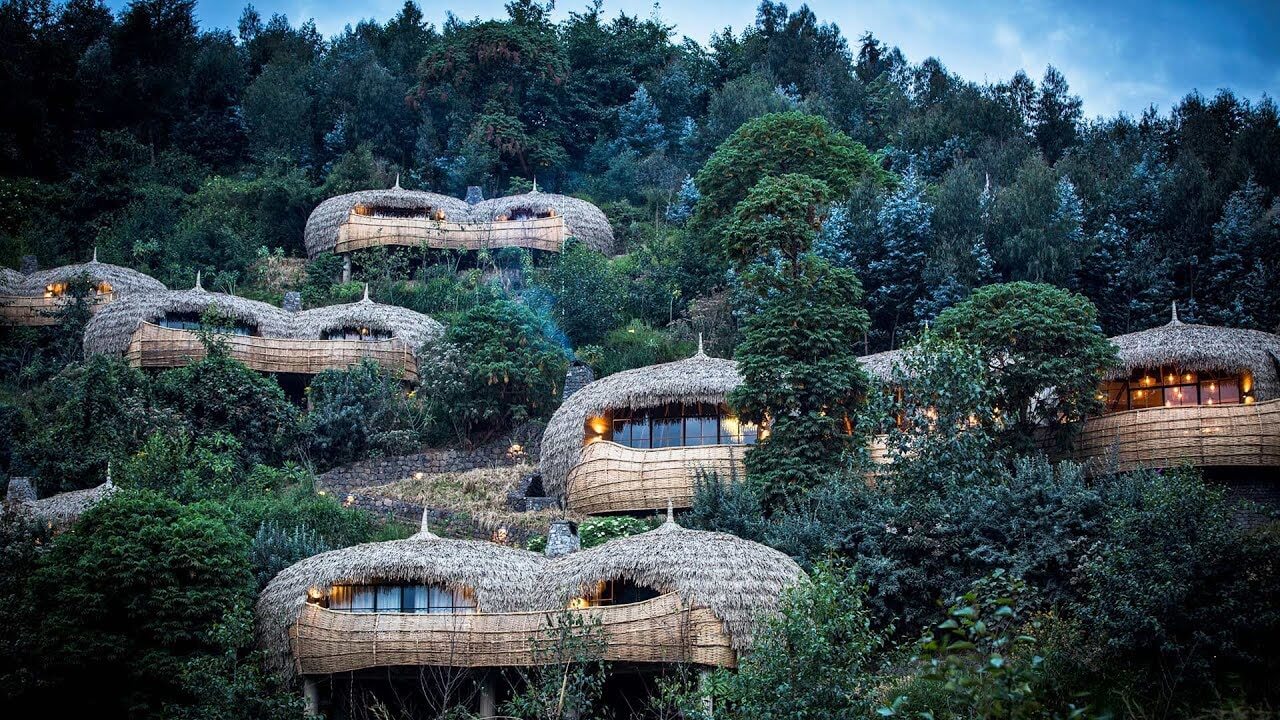
Eco tourism resorts are an innovative solution that combines the allure of travel with a commitment to sustainability and environmental conservation. As the global tourism industry continues to evolve, eco-tourism has emerged as a popular choice for travelers seeking authentic experiences that not only benefit the environment but also empower local communities.
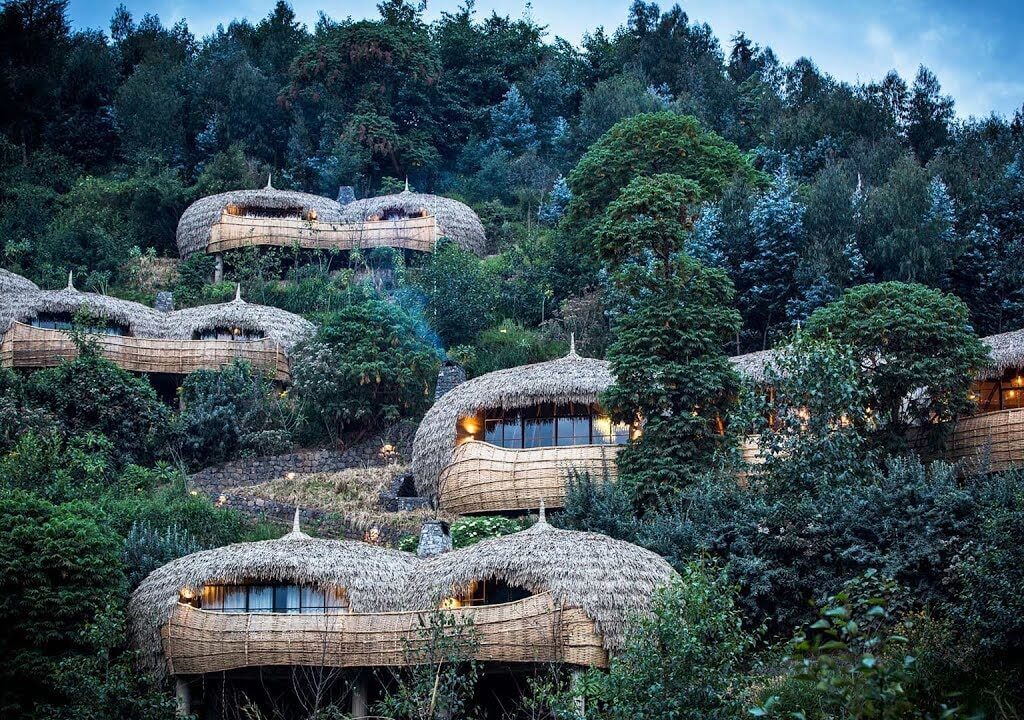
These resorts aim to provide unique getaways while minimizing the tourism industry’s impact on the environment by prioritizing environmentally responsible practices and cultivating an appreciation for nature. The principles, benefits, challenges, and future of eco tourism resorts are examined in this article to help readers make informed decisions about their next adventure.
Overview of Eco Tourism Resorts
Definition of Eco Tourism Resorts
Eco tourism resorts are havens for travelers who want to indulge in the beauty of nature while keeping Mother Earth smiling. These resorts place a high value on environmentally friendly practices and responsible travel, with the goals of minimizing negative effects on the environment and increasing enjoyment of the natural world. Think of them as the hip, eco-friendly cousins of traditional hotels, where you can get your coffee with a conservation twist. What Sets Eco-Tourism Apart
So, what’s the big deal about eco-tourism? It’s all about balancing enjoyment and responsibility. Ecotourism emphasizes experiences that benefit both the traveler and the environment, in contrast to conventional tourism, which frequently places profit ahead of the environment. It’s about immersing yourself in nature without leaving a footprint the size of a dinosaur. From lush jungles to serene beach fronts, eco-tourism resorts offer unique adventures that respect and reflect the local culture and ecosystem.
Conservation and Nature’s Contribution Nature is the star of the show at eco-tourism resorts. These spaces are typically situated in stunning natural environments, like rainforests, mountains, or coastal areas, allowing guests to connect with the great outdoors. But it’s not just about the views; it’s also about conservation. In order to educate their guests about the significance of conserving our planet and restoring habitats, numerous eco-resorts actively participate in initiatives. Therefore, spending a starry night in the sky can also contribute to making the Earth a little greener. Key Principles of Eco-Tourism
Eco-tourism isn’t just a fun buzzword; it’s grounded in principles that guide responsible travel. These principles ensure that both tourists and local communities benefit from eco-tourism practices, resulting in a win-win situation for everyone involved.
Environmental Sustainability
Sustainability of the natural world is at the center of ecotourism. This means using resources wisely, reducing waste, and promoting practices that help preserve natural habitats. Eco-resorts often implement energy-efficient systems and use eco-friendly materials, making sure the beauty of the environment remains intact for future generations. Who knew you could sip a piña colada while saving the planet?
Community Involvement
Eco-tourism resorts thrive on the principle of community involvement. They work hand-in-hand with local communities to provide jobs, support cultural heritage, and promote local businesses. When you stay at an eco-resort, you’re not just a guest; you’re also a contributor to the local economy. Plus, you get to experience authentic local culture, which is way better than an overpriced souvenir made halfway around the world.
Educational Experiences
Ecotourism is founded on education, which frequently includes adventure. Eco-resorts provide guests with opportunities to learn about their surroundings through guided tours, workshops, and hands-on activities. Whether it’s a nature hike with a local guide or a cooking class featuring indigenous ingredients, these experiences not only enrich your stay but also foster a deeper appreciation for the environment.
Benefits of Eco Tourism Resorts
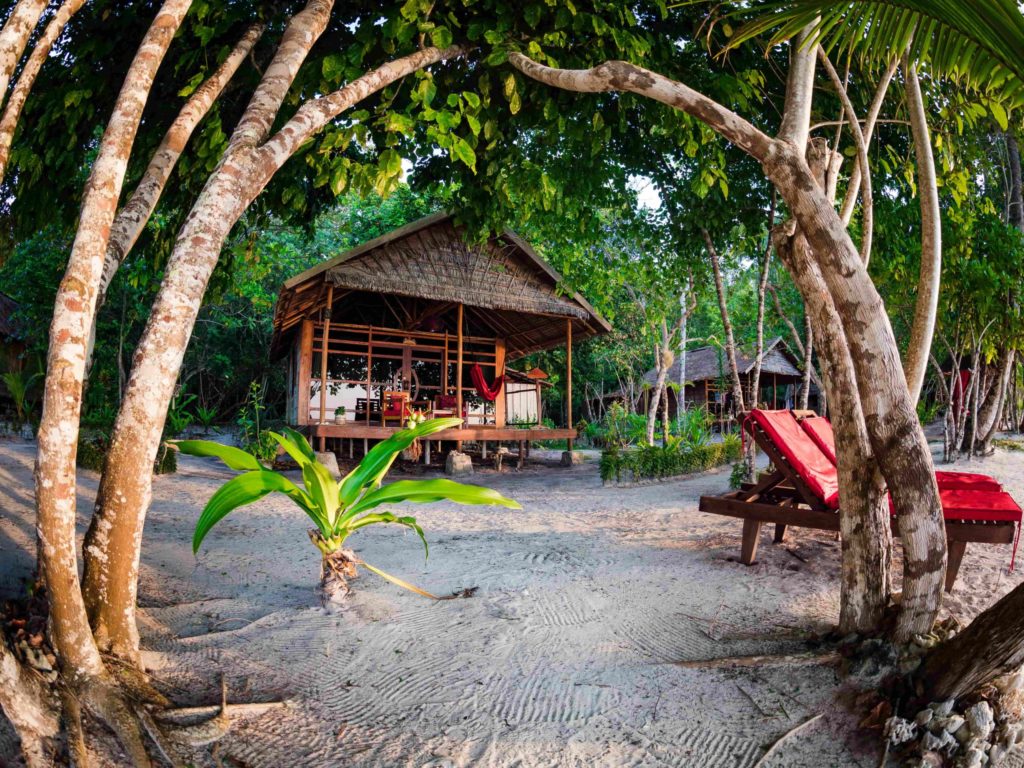
Eco-tourism resorts offer more than just picturesque views and comfy beds; they come with a treasure trove of benefits for both the environment and the local communities.
Environmental Preservation
Eco-tourism resorts place an emphasis on ecosystem preservation by definition. They often contribute to conservation efforts and promote biodiversity, ensuring that flora and fauna can thrive. Your vacation becomes a vital part of protecting the planet—talk about a vacation with a purpose!
Economic Impact on Local Communities
When it comes to boosting local economies, eco-tourism is like a breath of fresh air. Eco-resorts create economic opportunities in otherwise overlooked areas by providing employment opportunities, supporting local businesses, and integrating community projects. In addition to enjoying their stay, visitors contribute to the development of economic resilience in the local communities. It’s like being part of a feel-good movie—except without the dramatic plot twists.
Enhanced Visitor Experiences
Let’s be real: eco-tourism resorts offer unique experiences that keep travelers coming back for more. Visitors frequently feel a stronger sense of connection to both the natural world and the community that surrounds them when they have access to immersive activities, stunning scenery, and local culture. Plus, you can brag to your friends about how you went on a nature walk and saved a few turtles while you were at it. Bonus points!
Sustainable Practices in Eco-Tourism
Sustainability is more than just a marketing ploy; it is a fundamental component of ecotourism. Here’s a peek at some of the practices that make these resorts shine.
Renewable Energy Sources
Many eco-tourism resorts harness renewable energy sources to power their facilities. From solar panels basking in the sun to wind turbines catching a breeze, these resorts are designed to minimize their carbon footprint. So you can relax by the pool knowing that the energy that powers your vacation is as green as the landscape around you. Waste Reduction and Recycling
Eco-resorts take waste management seriously, implementing strategies to reduce waste and promote recycling. Many provide composting options, eco-friendly toiletries, and reusable items to minimize single-use plastics. Plus, you’ll often find educational signage encouraging guests to pitch in—turning trash into treasure, one water bottle at a time.
Wildlife Conservation Efforts
Wildlife conservation is a top priority for eco-tourism resorts, with many involved in initiatives that protect endangered species and restore natural habitats. From supporting local wildlife reserves to engaging guests in conservation activities, these resorts help ensure that the planet’s diverse species can thrive. Who says you can’t have fun while being a hero for the animals?
Case Studies of Successful Eco Tourism Resorts
Examples from Around the World
Eco-tourism resorts are the gold standard for environmentally friendly travel all over the world. In Costa Rica, the Lapa Rios Eco Lodge not only provides a stunning view of the rainforest but also contributes to local conservation efforts by protecting over 1,000 acres of tropical land. Meanwhile, in Sweden, the Treehotel offers unique accommodations in the form of treehouses, all designed with eco-friendly materials and practices, proving that sustainable living can be as stylish as it is responsible. The Anjajavy le Lodge in Madagascar exemplifies how eco-resort models can benefit both nature and the people who live within it by integrating local communities and attracting visitors with its breathtaking landscapes. Results and Assessments of Impact If eco-tourism resorts are to live up to their sustainability promises, they must evaluate their impact. The carbon footprint, conservation success, and community engagement of many resorts, like the Inkaterra Machu Picchu Pueblo Hotel in Peru, are all measured in annual assessments. The outcomes often reveal a positive ripple effect: improved biodiversity, heightened awareness about environmental issues among guests, and a boost in local employment. These resorts are walking proof that when done right, eco-tourism can be a win-win for both the environment and local economies.

Challenges Facing Eco Tourism Resorts
Overtourism and Its Effects
Ah, overtourism—the villain we didn’t invite to the eco-party! Destinations can quickly become overcrowded as more people visit popular eco-resorts. This rush can lead to habitat degradation, increased waste, and strained local resources. For instance, the Galápagos Islands, with their fragile ecosystems, are facing the pressure of increased visitor numbers, prompting debates about how to regulate tourist access without ruining the experience for everyone (including, you know, the actual wildlife).
Keeping Profit and Conservation in Balance People, it’s a tightrope walk! Eco-tourism resorts must juggle the need for profit with their mission of environmental stewardship. Despite the fact that many resorts strive to operate sustainably, financial constraints may necessitate compromises. Finding creative ways to keep the lights on and the trees standing is the main challenge. Sustainable practices sometimes come at a higher initial cost, leading some to wonder if they can afford to be eco-friendly while also making ends meet.
Compliance and Obstacles to Compliance Navigating the maze of regulations can feel like trying to win a game of Twister while blindfolded. Eco-tourism resorts often face complex local, national, and even international laws governing land use, conservation, and tourism standards. Compliance can be costly and time-consuming, especially for smaller businesses. However, those who persevere often find that playing by the rules not only protects the environment but builds trust with guests who seek authentic, responsible experiences.
The Future of Eco Tourism
Trends in Eco Tourism Development
It’s all about going green in style! Integration of renewable energy sources is becoming a growing focus for future eco-tourism developments.
FAQs
1. What is a resort for ecotourism? **
A resort that promotes environmentally friendly practices, community involvement, and responsible travel are known as ecotourism resorts. These resorts frequently make use of renewable energy, reduce waste, support the local biodiversity, and offer experiences that teach tourists about culture and the natural world. —
### **2. What makes a resort eco-friendly? **
When environmentally responsible systems like solar power, water recycling, organic waste composting, and plastic-free operations are incorporated into a resort, it is said to be eco-friendly. It also focuses on providing assistance to artisans in the area, sourcing food in an ethical manner, and safeguarding the ecosystems that surround it through low-impact conservation and construction projects. —
### **3. Why go with an ecotourism resort rather than a conventional one? **
Eco tourism resorts allow travelers to enjoy comfort while reducing their environmental footprint. Peaceful natural surroundings, organic cuisine, and meaningful cultural immersion frequently benefit guests. Additionally, choosing eco-friendly lodging directly supports community livelihood and conservation efforts. —
### **4. Are eco tourism resorts more expensive? **
Prices vary, but eco tourism resorts are not always more expensive. Many fall within mid-range budgets, especially in locations where sustainable living is organically integrated. Although some premium eco-lodges exist, the value comes from unique nature-focused experiences, healthier environments, and responsible operations.
### **5. What kinds of activities can I expect at a resort for ecotourism? **
Activities like guided forest walks, bird watching, reef-safe snorkeling, farm-to-table cooking classes, yoga retreats, wildlife tours, kayaking, stargazing, and community-based workshops are all popular with guests. Educational and low-impact activities are planned. —
### **6. Is ecotourism a good option for families? **
Yes, many ecotourism resorts cater to families and provide safe natural activities, educational programs, and opportunities for hands-on learning. Children can learn about wildlife and sustainability in clean, serene, and natural settings where families can bond. —
### **7. How do I know if an eco tourism resort is truly sustainable? **
Look for certifications like EarthCheck, LEED, the Global Sustainable Tourism Council (GSTC), or Green Globe. Real eco-resorts use renewable energy, support local employment, avoid single-use plastics, publish transparent sustainability reports, and participate in verifiable conservation projects. —
### **8. Do eco tourism resorts offer modern amenities? **
High-quality bedding, Wi-Fi, eco-friendly toiletries, natural pools, spa services, and wellness activities are some of the amenities that many eco resorts provide to strike a balance between comfort and sustainability. The majority of ultra-remote eco lodges offer essential modern conveniences, despite the fact that some limit technology to preserve the natural experience. —
### **9. Can eco-resorts accommodate special dietary requirements? **
Yes. Most eco-friendly resorts focus on fresh, organic, and locally sourced ingredients, making it easier to cater to vegetarian, vegan, gluten-free, and allergy-sensitive diets. It’s helpful to notify the resort in advance for personalized meal planning.
### **10. Are eco tourism resorts safe? **
Ecotourism resorts put guest safety and the preservation of the environment first. They typically provide well-maintained trails, trained guides, safe drinking water protocols, and eco-friendly infrastructure. Safety briefings are common before outdoor activities to ensure a secure and enjoyable experience.
### **11. What should I pack for an eco tourism resort stay? **
Reusable water bottles, biodegradable toiletries, eco-friendly sunscreen, comfortable hiking shoes, clothing that breathes, insect repellent, and a hat are among the sustainable essentials to bring along. Resorts often encourage zero-waste packing to support their sustainability goals.
### **12. How do eco tourism resorts support local communities? **
These resorts empower local communities by hiring local staff, offering fair wages, collaborating with artisans, sourcing food from nearby farms, and supporting cultural preservation programs. Many also reinvest part of their profits into education, wildlife conservation, and community development projects.
Conclusion
Eco tourism resorts offer a unique blend of sustainability, comfort, and authentic natural experiences, making them an ideal choice for travelers who care about their ecological impact. By choosing an eco-conscious resort, you contribute directly to environmental protection, support local communities, and enjoy meaningful, nature-focused adventures. Eco tourism resorts are a responsible and enriching way to travel—proving that luxury and sustainability can coexist beautifully—whether you’re looking for relaxation, exploration, or cultural connection.
Add a Comment