Introduction
Food travel shows have become a captivating genre that not only tantalizes the taste buds but also enriches viewers’ understanding of diverse cultures across the globe.
These shows take viewers on a sensory journey to learn about the stories behind famous dishes and the people who make them, fusing the excitement of culinary discovery with the allure of travel.
As they showcase regional ingredients, traditional cooking methods, and vibrant local markets, food travel programs have not only revolutionized the way we perceive cuisine but have also significantly impacted tourism and local economies.

This article delves into the rise of food travel shows, highlights iconic programs and their hosts, explores cultural connections through food, and examines the transformative experiences these shows inspire in travelers around the world.
The Rise of Food Travel Shows
History and Evolution
Although food travel shows are now commonplace on television, their origins can be traced back to the early days of culinary television. In the 1990s, cooking shows like Julia Child’s “The French Chef” began to whet our appetites for culinary education.
By the early 2000s, the genre evolved with shows like “Anthony Bourdain: No Reservations” that combined travel with food exploration, allowing viewers to satiate their wanderlust from their living rooms.
Today, binge-worthy food travel shows are everywhere, blending beautiful cinematography with the deliciousness of local cuisines.
Key Milestones in Food Television
Several key milestones have shaped the landscape of food travel shows. Bourdain was the catalyst for the rise of chefs as travel hosts, whose provocative narratives captivated viewers. Subsequently, shows like “Parts Unknown” and “Street Food” not only showcased meals but also highlighted the cultural contexts behind them.
The rise of social media has driven the popularity of food influencers like Mark Wiens and Mikey Chen, who bring their culinary adventures online, thus creating a massive impact on both travel and food trends.
Iconic Food Travel Shows and Their Hosts
Famous shows and their original ideas
There are many flavors of iconic food travel shows to suit different tastes. “No Reservations” offered a gritty, real-world view of food, while “The Layover” provided quick, digestible stops in various cities. “Chef’s Table” elevated the genre with its cinematic flair, focusing on individual chefs’ philosophies, making each episode a delicious mini-movie. Proving that food is as diverse as the characters on screen, each show finds its own niche.
Profiles of Influential Hosts
When it comes to influential hosts, few can match the charisma of Anthony Bourdain, whose candid take on life and food made him a beloved figure. Others, like Andrew Zimmern with his adventurous palate, and Samantha Brown with her charming exploration, have made significant contributions by offering their unique spins on food and travel.
These hosts not only introduce us to tantalizing dishes but also connect us with the stories and people behind them, reminding us that food is fundamentally about community.
Cultural Exploration Through Cuisine
The Role of Food in Cultural Identity
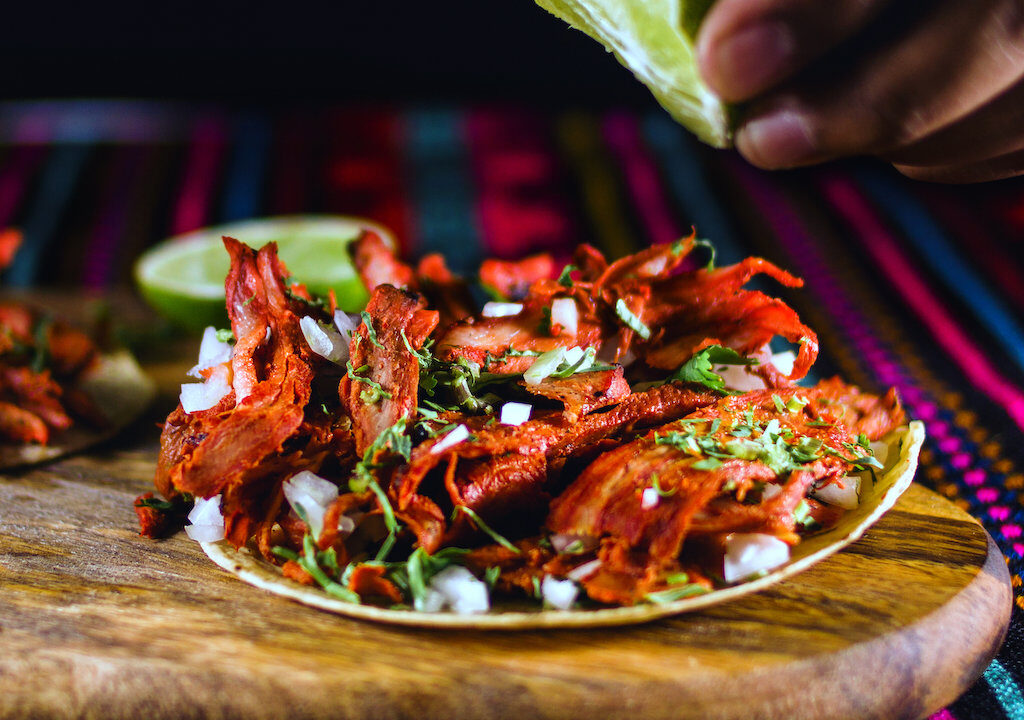
Food is more than just sustenance; it’s a deep reflection of cultural identity. Every cuisine carries a history, a story, and a tradition that ties individuals to their heritage. From the street vendors of Bangkok to the pasta makers of Italy.
Food serves as a communal thread that binds families and communities together, showcasing what makes each culture unique. Food travel shows illuminate these narratives, allowing viewers to appreciate the richness of global diversity.
Cross-Cultural Exchanges Through Cooking
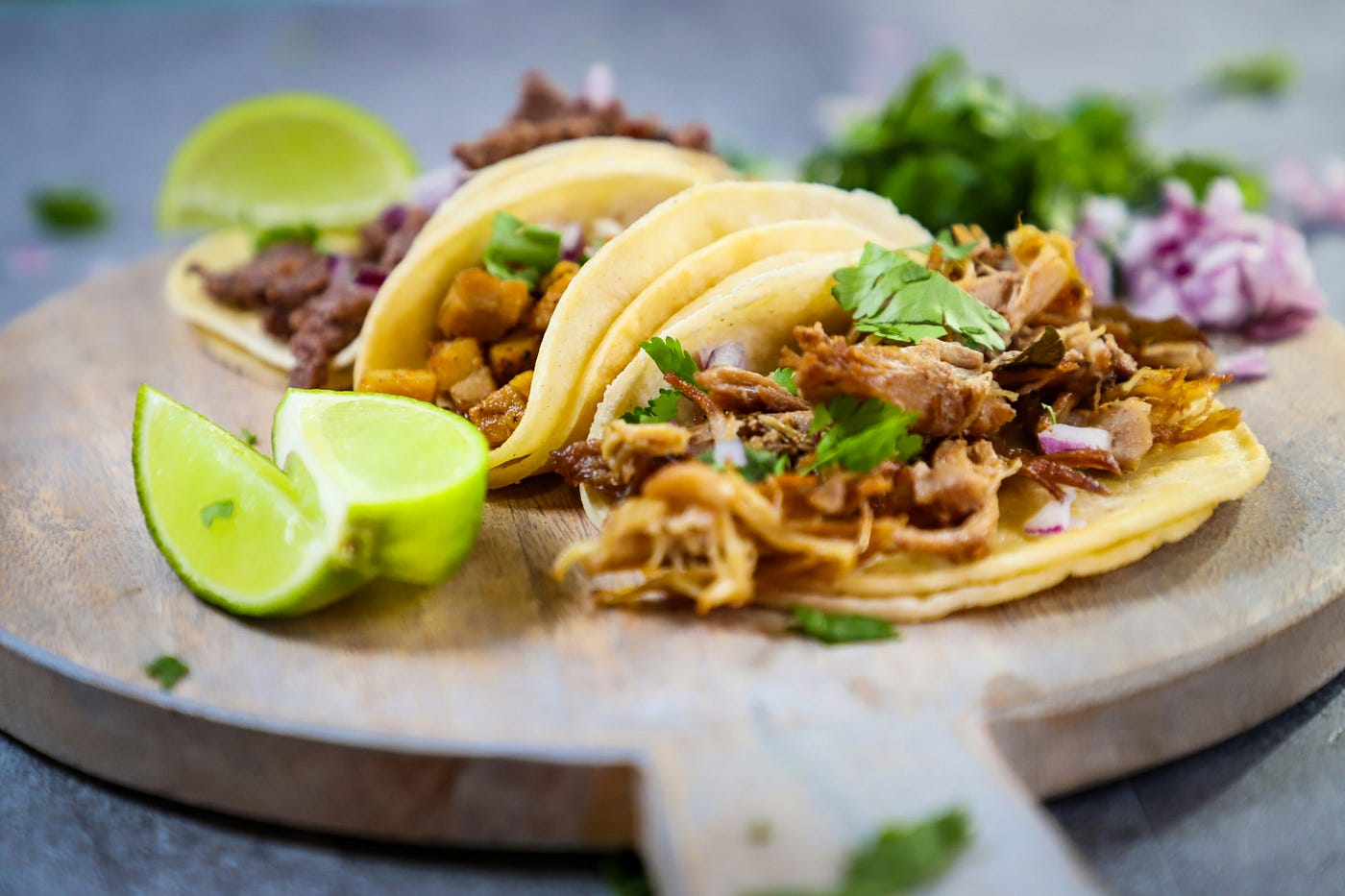
Cooking is the ultimate act of sharing, often leading to cross-cultural exchanges that blend flavors and traditions. Food travel shows highlight these beautiful fusions—take a taco truck in Los Angeles serving Korean BBQ tacos, for instance.
These culinary mashups not only broaden our taste buds but also foster appreciation and understanding among different cultures. They remind us that food is a universal language that can bridge divides as home cooks and chefs experiment.
The Impact of Food Travel Shows on Tourism
Boosting Local Economies
Tourism is often linked with breathtaking vistas and historical landmarks, but food travel shows have illuminated another pathway: culinary tourism. These shows encourage viewers to travel by showcasing local cuisine.
Think of all the money spent at unique food markets and mom-and-pop eateries when foodies go to places featured in their favorite shows. This helps the local economy a lot. Small businesses thrive because of the delicious chain reaction.
Promoting Realistic Food Experiences
Additionally, food travel shows have advocated for authentic culinary experiences. As viewers yearn for genuine interactions, they’re often guided to local favorites instead of tourist traps.
Shows connect visitors with local chefs and home cooks who share recipes that have been passed down through the generations, encouraging them to venture off the beaten path.
This pursuit of authenticity not only enriches the travel experience but also helps preserve cultural culinary traditions in an ever-globalizing world.
Behind the Scenes: Filming Food Travel Shows
The Production Process
Creating a food travel show is like cooking a complicated dish; it requires the right ingredients mixed in just the right way. Producers look for stunning locations, locate local chefs who can create culinary masterpieces, and set out on the road with a crew that is essentially a mix of foodies and ninjas with cameras.
There’s location scouting, script writing, and endless taste testing (oh, the sacrifices!). And let’s not forget the charming host, who must juggle being personable while tasting some seriously questionable meals (hello, fermented shark!). The objective? a mouthwatering visual feast that makes viewers salivate and long for their next big adventure.
Obstacles Filmmakers Face
Filming food while traveling sounds glamorous, but it’s not all Instagrammable moments and endless buffets. Filmmakers often face unpredictable weather, language barriers, and the ever-looming threat of food poisoning. Plus, navigating local customs can be trickier than balancing a plate of spicy street food while riding a rickety bus.
And let’s not even get started on the logistics—getting a crew and equipment through a crowded market or up a mountain trail can feel like a scene from an action movie. But just like a fine soufflé, overcoming these challenges results in something truly remarkable (and worth watching).
Programming for Food Travel in the Future
Emerging Trends in Food and Travel Shows
The landscape of food travel shows is evolving faster than you can say “world cuisine.” Audiences are craving authenticity, which means less scripted content and more raw, real-life experiences. Additionally, viewers are gravitating toward shows that emphasize ethical and sustainable practices.
Enter the trend toward plant-based cuisine, which has produced shows about vegan adventures in exotic locations. Plus, there’s a growing interest in global home-cooked meals—because who doesn’t want to learn how to make grandma’s secret recipe from across the globe?
Technology’s Role in Future Productions
The sous-chef that every food travel show never knew they needed is technology. Drones are capturing breathtaking aerial shots of bustling markets and stunning landscapes, while virtual reality is giving viewers a taste of the experience from their living rooms. Have you ever wanted to explore a Vietnamese street market?
You won’t have to worry about jet lag because of VR. Social media platforms also play a crucial role in determining content direction, allowing filmmakers to tap into audience preferences in real-time—and let’s face it, who doesn’t want to see a chef battle a gingerbread volcano on Instagram?
Influence of Social Media and Viewer Engagement
How Social Media Changes Viewing Habits
The days of passively watching one’s favorite shows are long gone. Now, audiences are as engaged as a chef at a buffet. Social media allows fans to comment, share recipes, and even suggest destinations, making them feel like part of the crew.
Platforms like TikTok and Instagram have also birthed mini food travel shows that capture attention in seconds, proving that anyone can be a culinary influencer with a smartphone and a good angle (Bye-bye, elaborate food styling!).
Building Communities Around Food Shows
Food shows have become digital potlucks, where viewers create communities based on shared culinary passions. Facebook groups and Reddit threads are buzzing with discussions about episode recaps, recipes, and travel tips.
This sense of belonging turns casual viewers into dedicated fans, and let’s be honest, who doesn’t want to bond over the best way to make a paella? Plus, these communities are often hotbeds for live Q&As with the stars of the shows, making it feel as if fans are dining right there with their food-mad idols.
Personal Stories: Travelers Inspired by Food Shows
Journeys through food and experience that change you forever For many, food travel shows are more than just entertainment; they’re the catalyst for transformative experiences.
Whether it’s a couple who decides to book a trip after watching a sunset dinner in Santorini or a solo traveler who finally gathers the courage to try street food in Thailand, these shows inspire bold culinary adventures.
Viewers often recount how a single episode led them to explore new cultures, dive into unique cuisines, and even try their hand at cooking international dishes back home, turning their kitchens into global hubs.
FAQs
Q1. What are food travel shows?
Food travel shows are shows that are shown on television or on streaming services. The hosts go to different places to talk about the food, street food, culinary traditions, cooking methods, and cultural stories behind the dishes. These shows educate and entertain viewers about global food cultures by combining travel, gastronomy, and storytelling.
Q2. Why are food travel shows so popular?
Food travel shows appeal to a wide audience because they offer a mix of adventure, cultural discovery, flavor exploration, and personal storytelling. Many viewers enjoy discovering new destinations, unique dishes, and authentic local experiences they may not find on traditional travel programs. They also inspire culinary experimentation at home.
Q3. What kinds of food travel shows do you know of?
Common types include:
Street food exploration shows
Fine-dining and gourmet travel series
Chef-guided global culinary journeys
Local market and ingredient-focused programs
Travel documentaries about food
From low-key local fare to haute cuisine, each type presents distinct culinary perspectives.
Q4. Are food-themed travel shows instructive?
Yes. Food travel shows often teach viewers about cultural traditions, the history behind dishes, traditional cooking techniques, local ingredients, and the relationship between food and community. Many programs also highlight sustainability, indigenous food practices, and responsible tourism.
Q5. Do food travel shows influence travel decisions?
Absolutely. Viewers often feel inspired to visit destinations they discover through these shows. Many travelers seek out markets, restaurants, and street food stalls featured on their favorite programs. Food tourism has significantly grown due to the influence of globally popular culinary travel series.
Q6. Which food travel shows are considered the best?
The following are some of the most well-known food travel shows:
Bizarre Foods
Parts Unknown
Feed Phil, Someone
Street Food
Ugly Delicious
Chef’s Table
These shows are praised for their immersive storytelling, high production quality, and authentic cultural representation.
Q7. Where can I watch food travel shows?
You can stream food travel shows on platforms like Netflix, Hulu, Amazon Prime Video, YouTube, and various TV channels specializing in lifestyle, cooking, and travel content. Some shows are also available through official networks’ websites and apps.
Q8. Can food travel shows assist me in cooking?
Many food travel shows include cooking demonstrations, ingredient breakdowns, and behind-the-scenes preparation, despite the fact that the majority of them focus on exploration rather than instruction. Viewers often learn new recipes, cooking techniques, and cultural approaches to food simply by watching.
Q9. Do food travel shows showcase authentic local culture?
Yes, modern food travel shows place a significant emphasis on authenticity. In order to gain a deeper understanding of the deeper cultural and emotional significance of food, hosts frequently meet families, street vendors, artisans, and cooks from the area. Many shows highlight traditions passed down through generations, making them culturally authentic and meaningful.
Q10. Are there kid-friendly food travel shows?
Yes. Some shows are designed with a lighter, more family-friendly approach. Fun food experiences, vibrant dishes, and educational cultural content suitable for all ages are the primary focuses of these programs.
Conclusion
One of the most engaging forms of contemporary entertainment, food travel shows combine inspiring global exploration, culinary storytelling, and cultural appreciation.
Whether showcasing hidden street food gems or celebrating the craftsmanship of world-class chefs, these shows open a window into the heart of each destination through the flavors that define it.
For viewers seeking travel inspiration, cultural knowledge, or simply a deeper connection to the world of food, food travel shows continue to deliver unforgettable experiences that entertain, educate, and ignite wanderlust.
Add a Comment