Introduction
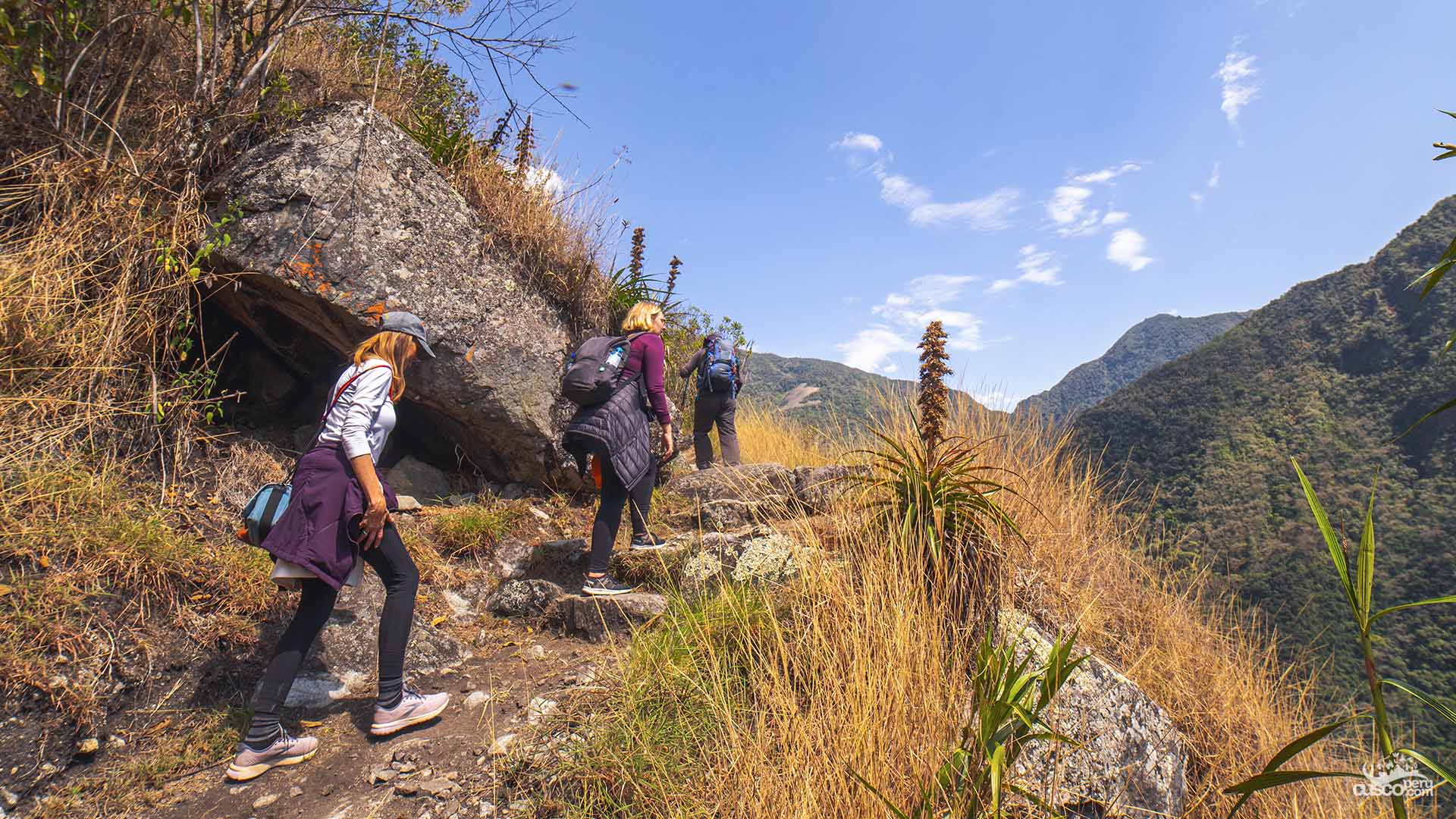
The Inca Trail Hike is one of the most iconic trekking routes in the world, leading adventurers through breathtaking landscapes and ancient ruins to the breathtaking citadel of Machu Picchu. This multi-day hike offers a unique blend of natural beauty, cultural heritage, and challenging terrain, making it a must-do for outdoor enthusiasts and history buffs alike.
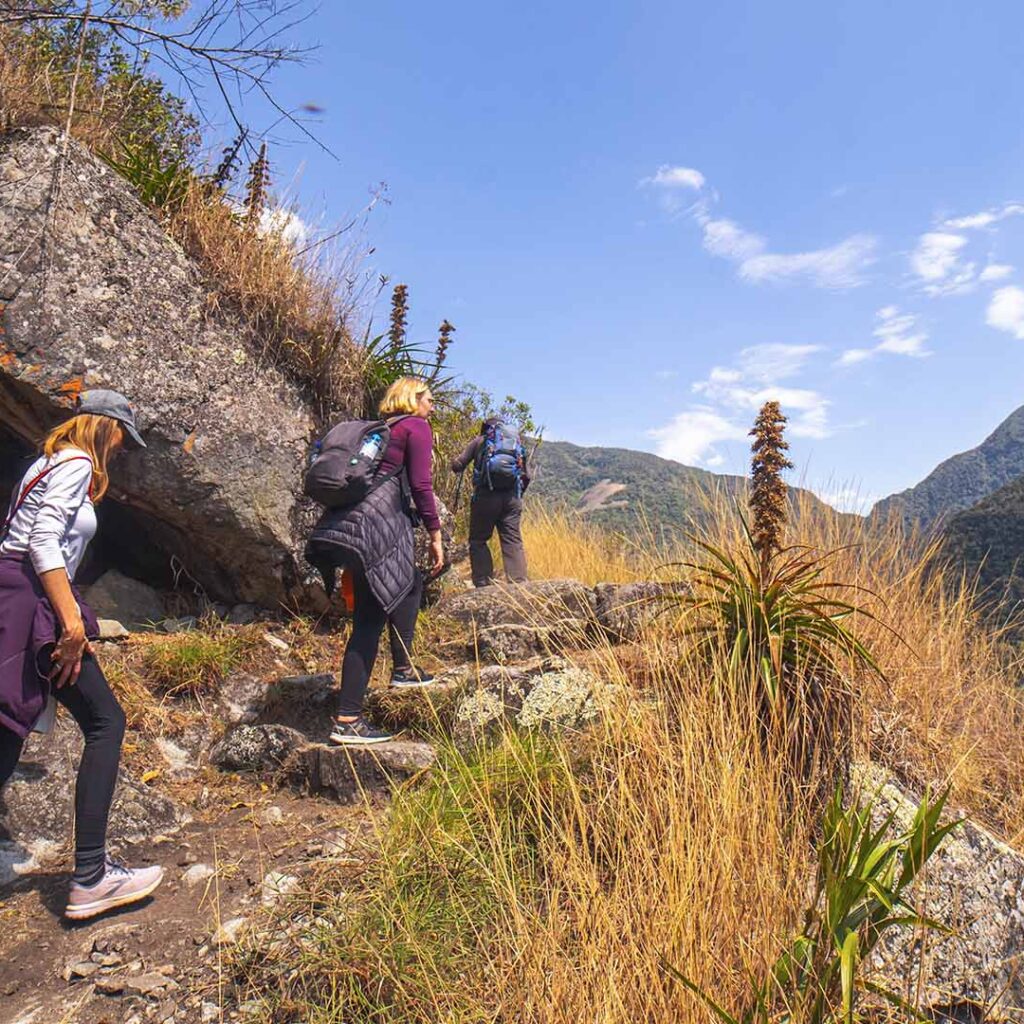
Whether you’re a seasoned hiker or embarking on your first trek, understanding the trail’s nuances, preparation essentials, and highlights will enhance your experience. In this article, we will explore everything you need to know about the Inca Trail hike, from planning and preparation to what to expect along the way.
Overview of the Inca Trail Hike
Relevance and Timeline of Inca Trail Hike
The Inca Trail hike is more than just a adventure; it’s also a trip through history. This ancient road, which winds through the Andes, was once the royal highway that the Incas used to get from their capital, Cusco, to the sacred site of Machu Picchu.
This 26-mile path is steeped in history and spirituality, offering a glimpse into the sophisticated society that thrived here over 500 years ago. Today, it attracts trekkers from all over the world who want to follow in the footsteps of Inca royalty while taking in breathtaking archaeological sites along the way.
Inca Trail Hike Length and Duration
The Inca Trail hike stretches for about 26 miles (or, for those who prefer metric, approximately 42 kilometers) and typically takes around four days to complete. While you might think of it as “just a walk in the park,” prepare for a bit more than leisurely strolling. Each day consists of a blend of ascents, descents, and breathtaking views, earning you plenty of bragging rights by the time you reach those iconic ruins.
Level of Hardness
So, how tough is the Inca Trail hike? It’s certainly not a stroll through your local mall. Due primarily to its altitude and steep sections, the trail is rated moderate to difficult. Expect to gain and lose about 4,000 feet in elevation along the way.
It’s not just for experienced mountaineers that having a reasonable level of fitness is beneficial—think more hiking boots and fewer couch potatoes. The majority of adventurers have the ability to conquer this historic path with tenacity and regular training.
Preparing for the Adventure on the Inca Trail Hike
Booking and Permits
Planning for the Inca Trail hike? First on your to-do list is snagging a permit. These sought-after passes are in limited supply and frequently sell out months in advance. You should try to reserve your spot at least six months in advance of your desired hike if you don’t want to spend your days constantly refreshing the booking website. Because permits are issued for specific dates, double-check your travel plans and get your permit before another eager explorer takes it away.
Choosing a Tour Operator
While it is possible to complete the Inca Trail hike on your own, it is much more enjoyable to have a knowledgeable tour guide accompany you. Plus, they manage all the logistics, from meals to tents to those oh-so-essential porters.
When choosing a tour operator, look for one with a strong reputation, responsible practices, and positive reviews. And don’t forget to compare itineraries, as some might offer more unique experiences than others—like llama selfies.
Physical Preparation and Training
It’s time to get in shape before setting out on your Inca Trail Hike adventure. A solid training plan should include both cardio (to boost that stamina) and strength training (for those uphill battles). Try to walk or hike for at least 30 minutes several times a week, gradually increasing the distance and difficulty.
Include some stair climbing as well—who doesn’t want to feel like a mountain goat? A little bit of dedication now will pay off when you’re standing at Machu Picchu.
When to be Ready for Inca Trail Hike
Best Seasons and Weather Patterns
The dry season (May to September) is the best time to hike the Inca Trail because the weather is clearer and rain is less likely to cause muddy slip-and-slide conditions. Temperatures can vary, though, so be prepared for cool mornings and warm afternoons. With proper planning, preparation, and an experienced tour operator, the Inca Trail becomes not just a hike—but a transformative journey into the heart of Peru’s rich heritage.
Peak Hiking Times
If you want to experience the Inca Trail hike at its busiest (and most Instagrammable), plan your trip between June and August. This is peak season, where fellow hikers are as common as llama sightings. Expect bigger crowds at campsites and on the trail, but also an electric atmosphere filled with fellow adventurers. Consider hiking in May or September for a quieter experience when the weather is still pleasant and the trail is less crowded.
Highlights of the Inca Trail Hike Journey
Important Sites Along the Trail
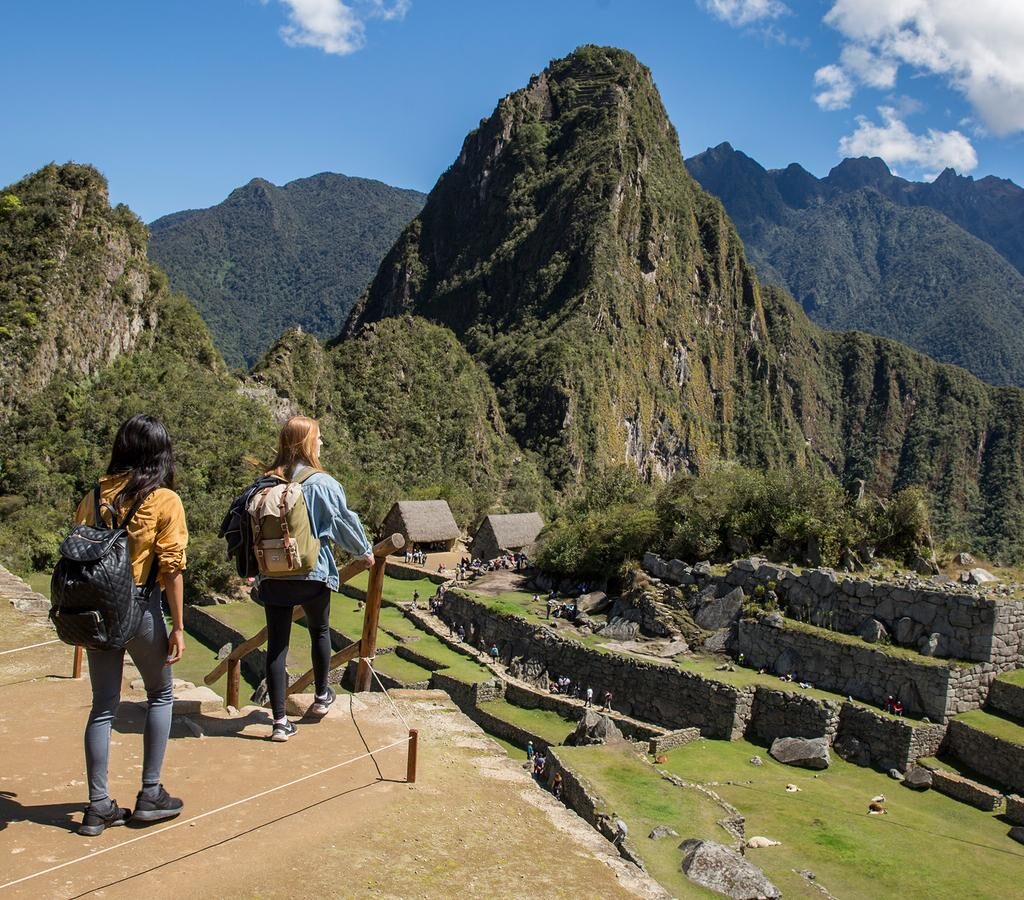
On your way to Machu Picchu, you’ll pass a lot of archaeological sites that are perfect for taking selfies. Key landmarks include the impressive ruins of Wiñay Wayna, featuring terraced agriculture and a beautiful waterfall, and the ancient site of Patallacta, which gives a peek into Incan life. Don’t forget to pause and soak in the history—it’s like an outdoor museum where you can stretch your legs.
Stunning Scenic Views
Prepare to have your breath taken away—not just from the altitude! The Inca Trail is known for its jaw-dropping views, and each turn provides a new chance to be awestruck. The scenery is picture-perfect, with lush green valleys, majestic mountains, and the iconic cloud-covered peaks. These views are Instagram gold, so make sure you have your camera ready.
Flora and Fauna
Nature enthusiasts rejoice! The Inca Trail hike is a biodiversity hotspot. Keep an eye out for fascinating animals, such as colorful birds like the Andean cock-of-the-rock and the elusive spectacled bear—though spotting one might be as uncommon as finding a clean bathroom—and keep your eyes peeled for them. Plants ranging from robust mosses to vibrant orchids line the trail as well. It’s like walking through a botanical garden, only with fewer “Do Not Touch” signs and more uphill climbs.
Essential Gear and Packing Tips
Recommendations for Wear
When gearing up for the Inca Trail hike, think layers, layers, and more layers. You might be sweating like a marathon runner in a sauna by noon, even though the mornings are chilly. Choose a waterproof shell jacket, a warm fleece, and base layers that wick away moisture.
Keep sturdy hiking pants on hand that won’t rip if you trip (trust me, it does happen). And pack a wide-brimmed hat and sunglasses to shield your face from the sun—unless you want to resemble a lobster by the time you reach Machu Picchu.
Camping Supplies
You could bring a high-tech, ultra-lightweight tent, or you could be the person who turns their tent into a wind tunnel. Select a sturdy, high-quality tent that can withstand occasional wind gusts. Due to the fact that the nights can be quite chilly, you must bring a sleeping bag that is designed for cold weather. Keep your sleeping pad with you because, believe me, the ground is not as accommodating as your home mattress.
Supplies for Food and Water
First things first: stay hydrated! To keep those fluids flowing, bring along a water bottle or hydration system that is durable and won’t leak all over your backpack. For food, consider high-calorie snacks like nuts, energy bars, and dried fruit for quick fuel. Lightweight freeze-dried meals are a great option for camping, but making sure they don’t require a PhD is important.
Safety Issues and Health Advice
Altitude Sickness Awareness
Like a rude party-goer, altitude sickness can sneak up on you. It’s all fun and games until you’re gasping for air at 12,000 feet. Spend a few days acclimatizing yourself in Cusco before you leave. Take it seriously if you start to feel dizzy or have a headache. Drink water, get some rest, and if things don’t get better, don’t wait for the Inca spirits to tell you something—go back down.
Inca Trail Hike Hazards and First Aid
There might be a few friendly llamas with you, but there are also rocky paths and steep drops that will test your balance. For a sore knee after a long day, bring a basic first aid kit with adhesive bandages, antiseptic wipes, and possibly some ibuprofen.
Keep in mind that a well-timed joke can be the most effective treatment for a sprained ankle—or at least a distraction.Keeping hydrated and full On the trail, water is your best friend; keep drinking throughout the day to avoid becoming a raisin.
Snack often to keep your energy levels up, and listen to your body. If you’re feeling sluggish, it’s time for a granola bar break (or a chocolate one, no judgment here). Combine hydration and snacks, and you’ll be happily trekking along in no time.
The Importance of the Inca Trail Hike in Culture
Incan History and Heritage
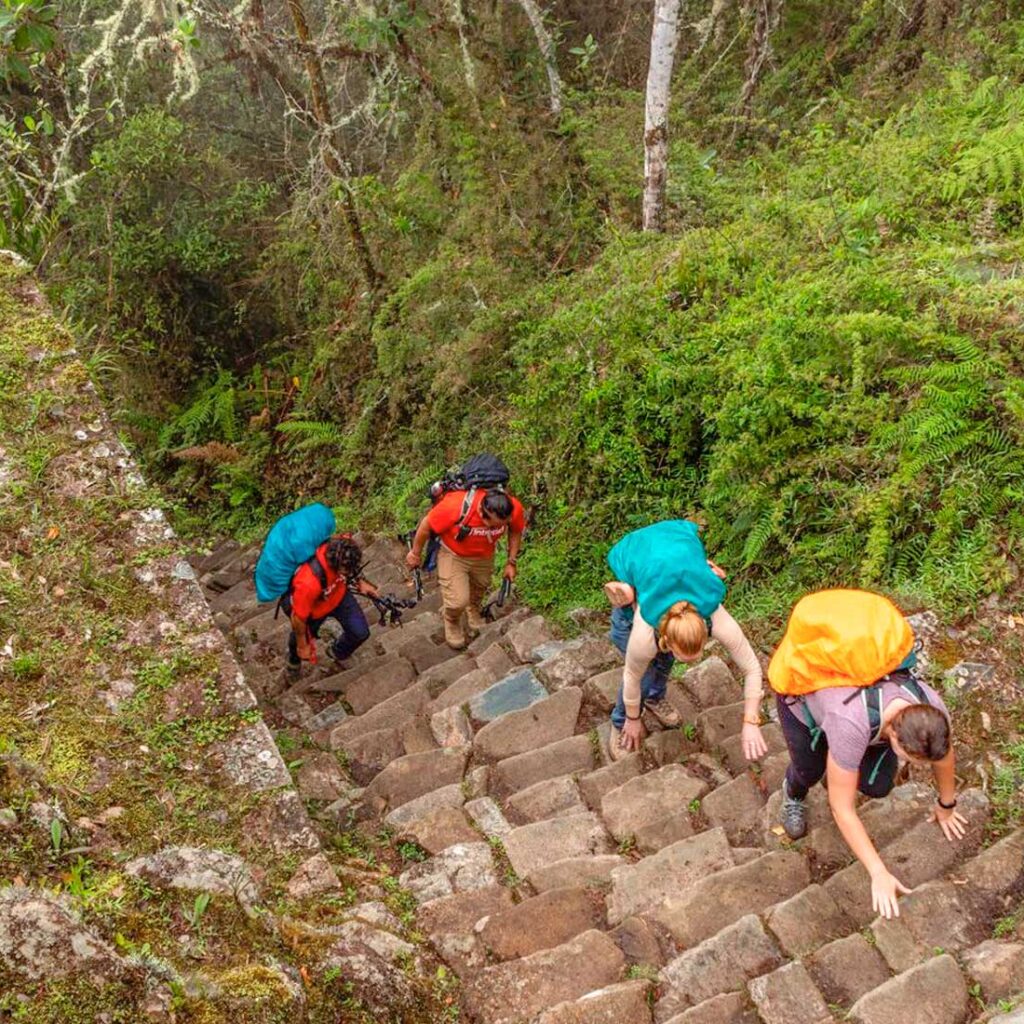
The Inca Trail Hike isn’t just a pretty path; it’s a historical marvel that connects the ancient city of Cusco to Machu Picchu. Built in the 15th century, it’s a glimpse into the sophisticated engineering of the Inca civilization. As you hike, you’ll encounter archaeological sites that whisper tales of the past, so keep your eyes peeled for those ancient ruins (and your camera ready).
Local Communities and Traditions
Along the trail, you’ll meet local communities who keep the Incan traditions alive, sharing stories that captivate and inspire. The culture is rich and welcoming, from their vibrant textiles to their traditional festivals. Engage with them, pick up a few words in Quechua, and maybe even try something local, like eating cuy (guinea pig), if you’re feeling daring.
FAQs
Q1. What is a Inca Trail Hike?
In Peru, the Inca Trail Hike is a world-renowned trekking route that follows ancient Inca pathways. Before reaching the Sun Gate with a view of Machu Picchu, the trail takes hikers through cloud forests, mountain passes, and archaeological sites. Due to its cultural significance and breathtaking landscapes, it is one of the most well-known multi-day treks in the world.
Q2. How long does it take to Inca Trail Hike?
The classic Inca Trail Hike typically covers 42 kilometers (26 miles) and takes 4 days and 3 nights. The 2-day Inca Trail, which includes a scenic hike and a train ride, is one of the shorter options. For a truly immersive experience, the majority of travelers choose the 4-day route.
Q3. To Inca Trail Hike, do I need a permit?
Yes. All hikers must obtain an official permit to access the trail, which is strictly regulated by the Peruvian government. Limited permits sell out months in advance, particularly between April and September. Booking in advance is essential because these permits can only be obtained by licensed tour operators.
Q4. What is the best time of year to Inca Trail Hike?
When the weather is more stable, the dry season, which runs from May to September, is the best time to hike. Every February, the trail is closed for conservation and maintenance. While the rainy season lasts from November to March, it also brings slick ground and more difficult hiking conditions.
Q5. Is the Inca Trail Hike difficult?
Depending on your fitness level, the trail is considered moderately to highly challenging. It is difficult because of steep ascents, high elevation, uneven stone steps, and long hiking days. Acclimatization is necessary to avoid altitude sickness because Dead Woman’s Pass, the highest point, reaches approximately 4,215 meters (13,828 feet).
Q6. What should I pack for the Inca Trail?
Layered clothing, sturdy hiking boots, a waterproof jacket, thermal wear, insect repellent, sunscreen, a headlamp, and a water bottle that can be refilled are essentials. The majority of tour operators provide cooking supplies, meals, porters, and tents. It is highly recommended to pack light and prioritize fabrics that wick moisture and dry quickly.
Q7. Are porters available to assist in gear transport?
Yes. Local porters are employed by licensed tour operators to transport camping gear, food, and occasionally personal belongings, depending on the purchased package. Ethical companies follow porter-protection guidelines to ensure fair treatment, proper wages, and reasonable weight limits.
Q8. On the trail, what kinds of accommodations are available?
Accommodations typically consist of tent camping at designated sites. Despite their varying elevations and terrain, campgrounds are managed by local authorities. For extra comfort, some operators provide private tents or more expensive sleeping gear. The classic trail route has neither hotels nor lodges.
Q9. Can the Inca Trail be hiked by novices?
Yes, with “proper preparation,” such as cardiovascular training, stair climbing, and acclimatization to altitude, novices can successfully complete the trail. When you book a tour with a knowledgeable guide, you can be sure of safe pacing, educational insights, and assistance along the way. However, hikers should prepare for strenuous physical exertion.
Q10. When should I make my reservation for the Inca Trail Hike?
The best time to book is four to six months in advance, especially during the dry season’s busiest times. Due to the strict daily restrictions, permits are issued annually and frequently sell out quickly. The best chance of getting a spot on the dates you want is when you plan ahead.
Q11. Along the Inca Trail, what landmarks will I see?
Before reaching the ancient citadel of Machu Picchu, the trail winds through a number of significant archaeological sites, including Wayna and Inti Punku. In addition, you’ll see cloud forests, Andean valleys, ancient stone staircases, and expansive views of the mountains.
Q12. On the Inca Trail, is it common to get altitude sickness?
Yes, due to the high elevation, many hikers experience mild symptoms such as headaches or shortness of breath. Proper acclimatization in Cusco for 2–3 days before the trek, staying hydrated, and taking it slow can significantly reduce risks. Altitude readiness monitoring is taught to guides.
Q13. Are there meals available for the hike?
The majority of licensed operators offer “freshly prepared meals,” such as warm breakfasts, filling lunches, and dinners. Peruvian cuisine is often on the menu, and dietary restrictions like gluten-free, halal, vegetarian, or vegan can usually be met with advance notice.
Q14. What fitness level is required for the Inca Trail?
As long as hikers prepare in advance, a moderate level of fitness suffices. Stamina can be increased through hill training, long-distance walking, and endurance exercises. A significant factor in completing the trek successfully is mental preparedness.
Conclusion
One of the most unforgettable trekking experiences in the world, the “Inca Trail Hike” combines ancient history, breathtaking landscapes, and a difficult but rewarding journey. This trail offers an unparalleled combination of culture and natural beauty.
Whether you’re drawn by the allure of Machu Picchu, fascinated by Inca engineering, or looking for an adventure on your bucket list. With proper planning, preparation, and an experienced tour operator, the Inca Trail becomes not just a hike—but a transformative journey into the heart of Peru’s rich heritage.
Add a Comment