Introduction
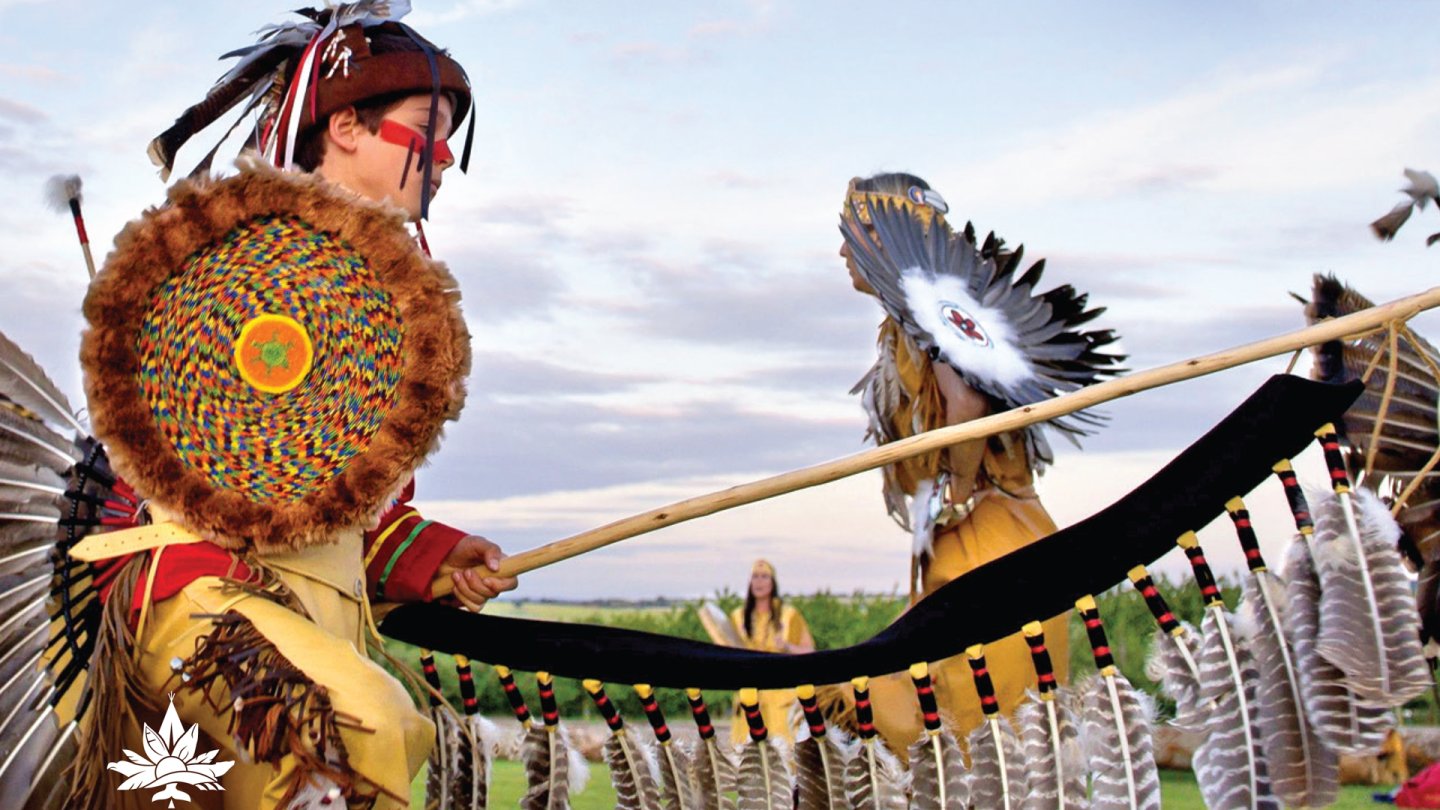
The unique opportunity to connect with the diverse cultures, histories, and customs of Indigenous peoples all over the world is provided by indigenous tours. These tours open the door to understanding and appreciating the many different ways of life that have existed for thousands of years, which is important for travelers who are looking for more meaningful experiences.
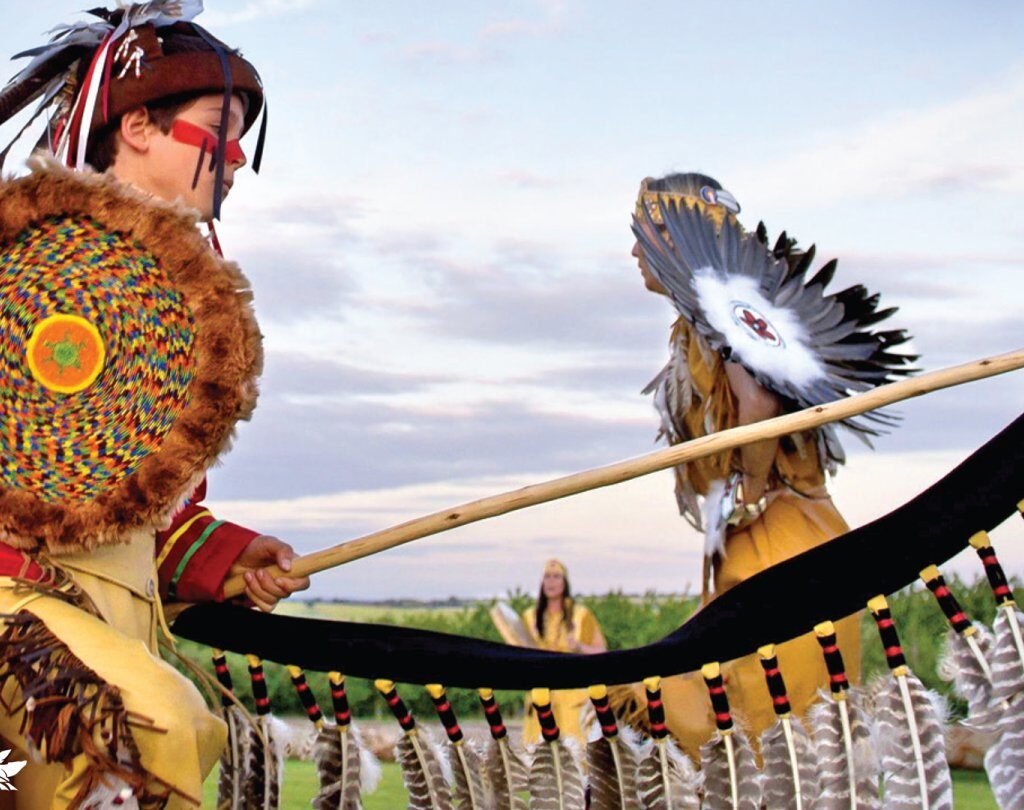
Indigenous tours not only benefit visitors but also empower Indigenous communities by fostering economic growth and cultural preservation, offering everything from immersive cultural experiences to eco-friendly adventures.
This article discusses the significance of Indigenous tours, the kinds of tours that are available, and the ethical issues associated with participating in these experiences. It also emphasizes the significance of respect and reciprocity in this expanding industry.
Understanding Native American Tourism
Definition and Application
Travel experiences in which Indigenous people are either the hosts or the facilitators of the journey are referred to as “indigenous tourism.” The goal of this kind of tourism is to give people a real look at the diverse cultures, customs, and ways of life of Indigenous communities.
These indigenous tours include a wide range of activities that honor the past and present of Indigenous peoples, such as storytelling under the stars and hands-on workshops for traditional crafts.
The History of Indigenous Tours
Over the course of time, there has been a significant shift in the idea of Indigenous tourism. In the past, it was seen as a way for outsiders to see “exotic” cultures, but now it is a way for Indigenous communities to tell their own stories.
Many Indigenous cultures have been marginalized and commodified in the past; however, more recent movements place an emphasis on authenticity, representation, and agency. Indigenous people are able to reclaim their narratives and share their histories in meaningful ways thanks to this shift.
The Importance of Native American Tours
Culture Conservation
The preservation of cultural practices that run the risk of disappearing into oblivion is greatly aided by indigenous tours. Indigenous communities can preserve their languages, arts, and customs while simultaneously instilling pride in younger generations by sharing their traditions with visitors. Everyone is invited, and ancestral recipes are making a comeback! It’s like a cultural revival party.
Empowerment of the Community
By promoting self-determination and providing economic opportunities, these tours also empower Indigenous communities. In addition to financial benefits, community members gain a sense of pride and ownership over their heritage when they lead the tours. Tourists gain exposure to authentic cultures, and communities gain the ability to shape their own future.
Types of Native American Tours
Available Wildlife and nature excursions
Nature and wildlife tours frequently highlight Indigenous knowledge of the land and ecology, which is great for those who enjoy a good hike or want to take in the natural beauty. You might learn about old ways to live sustainably from your guides, and you might even get a chance to see some local wildlife—bears, anyone?
Experiences with Heritage and Culture
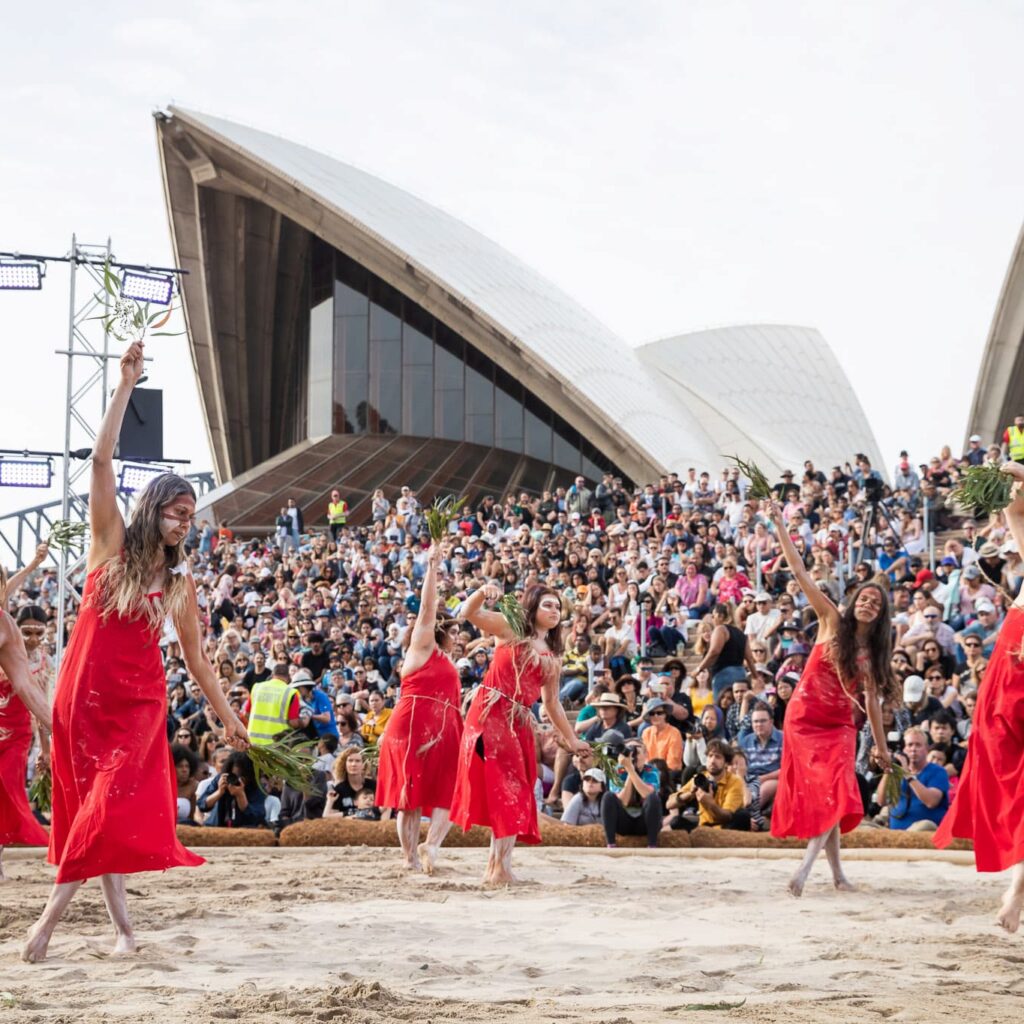
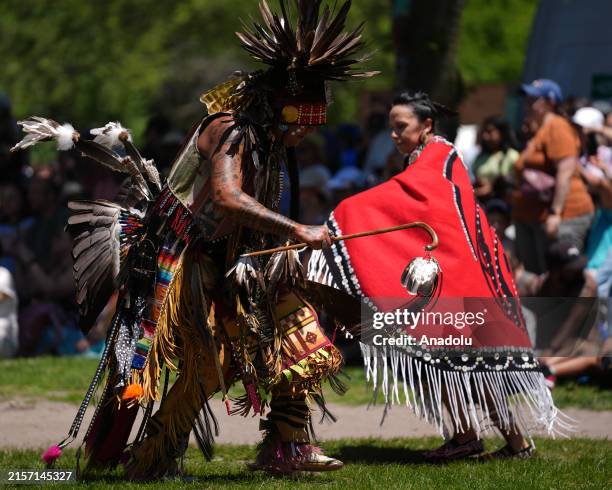
Visitors are immersed in the intricate web of Indigenous tours life through cultural and heritage experiences. These experiences provide a deeper comprehension of the community’s values, beliefs, and creative expressions, whether they are traditional dance performances, art workshops, or cooking classes that serve up old recipes. It’s like a practical introduction to culture with fewer textbooks and more drum circles.
Outdoor Adventures and Activities
Adventure and outdoor activities, such as canoeing on sacred waters or hiking trails that tell the stories of ancient people, are available on many Indigenous tours for thrill-seekers. The objective is to make a connection between the adventure and the spiritual significance of the land, providing not only a physical challenge but also a deeper comprehension of the environment. The only requirement is that you bring your sunscreen.
Ethical Considerations and Cultural Sensitivity
Respecting Customs and Traditions
It is essential to arrive on an Indigenous tours with an open mind and a heart of respect. To ensure that they engage in a thoughtful and appropriate manner, visitors should be aware of cultural norms, rituals, and practices. Imagine that you are going to a family gathering and you want to impress your family by not eating all of the pie without asking for it.
Consent in Tourism: Its Role In Native
American tourism, consent is crucial. Tourists should be aware that this is not a free-for-all and that community members should have a say in how their culture is shared and represented. Consent ensures that cultural expressions are respected and that the community continues to be the primary storyteller of its own customs.
Effects on Native American Communities
Last but not least, Indigenous communities’ effects on tourism must be taken into consideration. It can help the economy, but it can also cause problems like cultural appropriation or damage to the environment.
In order to avoid obscuring the very cultures that tourism aims to celebrate, ongoing dialogue with Indigenous peoples is necessary to ensure that tourism is beneficial and sustainable. It’s like walking a tightrope; keep your balance and you’ll enjoy the view.
Community Benefits of Indigenous Tours
Economic Possibilities
Communities can thrive because indigenous tours boosts local economies and creates employment opportunities. In addition to taking in the sights, tour participants contribute to the creation of local cuisine, crafts, and experiences. Without the need for a “Buy Local” bumper sticker, it’s like supporting the local economy one curious traveler at a time.
Awareness and training
Education can benefit greatly from tourism. Visitors gain a deeper comprehension of the world by learning about the histories, cultures, and traditions of Indigenous peoples. Knowledge is power, especially when combined with an adventurous spirit! Additionally, it helps to dispel myths and misconceptions, resulting in an increased sense of enlightenment for all participants.
Increasing One’s Cultural Identity
Communities can showcase and celebrate their distinctive cultures through indigenous tourism. Indigenous people gain self-confidence and pride in their heritage as a result of this. It’s like having a family get-together where everyone gets to tell their favorite stories. This makes sure that people will carry on their traditions and identities for generations.
Selecting an Indigenous Tours
Authentic Experience Research
Tours vary widely in quality! Find experiences that are based on real customs and practices. Look for businesses that develop their offerings in partnership with members of the Indigenous community. Similar to dating, don’t just swipe right on the first option; do your homework to find the real deal.
Identifying Companies Owned by Indigenous Peoples
Encourage the locals! Choose tours that are run by Indigenous communities and benefit them directly from the profits. This is a chance to invest in the people and places you’re visiting, not just a fun day. In addition, you might get insider information that you won’t find in any travel guide.
Reading Testimonials and Reviews
Verify the reviews before signing up for that epic adventure. Look for endorsements from others who have gone before you. They can tell you what to expect, as well as the occasional warning about the challenging hike or the best snack spot. It’s like having your own tour debrief—who doesn’t love a sneak peek?
Stories from Tour Participants: Personal Experiences
Impactful Interactions
Stories that have a profound impact on attendees frequently emerge from Indigenous tours. These experiences can be transformative, allowing you to witness sacred rituals and forge connections with members of the community. Everyone loves a good tale—especially when it involves personal journeys of connection and understanding.
Lessons Learned from Indigenous Guides
Insights that go beyond the surface are frequently shared by indigenous guides, who are often treasure troves of knowledge. These guides offer lessons that participants will remember long after the tour is over, such as the significance of the local fauna and flora and the history of the land. Think of them as your knowledgeable tour guides who will gently guide you toward understanding while you take in the scenery.
The Future of Native American Tourism
New Ideas and Trends
The landscape of Indigenous tourism is changing, with new trends focusing on technology integration and sustainable practices. Tours in virtual reality? Please, yes! Innovations are enhancing our cultural experiences by providing access to education and information without compromising authenticity. Learning meets high-tech coolness in tourism 2.0.
Future Challenges and Opportunities
Although the future appears promising, it does not come without obstacles. Overtourism, cultural appropriation, and lack of funding are all potential obstacles to progress. However, these difficulties also present opportunities for growth and collaboration.
It’s a balancing act—like walking on a tightrope while juggling—but with the right support, Indigenous tourism can flourish and inspire a deeper appreciation for the rich tapestry of cultures worldwide.In conclusion, Indigenous tours provide a valuable chance to engage with and learn from the rich tapestry of Indigenous cultures around the globe.
Travelers can contribute to the sustainability and empowerment of Indigenous communities while gaining a deeper appreciation for their heritage by choosing to participate in these experiences. Respect, authenticity, and cultural sensitivity will be essential for Indigenous tourism to survive for future generations as the tourism landscape continues to change.
FAQs
Q1. How do indigenous tours work?
Indigenous tours are guided travel experiences that provide authentic insights into the traditions, cultural practices, ancestral knowledge, history, and connection to the land of the local Indigenous communities. Stories, craft demonstrations, culinary experiences, and visits to culturally significant locations are frequently included on these tours.
Q2. Why should tourists select indigenous tour options?
Indigenous tours help preserve traditional ways of life by providing meaningful, respectful encounters. Community-led tourism is supported, economic empowerment is bolstered, and a more in-depth understanding of cultural heritage is gained by travelers, all of which are benefits of mainstream tourism.
Q3. Are indigenous tours environmentally responsible?
Environmental stewardship, cultural respect, and community benefit are the most important aspects of most Indigenous tours. Experiences must be environmentally responsible, consent-based, and owned by the community by ethical operators. To ensure that your trip adheres to sustainable tourism principles, always select tour operators that have been certified or endorsed by the community.
Q4. What typical activities are included in indigenous tour packages?
Traditional art workshops, bushcraft lessons, wildlife observation, guided hikes, storytelling sessions, ceremonial experiences (where appropriate), cultural performances, and farm-to-table Indigenous cuisine tastings are all common activities that vary by region and community.
Q5. What preparations can visitors make for an indigenous tours?
Learn about local customs, guidelines for respectful behavior, how to dress appropriately, and cultural sensitivity by researching them. In order to reduce waste and maintain an open mind in order to fully appreciate the cultural exchange, it is also helpful to bring reusable items.
Q6. Is physical fitness required for indigenous tours?
Outdoor activities like hiking, canoeing, or exploring rugged terrain are part of some tours. However, a lot of activities are suitable for people of all fitness levels. Before choosing a tour, review the specifics of the itinerary to ensure that it meets your needs and abilities.
Q7. Is it permissible to take pictures and videos during indigenous cultural experiences?
The rules for photography vary by community. Photography may be prohibited in some sacred places, cultural practices, or ceremonies. To ensure respectful participation, always ask your guide for permission and follow the community’s rules.
Q8. Can indigenous tour groups include families with children?
Yes, numerous Indigenous tours are suitable for families. Storytelling, making crafts, and going on walks in the woods are all popular with young children. However, prior to making a reservation, it is prudent to confirm whether or not a person is the right age for a particular activity.
Q9. Are indigenous tours packages pricey?
Location, duration, and inclusions all affect prices. Due to their specialized nature and focus on the community, many tours have reasonable prices. Costs typically support conservation efforts and local livelihoods, giving the investment meaning and impact.
Q10. How are local communities helped by indigenous tours?
They strengthen community autonomy, support local artisans, fund educational initiatives, encourage cultural preservation, and create sustainable income streams. Travelers make a direct contribution to the sustainability of cultures and the environment over time.
Conclusion
Through immersive, respectful, and community-centered travel experiences, indigenous tours are an exceptional way to connect with the world’s oldest cultures. They support the preservation of Indigenous knowledge and livelihoods while also allowing tourists to explore ancestral lands and learn about sacred practices.
In addition to enriching your own journey, you will also be contributing to cultural continuity, economic empowerment, and sustainable tourism practices that honor the people who have shaped their homelands for generations by selecting tours that are operated responsibly.
Add a Comment