Introduction
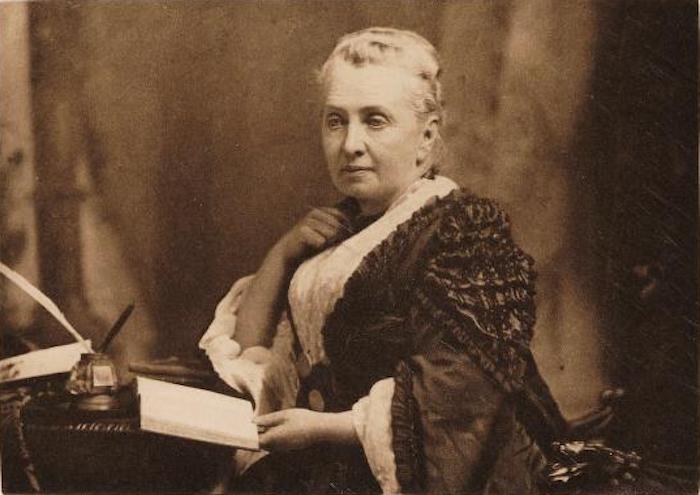
Isabella Bird was a remarkable figure in the 19th century, whose adventurous spirit and pioneering efforts as a traveler and writer broke through the conventions of her time. Bird, who was born in England in 1831, defied societal expectations for women by traveling extensively throughout the world and writing vividly about her experiences.
Her travels took her to remote and exotic locations, including the American West, Asia, and the Middle East, where she not only explored uncharted territories but also challenged the norms surrounding female exploration.
Through her writings, Bird inspired generations of adventurers and contributed significantly to travel literature, leaving a legacy that continues to resonate in discussions about women’s roles in exploration and travel today.
Isabella Bird upbringing and background
Childhood and Family Influences
In 1831, Isabella Bird was born into a religiously devoted family in Yorkshire, England. She was the second of six children, with a father who was a clergyman and a mother whose love for nature sparked Isabella’s early wanderlust.
She quickly realized that the world was much larger than the small English village she grew up in, despite the fact that her family valued travel primarily through books. They had no idea that Isabella would soon be gallivanting across continents, whereas their idea of adventure was simply leaving the house.
Education and Early Interests
Isabella was both a bookworm and a daydreamer as a child, devouring literature like candy (and, let’s face it, who could blame her?). She became a voracious reader of travel writings, which captivated her imagination more than any classroom could.
Her formal education was sporadic. She was already writing down her thoughts and observations when she was a teenager, a sign that this outgoing girl was on her way to becoming one of the most daring women of her time.

Pioneering Woman Traveler
Defying Social Standards
In an age when women were often relegated to the hearth, Isabella Bird threw societal norms to the wind like confetti at a parade. She donned trousers, mounted her horse, and set out on her adventures despite the constraints of Victorian society, much to the surprise (and occasionally dismay) of her peers. She paved the way for future female explorers who would follow in her adventurous footsteps with a heart full of daring and a penchant for the unconventional.
Preparation for Travel
Isabella was not one to embark on her journeys unprepared. She meticulously planned each expedition, packing essentials like sturdy boots, warm clothing, and, of course, her beloved journal. A firm believer in the motto “failure to prepare is preparing to fail,” she often conducted extensive research—though, let’s be real, there was no Google back then, just a lot of dusty books and knowledgeable locals.
Famous Adventures and Excursions
Explore the American West on a journey In the 1870s, Isabella ventured into the untamed American West, where she encountered breathtaking landscapes and diverse cultures. Riding through the Rockies with the fervor of a pioneer, she documented her experiences with vivid detail.
From the sweeping plains to the rugged mountains, her time in the West was filled with both serene beauty and the wild unpredictability of the frontier—perfect fodder for a woman who lived for adventure.
Exploration of Asia and the Middle East
Not one to remain stationary, Isabella turned her eyes eastward, embarking on a journey through Asia and the Middle East. From the bustling streets of India to the serene temples of Japan, she embraced each culture with open arms and a curious mind. Her travels in this region were marked by both breathtaking experiences and some misadventures, proving that even the most intrepid explorer has her share of “oops” moments.
Explores Europe
Isabella’s European explorations were nothing short of enchanting. Roaming through the picturesque streets of Vienna and the rugged hills of Scotland, she chronicled her adventures with a keen eye for detail.
Each country offered its own unique charm, and she was determined to soak it all in, often finding inspiration in the landscapes and cultures that surrounded her. Her travels in Europe were a delightful juxtaposition of sophistication and the spirit of adventure that she carried with her everywhere.
Contributions to Travel Literature
Major Works and Publications
Isabella Bird was not just an adventurer; she was also a gifted writer. Her most famous works, including A Lady’s Life in the Rocky Mountains and The Englishwoman in America, are still cherished by readers today. Through her words, she transported audiences to exotic locales, allowing them to experience her adventures vicariously. Each book was a testament to her unyielding spirit and her ability to articulate the beauty of the world around her.
Writing Style and Themes
Bird’s writing style was honest, vivid, and often laced with a healthy dose of humor. She had a knack for painting pictures with her words, inviting readers to join her on journeys that were both exhilarating and enlightening.
Themes of independence, resilience, and cultural appreciation permeated her work, reflecting her belief that travel can be a powerful catalyst for personal growth and understanding. She used her pen as a sword to bring about change and inspiration in a society where women were frequently silenced.
Impact on Women in Exploration
Effects on Women Adventurers
Isabella Bird’s fearless escapades through harsh terrains and uncharted territories set the stage for countless women to lace up their boots and follow in her adventurous footsteps. She broke the mold of the delicate Victorian lady, showing that women could not only traverse the globe but write compelling narratives about their journeys. Bird’s tales of bravery and independence encouraged women everywhere to seize their own destinies and explore the unknown, proving that adventure knows no gender.
Obstacles Women Travelers Face
While Bird’s travels were revolutionary, they were not without considerable challenges. The world of the 19th century was not exactly kind to female explorers. From societal expectations to physical dangers, women like Bird often faced obstacles that would make even the hardiest of adventurers double-check their packing lists. High expectations of propriety, limited access to resources, and the constant threat of prejudice made every step a declaration of independence and courage.
Recognition and Awards of Isabella Bird
Honorary Titles and Memberships
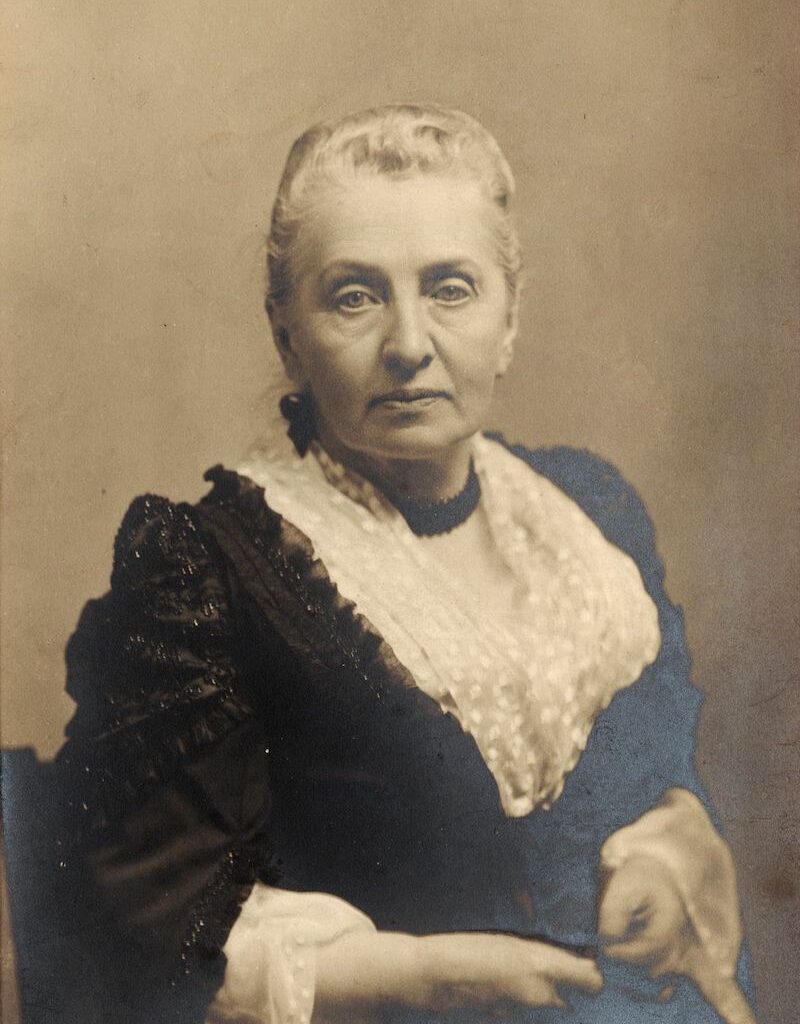
Isabella Bird wasn’t just a traveler; she was a trailblazer acknowledged by various institutions for her contributions to exploration. Her honorary titles, including being one of the first female members of the Royal Geographical Society, are testaments to her exceptional work. These accolades weren’t handed out for just showing up; they were awarded to a woman who proved that she was not only capable but also extraordinary in her pursuits.
Legacy in Historical Context
Bird left behind more than just an adventurous spirit. At a time when women were often relegated to the domestic sphere, she carved out a unique position in history. Her writings offered insights into the cultures she encountered, making her a crucial figure in cultural narratives. Isabella Bird’s contributions to travel literature continue to be celebrated, and her unique perspective offers a much-needed dose of female representation in a predominantly male-dominated historical context.
Legacy and Influence on Future Generations
Inspiration for Feminist Movements
Bird’s fearless nature has inspired generations of feminists who view her life as a powerful reminder that women’s voices and aspirations deserve to be heard. By defying conventions and exploring the world on her own terms, she has come to symbolize the fight for women’s rights and independence. Her story resonates with those championing equality and freedom, encouraging women to break through barriers and claim their space in all realms of life.
Modern Explorers and Travelers
Fast forward to today, and you’ll find modern explorers who carry the torch lit by Bird. Adventurers like Ann Bancroft and Sarah Marquis cite Bird as an inspiration, demonstrating her far-reaching influence in the exploratory realm. We are reminded by her boldness and thirst for knowledge that women all over the world possess the spirit of adventure, empowering them to climb mountains, both literally and metaphorically.
The Enduring Spirit of Isabella Bird
Reflections on Her Life and Work
Isabella Bird’s journey through life serves as an engaging tapestry of tenacity, exploration, and literary prowess. Reflecting on her life, one cannot help but marvel at how she navigated a world not designed for women like her, turning challenges into triumphs. Her journals are more than just travel stories; rather, they are energizing declarations encouraging us to investigate the world around us.
Continuing Relevance Today
The lessons of Isabella Bird echo in today’s society, urging both women and men to challenge stereotypes and embrace the unknown. Her belief that adventure is for everyone transcends time, reminding us that exploration is about curiosity, courage, and the spirit of inquiry.
As we venture into the future, Bird’s legacy continues to inspire new generations to broaden their horizons and venture beyond the ordinary.In conclusion, Isabella Bird’s extraordinary life and adventures exemplify the spirit of exploration and resilience.
Her contributions to travel literature and the empowerment of women in a male-dominated field have left an indelible mark on history. By daring to venture into the unknown, she not only broadened her own horizons but also paved the way for future generations of female explorers. The legacy left by Bird endures, serving as a reminder of the significance of curiosity, bravery, and the pursuit of one’s passions.
FAQs
Q1. Who was Isabella Bird?
Isabella Bird was a well-known British explorer, travel writer, and photographer who traveled extensively throughout Asia, the Americas, and the Middle East in the 19th century. Born in 1831 in England, she became famous for documenting remote cultures and landscapes at a time when long-distance travel was rare for women. Her vivid travel narratives offered readers detailed descriptions of geography, local customs, and everyday life in the places she visited.
Q2. Why is Isabella Bird so significant in the history of travel?
One of the most influential early female travel writers is Isabella Bird. She challenged Victorian-era gender norms by traveling independently to difficult and unfamiliar regions. Her writings expanded Western understanding of distant cultures and inspired future generations of explorers, writers, and historians interested in global travel and cultural discovery.
Q3. What are Isabella Bird’s most famous books?
Some of her most well-known travel books include A Lady’s Life in the Rocky Mountains, Unbeaten Tracks in Japan, and The Yangtze Valley and Beyond. These works are valuable historical records of the regions she explored because they combined personal adventure tales with in-depth observations about the geography, local customs, and day-to-day life.
Q4. Where did Isabella Bird travel during her lifetime?
Isabella Bird traveled extensively across several continents. The Rocky Mountains of the United States, far-flung regions of China, Japan, Korea, Persia, Tibet, and parts of Southeast Asia were among the destinations of her travels. Many of these destinations were little known to Western audiences at the time, which made her accounts especially valuable.
Q5. What challenges did Isabella Bird face while traveling?
During her travels, Isabella Bird faced harsh weather, dangerous terrain, limited transportation, and cultural barriers. Additionally, societal expectations in the Victorian era discouraged women from traveling alone. Despite these challenges, she demonstrated resilience and determination, often traveling on horseback or by foot through remote wilderness areas.
Q6. Did Isabella Bird belong to any geographical or scientific organizations?
Yes, Isabella Bird was the first woman elected as a fellow of the Royal Geographical Society in 1892. Through her in-depth travel reports and observations, this honor highlighted her contributions to exploration and geographical knowledge.
Q7. How did Isabella Bird write about travel?
Her writing style combined storytelling with careful observation. She described landscapes, wildlife, cultures, and social conditions in great detail. Readers appreciated her ability to blend personal adventure with thoughtful cultural insights, making her books both entertaining and informative.
Q8. Did Isabella Bird travel alone?
Although she often traveled independently, she sometimes hired local guides, translators, or companions when navigating unfamiliar regions. Despite this, she was known for leading many of her expeditions herself and maintained a strong sense of independence.
Q9. How did Isabella Bird influence modern travel writing?
Isabella Bird helped establish travel writing as a respected literary genre. Her immersive storytelling and cultural documentation influenced later travel journalists and authors who sought to provide authentic perspectives on global destinations.
Q10. What is Isabella Bird’s legacy today?
Today, Isabella Bird is remembered as a female explorer who broke new ground in literature and travel. Her books continue to be read by historians, travel enthusiasts, and scholars interested in cultural exploration and the history of global travel.
Conclusion
Isabella Bird remains one of the most remarkable figures in the history of exploration and travel literature. She traveled across continents with curiosity and bravery, documenting landscapes, cultures, and communities at a time when women’s mobility was restricted by social expectations.
Her writings not only introduced distant regions to Western audiences but also helped shape modern travel storytelling. Today, her legacy continues to inspire travelers, historians, and writers who value cultural discovery, adventure, and the transformative power of travel.
Add a Comment