Introduction
In South Carolina, McLeod Plantation, perched on the picturesque banks of the Stono River, serves as a moving reminder of the complex history and cultural heritage of the area. This historic site, which was established in the 18th century, provides a one-of-a-kind look into the lives of those who worked the land.
mcleod plantation
It focuses on the intertwining stories of the plantation owners and the enslaved people who worked within its boundaries. As a testament to resilience and preservation, McLeod Plantation not only showcases stunning architecture and beautiful landscapes but also plays a vital role in educating visitors about the Gullah culture and the enduring impacts of history on the contemporary community.
Through various programs, events, and preservation efforts, the plantation stands as a living legacy that honors the past while engaging future generations in meaningful dialogue.
History of McLeod Plantation
Establishment and Early Settlement
The beginnings of McLeod Plantation can be traced back to the latter part of the 18th century, when Scottish immigrant John McLeod established it. Originally established as a rice plantation, it quickly became a thriving agricultural hub in the Lowcountry of South Carolina.
Rice cultivation was made possible by the plantation’s lush land and strategic location along the Wappoo Creek. This made rice a staple food and a major economic driver in the area. Enslaved labor became an important part of the economy and society of the South as the plantation grew in size.
Contribution to the Civil War
When the Civil War erupted, McLeod Plantation found itself at the forefront of the conflict. Union forces took control of the plantation and used the land for military purposes, significantly disrupting the agricultural operations.
The enslaved people on the plantation seized the opportunity, many escaping to join the Union army or seeking refuge. This period marked a significant shift in the plantation’s history, as it became a witness to the tumultuous changes of war and emancipation, eventually leading to the end of slavery and a completely new era for the former McLeod estate.
Change to a historic location
McLeod Plantation underwent a number of changes following the Civil War. In the late 20th century, efforts to preserve its historical significance gained momentum. It became an official historic site in 2003 and is now managed by Charleston County Parks.
The plantation offers educational programs and tours that explore its role in agriculture, slavery, and the development of the Lowcountry’s culture. It also serves as a poignant reminder of the region’s complicated history.
Architecture’s Importance
Architectural Styles and Features
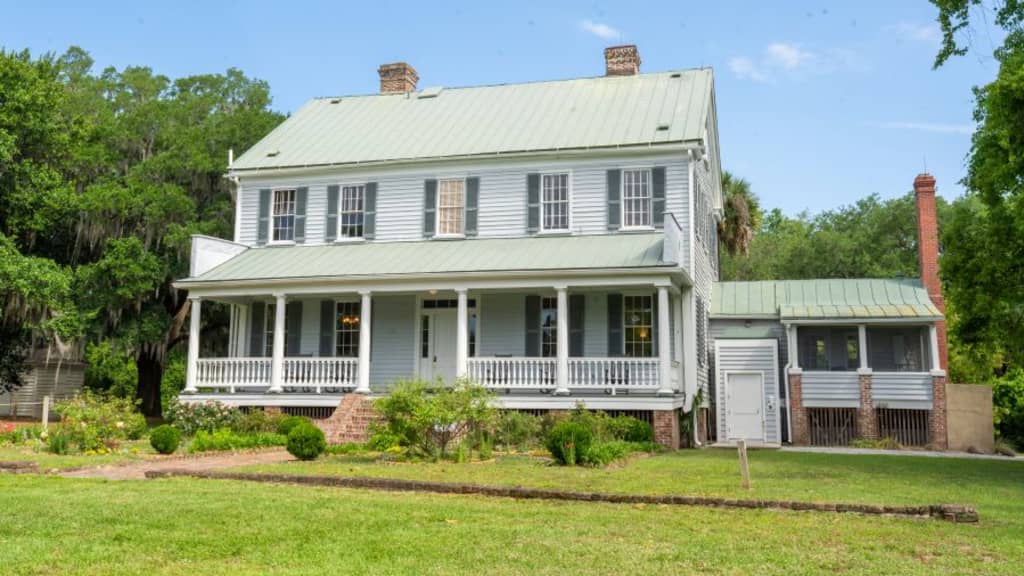
McLeod Plantation has a fascinating collection of architectural styles that are representative of its various eras. The famous main house was built in the late 19th century. It has big porches and big columns in the classic Greek Revival style.
The plantation also includes numerous outbuildings, such as the historic barn and slave cabins, which reflect the functional yet simplistic designs of the time. The distinctive characteristics of each structure, such as tabby concrete and weathered wood, highlight both resilience and timelessness.
Preservation and Upkeep of Buildings
Restoration efforts at McLeod Plantation focus on maintaining the integrity of its historic structures while ensuring they remain accessible to the public. Careful attention is given to using period-appropriate materials and techniques to preserve the plantation’s character.
This includes ongoing maintenance work to combat the ravages of time and climate, from repairing roofs to restoring the original paint colors. The goal? To keep history alive, one shingle at a time, while providing visitors a glimpse into the past without the need for a time machine.
Community Impact and Cultural Heritage
Influence on Local Communities
The legacy of McLeod Plantation stretches far beyond its picturesque grounds. It has played an essential role in shaping the local community’s cultural identity. Events and workshops held at the plantation foster engagement and dialogue about the history of slavery, agriculture, and the contributions of African Americans to the region.
The plantation is a vibrant space for community gathering and education because local residents frequently participate in programs that celebrate Gullah culture, food, and storytelling traditions.
The incorporation of regional customs
McLeod Plantation is more than just a museum; it is also a living collection of regional customs. The site integrates Gullah heritage into its programming, showcasing crafts, music, and culinary arts that echo the rich history of the area.
Regular events featuring local artists, chefs, and storytellers help bridge past and present, while allowing for a deeper understanding of how these traditions continue to shape community life today. It serves as a reminder that heritage is meant to be lived and appreciated, not just observed.
Preservation Initiatives
Organizations Involved in Preservation
McLeod Plantation’s essence is being protected by a number of organizations. Along with a number of other local historical societies and non-profit organizations that focus on African American heritage, the Charleston County Parks and Recreation Commission plays a crucial role in managing and maintaining the site.
Collaborative efforts ensure the plantation’s historical narrative is not only protected but also continually shared with visitors, fostering a communal sense of ownership and pride in local history.
Successes and Challenges
Preservation isn’t without its challenges. Weathering the elements, securing funding, and ensuring community engagement are ongoing hurdles faced by those dedicated to McLeod Plantation. However, successes abound—whether it’s completing restoration projects, hosting engaging educational programs, or increasing visitor attendance.
The plantation’s status as an essential historical and cultural resource is bolstered by each victory, demonstrating that, despite the bumpy road to preservation, the journey is unquestionably worthwhile.
Visitor Experience and Educational Programs
Guided Tours and Workshops
Guided tours at McLeod Plantation are more than just a trip through history; they are an engaging journey where stories come to life. Knowledgeable guides, armed with a wealth of information (and a sprinkle of southern charm), lead visitors through the historic plantation grounds.
Whether you’re learning about the role of the plantation in the Civil War or the intricacies of sea island agriculture, you’ll leave with more than just a sunburn and some good photos. Workshops on crafts, cooking, and even traditional Gullah storytelling provide hands-on experiences that immerse you in the rich cultural fabric of the area.
Interactive Learning Opportunities
If you thought learning was just a lecture with a bored teacher at the front, think again! McLeod Plantation offers interactive learning opportunities that are anything but dull. You can participate in demonstrations of traditional farming techniques or take part in cooking classes where the only thing you should forget is your diet plan.
Scavenger hunts and storytelling circles that take a deep dive into Gullah culture and language will be enjoyed by both children and adults with a youthful spirit.
Notable Events and Activities
Annual Festivals and Celebrations
McLeod Plantation knows how to throw a party! Music, laughter, and the inviting aroma of Southern cuisine fill the air at their annual festivals. From Gullah cultural celebrations to historical reenactments, these events foster community spirit and invite visitors to join in the fun.
Expect lively performances, crafts, and—let’s be honest—more food than you can shake a biscuit at. So, put on your dancing shoes and get ready to get lost in the lively culture that this historic site is known for.
Special Exhibits and Programs
Special exhibits that highlight various aspects of plantation life and Gullah culture are on display at McLeod Plantation throughout the year. Whether it’s an art exhibit featuring local artists or a historical display on the lives of enslaved individuals, each program aims to educate and inspire.
These events, which have been carefully planned, encourage discussions that appeal to both casual visitors and history buffs. Check the calendar—it’s like the plantation’s Netflix lineup, but there’s much less binge-watching and more learning.
Connections to the Gullah Culture
The History of Gullah Culture
Gullah culture is deeply woven into the tapestry of McLeod Plantation’s history. Originating from the West African traditions brought over by enslaved people, Gullah is a unique blend of language, art, and culinary practices that have persisted through generations.
McLeod Plantation is a crucial touchpoint that helps visitors comprehend how these cultural elements emerged in the context of plantation life. Exploring this rich history reveals tales of resilience and community that are as poignant as they are inspiring.
Modern-Day Gullah Influence
Fast forward to today, and the Gullah culture isn’t just sticking to the history books; it’s alive and thriving! McLeod Plantation is a crucial contributor to the promotion of this cultural revival. Gullah customs are still being practiced by local artisans, chefs, and storytellers while being infused with contemporary influences.
From shrimp and grits to vibrant crafts, the spirit of Gullah is evident everywhere. Visitors can experience modern interpretations of this culture at workshops and events, ensuring that its rich heritage continues to flourish in today’s world.
FAQs
Q1. What is McLeod Plantation known for?
In Charleston, South Carolina, McLeod Plantation is well-known as a historic Gullah-Geechee heritage site. Established in 1851, it is a cultural landmark that preserves the histories of the enslaved African Americans who lived and worked on the property. The plantation highlights both the agricultural and social history of the South, emphasizing the resilience and contributions of the Gullah community.
Q2. Where exactly is McLeod Plantation?
On James Island, the McLeod Plantation Historic Site can be found at 325 Country Club Drive, Charleston, South Carolina. It’s just a few minutes away from downtown Charleston, making it an easily accessible destination for visitors interested in exploring the Lowcountry’s deep-rooted history.
Q3. What can visitors see and do at McLeod Plantation?
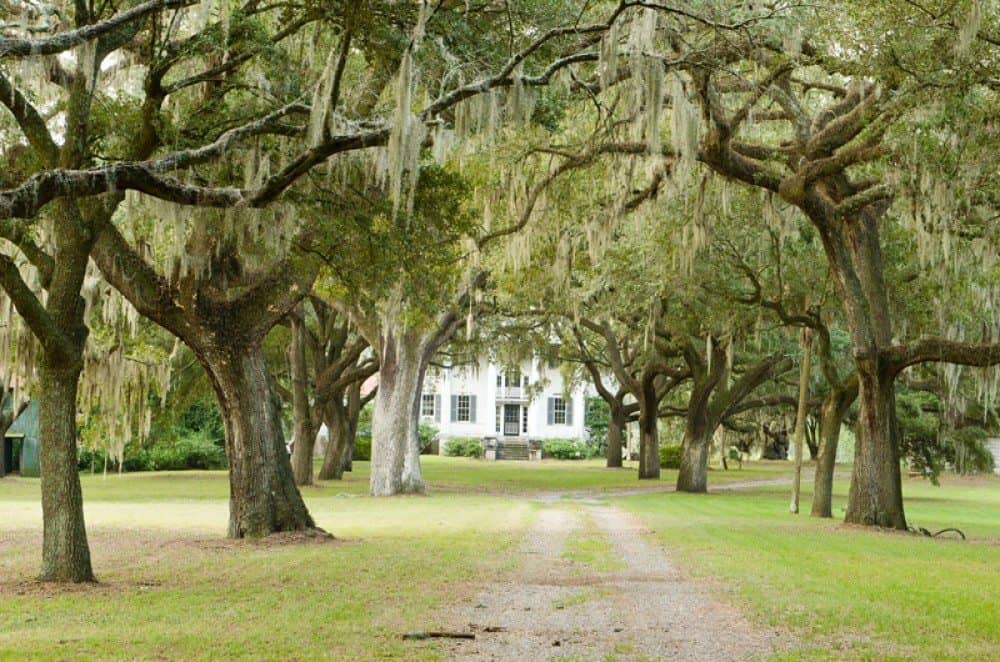
A guided tour of the plantation house, a stroll down the oak-lined avenue, and stops at preserved slave cabins, agricultural fields, and burial grounds are all available to visitors. The site also features interpretive exhibits and educational programs that shed light on the lives of both enslaved people and their descendants. Many guests find the guided storytelling tours particularly moving and informative.
Q4. How much does it cost to visit McLeod Plantation?
As of recent updates, admission fees typically range between $15–$25 per adult, with discounts available for children, seniors, and Charleston County residents. Admission includes guided tours; reservations are frequently recommended during busy times.
Q5. What are the opening hours of McLeod Plantation?
McLeod Plantation is generally open Tuesday through Sunday from 9:00 AM to 4:00 PM, with the last tour starting mid-afternoon. Mondays and major holidays are its only days off. It’s advisable to check the official Charleston County Parks website for current hours and seasonal schedule changes before visiting.
Q6. Is McLeod Plantation appropriate for families with children?
Yes. While some exhibits and discussions deal with sensitive historical topics, the site provides an educational experience suitable for families and older children. It encourages meaningful conversations about history, culture, and human rights in an engaging, respectful environment.
Q7. Is filming and photography permitted at McLeod Plantation?
Photography for personal use is generally permitted on the grounds, though restrictions apply inside certain historical buildings. In order to safeguard the site’s integrity, professional photography and filming require prior permission from Charleston County Parks.
Q8. What makes McLeod Plantation different from other plantations in Charleston?
Unlike many plantations that focus on architecture or gardens, McLeod Plantation emphasizes truthful storytelling and social justice. The tours are designed to give voice to the enslaved people who lived there, highlighting their strength, endurance, and impact on Southern culture and history. It’s a site dedicated to remembrance, education, and reconciliation rather than romanticized plantation life.
Q9. Can McLeod Plantation be rented for events or weddings?
No. Out of respect for the historical and cultural significance of the site, McLeod Plantation does not host weddings, private events, or celebrations. The plantation will always be a place for learning, reflection, and cultural preservation thanks to this policy.
Q10. How much time does it typically take to visit McLeod Plantation?
A standard visit lasts between 1.5 to 2 hours, allowing enough time to participate in a guided tour and explore the grounds at your own pace. Many visitors recommend spending more time reflecting at important historical points and thoroughly reading the interpretive displays.
Conclusion
McLeod Plantation stands as a powerful reminder of America’s complex history and the enduring legacy of the Gullah-Geechee people. Unlike traditional plantation tours, McLeod invites visitors to confront the realities of slavery and honor the resilience of those who shaped the Lowcountry’s cultural identity.
Its serene landscapes, oak-lined pathways, and preserved dwellings serve not just as scenic attractions but as living memorials to human endurance and cultural strength. A visit to McLeod Plantation offers both education and introspection — a vital experience for anyone seeking to understand Charleston’s true heritage.
Add a Comment