Introduction
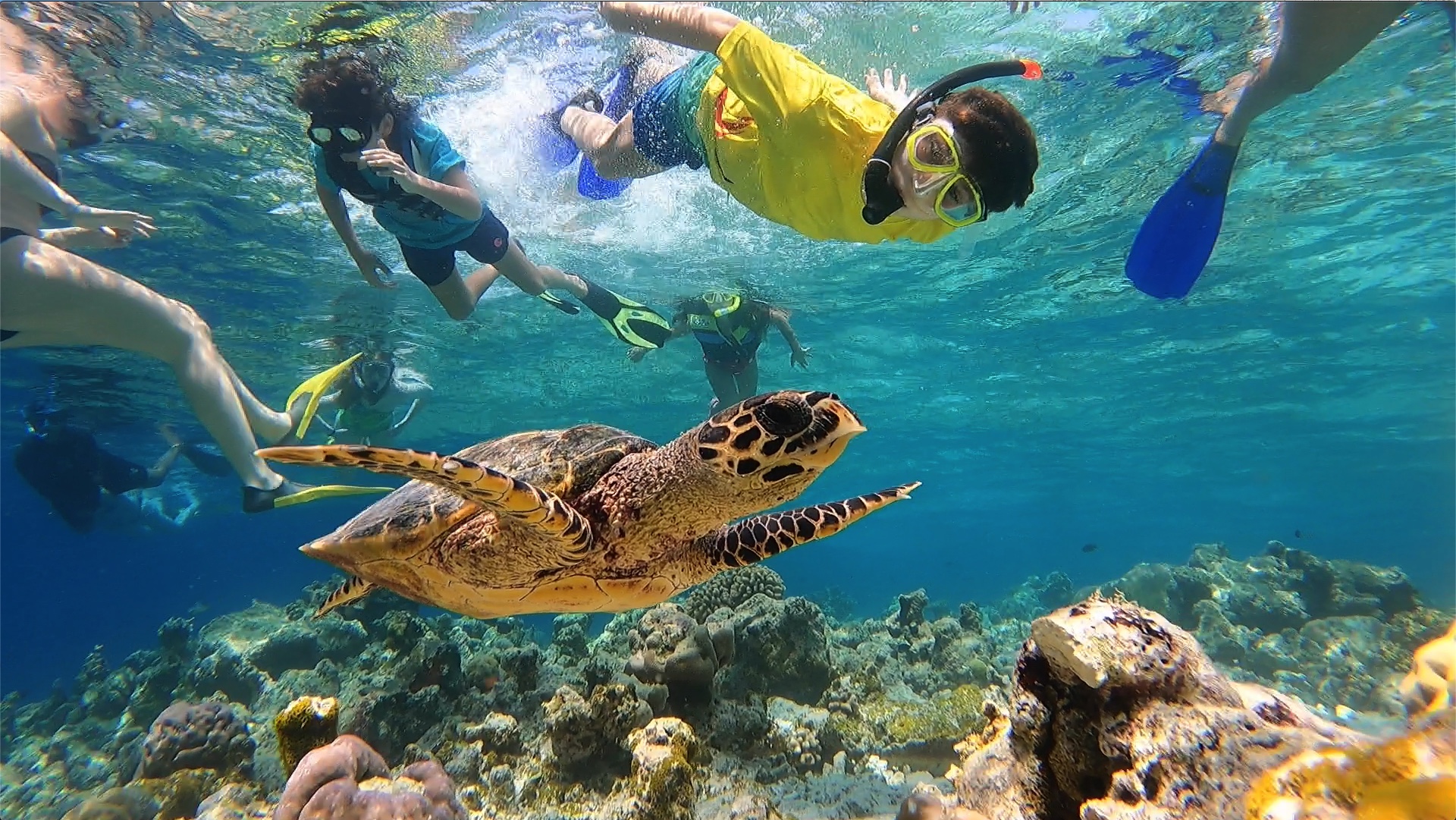
The opportunity to interact with these gentle ocean creatures in their natural environment is unparalleled when snorkeling with turtles. As you glide through crystal-clear waters, the chance to observe sea turtles gracefully navigating their underwater world is both exhilarating and humbling.
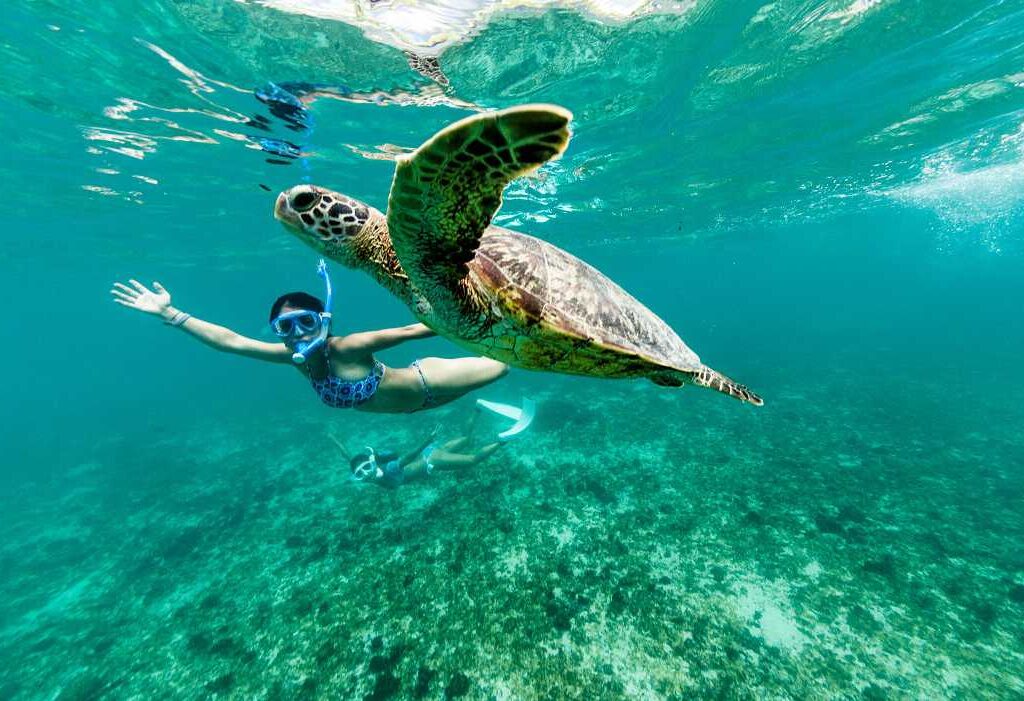
This experience not only provides unforgettable memories but also fosters a deeper appreciation for marine life and the importance of conservation efforts.
This guide will help you find the best places for snorkeling with turtles, provide you with safety advice, and provide you with the essential information you need to make your experience of snorkeling with turtles one to remember.
Overview of Snorkeling with Turtles
What is Snorkeling?
You wear a mask and a snorkel to observe underwater life without the hassle of heavy diving gear, making Snorkeling with Turtles similar to swimming with a glamorous twist. It’s like being suspended above a magical three-dimensional aquarium where you can admire vibrant fish, coral reefs, and, of course, our favorite gentle sea giants, the turtles! It’s accessible, fun, and a great way to connect with nature while feeling like a water-bound explorer.
Why go on Snorkeling with Turtles?
Snorkeling with turtles combines adventure with the magic of nature. These ancient mariners are graceful, serene, and surprisingly curious creatures that can turn a mundane trip into an unforgettable experience. Swimming with a turtle is like stepping into a real-life Disney movie for a brief moment, as you can enjoy their peace and awe at their extraordinary beauty. Furthermore, let’s be honest—who doesn’t want a turtle-themed Instagram photo?
Best Locations for Snorkeling with Turtles
Top Locations in the World
If you’re keen on turning your vacation into a turtle-seeking mission, grab your passport and head to these top spots:
Hawaii: The islands are teeming with green sea turtles, especially around the snorkeling paradise of Hanauma Bay.
Australia’s Great Barrier Reef: This is where turtles play among colorful coral gardens—an underwater paradise! – In Ecuador’s Galapagos Islands, you’ll find a wide range of turtle species swimming through crystal-clear waters.
Cozumel, Mexico: This party-goer’s paradise is also a turtle haven, where you can see green and loggerhead turtles in their natural environment.
Unique Experiments and Highlights of the Region
Turtle Town, Maui: This location is a turtle selfie factory where you can see multiple species, as the name suggests.
Komodo National Park, Indonesia: Swim alongside not just turtles, but also magnificent mantas in a pristine environment.
Shark’s Cove, Oahu: A rocky snorkeler’s paradise with schools of vibrant fish and turtles.
Isla de la Plata, Ecuador: Known as the “poor man’s Galapagos,” this location offers incredible encounters with sea turtles and other marine life at a lower price.
Guidelines for Safety Precautions
Before Snorkeling with Turtles
Before you don your snorkeling gear and plunge into the blue, make sure you’re well-prepped. Make sure you are aware of the rules for the location, keep an eye on the weather, and are aware of the marine life you might encounter. Additionally, remember to use sunscreen that is safe for reefs because turtles want their homes to be as beautiful as your skin.
Security Measures in the Water
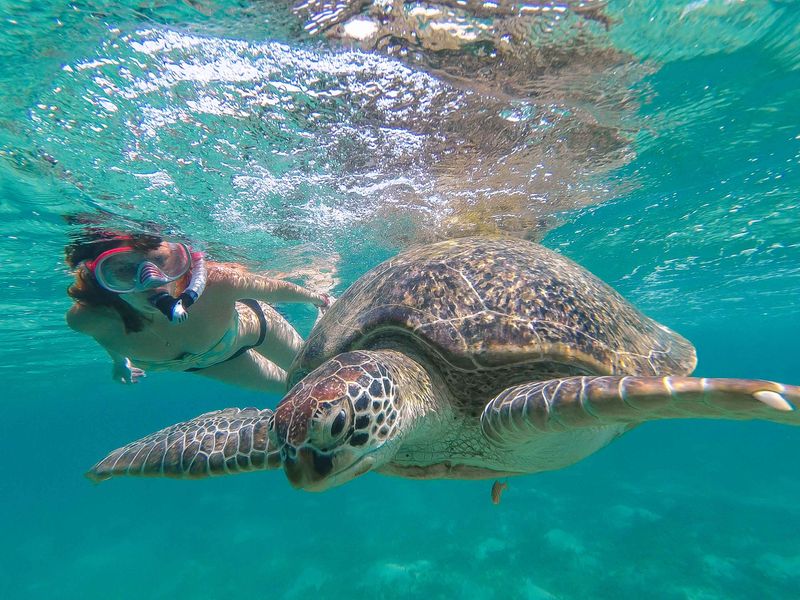
A few safety precautions to keep in mind once you’re in the water Maintain a respectful distance from turtles—avoid touching or chasing them; they’re not your personal tour guides! Be aware of your surroundings and keep an eye out for swimmers and currents. It’s all about enjoying the experience while keeping the ocean’s balance intact. Don’t forget to practice your best dolphin kick and enjoy the ride.
What You Need for Snorkeling with Turtles
Essential Scuba Equipment
You won’t need a lot of equipment, but there are a few things you should have: – “Mask and Snorkel”: Select a mask that fits comfortably and won’t fog up like your glasses do on a humid day.
Fins: These help you swim without working up a sweat, making you feel like you’re gliding through water.
A Wetsuit or a Rash Guard: These keep you warm and shield your skin from the sun (and jellyfish, in case you need it).
Added Features for a Better Experience
If you want to have a better time snorkeling, you should think about getting some extra gear: Underwater Camera: Capture those picture-perfect moments with turtles while avoiding the inevitable “fish face” selfies.
Dive Flag: A dive flag is necessary for visibility and safety when diving into deeper waters.
Snorkel Vest: A little added buoyancy goes a long way, especially if you’re still mastering the art of swimming like a dolphin.
Anti-Fog Spray: Avoid the underwater foggy mess with a bottle of this handy little helper.
Recognizing the Behavior of a Turtle
Common Turtle Species Encountered
There are a few common species of turtles that are the stars of the underwater show when snorkeling with them. The most frequently spotted are the Green Sea Turtle and the Hawksbill Turtle. Green Sea Turtles are well-known for their gentle disposition and herbivorous diet—think seagrass salads.
Hawksbill Turtles, on the other hand, are the flamboyant divas of the sea, with their stunningly patterned shells and a penchant for sponges. You might also stumble upon Loggerhead Turtles, famous for their big heads and even bigger appetites! Keep an eye out; each species has a special appeal.
Turtle Symptoms of Stress
Even though life under the sea is all fun and games, turtles can show signs of stress. These gentle creatures can become overwhelmed by excessive human interaction, so look out for signs like rapid swimming away, hiding under rocks, or trying to dive deeper.
It’s best to give a turtle some space if it keeps trying to get away from you or moves erratically. Keep in mind that the objective is to appreciate these creatures’ beauty without putting them in stress—after all, no one likes a stressed-out turtle.
Conservation Efforts and Responsible Snorkeling with Turtles
The Importance of Protecting Marine Life
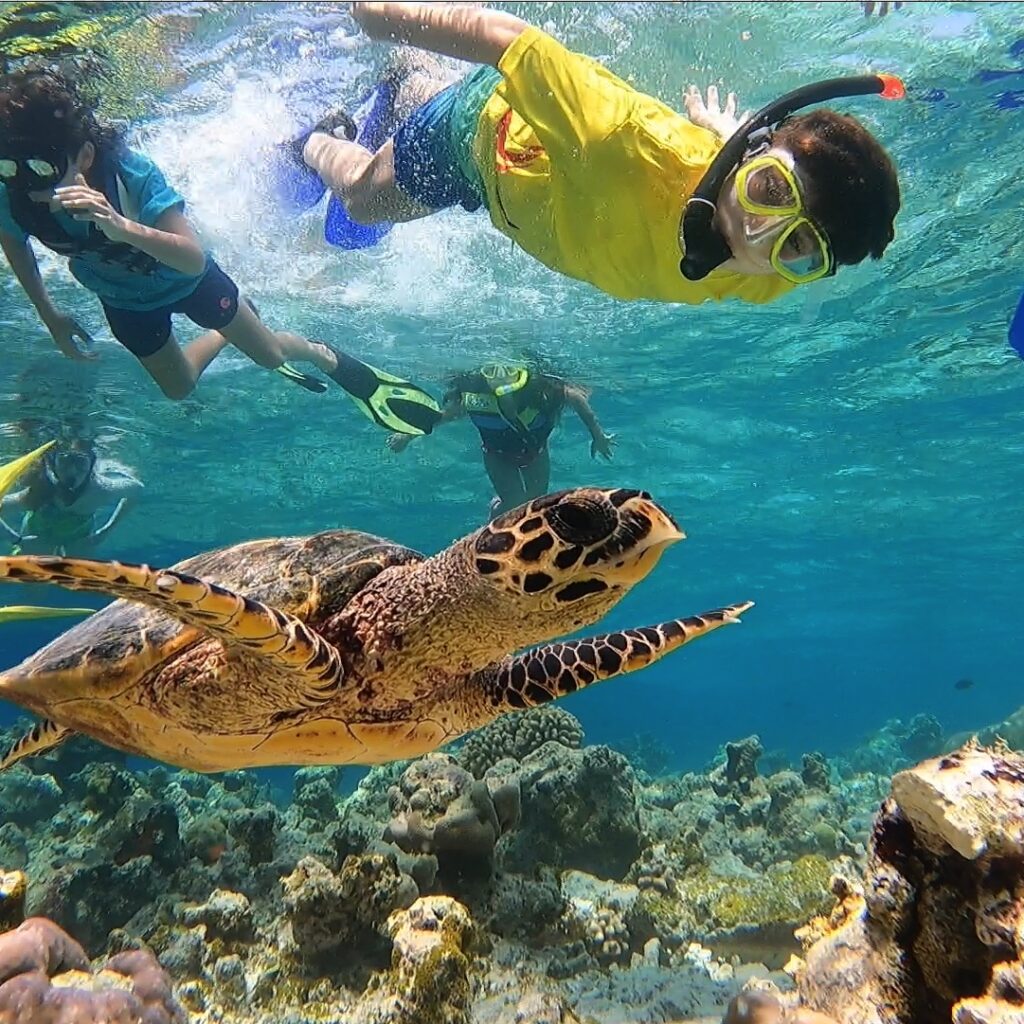
Marine conservation is more than just a fad; it is essential to the well-being of our oceans and the creatures that live there. Turtles play a crucial role in maintaining marine ecosystems, from controlling seagrass growth to ensuring coral reefs flourish by munching on algae.
Supporting conservation efforts can help protect these incredible animals and their habitats. Remember that you are a participant in the ongoing drama of ocean life fighting for a healthy planet whenever you snorkel. You are not just a spectator.
How to Reduce Your Effects
Although you may not be aware of it, the choices you make can have a long-term effect on marine life. Avoid touching the turtles (yes, even if they look cuddly! ), stay away from coral reefs, and don’t feed the wildlife—turtles eat only seafood, thank you very much—to minimize your footprint while snorkeling. Furthermore, using reef-safe sunscreen, picking up any plastic you see, and staying with your group can ensure that your aquatic adventure leaves only ripples, not scars, on the ocean floor.
What to Expect During Your Snorkeling Experience
First-Time Snorkeler Tips
So, you’re ready to dive into the world of snorkeling? Bravo to you! Before diving into the deep blue, first-timers should practice using their equipment in shallow water. Keep your movements slow and deliberate (think graceful sea turtle, not flailing fish). Remember to breathe.
It can be easy to forget in the excitement—maintaining a steady breath will keep you relaxed. Last but not least, don’t forget to don something bright so that your snorkeling buddy can find you in the sea of blue.
How to Find Things Underwater
Once you’re all geared up and gliding through the water, you’ll want to be on the lookout for the underwater treasure trove of life. In addition to Snorkeling with turtles, keep an eye out for vibrant fish schools, vibrant coral formations, and maybe even a curious octopus.
Look for hidden creatures in cracks and crevices, and don’t forget to appreciate the eerie beauty of seaweed swaying in the current. Each snorkeling excursion is like getting in free to a nature documentary, complete with surprises under the water.
About Snorkeling with Turtles
Is Snorkeling with Turtles possible?
The quick response? Yes, mostly! Snorkeling can be done by anyone, regardless of their level of experience. If you can float (and not take a dive face-first), you’re golden! Just make sure you pick places that are right for you. Some places may have age limits or require guided tours for your safety. Keep in mind that fun with the turtles should come last.
The Best Times for Snorkeling with Turtles
To maximize your chances of a turtle encounter, timing is everything. Generally, spring and summer months are prime turtle-viewing seasons, especially for nesting species like the Green Sea Turtle. However, this varies depending on the location. You will have the best chance of interacting with these magnificent creatures in the water if you conduct research on local turtle populations and their habits—trust us, they are creatures of habit.
Packages and Cost Factors
Depending on where you decide to snorkel, prices can vary greatly. Although guided tours typically include equipment rental, knowledgeable guides, and the knowledge of the best places to look for turtles, they may cost a little more. Look for half-day trips or beach equipment rentals if you’re on a tight budget. Just keep in mind that even if you have to cut back, the memories you make will be priceless.
In snorkeling with turtles is a magical experience that lets you get up close and personal with the marine life. By following the tips and guidelines outlined in this article, you can ensure a safe and enjoyable adventure while also contributing to the conservation of these magnificent creations.
FAQs
Q1. What exactly is Snorkeling with Turtles?
A guided or unguided marine activity, snorkeling with turtles allows participants to swim in the ocean’s natural habitats and observe sea turtles in their natural environment. It offers a relaxed, shallow-water experience where you can watch turtles feed, glide, and surface for air without needing scuba gear.
Q2. Is it safe snorkeling with turtles?
Yes, snorkeling with turtles is generally safe as long as you follow safety instructions, maintain respectful distance, and avoid touching marine life. Although sea turtles are gentle and non-aggressive, personal swimming ability and ocean conditions should always be taken into account.
Q3. Do I need to be able to swim well?
Basic swimming ability is typically sufficient, especially when tours provide flotation devices. It is suitable for beginners because of the calm water, but you should be able to float or paddle steadily and be comfortable in open water.
Q4. What should I bring for Snorkeling with Turtles?
Masks, snorkels, and fins are provided by most tours. However, it’s a good idea to bring reef-safe sunscreen, a sun rash guard, a waterproof camera, a reusable water bottle, and items for personal comfort like a towel or anti-fog spray for your mask.
Q5. What is the best time of day for snorkeling with turtles?
The ocean is calmer, visibility is better, and turtles are more active during feeding times in the morning. Additionally, the lighting on early tours is better for underwater photography.
Q6. Can I feed the turtles or touch them while snorkeling?
No. It’s bad for turtles to touch, feed, or chase them, and it’s often against the law. Sea turtles are protected species, so interacting responsibly is essential. Observing from a distance of at least 6–10 feet ensures ethical wildlife viewing.
Q7. What is the typical length of a excursion for Snorkeling with Turtles?
Depending on whether the excursion includes transportation, multiple snorkel stops, or guided marine education, most turtle snorkeling trips last between one and three hours.
Q8. Is it a given that sea turtles will appear on the tour?
Although wildlife sightings are never guaranteed, numerous popular snorkeling locations frequently host resident or visiting turtles. To increase the likelihood of encounters, tour guides frequently choose locations with a lot of turtle activity.
Q9. What type of sea turtles can you see while snorkeling?
Green sea turtles, hawksbill turtles, and occasionally loggerhead turtles are all common species. The local marine ecosystem and the region determine which species you will encounter.
Q10. Is snorkeling with turtles environmentally friendly?
Yes, when conducted responsibly. Ethical tours emphasize conservation, safeguard coral reefs, employ eco-friendly methods, and instruct visitors on minimizing their impact on the environment while preserving turtle habitats.
Q11. Are underwater photos allowed during the experience?
Absolutely. One of the best opportunities for underwater photography is snorkeling with turtles. Just ensure your camera is waterproof, maintain a respectful distance, and avoid blocking a turtle’s natural swimming path.
Q12. What age is suitable for snorkeling with turtles?
As long as they can swim safely and are accompanied by an adult, many tours allow children as young as six years old. To assist younger snorkelers, family-friendly tours frequently provide flotation devices.
Conclusion
Snorkeling with turtles is a peaceful, memorable, and eco-friendly adventure that connects you with the beauty of marine life in a natural and responsible way. Observing sea turtles gracefully gliding through crystal-clear waters is an experience that inspires in a way that no other activity can.
You can have a rewarding snorkeling trip that protects these amazing creatures while allowing you to enjoy unforgettable moments below the surface if you adhere to safety guidelines, select tours that are ethical, and respect the marine environment.
Add a Comment