Introduction
Spiritual pilgrimage is a profound journey undertaken by individuals seeking deeper meaning, connection, and transformation in their lives. These journeys, which are rooted in a variety of cultural and religious traditions, frequently lead pilgrims to sacred sites with significant spiritual value.
While the motivations for embarking on such quests can vary—from seeking forgiveness and healing to pursuing enlightenment—each pilgrimage offers an opportunity for introspection, growth, and renewal.
This article delves into the historical context, popular destinations, benefits, personal experiences, and changing nature of spiritual pilgrimage in today’s world of spiritual pilgrimage.
Understanding Spiritual Pilgrimage: Definition and Purpose
What Constitutes a Pilgrimage?
A Spiritual pilgrimage is a journey, often with significant spiritual or religious intent, that leads travelers to sacred sites. It’s not merely about packing your bags and hitting the road; it’s about the quest for meaning, growth, and connection to something greater than oneself. Think of it as a road trip—but instead of blasting your favorite tunes, you’re tuning into your inner self and possibly a little divine guidance.
Different Motivations for Spiritual Pilgrimage
Spiritual Pilgrimages are taken by people for a variety of reasons. Some seek physical healing, others yearn for emotional release, and many are after a deeper spiritual understanding. Whether you’re trying to shake off the daily grind, reconnect with your beliefs, or simply take a scenic route to enlightenment, there’s a pilgrimage out there just waiting for your hiking boots—or sandals.
Historical Context of Spiritual Pilgrimage Traditions
Ancient Roots of Spiritual Pilgrimage Practices
Spiritual Pilgrimages date back to ancient times, with roots in various cultures and civilizations. The Greeks trekked to the Oracle of Delphi, while the Romans made their way to temples dedicated to extravagant deities. These early travelers showed us that humans have always had a thirst for spirituality and adventure, often combining both in a delightful mix of devotion and exploration—kind of like a spiritual buffet.
Influence of Religion on Spiritual Pilgrimage
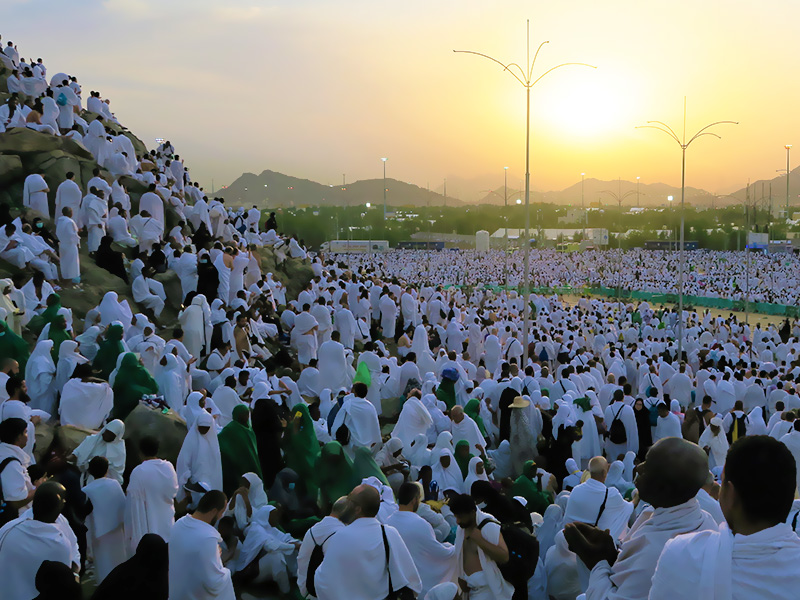
The nature and purpose of pilgrimages have been shaped by religious beliefs all over the world, from the Hajj in Islam to the Camino de Santiago in Christianity. These journeys serve as powerful expressions of faith, community, and devotion. They remind us that while the destination may be sacred, the journey is equally significant, sprinkled with lessons, rituals, and perhaps even a few blisters.
Destinations for Spiritual Pilgrims All Over the World
Major Religious Sites and Their Significance
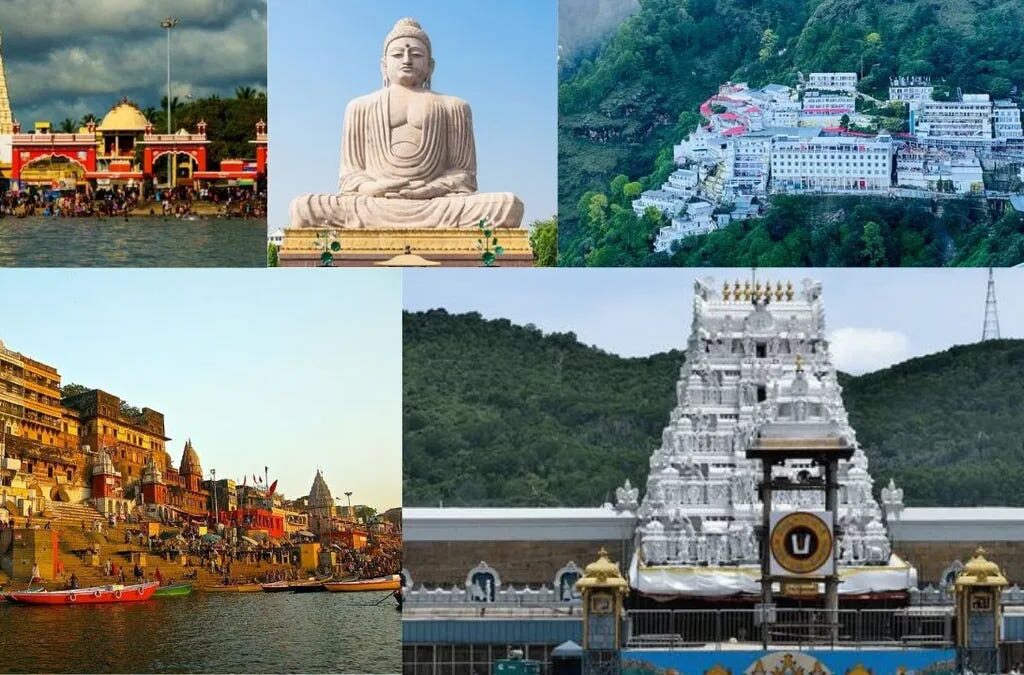
From India’s Ganges River to Jerusalem’s Western Wall, each continent has its own popular pilgrimage destinations. These sacred places draw millions, each with their unique stories and prayers. Major sites often embody centuries of history and tradition, serving as a backdrop for reflection and connection. It’s like a spiritual Disneyland—minus the roller coasters but with way more soul-searching.
Emerging Spiritual Pilgrimage Routes
In recent years, new pilgrimage routes have popped up like trendy coffee shops. From eco-pilgrimages that focus on sustainable practices to journeys centered around mental health, modern pilgrims are finding ways to mix tradition with contemporary issues. These fresh paths offer a chance to explore spirituality through modern lenses, proving that the road to enlightenment is both old and new—always evolving, just like our playlists.
The Spiritual and Psychological Benefits of Pilgrimage
Finding Inner Peace and Clarity
One of the most delightful perks of embarking on a pilgrimage is the chance to unplug from the chaos of everyday life and reconnect with oneself. The physical act of walking frequently contributes to mental clarity, whether you’re trudging through the mountains or strolling along sacred city streets. It’s like a moving meditation—perfect for those tired of sitting still while pondering life’s big questions.
Strengthening Faith and Belief Systems
Pilgrimages can serve as powerful affirmations of one’s faith. They allow individuals to reflect on their belief systems in a profound way, often reigniting a passion for spirituality. Whether you return with a renewed sense of purpose or simply some great stories to share over a cup of tea, the experience can deepen your connection to your faith, making each step a sacred act.
Preparing for a Pilgrimage: Practical Considerations
Physical and Mental Preparation
Embarking on a spiritual pilgrimage is as much a workout for the soul as it is for the body. You wouldn’t try to run a marathon without training, right? The same goes for a pilgrimage. Start by going for a walk or a hike to increase your stamina, and don’t forget to stretch to keep your muscles happy and limber. Mentally, take a moment to reflect on your intentions—what do you hope to achieve or find on this journey? It’s all about setting a spiritual compass before you hit the road.
Essential Gear and Supplies
Now, let’s talk gear, shall we? The right supplies can be the difference between a transformative experience and a camping disaster. Start with sturdy footwear; after miles of hiking, your feet will be grateful. Don’t skimp on a good backpack—think of it as your trusty sidekick.
Include essentials like a water bottle (stay hydrated!), snacks (we’re not above granola bars), a first aid kit, and a journal to capture those enlightening moments. And, if you’re feeling fancy, throw in a reusable coffee cup for your morning brews—you’ll be all set to sip in style.
Personal Narratives: Transformational Pilgrimage Experiences
Testimonies from Pilgrims
Consider the campfire tales of the wandering soul to be the stories that each pilgrim has that are worth their weight in emotions. Take Sarah, who unexpectedly found clarity about her career path while trudging through the hills of Spain, or Mark, who reconnected with his childhood faith on a quiet path in India.
Their footprints on the trail became more than just a physical mark; they were symbols of change, resilience, and discovery. Each story adds another layer to the rich tapestry of the pilgrimage experience.
Things We’ve Learned Along the Way
Pilgrimages aren’t just about the destination; they often serve up a buffet of life lessons. Each step has the potential to provide insights that will continue to be relevant long after the journey has come to an end, whether it’s realizing the beauty of patience while maneuvering through a sluggish crowd or accepting one’s vulnerability during times of solitude.
Lessons about gratitude emerge as you soak in the scenery, and unexpected friendships blossom over shared blisters. Instead of just walking a path, you end up traversing your own heart’s landscape.
The Role of Community and Shared Faith in Pilgrimage
Building Connections with Fellow Pilgrims
The beauty of a pilgrimage is that you’re rarely alone on the journey. Fellow pilgrims are like the sprinkles on your spiritual cupcake—they add flavor and texture to the experience! Whether you’re swapping stories over a campfire or sharing the burdens of a heavy pack.
These connections deepen the experience, creating a sense of unity and shared purpose. You laugh together, cry together, and sometimes even bond over the lack of decent Wi-Fi in remote areas. Remind me, how did we ever survive without our phones?
The Impact of Group Dynamics on the Experience
Pilgrimage is a unique blend of personal exploration and collective experience. As a group, you navigate the highs and lows together, and those dynamics can truly shape your adventure. Dealing with someone who insists on being the “leader”—the person who always looks three steps ahead and shouts directions like a human GPS—is sometimes necessary.
Other times, it’s the quiet observer who surprises everyone with deep wisdom during a moment of reflection. The ebb and flow of personalities can create a rich tapestry of experiences that enhances the spiritual depth of the pilgrimage.
Future Trends in Spiritual Pilgrimage: Evolution and Change
Traditional Methods Adapted to Modern Times
As the world changes, so too does the landscape of pilgrimage. Instead of following established routes, many modern pilgrims are taking non-traditional routes that align with their personal beliefs. Think yoga retreats that double as pilgrimages, or eco-conscious journeys where you leave only footprints and take only memories.
Pilgrims are putting a new spin on age-old practices—mixing meditation with mindful walking and creating a more holistic approach to spiritual exploration.
Technology’s Role in Pilgrimage Today
Ah, technology—the tool that brings us both joy and endless distraction. In the context of pilgrimage, technology is a double-edged sword. On one hand, apps can help you map your journey, find fellow pilgrims, and provide guidance on prayer or meditation practices. On the other hand, it may also tempt you to ignore the beauty around you and scroll through social media instead.
The key is balance: use tech to enhance your experience without letting it overshadow the ‘here and now’ moments that truly matter. Embrace the digital age, but remember your heart is the ultimate compass on this journey.In conclusion, spiritual pilgrimage remains a powerful avenue for individuals to explore their faith, forge meaningful connections, and experience personal transformation.
Whether traversing ancient paths or discovering new routes, pilgrims continue to seek solace and enlightenment through their journeys. The essence of pilgrimage, which is a search for understanding and connection, endures as new practices and traditions emerge, inviting everyone to embark on their own soul journeys.
FAQs
Q1. What exactly is a spiritual journey?
A spiritual pilgrimage is a deliberate trip to a holy place with the goal of deepening one’s spiritual connection, achieving transformation, healing, or enlightenment. Unlike typical travel, the focus is on inner growth, reflection, and cultivating a sense of meaning. For this reason, a lot of pilgrims go to holy places like Mecca, Varanasi, or the Camino de Santiago.
Q2. Where are the most popular locations for spiritual pilgrimages?
Some of the world’s most significant pilgrimage locations include
Mecca (Islamic Hajj and Umrah)
Bodh Gaya (a Buddhist pilgrimage site)
Camino de Santiago (Christian pilgrimage trail)
Jerusalem (Abrahamic faiths)
Mount Kailash (Hindu, Buddhist, Bon, Jain)
These destinations hold deep cultural, historical, and spiritual significance for millions of pilgrims every year.
Q3. What is the main purpose of going on a spiritual pilgrimage?
The primary purpose is inner transformation—connecting with a higher power, clarifying life direction, healing emotional wounds, practicing devotion, or finding inner peace. Many pilgrims aim to detach from routine, slow down, and reconnect with their spiritual values.
Q4. How long does a spiritual pilgrimage typically last?
A pilgrimage can last anywhere from a single day to several months. Shorter pilgrimages may involve visiting local shrines, while longer journeys—such as completing the full Camino de Santiago—often span weeks of continuous walking and contemplation.
Q5. What preparations should I make for a spiritual journey?
Preparation involves both practical and spiritual steps:
Building physical stamina
Packing appropriate clothing and essentials
Gaining an understanding of the significance of the destination to religion or culture
Establishing a precise goal for the journey
Preparing mentally for solitude, reflection, and emotional breakthroughs
Training may be required for physically demanding routes such as Mount Kailash or multi-day walking trails.
Q6. Are religious affiliations necessary for spiritual pilgrimages?
No. While many pilgrimages originate from religious traditions, individuals from any belief system—including non-religious spiritual seekers—can participate. The experience is personal and can be adapted to anyone’s values or worldview.
Q7. What are some benefits of going on a spiritual pilgrimage?
Clarity of purpose, emotional rebirth, greater mindfulness, spiritual connection, cultural immersion, and increased gratitude are all common benefits. Pilgrims often report renewed faith, reduced stress, improved mental clarity, and a stronger sense of identity.
Q8. Is a spiritual pilgrimage always physically demanding?
Not necessarily. Some pilgrimages involve extensive walking or mountain terrain, but others are accessible via transportation and require minimal physical exertion. Visiting sacred cities like Jerusalem or Varanasi can be less demanding while still offering deep spiritual experiences.
Q9. What should I pack for a spiritual pilgrimage?
Pilgrims usually bring:
Comfortable, durable walking shoes
Clothes for the weather
Journals or prayer/meditation materials
Snacks with energy and water
Personal identification and travel documents
A lightweight backpack
Minimalism is encouraged to maintain focus on spiritual reflection rather than material comfort.
Q10. Are spiritual pilgrimages safe to take alone?
Yes, numerous pilgrims travel alone. But safety varies depending on where you go. Well-established routes like Camino de Santiago offer community support, signage, and infrastructure. As with any travel, staying aware of surroundings, planning ahead, and respecting local customs enhances safety.
Q11. What is the difference between a spiritual pilgrimage and religious tourism?
A spiritual pilgrimage is intention-driven and transformative, often seeking personal or divine connection. Religious tourism, on the other hand, often focuses more on sightseeing, cultural exploration, or historical interest. The difference lies in the depth of inner purpose and the pilgrim’s mindset
Q12. Can a pilgrimage be done digitally or locally?
Yes. Modern seekers often engage in local pilgrimages to nearby sacred sites or participate in virtual pilgrimages, exploring spiritual destinations online through guided meditations, livestreamed rituals, or reflective practices. These alternatives provide accessible options for individuals with mobility or travel limitations.
Conclusion
A spiritual pilgrimage is more than a journey—it is an inner transformation shaped by sacred landscapes, cultural traditions, and personal intention. Whether you travel great distances to revered sites like Bodh Gaya or undertake a simple local retreat, the experience invites clarity, mindfulness, connection, and renewal. By preparing thoughtfully and embracing the journey with openness, pilgrims can return with deeper purpose, emotional healing, and a richer appreciation for the spiritual dimensions of life.
Add a Comment