Introduction
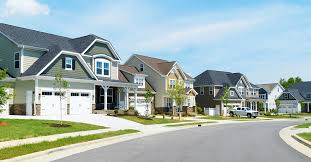
Suburbs, often characterized by their family-oriented communities, spacious homes, and proximity to urban centers, have played a pivotal role in shaping modern living. Emerging in the 19th century and rapidly expanding in the post-World War II era, they have become synonymous with the American Dream for many, offering a contrast to the hustle and bustle of city life.
However, despite the fact that they offer numerous advantages like affordability, space, and access to nature, they also face difficulties like environmental issues, social isolation, and the complications of urban sprawl.
This article delves into the essence of suburban life, exploring its historical evolution, advantages and drawbacks, architectural trends, and future developments, while highlighting notable suburbs from around the globe.
Definition and Characteristics
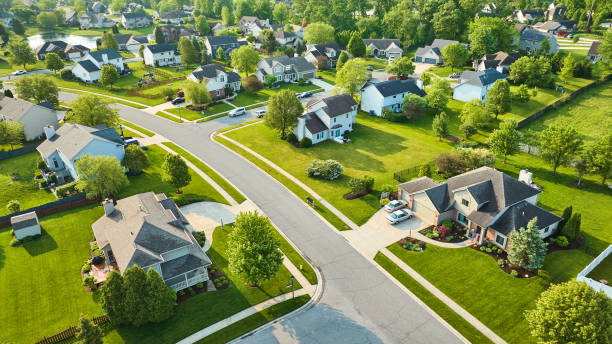
Suburbs are the charming little patches of land that sit just outside the hustle and bustle of urban areas, often characterized by lower population density, residential neighborhoods, and a more laid-back lifestyle.
They’re like warm blankets that wrap around big cities to provide space and comfort. They typically feature single-family homes, yards, and shopping centers, creating a perfect balance between urban convenience and rural tranquility.
Urban vs. Suburban Landscapes
Urban landscapes are high-octane with skyscrapers, crowded sidewalks, and the omnipresent sound of honking cars. On the other hand, in suburbs, the chaos is replaced by front porches, tree-lined streets, and the distant sounds of children playing.
They tend to prioritize quiet evenings, backyard barbecues, and the occasional block party, whereas cities frequently have a plethora of cultural and nightlife options. Similar to the difference between a lively dance club and a cozy coffee shop, which both have their charms but cater to distinct moods, this is the case.
Demographics of Suburban Residents
Suburban residents often include families, young professionals, and retirees seeking a peaceful lifestyle. Many are drawn to the allure of more space and a sense of community, where neighbors actually know each other’s names (and where the best pizza is).
They demographic composition can change depending on how close it is to the city. Some areas have a diverse population while others stay more homogenous.
Common Features of Suburbs
Homes in suburban areas often have yards, schools, and parks, all of which are important for raising families. Shopping centers, chain restaurants, and coffee shops pop up like daisies, providing the necessities for everyday living.
Sidewalks and bike paths invite strolls and rides, while community centers and local events keep boredom at bay. In short, they are designed with family-friendly functionality in mind, making them a popular option for many.
The development of suburbia over time
The roots of suburbia can be traced back to the 19th century, when industrialization prompted people to seek refuge from the congested cities. As towns began to sprout around urban centers, the concept of “living outside the city” took off, allowing residents to enjoy fresh air and a sense of community, separated from the smoke and smog of industrial life.
The Origins of Suburban Living
Early suburbs emerged as the wealthy fled cities to escape grime and crowding, seeking idyllic retreats with sprawling gardens and picturesque views. Think of them as the original “escape rooms” of the 19th century, complete with manicured lawns instead of escape puzzles.
As transportation expanded—thanks to trains and streetcars—more people could relocate to these leafy havens and commute to work, firmly establishing the suburb as a desirable living option.
Post-War Suburban Boom
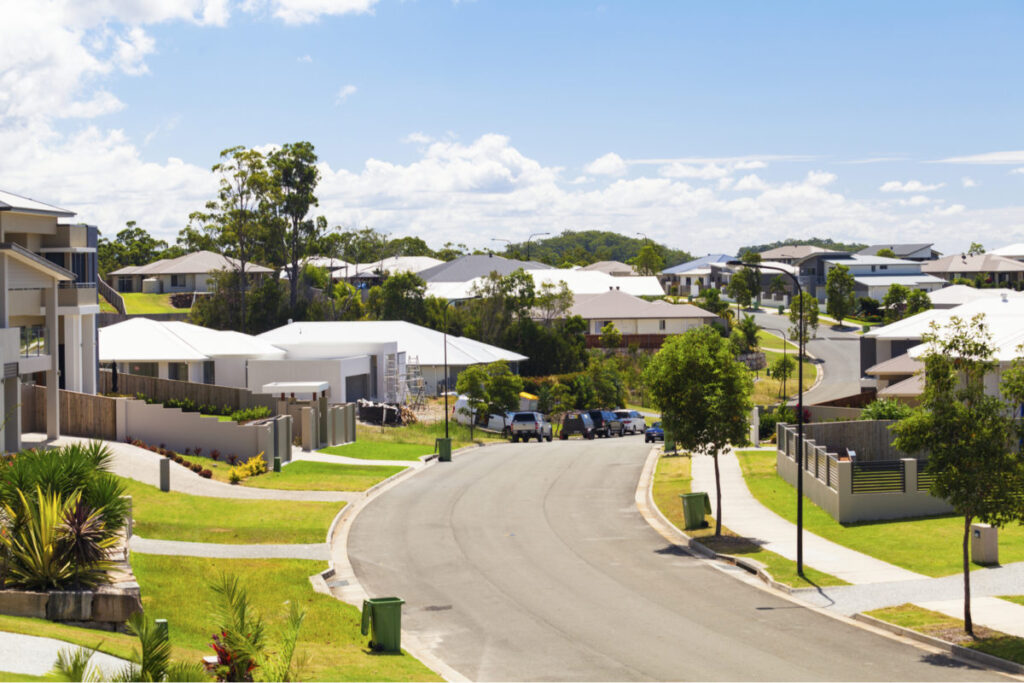
Fast forward to the post-World War II era, when returning soldiers and their families jumped on the suburban bandwagon like it was the hottest trend of the time (it basically was). Thanks to affordable housing, the GI Bill, and the rise of the automobile, suburbs exploded in number and size.
Cookie-cutter homes sprang up in record time—welcome to the land of beige siding and manicured lawns, where every neighbor had a lawnmower with the same brand.
Evolution Through the Decades
Suburbia has continued to evolve, with many areas transforming from sleepy homesteads into vibrant communities filled with shopping, entertainment, and cultural amenities. The late 20th and early 21st centuries have seen mixed-use developments and a rise in diverse populations, as younger generations seek lively atmospheres and convenience, proving that even suburbs can enjoy a little pizzazz.
Advantages of Living in Suburbs
Living in the suburbs comes with a treasure trove of perks that appeal to a variety of lifestyles. Space? Check. a sense of community? Double-check. It’s like having both your cake and your cake.
Space and Affordability
The sheer amount of space available is one of the most appealing aspects of living in the suburbs. Homes are typically larger than their urban counterparts, often boasting backyards made for epic summer barbecues and cozy winter bonfires.
Plus, prices tend to be more wallet-friendly, allowing families to stretch their dollars farther without compromising on comfort—who wouldn’t want to trade a shoebox apartment for a yard where kids can run free?
Family and Community Life
They offer a sense of community that can be hard to find in the big city. Neighbors often bond over school events, community picnics, and the occasional Block Watch meeting. This sense of togetherness is perfect for families looking to build lasting friendships and engage with their surroundings.
It’s a lifestyle where everyone can wave hello (and possibly borrow sugar) without the fear of awkward encounters in the elevator.
Access to Nature and Recreational Areas
Nature enthusiasts rejoice! Most suburbs come equipped with parks, hiking trails, and open spaces, giving residents the chance to reconnect with the great outdoors. Whether it’s a leisurely stroll through a park or a weekend family outing at a nearby lake, suburbs offer ample opportunities for outdoor activities. In a world increasingly glued to screens, having access to nature can be a breath of fresh air—literally.
Challenges and Criticisms of Suburban Life
The challenges of suburban life outweigh the numerous benefits. The following are a few complaints that people who have moved away from the urban landscape may have.
Car Dependency and Transportation Issues
They often require cars for just about everything, from grocery runs to school drop-offs. While the open roads may initially seem inviting, the reliance on automobiles can lead to traffic congestion and long commutes—cue the frustration. Public transportation options may be limited, leaving some residents feeling a bit stranded in their own neighborhood.
Environmental Concerns and Urban Sprawl
The expansion of suburban areas often comes at a price—namely, environmental degradation and urban sprawl. As more land is cleared for development, natural habitats are sacrificed, leading to concerns about biodiversity and conservation. It’s a classic case of growth versus sustainability—how much suburbia is too much?
Social Isolation and Lack of Diversity
Some critics argue that suburban life can feel isolating, especially in communities with homogenous populations. The distance between neighbors, combined with an emphasis on car culture, can lead to a lack of social interaction and a sense of disconnection. Without the vibrant diversity often found in urban areas, some suburbs may lack the cultural richness that fosters community spirit.

Suburban Architecture and Design Trends
Typical Suburban House Styles
Suburban houses are the Kardashians of residential architecture—inoffensive, yet oddly ubiquitous. You’ll typically find Ranch-style homes, boasting sprawling single stories perfect for lazy Sunday mornings. Then, there are the ever-popular Cape Cods, bringing a touch of New England charm to the block.
Don’t forget the contemporary two-story Colonials, standing tall with their refined symmetry, like they just stepped out of a Netflix rom-com. Each style is a minor character in the grand narrative of suburban living, offering variety while still clinging to a sense of conformity.
Land Use and Zoning Regulations
Ah, zoning regulations—the administrative equivalent of a strict school principal. They dictate everything from how high you can build to whether you’re allowed a flamingo in your front yard. They often comprise a patchwork of residential, commercial, and sometimes industrial zones, each with its own set of rules.
These regulations help maintain order but can make planning a new coffee shop or backyard chicken coop feel like navigating a bureaucratic maze. It’s a delicate dance between providing space for homes, businesses, and that inexplicable need for multiple car washes.
Innovations in Sustainable Suburban Design
With great power (and lots of concrete) comes great responsibility! Like a warm blanket on a cold day, they are beginning to embrace sustainable design. Think solar panels on roofs and rain gardens filled with native plants that help drain stormwater—Mother Nature is sending a thank-you card.
Community planners are also in favor of mixed-use developments that make it less necessary to drive because who doesn’t want to stroll to the grocery store in comfort? Green suburban living is the way of the future, showing that you can have your picket fence and save the planet at the same time.
The Role of Suburbs in Urban Planning
Integration with Urban Centers
They are like that middle child in a family—often overlooked but crucial for balance. They act as a buffer between the bustle of the city and the peace and quiet of the countryside. Urban centers rely on suburbs to house the workforce, ensuring that folks have a place to rest their heads after a long day of navigating city streets. The integration is frequently evident in commuter patte.
FAQs
Q1. What is a suburb?
It is a residential area located on the outskirts of a city or urban center. The separation of central business districts, a higher proportion of single-family homes, and a lower population density are typical characteristics. They often serve as commuter communities while maintaining local schools, services, and amenities.
Q2. How is a it different from a city or rural area?
Cities usually have high population density, extensive public transit, and concentrated commercial activity. Rural areas feature sparse populations and limited infrastructure. They fall in between, offering residential stability, moderate infrastructure, and access to urban employment without the intensity of city living.
Q3. Why do individuals choose to reside in it?
People often choose it for reasons such as:
More living space and quieter neighborhoods,
Access to community facilities and schools in the area,
Lower congestion compared to urban cores,
Balance between privacy and proximity to city jobs
Lifestyle preferences and long-term housing goals play a significant role in suburban migration.
Q4. Are only homes in suburbs?
While primarily residential, modern often include shopping centers, office parks, healthcare facilities, and recreational areas. Many of them are evolving into mixed-use communities that reduce dependence on city centers for daily needs.
Q5. How do commute patterns change in it?
Living often involves commuting to nearby cities for work. This can increase reliance on personal vehicles, though some suburbs are now integrating public transportation, park-and-ride systems, and remote-work infrastructure to reduce commute strain.
Q6. What are the economic characteristics?
Suburban economies typically rely on:
Residential property markets
The local service and retail sectors * Small to mid-sized businesses
Employment linked to nearby urban areas
Economic stability in suburbs often correlates with housing demand and regional job availability.
Q7. How do they impact community life?
Suburbs often foster localized community engagement through schools, neighborhood associations, sports leagues, and civic events. This structure can encourage social interaction within smaller, more stable populations compared to transient urban environments.
Q8. Are they environmentally sustainable?
Traditional suburbs can contribute to land expansion and car dependency. However, newer suburban planning models emphasize green spaces, walkability, energy-efficient housing, and smarter zoning to improve environmental sustainability.
Q9. How have they changed over time?
They have evolved from uniform residential zones into diverse, multifunctional areas. Today they may feature cultural centers, employment hubs, and higher-density housing, reflecting changing demographics and urban planning priorities.
Q10. What should someone consider before moving to a suburb?
The length of the commute, the infrastructure in the area, the cost of housing, access to services, and long-term development plans are all important factors to take into account. Evaluating how they aligns with lifestyle needs and future growth expectations is essential.
Conclusion
Suburbs represent a dynamic middle ground between urban intensity and rural openness, offering residential comfort, community structure, and access to metropolitan opportunities. As population patterns and planning strategies evolve, they continue to adapt—becoming more diverse, connected, and multifunctional. People, planners, and businesses can make better decisions about living, development, and long-term sustainability when they know what a suburb is and how it works.
Add a Comment