Introduction
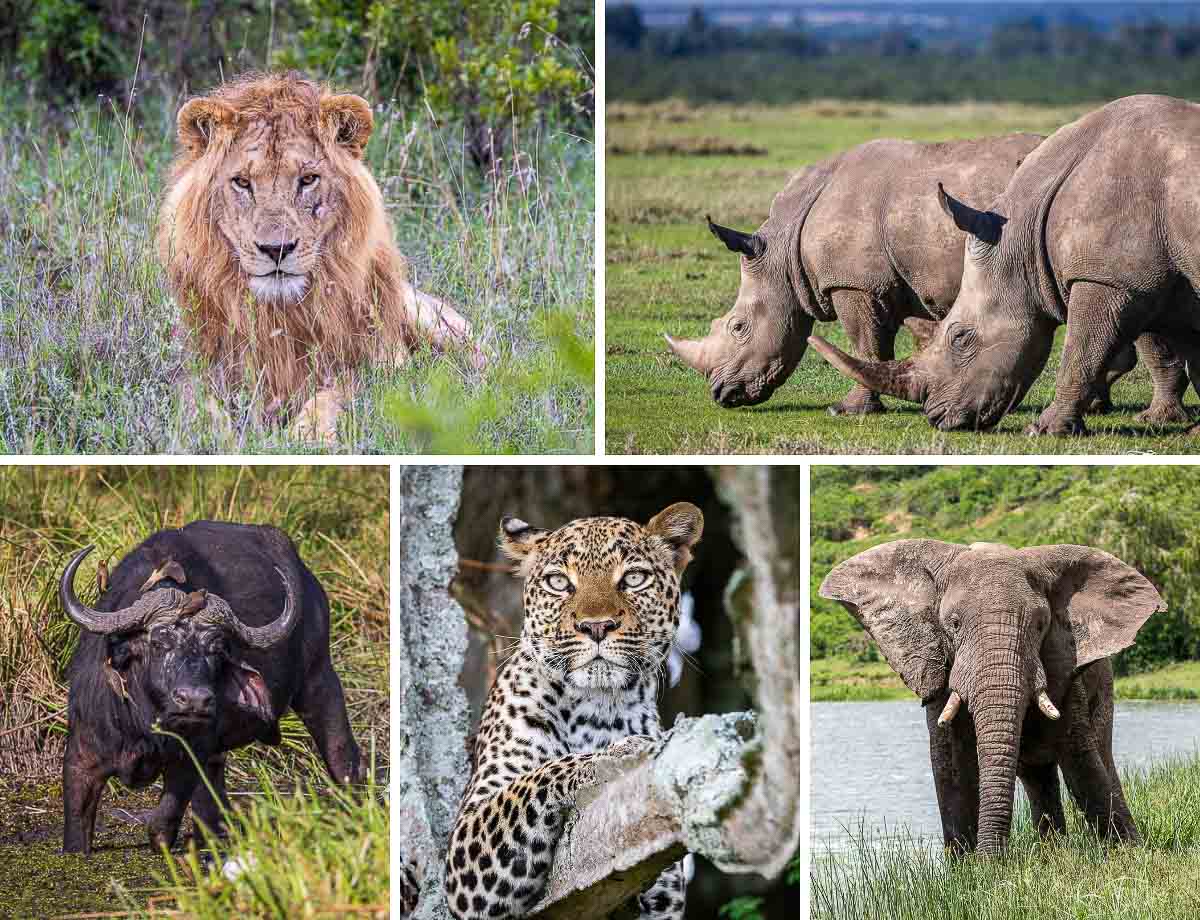
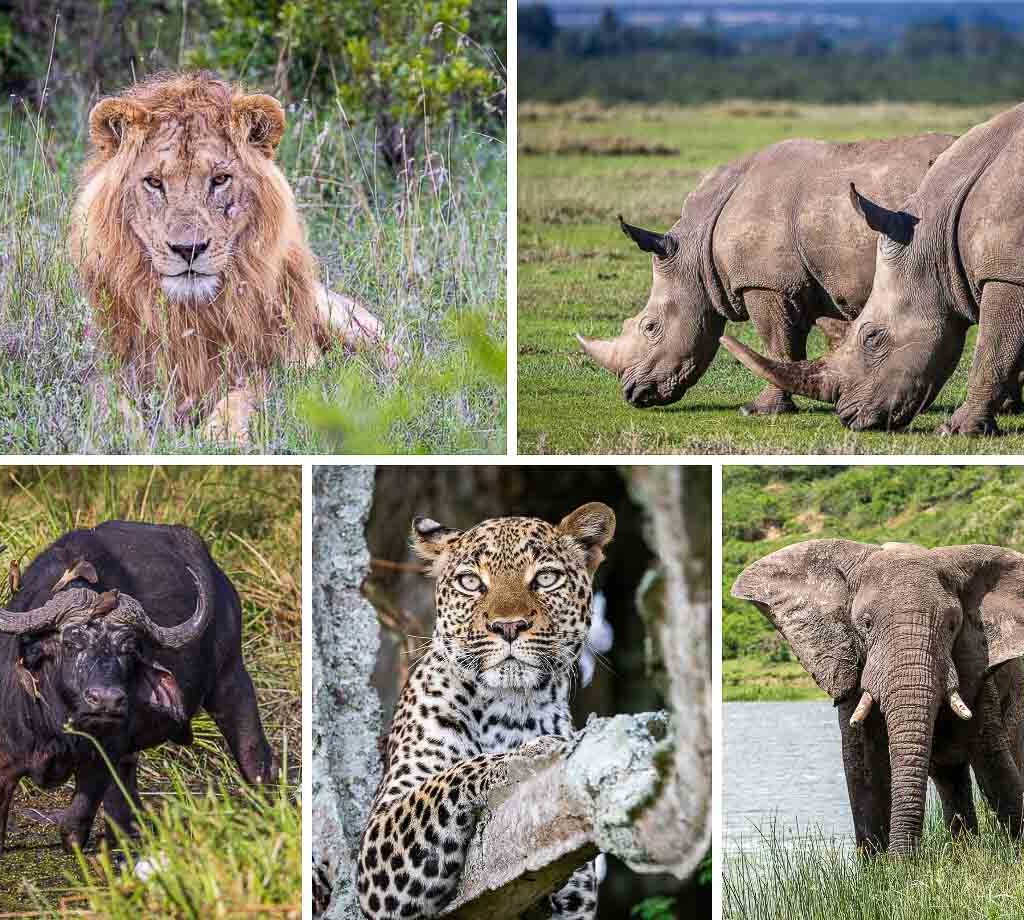
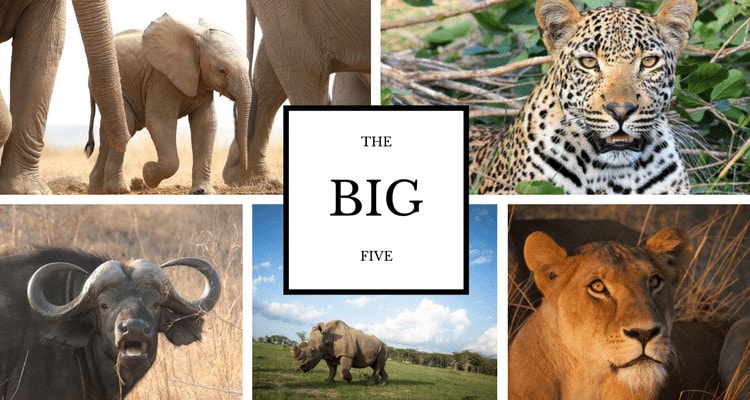
The term “Big Five” originally referred to the five most challenging animals to hunt on foot in Africa: the lion, leopard, rhinoceros, elephant, and Cape buffalo. Today the big five animals, however, it encompasses more than just a set of trophies; these majestic creatures symbolize the rich biodiversity of the African savannah and play a crucial role in maintaining the ecological balance of their habitats.
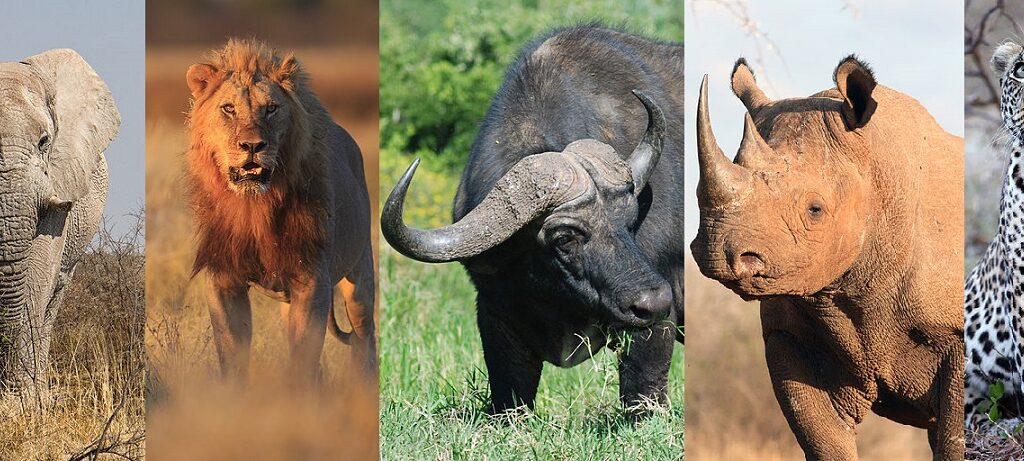
Each of the Big Five animals possesses unique characteristics and behaviors that not only captivate wildlife enthusiasts and tourists but also underscore the urgent need for conservation efforts. Understanding and protecting these iconic species has never been more important as their existence is increasingly threatened by human activities.
The significance of each of the Big Five animals, their role in the ecosystem, and the ongoing challenges they face in a world that is changing quickly will be the focus of this article.
A Brief History of the Big Five Animals
The Big Five animals isn’t just a catchy phrase used to draw in tourists—it’s a term that refers to the five most iconic and sought-after animals to see on an African safari: the lion, elephant, leopard, rhinoceros, and Cape buffalo.
These magnificent creatures have captured our imagination for centuries and are often celebrated for their beauty, power, and unique characteristics. However, the Big Five animals ecological, cultural, and economic significance outweighs their attractiveness, making their preservation a top priority for environmentalists and wildlife enthusiasts alike.
Significance and Definition
The term “Big Five” originated during the colonial era when big-game hunters deemed these animals the most challenging to hunt. However, the current focus has shifted to ensuring their survival in the wild and the preservation of their habitats.
Each of the Big Five Animals contributes to the natural balance and supports biodiversity in their respective ecosystems. In a nutshell, they are the animal kingdom’s rock stars who require our attention and protection.
Background and context
The activities of hunters and explorers who were looking for adventure—and bragging rights—in the African wilderness were largely responsible for the rise of the Big Five animals to prominence in the late 19th and early 20th centuries. As hunting regulations intensified and wildlife conservation efforts emerged, the narrative began to shift.
Rather than merely targets for sport, the Big Five Animals became symbols of conservation and the need to protect Africa’s rich biodiversity. The Big Five animals are now not only icons of the past but also a beacon of hope for a sustainable future for wildlife and local communities in this age of ecotourism.
The Lion: King of the Savannah
Lions have long held the title of the “King of the Savannah,” and for good reason. These large cats exemplify strength and grace with their majestic manes and loud roars. They live in prides that are led by a dominant male and consist of related females and their cubs. They are social animals. When it comes to hunting and safeguarding their territory, which can span up to 100 square miles, their cooperative way of life gives them an advantage.
Physical Characteristics
Male adult lions can weigh anywhere from 330 to 550 pounds, while females can weigh anywhere from 260 to 400 pounds. In addition to being a fashion statement, their impressive manes and recognizable golden fur serve as a status symbol for other lions. In case you thought the neighbors were getting too quiet, a lion’s roar can be heard up to five miles away.
Social Behavior and Structure
Social creatures by nature, lions live in groups called prides, usually consisting of several related females, their cubs, and one or two males. This social structure fosters cooperation, especially during hunting and rearing the young. Because teamwork makes the dream work, even in the wild, female lions hunt for the majority of their prey together.
Role in Ecosystem
As apex predators, lions play a crucial role in maintaining the balance of their ecosystems. They assist in regulating the growth of vegetation and ensure the flourishing of diverse ecosystems by controlling populations of herbivores. In their absence, overpopulation of prey species can lead to habitat degradation—a little reminder that even in nature, every role is essential.
The African Elephant: Gentle Giant
The African elephant is the largest land mammal on Earth, a gentle giant with an enormous presence. These intelligent creatures are renowned for their impressive size and complex social structures, making them a marvel to behold in the wild.
Subspecies and Species-Areas
There are two primary species of African elephants: the African bush elephant and the African forest elephant. The bush elephant, as the name suggests, roams the savannahs, while the more elusive forest elephant lives in dense jungles. Each species has adapted to its environment, with the bush elephant sporting larger ears and tusks, while forest elephants are smaller and often more agile.
Social Bonds and Intelligence
Elephants are among the most intelligent animals, displaying remarkable problem-solving skills, empathy, and communication. Their social structures are matriarchal, with older females leading family groups. Mothers exhibit deep emotional connections with their offspring, often mourning the loss of family members—a testament to their profound social bonds and emotional depth.
Threats and Conservation Status
Despite their grandeur, poaching, habitat loss, and human-wildlife conflict pose serious threats to African elephants. The illegal ivory trade remains a significant issue, fueled by demand for elephant tusks. Conservation efforts are critical to protecting these magnificent creatures, with organizations working tirelessly to combat poaching and promote sustainable practices.
The Leopard: Master of Camouflage
Leopards are the ultimate blend of elegance and stealth. With their distinctive spotted coats, these big cats are the undisputed masters of camouflage, allowing them to blend seamlessly into their environments and stalk prey with remarkable precision.
Adaptations and Hunting Techniques
Leopards possess a unique set of adaptations that make them expert hunters. They are able to protect their prey from scavengers by dragging it up into the trees with their powerful limbs, which enables them to have impressive climbing skills. With a diet that varies from small antelope to birds, leopards are opportunistic feeders, showcasing their versatility in the wild.
Habitat and Distribution
From savannahs to rainforests, leopards are incredibly adaptable and can thrive in a variety of habitats across Africa and parts of Asia. Their ability to survive in a variety of environments demonstrates their survival skills, enabling them to remain elusive even in areas where humans have taken over.
Conservation Challenges
Despite their adaptability, leopards face significant challenges, including habitat loss, poaching, and conflicts with humans. As they vie for space in increasingly urbanized landscapes, efforts to protect their habitats and promote coexistence are vital. The preservation of these stunning cats in the wild is made possible by conservation initiatives that raise public awareness and involve local communities.
The Cape Buffalo: The Fearless Herdsman
Social Behavior and Structure
The Cape buffalo is like that friend who always has your back in a tough situation. They travel in herds, often comprising dozens of individuals, and are known for their strong social bonds. Each herd is typically led by a dominant female, while bulls often form bachelor groups. They communicate through a variety of vocalizations, body language, and even facial expressions—who knew buffalos could be so expressive?
Defensive Strategies
The Cape buffalo really knows how to strike hard in self-defense. They are famous for their fierce protective instincts, especially when it comes to their young. If a predator dares to confront a herd, they’ll band together, forming a defensive circle with the calves in the center. It resembles a fluffy fortress made of horns and hooves, prepared to eliminate anything that attempts to disrupt the celebration.
Economic Importance to Local Communities
Cape buffaloes are not only iconic, but they also contribute significantly to the economy. They supply local communities with meat, hides, ecotourism, and tourism. Visitors from all over the world flock to safaris that focus on these magnificent creatures, bringing in revenue that helps communities grow and conservation efforts. So, the next time you see a buffalo, keep in mind that it’s more than just the Big Five Animals; it also plays a big role in the economy of the area.
The Armored Beast: The Rhinoceros
Overview and Characteristics of the Species
The living tank of nature is the rhinoceros. With thick skin that resembles armor and impressive horns—some can grow over three feet long—these massive creatures command respect. The black and white rhinos of Africa and the Indian, Javan, and Sumatran rhinos of Asia are among the Big Five Animals species of rhinos. Although they may look gruff, they have quite a delicate side, often enjoying mud baths to regulate their body temperature and protect their skin.
Role in the Ecosystem
Rhinos are not just big, grumpy herbivores; they play a crucial role in their ecosystems. They help other species thrive in their habitats by grazing and helping to maintain a healthy balance of plant life. They spread seeds and make paths for smaller animals as they move through the landscape, which helps to increase biodiversity. Think of them as nature’s gardeners, but with a much tougher exterior.
Conservation Efforts and Poaching Threats
Sadly, rhinos face significant threats from poaching, driven by demand for their horns in traditional medicine and as status symbols. Conservation efforts are ramping up, with various organizations working to protect these magnificent beings. Initiatives for community education, habitat restoration, and anti-poaching patrols are all on the table. But it’s a constant struggle against the black market.
FAQs
Q1. Which animals make up the Big Five Animals?
The term ” The Big Five animals” refers to five well-known species of African wildlife that were once thought to be the most difficult and dangerous to hunt on foot. The Big Five Animals include the African Lion, African Elephant, Cape Buffalo, African Leopard, and Rhinoceros (specifically the black and white rhino species). Today, the term is widely used in wildlife tourism and safaris to describe the most sought-after animals to observe in their natural habitats.
Q2. Why are they called the “the Big Five Animals”?
The name “the Big Five Animals” originated during the colonial hunting era in Africa. It wasn’t about how big the animals were, but rather about how hard and dangerous it was to hunt them on foot. Due to their strength, speed, intelligence, and unpredictable behavior, early hunters considered these five animals to be the most challenging. In modern times, the term has shifted from hunting to conservation and wildlife viewing.
Q3. Where can tourists view the Big Five Animals in their natural habitat?
Sub-Saharan Africa is where the majority of the Big Five animals can be found, especially in national parks and game reserves. Kruger National Park in South Africa, Serengeti National Park in Tanzania, Masai Mara National Reserve in Kenya, and Okavango Delta in Botswana are among the most well-liked vacation spots. Guided safaris can be booked in these areas to increase your chances of seeing all five species.
Q4. Are any of the Big Five Animals endangered?
The conservation of some of the Big Five Animals species is severely challenged. Poaching, for instance, has had a significant impact on Black Rhinoceros populations, while ivory trafficking and habitat loss pose threats to African Elephant populations. Protected reserves, anti-poaching patrols, and conservation efforts are crucial to the preservation of these animals for future generations.
Q5. Which Big Five animal is the most dangerous?
The Cape Buffalo is frequently regarded as one of the most unpredictable and aggressive of the Big Five animals, despite the fact that all of them can be dangerous when provoked. It has a reputation among safari guides for charging when threatened due to its powerful build and defensive nature. However, when humans enter their territory, each of the Big Five species can pose a threat.
Q6. Can one safari trip take tourists to all five of the Big Five Animals?
Yes, it is possible to see all five animals on a single safari trip at many locations. However, the location, season, and patterns of animal movement all play a role in sightings. In particular, Kruger National Park and Masai Mara National Reserve are well-known for their excellent chances of meeting all of the Big Five Animals.
Q7. What is the difference between the Big Five Animals and other safari animals?
The Big Five are mostly historical and symbolic names. Other remarkable species, such as the “Cheetah,” “Giraffe,” and “Zebra,” which are equally fascinating but were not included in the original classification of hunting, can be found in Africa. Instead of focusing solely on these five animals, modern safaris emphasize observing the ecosystem as a whole.
Q8. When is the ideal time to view the Big Five Animals?
The best time to see the Big Five often depends on the specific region. Because animals congregate around water sources and the vegetation is less dense during the dry season, many African safari destinations offer better wildlife viewing opportunities. For example, the dry months in Kenya and Tanzania typically provide excellent visibility for safari travelers.
Q9. What is the significance of the Big Five Animals for wildlife tourism?
The Big Five animals are now a major draw for tourists interested in African wildlife. They draw millions of visitors each year, supporting conservation programs, local communities, and national park systems. Responsible safari tourism raises awareness about biodiversity and environmental sustainability and contributes to funding for wildlife conservation.
Q10. Promoting the Big Five Animals in contemporary wildlife tourism is it ethical?
Although the term was first used in hunting culture, it has since developed into a conservation-oriented idea. Today, ethical safari operators place an emphasis on respectfully observing wildlife, preserving habitat, and participating in the community. Promoting the Big Five can generate funding for endangered species and their ecosystems and raise global awareness.
Conclusion
The Big Five animals—the African Lion, African Elephant, Cape Buffalo, African Leopard, and Rhinoceros—represent some of the most legendary wildlife species on Earth. These animals are now a symbol of the beauty, power, and variety of Africa’s natural ecosystems, despite the fact that they were once associated with the difficulties of hunting big game.
For modern travelers, spotting the Big Five on safari is not just a thrilling experience but also an opportunity to support conservation efforts and appreciate the delicate balance of wildlife habitats. As responsible tourism continues to grow, protecting these iconic animals ensures that future generations can witness the same awe-inspiring wildlife encounters in Africa’s vast landscapes.
Add a Comment