Introduction
What is a ferry, so as we know that Ferries play a crucial role in connecting communities separated by water, offering a practical way for people, vehicles, and goods to move between shores. They have existed in one form or another since ancient civilizations began settling near rivers and coastlines. Over time, ferry systems have matured into sophisticated operations, shaped by advances in engineering and evolving travel demands.
Today it is important to know that what is a ferry, often we used to be understood about that the ferries remain essential across many regions, providing reliable mobility while supporting environmental goals. This article explores what ferries are, how they work, the varieties that exist, their historical origins, and where the industry may be heading in the years ahead.
Definition of a Ferry
What Counts as a Ferry?
What is a ferry, Basically A ferry is a waterborne vessel created to transport passengers, goods, or vehicles across a stretch of water on a repeated, scheduled basis. Think of it as a form of public transit—only the road happens to be liquid. These vessels vary tremendously in scale, from compact boats that shuttle people across narrow rivers to massive ships designed to move thousands of travelers along with rows of cars and trucks.
How Ferries Differ from Other Boats
Unlike leisure boats or long-distance ships, ferries serve short, predictable routes and operate frequently, connecting two fixed points. Their purpose is utility rather than exploration: efficient, punctual crossings rather than extended voyages. If traditional boats are road-trip vehicles, ferries are more like dependable city buses gliding across water.
Types of Ferries
Passenger Ferries
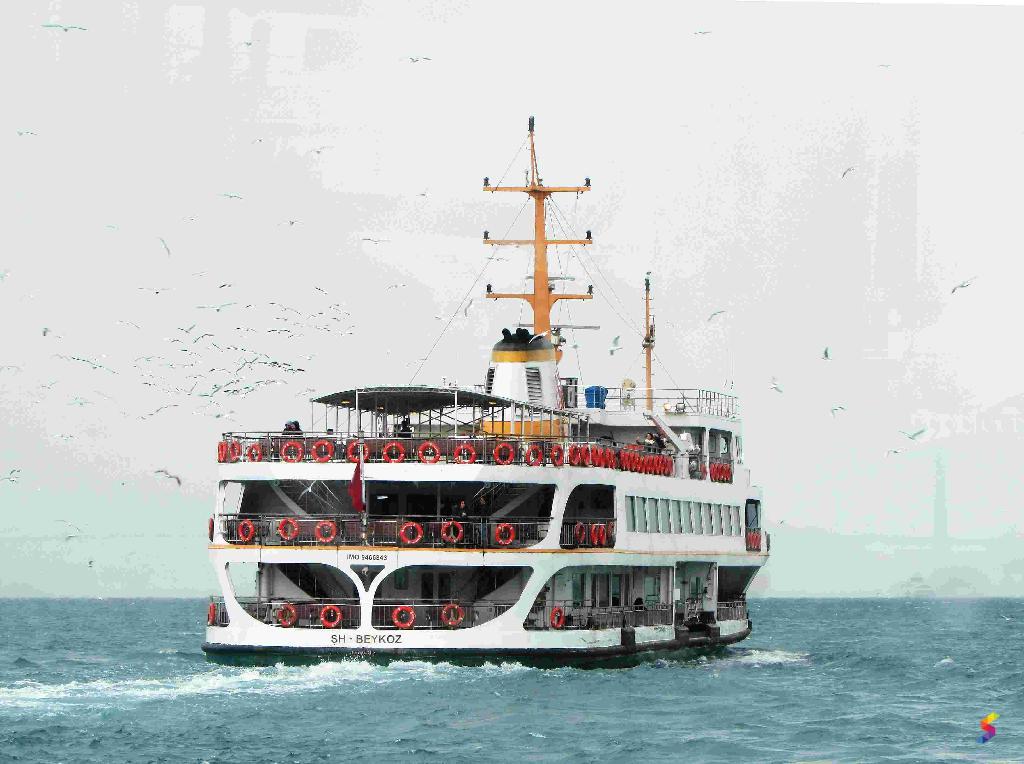
Passenger ferries cater exclusively to people, offering seated areas, observation decks, and in some cases snacks or refreshments. They’re ideal for short commutes or scenic crossings where the journey itself becomes part of the experience.
Vehicle Ferries
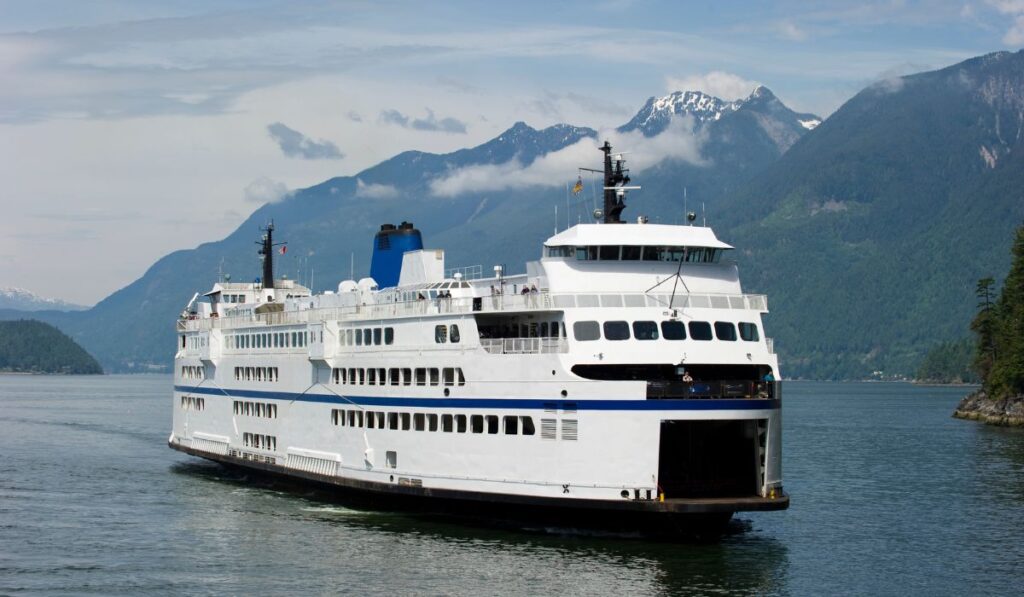
These ferries are built with onboard lanes for everything from bicycles to heavy trucks. They allow travelers to bring their own transportation along, making them especially useful for island communities or regions where road connections are limited.
High-Speed Ferries
High-speed ferries use powerful engines and streamlined hulls to reduce travel time significantly. Designed for efficiency, they appeal to commuters and travelers who prefer speed over traditional leisurely crossings.
Hybrid and Electric Ferries
As sustainability becomes a priority, many operators are adopting hybrid or fully electric vessels. These ferries rely on clean power systems that cut emissions and reduce noise, representing an important shift toward environmentally responsible marine travel.
History about what is a Ferry
Origins in Early Civilizations
What is a ferry! Long before modern ships existed, early societies used simple rafts, dugout canoes, and wooden boats to traverse waterways. Civilizations such as the Egyptians and Greeks relied heavily on early ferry systems for commerce, communication, and daily travel, so it enough to know about what is a ferry and let it e cleared also.
Advances in Ferry Technology
Industrial-era innovations transformed ferry operations. Steam power introduced speed and reliability, while later technological developments—diesel engines, steel hulls, radar, and computerized navigation—helped ferries become larger, safer, and more efficient.
Contemporary Ferry Services
What is a ferry, it is a Modern ferry networks combine traditional marine practices with digital conveniences. Passengers can track vessels in real time, purchase tickets online, and enjoy upgraded onboard services. Many companies also prioritize sustainability by updating fleets and optimizing routes.
How Ferries Operate
Design and Construction
Ferries are engineered to handle heavy loads, frequent docking, and varying weather conditions. Their hulls, decks, and structural supports are built to maintain stability, while interiors are arranged to move passengers and vehicles safely, so this is all all about what is a ferry.
Navigation and Safety
Ferry navigation uses tools such as radar systems, GPS, communication equipment, depth sensors, and skilled crew members who follow rigorous maritime safety procedures. Emergency equipment and regular drills ensure preparedness.
Boarding and Disembarking
Managing the flow of people and vehicles requires coordination between crew members and passengers. Organized queuing, designated lanes, and strict instructions ensure smooth and timely loading and unloading.
Key Benefits of Ferries
Cost-Effective Travel
Ferries often provide an affordable alternative to bridges, tunnels, or long road detours. They can also help travelers save money on fuel or tolls.
Environmental Benefits
When operating at capacity, ferries generally produce fewer emissions per passenger than cars or airplanes. Eco-friendly vessels further minimize environmental impact clears the confusion of what is a ferry.
Convenience and Accessibility
Ferries open access to destinations that might be difficult or impossible to reach by road. Travelers also get the added bonus of scenic views and a relaxed atmosphere.
Popular Ferry Routes Around the World
North America
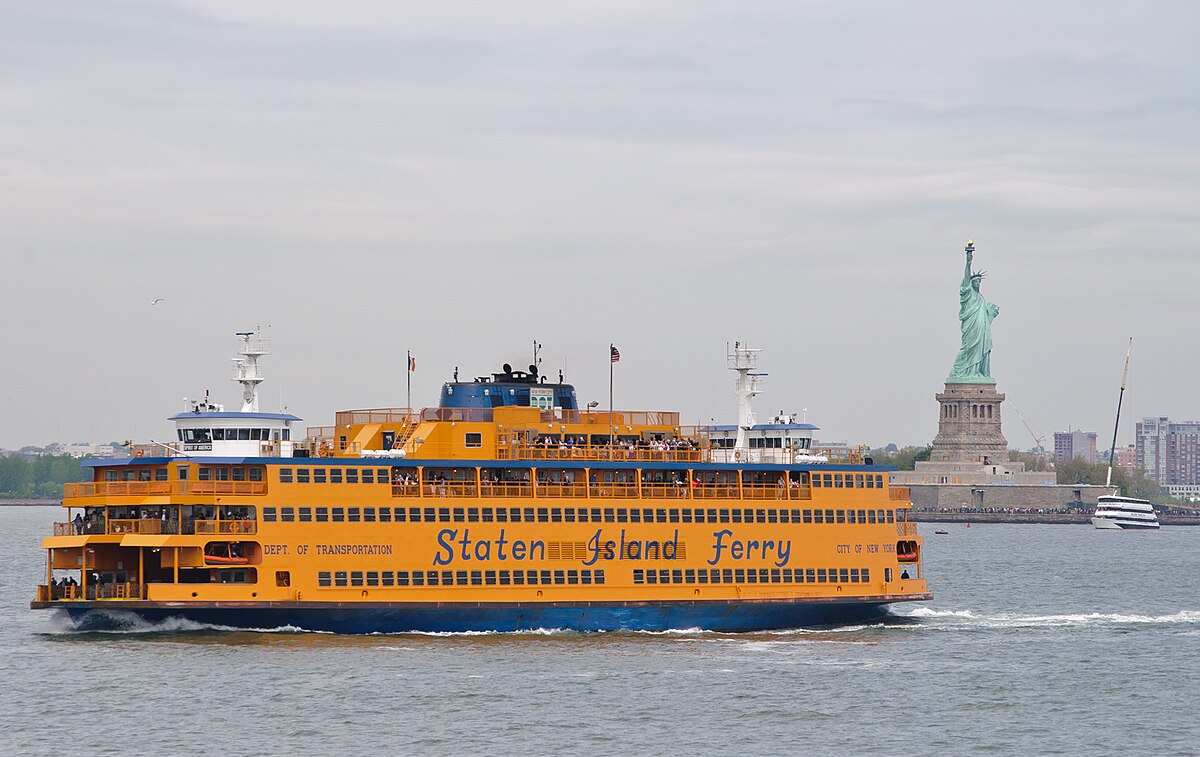
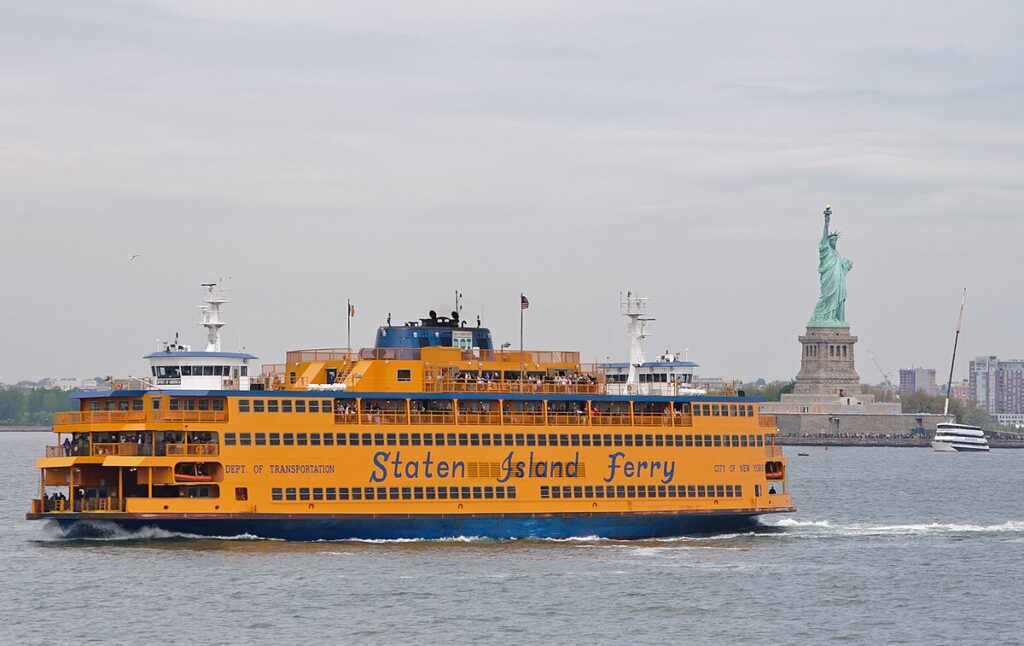
Notable services include the Staten Island Ferry in New York and the Washington State Ferries, both offering essential links and picturesque sightseeing moments.
Europe
Europe’s extensive network connects countries and islands, linking places like the UK and mainland Europe or bridging Greece’s many islands with reliable marine routes.
Asia
From Hong Kong’s bustling harbor to Thailand’s island-hopping ferries, Asia offers numerous memorable water crossings with diverse cultural and scenic experiences.
Environmental Impact of Ferries
Carbon Emissions
Though to know that what is a ferry, either ferries can be relatively eco-friendly, their environmental performance varies depending on their fuel type and capacity levels. Shifting toward clean energy significantly enhances sustainability.
Eco-Focused Innovations
New design strategies include hybrid propulsion, electric-only systems, and renewable energy integration, marking a shift toward greener maritime travel.
Comparison with Other Transport Modes
On a per-passenger basis, ferries often produce lower emissions than cars or planes, especially on short-to-medium routes where they offer a practical alternative.
Future Trends in Ferry Transportation
Technological Upgrades
Expect more digital integration, such as automated ticketing, smart scheduling, and improved navigation tools—all aimed at making ferry travel smoother and more efficient.
Autonomous Ferries
Self-navigating vessels are already being tested. These autonomous ferries rely on advanced sensors and AI systems, potentially reducing labor requirements and enhancing safety.
Growing Networks
As demand for sustainable transport rises, new ferry routes and expanded services are expected, improving connectivity for both local residents and travelers.
Final Thoughts for what is a ferry
What is a ferry, basically Ferries remain a vital part of global transportation systems, offering accessible, affordable, and environmentally conscious ways to cross waterways.
With modern technology reshaping operations and greener solutions becoming more common, what is a ferry or ferry travel is evolving to meet the demands of the future.
Whether serving daily commuters or curious travelers, ferries are likely to continue their long legacy as dependable links between distant shores.
FAQs
Q1. What is a ferry, in the most basic terms?
At its core what is a ferry, a ferry is a water-going craft built to shuttle people, vehicles, or goods between two points that are separated by water. Some are compact and utilitarian, others resemble small floating complexes, but all serve the same purpose: acting as a movable link where a fixed bridge either doesn’t exist or isn’t practical.
Q2. Do all ferries rely on the same type of propulsion?
No—different regions and operators use different systems. Traditional diesel is still common, but hybrid and fully electric ferries are becoming more widespread. A few older vessels in remote areas still use dated machinery. The chosen system usually reflects the route’s length, environmental goals, and the operator’s technological priorities.
Q3. How is a ferry unlike a cruise ship or a sightseeing boat?
Let it be understood for what is a ferry or its mission, A ferry’s mission is transportation. Cruises revolve around leisure, and tour boats emphasize scenic narration, but ferries are built to move people from one side to another on a set schedule. You may still get wide water views, but the trip isn’t designed around entertainment.
Q4. Are ferries only found near oceans or coastlines?
Not at all. Ferries run across rivers, lakes, inlets, and narrow channels, sometimes covering just a few hundred meters and sometimes taking long enough to feel like a small journey. Their geography is surprisingly diverse.
Q5. Do ferries carry vehicles, or only passengers?
Many ferries are built to accept cars, motorbikes, bicycles, and even freight trucks, particularly those using roll-on/roll-off ramps. Some, however, serve only foot passengers. The lineup depends on the route’s demand and the facilities at each terminal.
Q6. Are ferries generally safe to use?
In most regions, yes. Ferries operate under regulations, undergo scheduled inspections, and follow operational rules shaped around safety. Severe weather can interrupt service, but operators usually adjust their schedules long before conditions become risky.
Q7. Do ferries run throughout the entire year?
Some do, especially in temperate areas where waterways stay open. Others operate only in warmer months or during tourism peaks. Ferries in colder climates may stop service when ice forms or when storms are frequent.
Q8. What kinds of amenities might passengers find onboard?
Amenities vary dramatically. Short routes may offer nothing beyond open seating and basic shelter. Larger vessels might include lounges, snack counters, restrooms, wi-fi access points, outdoor viewing decks, or simple family spaces. Each ferry is outfitted according to the length and purpose of its route.
Q9. Why might someone choose a ferry instead of driving over a bridge or through a tunnel?
Sometimes those alternatives simply don’t exist. Other times what is a ferry, a ferry shortens what would be a long detour on land. For many riders, the appeal lies in the calmness of being on the water, even if the trip is only a few minutes long.
Q10. Are ferries environmentally sustainable?
They can be, especially when they run on electricity or hybrid power. The environmental impact depends on fuel type, vessel design, and how full the ferry typically is or what is a ferry. A single trip carrying numerous commuters can reduce road congestion and lower per-person emissions compared to long road routes.
Conclusion
When you look closely at what is a ferry and how it represents, it becomes more than a vessel moving back and forth on a timetable. It’s a quiet intermediary, easing the distance between shores that would otherwise feel too far apart.
Some crossings pass almost unnoticed, while others leave small impressions—the sway of the deck, a gust of wind, or the soft mechanical pulse beneath your feet. And in that brief transition between one side and the other, the ferry feels less like a simple mode of transport and more like a reminder of how we gently stitch separated places together.
Add a Comment