Introduction
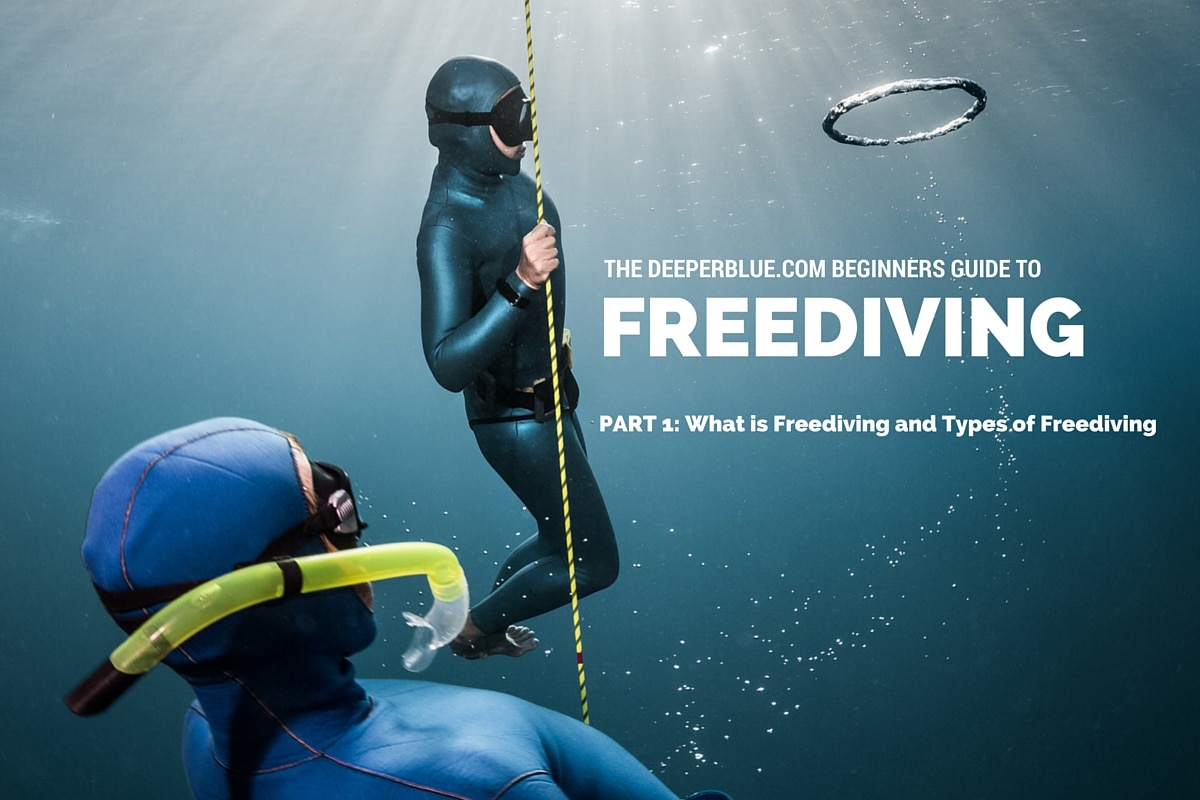
Free diving—often described as breath-hold diving—is an immersive form of underwater exploration where divers descend without relying on any breathing equipment. It blends physical conditioning, mental clarity, and a sense of harmony with the ocean, attracting casual adventurers as well as seasoned competitors.
What Is Free Diving
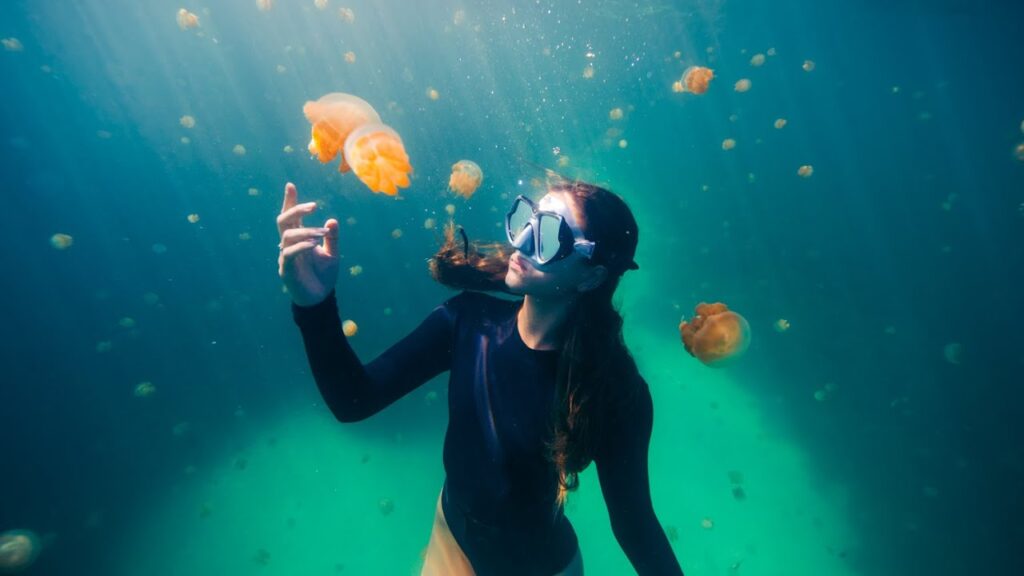
By learning to control their breath, calm their minds, and streamline their movements, free divers discover a quieter, deeper side of the sea, encountering marine life up close and experiencing a level of stillness that is difficult to find above the surface. This article explores the meaning, origins, techniques, equipment, health impacts, and environmental responsibilities tied to this mesmerizing discipline.
Definition for What is Free Diving
What is Free diving, is the practice of descending underwater while holding your breath, without using scuba tanks or other breathing devices. It’s a minimalist approach to exploring the depths—just your lungs, your body, and the ocean itself. Imagine slipping beneath the surface and drifting downward in silence, moving freely through the water as if you’ve temporarily borrowed the calm of the sea.
How Free Diving Differs From Other Water Activities
Unlike scuba diving or snorkeling, what is free diving and how it emphasizes simplicity. There are no hoses, tanks, or mechanical aids—only your breath and your ability to stay relaxed. This purity invites a strong mental and physical connection with the underwater world. Without heavy gear slowing you down, every movement feels fluid, making the experience closer to gliding than swimming.
Foundations of Breath-Hold Diving
Two core principles guide this sport: controlled breathing and deep relaxation. Divers learn specialized breathing exercises to increase lung efficiency and reduce oxygen consumption. Staying calm slows the heart rate, helping preserve breath during descent. A composed mind and steady body are the keys to extending time underwater—and enjoying every second of it.
History and Growth of What is Free Diving
Free diving is far from a modern invention. For thousands of years, coastal civilizations have relied on breath-hold diving to gather food, retrieve valuables, and perform cultural traditions. What began as a survival skill has gradually transformed into a respected sport and a form of meditative recreation.
Ancient Traditions and Cultural Roots
In regions such as the Mediterranean and East Asia, early divers harvested sponges, pearls, and seafood using only their breath. The famed ama divers of Japan—many of whom were women—became symbols of endurance and dedication, embodying communities’ ties to the ocean. These historical practices show that free diving is deeply intertwined with human dependence on and admiration for the sea.
Modern Free Diving and Competitive Forms
Today, what is free diving, has evolved into a structured sport with multiple disciplines, including static apnea (breath-holding at the surface) and dynamic apnea (horizontal swimming). Organizations like AIDA help set safety standards and host global competitions. With modern training methods and advanced safety practices, athletes now reach depths once thought impossible on a single breath.
Skills and Techniques Needed in Free Diving
Becoming proficient it is important to know about what is free diving and what it requires far more than comfort in the water—it demands patience, practice, and mental discipline.
Breath Training and Equalization
Breath work is central to improving performance. Divers also learn equalization techniques to know about what is free diving, such as Frenzel and Valsalva, to ease pressure on the ears and sinuses as they descend. Mastering these methods prevents discomfort and keeps the focus on the peaceful experience rather than the changing pressure.
Streamlining and Body Mechanics
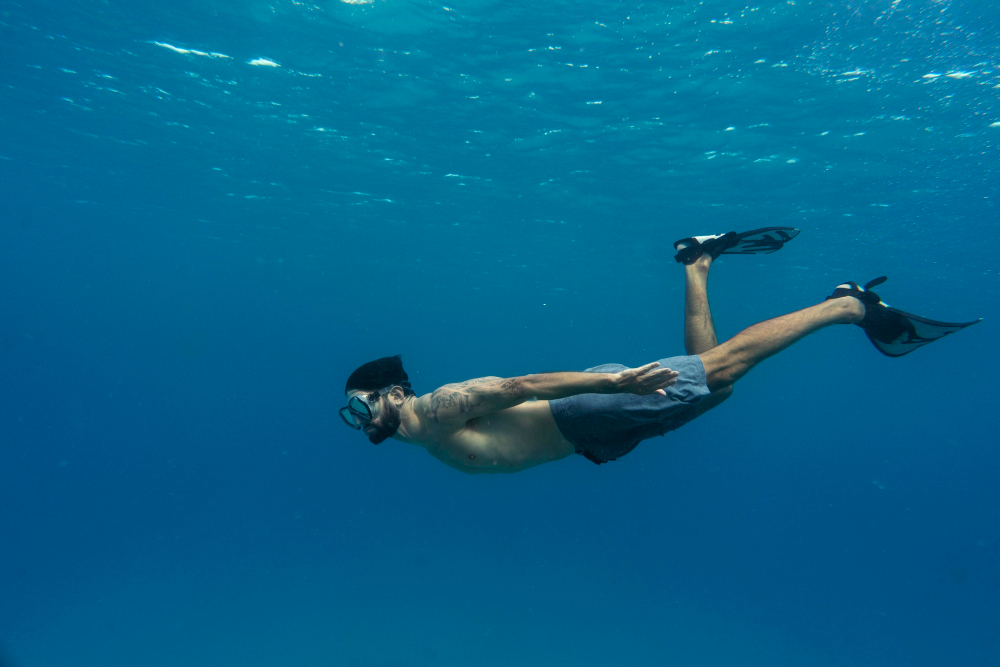
Maintaining a streamlined posture reduces drag and conserves valuable energy. By positioning the body like a narrow, elongated arrow—with controlled kicks and smooth motions—divers move efficiently and gracefully through the water. Good form is not only functional but also part of the sport’s appeal.
Equipment Used in Free Diving
Although minimalistic by nature, what is free diving, still benefits from a few essential pieces of gear that enhance comfort and safety.
Key Gear: Masks, Fins, Wetsuits
A well-fitting mask improves visibility and reduces air usage. Long-blade fins offer powerful propulsion with less effort, while wetsuits provide warmth and buoyancy. Combined, these tools help divers conserve energy and remain relaxed throughout the dive.
Safety Accessories
Safety is crucial. Divers often use buoy lines, surface floats, and dive watches to monitor their depth and time underwater. Equally important is diving with a trained buddy who can assist in case of emergencies. Responsible safety habits allow divers to enjoy the sport with confidence.
Health Benefits and Risks
Physical Advantages
What is Free diving, so it strengthens the whole body, especially the core, legs, and respiratory system. The breath-hold training enhances lung capacity, while swimming through currents builds endurance and muscular stability.
Mental Benefits
Descending into the stillness of the ocean naturally promotes mindfulness. The focus on calm breathing and relaxation helps reduce stress and encourages a meditative mindset. Many divers describe a lingering sense of peace long after they resurface.
Potential Risks and Prevention
Like all water sports, what is free diving and how it carries risks such as shallow water blackout. Proper training, adherence to safety rules, and practicing within personal limits are essential. With the right guidance and preparation, most dangers can be minimized.
What is Free Diving Top Destinations
Best Spots fhnor Beginners
What is free diving Beginner-friendly destinations like Key Largo in Florida or the shallow, vibrant waters of the Bahamas offer clear visibility, calm seas, and skilled instructors who make learning accessible and enjoyable.
Advanced Locations for Experienced Divers
For those seeking a challenge about what is free diving, places like the Blue Hole in Belize or the intricate underwater caves in Palau offer dramatic descents and breathtaking scenery. These sites demand strong skills and strict safety awareness.
Training and Certification for What is Free Diving
Overview of Courses
What is free diving formal courses teach proper breathing techniques, equalization, rescue procedures, and depth progression. Certification from recognized organizations builds confidence and ensures divers develop safe, sustainable habits.
Why Safety Training Matters
Understanding how to prevent and respond to issues like hyperventilation, hypoxia, or blackout is a vital part of training. Safety education empowers divers to protect themselves and assist others in the water.
Environmental Responsibility
Effect on Marine Ecosystems
Free divers must be mindful of their presence underwater. Touching coral, chasing fish, or disturbing habitats can harm fragile ecosystems. Respecting marine life preserves both the environment and the beauty divers come to enjoy.
Conservation and Best Practices
Many in the free diving community advocate for ocean protection by supporting marine conservation, participating in reef cleanups, and promoting responsible interaction with wildlife. The healthier the ocean, the richer the experience for divers.
Final Thoughts about what is free diving
Free diving offers a rare blend of adventure, introspection, and connection with nature. It nurtures physical strength, mental clarity, and an appreciation for underwater ecosystems.
Whether you’re just dipping your toes into the sport or already comfortable in deep water, what is free diving opens the door to a unique, transformative world beneath the waves.
With a focus on safety, respect, and conservation, this remarkable activity can continue to inspire generations of ocean loving the beautiful views.
FAQs
Q1. What is free diving at its core?
At its simplest, free diving is the act of going underwater on a single breath, letting your lungs serve as your only air supply. You descend, explore for as long as that breath lasts, and rise again—guided by calm breathing, body awareness, and how you adapt to changing pressure.
Q2. How is free diving different from scuba diving?
Scuba relies on tanks and regulators, allowing long underwater sessions. Free diving strips away bulky gear, leaving you with a more direct, intimate connection to the water. Each dive becomes a blend of controlled breathing, quiet focus, and efficient movement rather than a reliance on equipment.
Q3. Is free diving risky for beginners?
It can be if someone dives without guidance. Proper instruction dramatically lowers the danger because you learn equalization, safe breath-hold techniques, buddy procedures, and how to recognize early signs of oxygen stress. With training and respect for your limits, the activity becomes far safer and more predictable.
Q4. What abilities help make a free dive safe?
A surprising one is relaxation. Beyond that, smooth finning, streamlined posture, reliable equalization, and the ability to conserve oxygen all matter. Many divers also practice CO₂ tolerance drills and deep breathing techniques to stay calm during longer or deeper descents.
Q5. Do you have to be a strong swimmer to try free diving?
Not necessarily. You just need to be comfortable in the water—able to float, kick steadily, and stay composed in open-water environments. Free diving is less about speed and more about moving slowly and deliberately.
Q6. What types of free diving are there?
Several distinct disciplines exist. Static apnea is breath-holding at the surface. Dynamic apnea focuses on underwater distance in a pool. In open water, divers may choose constant weight, constant no-fins, or free immersion, using fins, no fins, or a rope pull to move along a descent line. Each approach emphasizes different skills, from patience to technique to mental stillness.
Q7. How long do people typically hold their breath?
Most beginners manage under a minute. With regular training, many reach a few minutes comfortably. Elite athletes push far beyond that, but progress from novice to competent diver usually comes from mastering relaxation rather than possessing extraordinary lung capacity.
Q8. What gear do free divers usually bring?
Even though the sport values simplicity, divers commonly wear long fins, a snug low-volume mask, an appropriately thick wetsuit, a small weight belt for balance, and sometimes a snorkel or lanyard for line work. The setup is light and designed for quiet, fluid movement through the water.
Q9. Is free diving only focused on depth?
Not at all. Many people stay in shallow areas to observe reefs, swim among fish, or drift through underwater forests where sunlight scatters beautifully. Deep dives are optional; curiosity and comfort often drive the experience more than the numbers on a depth gauge.
Q10. Can free diving be used for fitness or stress relief?
Absolutely. Breath-hold practice strengthens respiratory efficiency, improves tolerance to CO₂ buildup, and encourages mental stillness. Many find the slow breathing, gentle kicks, and muffled underwater atmosphere deeply soothing—almost meditative.
Conclusion
What is Free diving, once you look beyond the technical definitions, often feels like a quiet dialogue between your breath and the sea—sometimes steady, sometimes intense, and occasionally unexpectedly serene. The activity stretches your awareness in subtle ways, nudging you to move with intention, clear your mind, and trust your body as it settles into the rhythm of the water.
Whether you’re fascinated by the pull of the deep or simply love drifting just below the sunlit surface, the experience unfolds gradually, softening at the edges, inviting you to return for one more slow inhale before slipping beneath the blue again.
Add a Comment