Introduction
As the colder months draw near, many travelers start dreaming about snowy mountains, winter sports, and festive escapes. Yet, winter trips often come with unpredictable hurdles that can quickly disrupt even the best-planned getaway. That’s exactly where winter travel insurance becomes invaluable.

This type of coverage provides a financial cushion when unexpected issues—like canceled flights, accidents on the slopes, or misplaced gear—threaten to derail your plans. Below, we’ll break down what winter travel insurance includes, why winter travel insurance important, and how to choose a policy of winter travel insurance, that keeps you protected throughout your cold-weather adventures.
Understanding Winter Travel Insurance
What Is Winter Travel Insurance?
Winter travel insurance is a specialized form of protection tailored for trips where cold weather and winter sports play a major role. Whether you’re skiing, exploring snow-covered destinations, or simply escaping to somewhere wintry, this coverage steps in when winter-specific problems arise.
It can help with everything from weather-related flight disruptions to injuries sustained during seasonal activities.
How It Differs From Standard Travel Insurance
While regular travel insurance provides general trip protection, winter travel insurance goes further by addressing the distinct risks associated with cold-weather travel.
These enhanced policies may cover situations like damaged ski equipment, altitude-related injuries, or incidents related to avalanches—coverage that standard plans often exclude.
If your trip revolves around snow and ice, choosing a winter-specific policy ensures you’re not left with unexpected gaps in protection.
Why Winter Travel Insurance Matters
Seasonal Risks You May Encounter
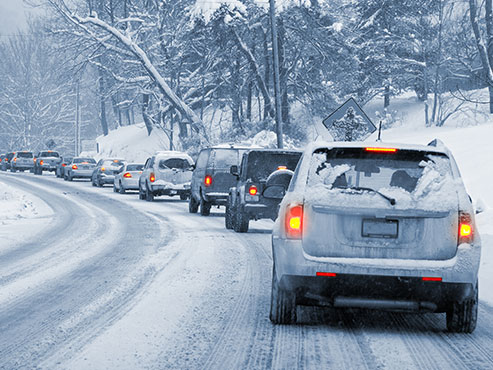
Winter brings its own set of challenges. Heavy snowfall can delay or cancel flights, icy roads make driving hazardous, and activities like skiing or snowboarding increase the chances of accidents. These conditions can lead to costly setbacks. Winter travel insurance acts as a buffer, helping you handle these risks without unnecessary financial stress.
Financial Protection When Plans Go Wrong
Imagine saving for a dream winter vacation only to have a blizzard force you to cancel at the last minute. Without coverage, you could lose the entire investment. Winter travel insurance helps reimburse non-refundable expenses, covers emergency medical care, and offers assistance during travel delays. It’s essentially your financial safety blanket when winter weather decides not to cooperate.
Key Features to Look For Winter Travel Insurance
Trip Cancellation and Interruption
Choose a policy that provides strong protection if your plans are derailed by unforeseen events such as severe weather, illness, or emergencies. This type of coverage ensures you don’t lose money because of factors beyond your control.
Emergency Medical Assistance
Winter sports are thrilling but can come with injury risks. Look for policies that specifically address medical needs related to winter activities—such as fractures, sprains, or cold-related health concerns. Having this coverage means you can enjoy your trip knowing help is available if something goes wrong.
Coverage for Delays, Baggage, and Equipment
Lost or delayed luggage is frustrating under any circumstances, but when it includes essential winter gear, it can ruin your plans entirely. A good winter insurance policy offers reimbursement for delays, lost items, and damaged equipment so you’re never stuck replacing costly gear out of pocket.
Common Exclusions to Know About Winter Travel Insurance
Pre-Existing Medical Conditions
Many insurers will not cover incidents related to medical issues you had before purchasing your policy. If you have an existing condition, make sure to read the terms carefully or consider a plan that offers coverage with medical waivers.
Excluded High-Risk Activities
Extreme or off-trail winter sports often fall outside standard coverage. Activities like backcountry skiing, heli-skiing, or snowmobiling may require additional or specialized insurance. Always check your policy if you plan to participate in activities with higher-than-average risks.
Tips for Selecting the Right Policy
Evaluate Your Trip and Activities
Think about your destination, expected weather conditions, and the type of activities you’ll be doing. A leisurely stay in a winter cabin requires different coverage than a week of downhill skiing. Choose a policy that fits the nature of your trip rather than relying on one-size-fits-all protection.
Compare Plans and Providers
Coverage varies widely between insurers. Take time to compare policies, read reviews, and check what each plan includes. Look for clear terms, fair pricing, and reliable customer support. The best policy should feel comprehensive without being overly complicated.
How to File a Claim
What To Do After an Incident
If something goes wrong during your trip, notify the appropriate service provider immediately—whether that’s an airline, hotel, medical facility, or ski resort. Document everything, including receipts, photos, and written reports. Once you’re home or in a stable situation, submit your claim following the instructions provided by your insurer.
Documents You’ll Need
Be prepared to provide:
- Completed claim forms
- Medical reports or police statements
- Receipts for extra expenses
- Proof of travel disruptions or damaged/lost items
- Written communication with service providers
Submitting accurate and complete documentation helps speed up the claims process and increases your chances of approval.
Some Common Discussion Points
If my claim gets rejected
Review the denial letter carefully to understand the reason. If you think the decision is unfair, provide additional documentation or clarification and request an appeal. Many claim denials can be resolved with more information or a clearer explanation.
Is winter travel insurance really worth it
If your winter trip includes sports, remote destinations, or unpredictable weather, the answer is almost always yes. Medical care, damaged gear, and trip cancellations can be extremely expensive. A small upfront cost for insurance can save you from enormous losses later.
Stay Prepared for a Smooth Winter Trip
Winter travel can be magical, but the season’s unpredictability means it’s wise to prepare for the unexpected. Winter travel insurance helps ensure your vacation remains memorable for the right reasons.
By choosing a policy that suits your destination, your planned activities, and your personal needs, you can travel confidently—knowing you’re protected from weather disruptions, injuries, and other unforeseen challenges.
Before heading out, review your policy carefully and keep essential contact details close at hand. With the right coverage, you can focus on enjoying every moment of your winter adventure.
FAQs
Q1. Why is winter travel insurance important?
Cold-season travel often comes with surprises—snowstorms, frozen runways, sudden cancellations, or delays that stretch for hours. A winter-focused travel insurance plan helps cushion these disruptions by covering unexpected expenses tied to weather issues, emergencies, or misplaced gear. It adds a layer of security so you can enjoy your holiday rather than worry about every potential hiccup.
Q2. What does winter travel insurance usually include?
Most policies offer protection for trip cancellations and interruptions, emergency medical treatment, weather-related delays, lost or damaged luggage, and coverage for winter sports equipment. Some insurers also include ski pass reimbursement, resort closure coverage, or compensation linked to snow-sport accidents.
Q3. Does it cover activities like skiing or snowboarding?
Often, yes. Many companies provide add-on packages or dedicated adventure plans that cover common winter sports such as skiing, snowboarding, snowmobiling, and similar activities. More extreme pursuits—like heli-skiing—may need specialized insurance, so it’s wise to check the policy details before booking.
Q4. Will I be covered for cancellations caused by severe weather?
In most cases, if hazardous weather shuts down airports, grounds flights, or makes travel unsafe, your plan may reimburse the non-refundable parts of your trip. This typically applies when delays meet the minimum time requirement listed in your policy.
Q5. Can I get protection for lost or damaged winter gear?
Yes. Many plans include coverage for winter essentials—skis, snowboards, boots, and other specialized equipment—if they’re lost, stolen, or damaged. Some even cover the cost of renting replacement gear if your items arrive late or go missing in transit.
Q6. When is the best time to purchase winter travel insurance?
Ideally, you should buy your policy soon after making your travel reservations. Early purchase ensures eligibility for time-sensitive upgrades such as Cancel for Any Reason (CFAR) and allows you to lock in coverage before any new weather threats develop.
Q7. Does winter travel insurance offer medical evacuation benefits?
Comprehensive plans often include emergency evacuation, ensuring you can be transported to a suitable medical facility if necessary. This is particularly valuable if you’re visiting snow-covered mountains or remote winter destinations.
Q8. Is COVID-19 still included in most policies?
Many insurers now treat COVID-19 as a standard illness, offering coverage for cancellations, medical treatment, and emergencies related to the virus. Coverage still varies by provider, so reviewing the specific wording of your policy is important.
Q9. Do I need winter travel insurance for a domestic trip?
Even local trips can be disrupted by harsh winter weather. Insurance can help you recover costs associated with delays, cancellations, or emergencies, making it useful whether you’re traveling across the country or just a few hours away.
Q10. Are pre-existing medical conditions covered?
Some plans include a waiver for pre-existing conditions if you buy the policy within a designated period after booking your trip. Without that waiver, coverage might be limited or excluded, so timing matters.
Conclusion
Winter journeys can be magical, but they also come with a fair share of unpredictability. Choosing the right travel insurance gives you a safety net when the weather shifts, equipment breaks, or unexpected medical issues arise.
With solid coverage in place, you’re free to enjoy snowy landscapes, festive cities, or quiet mountain cabins without worrying about what might go wrong. A thoughtful policy keeps your holiday bright—even when winter brings its surprises.
Add a Comment